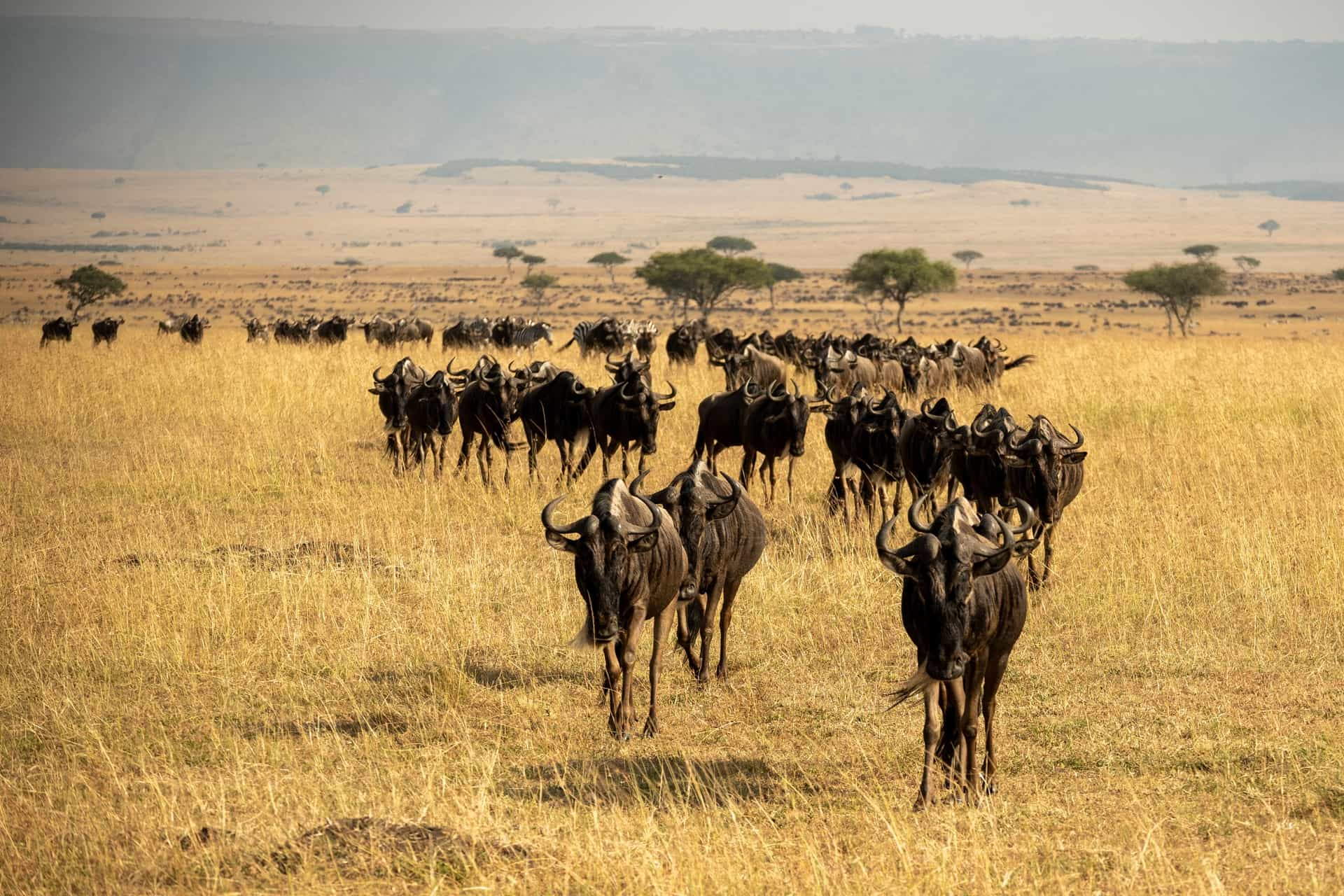
A 9-day safari split between Kenya and Tanzania is an absolute sweet spot for travel. It is just long enough to let you deeply immerse yourself in the rhythm of the East African savannah, yet compact enough to fit neatly into a standard vacation window. If you have ever dreamed of waking up to the sound of roaring lions, watching thousands of wildebeest plunge across a river, or seeing the sun drop behind a lone acacia tree, this timeframe gives you the keys to the kingdom.
But here is the catch: East Africa is massive, and trying to see everything will leave you spending more time looking at a dusty windshield than at the wildlife. The secret lies in choosing an itinerary that matches your personal travel style. Whether you are a first-time safari-goer looking for the heavy hitters, an adrenaline junkie who wants to stretch their legs, or a couple looking to balance rugged game drives with pristine white-sand beaches, we have mapped out five distinct ways to spend your nine days in paradise.
9-days-best-kenya-and-tanzania-safari-muti-country-combo
9-days-photography-kenya-tanzania-safari-holiday-vacation
9-days-kenya-tanzania-safari-and-zanzibar-beach-holidays
9 Days Classic Big 5 & Migration Route
Embark on the ultimate East African safari traversing the world’s most iconic wildlife landscapes. This masterfully designed 9-day itinerary bridges Kenya’s legendary Maasai Mara with Tanzania’s boundless Serengeti plains and the dramatic Ngorongoro Crater. Seamlessly crossing the Isebania border, this route positions you in the heart of the action during the prime Great Migration months of July to October. You will witness millions of wildebeest and zebras brave predator-filled waters and sweep across the savannah. Optimized for first-time safari-goers and keen wildlife photographers, the journey maximizes your time in the field with expert guides who track the region’s dense apex predator populations. From the striking Rift Valley escarpments to a prehistoric volcanic caldera teeming with rare black rhinos, every day promises unmatched, front-row encounters with Africa’s Big Five. Prepare for a deeply immersive overland adventure that captures the true, raw rhythm of the wild.
Day 1: Nairobi to Maasai Mara National Reserve
Your safari adventure begins in Nairobi with a morning briefing from your driver-guide. Board your private 4x4 safari vehicle and descend the scenic slopes of the Great Rift Valley, stopping briefly at a panoramic viewpoint to photograph the sweeping escarpment below. Continue driving through fertile farmlands and bustling Maasai towns like Narok, entering the iconic Maasai Mara National Reserve in time for a fresh lunch at your tented camp. After settling into your canvas oasis, head out for your first afternoon game drive. The Mara immediately introduces you to its abundant resident wildlife, including elephants, buffaloes, and large prides of lions basking in the golden late-afternoon sun. As dusk falls, return to your camp for an atmospheric dinner under the stars, falling asleep to the distant calls of hyenas across the open plains.
Day 2: Full Day Exploration of the Maasai Mara
Dedicate today to exploring the pristine corners of the Maasai Mara. Set off at sunrise, the absolute best time to observe apex predators like leopards and cheetahs before they seek shade from the midday heat. Your expert guide can arrange a full-day game drive with a packed picnic lunch, allowing you to reach the banks of the dramatic Mara River. Here, during the peak months, you will seek out the massive mega-herds of wildebeest gathered along the steep ridges, nervously preparing to plunge into waters guarded by giant Nile crocodiles. Photographers will appreciate the unmatched light and dramatic action on these rolling savannahs. Alternatively, split your day into morning and afternoon drives, leaving a midday window to relax at camp or book an optional, enriching cultural visit to a traditional Maasai village.
Day 3: Second Full Day in Maasai Mara’s Wildlife Hotspots
Spend another comprehensive day tracking wildlife across the legendary Mara plains. Focus your morning on the Mara Triangle or the rich plains surrounding the Talek River, areas renowned for their incredibly dense lion populations and remarkable bird diversity, featuring over 570 recorded species. Watch for spotted hyenas patrolling the fringes of the herds and elegant topis standing guard on termite mounds. You might choose to elevate your morning with an optional sunrise hot air balloon safari, drifting silently over the vast herds before landing for a classic champagne bush breakfast. The afternoon offers a final opportunity to track elusive black rhinos or locate a leopard draped elegantly over a sausage tree branch. Return to camp as the African sun dips below the horizon, completing an unforgettable chapter of your Kenyan safari.
Day 4: Maasai Mara across Isebania Border to Serengeti
An early breakfast prepares you for a long but deeply rewarding overland journey connecting two of Africa’s greatest ecosystems. Depart the Maasai Mara with a scenic en-route game drive, heading west toward the busy Isebania border post. Your Kenyan guide will seamlessly assist you through immigration and customs formalities at the crossing. Bid farewell to your Kenyan team, walk across the border, and meet your expert Tanzanian driver-guide who awaits with a fresh 4x4 safari vehicle. Once entry stamps are secured, proceed into Tanzania, navigating the rustic roads that lead straight into the western reaches of the Serengeti National Park. The drive doubles as an afternoon game drive as you cross into the park, arriving at your central Serengeti tented lodge in time for a warm dinner and a restful night.
Day 5: Discovering Central Serengeti (Seronera Valley)
Wake up to the distinct sounds of the Tanzanian wilderness. Today is fully dedicated to exploring the central Serengeti, specifically the wildlife-rich Seronera Valley. This unique valley features a network of permanent rivers that attract a staggering volume of resident game year-round. It is widely celebrated as one of the finest places in Africa to spot elusive leopards, which spend their days resting in the branches of yellow-barked acacia trees. Cruise alongside picturesque kopjes—massive granite rock formations that serve as elevated vantage points for lions and cheetahs scouting the surrounding plains for prey. Enjoy a midday lunch break back at your lodge or opt for a scenic picnic under an acacia tree. The afternoon game drive promises excellent encounters with large elephant herds, giraffes, and hippos tightly packed into deep river pools.
Day 6: Tracking the Migration in Northern Serengeti
After breakfast, journey northward from the central plains toward the remote and breathtaking Kogatende region of northern Serengeti. This targeted drive tracks the precise path of the Great Migration as the herds shift between Tanzania and Kenya. Arriving in the north, the landscape transforms into beautiful rolling woodlands interspersed with open granite kopjes. This area provides an exclusive, wild feel with far fewer vehicles than the central valley. Check into your seasonal mobile migration camp, positioned strategically close to the Mara River loops. Spend your afternoon exploring the riverbanks, watching for massive crocodiles and tracking the fast-moving herds that blanket the northern plains. Dinner is served in a cozy mess tent, surrounded by the raw sounds of the migration moving through the darkness.
Day 7: Full Day of Northern Serengeti River Crossings
Dedicate a full, thrilling day to witnessing the raw energy of the Mara River crossings from the Tanzanian side. Your guide will position the vehicle at key vantage points along the riverbanks, where thousands of wildebeest and zebras gather in frantic, dust-filled masses. Patience is highly rewarded here; watching the nervous herd build up until a single brave individual leaps into the current, triggering a chaotic chain reaction, is one of nature’s greatest spectacles. Photographers can capture the intense struggle against the swift river currents and predatory crocodiles. Enjoy a picnic lunch in the shade of a wild fig tree, keeping your eyes peeled for lions and leopards capitalizing on the abundance of prey. End the day with a relaxed sundowner on a rocky kopje before dinner.
Day 8: Northern Serengeti to the Ngorongoro Crater Rim
Enjoy a final morning game drive through the northern Serengeti as you begin making your way south toward the Ngorongoro Conservation Area. The transition between these distinct landscapes is spectacular, shifting from the endless, flat grasslands to the dramatic, green volcanic highlands. Pass by the famous Olduvai Gorge, a crucial archaeological site where early human fossils were discovered. As you ascend the steep outer slopes of the Ngorongoro massif, the air turns crisp and cool. Arrive at your lodge perched directly on the rim of the ancient caldera in the late afternoon. Step out onto the viewing deck to witness the breathtaking, mist-shrouded crater floor stretching out 2,000 feet below you before enjoying a cozy dinner by a roaring fireplace.
Day 9: Ngorongoro Crater Floor Drive to Arusha
Descend early this morning down the steep, forested walls into the prehistoric wonderland of the Ngorongoro Crater floor. This collapsed volcanic caldera spans 100 square miles and forms a self-sustaining ecosystem hosting over 25,000 large mammals. The flat, open grassland makes spotting wildlife incredibly easy. You will explore the alkaline waters of Lake Magadi, vibrant with pink flamingos, and cruise through the Lerai Forest, a favorite haunt for massive bull elephants with magnificent tusks. This is your absolute best opportunity to check off the endangered black rhino, completing your Big Five checklist. Following a scenic picnic lunch near a hippo pool, ascend the crater walls and enjoy a smooth, scenic drive through the colorful town of Karatu, arriving in Arusha by late afternoon for your onward travel arrangements.
9 Days Rift Valley Lakes & Migration Route
This incredible 9-day cross-border safari weaves through East Africa’s most iconic wildlife arenas, mapping the path of the Great Migration and the geology of the Great Rift Valley. Starting in Nairobi, you will drop into the valley floor to track rare rhinos at Lake Nakuru before exploring the world-famous savannahs of the Maasai Mara. Crossing the international border into Tanzania, the journey enters the endless horizons of the Serengeti, tracing vast herds of wildebeest and apex predators. The grand finale takes you into the Ngorongoro Crater, a pristine volcanic caldera acting as a natural haven for the Big Five. Ending in Arusha, this high-octane overland route maximizes your time in the bush, shifting seamlessly between volcanic lakes, open plains, and dense wildlife sanctuaries. It is an ambitious, deeply rewarding journey tailored for those who want to witness the pure, unyielding rhythm of the African wilderness across two legendary safari nations.
Day-by-Day Journey
Day 1: Nairobi to Lake Nakuru National Park
Your adventure begins with an early morning departure from Nairobi. As you drive northwest, the road clings to the edge of the Great Rift Valley, offering a breathtaking pause at the main escarpment viewpoint for photos of the vast depression below. Descending the winding roads to the valley floor, you will arrive at Lake Nakuru National Park in time for lunch at your lodge. The afternoon is dedicated to your first game drive around the lake's shores. Once world-renowned solely for its millions of pink flamingos, Nakuru is now celebrated as one of Kenya’s most successful sanctuaries for endangered Black and White Rhinos. As you track these prehistoric giants through the acacia woodlands, keep a sharp lookout for leopards resting in the branches and large herds of Cape buffalo grazing near the water's edge before returning to your lodge for dinner.
Day 2: Lake Nakuru to Maasai Mara National Reserve
After an early breakfast, you bid farewell to Lake Nakuru and head south toward the legendary Maasai Mara National Reserve. The drive takes you through the fertile, rolling hills of the Loita Plains, where you will spot traditional Maasai herders clad in bright red shúkàs tending to their cattle. You will arrive at the gates of the Maasai Mara by midday, checking into your camp or lodge just in time for a fresh lunch. After a brief rest to escape the midday heat, you will set out on your inaugural afternoon game drive. The Mara instantly introduces itself with its iconic, wide-open savannahs dotted with lonely acacia trees. You will spend the late afternoon tracking resident prides of lions, scanning the grasslands for cheetahs on the hunt, and enjoying your very first African sunset over the plains.
Day 3: Full Day in the Maasai Mara
A completely uninterrupted day is dedicated to exploring the unparalleled wildlife density of the Maasai Mara. You can opt for a full-day game drive with a packed picnic lunch or break the day into early morning and late afternoon sessions when predators are most active. Your guide will navigate the vast tracks of the reserve, heading toward the famous Mara River. If you are traveling between July and October, the plains will be black with hundreds of thousands of migrating wildebeest and zebras. You will park contextually near the riverbanks, waiting for the high-stakes drama of a river crossing, where herds plunge down steep slopes into crocodile-infested waters. Beyond the migration, the Mara delivers exceptional year-round sightings of elephants, giraffes, hyenas, and rare black rhinos, ensuring a thrilling day of pure safari immersion.
Day 4: Maasai Mara to Serengeti via Isebania Border
This is the most logistically demanding travel day of your safari, requiring an early departure with a packed breakfast. You will drive toward the Isebania border, the frontier separating Kenya and Tanzania. Here, you will clear customs and immigration, obtain your Tanzanian entry stamps, and say goodbye to your Kenyan guide. Walking across the border, you will meet your Tanzanian guide and step into a new 4x4 safari vehicle. Once the paperwork is settled, you enter the Serengeti ecosystem. The drive into the Northern Serengeti doubles as an en-route game drive. The landscape shifts subtly, becoming even more vast and open as you travel south toward your central camp. It is a long day on bumpy roads, but watching the horizon expand into the true "endless plains" makes every mile worthwhile.
Day 5: Full Day in Serengeti National Park
You have a full day to explore the crown jewel of Tanzania’s wilderness. The Serengeti's sheer scale is staggering, and your guide will tailor the day's route based on where the Great Migration herds are currently concentrated. You might explore the central Seronera Valley, a network of river lines that support a massive year-round population of leopards, lions, and hippos. Alternatively, you may venture toward the western corridor or northern plains. The Serengeti is famous for its rocky granite outcrops called kopjes, which serve as lookout towers for lions and cheetahs scanning the grass for prey. As you spend hours traversing the plains, you will witness nature in its rawest form—hundreds of gazelles bounding through the grass, vultures circling overhead, and massive elephant herds moving silently across the ancient landscape.
Day 6: Serengeti to Ngorongoro Conservation Area
Enjoy a final morning game drive through the Serengeti as the golden morning light bathes the plains, offering an excellent opportunity to spot predators finishing their nocturnal hunts. After lunch, you will begin your journey toward the Ngorongoro Conservation Area. The drive climbs steadily out of the flat plains into the cooler, forested highlands. En route, you have the option to stop at Olduvai Gorge, the world-famous archaeological site where the Leakey family discovered early hominid fossils, earning it the title "Cradle of Mankind." Leaving the gorge, the road winds up to the very rim of the Ngorongoro Crater. You will check into your lodge perched on the edge of the caldera, where you can stand on the observation deck and look down into the massive, mist-shrouded bowl before dinner.
Day 7: Ngorongoro Crater Floor to Karatu/Arusha
Wake up at dawn to descend 2,000 feet down the steep, forested walls into the pristine bowl of the Ngorongoro Crater. This volcanic caldera functions as a self-contained Eden, sheltering over 25,000 large animals on its 100-square-mile floor. Because the walls create a natural barrier, wildlife stays here year-round. You will explore the alkaline Lake Magadi, which is often dusted with a pink fringe of flamingos, and search the Lerai Forest for massive tusker elephants. The crater floor offers your absolute best chance in Tanzania to view the highly endangered Black Rhino in the open. After a picnic lunch next to a hippo pool, watching the massive mammals honk and splash, you will ascend the crater walls in the afternoon and make your way down the highlands toward Karatu or onward to Arusha.
Day 8: Arusha Relaxation or Cultural Tour
After seven consecutive days of early mornings and bumpy "African massage" dirt roads, today is designed to let you catch your breath and unwind. You will spend a slow morning enjoying a late breakfast at your Arusha hotel, relaxing by the swimming pool, or strolling through the manicured tropical gardens. If you still have an appetite for exploration, Arusha offers fantastic cultural experiences. You can visit the local Maasai central markets to shop for hand-beaded jewelry, tour a local Tanzanite gemstone gallery, or take a guided walk through a lush coffee plantation nestled on the lower slopes of Mount Meru to learn how beans are harvested and roasted. It is the perfect, stress-free buffer day to process the incredible wildlife spectacles you have witnessed over the past week.
Day 9: Departure from Arusha
Your unforgettable East African safari draws to a close today. Depending on your flight arrangements, you will enjoy a final morning at leisure in Arusha to pack your bags and collect your souvenirs. If you are flying out internationally, you will be transferred to Kilimanjaro International Airport (JRO) for your journey home. Alternatively, if your return flights depart from Nairobi, you can catch the morning cross-border shuttle bus back across the Namanga border to Jomo Kenyatta International Airport. As you head toward the airport, catching a final glimpse of Mount Meru or the distant snows of Mount Kilimanjaro on a clear day, you will depart with a deep appreciation for the wildlife, people, and spectacular landscapes of Kenya and Tanzania.
9 Days Scenic Highlights (Kenya to Tanzania)
This 9-day cross-border safari is a spectacular combination of East Africa’s ultimate wildlife landscapes, seamlessly linking Kenya’s Maasai Mara and Amboseli with Tanzania’s iconic Serengeti and Ngorongoro Crater. This tailored itinerary captures the true theatrical scale of the wilderness, balancing the immense predator populations of the Mara and Serengeti plains with the famous, postcard-perfect views of massive elephant herds moving beneath the snow-capped peak of Mount Kilimanjaro. Crossing the international border at Namanga, your journey bridges the distinct geographical marvels of the Great Rift Valley, vast savannahs, and pristine volcanic calderas. Ideal for photography enthusiasts and wildlife lovers alike, this scenic route guarantees high-density animal encounters while maximizing transit logistics between the region's absolute heavyweights. It is an ambitious, unforgettable journey crafted to showcase the dramatic contrasts, rich cultural presence, and raw ecological wonders that make Kenya and Tanzania the premier safari destinations on earth.
Day-by-Day Journey
Day 1: Nairobi to Maasai Mara National Reserve
Your safari adventure kicks off early in the morning as you leave the bustling city of Nairobi behind and drive toward the legendary Maasai Mara National Reserve. The scenic route takes you down the breath-taking slopes of the Great Rift Valley escarpment, where you will stop for panoramic photos of the sweeping valley floor below. Continuing through fertile Maasai land, you will witness traditional herders tending their livestock before arriving at your lodge or tented camp in time for a fresh lunch. After escaping the midday heat, you will set out on your inaugural afternoon game drive in the Mara. The reserve immediately welcomes you with its expansive, rolling grasslands punctuated by solitary acacia trees. You will spend the late afternoon hours tracking large resident prides of lions, scanning the plains for cheetahs, and enjoying your very first golden safari sunset.
Day 2: Full Day in the Maasai Mara
A completely uninterrupted day is dedicated to exploring the magnificent wildlife concentrations of the Maasai Mara. You will venture deep into the reserve, navigating toward the famous Mara River banks. If your journey coincides with the annual Great Migration months between July and October, the plains will be alive with hundreds of thousands of wildebeests and zebras. Your expert guide will position the vehicle at key vantage points, where you might witness the intense, high-stakes drama of a river crossing as herds brave crocodile-infested waters. A packed picnic lunch served under the shade of an acacia tree keeps you out in the field all day. Beyond the migratory herds, you will have excellent opportunities to photograph elephants, giraffes, hyenas, and topis, returning to your camp in the evening for dinner around a campfire.
Day 3: Maasai Mara to Nairobi
Enjoy a final early morning game drive in the Maasai Mara, catching the resident predators like leopards and lions while they are still active in the cool dawn air. After a hearty breakfast back at the camp, you will pack your bags and begin the drive back toward Nairobi. The journey retraces your steps across the floor of the Great Rift Valley, offering a changing perspective of the dramatic volcanic landscape. You will arrive back in Kenya's capital city by late afternoon, checking into a comfortable suburban hotel. This evening serves as a pleasant urban interlude, allowing you to rest, recharge your camera batteries, and enjoy dinner at one of Nairobi's famous local restaurants before transitioning to the spectacular southern safari circuit the following morning.
Day 4: Nairobi to Amboseli National Park
Leaving Nairobi after breakfast, you will drive southeast along the main highway before turning south toward Amboseli National Park, located right at the foot of Mount Kilimanjaro. As you approach the park, the iconic, snow-capped dome of Africa's highest mountain begins to dominate the horizon. Arriving at your lodge in time for lunch, you will prepare for an afternoon game drive in a completely unique ecosystem. Amboseli is world-renowned for its contrasting landscapes—dry, dusty plains broken up by lush, green emerald swamps fed by underground meltwater from Kilimanjaro. This afternoon, you will witness the park's signature sight: massive, multi-generational herds of elephants wading through the marshlands, providing an unparalleled photographic backdrop against the towering mountain slopes as the evening light turns the snow fields shades of pink.
Day 5: Amboseli to Arusha via Namanga Border
Wake up at dawn for a final game drive in Amboseli, the absolute best time to catch Mount Kilimanjaro completely free of clouds before the midday mist rolls in. After breakfast, you will make the short drive to the Namanga border post, the bustling frontier separating Kenya and Tanzania. Here, you will clear customs and immigration, obtain your Tanzanian entry stamps, and bid farewell to your Kenyan vehicle and guide. Crossing the border on foot, you will be warmly met by your Tanzanian guide and step into a fresh 4x4 safari vehicle. From Namanga, a smooth, scenic two-hour drive through vibrant Maasai villages brings you to the safari hub of Arusha. You will check into your hotel for a relaxing evening, enjoying a hot dinner and preparing for the legendary northern circuit ahead.
Day 6: Arusha to Serengeti National Park
Following an early breakfast in Arusha, your journey plunges into the crown jewel of Tanzania's wilderness: Serengeti National Park. You will drive through the lush agricultural highlands of Karatu and ascend the outer walls of the Ngorongoro Conservation Area, enjoying a brief, jaw-dropping look at the crater from above before descending the back slopes toward the Serengeti plains. You will enter the park gates by midday, enjoying a packed picnic lunch on a rocky granite outcrop, or kopje. The afternoon is spent on an en-route game drive traveling toward your central camp. The landscape opens up into the true "endless plains" that give the Serengeti its Maasai name. You will spend your first afternoon tracking the park’s abundant wildlife, keeping an eye out for leopards draped lazily in acacia branches.
Day 7: Full Day in the Serengeti
You have an entire, glorious day to explore the sheer scale and untamed beauty of the Serengeti ecosystem. Your guide will customize the day's tracking routes based on the seasonal movements of the Great Migration. Whether the herds are calving in the southern grass plains or moving through the central Seronera Valley, you will be surrounded by an astonishing volume of wildlife. The central river networks support large populations of hippos, crocodiles, and resident prides of lions that utilize the tall reeds for camouflage. You will spend hours traversing the savannah, observing the complex interactions between apex predators and their prey. As you watch lines of wildebeests stretching to the horizon and eagles soaring through the thermal currents, you will experience the ancient, unyielding rhythm of the African bush at its absolute finest.
Day 8: Serengeti to Ngorongoro Crater Rim
Enjoy a final morning game drive across the Serengeti plains, capturing the wildlife bathed in soft, golden morning light. After a rewarding lunch, you will pack up and begin your journey toward the spectacular Ngorongoro Conservation Area. The drive takes you back across the short-grass plains, where you have the optional opportunity to stop at Olduvai Gorge, the world-famous archaeological site where pioneering fossil discoveries unearthed early human ancestors. Leaving the plains, your 4x4 climbs steadily up the steep outer slopes of the volcanic highlands into cool, misty montane forests. You will arrive at your lodge perched directly on the dramatic rim of the Ngorongoro Crater. Standing on the viewing deck, you can look down 2,000 feet into the massive, silent volcanic bowl before enjoying dinner.
Day 9: Ngorongoro Crater Floor to Arusha
Wake up at dawn to descend the steep, forested walls into the pristine bowl of the Ngorongoro Crater for a morning of unmatched wildlife viewing. This 100-square-mile collapsed caldera forms a self-contained ecosystem sheltering over 25,000 large mammals. Because of the natural volcanic enclosure, the wildlife remains here year-round, offering your absolute best chance in Tanzania to view the highly endangered Black Rhino in the open. You will explore the soda lake alive with flamingos, cruise through the Lerai Forest looking for old tusker elephants, and watch prides of crater lions resting near your vehicle. Following a picnic lunch by a hippo pool, you will ascend the crater walls and make the scenic afternoon drive back to Arusha, arriving in time for your onward international flight departure.
9 Days Active Adventure: Wildlife & Crater Trekking
This 9-day active adventure redefines the classic East African safari by breaking the barrier of the traditional safari vehicle, blending high-octane game drives with thrilling trekking and cycling excursions. Designed for travelers who crave physical engagement alongside world-class wildlife viewing, this route takes you through the most geologically dramatic sectors of Kenya and Tanzania. You will begin by cycling through the towering geothermal gorges of Hell's Gate and walking past wallowing hippos at Lake Naivasha, before tracking the Great Migration across the rolling savannahs of the Maasai Mara. Crossing into Tanzania, the journey traverses the iconic, endless plains of the Serengeti and culminates in an exclusive walking safari along the forested, misty rim of the Ngorongoro Crater. By combining active foot exploration with legendary Big Five territory, this immersive itinerary offers a rare, multi-sensory connection to the African bush, shifting seamlessly between volcanic craters, open plains, and ancient migratory pathways.
Day-by-Day Journey
Day 1: Nairobi to Lake Naivasha & Hell's Gate National Park
Your active safari begins with an early morning drive from Nairobi, dropping down the dramatic escarpment into the Great Rift Valley. Your destination is Lake Naivasha, where you will check into your lodge and gear up for an active afternoon at Hell's Gate National Park. Hell’s Gate is one of the few wildlife parks in East Africa where walking and cycling are fully permitted due to the absence of dangerous predators. You will rent mountain bikes at the gate and cycle along the valley floor, riding alongside herds of zebras, giraffes, gazelles, and warthogs. Towering red obsidian cliffs flank your route, leading to the entrance of the dramatic Hell's Gate gorges. Here, you will leave your bikes behind for a guided walking trek through the narrow sandstone canyons, exploring natural hot springs and unique rock formations before returning to Naivasha for dinner.
Day 2: Lake Naivasha to Maasai Mara National Reserve
Wake up for a refreshing morning boat safari on the freshwater waves of Lake Naivasha. This guided boat cruise brings you incredibly close to large pods of wallowing hippos and offers spectacular birdwatching, with African fish eagles diving for prey just meters away. After stepping back on land, you will board your 4x4 safari vehicle and drive southwest toward the legendary Maasai Mara National Reserve. The route takes you through Narok town and across expansive Maasai plains, arriving at your camp in time for lunch. After a short rest, you will transition back to a classic safari format for an afternoon game drive. The Mara immediately delivers its signature wildlife density, and you will spend the late afternoon tracking apex predators like lions and cheetahs before watching the sunset over the savannah.
Day 3: Full Day in the Maasai Mara
Today features a comprehensive exploration of the Maasai Mara’s diverse ecosystems. To keep the adventure active, you can begin the morning with an optional, exhilarating guided walking safari outside the reserve boundaries in an adjacent Maasai conservation area, tracking animal footprints and learning about traditional wilderness survival from a local Maasai warrior. Afterward, you will pack a picnic lunch and spend the rest of the day on an extended game drive deep inside the reserve. Your guide will navigate toward the Mara River to view resident crocodile populations and look for migratory herds of wildebeest and zebras. Whether tracking large prides of lions or observing elephants moving through the acacia woodlands, this full day in the bush highlights why the Mara remains an unrivaled wildlife haven.
Day 4: Maasai Mara to Serengeti National Park
This is a long and logistically demanding transit day that connects two of the world's greatest wildlife sanctuaries. Leaving the Maasai Mara at dawn with a packed breakfast, you will drive toward the Isebania border post. After clearing customs and immigration, you will cross the frontier on foot, step into a Tanzanian 4x4 safari vehicle, and meet your new Tanzanian guide. From the border, you will enter the vast Serengeti ecosystem through the northern gates. The journey south toward the central Seronera valley serves as an extended, en-route game drive. The landscape transforms into the iconic, flat, open plains that define Tanzania's premier park. It is a full day of traveling over bumpy dirt roads, but the reward is entering a pristine wilderness teeming with millions of animals.
Day 5: Full Day in Serengeti National Park
A dedicated day to explore the vast horizons of the Serengeti. Your expert guide will track the seasonal movements of the mega-herds, ensuring you spend time surrounded by the incredible numbers of the Great Migration. You will explore the central river loops, which are highly active zones for leopards draped in sausage trees and large prides of Serengeti lions resting on granite kopjes. The open terrain provides ideal visibility for spotting cheetahs using the high grass to stalk gazelles. A picnic lunch served under a solitary acacia tree keeps you immersed in the wild all day. As you witness herds stretching as far as the eye can see, you will experience the raw, uninterrupted ecosystem that has remained unchanged for thousands of years, returning to camp for a rewarding dinner.
Day 6: Serengeti to Ngorongoro Conservation Area
Enjoy a final morning game drive across the Serengeti plains, capturing the wildlife in the soft, golden dawn light when predators are wrapping up their nightly hunts. After an early lunch, you will pack up and drive southeast toward the Ngorongoro Conservation Area. The road climbs steadily out of the flat plains, transitioning into the lush, cooler agricultural highlands of the crater rim. En route, you have the option to visit Olduvai Gorge, the famous anthropological site where ancient hominid fossils were discovered. You will arrive at your crater-rim lodge by late afternoon. Standing on the observation deck, you will enjoy a stunning panoramic view down into the massive, mist-shrouded volcanic caldera, a perfect setting to relax before tomorrow's active trekking adventures.
Day 7: Ngorongoro Crater Rim Walking Safari & Crater Drive
Today combines active trekking with classic crater exploration. You will start the morning with a spectacular, guided crater rim walking safari. Led by an armed conservation ranger and a Maasai guide, you will trek along the elevated edge of the caldera through misty montane forests. This walk offers incredible birdwatching, unique flora, and breathtaking, changing perspectives of the crater floor below away from safari vehicles. After the trek, you will board your 4x4 and descend 2,000 feet down the steep walls into the crater floor for an afternoon game drive. This 100-square-mile collapsed volcano is a self-contained Eden hosting over 25,000 large mammals. You will search for endangered Black Rhinos, massive tusker elephants, and dense lion prides before ascending to the highlands of Karatu for the night.
Day 8: Karatu Cultural Walk to Arusha
After days of intensive game viewing, today focuses on cultural immersion and active foot exploration in the vibrant highland town of Karatu. Following breakfast, you will embark on a guided walking tour through local villages and lush, green coffee plantations nestled on the slopes of the outer crater highlands. You will learn about the intricate process of growing, harvesting, and roasting organic coffee beans, and interact with the local Iraqw community to learn about their traditional history and farming practices. After a fresh, farm-to-table lunch at a local estate, you will board your vehicle for a scenic afternoon drive down the Great Rift Valley wall and across the plains to Arusha, checking into your hotel for a relaxing final evening.
Day 9: Departure from Arusha
Your active East African adventure comes to an end today. Depending on your flight schedule, you can spend a relaxed morning enjoying a late breakfast at your hotel, swimming in the pool, or taking a short walk into Arusha town to browse the vibrant Maasai markets for hand-carved souvenirs, beaded jewelry, or Tanzanite gemstones. When it is time to depart, you will be transferred to Kilimanjaro International Airport (JRO) for your international flight home, or you can catch the morning regional shuttle bus back across the Namanga border to Nairobi if your outbound flights leave from Kenya. As you depart, you will carry unforgettable memories of exploring East Africa's wild landscapes both on wheels and on foot.
9 Days Wildlife & Island Retreat (Safari + Beach)
This premium 9-day itinerary perfectly strikes the classic "bush and beach" balance, seamlessly shifting gears from high-octane game drives to barefoot luxury. Starting with an overland trek into the wildlife-dense Maasai Mara, the journey utilizes regional bush flights to bypass punishing overland transits, dropping you straight into the endless plains of the Serengeti and the enclosed wonderland of the Ngorongoro Crater. After checking off the ultimate bucket-list wildlife viewings and tracking the Big Five, you will swap your dust-covered safari boots for sandals. A direct flight sweeps you away from the mainland to the spice-scented shores of Zanzibar. Here, three full days of uninterrupted beach relaxation along the turquoise waves of the Indian Ocean provide the ultimate wind-down. It is a highly optimized, logistically smart program designed for travelers who want to experience East Africa’s rawest natural spectacles alongside its most tranquil tropical retreats.
Day-by-Day Journey
Day 1: Nairobi to Maasai Mara National Reserve
Your epic journey begins in Nairobi, where you will board a custom 4x4 safari vehicle and head southwest toward the world-renowned Maasai Mara National Reserve. The drive winds down the spectacular Great Rift Valley escarpment, offering sweeping, panoramic views of the volcanic floor before continuing through colorful Maasai trading towns. You will arrive at your luxury tented camp in time for a fresh lunch and a brief rest. In the late afternoon, set out on your very first game drive across the Mara's immense, rolling grasslands. The reserve immediately introduces you to its world-class wildlife density; you will spend the remaining daylight hours tracking resident prides of lions, watching elephant herds move through the acacia thickets, and enjoying a classic African sunset over the open plains before returning to camp for dinner.
Day 2: Full Day in the Maasai Mara
A completely uninterrupted day is dedicated to exploring the raw wildlife theater of the Maasai Mara. After an early breakfast, you will pack a picnic lunch to maximize your time in the bush. Your guide will navigate deep into the reserve toward the banks of the Mara River. If you are traveling during the migratory months between July and October, the savannah will be blanketed by hundreds of thousands of wildebeests and zebras. You will wait contextually near key river crossing points, hoping to capture the dramatic, high-stakes moment when the herds plunge into the crocodile-infested waters. Beyond the migration, the Mara offers exceptional year-round encounters with cheetahs, leopards, and large pods of hippos, ensuring a thrilling day of safari immersion before returning to camp for a relaxing evening around the campfire.
Day 3: Maasai Mara to Serengeti National Park via Flight
Today swaps long, grueling overland border roads for a seamless, highly scenic flight connection. After an early morning game drive and breakfast, you will transfer to a local Mara airstrip for a bush flight to Migori, take a short road transfer across the Isebania border to Tarime on the Tanzanian side, and board a connecting light aircraft straight into the central Serengeti. Landing on the endless plains, you will bypass days of driving and step directly into your Tanzanian 4x4 vehicle. The drive from the airstrip to your new luxury safari camp serves as an afternoon game drive. The Serengeti immediately presents its vast, open horizons, allowing you to spot giraffes browsing on lonely acacias and prides of lions resting on granite kopjes before settling into your camp under the starlit sky.
Day 4: Full Day in Serengeti National Park
You have an entire, spectacular day to witness the untamed grandeur of the Serengeti ecosystem. Your expert guide will tailor the day's tracking routes based on the seasonal location of the Great Migration herds. You will spend hours traversing the central Seronera Valley or moving toward the western corridors, tracking the immense river lines that support high densities of leopards and lions. A picnic lunch served beneath a solitary tree keeps you out in the field all day, perfectly positioned to watch wildlife interactions unfold in real time. Whether observing cheetahs using the high grass to stalk gazelles or listening to the constant, prehistoric grunting of thousands of wildebeests stretching to the horizon, this full day showcases the raw, uninterrupted rhythm of Africa's most famous park.
Day 5: Serengeti to Ngorongoro Conservation Area
Enjoy a final morning game drive across the Serengeti plains, capturing the early morning light as predators finish their nocturnal hunts. After a rewarding lunch, you will pack up and begin the drive southeast toward the spectacular Ngorongoro Conservation Area. The landscape shifts dramatically as you leave the flat, short-grass plains and climb steadily up the steep outer slopes of the volcanic highlands, transitioning into cool, misty montane forests. En route, you can opt to stop at Olduvai Gorge to learn about pioneering hominid fossil discoveries. You will arrive at your lodge perched directly on the dramatic rim of the Ngorongoro Crater by late afternoon, where you can stand on the observation deck and look down 2,000 feet into the pristine caldera bowl before dinner.
Day 6: Ngorongoro Crater to Zanzibar (via Arusha)
Wake up at dawn to descend the steep, forested walls onto the pristine floor of the Ngorongoro Crater. This 100-square-mile collapsed volcano forms a self-contained Eden sheltering over 25,000 large mammals, offering your absolute best chance in Tanzania to view the endangered Black Rhino in the open. You will spend the morning exploring the alkaline lake alive with flamingos and tracking crater lions before enjoying a picnic lunch by a hippo pool. In the afternoon, ascend the rim and drive to Arusha Airport for your direct afternoon flight to the tropical island of Zanzibar. Landing at the international airport, the cool ocean breeze welcomes you. You will be met and transferred straight to your luxury beach resort, exchanging the dusty safari trails for the ultimate island paradise.
Day 7: Zanzibar Beach Relaxation & Exploration
Today is yours to completely unwind and adapt to the relaxed "Pole Pole" (slowly, slowly) pace of Zanzibar. You can spend a blissful morning sleeping in, enjoying a tropical breakfast overlooking the ocean, and lounging on the powdery white sands of the island's premier beaches. The turquoise waters of the Indian Ocean are incredibly warm and inviting, perfect for swimming or paddleboarding. If you want to explore beyond the beach, your resort can arrange an optional excursion to a local spice plantation, where you can touch, smell, and taste fresh cloves, nutmeg, and cinnamon that gave the island its historic reputation. End your day enjoying a fresh seafood dinner right on the beach, watching traditional wooden dhow sailboats glide past against the setting sun.
Day 8: Zanzibar Marine Adventure or Stone Town Tour
Another full day to enjoy the diverse offerings of the Spice Island. You can dedicate the day to marine exploration by booking a snorkeling or scuba diving boat trip to the famous Mnemba Atoll, an underwater conservation area teeming with vibrant coral reefs, sea turtles, and schools of tropical fish. Alternatively, you can take a cultural day trip to Stone Town, a UNESCO World Heritage site. Walking through its narrow, labyrinthine alleys, you will marvel at the historic architecture, carved Arabic doorways, and bustling bazaars, learning about the island's rich blend of African, Arab, Indian, and European influences. Whichever you choose, you will return to your beach resort for a final celebratory evening, soaking in the serene coastal atmosphere.
Day 9: Departure from Zanzibar
Your unforgettable wildlife and island retreat draws to a close today. After a final morning enjoying a leisurely breakfast, walking along the beach, and taking a last dip in the warm ocean waves, you will pack your bags and check out of your resort. A private vehicle will transfer you back to Zanzibar International Airport (ZNZ) for your outbound international flight home, or for your connection back to Dar es Salaam or Nairobi. As your plane lifts off, offering a final, breathtaking aerial view of the vibrant coral reefs and turquoise waters of the archipelago, you will depart with a deep appreciation for East Africa's perfect harmony of untamed wilderness and tranquil island beauty.
1. Which parks are included in the 9-day standard packages?
Standard 9-day cross-border packages are strategically structured to showcase the classic highlights of East Africa's northern circuit in Tanzania and the greater Mara ecosystem in Kenya. Typically, these itineraries anchor your journey around the world-renowned Maasai Mara National Reserve, the sprawling plains of Serengeti National Park, and the iconic Ngorongoro Crater. To balance out the long overland driving distances on the Tanzanian side, operators almost universally package Lake Manyara National Park or Tarangire National Park into the itinerary.
Including Lake Manyara offers a complete ecological contrast to the open grasslands. Nestled at the base of the Great Rift Valley escarpment, Manyara is characterized by its dense groundwater forests, a massive soda lake alive with thousands of pink flamingos, and a reputation for legendary tree-climbing lions. This layout provides a highly efficient route where you spend your first few days absorbing the intense predator action in Kenya's Maasai Mara before navigating south across the international border. Once in Tanzania, you loop sequentially through the Serengeti's endless savannahs, descend into the volcanic caldera of Ngorongoro, and conclude with a scenic game drive through Lake Manyara's lush, canopy forests before heading to Arusha.
2. Is 9 days enough to do both countries justice?
A 9-day window is widely considered the absolute operational "sweet spot" for a cross-border itinerary. It provides just enough time to experience the crown jewels of both Kenya and Tanzania without forcing you to spend half your vacation packed into a vehicle. However, because these legendary parks span an immense geographical footprint across an international border, the logistics must be planned flawlessly to avoid severe burnout on rough dirt roads.
To truly do both countries justice in this timeframe, premier safari operators strongly recommend booking regional bush flights to bridge the Maasai Mara and the Serengeti rather than trying to execute a full overland drive. Utilizing an aerial transfer saves you an entire day of grueling transit across bumpy border roads. By flying directly from a Mara airstrip to a migration hub in the Serengeti via a localized border clearance checkpoint, you convert a exhausting 10-hour overland journey into a smooth, scenic two-hour flight. This keeps your energy levels high and ensures that your precious 9 days are spent out in the wild tracking wildlife rather than staring at transit highways.
3. How do I cross the border between Kenya and Tanzania?
When embarking on a dual-country safari, crossing the border involves specific entry points depending on whether your route is overland or airborne. For travelers driving the southern circuit, the Namanga border post is the most common road gateway. Situated between Nairobi and Arusha, Namanga is a highly organized, single-entry facility where you physically walk through customs, clear immigration, and transition from your Kenyan vehicle and guide into a matching Tanzanian 4x4 safari setup.
Alternatively, if you are attempting to jump directly between the Maasai Mara and the Serengeti, road travelers use the Isebania border post to the west. However, for a much faster transit, regional bush flights are the modern gold standard. Guests board a light aircraft at a Maasai Mara airstrip, fly to the Migori airstrip on the Kenyan side, and take a 20-minute road shuttle across the border to Tarime in Tanzania to clear customs. From Tarime, you hop right onto a connecting flight directly into the heart of the Serengeti.
4. What is the difference between the Maasai Mara and the Serengeti?
Though the Maasai Mara and the Serengeti share an unfenced international border and form one massive, continuous ecosystem, their landscapes, scale, and operational dynamics are distinctly different. The Maasai Mara is the smaller, northern extension of this ecosystem. Because of its compact geographic footprint, the Mara boasts an incredibly high concentration of resident wildlife, featuring dramatic, rolling green grasslands that make tracking lions, leopards, and cheetahs exceptionally efficient.
In stark contrast, the Serengeti is massive—nearly ten times the size of the Mara. The name itself derives from the Maasai word Siringet, meaning "endless plains." The Serengeti's topography is defined by its colossal open horizons, seasonal river valleys, and spectacular granite outcrops known as kopjes, which serve as hunting lookouts for apex predators. While the Mara offers quick, high-density wildlife viewing, the Serengeti delivers an unmatched sense of wilderness scale, requiring longer game drives to track the macro-movements of the shifting mega-herds.
5. When is the best time to do this 9-day itinerary?
Timing this safari correctly depends entirely on what wildlife phenomena you wish to witness, as the Great Migration follows an ancient, rain-driven seasonal loop across the ecosystem. If your ultimate goal is to see the iconic, high-stakes river crossings, you should target the dry season between July and October. During this peak window, millions of wildebeests and zebras crowd the banks of the Mara River, braving massive Nile crocodiles in dramatic plunges between the Serengeti and the Maasai Mara.
If you prefer to avoid the peak crowds and witness a massive surge of new life, the green season from January to March is highly recommended. During these months, the migration herds settle into the nutrient-rich, short-grass plains of the southern Serengeti and the Ngorongoro Conservation Area for the calving season. Over a three-week window, roughly half a million wildebeest calves are born, attracting intense predator action from nearby lion prides and cheetahs.
6. Should I book a group tour or a private safari?
Choosing between a scheduled group tour and a private safari significantly impacts your daily pacing, comfort levels, and overall trip flexibility.
- Group Tours: These are highly budget-friendly options because you share the operational costs of the vehicle, fuel, and guide fees with other travelers. However, group trips require a rigid schedule with fixed departure dates, pre-determined lodge drop-offs, and a compromise on daily game drive lengths based on the collective consensus of the group.
- Private Safaris: Tailored for guests seeking personalized flexibility. On a private trip, you command your own custom 4x4 safari vehicle and dedicated guide. This allows you to choose exactly when to start your morning, how long to linger at a specific wildlife sighting, and which tier of accommodations matches your preferences. For multi-country trips where border logistics can be unpredictable, a private guide ensures your personal comfort remains the top priority.
7. What type of vehicle will we be using?
The type of vehicle used directly influences your game-viewing visibility and comfort across long, unpaved African roads. In Kenya, budget-oriented group safaris frequently utilize custom pop-up roof safari minivans. While highly efficient on smooth highways, these minivans have lower ground clearance on rugged terrain. Upgraded private packages in Kenya, and almost all standard tours in Tanzania, utilize heavy-duty, customized 4x4 extended Land Cruisers.
These rugged 4x4s are specifically engineered for the demanding terrain of the bush, featuring heavy-duty suspension systems, high ground clearance, and large pop-up roofs that allow for unobstructed, 360-degree photography during game drives. Premium private tours guarantee a window seat for every traveler and equip the vehicle interior with modern tracking electronics, integrated power inverter charging ports for your camera gear, a specialized reference library for wildlife identification, and a built-in electric cooler to keep your drinks ice-cold throughout hot afternoons on the savannah.
8. Will I see the "Big Five" on a 9-day trip?
Yes, this 9-day cross-border loop offers an exceptionally high probability of checking off the entire "Big Five"—Lions, Leopards, Elephants, Cape Buffaloes, and Rhinos. Because you are traversing the most protected and biologically diverse conservation zones in East Africa, large mammals are abundant year-round. Lions, elephants, and buffaloes are ubiquitous across both the Maasai Mara and the Serengeti, frequently encountered in large numbers on standard daily game drives.
The real challenge typically lies in spotting the elusive leopard and the critically endangered rhino. To secure these sightings, your itinerary includes the Ngorongoro Crater. This pristine, enclosed volcanic caldera acts as a natural wildlife sanctuary, sheltering a high concentration of resident animals on its crater floor. The unique geography makes it the absolute best location in Tanzania to view the rare Black Rhino in the open. Meanwhile, the dense acacia woodlands of Lake Nakuru and the central Seronera valley in the Serengeti provide premier habitat for spotting leopards resting high in the tree branches.
9. What is the standard accommodation style?
Safari accommodations are an experience in themselves, designed to immerse you deeply in the wilderness atmosphere without sacrificing modern comforts. Standard mid-range and luxury packages rely on a curated blend of permanent luxury safari lodges and classic tented camps.
- Safari Lodges: Large, permanent structures built from natural stone and local timber, mimicking the surrounding landscape. They feature expansive main dining halls, swimming pools, and traditional hotel amenities.
- Tented Camps: Offering an authentic, romantic connection to the old-world safari era. These are large, walk-in canvas structures built on solid elevated wooden platforms. Far from basic camping, these accommodations feature plush king-sized beds, premium linens, polished wooden flooring, and private, en-suite bathrooms equipped with flush toilets and running hot showers. Often unfenced, these tented camps allow you to fall asleep to the distant roaring of lions and the nocturnal rustling of elephants moving safely past your canvas walls.
10. Do I need one visa for both Kenya and Tanzania?
One of the most common administrative misunderstandings revolves around the East Africa Tourist Visa. While this joint visa costs $100 and allows for seamless, multiple-entry travel across a 90-day window, it currently applies only to Kenya, Uganda, and Rwanda. Tanzania is notably not a participating member of this specific regional visa agreement.
Therefore, for this 9-day cross-border itinerary, you cannot rely on a single document. Instead, you must secure entry authorizations for both nations independently. Kenya requires all international visitors to apply for an Electronic Travel Authorization (eTA) online prior to departure via their official government portal. Concurrently, you must secure a separate Tanzanian Tourist Visa (which costs $50 for most nationalities, and $100 for US citizens). In 2026, both Kenya and Tanzania have heavily transitioned to fully digital immigration processing, meaning you should apply for your eTA and Tanzanian eVisa online at least 2 to 4 weeks before your departure date.
11. What vaccinations are required?
Navigating health requirements is an essential step when crossing international land borders in East Africa. The most strictly enforced health regulation for this itinerary is the Yellow Fever vaccination certificate. Because you are crossing a land border directly between Kenya and Tanzania—both of which contain endemic regions—Tanzanian border officials at Namanga or Isebania will physically inspect your official yellow international certificate of vaccination before allowing you entry.
Beyond the mandatory Yellow Fever stamp, you should consult an authorized travel clinic well ahead of your departure to discuss comprehensive preventative health measures. Since the low-lying savannahs of the Maasai Mara and the Serengeti are recognized malaria zones, your physician will typically prescribe a course of malaria prophylaxis tablets. It is also highly recommended to ensure your routine immunizations—including Hepatitis A, Hepatitis B, Typhoid, and Tetanus boosters—are entirely up-to-date before stepping onto the safari circuit.
12. Are hot air balloon safaris available?
Yes, floating silently over the savannah at dawn in a hot air balloon is one of the most sought-after optional add-ons available in both the Maasai Mara and the Serengeti. This excursion requires an early morning wake-up call, with crews transferring you to the launch site while it is still dark. As the burners inflate the envelope, you lift off just as the sun breaks over the horizon, providing a breathtaking, bird's-eye perspective of winding riverbanks, ancient granite kopjes, and massive herds of wildlife moving below.
The balloon flight typically lasts about one hour, drifting effortlessly with the wind currents. Upon landing on the open plains, you are greeted with a traditional champagne toast followed by a full, white-tablecloth bush breakfast cooked right in the wild. Because of the strict licensing, premium aviation fuel requirements, and complex logistics involved, this excursion is an investment, generally costing between $500 and $600 per person. It should be booked well in advance due to limited basket capacity.
13. Is tipping customary on safari?
Tipping is a deeply entrenched custom within the East African safari industry and forms an essential component of the compensation for the hardworking field staff who manage your journey. While entirely discretionary, tips are highly expected as an expression of gratitude for excellent service, wildlife spotting expertise, and hospitality.
The standard industry guidelines are structured by daily allocations:
- Safari Driver/Guide: It is customary to tip between $10 and $15 per person, per day. This is presented directly to your guide at the very end of their portion of the safari.
- Lodge and Camp Staff: For the behind-the-scenes team—including chefs, housekeepers, and camp guards—most premium properties feature a central "communal tipping box" located at the main reception desk. Placing a general contribution of $5 to $10 per day into this box ensures an equitable distribution among all the staff members who facilitated your stay. It is best to carry crisp, low-denomination US Dollar bills or local currencies for easy distribution.
14. What are the luggage restrictions?
If your 9-day cross-border itinerary utilizes domestic bush flights to skip long overland transits between the Maasai Mara and the Serengeti, you must adhere to incredibly strict luggage protocols. Because regional light aircraft (such as Cessna Caravans) have small, specialized baggage cargo pods underneath the fuselage, luggage is strictly capped at a maximum weight of 15 kg (33 lbs) per person, which must include your hand luggage and camera gear bags.
Furthermore, traditional hard-sided, molded suitcases with rigid plastic shells or built-in wheels are strictly prohibited on these flights. These rigid frames cannot be compressed or manipulated to fit into the uniquely shaped airplane cargo compartments. Instead, you must pack your wardrobe into soft-sided duffel bags made of canvas or nylon. To maximize space and stay within weight limits, safari operators recommend focusing on lightweight, breathable clothing that can be easily layered, and utilizing the daily laundry services offered at almost all mid-range and luxury safari camps.
15. What are the typical costs of a 9-day package?
The total financial investment for a 9-day cross-border safari fluctuates substantially depending on your preferred accommodation style, group size, and whether you choose overland driving or regional bush flights.
Safari Tier
Average Cost Per Person
Description of Services
Budget / Camping
$2,500 – $3,500
Shared group transport in safari minivans, overnight stays in public campsites or basic budget tents outside park gates, and meals prepared by a traveling camp chef.
Mid-Range Lodges
$4,000 – $6,000
Private or small-group travel in custom 4x4 Land Cruisers, comfortable mid-tier permanent lodges or classic en-suite tented camps inside the parks, and full-board dining.
Luxury Tented Camps
$7,000 – $10,000+
All-inclusive private safaris utilizing regional bush flights, stays at ultra-premium, boutique five-star tented properties, private guides, and gourmet fine dining.
Booking 9 Days Kenya Tanzania safari with us Roads of Adventure safaris
Booking a 9-day Kenya and Tanzania safari with Roads of Adventure Safaris allows you to seamlessly track the Great Migration and spot the Big Five across East Africa’s most iconic reserves
