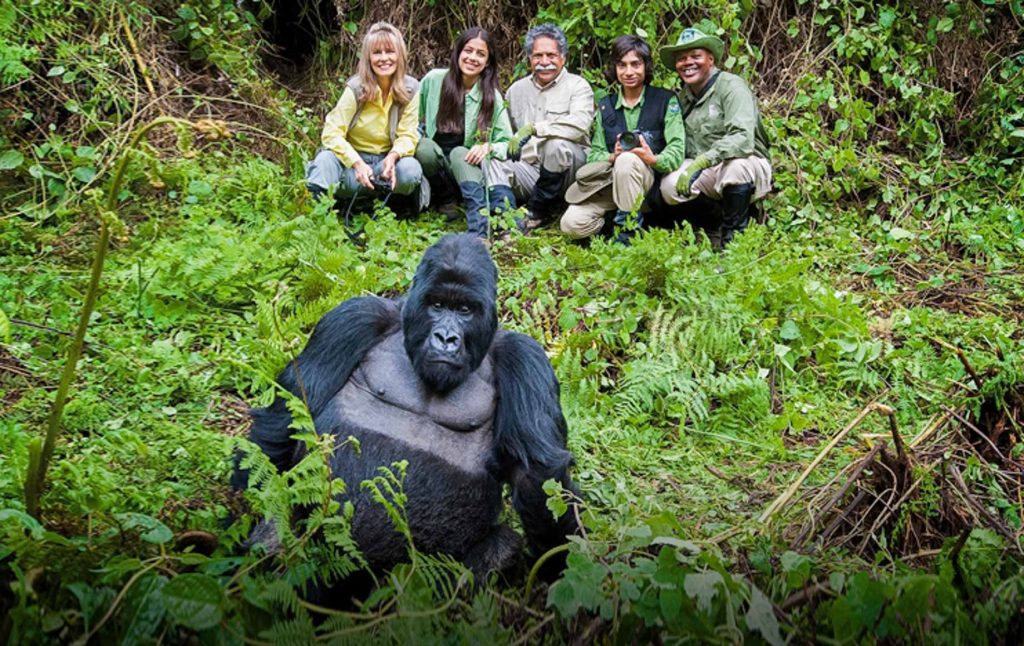
An 8-day Rwanda safari is best spent combining Volcanoes National Park (gorillas), Nyungwe Forest (chimpanzees), and Akagera National Park (wildlife) to experience primates, Big Five, and culture. Top itineraries focus on efficient circuits linking Kigali, the gorillas, the canopy walk, and relaxing lakeside views at Kivu.
8-day-rwanda-birding-safari-odyssey
8-days-best-luxury-rwanda-gorilla-trekking-safari-and-wildlife
8-days-best-africa-big-five-rwanda-safari-and-gorilla-trekking
8-days-best-of-rwanda-safari-tour-uganda-and-ending-in-kigali
8-days-best-of-rwanda-uganda-safari-volcanoes-to-best-uganda-safari-parks
8-day-safari-to-rwanda-and-kenya-safari-tour
8-days-luxury-honeymoon-rwanda-primate-safari
8-days-ultimate-gorilla-and-uganda-safari-tour-from-kigali-rwanda
8-days-7-nights-midrange-rwanda-wildlife-safari-trip
8-Day "Ultimate Rwanda" Grand Circuit
The 8-Day "Ultimate Rwanda" Grand Circuit is the definitive odyssey for travelers seeking to experience the full spectrum of the "Land of a Thousand Hills." This meticulously crafted route serves as a grand loop, connecting the country’s three primary national parks and its vibrant capital. Starting in the east, you witness the successful restoration of the savanna at Akagera, where the Big Five roam amidst a landscape of lakes and hills. The journey then sweeps to the southwest into the ancient, mist-shrouded rainforests of Nyungwe, a sanctuary for chimpanzees and rare montane birds. Finally, you ascend into the volcanic northwest for the life-changing encounter with mountain gorillas in their bamboo strongholds. Beyond the wildlife, this circuit emphasizes Rwanda’s human story of resilience and progress. It is an all-encompassing adventure that balances high-intensity primate tracking with moments of cultural immersion and scenic tranquility, offering a complete and profound portrait of Rwanda’s natural and spirit-filled heritage.
Day 1: Arrival and Kigali City Tour
Your Rwandan journey begins in Kigali, a city that immediately challenges every global stereotype with its immaculate streets and lush, green hills. After being greeted at the airport, you’ll dive into a city tour that balances modern energy with deep historical reflection. A visit to the Kigali Genocide Memorial offers a somber but necessary understanding of the nation’s past and its remarkable path toward unity. Later, the tour shifts to the vibrant Kimironko Market, where you can witness the daily rhythm of local life and admire the kaleidoscope of traditional "Agaseke" baskets and colorful textiles. As the sun sets, you’ll enjoy a dinner overlooking the city’s sparkling landscape, feeling the pulse of a capital that has become a beacon of stability and progress in Africa. It is a welcoming and meaningful introduction to the heart of Rwanda.
Day 2: Transfer to Akagera National Park
Leaving the urban center, you head east toward the sprawling savanna of Akagera National Park. The scenery shifts from terraced highlands to the low-lying plains and wetland systems of the Akagera River. Upon arrival, you’ll embark on an afternoon game drive, exploring a park that has undergone a miraculous biological restoration. Now home to the Big Five, Akagera offers a sense of exclusivity rarely found elsewhere. You might spot herds of elephants emerging from the acacia woodlands or giraffes silhouetted against the vast horizon. As you reach your lodge, the views over Lake Ihema provide a serene backdrop. The evening air is filled with the low grunting of hippos and the calls of nightjars, marking your transition from the organized city to the raw, untamed beauty of Rwanda’s eastern frontier.
Day 3: Big Five Game Drives and Lake Ihema
Today is dedicated to the diverse wildlife of Akagera. An early morning game drive takes you to the northern plains, where predators like lions and leopards are most active before the midday heat. The park's unique mix of swamp, savanna, and woodland supports a staggering variety of species, from the regal eland to the Burchell’s zebra. In the afternoon, the perspective shifts as you board a boat for a safari on Lake Ihema. Gliding along the shoreline, you’ll encounter massive pods of hippos and some of Africa’s largest Nile crocodiles. Birdwatchers will be enthralled by sightings of the African Fish Eagle and perhaps the prehistoric Shoebill stork. The day showcases the park’s incredible comeback, proving that dedicated conservation can rebuild a paradise. It is a classic savanna experience delivered with a distinctly Rwandan touch.
Day 4: Transfer to Nyungwe Forest National Park
We bid farewell to the savanna for a scenic cross-country drive toward the southwestern corner of Rwanda. This "journey of a thousand hills" takes you through some of the country’s most breathtaking agricultural landscapes, passing endless tea plantations and rural villages. We’ll stop in Huye to visit the Ethnographic Museum, offering a fascinating look at Rwanda’s pre-colonial history and traditional architecture. As you climb into the high-altitude reaches of Nyungwe National Park, the air becomes cool and the vegetation grows dense and prehistoric. This ancient rainforest is one of the oldest in Africa, having survived the last Ice Age. Arriving at your lodge, you are surrounded by the deep green of the canopy and the distant calls of colobus monkeys. It is a dramatic environmental shift, preparing you for the primate-rich adventures awaiting in the jungle depths.
Day 5: Chimpanzee Trekking and the Canopy Walk
The day begins before dawn as you head into the forest to track our closest relatives, the chimpanzees. Following their vocal "pant-hoots" through the undergrowth is an adrenaline-filled experience that culminates in watching these intelligent primates play, feed, and socialise in the high canopy. Their energy is infectious and offers a stark contrast to the quiet nature of other primates. In the afternoon, the adventure moves to the famous Canopy Walkway. Suspended 70 meters above a deep ravine, this bridge provides a dizzying and beautiful bird’s-eye view of the ancient forest. You’ll look down upon the crowns of massive mahogany trees and spot rare birds or blue monkeys moving through the upper stories. It is a day of immense vertical exploration, showcasing the layers of life that thrive within one of Africa’s most vital rainforest ecosystems.
Day 6: Drive to Volcanoes National Park
Leaving the rainforest, we travel north along the scenic shores of Lake Kivu. This leg of the Grand Circuit offers spectacular vistas of the turquoise water and the steep, terraced hillsides that define the Rift Valley. We’ll stop for a relaxed lunch in a lakeside town, enjoying the tranquility of the water before continuing toward the Virunga Mountains. As you approach the northwest, the horizon is dominated by the five massive volcanic peaks of the park. The atmosphere here is iconic—thick with mist and rich with the legacy of gorilla conservation. We check into a lodge near the park headquarters, where the evening is spent by the fireplace, reflecting on the journey so far. The anticipation is palpable; you are now in the domain of the mountain gorillas, preparing for the most famous wildlife encounter on Earth.
Day 7: Gorilla Trekking and Iby’Iwacu Village
This is the pinnacle of the circuit. After an early briefing, you’ll trek into the bamboo forests of the Virungas in search of a mountain gorilla family. The hike can be physically demanding, but all effort vanishes the moment you lock eyes with a silverback. Spending an hour in their presence is a profound, silent experience that connects you to the very core of nature. In the afternoon, the focus shifts to the human guardians of these mountains at the Iby’Iwacu Cultural Village. Here, former poachers demonstrate traditional drumming, the thunderous Intore dance, and ancient medicinal practices. This visit highlights the symbiotic relationship between the community and the gorillas, showing how conservation has transformed lives. It is a day of deep emotional resonance, celebrating the successful coexistence of Rwanda’s most famous residents and its resilient people.
Day 8: Return to Kigali and Departure
On your final morning, you can enjoy a leisurely breakfast with a view of the volcanoes before starting the drive back to Kigali. The journey offers one last chance to admire the "land of a thousand hills" as you wind your way down toward the capital. Once in Kigali, there is time for last-minute shopping at local craft cooperatives like the Caplaki Craft Village, where you can find hand-carved wood, intricate beadwork, and world-class Rwandan coffee to take home. We conclude the Grand Circuit with a farewell lunch, sharing memories of the savanna, the rainforest, and the misty mountains. You’ll then be transferred to the airport for your departure, leaving with a transformed perspective and a soul full of the vibrant, resilient, and untamed spirit of Rwanda. Your epic journey through the Grand Circuit is officially complete.
8-Day Primate Intensive & Lake Kivu Retreat
The 8-Day Primate Intensive & Lake Kivu Retreat is a masterfully curated journey designed for those who wish to bypass the savanna and immerse themselves entirely in Rwanda's lush, mountainous heart. This itinerary prioritizes the "Primate Triple Threat"—mountain gorillas, chimpanzees, and colobus monkeys—while weaving in a much-needed period of coastal tranquility. By focusing on the western arm of the Albertine Rift, you trade long transit times for deeper exploration of Africa's most ancient rainforests and the shimmering expanse of Lake Kivu. From the high-canopy calls of Nyungwe to the legendary "gorillas in the mist" of the Virunga volcanoes, every day is a sensory-rich encounter with rare biodiversity. This retreat is more than a safari; it is a physical and spiritual reset, balancing the adrenaline of the trek with the serene rhythm of lakeside life. It offers a profound, vertical exploration of Rwanda’s emerald landscapes, catering to those who seek intimacy with nature and the soul of the forest.
Day 1: Arrival and Kigali’s Modern Energy
Your Rwandan odyssey begins in Kigali, a city that immediately challenges expectations with its cleanliness and vibrant, uphill geometry. Upon arrival, you are greeted by the cool highland air and transferred to your hotel. Depending on your arrival time, you can ease into the journey with a visit to the Inema Arts Center or a local cafe to sample some of the world's finest bourbon-variety coffee. The city serves as a sophisticated prelude to the wilderness, offering a glimpse into Rwanda's remarkable social and economic renaissance. As night falls, the hills of Kigali sparkle with thousands of lights, creating a peaceful atmosphere for your first evening. You’ll enjoy a traditional dinner featuring local flavors, resting well before the journey southwest into the deep, ancient rainforests that define the country’s wild interior.
Day 2: Journey to Nyungwe Forest National Park
Leaving the capital, you embark on a scenic drive toward Nyungwe Forest National Park. The journey is a visual narrative of the "Land of a Thousand Hills," as the landscape shifts from urban centers to terraced agriculture and emerald-green tea plantations. We stop in Huye to explore the Ethnographic Museum, home to a stunning collection of traditional artifacts and architectural models that reveal Rwanda’s royal heritage. As you approach Nyungwe, the vegetation turns dense and prehistoric—this is one of Africa’s oldest montane forests, a biological refuge that survived the last Ice Age. You arrive at your lodge nestled on the forest fringe, where the air is noticeably cooler and filled with the scent of damp earth and moss. The evening is spent listening to the mysterious sounds of the jungle as the mist settles over the canopy.
Day 3: Chimpanzee Tracking in the Ancient Canopy
The morning starts before the first light as you head into the forest to find our closest relatives, the chimpanzees. Following their vocal "pant-hoots" through the undergrowth is an exhilarating experience that requires a keen ear and a steady foot. Once you locate the troop, you’ll spend an hour observing their complex social lives—watching them forage, groom, and play in the high branches. The intelligence and raw energy of the chimps provide a fascinating contrast to the quiet nature of other primates. In the afternoon, the adventure continues on the Canopy Walkway, a bridge suspended 70 meters above a deep ravine. From here, you’ll enjoy a bird’s-eye view of the forest’s "upper story," spotting rare turacos and blue monkeys moving through the sunlit crowns of ancient mahogany trees.
Day 4: Colobus Monkey Trekking and Bird Watching
Today focuses on the staggering primate diversity that makes Nyungwe a world-class sanctuary. You will trek to find the largest troop of Black-and-White Colobus monkeys in Africa, a group that can number over 400 individuals. Watching these " tuxedo-clad" primates move in a massive, flowing wave through the green trees is a visual masterpiece. Their calm demeanor allows for exceptional photography and observation. In the afternoon, you’ll explore the forest trails with a specialist birding guide. Nyungwe hosts 27 Albertine Rift endemics, and you’ll search for the stunning Ruwenzori Turaco and the Great Blue Turaco. This slower pace allows you to appreciate the smaller wonders of the forest—the rare orchids, giant ferns, and the incredible insect life that forms the foundation of this complex ecosystem. It is a day of deep botanical and avian discovery.
Day 5: Retreat to the Shores of Lake Kivu
After the physical intensity of the forest, we head north toward the shimmering waters of Lake Kivu. The drive along the Congo-Nile Divide offers some of the most spectacular vistas in Africa, with the blue lake on one side and the jagged peaks of the Rift Valley on the other. We arrive in the lakeside town of Karongi or Gisenyi, where the atmosphere is instantly tropical and relaxed. You’ll check into a resort perched right on the water’s edge. The afternoon is yours to unwind—perhaps with a swim in the bilharzia-free water or a stroll along the sandy beach. As dusk falls, you can watch the "singing fishermen" paddle out in their unique three-hulled canoes, their rhythmic chanting carrying across the water. It is the perfect geographic and physical "reset" for the second half of your journey.
Day 6: Kayaking and the Coffee Islands
Today is dedicated to the serenity of Lake Kivu. You can take a morning kayak excursion, gliding through the calm waters and exploring hidden coves where kingfishers hunt. Alternatively, a boat cruise will take you to the "Coffee Islands," where you can walk through local plantations and see the process of growing, washing, and roasting the beans that make Rwanda famous. Lunch is served on a private island or a lakeside terrace, featuring fresh "Sambaza" fish caught the night before. The afternoon is spent at your leisure, perhaps enjoying a spa treatment or simply watching the sunset over the distant mountains of the Democratic Republic of Congo. This period of rest is essential, as it allows your muscles to recover and your mind to process the incredible sights of Nyungwe before tomorrow’s trek to the gorillas.
Day 7: The Legendary Mountain Gorilla Trek
A short drive brings you to the gates of Volcanoes National Park for the most iconic encounter of the trip. After an early briefing, you’ll trek into the bamboo forests of the Virunga Mountains in search of a mountain gorilla family. The hike is a journey through mist and ancient vegetation, but all fatigue vanishes the moment you see the silverback. Spending one hour in their presence is a profound, silent experience that connects you to the very core of nature. You’ll observe the gentle strength of the adults and the playful antics of the infants. In the afternoon, you’ll visit the Twin Lakes, Burera and Ruhondo, for a breathtaking panoramic view of the volcanic chain. It is a day of immense emotional resonance, marking the pinnacle of your primate intensive and leaving you with a transformed perspective on conservation.
Day 8: Scenic Return to Kigali and Departure
On your final morning, you’ll enjoy a leisurely breakfast with a last view of the massive volcanic peaks before starting the drive back to Kigali. The journey offers one last chance to admire the "land of a thousand hills" as you wind down toward the capital. Once in Kigali, you can visit the local craft cooperatives to find hand-carved wood, intricate beadwork, or "Shukas" to take home. We conclude the retreat with a farewell lunch, sharing memories of the rainforest, the lake, and the misty mountains. You’ll then be transferred to the airport for your departure flight. You leave Rwanda with more than just photos; you leave with a soul full of the vibrant, resilient, and untamed spirit of the Land of a Thousand Hills, having completed the ultimate primate circuit.
8-Day Culture, History & Wildlife Safari
The 8-Day Culture, History & Wildlife Safari is a meticulously designed journey that explores the profound narrative of Rwanda, from its ancient monarchical traditions to its inspiring modern-day resurgence. While many are drawn to the "Land of a Thousand Hills" for its primates, this itinerary ensures that the wildlife encounters are framed by a deep understanding of the people and the history that protect them. You will transition from the somber but essential memorials of Kigali to the royal plains of Nyanza, where sacred cattle still roam. Your journey continues into the ancient Nyungwe Forest and the mist-shrouded Virunga Mountains, following in the footsteps of legendary conservationists like Dian Fossey. By weaving together visits to royal palaces, local markets, and mountain strongholds, this safari offers a three-dimensional portrait of Rwanda. It is a soulful exploration of a nation that has mastered the art of reconciliation and conservation, leaving you with a deep respect for its resilient spirit.
Day 1: Kigali’s Legacy and Living Markets
Your journey begins in the heart of Rwanda’s capital, a city that serves as a testament to the nation’s resilience. The morning is dedicated to the Kigali Genocide Memorial, a somber and beautifully maintained site that provides essential context for Rwanda's history and its remarkable journey toward peace. This visit is a powerful introduction to the Rwandan spirit of "Ubumuntu" (humanity). In the afternoon, the mood shifts to the vibrant energy of the Kimironko Market. Here, you’ll navigate a labyrinth of colorful stalls filled with hand-woven Agaseke baskets, vibrant Kitenge fabrics, and fresh local produce. Engaging with local artisans and vendors offers a sensory-rich introduction to daily Rwandan life. The day concludes with a scenic dinner overlooking the city’s rolling hills, setting a meaningful and grounded tone for the cultural and wilderness adventures that lie ahead in the days to come.
Day 2: Royal Traditions and the Sacred Inyambo
Leaving Kigali, we travel south toward the high-altitude forests, stopping first in Nyanza, the historical heart of the Rwandan Kingdom. At the King's Palace Museum, you will explore a reconstructed royal residence crafted entirely from traditional materials. The highlight of this visit is meeting the sacred Inyambo cows, famous for their exceptionally long, elegant horns and their role in royal ceremonies. You’ll hear the traditional singers who soothe these majestic animals with rhythmic chants, a practice dating back centuries. Afterward, we visit the Ethnographic Museum in Huye, which houses one of Africa’s finest collections of archaeological and cultural artifacts. This deep dive into the pre-colonial monarchy and traditional lifestyles provides a historical bridge as we continue the drive into the ancient, mist-shrouded canopy of Nyungwe Forest National Park, arriving at our lodge by sunset.
Day 3: Chimpanzee Tracking and Forest Heritage
The day begins before dawn as you head into the deep, primary rainforest of Nyungwe to track our closest biological relatives. Following the vocal "pant-hoots" of the chimpanzees through the dense undergrowth is a thrilling experience that connects you to the raw energy of the jungle. Once the troop is located, you’ll spend an hour observing their complex social dynamics, from playful skirmishes to grooming rituals high in the mahogany trees. In the afternoon, you will visit a local community bordering the forest to learn about traditional beekeeping and medicinal plants. These cultural encounters illustrate how local people have lived in harmony with the forest for generations. The day is a perfect blend of high-adrenaline primate tracking and a quiet appreciation for the indigenous knowledge that has helped preserve this ancient ecosystem, one of the oldest on the African continent.
Day 4: The Canopy Walk and Tea Traditions
Today offers a bird’s-eye view of the rainforest as you embark on the famous Canopy Walkway. Suspended 70 meters above a deep ravine, this bridge provides a spectacular aerial perspective of the forest’s "upper story," where you can spot rare turacos and blue monkeys moving through the sunlit crowns of ancient hardwoods. After descending from the heights, we visit a tea plantation bordering the park. Rwanda produces some of the world’s finest black tea, and walking through the undulating, emerald-green fields offers a peaceful cultural experience. You’ll meet the pickers who hand-harvest the leaves and learn about the processing methods that make Rwandan tea a global favorite. A tasting session concludes the visit, providing a sensory delight that links the forest’s rich soil to the local economy. It is a day of scenic tranquility and botanical discovery.
Day 5: Transfer to the Land of the Virungas
We depart from the rainforest and head north toward Volcanoes National Park, navigating the scenic road that hugs the shores of Lake Kivu. This journey offers some of the most spectacular vistas in Africa, with the turquoise water of the Great Rift Valley on one side and the jagged, terraced hills on the other. We’ll stop for a relaxed lunch in a lakeside town, observing the unique three-hulled fishing boats that dot the water. As we approach the northwest, the horizon is dominated by the five massive volcanic peaks that form the Virunga chain. This area is rich with the legacy of gorilla conservation and the spirit of the mountains. We check into a lodge near the park headquarters, where the evening is spent by the fire, preparing for the iconic wildlife encounter awaiting you in the morning.
Day 6: The Mountain Gorilla Encounter
This is the pinnacle of your safari. After an early briefing by expert rangers, you will trek into the bamboo forests of the Virunga Mountains in search of a mountain gorilla family. The hike is a physical and spiritual journey, and all fatigue vanishes the moment you lock eyes with a silverback. Spending an hour in their presence is a profound, silent experience; you’ll watch the gentle strength of the adults and the playful, human-like antics of the infants. In the afternoon, the cultural immersion continues at the Iby’Iwacu Cultural Village. Here, former poachers demonstrate traditional drumming, the thunderous Intore dance, and ancient medicinal practices. This visit highlights the successful coexistence between the community and the gorillas, showing how conservation has transformed lives and preserved the heritage of these "gentle giants" and their human guardians.
Day 7: The Dian Fossey Hike and Legacy
Today is a tribute to the woman who gave her life to save Rwanda’s gorillas. You will hike to the Karisoke Research Center, located in the saddle between Mount Bisoke and Mount Karisimbi. The trail takes you through beautiful forested slopes, eventually leading to the ruins of Dian Fossey’s former home and her final resting place, which lies next to her favorite gorilla, Digit. This trek is more than just a hike; it is a historical pilgrimage that tells the story of early conservation efforts and the challenges faced in the 1960s and 70s. Your guide will share stories of her research and the lasting impact she had on the survival of the species. It is a day of deep reflection and breathtaking mountain scenery, offering a profound appreciation for the dedication required to protect the world’s most endangered primates.
Day 8: Kigali Craft Centers and Departure
On your final morning, you’ll enjoy a leisurely breakfast with a last view of the massive volcanic peaks before driving back to the capital. Once in Kigali, the focus turns to Rwanda’s burgeoning modern art and craft scene. You will visit local cooperatives and centers like the Caplaki Craft Village or the Inema Arts Center. These sites are perfect for finding unique, hand-crafted souvenirs—from intricate beadwork and wood carvings to world-class Rwandan coffee—that support local artisans. This final stop allows you to take a piece of Rwanda’s creative spirit home with you. After a farewell lunch where you can share memories of the kings, the forest, and the gorillas, you will be transferred to the airport for your flight. You leave with a soul full of the vibrant, resilient, and untamed spirit of the Land of a Thousand Hills.
8-Day "Dual-Country" Gorilla Adventure
The 8-Day "Dual-Country" Gorilla Adventure is a premier expedition designed for primate enthusiasts who wish to compare the two most famous mountain gorilla habitats in the world. This journey spans the border between Rwanda and Uganda, offering a rare side-by-side look at the different conservation philosophies and ecological environments of the Albertine Rift. In Rwanda’s Volcanoes National Park, you experience trekking in high-altitude bamboo forests with world-class luxury lodges as your base. Crossing into Uganda’s Bwindi Impenetrable National Park, you enter a much older, more diverse rainforest where the terrain is rugged and the vegetation is exceptionally dense. This itinerary isn't just about primates; it also weaves in the savanna wildlife of Uganda and the serene beauty of its deep-water lakes. By the end of the eight days, you will have gained an unparalleled perspective on the survival of these great apes, making this the most comprehensive "gorilla-centric" safari available in East Africa.
Day 1: Arrival and Kigali’s Historical Foundation
Your adventure begins in Kigali, a city that serves as a mirror to Rwanda’s remarkable transformation. The morning is dedicated to the Kigali Genocide Memorial in Gisozi, a site that is essential for understanding the country’s past and its resilient peace. You’ll walk through the historical exhibits and the quiet memorial gardens, reflecting on the journey of reconciliation. In the afternoon, you can visit local markets or a craft cooperative to see the vibrant pulse of modern Kigali. This urban start provides the human context for the conservation efforts you will witness in the mountains. After a final equipment check and a briefing from your guide, you’ll enjoy a dinner featuring Rwandan highland coffee and local cuisine, resting in preparation for the early start tomorrow as you head toward the volcanic peaks of the northwest.
Day 2: Gorilla Trekking in Volcanoes National Park, Rwanda
Today is your first encounter with the mountain gorillas. Following a 5:00 AM transfer to the park headquarters, you’ll join a briefing and be assigned a gorilla family. Trekking in Volcanoes National Park often involves navigating bamboo forests and steep, mist-shrouded slopes. The "Magic Hour" spent with the gorillas here is often characterized by clear sightings due to the thinner undergrowth. You’ll witness the social complexity of the silverbacks and the playfulness of the infants at an altitude of nearly 3,000 meters. After the trek, you’ll return to your lodge for a celebratory lunch. The afternoon is yours to relax and enjoy the lodge's amenities, perhaps taking in a view of the five volcanic peaks that define this iconic landscape. It is a day of deep emotional connection and breathtaking high-altitude beauty.
Day 3: Crossing the Border to Bwindi, Uganda
Today we leave Rwanda behind and transition into the "Pearl of Africa." The drive toward the Cyanika or Katuna border is a scenic traverse through the rolling hills of the borderlands. After a smooth border crossing—simplified by the East African Tourist Visa—you enter Uganda’s Kisoro or Kabale region. The landscape shifts subtly as you climb toward Bwindi Impenetrable National Park. Unlike the bamboo-dominated slopes of Rwanda, Bwindi is a massive, ancient rainforest with a much thicker canopy. You’ll check into your lodge perched on the edge of the forest, where the sounds of the jungle replace the quiet of the volcanic peaks. The evening is spent by a campfire, discussing the differences in geography and local culture that you’ve already begun to notice between these two neighboring nations.
Day 4: Second Gorilla Trek in Bwindi Impenetrable Forest
The morning brings your second gorilla trek, this time in the dense, multi-layered ecosystem of Bwindi. This trek is often more physically demanding than the one in Rwanda, as the "Impenetrable Forest" requires rangers to clear paths through thick vines and giant ferns. This second encounter allows you to appreciate the gorillas in a completely different light—seeing how they navigate the tangled rainforest versus the open bamboo. Because you have already done one trek, you can spend this hour focusing on different details: the vocalizations, the feeding habits on various rainforest plants, and the sheer density of the biodiversity surrounding the troop. By comparing these two experiences, you gain a professional-grade understanding of the species’ adaptability and the unique challenges faced by the rangers in each respective national park.
Day 5: Transfer to Queen Elizabeth National Park
We bid farewell to the primates and head north toward Queen Elizabeth National Park, Uganda’s most popular savanna destination. The drive takes you through the Ishasha sector, famous for its tree-climbing lions. Watching these massive predators lounging on the sturdy branches of ancient fig trees is a rare and iconic sight. As you move deeper into the park, the landscape opens up into vast savanna plains framed by the Rwenzori Mountains (the "Mountains of the Moon"). You’ll arrive at your lodge in the Mweya peninsula or the crater area, where elephants and Cape buffaloes are frequent visitors to the grounds. The day marks a transition from the intimate, vertical world of the rainforest to the wide-angle beauty of the African savanna, offering a complete wildlife safari experience in one journey.
Day 6: Savanna Game Drives and Kazinga Channel Boat Safari
Today is a day of traditional wildlife viewing. A morning game drive in the Kasenyi plains offers the chance to see lions, leopards, hyenas, and large herds of Uganda kob. Your guide will explain the park’s unique volcanic history, pointed out by the numerous "explosion craters" that dot the landscape. In the afternoon, you’ll board a boat for a safari along the Kazinga Channel, a natural waterway connecting Lake Edward and Lake George. This is arguably the best place in Africa to see hippos and Nile crocodiles from a safe, close-up perspective. You’ll also see elephants and buffaloes coming to the water's edge to cool off. For birdwatchers, the channel is a paradise, with over 600 species recorded, including the African Skimmer and the Pink-backed Pelican, providing a spectacular avian finale to your savanna adventure.
Day 7: Relaxation at Lake Bunyonyi
After the intensity of the treks and game drives, we move to Lake Bunyonyi for a day of rest. Known as the "Lake of a Thousand Islands," Bunyonyi is one of the deepest and most beautiful lakes in Africa. It is bilharzia-free and safe for swimming, making it the perfect place to unwind. You can take a traditional dugout canoe to explore some of the 29 islands, visit the "Punishment Island" to hear about local history, or simply relax at your lakeside resort. For those with remaining energy, the birdwatching here is exceptional, as "Bunyonyi" literally translates to "Place of many little birds." This day serves as a peaceful "decompression" period, allowing you to process the incredible primate and wildlife encounters of the past week while surrounded by some of Uganda’s most tranquil and scenic terraced hills.
Day 8: Scenic Return to Kigali and Departure
On your final day, you’ll enjoy a leisurely breakfast overlooking the misty islands of Lake Bunyonyi before starting the drive back across the border into Rwanda. The return journey offers one last look at the spectacular "Kigezi Highlands" of Uganda and the volcanic peaks of Rwanda. Crossing back through Katuna, you’ll make your way back to Kigali. There is usually time for a final visit to a craft cooperative to find unique souvenirs or high-quality Ugandan and Rwandan coffee. We’ll conclude the dual-country adventure with a farewell lunch in Kigali before your transfer to the airport for your departure flight. You leave with two gorilla stamps in your passport and a soul full of the vibrant, wild, and resilient spirit of both Rwanda and Uganda, having completed the ultimate primate circuit.
8-Day Adventure & Off-the-Beaten-Path Safari
The 8-Day Adventure & Off-the-Beaten-Path Safari is a pioneering journey designed for the intrepid traveler who seeks to explore Rwanda beyond the traditional tourist circuits. This itinerary highlights Gishwati-Mukura, Rwanda’s newest national park, a stunning example of successful reforestation and community-led conservation. While it includes the legendary peaks of the Virungas and the tranquil waters of Lake Kivu, the focus remains on physical engagement and rare encounters. You will navigate ancient forests that are home to unique primate populations, participate in authentic community beekeeping, and tackle the steep, volcanic slopes of the northwest. This circuit is an invitation to witness the "New Rwanda"—a place where biodiversity is rapidly recovering and sustainable tourism is deeply integrated with local livelihoods. It is the perfect blend of rugged hiking, high-altitude adventure, and serene aquatic exploration, offering a fresh and physically rewarding perspective on the Land of a Thousand Hills.
Day 1: Arrival and Kigali’s Creative Spirit
Your adventure begins in Kigali, a city that seamlessly blends order with a burgeoning creative energy. Upon arrival, you are greeted by the cool highland breeze and transferred to your hotel. To start your off-the-beaten-path experience, you might visit the Nyamirambo Women’s Center for a guided walking tour of one of the city's oldest neighborhoods. Here, you can witness the vibrant "Sishe" (tailoring) workshops and taste local street food. This urban introduction provides a grounded look at the social fabric of modern Rwanda. As the sun sets over the thousand hills, you’ll enjoy a dinner featuring local organic ingredients, resting well before heading west into the remote and newly protected forests of Gishwati-Mukura tomorrow morning.
Day 2: Gishwati-Mukura: Rwanda’s Newest Frontier
Leaving the capital, we drive west toward the Gishwati-Mukura National Park, a hidden gem of montane rainforest that was recently rescued from the brink of disappearance. The afternoon is dedicated to exploring this lush landscape, which serves as a vital corridor for biodiversity. You’ll embark on a guided nature walk to see the successful reforestation efforts and learn about the park's history. The forest is home to a small but thriving population of chimpanzees and golden monkeys, as well as over 230 bird species. The air here is incredibly fresh, and the sense of being a pioneer in one of Rwanda’s least-visited parks is palpable. You’ll overnight in a community-integrated lodge, enjoying the hospitality of a region that is just beginning its journey into international eco-tourism.
Day 3: Primate Tracking and Community Beekeeping
The morning begins with golden monkey tracking in the Gishwati sector. These rare, orange-coated primates are exceptionally active in the bamboo thickets, offering a lively and intimate wildlife experience. Following the primate trek, you will engage in a community-led beekeeping tour. This initiative is a cornerstone of the park’s conservation strategy, providing local residents with sustainable income that protects the forest. You’ll see traditional and modern hives, learn about the medicinal properties of forest honey, and perhaps even participate in the harvest. This day highlights the "Human-Wildlife" balance that defines Rwanda’s modern conservation philosophy. It is a day of tactile learning and rare wildlife encounters, providing a deep connection to the land and the people who have committed to its restoration.
Day 4: Volcanoes National Park: The Virunga Ascent
We bid farewell to Gishwati and drive north toward the dramatic horizon of the Virunga Mountains. As the five massive volcanic peaks come into view, the landscape shifts toward high-altitude bamboo and misty montane forest. Upon arrival, you’ll prepare for your choice of adventure in Volcanoes National Park. You might visit the Ellen DeGeneres Campus of the Dian Fossey Gorilla Fund to learn about the cutting-edge science behind primate protection. The evening is spent in a lodge nestled at the base of the volcanoes, where the crackle of a wood-burning fire sets the mood for tomorrow’s physical challenge. Whether you are here for the gorillas or the volcanic summits, the atmosphere of this region—steeped in history and natural majesty—is undeniable and deeply inspiring.
Day 5: Mount Bisoke Hike or Gorilla Trekking
Today is the peak of your physical adventure. For those seeking a rugged challenge, the hike up Mount Bisoke (3,711m) is a must. The trail is steep and often muddy, leading you through various vegetation zones to a spectacular crater lake at the summit. Alternatively, you may choose to trek for the legendary mountain gorillas. This involves a journey through the thick bamboo to spend a silent, transformative hour with a silverback and his family. Both options require stamina and a spirit of adventure. Regardless of your choice, the sense of accomplishment as you navigate the volcanic soil is unparalleled. You’ll return to the lodge in the late afternoon, perhaps hiring a local porter to assist with the descent, feeling a profound connection to the vertical heart of Rwanda.
Day 6: Adventure at Lake Kivu: Kayaking the Rift
After the intensity of the mountains, we head to the shores of Lake Kivu for an active "water-reset." We’ll base ourselves in Gisenyi or Karongi, where the turquoise water meets the emerald hills. The afternoon features a kayaking expedition along the coastline. Paddling through the calm, bilharzia-free waters, you’ll explore hidden coves and watch the "singing fishermen" prepare their boats for the night’s catch. The lake is an integral part of the Great Rift Valley, and viewing the volcanoes from the water provides a unique perspective on the region's geography. It is a day of physical movement but at a much more rhythmic, peaceful pace, allowing your muscles to recover while you soak in the tropical atmosphere of Rwanda's "coastal" frontier.
Day 7: Island Hopping and the Singing Fishermen
Today we continue our aquatic exploration with an island-hopping boat tour. You’ll visit Napoleon Island, home to a massive colony of fruit bats, and hike to its summit for a 360-degree view of the lake and the distant Congo mountains. You might also stop at "Coffee Island" to see how the local volcanic soil produces some of the world's best beans. As evening approaches, we’ll take a sunset cruise to witness the iconic departure of the fishermen. Their rhythmic chanting, used to synchronize their rowing, echoes across the water in a tradition that has remained unchanged for generations. It is a soulful and scenic experience that captures the cultural heart of the lake, providing a serene penultimate evening to your off-the-beaten-path Rwandan adventure.
Day 8: Scenic Return to Kigali via Mountain Roads
On your final morning, you’ll enjoy a relaxed breakfast by the water before beginning the drive back to Kigali. This route takes you via the scenic mountain roads of the Congo-Nile Divide, offering one last look at the spectacular terraced hillsides and deep valleys that give Rwanda its name. We’ll stop at a local tea plantation to admire the geometric green rows and perhaps purchase some fresh leaves. Upon arrival in Kigali, there is time for a final visit to a craft cooperative to find unique, hand-crafted souvenirs. We conclude the journey with a farewell lunch, sharing stories of the new forests, the volcanic summits, and the singing fishermen. You’ll then be transferred to the airport, leaving with a soul full of the adventurous and resilient spirit of Rwanda.
What is the best 8-day Rwanda itinerary?
The "Grand Circuit" is widely considered the best 8-day itinerary because it offers a complete narrative of Rwanda’s ecological and cultural transformation. By combining Kigali, Akagera, Nyungwe, Lake Kivu, and Volcanoes National Park, you experience the full "Triple Threat" of African ecosystems: savanna, rainforest, and volcanic highlands. This route typically begins with the history of the capital before heading east to the resurgent plains of Akagera. After seeing the Big Five, you traverse the country to the ancient Nyungwe Forest for chimpanzees. A midpoint rest at Lake Kivu is essential for physical recovery before the final, iconic ascent into the Virunga Mountains for gorilla trekking. This 8-day loop ensures you aren't just "visiting parks" but are instead witnessing the holistic story of a nation that has successfully integrated conservation into its national identity.
What is the best way to visit Nyungwe and Volcanoes?
The most effective way to visit both Nyungwe and Volcanoes National Park is to structure your 8-day trip as a Western Rift Valley circuit. Because these parks represent two different primate worlds—chimpanzees in the south and gorillas in the north—it is best to visit them in that specific order. Starting in Nyungwe allows you to tackle the fast-paced, high-energy chimpanzee trek first. Following this with a "reset" day at Lake Kivu provides a necessary break for your muscles. By the time you reach Volcanoes National Park, you are physically prepared for the high-altitude demands of the gorillas. Booking this as a single, cohesive 8-day package is vital because it ensures your permits are synchronized and your transport is handled by a driver-guide who understands the mountainous road conditions between the two regions.
Can I see the Big Five in 8 days?
Yes, an 8-day itinerary provides ample time to include Akagera National Park, which is Rwanda’s only savanna destination and a confirmed Big Five sanctuary. Following the successful reintroduction of lions in 2015 and black rhinos in 2017, Akagera has become a premier spot for traditional game viewing. In an 8-day schedule, you typically spend two nights here, allowing for early morning game drives in the northern plains and sunset boat safaris on Lake Ihema. Beyond the lions and elephants, the park is teeming with giraffes, zebras, and hippos. Including Akagera is what makes an 8-day trip feel like a "complete" African safari, providing a sunny, wide-open contrast to the misty, enclosed forests where you will later track primates.
Are chimpanzee treks available in 8 days?
Chimpanzee trekking is a foundational pillar of the 8-day Rwanda experience. Located in Nyungwe Forest National Park, tracking these intelligent primates is a high-adrenaline activity that requires an early start and a spirit of adventure. Within an 8-day timeframe, you have the luxury of spending two or three nights in Nyungwe, which is crucial because chimpanzees are highly mobile. Having a multi-day window increases your chances of a high-quality encounter and allows you to also explore the other thirteen primate species in the park, such as the Black-and-White Colobus monkeys. The 8-day schedule transforms the chimp trek from a rushed excursion into a deep dive into one of Africa's oldest and most biodiverse rainforests.
Is Akagera worth visiting in 8 days?
Akagera is absolutely worth the visit because it provides the ecological diversity that a primate-only trip lacks. For travelers on an 8-day journey, Akagera offers a different pace of exploration; instead of hiking on foot, you are in a 4x4 vehicle or a boat, allowing for a more relaxed form of wildlife viewing. The park’s scenery is unique in East Africa, featuring rolling hills that overlook a complex system of lakes and papyrus swamps. It is also one of the best birding destinations on the continent, home to the prehistoric Shoebill stork. Including Akagera ensures that your Rwandan holiday satisfies the desire for a "classic" safari while also supporting one of the most successful community-led conservation projects in the region.
How much does an 8-day luxury Rwanda safari cost?
A luxury 8-day Rwanda safari is a significant investment, often exceeding $4,000 to $6,000 per person, excluding international flights. This price point reflects Rwanda's "High-Value, Low-Impact" tourism model. The cost includes high-end lodges—such as those by Singita, Wilderness, or One&Only—which provide world-class amenities in remote locations. It also covers a private 4x4 safari vehicle, an expert driver-guide, all meals, and internal transfers. While the price is high, it ensures an exclusive, seamless experience where every logistical detail is handled. Furthermore, these luxury packages often include community visits and conservation fees that directly benefit the local people living around the parks, making your travel spend a powerful tool for sustainable development.
Are gorilla permits included in 8-day packages?
Most reputable tour operators include the $1,500 gorilla permit in their 8-day package pricing, but it is essential to double-check this during the booking process. Because the permit is such a large portion of the total cost, some operators may list it as a separate line item. The advantage of an 8-day package is that the operator handles the procurement and scheduling of these permits, which can be difficult to secure individually. They will manage the paperwork with the Rwanda Development Board (RDB) and ensure your permit is for a family that matches your fitness level. Given that permits are non-refundable and strictly limited, having them bundled into a professional 8-day itinerary provides peace of mind and logistical security.
How long are the drives between national parks?
One of the greatest advantages of an 8-day Rwanda safari is that the drive times are relatively short compared to neighboring countries. Rwanda is roughly the size of Maryland, so you spend less time in a car and more time in the wild. Generally, drives between major hubs like Kigali and Akagera or Kigali and Volcanoes take about 2.5 to 3 hours. The longest leg is typically between Akagera and Nyungwe, which can take 6 to 7 hours, but even this drive is considered a "scenic transfer" through the heart of the "thousand hills." These journeys are conducted on excellent paved roads, offering a safe and comfortable way to witness the country’s changing geography and vibrant rural life between wildlife encounters.
Is it safe to go on a safari in Rwanda?
Rwanda is consistently ranked as one of the safest countries in the world for travelers. Its tourism industry is highly regulated, and the safety of visitors is a national priority. Within the parks, you are always accompanied by armed, highly trained rangers who are experts in animal behavior and forest navigation. Beyond the wildlife, the general atmosphere in the country is one of order, cleanliness, and extreme hospitality. Whether you are a solo traveler, a couple, or a family, you can move through Rwanda with total confidence. The 8-day safari infrastructure—from the professional driver-guides to the secure lodges—is designed to provide a worry-free environment where you can focus entirely on the beauty of the landscape and the primates.
When is the best time to visit Rwanda for safari?
The "Best" time to visit is during the two dry seasons: June to September and December to February. These periods offer the most stable weather for trekking; the trails in Volcanoes and Nyungwe are less muddy, making the steep climbs easier to manage. For those visiting Akagera, the dry season is ideal for game viewing as animals gather around the lakes and the shorter grass makes predators easier to spot. However, the "Wet Season" (March–May) has its own charm—it is the best time for birdwatching, and the landscapes are a vibrant, emerald green. Since an 8-day trip involves diverse activities, the dry seasons generally offer the most consistent and comfortable experience across all three national parks.
What should I pack for a Rwanda safari?
Packing for an 8-day Rwanda safari requires preparing for "vertical" weather. You need waterproof hiking boots with good grip for the muddy forest floors and gaiters to keep ants and debris out of your socks. Long trousers and long-sleeved shirts are essential for protecting against stinging nettles and insects. A high-quality rain jacket is a must, even in the dry season, as the rainforests can live up to their name at any time. Don’t forget a wide-brimmed hat, high-SPF sunscreen, and binoculars for birding. Because you will be moving between different climates—from the warm savanna of Akagera to the chilly volcanic peaks—layering is the key to staying comfortable throughout the eight days.
Is hiking the Canopy Walk necessary?
While not "mandatory," the Nyungwe Canopy Walk is widely considered a "Must-Do" highlight of any 8-day itinerary. Suspended 70 meters above a deep forest ravine, this 160-meter-long bridge provides a perspective of the rainforest that you simply cannot get from the ground. It allows you to look down onto the "upper story" of the forest—the massive crowns of ancient trees where rare birds and monkeys thrive. For many travelers, it is a thrilling and beautiful experience that serves as the perfect afternoon activity after a morning of chimpanzee tracking. It offers a moment of quiet, aerial suspension that captures the immense scale and ancient beauty of the Nyungwe rainforest.
What is included in the Iby’Iwacu cultural tour?
The Iby’Iwacu Cultural Village (or Gorilla Guardians Village) is an immersive experience where you can witness the heart of Rwandan tradition. A visit typically includes a display of Intore drumming and dancing, a demonstration of traditional medicine by a local healer, and a look at ancient architectural styles. You can try your hand at traditional archery or see how grain is ground with stones. Most importantly, the village is staffed by former poachers who have transitioned into conservationists. This visit is usually scheduled for the afternoon after your gorilla trek, providing a human narrative to the wildlife experience and showing how tourism directly supports the livelihoods of the people living around the park.
Can I combine Rwanda with Uganda gorilla trekking?
Yes, a popular variation of the 8-day itinerary is the "Dual-Country" Safari. This involves spending the first few days in Rwanda for a gorilla trek in Volcanoes National Park, then crossing the land border into Uganda’s Bwindi Impenetrable National Park for a second trek. This allows you to compare the two different trekking environments: the bamboo forests of Rwanda versus the dense, ancient rainforest of Uganda. These 8-day packages often include a visit to Uganda’s Lake Bunyonyi or Queen Elizabeth National Park. Combining the two countries provides the most comprehensive primate experience in East Africa, though it does require an East African Tourist Visa and slightly more time spent in transit at the border.
What is special about Lake Kivu?
Lake Kivu is the "Mediterranean" soul of Rwanda and serves as the perfect middle-chapter for an 8-day safari. Situated between Nyungwe and Volcanoes, it offers a necessary period of relaxation and "active rest." The lake is bilharzia-free, making it safe for swimming, kayaking, and paddleboarding. You can take a boat cruise to the "Coffee Islands" or simply enjoy a sunset over the distant mountains of the Congo. For many travelers, the time spent at Lake Kivu is where they process the intense emotions of the gorilla and chimpanzee treks. It adds a layer of scenic tranquility and leisure to the trip, ensuring that you return home feeling refreshed rather than just exhausted by the physical demands of the safari.
Booking 8 days in Rwanda with us Roads of Adventure safaris
An 8-day Rwanda safari with Roads of Adventure safaris (or similar operators) offers a comprehensive journey through the "Land of a Thousand Hills," covering top primate, wildlife, and cultural destinations. These packages typically include Volcanoes National Park (gorillas), Nyungwe Forest National Park (chimpanzees/canopy walk), and Akagera National Park (savannah wildlife)
