An 8-day Rwanda safari typically covers gorilla trekking in Volcanoes National Park, chimpanzee tracking in Nyungwe Forest, and wildlife game drives in Akagera National Park. Highlights include a canopy walk, cultural visits to the Iby’iwacu village, boat rides on Lake Ihema, and Kigali city tours
8-day-rwanda-birding-safari-odyssey
8-days-best-luxury-rwanda-gorilla-trekking-safari-and-wildlife
8-days-best-africa-big-five-rwanda-safari-and-gorilla-trekking
8-days-best-of-rwanda-safari-tour-uganda-and-ending-in-kigali
8-days-best-of-rwanda-uganda-safari-volcanoes-to-best-uganda-safari-parks
8-day-safari-to-rwanda-and-kenya-safari-tour
8-days-luxury-honeymoon-rwanda-primate-safari
8-days-ultimate-gorilla-and-uganda-safari-tour-from-kigali-rwanda
8-days-7-nights-midrange-rwanda-wildlife-safari-trip
Mountain Gorilla Trekking (Volcanoes National Park)
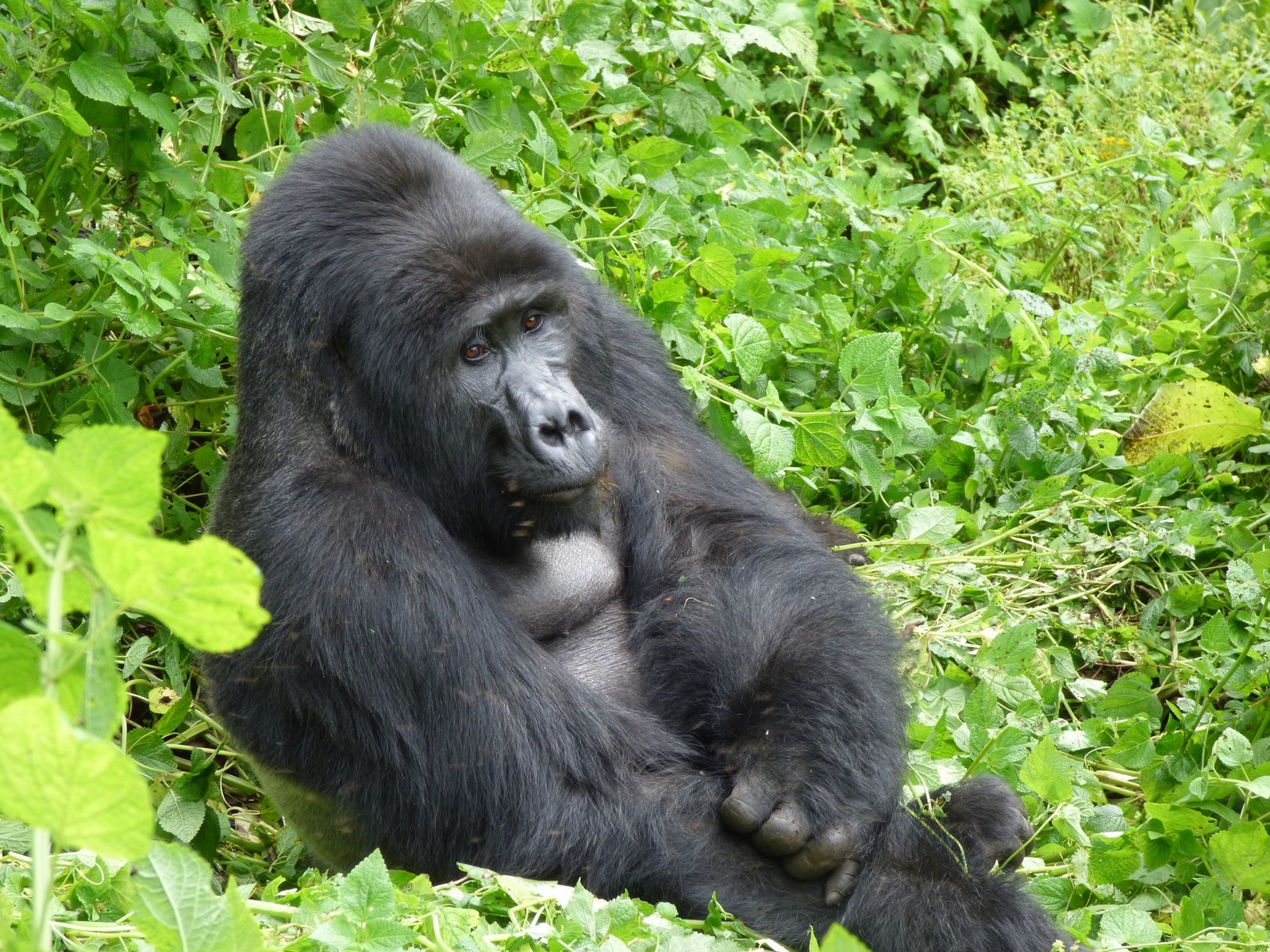
Mountain gorilla trekking is the undisputed crown jewel of the Rwandan safari experience, offering a brush with one of the most remarkable creatures on Earth. Situated in the Virunga Mountains, Volcanoes National Park is home to roughly one-third of the world’s remaining mountain gorilla population. The activity begins at dawn with a briefing at the park headquarters, where guests are assigned to one of the habituated family groups. The trek itself is a physical and spiritual journey, lasting anywhere from two to eight hours as you navigate steep, mist-shrouded slopes and dense bamboo thickets.
Once the trackers locate the family, the "magic hour" begins. Standing just seven meters away from a 400-pound silverback and his troop is a silent, breathtaking encounter. You witness the eerie human-like gestures of the infants at play and the watchful, protective gaze of the mothers. The $1,500 permit fee is a significant investment, but it serves a dual purpose: it limits human foot traffic to ensure the gorillas' health and directly funds the rangers, veterinary teams, and community incentives that have brought this species back from the brink of extinction. It is more than a wildlife viewing opportunity; it is an intimate entry into a primeval world that remains one of the most powerful experiences in all of travel.
Chimpanzee Trekking (Nyungwe Forest National Park)
In the southwestern reaches of Rwanda lies Nyungwe Forest, an ancient montane rainforest that has survived since the last Ice Age. While gorillas offer quiet majesty, chimpanzee trekking offers high-octane energy. This activity starts exceptionally early—often by 5:00 AM—to catch our closest biological relatives as they wake and begin their daily foraging. Following the vocalizations of a chimp troop is a visceral experience; the forest echoes with their "pant-hoots," a series of rising screams that signal to the rest of the group.
Navigating the undulating terrain of Nyungwe requires a moderate level of fitness, as the chimps are highly mobile, swinging through the high canopy or darting across the forest floor. Once you find them, you spend an hour observing their complex social dynamics, from grooming rituals to playful skirmishes. Because Nyungwe is one of the oldest forests in Africa, the backdrop for this trek is a lush, botanical wonderland of giant ferns and mahogany trees. Witnessing the raw intelligence and social complexity of chimpanzees in such a pristine environment provides a profound perspective on our own evolutionary history and the critical need for forest conservation.
Game Drives & Boat Safaris (Akagera National Park)
Akagera National Park provides a striking contrast to Rwanda’s misty mountains, offering a classic African savanna experience in the country's eastern lowlands. Since the reintroduction of lions in 2015 and black rhinos in 2017, Akagera has regained its status as a Big Five destination. Game drives through the park’s northern plains allow travelers to see herds of Maasai giraffes, elephants, and various antelope species like the impala and the regal eland. The scenery is particularly unique, characterized by rolling hills that overlook a complex web of lakes and papyrus swamps.
A highlight of the Akagera experience is the boat safari on Lake Ihema. This is one of the best ways to view the park’s aquatic life. As you glide along the shoreline, you will encounter massive pods of hippos and some of the largest Nile crocodiles in East Africa. The lake is also a focal point for elephants who come to drink and bathe during the heat of the afternoon. For those accustomed to the crowded circuits of neighboring countries, Akagera offers a refreshing sense of exclusivity and peace, representing one of the most successful wildlife restoration projects on the continent.
Canopy Walkway (Nyungwe National Park)
For a literal bird’s-eye view of the rainforest, the Nyungwe Canopy Walkway is an architectural and natural marvel. Suspended 70 meters above the forest floor, this 160-meter-long bridge is divided into three sections, the longest stretching across a deep, verdant ravine. The walkway provides a rare opportunity to see the "upper story" of the rainforest—an ecosystem that is usually invisible from the ground. From this height, you can look down onto the tops of ancient trees and see the sunlight filtering through layers of emerald leaves.
The experience begins with a guided nature walk through the Igishigishigi trail, where your guide explains the various medicinal plants and ferns found in the undergrowth. Once on the bridge, the perspective is dizzying and beautiful. It is an exceptional spot for spotting Blue Monkeys and the Great Blue Turaco, a large, vibrant bird that is a hallmark of Nyungwe. The canopy walk is perfect for travelers who want to experience the majesty of the rainforest without the high-intensity physical demand of chimpanzee tracking. It offers a moment of quiet suspension, where the only sounds are the wind through the leaves and the distant calls of primates in the valley below.
Golden Monkey Tracking (Volcanoes National Park)
While the gorillas receive much of the limelight, Golden Monkey tracking is a delightful and visually stunning activity that shouldn't be overlooked. These monkeys are endemic to the Virunga volcanic massif and are distinguished by their bright orange-gold fur and expressive faces. Unlike the quiet, somber atmosphere of a gorilla trek, a visit to the golden monkeys is lively and fast-paced. They are incredibly active, leaping through the bamboo branches and foraging on the forest floor with frantic energy.
The hike to find them is generally lighter and shorter than gorilla trekking, making it an excellent "warm-up" activity or a great option for families. Because the monkeys live primarily in the bamboo zones at the base of the volcanoes, the terrain is less steep. Once the troop is located, you are surrounded by a blur of gold. They are remarkably habituated to human presence and often jump within inches of photographers. The contrast of their golden coats against the deep green of the bamboo makes for some of the best wildlife photography in Rwanda. It is a joyful, energetic encounter that showcases a different side of the Virunga’s primate heritage.
Iby'iwacu Cultural Village Tour
To understand the heart of Rwanda, one must look toward its people. The Iby'iwacu Cultural Village (also known as the Gorilla Guardians Village) is a community-run initiative located just outside the gates of Volcanoes National Park. This center is unique because many of its staff members are former poachers who have transitioned into conservationists. A visit here is an immersive deep-dive into traditional Rwandan life. You are greeted by the thunderous rhythm of the Intore drums and the high-energy "jumping dance" of the warriors.
During the tour, you can participate in various activities: try your hand at traditional archery, learn how to grind grain with stones, and visit the village "healer" to learn about herbal medicines derived from the forest. You might even be invited to witness a mock traditional wedding or meet the village chief. This experience is vital for humanizing the safari; it demonstrates the symbiotic relationship between the local communities and the national parks. By supporting the village, travelers contribute directly to the social welfare of the region, ensuring that the protection of the mountain gorillas remains a shared priority for the people who live alongside them.
Kigali City Tour
Kigali is often a traveler's first introduction to Rwanda, and it is a city that defies almost every African urban stereotype. It is famously clean, safe, and remarkably green. A comprehensive city tour is essential for understanding the country’s trajectory. The most significant stop is the Kigali Genocide Memorial at Gisozi. This somber and beautifully maintained site is the final resting place of over 250,000 victims. Through its exhibits, visitors gain a harrowing but necessary understanding of the 1994 tragedy and, more importantly, the incredible spirit of "Ubumuntu" (humanity) that has fueled the nation’s reconciliation and rebuilding.
Beyond its history, Kigali is a city of the future. A tour typically includes a visit to the Kimironko Market, a bustling labyrinth of colorful fabrics, fresh produce, and local crafts. You’ll see the stunning architecture of the Kigali Convention Centre, which mirrors the shape of a traditional palace, and explore the burgeoning art scene at galleries like Inema or Ivuka. Dining in Kigali is also a highlight, with a mix of traditional Rwandan flavors and international influences. Exploring the capital provides the "narrative bridge" between the wild landscapes of the parks and the modern, resilient identity of the Rwandan people.
Hiking & Nature Walks
Rwanda’s vertical geography makes it a premier destination for hiking enthusiasts. For those seeking a challenge beyond primate tracking, the hike to the summit of Mount Bisoke is a highlight. This dormant volcano features a spectacular crater lake at its peak (3,711 meters). The climb is steep and can be muddy, but the reward is a panoramic view of the Virunga chain and a sense of accomplishment that few other trails can provide. For those interested in history, the hike to Dian Fossey's Karisoke Research Center and her grave provides a moving tribute to the woman who gave her life to save the gorillas.
In Nyungwe Forest, the nature walks are more about botanical discovery. There are over 130 kilometers of trails, ranging from the easy Igishigishigi trail to the more grueling Congo-Nile Divide trail. These walks are led by expert naturalists who point out rare orchids, ancient hardwoods, and the diverse insect life that forms the base of the rainforest ecosystem. Whether you are walking through the mist of the volcanoes or the deep green of the south, these hikes offer a slower, more tactile connection to the land, allowing you to appreciate the "thousand hills" at the pace of a footstep.
Birding
Rwanda is a top-tier destination for birdwatchers, boasting over 700 species in a relatively small area. The diversity of habitats—from high-altitude forests to wetlands and savannas—ensures a high "hit rate" for rare species. Nyungwe National Park is the epicenter of Rwandan birding, home to 27 Albertine Rift endemics. The most sought-after species is the Ruwenzori Turaco, with its stunning red and blue plumage, and the Red-collared Babbler. Guides here are masters of "birding by ear," locating rare species in the dense canopy with incredible precision.
In Akagera, the birding takes on a different character. The park’s vast wetlands are one of the few places in the world where you can spot the prehistoric-looking Shoebill stork. You’ll also see a variety of raptors, kingfishers, and the colorful Papyrus Gonolek. Even the agricultural landscapes between the parks are filled with sunbirds and weavers. For many, birding in Rwanda is the "quiet thrill" of the safari—a constant background of song and color that enriches every game drive and forest trek. It is an activity that rewards patience and provides a deeper understanding of the ecological health of the region.
Tea Plantation Tours
Rwanda produces some of the finest black tea in the world, and the plantations that surround Nyungwe Forest are among the most beautiful agricultural landscapes on the continent. A tea plantation tour offers a fascinating look at one of the country's primary exports. You can walk through the undulating, emerald-green fields where workers meticulously hand-pick the top two leaves and a bud. The geometry of the tea bushes against the backdrop of the dark rainforest makes for incredible photography.
Most tours include a visit to a local tea factory, where you can see the processing, drying, and grading of the leaves. The experience usually culminates in a professional tea-tasting session, where you can learn to distinguish the various grades and flavors of Rwandan tea. These tours provide a vital link between the national parks and the local economy, demonstrating how sustainable agriculture and tourism can coexist. For the traveler, it is a sensory delight—the smell of fresh tea leaves, the sight of the endless green hills, and the taste of a perfectly brewed cup—offering a serene conclusion to an 8-day adventure in the heart of Africa.
8-day Rwanda wildlife safari tour
An 8-day Rwanda wildlife safari tour is a profound journey through a nation that has masterfully woven conservation into its cultural identity. Known as the "Land of a Thousand Hills," Rwanda offers a compact yet incredibly diverse landscape, ranging from the shimmering savannas of the east to the ancient, mist-shrouded rainforests of the west. This week-long odyssey is meticulously designed to provide a holistic view of the country’s ecological wonders. You will track the legendary mountain gorillas in the Virunga Mountains, navigate the high-canopy walkways of Nyungwe, and witness the successful restoration of the Big Five in Akagera. Beyond the wildlife, the itinerary invites you to witness the resilience of the Rwandan people through immersive cultural visits and a deep dive into the cosmopolitan energy of Kigali. It is a journey of both natural discovery and human inspiration, offering a transformative experience that lingers long after you leave its verdant shores.
Day 1: Arrival and Kigali’s Cultural Heart
Your journey begins in Kigali, widely recognized as Africa’s cleanest and most organized city. After a warm welcome, you will embark on a city tour that balances modern progress with poignant history. A visit to the Kigali Genocide Memorial provides essential context for the country’s journey of reconciliation and "Ubumuntu" (humanity). You’ll also explore the vibrant Kimironko Market, where the sights of colorful textiles and the scent of fresh spices offer a sensory introduction to local life. After exploring the burgeoning art scene at the Inema Arts Center, you will settle into your hotel. This first day is a bridge between Rwanda’s complex past and its bright, welcoming future, setting a meaningful tone for the wildlife adventures that lie ahead in the heart of Africa.
Day 2: Transfer to Akagera National Park
Leaving the city's hills behind, you head east toward Akagera National Park, Rwanda’s only savanna sanctuary. The landscape shifts dramatically from terraced hills to expansive plains and a complex system of lakes. Upon arrival, you’ll embark on an afternoon game drive. This park is a remarkable conservation success story, now home to the Big Five following the successful reintroduction of lions and black rhinos. As the sun begins to set, you may spot zebras, giraffes, and elephants silhouetted against the golden plains. The day concludes at a lodge overlooking Lake Ihema, where the evening air is filled with the calls of hippos. It is a peaceful introduction to the wilder side of Rwanda, offering a sense of exclusivity rarely found in larger African parks.
Day 3: Big Five Tracking and Boat Safari
Today is dedicated to the diverse ecosystems of Akagera. A morning game drive takes you through the northern plains, where predators like leopards and hyenas are most active in the cool air. You will scan the horizon for the park’s growing lion prides and herds of Cape buffalo. In the afternoon, you’ll trade the 4x4 for a boat safari on Lake Ihema. This offers a unique perspective, bringing you remarkably close to large pods of hippos and massive Nile crocodiles basking on the banks. Birdwatchers will be in paradise, with opportunities to spot the rare Shoebill stork and numerous kingfishers along the papyrus-lined shores. The day highlights the park's incredible biological restoration, showing how nature can thrive through dedicated protection and community involvement.
Day 4: Scenic Drive to Nyungwe Forest
We bid farewell to the savanna and begin a long but beautiful drive toward the southwestern corner of Rwanda. This journey takes you through the heart of the "thousand hills," passing emerald tea plantations and rural villages that cling to the steep slopes. We’ll stop in Huye to visit the Ethnographic Museum, home to one of Africa's finest archaeological and cultural collections. As you climb into the high-altitude rainforest of Nyungwe National Park, the air turns cool and crisp, scented with ancient hardwoods and ferns. This park is one of the oldest montane forests on the continent, having survived the last Ice Age. We arrive at our forest lodge in time to watch the mist settle over the canopy, preparing for tomorrow's primate encounters.
Day 5: Chimpanzee Tracking and Canopy Walk
The morning begins before dawn with a trek into the deep forest to find our closest relatives, the chimpanzees. Following their vocalizations through the undergrowth is a thrilling experience that culminates in watching them play, feed, and interact in the high branches. Their high-energy "pant-hoots" echo through the trees, creating a visceral connection to the wild. In the afternoon, you’ll ascend to the famous Canopy Walkway. Suspended 70 meters above the forest floor, this bridge offers a bird’s-eye view of the ancient trees and a chance to spot rare birds and various monkey species like the Rwenzori Colobus. It is a dizzying and beautiful perspective of the rainforest that few ever get to see, highlighting the immense vertical biodiversity that makes Nyungwe a world-class conservation site.
Day 6: Lake Kivu and the Virunga Peaks
Leaving the rainforest, we drive north along the shores of Lake Kivu, one of Africa's Great Lakes. The drive offers spectacular views of the turquoise water framed by steep, terraced hills and small fishing villages. We’ll stop for a relaxed lunch in a lakeside town, perhaps enjoying a fresh "Sambaza" fish meal while watching the unique three-hulled fishing boats. Afterward, we continue toward Volcanoes National Park in the northwest. As you approach the Virunga Mountains, the massive volcanic peaks of Karisimbi and Bisoke dominate the horizon, often shrouded in the iconic "gorillas in the mist" atmosphere. We check into a lodge near the park headquarters, where the evening is spent in quiet anticipation of the most iconic wildlife encounter on the planet.
Day 7: The Mountain Gorilla Encounter
This is the day many travelers dream of. After a briefing by expert rangers, you’ll trek into the bamboo forests in search of a mountain gorilla family. The hike can be challenging, but the moment you lock eyes with a silverback, all effort is forgotten. Spending one hour in their presence—watching them groom, feed, and interact—is a life-changing experience that defies description. In the afternoon, you’ll visit the Gorilla Guardians Village (Iby’Iwacu). Here, former poachers demonstrate traditional weaving, archery, and the thunderous Intore dance. This visit humanizes the landscape, showing how the local community has become the primary line of defense for the gorillas. It is a day of profound emotional connection to both the wildlife and the resilient spirit of the Rwandan people.
Day 8: Golden Monkeys and Final Departure
Our final morning features a trek to see the playful Golden Monkeys, an endangered species endemic to the Virunga massifs. Their striking orange fur and energetic leaps through the bamboo make for a delightful and lively final wildlife encounter. These monkeys are highly habituated and often jump within inches of photographers. After the trek, we’ll take a moment to enjoy the viewpoint of the Twin Lakes, Burera and Ruhondo, before driving back to Kigali. We conclude the journey with a farewell lunch and a transfer to the airport. You leave with a soul full of memories, having witnessed the "Triple Threat" of African safari: the savanna giants of Akagera, the forest primates of Nyungwe, and the legendary mountain gorillas of the Virungas.
What is the best way to experience mountain gorillas during an 8-day Rwanda safari tour?
The definitive way to experience these majestic primates is through a Gorilla Trekking expedition in Volcanoes National Park. This requires a $1,500 permit, a fee that serves as a direct investment in the conservation of the species and the development of the surrounding communities. Your adventure begins at dawn at the park headquarters, where you are assigned to one of twelve habituated gorilla families. The trek itself is an immersive journey through bamboo forests and stinging nettles, led by expert trackers and rangers who have dedicated their lives to protecting these animals.
Once the family is located, the experience is limited to one "Magic Hour." During this time, you are permitted to stand just seven meters away, observing the silent, human-like interactions of the group. You might see a silverback asserting his dominance, mothers tenderly grooming their infants, or juveniles engaging in playful wrestling. This encounter is often described as life-changing; the profound silence of the forest, broken only by the gorillas' rhythmic chewing and grunting, creates a spiritual connection that justifies the physical effort and the financial cost. It is a highly regulated, low-impact activity that ensures the survival of the mountain gorilla for generations to come.
What makes the golden monkey trekking experience unique compared to gorilla trekking in Rwanda? While gorilla trekking is a somber and majestic experience, Golden Monkey trekking is defined by its high energy and playful atmosphere. These endangered primates are endemic to the Virunga volcanic massif and are easily identified by their striking orange-gold fur and expressive, inquisitive faces. Unlike the gorillas, who move with a deliberate, slow pace, golden monkeys are constant motion. They leap through the bamboo canopy and scurry across the forest floor with a frantic, joyful energy that makes for a very different photographic challenge.
The hike to find them is generally less taxing than gorilla trekking, as they tend to inhabit the lower bamboo zones at the base of the volcanoes. Once you encounter a troop—which can number over 100 individuals—you are surrounded by a blur of gold. They are remarkably habituated to humans and often continue their foraging and social play just inches away from visitors. This activity offers a "lighter" side to Rwanda’s primate circuit, providing a sense of whimsy and movement that perfectly complements the quiet, powerful presence of the mountain gorillas.
Can I visit all three major national parks—Akagera, Nyungwe, and Volcanoes—during this 8-day trip? Yes, an 8-day itinerary is the "Gold Standard" for Rwanda because it allows for a comprehensive loop of the country's three distinct biomes. You start in the east at Akagera National Park, which features classic African savanna, lakes, and papyrus swamps. From there, you move to the southwest to Nyungwe Forest National Park, one of the oldest and most biodiverse montane rainforests on the continent. Finally, you travel to the northwest to Volcanoes National Park, home to the misty peaks and bamboo forests of the Virunga Mountains.
Covering all three parks in eight days ensures a holistic safari experience. You witness the Big Five in Akagera, track chimpanzees in the deep jungle of Nyungwe, and sit with mountain gorillas in the volcanic highlands. Because Rwanda is roughly the size of Maryland or Belgium, the drive times between these parks are manageable—typically ranging from 2.5 to 6 hours. This means you spend less time in transit and more time in the wild. An 8-day window provides the necessary pace to experience the "Triple Threat" of Rwandan wildlife without feeling like you are constantly on the move.
What wildlife can I expect to see during a game drive in Akagera National Park? Akagera National Park is a remarkable conservation success story, having been restored to Big Five status over the last decade. During a game drive through the northern plains, you can expect to see lions and leopards (the latter requiring a bit more luck and a keen guide), alongside elephants, Cape buffaloes, and black rhinos. The park’s unique geography—a mix of rolling hills and low-lying wetlands—supports a high density of plains game, including the reticulated giraffe, Burchell’s zebra, and various antelopes like the impala, topi, and the regal eland.
Beyond the famous giants, Akagera is home to a vast supporting cast. You’ll see troops of olive baboons, vervet monkeys, and spotted hyenas. The park's lakes are teeming with hippos and massive Nile crocodiles, which are best seen during a boat safari. Because Akagera is less crowded than the famous parks of neighboring countries, the wildlife encounters feel more intimate and "wild." It offers a traditional savanna experience that provides a vital ecological balance to the primate-heavy forests of the west, showcasing the full breadth of Rwanda’s biological diversity.
How do I track chimpanzees in Nyungwe Forest National Park during my 8-day wildlife safari?
Tracking chimpanzees in Nyungwe Forest is an adrenaline-fueled adventure that begins long before the sun rises. You typically meet at the park headquarters at 5:00 AM for a briefing before driving to the starting point of the trek. Because chimpanzees are highly mobile and vocal, trackers go out even earlier to locate them by their "pant-hoots"—a series of rising screams that echo through the canopy. Following these sounds through the thick undergrowth, ancient ferns, and towering mahogany trees is a visceral experience that requires a good level of fitness.
Once the troop is located, you spend an hour observing our closest biological relatives. Chimps are far more active than gorillas; you might see them swinging through the high canopy, engaging in social grooming on the ground, or even collaborating on a hunt. The experience is unscripted and raw, offering a window into the complex social structures and high intelligence of these primates. The dense, primeval backdrop of Nyungwe, which has survived since the last Ice Age, adds a layer of prehistoric wonder to the encounter, making it one of the most exciting primate experiences in Africa.
Is the Canopy Walk in Nyungwe National Park a highlight worth doing during the safari?
Absolutely. The Nyungwe Canopy Walkway is an architectural and natural marvel that should not be missed. Suspended 70 meters above the forest floor, this 160-meter-long bridge offers a "bird’s-eye view" of the rainforest that is usually invisible from the ground. It allows you to look down into the "upper story" of the forest—a world of ancient hardwood crowns, rare orchids, and sunlight filtering through emerald leaves. For many, it is a dizzying but exhilarating highlight that provides a sense of the forest’s immense vertical scale.
The walk to the bridge is a guided nature tour through the Igishigishigi trail, where you can learn about the forest’s botanical secrets. Once on the walkway, the perspective shifts entirely. It is a premier spot for spotting Blue Monkeys and the Great Blue Turaco, a vibrant bird that is a hallmark of the region. Even for those with a slight fear of heights, the stability of the bridge and the breathtaking views of the surrounding valleys make it a transformative experience. It offers a moment of quiet suspension in the heart of the jungle, providing a peaceful contrast to the high-energy primate trekking.
Is it possible to track Colobus monkeys in Nyungwe Forest during the 8-day safari trip?
Yes, and it is a highly recommended addition to the Nyungwe segment of your trip. Nyungwe is home to the largest troop of Black-and-White Colobus monkeys in Africa—a spectacular group that can number over 400 individuals. Unlike the chimpanzees, who can be elusive and fast-moving, the Colobus troops are often found in large, social gatherings, making them easier to track and observe. Seeing hundreds of these monkeys with their flowing white tails and striking tuxedo-like coats moving through the green canopy is a visual masterpiece.
The trek to find them is generally less intense than chimpanzee tracking, making it a great option for a "second" primate activity in the forest. You’ll watch them socialize, play, and feed, often in the same trees for extended periods. Their calm demeanor and striking appearance provide excellent opportunities for wildlife photography. Including a Colobus trek in your 8-day itinerary ensures you appreciate the full primate diversity of Nyungwe, which hosts thirteen different species, making it one of the most important primate sanctuaries in the world.
How long is the boat safari on Lake Ihema and what animals can I see?
A boat safari on Lake Ihema typically lasts about two to three hours and is the undisputed highlight of the Akagera experience. As you glide along the shoreline and navigate the papyrus-fringed channels, you are brought remarkably close to large pods of hippos and some of the largest Nile crocodiles in East Africa. The lake is a focal point for the park’s wildlife; you will often see elephants coming down to the water’s edge to drink and bathe, and buffaloes grazing in the lush marshes.
For birdwatchers, the boat safari is a dream. Lake Ihema is one of the best places to spot the rare and prehistoric-looking Shoebill stork. You’ll also see Malachite kingfishers darting over the water, African Fish Eagles perched in the trees, and countless herons and egrets. The perspective from the water is serene and offers a cooling break from the dusty game drives. It provides a unique "water-level" view of the savanna ecosystem, emphasizing the symbiotic relationship between the park’s wildlife and its vital freshwater sources.
Are cultural experiences, such as visiting the Iby'iwacu Village, included in an 8-day Rwanda tour?
Yes, cultural immersion is a core pillar of the 8-day itinerary, and a visit to the Iby'iwacu Cultural Village (also known as the Gorilla Guardians Village) is almost always included after your gorilla trek. This community-based project is staffed largely by former poachers who have turned to tourism to protect the gorillas they once hunted. It is a vibrant, high-energy experience where you are greeted by the thunderous rhythm of the Intore drums and the iconic "jumping dance" of the warriors.
During the visit, you are invited into traditional mud-and-thatch huts to learn about ancient Rwandan life. You can try your hand at traditional archery, learn how to grind grain with stones, and visit the village healer to hear about medicinal plants found in the forest. You might even witness a mock traditional wedding ceremony. This visit is essential for humanizing the landscape; it shows the direct link between conservation and community welfare. It provides a deeper understanding of the Rwandan spirit of "Ubumuntu" (humanity) and the pride the local people take in their natural heritage.
Is a boat trip on Lake Kivu part of the 8-day Rwanda safari itinerary?
Yes, Lake Kivu typically serves as the geographic and physical "reset point" in the middle of the 8-day journey. After the physical demands of trekking in Nyungwe or Volcanoes, a night or two on the shores of this Great Lake—in the towns of Rubavu or Karongi—is a welcome period of relaxation. Most itineraries include a sunset boat cruise, where you can watch the "singing fishermen" paddle out in their unique three-hulled canoes, their rhythmic chanting carrying across the water as they head out for the night's catch.
Lake Kivu is a "Slightly Salty" freshwater lake that is safe for swimming and kayaking, as there are no hippos or crocodiles. You can explore the various islands, visit local coffee washing stations on the shoreline, or simply enjoy a fresh "Sambaza" (small sardine-like fish) lunch with a view of the Congo mountains across the water. Including Lake Kivu ensures that your 8-day safari feels like a "holiday" rather than just an expedition, providing a moment of tranquility and scenic beauty that balances the intensity of the wildlife encounters.
What historical sites can I visit during the Kigali city tour on this safari?
A Kigali city tour is an essential "first chapter" or "final epilogue" to your 8-day safari. The most significant site is the Kigali Genocide Memorial at Gisozi. It is a somber, beautifully maintained place that serves as a final resting place for 250,000 victims. Through its exhibits, you learn about the harrowing events of 1994 and, more importantly, the incredible journey of reconciliation and progress the country has made since. It is a deeply moving experience that helps you appreciate the peace and stability you see throughout the rest of your trip.
Beyond the memorial, you can visit the Kandt House Museum, the former residence of the first German colonial governor, which now serves as a natural history museum. The tour usually includes the Nyamirambo neighborhood, one of the city’s oldest and most vibrant areas, where you can visit the Women’s Center or take a walking tour. You’ll also see the stunning architecture of the Kigali Convention Centre and explore the local markets like Kimironko. Exploring the capital provides a human context to the wilderness, showing Rwanda as a modern, forward-thinking nation with a resilient and welcoming heart.
What should I know about hiking Mount Bisoke for a volcanic crater lake experience?
Hiking Mount Bisoke is a high-altitude adventure that is often included as an "add-on" or an alternative for those seeking a physical challenge. This dormant volcano stands at 3,711 meters and features a spectacular crater lake at its summit. The hike is a full-day activity, typically taking 6 to 7 hours round-trip. It is a steep, often muddy climb through various vegetation zones, from bamboo forests to alpine meadows. It is a physically demanding trek that requires a good level of fitness and a steady foot.
The reward at the top is one of the most iconic views in Rwanda—the shimmering crater lake surrounded by the mist-shrouded peaks of the Virunga chain. Along the way, you have a chance of spotting golden monkeys or even mountain gorillas (though you aren't allowed to "stop" to view them if you don't have a permit). It is a raw, rugged experience that gives you a true sense of the "vertical" nature of the Land of a Thousand Hills. Hiring a porter at the start of the trek is highly recommended, not just to carry your bag, but to provide a steady hand on the slippery volcanic soil.
What is the best time of year to visit Rwanda for a wildlife-focused safari?
The "Best" time to visit Rwanda is during the two dry seasons: June to September and mid-December to February. These months offer the most favorable conditions for both trekking and game driving. In Volcanoes and Nyungwe, the trails are less muddy and easier to navigate, and the risk of rain during your "Magic Hour" with the primates is lower. In Akagera, the dry season is the best time for game viewing, as the grass is shorter and animals congregate around the permanent water sources of the lakes.
However, the "Wet Season" (March–May and October–November) has its own unique appeal. This is the optimal time for birdwatching, as migratory species are present and the air is clear of dust. Additionally, the mountain gorillas and chimpanzees often move to lower altitudes where food is more abundant, sometimes resulting in shorter treks. For photographers, the wet season provides the most vibrant, lush green backdrops. Because Rwanda is an equatorial country, you can visit year-round; just ensure you have high-quality waterproof gear if you choose to travel during the emerald months.
How challenging is the hiking involved in the 8-day Rwanda wildlife safari itinerary?
The physical challenge of an 8-day safari ranges from "Moderate" to "Strenuous," depending on your activity choices. Gorilla and Chimpanzee trekking are the most demanding; you will be hiking at altitudes between 2,500 and 3,000 meters on uneven, often slippery terrain. A gorilla trek can last anywhere from two to eight hours. The good news is that treks are assigned based on fitness levels; if you have limited mobility, you can request a "short" trek to a family located closer to the park boundary.
For those concerned about the hike, Rwanda offers the "Sedan Chair" service, where porters can carry you up the mountain for an additional fee. This ensures that the gorillas are accessible to almost everyone. Activities like the Canopy Walk, Golden Monkey tracking, and game drives are much less physically taxing. By spreading these activities over eight days, you avoid the cumulative fatigue that comes with a shorter, more intense trip. Hiring a porter ($10–$20) for every trek is the best tip for any traveler; they provide a steady hand, carry your heavy gear, and their fee is a direct and vital contribution to the local community.
Are there any birdwatching opportunities available during an 8-day trip in Rwanda?
Rwanda is a world-class birding destination, and an 8-day trip provides ample opportunities to see its 700+ species. Nyungwe Forest is the epicenter of this activity, home to 27 Albertine Rift endemics. You can expect to see the stunning Ruwenzori Turaco, the Red-collared Babbler, and various sunbirds. The guides in Nyungwe are masters of "birding by ear" and can locate rare species in the dense canopy with incredible precision. The Canopy Walkway is a particularly productive spot for viewing high-canopy dwellers.
In Akagera, the birding is completely different but equally impressive. The park’s wetlands are one of the best places in the world to see the prehistoric Shoebill stork. You’ll also find Malachite kingfishers, African Fish Eagles, and the colorful Papyrus Gonolek in the swamps. Even the agricultural lands between the parks are filled with weavers and long-tailed widowbirds. Whether you are a dedicated "birder" or just a casual nature lover, the constant background of song and color provided by Rwanda’s avian life is one of the most enriching aspects of the 8-day safari experience.
Booking 8-day Rwanda wildlife safari with us Roads of Adventure safaris
Booking an 8-day Rwanda wildlife safari with Roads of Adventure Safaris focuses on gorilla trekking in Volcanoes National Park, chimpanzee tracking in Nyungwe Forest, and wildlife viewing in Akagera National Park. The trip typically starts in Kigali, with options for luxury or budget, and requires a 30% deposit
