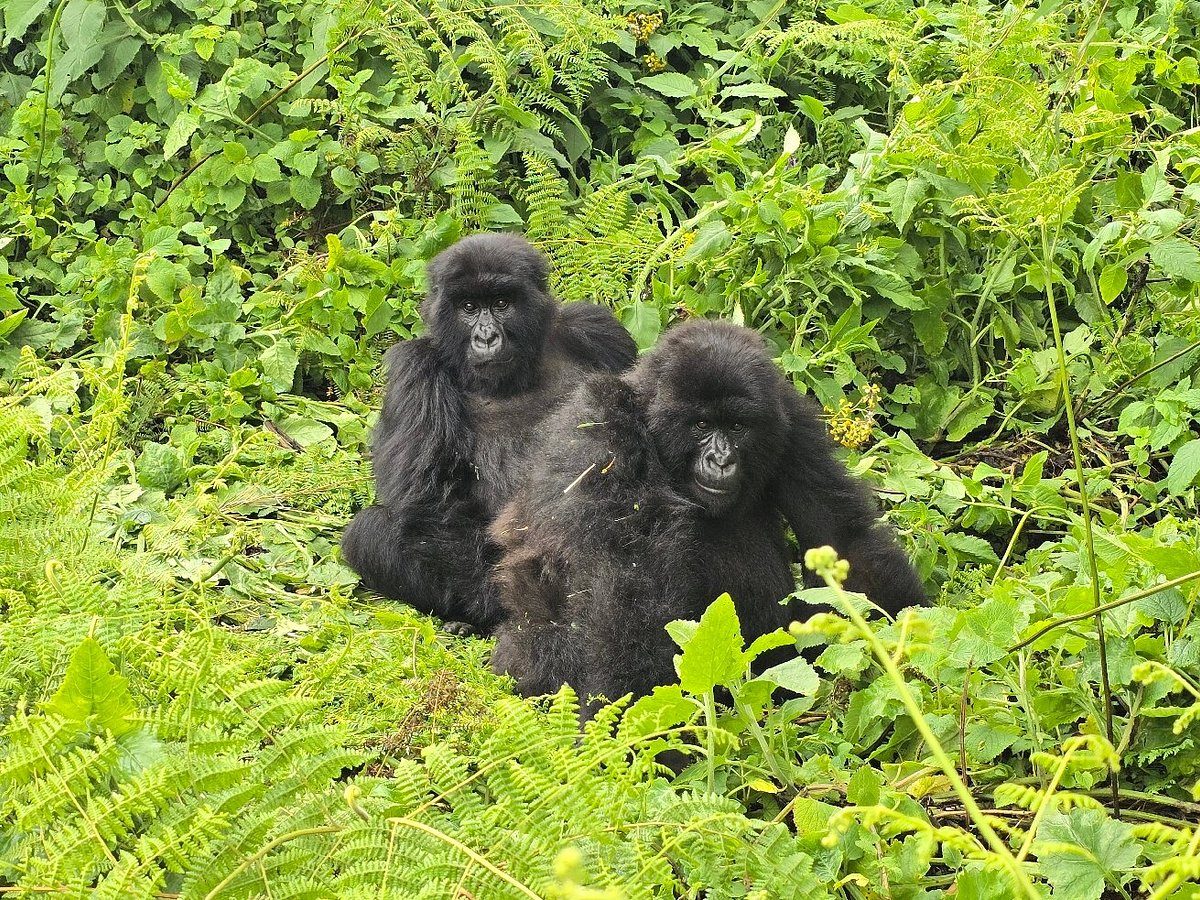
A 10-day Rwanda safari offers a perfect blend of high-end gorilla trekking in Volcanoes National Park, chimpanzee tracking in Nyungwe Forest, and savannah game drives in Akagera National Park. Top itineraries focus on combining these three hubs with cultural experiences in Kigali and relaxation at Lake Kivu to maximize wildlife encounters
10-days-luxury-gorilla-trekking-safari-and-kilimanjaro-climb-and-hiking
10-days-rwanda-uganda-safari-tour-double-gorilla-trekking-itinerary
10-days-rwanda-gorilla-trekking-safari-and-kenya-masai-mara-safari-tour
10-days-9-nights-midrange-rwanda-gorilla-trekking-wildlife-and-culture
10-days-best-budget-africa-big-five-safari-in-rwanda-and-uganda-gorilla-trekking-tour-holiday
10-days-luxury-rwanda-honeymoon-experience
10-days-best-rwanda-birding-safari-combined-with-rwanda-gorilla-trekking-vacation
10-days-rwanda-photography-safari-and-gorilla-trekking-adventure
10 days Classic Primate & Big Five Circuit
The Classic Primate & Big Five Circuit marries Rwanda’s savannah and rainforest wonders with its world-class primate encounters for a perfectly balanced ten-day escape. Begin in Akagera National Park where guided game drives and a tranquil Lake Ihema boat cruise showcase lions, elephants, giraffes and reintroduced rhinos amid shimmering wetlands. Then travel southwest to the ancient Nyungwe Forest for rewarding chimpanzee trekking and the spectacular Canopy Walkway suspended high above the rainforest canopy, plus nature walks that reveal endemic birds and primates. The journey culminates in the Virunga foothills at Volcanoes National Park—home to habituated mountain gorilla families and lively golden monkeys—offering a life-changing hour observing these gentle giants. Finish with a reflective Kigali city tour including the Genocide Memorial. This thoughtfully paced route blends immersive wildlife viewing, cultural context and comfortable lodgings for a memorable Rwandan adventure.
Day 1 — Arrival and Transfer to Akagera National Park
Arrive at Kigali International Airport where your driver meets you for a scenic eastward transfer to Akagera National Park (about 2.5–3 hours). On arrival, settle into your lodge, enjoy lunch and a safari briefing that outlines the next days’ activities. In the late afternoon take your first guided game drive with an experienced ranger—timed for the cooler, wildlife-active hours. You’ll scan open savannah, riverine woodlands and lakeshores for elephants, buffalo, hyena, giraffe, zebra and antelope; with luck you may glimpse lions and the park’s reintroduced rhinos. Expect stops for photography and ranger commentary on conservation and local ecosystems. Return to the lodge at dusk to freshen up before dinner, where you’ll sample local flavors and review the following day’s boat cruise and game-drive schedule.
Day 2 — Full Day: Morning Game Drive & Lake Ihema Boat Cruise
Begin with an early morning game drive to catch predators and grazers as they move in the cool hours; rangers interpret behavior, migratory patterns and reintroduction success stories. Return mid-morning for brunch, then board a guided boat cruise on Lake Ihema in the afternoon. The cruise offers intimate viewing of hippos, water birds and frequent sightings of Nile crocodiles along reed-lined banks; shorelines often reveal elephant or buffalo coming to drink. The lake’s reflections provide excellent photography opportunities, while the guide explains the wetland’s ecology and bird species. After the cruise, enjoy tea at the lodge and optionally take a short evening drive or walk with a ranger to look for nocturnal wildlife. Dine at the lodge and rest well for the transfer to Nyungwe the next morning.
Day 3 — Morning Game Drive and Transfer to Nyungwe
Head out early for a final sunrise game drive to maximize sightings before departing Akagera. After the drive, return to the lodge for breakfast, check out and begin the scenic overland transfer south-west toward Nyungwe Forest National Park (approximately 5–6 hours including stops). En route, pause at viewpoints and small communities for photos and cultural glimpses; your guide will offer insights into Rwanda’s landscape and rural life. Arrive at your Nyungwe lodge in the late afternoon, check in and enjoy a restorative dinner. If time allows, take a short guided evening walk around the lodge vicinity to soak up the forest atmosphere and bird calls. Prepare early for tomorrow’s chimpanzee trek and canopy walk with briefing, appropriate clothing check and gear recommendations.
Day 4 — Nyungwe: Chimpanzee Trekking
After an early breakfast, head to the Nyungwe park headquarters for a chimpanzee trekking briefing and allocation of trackers. With expert trackers leading, set off into the dense montane rainforest listening for chimp calls and following trails. The trek length varies—expect several hours over uneven, often muddy terrain—but the reward is intimate observation of chimpanzee families in their natural habitat. Guides will explain chimp behavior, social structure and conservation efforts. Return to the lodge for lunch and a restful afternoon—suggested options include birdwatching or a short interpretive walk near the lodge. In the evening, participate in a conservation talk or relax with dinner while preparing for tomorrow’s canopy experience; ensure your camera batteries are charged and you have rain gear ready.
Day 5 — Nyungwe: Canopy Walkway & Nature Trails
Begin the day with the unforgettable Canopy Walkway experience: suspended about 70 meters above the forest floor, the walkway grants sweeping views across Nyungwe’s tree-tops and valleys, offering excellent birdwatching and photographic possibilities. After the canopy, enjoy guided nature walks on forest trails to seek colobus monkeys, diverse birds and endemic plant species; local guides teach identification and discuss the forest’s role in watershed protection. Midday return to the lodge for lunch and optional rest or a cultural visit to a nearby community to learn traditional crafts. In late afternoon, choose a shorter primate-spotting walk or a peaceful forest photography session. Wrap up with dinner and an evening briefing for the next day’s transfer to Volcanoes National Park.
Day 6 — Transfer to Volcanoes National Park via Gisenyi/Lake Kivu
After breakfast, depart Nyungwe and drive north toward the Virunga foothills and Volcanoes National Park—optionally stopping at Lake Kivu’s Gisenyi for a refreshing lakeside lunch and brief walk along the shore. The journey typically takes 5–6 hours including stops, passing terraced hillsides and small towns, giving a sense of Rwanda’s “land of a thousand hills.” Arrive in the Ruhengeri/Musanze area in the late afternoon, check into your lodge near the park, and attend a pre-trek briefing about gorilla regulations and what to expect. Use the evening to relax, enjoy local cuisine and prepare trekking gear—waterproofs, gloves and hiking boots—and ensure your camera is ready. Early nights are recommended to rest well for the gorilla trekking experience ahead.
Day 7 — Volcanoes: Gorilla Trekking Briefing and Trek
Rise early for a park briefing at the Volcanoes National Park headquarters where rangers review rules, safety, and group assignments before the trek. Then set off with experienced trackers into montane forest and bamboo stands to locate your assigned habituated gorilla family. Trek times vary from under an hour to several hours depending on gorilla movements and group location—expect steep, slippery, and occasionally dense terrain. Upon locating the gorillas, you’ll be granted one hour in their presence; observe social interactions, take photographs at the permitted distance (or as guided), and absorb this powerful encounter while strictly following ranger instructions for safety and disease prevention. After the trek, return to the lodge for a celebratory meal, certificate presentation and an afternoon to rest and reflect.
Day 8 — Volcanoes: Golden Monkey Tracking & Cultural Visit
After breakfast, embark on golden monkey tracking through bamboo and montane forest to observe these lively, acrobatic primates—an engaging complement to the gorilla experience. The golden monkey trek is generally less strenuous and yields excellent photographic moments as they leap among bamboo stems. Later, participate in a community-cultural visit to meet local artisans, learn about pottery, weaving and conservation-linked community projects; this provides context for how tourism revenues support local livelihoods. Optional afternoon activities include a shorter nature hike, visiting the Dian Fossey gravesite and Karisoke research center, or simply enjoying lodge amenities. End the day with dinner at the lodge and time to journal or review photos; your guide can advise on further hiking or sightseeing options for the next day.
Day 9 — Volcanoes: Optional Hike or Conservation Experience
Use this flexible day to tailor activities to your interests: undertake a volcano hike such as an ascent to a nearby trail viewpoint or a moderate trail through fern and bamboo zones, or opt for a conservation experience with rangers that highlights anti-poaching work and gorilla monitoring. Hikes vary in duration and difficulty; your guide will recommend routes based on fitness and weather. For a gentler day, enjoy a relaxed morning at the lodge, birdwatching or a photographic walk through local countryside. Another option is a visit to the Iby’Iwacu Cultural Village for a traditional performance and an immersive look at local customs. Conclude with a farewell dinner in the Virunga foothills celebrating the trip’s highlights and preparing for return to Kigali the following day.
Day 10 — Return to Kigali: City Tour & Genocide Memorial, Departure
After breakfast, drive back to Kigali (approximately 2–3 hours) with scenic stops en route for final photos and a chance to experience rural life. Upon arrival, enjoy a guided Kigali city tour that includes highlights such as the craft markets and panoramic city viewpoints. Visit the Kigali Genocide Memorial for a thoughtful, educational experience that contextualizes Rwanda’s recent history and resilience—allow time for the museum exhibits and memorial gardens. Depending on your flight schedule, enjoy a farewell lunch at one of Kigali’s restaurants before transfer to Kigali International Airport for your departure. If time allows, arrange a late check-in or an extra night in Kigali to decompress. Your guide will ensure smooth logistics, luggage handling and timely arrival for your onward travel.
10-day Active Adventure & Hiking Itinerary
The 10-day Active Adventure & Hiking Itinerary is crafted for fit, curious travelers who want to pair Rwanda’s extraordinary wildlife with demanding, rewarding outdoor challenges. Over ten days you’ll tackle volcanic ascents in the Virunga foothills, strenuous rainforest treks through Nyungwe’s ancient canopy and refreshing waterborne exploration on Lake Kivu. Expect full-day climbs—such as Mount Bisoke’s crater-lake circuit and the more technical Mount Karisimbi—as well as long ridge hikes like the Congo Nile Divide Trail and spirited waterfall treks to Isumo. Between exertions, expert local guides will lead chimp and gorilla encounters, interpret biodiversity, and manage logistics to match your fitness level. Evenings at carefully chosen lodges provide restorative meals, briefings and recovery options (massage, stretching). This itinerary emphasizes endurance, spectacular vistas and deep immersion in Rwanda’s varied ecosystems—rewarding adventurous travelers with memorable physical achievement and extraordinary wildlife moments.
Day 1 — Arrival, Kit Check and Transfer to Nyungwe
Arrive at Kigali International Airport where your driver-guide meets you for a detailed kit check and safety briefing focused on the physical nature of the trip. After provisioning last-minute trekking essentials (waterproofs, gaiters, trekking poles), set off southwest toward Nyungwe Forest National Park (roughly a 5–6-hour drive with scenic stops). En route, stretch legs with short walks at roadside viewpoints and enjoy a lakeside lunch if time allows. Arrive at your Nyungwe lodge in the late afternoon, complete registration and attend a pre-trek briefing covering trail difficulty, altitude considerations and wildlife protocols. Use the remainder of the day to relax, test gear, and perform light mobility exercises to prepare muscles. Early bedtime is recommended to rest well for tomorrow’s full-day forest trek.
Day 2 — Nyungwe: Isumo Waterfall Hike & Primate Spotting
Begin early with a guided, strenuous trek toward Isumo Waterfall—an immersive walk through dense montane rainforest, steep gullies and narrow trails that reward you with a dramatic cascade and pristine pools. Expect several hours of vigorous hiking, occasional scrambling and muddy sections; trekking poles and sturdy boots are essential. Along the route, guides will point out endemic plants, amphibians and primates such as black-and-white colobus monkeys while offering birding highlights. After reaching the waterfall, break for a picnic lunch and optional cooling dip (weather permitting) before returning via an alternate route that showcases other habitats and viewpoints. The afternoon is reserved for active recovery: light stretching, a guided short trail walk for additional wildlife viewing, and a debrief covering tomorrow’s Congo Nile Divide challenge.
Day 3 — Nyungwe: Congo Nile Divide Trail
Tackle a long section of the Congo Nile Divide Trail today, a sustained ridge-line trek offering varied terrain, panoramic views and serious elevation changes. This full-day hike can last 6–9 hours depending on the chosen section and fitness of the group; you’ll traverse undulating ridges, cross stream gullies and pass through high-altitude forest zones. The route rewards effort with sweeping vistas over multiple watersheds and excellent opportunities for endemic bird sightings and primate encounters. Carry a packed lunch and sufficient water; guides will manage pace and rest stops for acclimatization and photography. Return to the lodge in the evening for hearty food, muscle recovery routines and optional massage. The day is physically demanding but unparalleled for those wanting to experience Rwanda’s dramatic topography on foot.
Day 4 — Transfer to Gisenyi / Lake Kivu and Paddle Skills Session
Depart Nyungwe after breakfast for the northwestern lakeshore at Gisenyi on Lake Kivu (approximately 5–6 hours), with scenic stops along terraced farmland and small towns. Arrive at your lakeside base in the afternoon and participate in an on-water safety and paddle skills session—briefings on kayak and paddleboard technique, safety procedures and equipment fitting. Then take a short-supervised paddle close to shore to practice strokes, balance and navigation. The initial session builds confidence and prepares you for tomorrow’s full excursions. Evenings on the lakeshore include cooling swims, stretching routines and a lakeside dinner while guides discuss route options for the following days—gentle shoreline exploration or longer crossing routes for experienced paddlers.
Day 5 — Lake Kivu: Full-Day Kayak/Paddleboard Excursion
Spend a full active day on Lake Kivu exploring coves, islands and cliff-backed villages by kayak or paddleboard. Choose a long crossing for experienced paddlers—navigating open water between Gisenyi and small islands—or a multi-stop shoreline route that mixes paddling with short cultural visits at fishing villages. Guides provide navigation support, safety watch and interpretive commentary about lake ecology and local livelihoods. Bring sun protection, snacks and a waterproof camera for birdlife and scenic shots. Periodic shore stops allow for village interaction, brief hikes, and refreshments. Return in late afternoon for restorative stretch routines, optional spa treatment or massage, and a lakeside dinner while you review photos and prepare for the transfer to the Virunga area.
Day 6 — Transfer to Volcanoes National Park; Acclimatization Hike
After breakfast, drive east to the Virunga foothills and Volcanoes National Park (about 2–3 hours). Upon arrival in the Musanze/Ruhengeri area, settle into your mountain lodge and attend a trek-specific briefing addressing altitude, route conditions and emergency protocols. Spend the afternoon on an acclimatization hike on lower-altitude trails—gentle but active—testing footing, adjusting to the cooler climate and ensuring gear fits well. Guides will suggest breathing and pacing techniques useful for summit climbs. Use the evening to finalize equipment for Mount Bisoke or Karisimbi, check weather forecasts and rest early. A high-carbohydrate dinner and good hydration are recommended to prime muscles for the demanding ascents ahead.
Day 7 — Mount Bisoke Summit Hike
Set out pre-dawn to climb Mount Bisoke, a strenuous but rewarding full-day ascent that culminates at a crater lake rim with exceptional summit views. The trail includes steep, sometimes muddy sections and traverses’ bamboo, fern and heath zones—prepare for varied footing and moist conditions. Expect 6–8 hours round-trip depending on pace and group fitness; guides will regulate pace, inform on volcanic geology, and lead regular rest stops. At the summit, enjoy packed lunch and panorama across Virunga peaks and neighboring national parks. The descent is equally engaging, requiring careful footing. Return to the lodge for recovery: soak, stretch and enjoy a nourishing meal. Tonight, review options to attempt Mount Karisimbi or conserve energy with cultural activities.
Day 8 — Optional: Mount Karisimbi Multi-day Ascent or Conservation Experience
Today choose between undertaking the more technical, multi-day Mount Karisimbi ascent (if pre-arranged and you’re highly experienced) or engaging in a full-day conservation and cultural program near the park. Karisimbi’s climb is demanding—longer hours, colder summit conditions and greater altitude—requiring prior acclimatization, proper kit and possible overnight camping. For those opting out, spend the day on an immersive conservation experience: accompany rangers on patrols, learn anti-poaching techniques, visit monitoring sites, or undertake a moderate themed hike to nearby viewpoints. The conservation option offers deep insight into park management and community benefits from tourism. Evening arrangements include restorative treatments, a nutritious meal and recap of the expedition’s achievements.
Day 9 — Volcanoes: Gorilla Trek or Rest Day with Local Hikes
After the rigors of mountain hiking, choose a profoundly rewarding but less technical activity: a gorilla trekking experience (if permits and logistics allow), or a restful day with short local hikes and cultural visits. A gorilla trek involves a morning briefing and varying-length walk to locate habituated gorilla families—an emotional hour observing their behavior and social bonds. Alternatively, enjoy gentler countryside hikes, visit the Iby’Iwacu Cultural Village, or explore the Dian Fossey gravesite and Karisoke research center for contextual learning. This day balances physical exertion with poignant wildlife encounters and cultural immersion, allowing tired muscles to recover while still delivering meaningful moments and photographic opportunities.
Day 10 — Return to Kigali, Farewell and Departure
Depart the Virunga foothills after breakfast and drive back to Kigali (approximately 2–3 hours), stopping for final photo opportunities along terraced hillsides and small towns. On arrival, have a guided Kigali city brief tour, visit craft markets for last-minute souvenirs and, time-permitting, the Genocide Memorial for a thoughtful historical perspective. Enjoy a farewell lunch at a recommended Kigali restaurant where you can sample Rwandan dishes and toast your accomplishments. Your guide handles luggage, airport transfers and final logistics to ensure timely arrival at Kigali International Airport for departure. If your flight is later, consider booking an extra night in Kigali to rest. Reflect on the physical achievements, wildlife encounters and spectacular landscapes you’ve experienced on this active Rwandan adventure.
10 Days Luxury Primate & Wellness Retreat pairs Rwanda’s extraordinary primate encounters
The Luxury Primate & Wellness Retreat pairs Rwanda’s extraordinary primate encounters with world-class accommodations, personalised service and restorative wellness experiences. Designed for travellers who value privacy, comfort and slow pacing, this route places you in boutique lodges—such as Bisate Lodge, One&Only Nyungwe House or Magashi Camp—where design, cuisine and conservation-driven hospitality elevate every moment between excursions. Mornings bring exclusive chimp or gorilla treks in small, private groups with expert guides; afternoons are reserved for spa therapies, yoga, and private sunset cruises on Lake Kivu. Private 4x4 transfers and concierge services streamline logistics so you can focus entirely on immersion: photography, guided nature walks, cultural encounters with local artisans, and bespoke dining. The itinerary balances meaningful wildlife time with deep rest and regeneration, delivering an elegant, low-stress safari that supports conservation and rewards guests with intimate, curated moments in Rwanda’s most beautiful landscapes.
Day 1 — Arrival, Private Transfer and Settle at a Luxury Lodge
Arrive at Kigali International Airport where a private chauffeur meets you for a comfortable, climate-controlled transfer to your chosen luxury lodge. Enjoy priority check-in, a welcome drink and an orientation with your personal host who will review the itinerary, explain lodge amenities and note any wellness preferences. Spend the afternoon unpacking in a suite or villa with panoramic views—take a gentle guided walk around the property to acquaint yourself with the grounds, birdlife and the lodge’s conservation initiatives. Opt for a bespoke dinner—locally inspired tasting menu or private dining under the stars—while your host arranges any spa treatments, private excursions or gear for upcoming treks. An early night prepares you for a relaxed start tomorrow, with all logistics handled for a seamless luxury experience.
Day 2 — Private Chimp Trekking in Nyungwe & Afternoon Spa
After a gourmet breakfast, transfer privately to Nyungwe Forest National Park for an exclusive chimp trekking session arranged for a small group. Your ranger and trackers provide personalised interpretation as you move gently through the rainforest to locate chimpanzee communities—an intimate encounter that prioritises time, photography and comfort. Return to the lodge for a decadent lunch and a restorative afternoon at the spa: choose from deep tissue massage, hot-stone therapy, or an aromatherapy treatment designed to ease travel fatigue. Finish with a guided forest meditation or gentle yoga session on a private deck as the sun lowers. Dinner is served with curated wine pairings and a chance to review photos with your guide, preparing for a leisurely day at Lake Kivu next.
Day 3 — Lake Kivu Wellness Day: Private Sunset Cruise & Relaxation
Transfer to Lake Kivu for a dedicated wellness day at a lakeside property such as Lake Kivu Serena Hotel. Begin with a morning yoga or Pilates session on the lawn followed by a healthy, spa-inspired brunch. Spend late morning enjoying the pool, a tailored spa program or a gentle lakeside walk. In the afternoon take a private boat cruise at sunset—complete with light canapés and a sommelier-selected pairing—gliding past islands and fishermen while golden light softens the volcanic skyline. Return to the hotel for a candlelit dinner and optional evening stargazing. The day is paced for recovery and sensory calm, offering restorative treatments and quiet time before returning inland for prime primate encounters.
Day 4 — Golden Monkey Tracking & Private Cultural Visit
Enjoy a relaxed morning transfer to Volcanoes National Park for golden monkey tracking in bamboo forests—arranged privately and led by experienced trackers who tailor pace and route to your comfort. The golden monkeys’ playful behavior makes for delightful and photogenic viewing, and small-group arrangements ensure unobstructed encounters. After tracking, enjoy a private cultural visit to Iby’Iwacu (or a local community project supported by the lodge) with a curated performance and artisan demonstrations; engage in a hands-on craft session if desired. Return to your volcano lodge in the late afternoon for spa recovery—book a warm compress or foot reflexology after the morning’s activity. Evening options include a private chef’s table or a fireside storytelling session about local conservation efforts.
Day 5 — Private Gorilla Trekking Experience & Leisure Afternoon
Begin the day with a private briefing at the Volcanoes Park HQ before embarking on a small-group gorilla trek—arranged to maximize intimacy and comfort. The trek duration varies, but upon locating a habituated family you’ll have the allotted hour to observe and photograph these magnificent primates while adhering to park regulations. After the emotional encounter, return to the lodge for a leisurely afternoon: lunch in your suite, aromatherapy massage, and optional forest bathing led by a wellness guide. Later, consider a gentle volcano-side walk or a private photography review session with your guide. An elegant farewell dinner features locally sourced produce and bespoke menu options celebrating regional flavors.
Day 6 — Gentle Volcano Hike or Private Conservation Immersion
Choose a low-impact morning activity to balance the gorilla trek—either a gentle guided volcano hike to panoramic viewpoints or a private conservation immersion with park rangers. The conservation option might include a ranger-led demonstration of monitoring techniques, visits to habituation sites, or conversations about community-based projects funded by tourism revenues. For those preferring movement, a curated, slower-paced hike offers spectacular vistas without strenuous effort. Return to the lodge for an extended wellness treatment—perhaps a full-body massage, sauna session or bespoke facial—followed by light dinner and time to reflect. The day is intentionally restorative, letting guests absorb conservation insights while replenishing energy in luxury surroundings.
Day 7 — Transfer to Nyungwe or Optional Private Flight; Forest Canopy & Wellness
Travel in private transfer—or arrange a short charter flight for speed and convenience—to Nyungwe House or a comparable high-end forest lodge. After arrival and relaxation time, experience the Canopy Walkway with private access where possible, accompanied by an expert naturalist who personalises the interpretation for your interests—birding, botany or primate behavior. Spend the afternoon indulging in lodge wellness offerings: a forest-inspired spa treatment, guided mindfulness walk, or a bespoke nutrition consultation and meal plan. Evening programming can include a private lecture on rainforest ecology or a curated tasting menu focusing on Rwandan ingredients. This day blends high-elevation forest discovery with the restorative rhythm of a luxury wellness retreat.
Day 8 — Private Guided Nature Walk & Personalized Spa Day
Begin with a private guided nature walk tailored to your interests—early-morning birdwatching for rare species, primate-focused searches for colobus monkeys, or a plant-identification trek led by the lodge’s naturalist. The walk is followed by a personalized spa itinerary: select from a package combining deep-tissue massage, hydrotherapy and locally-sourced scrubs to ease muscles and refresh the senses. Mid-afternoon, enjoy a cooking demonstration using regional produce or a cultural exchange with local artisans invited by the lodge. End the day with a private deck dinner under the forest canopy accompanied by a curated music selection or storytelling session about local conservation successes. This day is dedicated to slow discovery, wellness and cultural appreciation.
Day 9 — Leisure Morning, Craft Market Visit & Farewell Dinner
Enjoy a slow morning—breakfast at leisure, last-minute spa treatments or a gentle forest stroll—before transferring back toward Kigali with stops at craft markets for personalized souvenir shopping. Your guide can recommend high-quality artisans and help with bespoke purchases such as woven baskets or coffee beans. Arrive in Kigali in the afternoon for a light city orientation or a visit to a boutique chocolatier or coffee roaster to sample Rwanda’s speciality produce. In the evening, gather for a private farewell dinner at an acclaimed Kigali restaurant or a carefully staged lodge experience, featuring live music and a menu that celebrates your journey. Toast to the trip’s restorative balance of wildlife, wellness and luxury service.
Day 10 — Kigali City Tour, Genocide Memorial & Departure
On your final day, enjoy a curated Kigali city tour: panoramic viewpoints, boutique craft shops and, importantly, the Kigali Genocide Memorial for a reflective experience and deeper understanding of Rwanda’s history and recovery. A knowledgeable local guide provides sensitive interpretation of exhibits and memorial grounds. Depending on flight timing, enjoy a farewell lunch at a top restaurant sampling modern Rwandan cuisine. Your private transfer ensures timely arrival at Kigali International Airport, with luggage assistance and fast-track services arranged where possible. If desired, the concierge can extend arrangements—extra nights, airport lounge access, or onward private charters. Depart refreshed, carrying lasting memories of intimate primate encounters, wellness rituals and the discreet luxuries that defined your Rwandan retreat.
10 Days Rwanda Cultural & Community Immersion itinerary
This Cultural & Community Immersion itinerary offers ten days of meaningful encounters across Rwanda’s historic towns, traditional villages and vibrant cities. Designed for travelers who want to understand Rwanda beyond wildlife, the route pairs living-history sites such as the King’s Palace in Nyanza and the National Museum in Butare with hands-on village experiences at Iby’Iwacu Cultural Village (the Gorilla Guardians cultural project). You’ll spend relaxed days exploring local markets, artisan studios and Kigali’s coffee and contemporary arts scene, while also visiting Volcanoes National Park for optional golden monkey or gorilla experiences (permits permitting) that tie into community conservation stories. Throughout the trip you’ll meet guides, rangers and community leaders whose work channels tourism revenue into education and livelihoods. The itinerary balances immersive cultural programming, light hikes, craft workshops and reflective museum visits—ideal for travelers seeking deeper understanding of Rwanda’s past, present and resilience.
Day 1 — Arrival, Kigali Orientation & Welcome
Arrive at Kigali International Airport where your driver meets you and transfers you to your centrally located hotel. After check-in and a short rest, enjoy a gentle afternoon orientation with a local guide who introduces Rwanda’s recent history, cultural context and trip logistics. Walk a short circuit of Kigali’s safer central neighborhoods to get an initial feel for the city—pause at a café for Rwanda specialty coffee and an overview of the country’s coffee value chain and cooperatives. Finish the day with a welcome dinner featuring traditional Rwandan dishes and a briefing on tomorrow’s museums and market visits. Your guide will include suggestions for respectful behavior at memorial and community sites and offer a chance to buy handicraft items from vetted artisans.
Day 2 — Kigali: Inema Arts Center, Kimironko Market & Coffee Scene
Spend a full day exploring Kigali’s contemporary culture. Begin at the Inema Arts Center (or a similar gallery) for a guided tour of contemporary Rwandan visual arts and a chance to meet resident artists. From there visit Kimironko Market with a local market guide to navigate produce, textiles and traditional crafts—learn haggling etiquette and identify authentic artisanal goods. After a market lunch, tour a specialty coffee roastery or cooperative to learn about Rwanda’s bean-to-cup process and sample single-origin varieties. Late afternoon options include visiting a community arts workshop for a short basket-weaving or pottery lesson. Return to your hotel for a cultural talk or live music performance highlighting Rwandan dance forms and rhythms.
Day 3 — Transfer to Butare: National Museum & Ethnographic Immersion
Depart Kigali after breakfast for southern Rwanda and Butare (approximately 3–4 hours). On arrival visit the National Museum (Musée National de Rwanda) for its ethnographic collections, royal artifacts and interpretive displays that chart pre-colonial life, social customs and material culture. Pair the museum visit with a guided town walk to meet local historians and visit nearby university galleries or craft workshops. Afternoon options include a living-history session with a curator or a tea at a colonial-era café while discussing the region’s role in Rwandan scholarship and heritage preservation. Overnight in Butare or a nearby guesthouse that supports local community initiatives. Evening conversation with community hosts offers insight into local educational projects and cultural safeguarding efforts.
Day 4 — Nyanza & Southern Heritage Trail: King’s Palace & Royal Sites
Travel to the Southern Province to visit Nyanza and the traditional King’s Palace (kibingo) with its restored royal thatched structures and cultural exhibits. Explore royal regalia, traditional dance demonstrations and interpretive displays explaining pre-colonial monarchy and social organization. Include a short-guided visit to nearby craft cooperatives producing imigongo art (cow dung decorative painting) or woven goods—meet the artisans and try a hands-on demonstration. Enjoy lunch in town before driving through scenic terraced hills to your next stop. If time allows, visit nearby historical churches or a community-run heritage project that interprets local oral histories. Overnight at a family-run guesthouse to deepen community connections.
Day 5 — Community Day: Iby’Iwacu Cultural Village (Gorilla Guardians)
Dedicate a full day to Iby’Iwacu Cultural Village near Volcanoes National Park for immersive village life experiences. Participate in traditional dance workshops, archery demonstrations, and cooking sessions using local ingredients; learn about medicinal plant use and ways local knowledge supports health and conservation. Meet community elders and youth program leaders to hear how tourism revenues—often linked to gorilla safaris and organizations mentioned on gorillasafarirwanda.net—support education, water projects and crafts. Opt for a guided walk to meet local farmers, visit a school or observe artisan cooperatives. The day is deliberately participatory: guests can contribute to small community projects, purchase directly from artisans, and leave with a nuanced understanding of how cultural tourism funds local development.
Day 6 — Volcanoes Region: Golden Monkeys, Short Hike & Conservation Talk
Spend the morning tracking golden monkeys in Volcanoes National Park (a less strenuous primate option that is often combined with cultural visits). The golden monkey trek winds through bamboo and offers excellent photographic opportunities; rangers and trackers discuss species ecology and how community tourism supports park guardians. Return for lunch and a short, accessible volcano-side hike to viewpoints or a visit to the Dian Fossey Karisoke research area (gravesite and interpretive signage) to learn about long-term conservation efforts. In the evening, host a conservation talk with park staff or a community representative who explains how gorilla permit revenues and local tour companies support anti-poaching, education and health initiatives.
Day 7 — Hands-on Craft Workshops & Village Homestay
After breakfast, participate in artisan-led workshops: basket weaving (agaseke), imigongo painting, or coffee processing demonstrations where you can roast, grind and cup local beans. These sessions are hosted by cooperatives that reinvest proceeds into community development. In the afternoon, depart for a carefully arranged village homestay (or family-run guesthouse) where you’ll spend the night with local hosts. The homestay includes shared meals, storytelling, and participation in evening chores or cultural performances—an intimate window into daily life. Hosts brief guests on respectful engagement and any cultural norms; proceeds from homestays directly support household incomes and local projects.
Day 8 — Transfer to Lake Kivu & Lakeside Community Experience
Drive to Lake Kivu with stops in small lakeside towns such as Gisenyi or Kibuye, visiting fishing communities and learning about sustainable small-scale fisheries. Take a guided boat ride to nearby islands where local families practice artisanal fishing; visit cooperative-run markets and sample lakeside specialties. Afternoon options include a community-led cooking class focusing on fish dishes, a visit to coffee farms near the lakeshore, or a walk-through patchwork farmland to meet smallholder farmers. Evening is spent at a family-friendly lodge with community-run initiatives—consider an informal Q&A with community leaders about tourism’s impact on livelihoods and natural resources.
Day 9 — Return to Kigali: Tailored Urban Projects & Social Enterprises
Return to Kigali in the morning with time for targeted visits to social enterprises and NGOs working on vocational training, women’s cooperatives, or conservation-linked education programs. Arrange meetings with leaders of initiatives that receive tourism funding so you can see project outcomes firsthand—examples include artisan training centers, youth employment programs and school-building projects. Visit a boutique social enterprise café or bakery that trains and employs vulnerable youth, and purchase products whose profits support community programming. Late afternoon is free for independent exploration, final shopping at vetted craft outlets, or a relaxed coffee tasting at a city roastery that sources beans directly from cooperatives you visited.
Day 10 — Kigali Genocide Memorial, Farewell Reflections & Departure
Conclude with a sensitive, guided visit to the Kigali Genocide Memorial to understand the recent history that shapes modern Rwanda. Your guide will provide thoughtful interpretation, allow time for reflection in the memorial gardens, and suggest reading or local resources for further learning. Afterward, have a farewell lunch with one of your host families or community partners where possible—this final meal is an opportunity to exchange thanks and share impressions. Depending on flight time, transfer to Kigali International Airport with time for last-minute purchases or a stop at a coffee roaster for a final bean purchase. Depart with deeper cultural understanding, personal connections to communities you supported, and practical ideas for responsible follow-up giving or engagement.
10-day Cross‑Border Rwanda & Uganda itinerary
This 10-day Cross‑Border Rwanda & Uganda itinerary is crafted for travellers seeking the richest primate encounters and diverse East African wildlife within a compact, logistically smart route. Beginning in Kigali and ending in Entebbe (or vice versa), the trip pairs a Rwanda gorilla trek in Volcanoes National Park with a second gorilla experience in Uganda’s Bwindi Impenetrable Forest, allowing direct comparison of terrain, habituation styles and park management. Between these once‑in‑a‑lifetime primate moments, the journey showcases Uganda’s classic savanna wildlife in Queen Elizabeth National Park—game drives and the Kazinga Channel boat cruise reveal hippo‑packed waterways, elephant congregations and the rare spectacle of tree‑climbing lions. Thoughtful routing minimizes backtracking and border friction, with experienced drivers and guides handling permits, immigration and local logistics. The itinerary balances demanding treks with restorative lodge stays, cultural interactions and optional slow days at Lake Bunyonyi. This cross‑border route is ideal for travellers who want maximum biodiversity, contrasting gorilla experiences and a tightly scheduled, expertly managed East African safari.
Day 1 — Arrival Kigali; city orientation
Arrive at Kigali International Airport where a private transfer meets you for a short city orientation and hotel check‑in. After settling, your guide briefs you on cross‑border logistics, permits and health requirements, and provides a concise overview of Rwanda and Uganda’s differing permit regimes. If time allows, visit the Kigali Genocide Memorial for a sensitive, contextual introduction to recent history—your guide will frame the visit with cultural and ethical guidance. Alternatively, explore a local café to sample Rwanda’s specialty coffee and discuss supply‑chain links to the communities you’ll visit. Finalize paperwork and confirm next‑day transfer timings to Volcanoes National Park. Enjoy a welcome dinner with your guide to review trekking fitness, gear lists and expectations. Overnight in Kigali with an early start planned to reach the Virunga foothills.
Day 2 — Transfer to Volcanoes National Park
After breakfast, depart Kigali for Volcanoes National Park in northwestern Rwanda (approx. 2–3 hours). Upon arrival at Musanze, complete park registration and attend the mandatory ranger briefing that outlines gorilla‑trek rules, safety and pacing. If schedule permits, take a short guided walk to the Dian Fossey Karisoke research site or visit the local market for last‑minute trekking provisions. Your lodge briefing will cover altitude considerations, porter options and estimated trail difficulty; guides will suggest pacing strategies for tomorrow’s trek. Spend the late afternoon relaxing, stretching and testing gear, or opt for a short nature walk to acclimatize. Dinner and an early night at your lodge prepare you for a pre‑dawn start the following day. Note: gorilla permits must be secured well in advance; your operator should have confirmed permit allocation before arrival.
Day 3 — Gorilla Trekking: Volcanoes National Park (Rwanda)
Rise early for the Volcanoes Park briefing and group allocation before setting off with experienced trackers and rangers. The gorilla trek’s duration varies from two to eight hours depending on family movements and terrain; expect steep, muddy sections and bamboo‑covered slopes at altitude. Rangers will guide you along the easiest viable routes and porters are available to assist with gear. When you locate the habituated family, you’ll have one hour to observe, photograph and respectfully engage under strict distance and hygiene rules. Return to the lodge for a hearty lunch and recovery—consider a massage or a gentle walk to process the experience. In the evening, debrief with your guide, review photos and prepare documents for tomorrow’s border crossing into Uganda. Rest and hydrate well: tomorrow’s transfer to Bwindi is a long travel day.
Day 4 — Cross border transfer to Bwindi Impenetrable National Park
After breakfast, depart Volcanoes and drive toward the Rwanda–Uganda border at Cyanika/Rubavu; border formalities typically take 1–2 hours depending on queues. Cross into Uganda and continue to Bwindi Impenetrable National Park (Buhoma or Ruhija sectors), a journey of several hours through lush highlands and terraced farmland. Your experienced driver will manage immigration and road logistics to minimize delays. On arrival at your Bwindi lodge, check in, rest and receive a briefing on Uganda’s gorilla‑tracking protocols—group sizes and trail conditions can differ from Rwanda’s. Afternoon options are light: a village visit, cultural demonstration or simply a chance to stretch and acclimatize. Dinner with your guide reviews tomorrow’s trekking timing and fitness considerations. Overnight near Bwindi, ensuring early rest for the morning trek.
Day 5 — Gorilla Trekking: Bwindi Impenetrable National Park
Begin with an early park briefing followed by the gorilla trek into Bwindi’s ancient, steep forest. Trek durations vary—expect 2–8+ hours depending on gorilla movements and sector (Buhoma tends to be more accessible; Ruhija and Nkuringo can be steeper). Bwindi offers dense forest, dripping moss and intense biodiversity; trackers and rangers use their local knowledge to find habituated families. Upon finding a family, you’ll spend one hour observing their social behavior under park rules; photographers should be ready for low‑light forest conditions. After the trek, return to your lodge for hot showers, a hearty meal and optional Batwa cultural experiences. Use the afternoon to rest, journal and compare notes about the Rwandan trek. Prepare for the next day’s transfer to Queen Elizabeth National Park, ensuring travel documents and permits are in order.
Day 6 — Transfer to Queen Elizabeth National Park
Depart Bwindi after breakfast for Queen Elizabeth National Park, crossing the Rift Valley landscapes toward Uganda’s western savanna (drive time roughly 3–5 hours). Arrive mid‑day and enjoy an initial game drive along the Kasenyi plains where you may encounter buffalo, Uganda kob, elephants and warthogs. Check in to a lodge near the park and relax before an afternoon activity—either an extended game drive or a guided nature walk depending on arrival time. Evening briefing covers the Kazinga Channel boat cruise scheduled for tomorrow and safety around wildlife. Dinner at the lodge offers a chance to preview park wildlife highlights and nocturnal species to watch for on night drives. Overnight in or near Queen Elizabeth National Park, ready for a full wildlife day.
Day 7 — Game drive and Kazinga Channel boat cruise
Rise early for a sunrise game drive when predators and grazers are most active; Kasenyi and Mweya areas present strong chances to see elephants, buffalo, Uganda kob and possibly leopard. Return to the lodge for lunch, then head to the Kazinga Channel for an afternoon boat cruise—this water safari highlights dense hippo pods, huge numbers of waterbirds and regular sightings of elephants and buffalo along the banks. The boat offers excellent photography opportunities and close views of aquatic wildlife at safer distances. After the cruise, opt for a late‑afternoon game drive or a guided birding walk, as Queen Elizabeth is exceptionally biodiverse. Evening at the lodge includes dinner and a recap of wildlife sightings. Prepare for tomorrow’s optional transfer to Lake Bunyonyi or onward drive toward Entebbe.
Day 8 — Optional Lake Bunyonyi rest day or direct transit toward Entebbe
Choose between a restorative detour to Lake Bunyonyi or beginning your drive toward Kampala/Entebbe to shorten the final travel leg. Option A: Lake Bunyonyi—drive 2–3 hours for canoeing, island visits and gentle community interactions; it’s an ideal low‑impact day to unwind after intensive treks and game drives. Option B: Direct transit—depart early for the longer road transfer toward Kampala/Entebbe, breaking the journey with cultural stops and lunch en route to arrive by evening. If you plan an early international flight tomorrow, overnight in Entebbe is recommended. Regardless of option, use the day to rest, manage laundry and finalize departure logistics. Confirm flights, visas and baggage with your guide and enjoy a calm evening reflecting on the trip’s highlights.
Day 9 — Entebbe: botanical gardens, wildlife centre & souvenir shopping
If based in Entebbe, spend the morning at Entebbe Botanical Gardens for birdwatching and a walk under mature trees on the shores of Lake Victoria. Alternatively, visit the Uganda Wildlife Education Centre (UWEC) to see rescued primates and learn about national conservation programs. Mid‑day, enjoy souvenir shopping at craft markets or a visit to a local coffee roaster to taste Ugandan beans and learn about supply chains that connect to the communities you visited. If your schedule allows, take a short boat trip on Lake Victoria or relax at a lakeside café. Use the afternoon to finalize international departure preparations—confirm airport transfers and ensure proper arrival times. Overnight in Entebbe with an early arrival at the airport planned for international flights tomorrow.
Day 10 — Departure from Entebbe
On your final day, your private transfer will take you to Entebbe International Airport for international departure. If your flight is later in the day, consider a final short activity: a morning birding walk, a lakeside breakfast or a visit to a conservation project for a last‑minute donation and photo opportunity. Double‑check passports, visas and any stamped permits required for transit. Your guide can assist with fast‑track arrangements where available and handle last‑minute luggage needs. Reflect on the contrasting gorilla treks, savanna wildlife and the seamless cross‑border logistics managed throughout the trip—carry home memories of close primate encounters, boat safaris on the Kazinga Channel and the varied landscapes that tie Rwanda and Uganda into one unforgettable East African safari. Safe travels and onward journeys.
Which 10-day itinerary is best for seeing the Big Five?
The Ultimate Rwanda Circuit is the strongest 10‑day choice for travellers prioritizing sightings of the Big Five—lion, elephant, buffalo, leopard and rhinoceros—because it deliberately incorporates Akagera National Park, Rwanda’s premier savanna ecosystem and the country’s only reliable Big Five location. Akagera’s mosaic of savanna, woodland and wetland supports resident elephant herds and large buffalo congregations; lions were reintroduced successfully and now offer dependable sightings on guided game drives; rhinos were reintroduced in partnership with conservation groups and can be seen in managed areas; leopards remain elusive but are present, rewarding patient, morning or dusk drives; and a well‑planned itinerary uses early morning and late afternoon drives to maximize predator activity. A 2–3 day block in Akagera gives the correct rhythm—two full days deliver morning and afternoon drives plus a boat trip on Lake Ihema, where hippos and large waterbird concentrations provide dramatic viewing and photographic opportunities. The remaining itinerary time is typically allocated to Volcanoes or Nyungwe for primates and canopy experiences, and to Kigali for cultural context, making the trip balanced between savanna game and rainforest primates. Logistics matter: travel times to Akagera from Kigali are short (2–3 hours), allowing minimal transit days and more wildlife time. For the best outcomes, book lodges that offer guided drives with experienced rangers and trackers, and coordinate with conservation‑aware operators that schedule drives timed to animal movement patterns. Seasonally, the dry months slightly improve sighting rates as animals concentrate around water, but Akagera’s diversity makes it rewarding year‑round. If your priority is guaranteed Big Five views, confirm rhino and lion sighting probabilities with your operator before booking.
Can I include a multi-day hike in my 10- day Rwanda holiday?
Yes—you can design a 10‑day Rwanda holiday around a substantial multi‑day hike, and one of the most compelling additions is a high‑altitude trek on Mount Bisoke in Volcanoes National Park. While summit attempts are typically completed in a single long day, an adventure‑focused itinerary can incorporate multi‑day hiking elements by combining Bisoke with surrounding volcanoes, ridge traverses and acclimatization hikes to expand the challenge into a two‑to‑three‑day trekking sequence. Mount Bisoke rises to about 3,711 meters and rewards serious hikers with a dramatic crater lake rim, alpine vegetation, and expansive views of the Virunga massif—on clear days you can see neighboring peaks and distant plains. Trekking here requires good fitness, suitable high‑altitude gear, and a pace that accounts for steep, muddy, and sometimes slippery terrain; hiring local guides and porters not only improves safety and comfort but also supports local livelihoods. For a true multi‑day experience within a 10‑day window, pair Bisoke with Mount Karisimbi (the highest Virunga peak at 4,507m) as a staged ascent, or design a circuit that also includes moderate day hikes in Nyungwe Forest (canopy walk and chimpanzee trails) and crater‑rim walks near Lake Kivu for variety. Considerations include altitude acclimatisation—plan rest days and lower‑intensity activities before attempting major summits—and logistics: some volcano routes require pre‑booking with park authorities, and weather can change rapidly, affecting trail conditions. Safety-wise, ensure you have comprehensive travel insurance with mountain rescue coverage and carry basic high‑altitude medication and first aid. Finally, choose operators who provide experienced mountain guides, proper portering, and environmentally responsible practices to minimize trail impact while maximizing the adventure within your 10‑day holiday.
Are there 10-day itinerary options that combine Rwanda and Uganda?
Absolutely—there are well‑established 10‑day trans‑boundary itineraries that combine Rwanda and Uganda to maximize primate encounters and wildlife diversity without excessive backtracking. The classic cross‑border format starts in Kigali, runs north to Volcanoes National Park for a Rwanda gorilla trek, crosses at a convenient border point (commonly Cyanika/Cyanika–Kyanika) into Uganda and continues to Bwindi Impenetrable Forest for a second gorilla trek, then heads east to Queen Elizabeth National Park for savanna game drives and a Kazinga Channel boat cruise, finishing at Entebbe for international departure. This route leverages short internal distances and efficient border crossings to include two gorilla experiences—one in Volcanoes and one in Bwindi—allowing travelers to compare habituation methods, terrain and conservation models. Logistics are the pivotal consideration: permits for both Rwanda and Uganda must be secured well in advance, as both reserves cap daily gorilla visitors. The overland transfers are manageable within 10 days but can be road‑intensive; private 4x4 transport or light charter flights into Kisoro/Buhoma sectors can reduce travel time. A well‑organized operator coordinates visas, permits and border paperwork to prevent hold‑ups and often includes cultural visits—Batwa experiences, local markets and coffee cooperatives—along the route. Health and safety factors—vaccination, malaria prophylaxis, and travel insurance—should be planned because remote sectors may have limited medical facilities. For travelers seeking both breadth and depth, the Rwanda‑Uganda combo offers unparalleled primate diversity and dramatic landscape contrasts within a compact 10‑day window.
What is the best way to incorporate relaxation into a 10-day Rwanda safari?
Incorporating relaxation into a 10‑day safari requires deliberate pacing: alternate high‑intensity wildlife or trekking days with 1–3 full rest days at a tranquil lakeside or beach lodge. The Leisure & Great Lakes itinerary exemplifies this balance by placing 2–3 consecutive days at Lake Kivu (in Rubavu/Gisenyi or Kibuye) after demanding activities like gorilla trekking or long game drives. Lake Kivu’s calm waters, mild microclimate and gentle shoreline activities—kayaking, stand‑up paddleboarding, boat cruises and quiet walks across coffee terraces—provide restorative downtime where muscles can recover and travel fatigue dissipates. Practical tips: schedule your heavy physical days—gorilla or multi‑hour hikes—early in the trip so you can unwind at the midpoint; choose lodges that offer spa services, pools and wellness programs; and build in flexible “zero‑activity” afternoons where the only agenda is reading, photography editing or lingering over local cuisine. Opt for lodges with comfortable rooms, good food and scenic settings to amplify the relaxation effect. Transportation days can also double as light recovery time if you book comfortable private transfers or short scenic flights instead of long road journeys. Mental relaxation is as important as physical: include cultural experiences that are calm and low‑key—coffee tastings, craft workshops, or slow village visits—rather than multiple back‑to‑back treks. For families, select lodges with child‑friendly amenities and gentle activities. Lastly, communicate your relaxation priorities to your operator so they can sequence activities, allow late starts after strenuous excursions, and recommend suitable wellness add‑ons. With intentional scheduling, a 10‑day safari can deliver both the thrill of close wildlife encounters and genuine restorative leisure.
How do I choose an itinerary that focuses on chimpanzees?
To prioritize chimpanzee encounters, design a 10‑day itinerary centered on Nyungwe Forest National Park, Rwanda’s premier chimp‑tracking reserve, supplemented by nearby primate‑rich sites. Nyungwe offers reliable chimp trekking—with habituated groups and expert trackers—plus extensive day walks, canopy‑walk experiences and abundant colobus monkey viewing. A chimp‑focused trip might allocate two full days to Nyungwe for separate treks or a combination of morning and afternoon sessions to increase success chances and capture contrasting behaviors. Pair Nyungwe with a day or two in Volcanoes National Park for golden monkey tracking and a cultural village visit, and include a Kigali start or finish for contextual museums and coffee tours. When selecting operators, prioritize those with strong relationships with park authorities to secure chimp permits, which are limited and sometimes require same‑day allocation depending on season. Logistics: Nyungwe’s terrain ranges from gentle trails to steep climbs—fitness matters but you can tailor difficulty by choosing which chimp sectors to visit. Timing your treks in the early morning when chimps are most active increases viewing likelihood and photography conditions. Consider combined activities that deepen primate knowledge—visits to research stations, guided night walks to spot nocturnal primates, and conversations with primatologists or rangers. For accommodation, choose lodges that offer quick access to trailheads to minimize pre‑trek travel. Conservation‑minded travelers should inquire about operator contributions to local research and community projects; many responsible operators channel fees to forest protection and community education. Finally, build flexibility into your schedule—weather and forest conditions can influence trek success—so having an extra morning or afternoon reserved for chimp tracking improves your overall chances.
Is a self-drive itinerary possible for 10 days in Rwanda?
Yes—a 10‑day self‑drive itinerary in Rwanda is entirely feasible and rewarding for independent travellers comfortable with hilly roads and navigating rural routes. Renting a reliable 4x4 vehicle is recommended for the country’s steep gradients and occasional rough patches; automatic or manual options are available through reputable Kigali-based rental firms. A typical self‑drive loop could start in Kigali, proceed east to Akagera National Park for savanna game drives and rhino viewing, then head southwest to Nyungwe Forest for chimp trekking and the canopy walk, continue northwest to Butare and onward to Volcanoes National Park for gorilla or golden monkey experiences, finishing back in Kigali. Key considerations: gorilla and chimp permits must be booked in advance and are tied to specific park sectors and meeting times—your itinerary must accommodate these fixed windows. Road signage can be sparse outside major towns; download offline maps and carry local SIM cards for navigation. Border crossings for cross‑country options require specific paperwork if you plan to cross into Uganda; many self‑drivers prefer single‑country loops to avoid international insurance and permit complications. Safety and logistics: drive during daylight (avoid nighttime driving on rural roads), secure accommodations in advance especially during peak season, and ensure you have emergency contact numbers and a spare tyre, jack, and basic tool kit. Consider hiring a local driver for days with heavy off‑road sections or during long transfers to allow you to rest and photograph en route. A hybrid model—self‑drive for parts of the trip combined with guided day excursions for challenging activities like gorilla treks—gives autonomy while ensuring regulatory compliance and expert support. Self‑drive rewards include flexibility, scenic stops, and a close-up sense of Rwanda’s rolling landscapes—preparedness is the key to enjoying it safely.
Which 10-day Rwanda safari holiday itinerary is most suitable for birdwatchers?
For dedicated birdwatchers, a 10‑day itinerary that combines Akagera National Park, Nyungwe Forest and select wetlands delivers the richest avian diversity in Rwanda. Akagera’s savanna, papyrus swamps and Lake Ihema support wetlands specialists—papyrus gonolek, shoebill (rare but possible in specific seasons), African finfoot, and numerous marsh raptors—while its open plains host raptors, larks and weavers. Nyungwe Forest is a prime montane and forest birding site with species such as the Rwenzori turaco, red‑tailed and blue‑headed sunbirds, and Chapin’s flycatcher; the canopy walkway provides elevated vantage points for mixed‑species flocks and shy canopy specialists. Supplement these with targeted stops at Gishwati‑Mukura or small wetlands near Lake Kivu to catch regionally restricted species and migrants. A birding itinerary should allocate early morning starts—dawn is the peak activity window—plus several full days in Nyungwe to explore different trails and microhabitats, and two days in Akagera for both land and water birding including a boat trip on Lake Ihema. Work with local specialist bird guides who can call up shy species, identify confusing vocalizations, and access private tracks. Logistics favor modestly paced travel between sites to maximize morning and evening birding windows. During migration seasons, adjust routing to include floodplains and river corridors that concentrate migrants. Bring essential optics—spotting scope if possible—and digital resources like offline field guides or eBird lists to track sightings. Responsible birding practices—stick to trails, minimize disturbance during nesting season, and respect local restrictions—help sustain habitat and species for future visits. With the right sequencing, a 10‑day Rwanda birding tour can yield several hundred species and an unforgettable checklist.
Can I visit the Diane Fossey tomb on a 10-day Rwanda safari?
Yes—the Dian Fossey Grave and Karisoke Research Centre are accessible as optional visits within most 10‑day Volcanoes National Park itineraries. Located in the Virunga range between Mount Karisimbi and Mount Bisoke, the Karisoke site is reached by a moderately strenuous hike involving steep forest tracks and variable footing; the visit is commonly combined with gorilla or golden monkey trekking days or scheduled as a reflective side‑hike. The gravesite and interpretive signage offer poignant context about Fossey’s conservation legacy and the origins of long‑term gorilla research in the region. Practicalities: check with park authorities and your operator to confirm access—some routes require specific permissions or are advisories dependent on weather and trail safety—and consider hiring an experienced local guide who knows the historical trail and can provide conservation interpretation. Hike difficulty ranges from moderate to challenging depending on the chosen path and your acclimatisation; proper footwear, rain gear and mosquito protection are essential. Timing matters: dawn starts can offer quieter trails and better weather windows. The visit pairs well with cultural experiences at Iby’Iwacu or community projects that benefit from gorilla tourism revenue, deepening the narrative of conservation and community development. For travelers wanting both primate encounters and heritage context, schedule a half‑day or full‑day Karisoke visit after a gorilla trek when you’re already in the Volcanoes area; this allows for meaningful reflection without extending travel significantly. Finally, respect signs and requests at the site—Karisoke is a research and memorial area, and visitors should observe silence, avoid littering, and follow guide instructions to preserve the site’s dignity.
What cultural sites are typically included in a 10-day Rwanda safari itinerary?
A 10‑day Rwandan itinerary that integrates culture usually includes Kigali’s civic sites and southern heritage hubs to provide a layered understanding of the country’s history, arts and living traditions. In Kigali, the Kigali Genocide Memorial is a central, somber site that frames modern Rwanda’s reconstruction; guided visits should be handled sensitively with time for reflection and recommended readings. The Inema Arts Center and local galleries showcase a thriving contemporary arts scene where visitors can meet artists, view modern painting and sculpture, and take part in workshops. Southern Rwanda often features the King’s Palace Museum in Nyanza—restored royal compounds with thatched structures and imigongo art demonstrations—plus the National Museum in Butare (Huye), which houses ethnographic collections and important archives about pre‑colonial and colonial eras. Village visits to Iby’Iwacu Cultural Village near Volcanoes provide hands‑on experiences—traditional dance, craft demonstrations, archery and medicinal plant use—often linked to community development projects. Other authentic stops include coffee cooperative visits (to learn bean‑to‑cup processes and support fair trade), local markets such as Kimironko for textiles and crafts, and Batwa community experiences near Bwindi that explain indigenous forest hunter‑gatherer traditions (these should be chosen from ethically run programs that compensate communities appropriately). Many itineraries also include visits to local schools, women’s cooperatives and craft workshops where purchases directly support livelihoods. For a deeper historical layer, add colonial‑era sites and missionary archives, or arrange conversations with local historians and civic leaders. A culturally balanced 10‑day itinerary pairs these visits with respectful guides who brief travellers on etiquette, photography permissions and best practices for meaningful community engagement.
How many days of trekking are in a standard 10-day holiday?
A standard 10‑day Rwandan holiday typically includes one day of gorilla trekking and one day of chimpanzee trekking, with an optional third trekking day for golden monkey tracking or a multi‑hour hike. This balanced approach reflects both permit availability and the need to avoid overexertion—gorilla treks are physically demanding and best followed by at least a half‑day of rest. Many itineraries schedule gorilla trekking early in the trip to ensure flexibility for unforeseen changes (family movements, weather), while chimp trekking in Nyungwe or optional golden monkey tracking in Volcanoes are slotted on separate days to diversify experiences without consecutive high‑intensity exertion. A typical layout: Day 3 gorilla trek (Volcanoes), Day 5 chimp trek (Nyungwe) and Day 6 optional golden monkey or crater walk, with rest days interspersed for acclimatisation and recovery. Trek durations vary—gorilla treks can be 2–8 hours; chimp treks and golden monkey treks are usually shorter but still involve uneven trails. For adventure‑oriented travellers, an itinerary can expand trekking into a multi‑day sequence—such as consecutive volcano ascents or extended Nyungwe exploration—but this requires careful fitness planning and acclimatisation. Guides assess fitness levels and can recommend porter support for steep segments. Permits limit the number of daily visitors for primate treks, so book these early and avoid scheduling other strenuous activities the day before a major trek. Ultimately, a standard 10‑day holiday aims for two main trekking days with optional shorter treks to maximize wildlife encounters while allowing time to relax and absorb the journey.
Are golden monkeys included in 10-day Rwanda safari itineraries?
Yes—golden monkey tracking in Volcanoes National Park is a common inclusion in 10‑day Rwanda itineraries, frequently offered as a lighter, half‑day alternative or complement to gorilla trekking. Golden monkeys are diurnal and live in bamboo‑rich zones of the Virunga slopes; their tracking is less strenuous than gorilla treks because the animals often range in more open bamboo forests and at slightly lower elevations, making it a good option for travellers seeking primate views with reduced physical demands. Many itineraries schedule golden monkey tracking either the day before or after a gorilla trek to diversify primate experiences without consecutive extreme exertion. The tracking duration typically ranges from 1–4 hours depending on the troop’s movement and location. Park rangers and trackers use local knowledge to locate the troops efficiently; photographic opportunities are excellent due to the monkeys’ active, colorful behavior. Permit systems apply—though golden monkey permits are usually less restricted and less expensive than gorilla permits, they still require booking through park authorities. Combining golden monkey tracking with cultural activities—such as a village visit to Iby’Iwacu or a Dian Fossey Karisoke site walk—creates a well‑rounded day that blends wildlife with heritage. For families, older travellers or those with limited mobility, golden monkey tracking is an appealing substitute that still delivers memorable primate encounters. As with all wildlife activities, choose responsible operators who adhere to park rules regarding minimum distances, hygiene protocols, and group sizes to minimize stress on the animals and support conservation.
Is a city tour part of a 10-day Rwanda itinerary?
Almost every 10‑day Rwandan itinerary includes a Kigali city tour at the start or end of the trip to provide cultural, historical and logistical context. Kigali serves as the primary international gateway and an accessible urban hub for museums, markets, galleries and culinary experiences that acclimatize travellers to the country’s contemporary life. A Kigali tour commonly features the Kigali Genocide Memorial—an essential, sensitive visit that contextualizes Rwanda’s recent history—plus stops at the Inema Arts Center or other contemporary galleries to meet local artists and view modern Rwandan art. Market visits, such as Kimironko Market, offer vibrant glimpses into daily commerce and craft production; guided market walks teach respectful bargaining techniques and identify authentic handmade goods. Many city tours include a coffee roastery visit to sample specialty Rwandan beans and learn about cooperative models that connect rural growers to urban value chains. Dining options can showcase traditional dishes and modern Rwandan cuisine, often paired with conversations about community initiatives supported by tourism. Kigali’s compact layout allows half‑day or full‑day tours with optional additions like local social enterprise visits, craft cooperatives, or meetings with NGO representatives if travellers seek deeper engagement. Including Kigali either when arriving or before departure helps with permit finalization, last‑minute shopping, and buffer time to absorb jetlag or catch international flights. For conscientious visitors, guides provide briefing on etiquette at memorials and communities, and advise on responsible purchasing to ensure economic benefits reach artisans and local projects.
What is the best 10-day itinerary for primate lovers?
The Primate & Adventure Peak itinerary is the premier 10‑day choice for primate enthusiasts, weaving together Rwanda’s top primate habitats—Nyungwe Forest for chimpanzees and colobus monkeys, Volcanoes National Park for mountain gorillas and golden monkeys, and optional Nyamirambo or city‑based education components in Kigali to round out context. Typically, this itinerary allocates multiple days in Nyungwe to increase chimp tracking success and include the canopy walk for elevated primate viewing and mixed‑species flock observation. Volcanoes offers at least one full day for gorilla trekking and an additional slot for golden monkey tracking or a Karisoke/Dian Fossey site visit. To deepen primatological insight, select lodges and operators that arrange conversations with researchers, guided night walks to spot nocturnal primates, and visits to community programs that link conservation to livelihoods. The route emphasizes early starts and flexible scheduling—having two mornings allocated to chimp tracking increases the odds of rich encounters, as chimps can be unpredictable. This itinerary also balances strenuous treks with lower‑impact activities—canopy walks, cultural exchanges and rest days at Lake Kivu—so travellers can recover between intense primate days. For logistics, secure chimp and gorilla permits well ahead, and work with experienced guides who know troop movements and can optimize trail choices. Photographers should prepare for varied light conditions, from forest shade in Nyungwe to the brighter bamboo zones of Volcanoes. Overall, the Primate & Adventure Peak itinerary maximizes species breadth, scientific learning opportunities and ethical engagement with local communities, making it the top pick for those whose primary goal is primate observation.
Do 10-day itineraries include the canopy walk?
Yes—any itinerary visiting Nyungwe National Park typically includes the Nyungwe canopy walkway as a highlight. The canopy walk is a 160‑meter suspension bridge that soars about 70 meters above the forest floor, offering unparalleled vantage points to observe canopy‑level bird species, colobus monkeys and other arboreal fauna. It’s an excellent complement to ground‑level chimp trekking because it exposes visitors to a different vertical stratum of the forest where many species are more readily observed. The canopy walk experience is safe and well managed by park authorities; it typically takes 30–60 minutes including approach trails and time on the bridge to scan the treetops. For photographers and birdwatchers, the walkway provides vantage points that are otherwise hard to access and can yield sightings of rare species and mixed‑species flocks. If you include Nyungwe in your 10‑day itinerary, schedule the canopy walk during mid‑trip to balance physical exertion from trekking days. Weather can affect visibility—early morning or late afternoon often offers calmer conditions and more active wildlife—so timing matters. Park authorities limit group sizes for both safety and conservation, so pre‑booking is advised, particularly during peak seasons. Combining the canopy walk with guided birding walks, primate treks, and night walks maximizes the forest immersion. Many lodges near Nyungwe provide easy access to the canopy site, minimizing transit time and allowing for relaxed starts. Overall, the canopy walk is a must for those who want a fuller appreciation of Nyungwe’s vertical biodiversity within a 10‑day program.
Can I customize my 10-day Rwanda safari holiday?
Yes—customization is standard practice and most tour operators offer tailor‑made 10‑day Rwanda safari holidays to fit interests, fitness levels and budgets. Customization options span activity focus (wildlife, primates, birding, culture, adventure), accommodation class (budget, midrange, luxury, eco‑lodges), pace (relaxed or activity‑intensive), and logistical preferences (private vehicle vs. domestic flights, guided vs. self‑drive). Start customization by clarifying your priorities—do you want multiple gorilla treks, extensive chimp tracking, added birding days, cultural immersion or downtime at a lake? Operators can then sequence parks accordingly (e.g., Akagera for Big Five, Nyungwe for chimps, Volcanoes for gorillas) and adjust transport to limit long road transfers—domestic flights or internal charters are available to shorten transit between distant parks. Dietary requirements, accessibility needs and special requests (photography guides, private naturalists, yoga or spa days) can also be accommodated. For families, operators can adapt activities to be child‑friendly and include educational experiences; for photographers, longer time at key sites and private vehicle use may be arranged. Budget optimization is possible by mixing lodge tiers and selecting shared departures for certain activities. Responsible travel preferences—supporting community lodges, carbon offsets, and ethical Batwa experiences—are readily integrated. Remember to book time‑sensitive items early, especially gorilla and chimp permits, and communicate passport, medical and visa requirements so guides can manage permits and logistics. A good operator will provide a draft itinerary, transparent costing and options for incremental upgrades so you can see trade‑offs. Customization ensures your 10‑day Rwanda safari reflects the exact blend of adventure, wildlife, culture and comfort you want—work with a reputable DMC to translate your priorities into a smoothly executed, memorable trip.
Booking 10 Rwanda safari with us Roads of Adventure safaris
Book your 10-day Rwanda safari with Roads of Adventure Safaris for an unforgettable journey covering Volcanoes National Park gorilla trekking, Akagera wildlife, and Nyungwe chimps. We offer tailor-made, expert-guided adventures featuring comfortable luxury lodges, private transport, and seamless logistics. Experience Kigali’s history, stunning volcanoes, and rich cultural interactions. Secure your spot 9-12 months in advance for the best experience with a 30% deposit. Contact Roads of Adventure Safaris to book today! Book 10 days Rwanda safari with Roads of Adventure Safaris.
