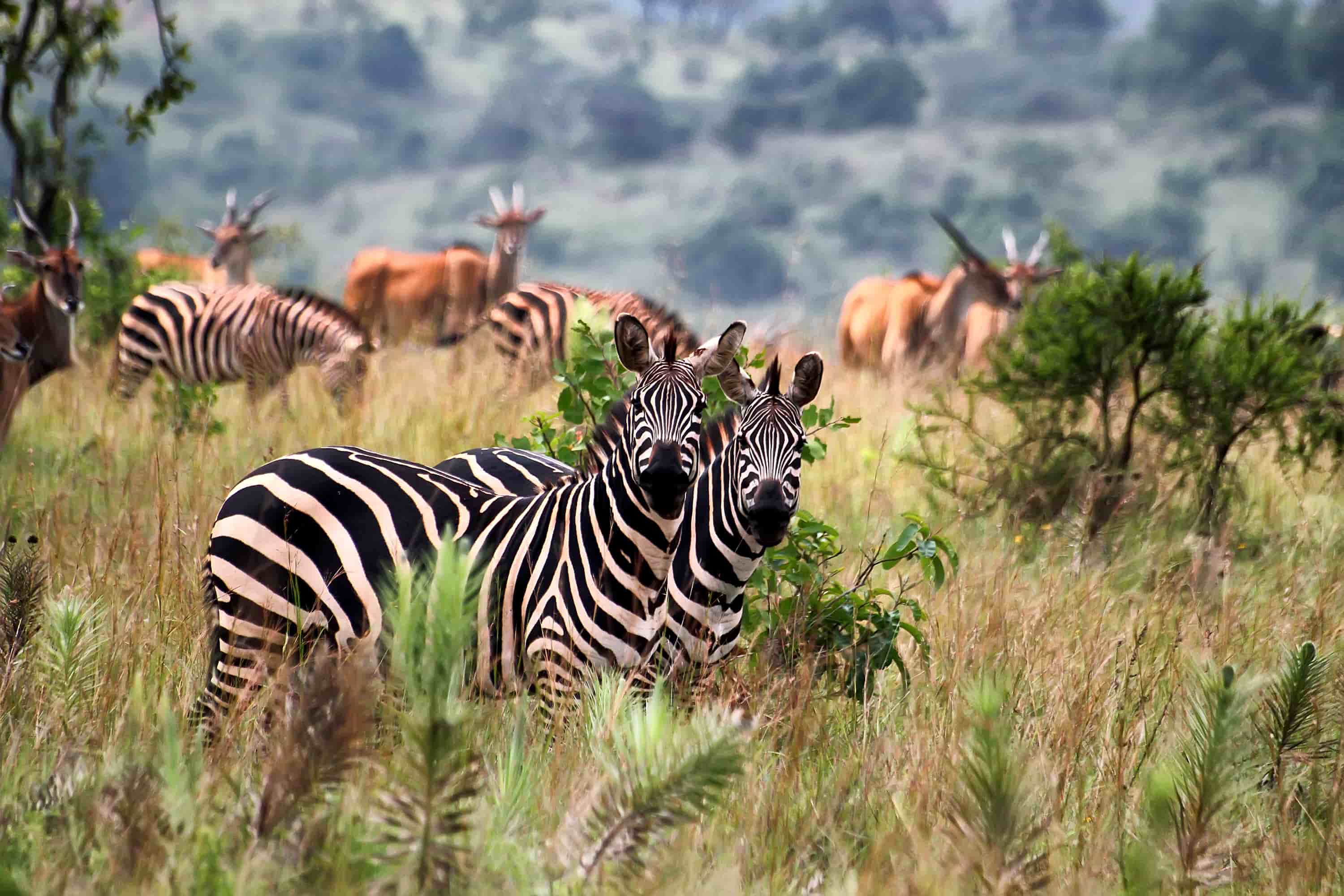
A 3-day Akagera National Park safari offers an immersive wildlife experience, focusing on savannah game drives, boat cruises on Lake Ihema, and viewing Big Five animals (lions, rhinos, elephants, buffaloes, leopards). Top itineraries generally involve a 2.5-hour transfer from Kigali, afternoon boat trips on day 1, full-day game drives on day 2, and a final morning drive before returning to Kigali on day 3
4-days-akagera-safari-and-chimpanzee-tracking-rwanda-safari
4-days-volcanoes-national-park-and-akagera-rwanda-wildlife-safari
3-days-rwanda-safari-to-akagera-national-park-combined-with-lake-ihema-boat-cruise
3-day-africa-big-five-safari-in-akagera-national-park-with-kigali-city-tour
3-days-safari-in-rwanda-akagera-national-park-game-drive-and-lake-ihema-boat-trip
4-days-akagera-safari-and-chimpanzee-tracking-rwanda-safari
4-days-volcanoes-national-park-and-akagera-rwanda-wildlife-safari
9-days-rwanda-gorilla-trekking-and-adventure-activities-and-relaxation
6-days-rwanda-safari-to-akagera-and-nyungwe-chimpanzee-tracking
3 Days Classic Big Five & Boat Safari in Rwanda Akagera park
This 3 days Akagera safari itinerary blends the best of Akagera’s water and land experiences into a relaxed, three-day safari ideal for first-time visitors and those short on time. You’ll start with a scenic drive from Kigali into Rwanda’s eastern wilderness, then ease into the park with a tranquil boat safari on Lake Ihema—an excellent introduction to Akagera’s hippos, crocodiles, shorebirds, and the papyrus-fringed wetlands that set this park apart. Days in the park alternate broad savanna drives and targeted wildlife searches, giving you the chance to see elephants, buffalo, giraffes, and, with luck, lions and rhinos. Because the park is compact, you’ll cover varied habitats without long, tiring transfers, and local guides will tailor each outing to recent sighting reports. The pacing suits families and travelers who appreciate a balance of leisurely observation (boat-based wildlife watching) and classic game drives, finishing with an easy return to Kigali where you can add a cultural stop if time allows.
Day 1 Classic Big Five & Boat Safari
Depart Kigali early and drive east toward Akagera, taking in rural Rwandan scenery en route. After park arrival and check-in at your lodge, you’ll head straight to Lake Ihema for a late-afternoon boat safari—timed to catch wildlife activity at the water’s edge. The calm, shallow boat allows excellent viewing of hippo pods, Nile crocodiles basking on banks, and flocks of herons, egrets, and pelicans. Guides provide interpretation on wetland ecology and point out elusive species like sitatunga in papyrus margins. As light softens, shoreline activity often increases—elephants and buffalo may visit to drink or bathe, creating dramatic photo opportunities. Return to camp for dinner and an evening briefing on next day’s game routes, ensuring you’re ready for full-day land exploration tomorrow.
Day 2 Classic Big Five & Boat Safari
Set out on a full-day game drive that traverses Akagera’s varied habitats. Morning drives focus on the park’s cooler hours when predators and grazers are active—head north toward the open plains to target lions and scan for elephant herds. Midday, enjoy a picnic or return to the lodge to rest, then resume exploring the southern savannas where giraffes and diverse antelope species frequent acacia stands. Guides use local intelligence to follow recent sightings and will stop for long observation sessions when animals are located—ideal for photography and behavioral watching. If rhino tracking is available in the protected southern sector, your guide may arrange monitored viewing. The day’s flexibility allows you to concentrate on species of interest while sampling the ecological variety that makes Akagera a compact Big Five park.
Day 3 Classic Big Five & Boat Safari
On your final morning, depart before dawn for a shorter game drive that targets early activity—lions returning from nocturnal hunts, elephant movement, and predators’ dawn routines. Guides often revisit promising territories to capitalize on recent movements, maximizing last-minute sightings. After the morning outing, exit the park and begin the return to Kigali, with time to stop for lunch en route. For those who wish, an optional Kigali City Tour can be arranged—commonly including the Genocide Memorial for a reflective cultural and historical context to your visit. Arrive in the capital in the afternoon or evening depending on stops. This final leg provides a gentle transition from wilderness back to urban life while consolidating memories and photographs from a compact, wildlife-rich itinerary.
3 Days Intensive Northern Plains & Night Safari
Designed for avid wildlife seekers, this three-day itinerary concentrates effort on Akagera’s northern Kilala Plains and pairs intensive daytime searches with nocturnal outings to maximize predator encounters. The program is ideal for photographers and travelers focused on lions, leopards, and the dynamics of a recovering predator community. You’ll still experience Lake Ihema’s boat scenery, but the emphasis is on extended land-based exploration in the park’s drier northern sector where visibility and prey density favor large-carnivore sightings. An organized night game drive opens a different wildlife window—perfect for encountering elusive nocturnal species that daytime safaris miss. Because the schedule is concentrated and activity-driven, expect longer daily drives, close coordination with ranger intelligence, and guided stakeouts at promising locales. This itinerary rewards patience and persistence with heightened chances of rare predator sightings and dramatic wildlife behavior.
Day 1 Intensive Northern Plains & Night Safari
After transfer from Kigali, arrive at Akagera and orient with a short briefing on northern plains operations before heading out to Lake Ihema for an afternoon boat cruise—allowing you to acclimatize while observing hippos, crocodiles, and waterbird concentrations. The boat ride also helps your guides update wildlife movement information and plan routes for the following days. As dusk approaches, return to camp for a quick refresh and a briefing focused on tomorrow’s full-day northern plains search. Use the evening to check equipment, charge cameras, and rest before the intense day ahead. The pacing on day one balances gentle introduction with preparation, so you’ll be well-positioned for a concentrated predator-focused drive on day two.
Day 2 Intensive Northern Plains & Night Safari
Devote a full day to the Kilala Plains and adjoining northern savanna—prime territory for lions and large herds of elephant and buffalo. Begin at first light with sustained, strategic searching: your guide will follow pride territories, recent scat and track reports, and radioed sightings from ranger posts. Expect long stakeouts when a pride is located, maximizing behavioral observation and photographic opportunities. Midday can include a restful lodge break, then return to the plains for late-afternoon action. As night falls, join a guided night game drive—conducted under strict park protocols—to search for leopards, bush babies, genets, and other nocturnal fauna. Night drives expand the species list and are among the best ways to encounter shy predators; guides use spotlights and local expertise to locate animals while minimizing disturbance. This intensive day combines patience, local intelligence, and both diurnal and nocturnal viewing windows.
Day 3 Intensive Northern Plains & Night Safari
On the final day, undertake a relaxed morning drive with focus on any species missed—returning to promising northern locations or scanning riparian corridors during cool hours when animals are active. Guides will tailor the route based on last night’s findings and ongoing ranger reports to optimize remaining sighting chances. After the morning outing, begin the route back toward the southern gates
and Kigali, stopping for lunch and photography along the way. The transfer includes time to stretch your legs and reflect on sightings; drivers often share conservation insights and park stories that enrich the return journey. Expect arrival in Kigali in the afternoon or early evening, where you can choose to extend your stay, continue to Volcanoes National Park for gorilla trekking, or head to the airport—having enjoyed an action-packed, predator-focused Akagera experience.
- 3 Days Luxury Wilderness Experience (Magashi Camp)
Intro (160 words)
This three-day luxury wilderness escape centers on Magashi Camp, one of Akagera’s finest lodges, blending high-end comfort with intimate access to the park’s northern savannas. Ideal for travelers who want top-tier hospitality without sacrificing authentic bush time, the itinerary emphasizes small-group guiding, personalized routes, and immersive nature experiences. Magashi’s elevated tents and private verandas overlook Lake Rwanyakazinga, giving you wildlife viewing from your accommodation and easy access to guided activities. The program favors slow, observational safari techniques—quiet drives, close stakeouts, and interpretive walking safaris—that highlight behavioral ecology and photography opportunities. Because the northern sector is less visited, you’ll often enjoy solitary encounters with elephant herds, grazing antelope, and the occasional lion pride while benefiting from the lodge’s conservation-centered approach. This trip is perfect for those who want to pair refined meals, exceptional service, and sustainable tourism with serious wildlife time in a recovering Big Five landscape.
Day 1 — Scenic Drive to North Gate & Guided Walking Safari (140 words)
Depart Kigali in the morning for the scenic drive east to Akagera’s north gate, where rolling farmland gives way to open savanna. Upon arrival, settle into Magashi Camp and meet your guide for a safety briefing and orientation to the day’s options. In the afternoon, set out on a guided walking safari across accessible trails—an intimate way to learn tracks, dung signs, birdlife, and small mammals up close. Walking in small groups under an expert guide offers a sensory experience far removed from vehicle-based viewing: the sounds of the bush, subtle animal signs, and close study of flora and insects. The walk is conducted at a measured pace with a focus on safety, ecology, and photography of smaller subjects. Return to camp for a sunset aperitif, dinner, and an evening recap to plan tomorrow’s game-driven exploration.
Day 2 — Game Drives & Lake Rwanyakazinga Boat Trip (140 words)
After an early breakfast, embark on personalized game drives through the quiet northern plains where long sightlines and abundant grazing attract elephants, buffalo, and antelope. Your guide will use on-the-ground intelligence and radio networks to locate recent predator activity and stake out promising areas for extended observation and photography. Midday offers a restorative break at the lodge before an afternoon switch to water-based viewing: a boat trip on Lake Rwanyakazinga. The boat safari brings you close to hippo pods, crocodiles, shorebirds, and the dramatic scenes of large mammals visiting the shoreline. The mix of terrain maximizes species variety and delivers dramatic lighting for photography. Return to Magashi for a leisurely dinner; the lodge’s interpretive talks often include insights into ongoing conservation work and the ecological recovery in Akagera.
Day 3 — Morning Game Drive & Departure (140 words)
Rise early for a final, focused game drive during the cool dawn hours when predators and grazers are most active; guides tend to revisit territories with recent sightings to capitalize on morning movement. This last safari leg emphasizes any missed targets—lions on kopjes, elephant family groups, or solitary bushbuck—while providing sweeping scenic views across the plains. Mid-morning, return to camp for a final check-out and a relaxed brunch. Then begin the drive back to Kigali, with optional stops for photography or brief cultural exchanges en route. Expect arrival in the capital by early afternoon, allowing onward connections, an evening flight, or a stay in Kigali to reflect on a luxurious, wildlife-rich short break that combines high comfort with conservation-minded exploration.
- 3 Days Short "Quick Escape" Safari
Intro (160 words)
The “Quick Escape” is a compact, activity-focused three-day itinerary built for travelers with limited time who still want a meaningful Akagera experience. It prioritizes efficient transfers from Kigali and maximizes on-the-ground hours in the park, especially concentrating on the wildlife-rich southern and northern zones within a short timeframe. This itinerary is ideal for business travelers, families on a tight schedule, or visitors transitioning between other Rwandan highlights. Expect brisk morning departures, two targeted game drives per day when possible, and carefully timed boat or guided options to ensure diverse wildlife viewing without the downtime of longer trips. While logistics are tighter than longer safaris, expert local guides and private transfers make it possible to see a representative sample of Akagera’s Big Five, enjoy memorable encounters, and return to Kigali refreshed rather than exhausted—a true quick taste of Rwanda’s rediscovered savanna wilderness.
Day 1 — Morning Drive & Afternoon Game Drive (140 words)
Leave Kigali at first light to make the most of travel time and enter the park via a southern gate. The morning drive focuses on the southern savanna where grasses and waterholes attract mixed herds—expect to see buffalo, impala, giraffe, and possibly elephant. Guides prioritize species that are visible early in the day, scanning kopjes for territorial lions or lone leopards. After a mid-day rest or lunch at a park picnic site or lodge, head back out for an afternoon drive that exploits late-afternoon activity near water sources. Afternoon light favors photography and often draws game to drink or bathe. The dual-drive approach packs varied sightings into a single day, giving you a solid introduction to Akagera’s wildlife before an evening at a convenient lodge near the park.
Day 2 — Full Day Game Drive (Northern Focus) (140 words)
Today is dedicated to an extensive northern-area safari, which means traversing the savannas and stopping at notable features like Mutumba Hills. Early morning starts maximize predator activity, so expect prolonged searching for lions and scanning for elephant family groups. Your guide will use local sighting reports and ranger updates to determine the best areas to explore, potentially allowing for long observation sessions when a pride or large herd is found. Midday offers a break to refresh before continuing into the afternoon, targeting vantage points and riverine corridors where wildlife congregates as temperatures fall. The full-day format allows varied route choices, improving the chance of encountering rarer species and providing a more immersive experience than a single drive. Return to camp in the evening to rest and review the day’s sightings.
Day 3 — Leisurely Breakfast & Returt5
Wake to a relaxed morning with breakfast at your lodge, allowing for a final short drive to revisit promising nearby spots for any last-minute sightings. This gentle outing is less about covering long distances and more about savoring the park’s atmosphere—birdsong, distant calls, and peaceful views across plains and wetlands. After the brief drive, complete check-out formalities and begin the comfortable transfer back to Kigali. Depending on time, you can stop en route for photographs or a quick cultural visit in a neighboring community. Expect to arrive in Kigali before evening, giving you time to continue onward in Rwanda or catch a flight. This measured finish helps transition from safari pace back to city life while consolidating memories from a sharply focused, time-efficient escape.
3 Days Akagera Wildlife & Cultural Immersion
This three-day option pairs classic wildlife viewing with meaningful cultural engagement, offering a well-rounded Rwandan experience that connects the park’s ecological recovery to local communities. The itinerary balances game drives and boat safaris with visits to nearby villages, enabling travelers to learn about local livelihoods, conservation partnerships, and cultural traditions that shape life around Akagera. It’s an excellent choice for travelers who value both wildlife and people-focused travel, seeking context for conservation successes and opportunities to support local initiatives through respectful visits. The structure is flexible enough to accommodate families and mixed-interest groups—those who want to spend morning hours in the bush and afternoons participating in community activities or village tours. This immersive approach enriches wildlife encounters by linking them to human stories—how communities contribute to protection, sustainable tourism, and shared benefits from the park’s resurgence.
Day 1 — Kigali City Tour & Boat Trip
Begin the day in Kigali with a visit to the Genocide Memorial—an important, sobering context-setter for any visit to Rwanda—before heading east toward Akagera. After arriving at the park and checking into your lodge, set out on an evening boat safari on Lake Ihema. The boat trip offers outstanding close-up views of hippos, crocodiles, and rich waterbird life, while guides explain wetland ecology and how lakes support both wildlife and local livelihoods. The combination of Kigali’s historical insight and Akagera’s living landscape creates a balanced first day: cultural reflection followed by immersive nature viewing. Return to your accommodation for dinner and an orientation on how upcoming village visits and conservation activities are structured to benefit both communities and the park.
Day 2 — Game Drive & Cultural Village Visit
Spend the morning on a full game drive, targeting varied habitats where elephants, buffalo, giraffes, and predators concentrate. Guides will track animals using local intelligence and radio networks, pausing for long observations and interpretation of behavior. After lunch, transition from wildlife to community engagement with a guided visit to a nearby village: meet residents, observe traditional crafts, and learn how conservation incentives—jobs, revenue-sharing, or educational programs—support coexistence with the park. These visits are arranged to be respectful and mutually beneficial, often including demonstrations of local agriculture, artisan workshops, or storytelling sessions about land-use changes since Akagera’s recovery. This combined day deepens understanding of conservation’s human dimension and lets you support local economies through ethical tourism.
Day 3 — Morning Game Drive & Return
On the final morning, enjoy an early game drive focusing on areas where dawn activity yields strong sighting opportunities—lions returning to shade, elephant movements, and foraging herds near water. Guides may revisit promising locations to capitalize on recent movements and maximize your last chance for Big Five encounters. Following the drive, return to the lodge for a leisurely brunch and checkout before driving back to Kigali. The journey can include a stop for photos or a brief visit to a community project tied to conservation revenue—providing a final look at how tourism supports local development. Expect to arrive in Kigali in the afternoon, giving you time to reflect or continue onward; this itinerary leaves you with wildlife memories complemented by cultural insight into the communities that share Akagera’s landscape.
What is the best itinerary for 3 days in Akagera?
A well-crafted three-day itinerary in Akagera balances travel time, different habitats, and wildlife-viewing windows so you get the most from a short stay. Start early on Day 1 with a scenic drive from Kigali to the park’s southern gate—roughly 2.5–3 hours—so you arrive with time for an orientation, check-in, and either a late-afternoon game drive or a boat trip on Lake Ihema. The boat cruise is an unmissable introduction to the park’s wetland wildlife: hippo pods, Nile crocodiles, and a rich assemblage of waterbirds, while a vehicle drive gives an immediate taste of the savanna’s grazing herds and lookout kopjes. Day 2 should be your main wildlife day: plan a full-day game drive with early-morning and late-afternoon outings. Early starts maximize predator activity and cooler temperatures, while late afternoons bring dramatic light and animals moving toward water. Work with your guide to focus on zones where recent sightings have been reported—the northern Kilala and Mutumba areas are prime for lions and elephants, while the southern savannas host giraffes and antelope. If you want a mix, split the day between land and water: a morning drive, a midday rest, and an afternoon boat or another drive. On Day 3, rise before dawn for a final short drive to capitalize on morning activity, then return to camp for brunch and check-out. Allow flexibility for a final scenic stop or a brief cultural visit en route back to Kigali. This rhythm—boat or drive on arrival, an intensive full day, and a focused final morning—lets you experience Akagera’s lakes, plains, and wildlife without rushing, while giving room for both photography and relaxed wildlife observation.
Can I see the Big Five in 3 days?
Akagera is notable for re-establishing the Big Five—lion, elephant, buffalo, leopard, and rhino—and a well-planned three-day visit gives you a realistic chance to encounter most of them. However, seeing all five within a short window depends on many variables: luck, animal movements, the season, recent sightings, and how much ground your guide can cover using up-to-date ranger intelligence. Lions, elephants, buffalo, and giraffes are often easier to find because they are relatively numerous and use open habitats visible from a distance. The reintroduced black rhinos and leopards are more elusive: rhinos tend to inhabit more secluded or patrolled areas for their protection, and viewing is often guided and monitored to minimize disturbance; leopards are naturally cryptic, mainly nocturnal or crepuscular, and spend time in dense cover or up in trees where they’re hard to spot by vehicle. Maximizing your Big Five chances requires targeted planning—ask your operator to prioritize the northern Kilala Plains and the southern sectors where rhino monitoring occurs, include a mix of dawn and dusk drives when predators are active, and consider a night drive to improve leopard odds. Hiring experienced local guides who tap into ranger reports and radioed sightings is crucial: they know patrol routes, recent movements, and where to stake out. Even if you don’t tick off all five, a three-day trip still offers excellent encounters with other compelling species—hippos, crocodiles, giraffes, zebras, topi, and a superb bird list—plus the satisfaction of supporting Akagera’s conservation comeback.
What is the best time of year for a 3-day trip?
The optimal time for a short Akagera trip is the long dry season—June through September—when roads are at their best, vegetation is thinner, and animals concentrate around predictable water sources, making sightings more reliable. Dry-season conditions improve vehicle access to remote parts of the park, reduce the likelihood of muddy delays, and deliver clearer visibility across the plains for photography and long-distance scanning. Wildlife congregates at lakes, rivers, and remaining waterholes, increasing encounter rates for elephants, buffalo, antelopes, and predators that follow prey. Birding shifts predictably too: many species are visible around drying riverbanks and papyrus fringes, and raptor activity is often strong. The short dry spell from December to February also offers good conditions with slightly warmer temperatures and fewer visitors than the June–September peak. Conversely, the rains (March–May and October–November) have benefits—lush landscapes, fewer tourists, and sometimes lower prices—but they bring slippery roads, limited access to some tracks, and denser vegetation that can hinder long-range visibility and make animals harder to spot. For gorilla or chimp combines, note that highland trails (Volcanoes, Nyungwe) can be muddier in wet seasons and more challenging. Consider shoulder-season travel if you value green scenery and solitude; take a 4x4 and allow time buffers for road conditions. In short, if maximizing wildlife viewing and reliability in a tight three-day window is the priority, aim for June–September.
Is a boat trip included?
Boat trips on Lake Ihema (or Lake Rwanyakazinga in the northern sector) are among the signature activities in Akagera and many standard three-day packages include at least one boat safari—either on arrival afternoon or as part of the full-day program. The water-based experience adds a distinct dimension to Akagera: boats put you close to hippo schools and resting crocodiles, provide superb vantage points for waders and waterbirds, and offer a calm, low-disturbance way to observe mammals coming to drink. From the water you can sometimes see elephants and buffalo on the shoreline in dramatic, photo-friendly scenes. Inclusion depends on your chosen lodge or operator, but top-tier camps and many mid-range operators bundle a boat cruise into the first or second day because it’s both safe and high-value for short stays. There are practical limits: boat operations follow park rules for safety and wildlife protection, the number of boats may be restricted in certain seasons, and small craft are used to minimize disturbance. If a boat trip is essential for you, confirm its inclusion when booking and check the schedule—some cruises are timed for late afternoons when light is best and wildlife is active. Also note that boat trips are weather-sensitive; high winds or heavy rain can cause cancellations, so have a land-based backup plan. Overall, the boat safari is a must-do and, when included, complements game drives to round out the three-day Akagera experience.
How long does it take to drive to Akagera?
Travel time from Kigali to Akagera’s southern gate typically ranges from about 2.5 to 3 hours depending on traffic, exact departure point in Kigali, and the gate you use. The route is mostly paved and scenically pleasant—rolling hills, cultivated farmland, and small towns—making the drive straightforward and comfortable by regional standards. If you’re heading to more northern lodges (Magashi Camp, for example), the drive can be slightly longer because of internal park transfers or dirt tracks leading to remote camps. Allow extra time during rainy season when secondary roads become muddy and slower. Transfers are commonly arranged with private driver-guides who are familiar with park entry procedures and will time departures to optimize your arrival for afternoon activities like a boat trip or late drive. Early departures avoid Kigali’s morning congestion and give you full first-day access; many itineraries recommend leaving by 07:00 to arrive before lunchtime. If combining with Kigali activities—such as a Genocide Memorial visit—plan that into your schedule since it adds 2–3 hours. For airport connections, factor in extra buffer for check-in times; while the drive itself is short, Rwanda’s road speeds and checkpoints can affect timing. Overall, the relatively brief transfer is one of Akagera’s advantages: you can leave Kigali in the morning and be on safari that same day.
Are there night game drives available?
Yes—night game drives are one of Akagera’s unique offerings and are available through licensed operators under park-approved protocols. These drives are conducted with spotlights from specially equipped vehicles and guided by experienced rangers who follow strict rules to minimize disturbance and ensure safety. Night safaris reveal a very different cast of characters: nocturnal predators like leopards and hyenas, smaller carnivores such as genets and civets, and an array of interesting night-active mammals and owls. Spotlights pick up reflecting eyes, and guides’ knowledge of territorial calls and recent tracks helps locate animals. The night drive format is also excellent for seeing nocturnal behavior—hunting attempts, scavenging, and social interactions—that you won’t catch on daytime outings. Practical considerations include park curfews, seasonal availability, and additional fees; night drives typically happen in the early night hours and must finish before park-imposed closing times. If you’re particularly keen on leopards or nocturnal species, book a night drive early in your trip to give guides time to follow up on any promising sightings with daytime stakeouts. Night drives are not suitable for very young children or those with mobility issues, and protocols emphasize quiet, low-impact viewing. Overall, a night drive is a high-value addition for short stays because it expands the species list and highlights Akagera’s ecological depth.
What animals can I see?
Akagera’s mosaic of savanna, woodland, wetlands, and lakes supports a rich mammal and bird assemblage. On a three-day visit you can expect to see large herbivores like elephants, buffalo, giraffes, zebras, topi, impala, waterbuck, and various duikers and bushbuck. Lion prides inhabit kopjes and open plains, and reintroduced black rhinos now roam protected southern areas (viewing often occurs under monitored conditions). Predators also include spotted hyenas and the occasionally sighted leopard. Lakes and rivers host hippos and Nile crocodiles visible from boats or water-adjacent drives. Primates are less prominent here than in Rwanda’s forests, but you may encounter baboons. Birding in Akagera is excellent: expect herons, egrets, pelicans, African fish-eagle, kingfishers, and a host of papyrus specialists plus raptors hunting over the plains. The wetland edges attract migratory species in season and dense waterbird concentrations can be a highlight. Smaller, fascinating mammals—mongooses, genets, servals (rare), and bushpig—may be spotted with patient searching or on night drives. While you can see many species in three days, frequency and diversity depend on season, time of day, and how much territory your guide covers; morning and late-afternoon drives plus a boat trip yield the broadest sampling of Akagera’s fauna.
Where should I stay?
Accommodation choices in and near Akagera range from community-run camps to luxury tented lodges, each offering different trade-offs between comfort, location, and immersion. For a luxury wilderness experience consider Magashi Camp or Magashi’s equivalent (high-end camps overlooking lakes and plains) and Ruzizi Tented Lodge, which offers strong wildlife viewing from private decks and a comfortable base for game drives and boat trips. Magashi and Ruzizi are known for conservation-minded operations, great guides, and proximity to northern plains and lake habitats. Mid-range options include Akagera Game Lodge, which is conveniently located for quick access to drives and offers comfortable rooms and meals. Budget and community options—such as simple bush camps or community-run lodges—provide authentic local engagement and are typically closest to villages, offering cultural add-ons. Choose based on priorities: if you want early access to northern Kilala plains, a northern lodge reduces daily drive time; if you prefer a boat focus, lakeside camps are ideal. Book early for peak season (June–September) and confirm which activities—boat safaris, night drives, guided walks—are included. Many lodges support park and community projects, so staying at a conservation-focused property amplifies your tourism impact positively.
Do I need a 4x4 vehicle?
A 4x4 safari vehicle is strongly recommended for Akagera, especially in the wet season when secondary tracks become muddy and rutted. While main roads and some park routes are passable with standard vehicles in dry conditions, having a raised, four-wheel-drive vehicle improves access to remote viewing areas, enhances passenger comfort over rough tracks, and increases safety during longer game drives. Many safari vehicles are purpose-built with roof hatches and open-sided viewing for photography. A 4x4 also allows flexibility if your plan includes northern Kilala plains, Mutumba Hills, or boat-launch points that require traveling on dirt tracks. Tour operators and lodges almost always provide suitable vehicles as part of packages; if you hire a private transfer, ensure the vehicle is a proper safari 4x4 with experienced driver-guide familiar with park rules. For short trips where maximizing time is key, the right vehicle makes a big difference in reaching hotspot areas quickly and returning smoothly to camp.
Can I visit Rwanda and Akagera together?
Yes—Akagera combines easily with Kigali city time or other Rwandan highlights. Many three-day packages include Kigali either before or after the park visit so you can see the Genocide Memorial, local markets, and the city’s cafes and galleries. Because Akagera is only a few hours from Kigali, you can leave the capital in the morning and be on safari the same day, making it straightforward to pair urban and wilderness experiences in a compact itinerary. Akagera is also commonly combined with Volcanoes National Park for gorilla trekking or Nyungwe for chimpanzee treks in longer multi-park tours (three days in Akagera plus three days for gorillas makes a compact six-day trip). Logistics are simple: private transfers and domestic connections allow efficient movement between parks, and many operators offer combined packages that handle permits, transport, and accommodations. If your priority is gorilla trekking, plan permits and timings carefully—gorilla permits sell out and require advance booking—while using Akagera as a wildlife complement either before or after the mountain experience.
Are game drives, park fees, and accommodation included?
Most packaged three-day tours include park entrance fees, guided game drives, and accommodation, but specifics vary by operator and booking class. Comprehensive packages from reputable companies typically bundle park fees, vehicle transfers, a professional guide or driver-guide, lodge-based meals, and standard activities such as a boat cruise. Some optional extras—night drives, guided walking safaris, cultural village visits, or private vehicle upgrades—may carry additional charges. Rhino viewing or special monitored rhino excursions can also have separate fees due to conservation protocols. Always confirm what’s included when booking: ask about park fees for international visitors, whether water-based safaris are covered, tipping expectations, and any seasonal supplements. If arranging transport or accommodation independently, you’ll need to pay park entrance and activity fees at gate or lodge, and organize a licensed guide for drives. Clear communication with your operator prevents surprises and ensures the three days deliver the experiences you expect.
Can I combine this with a gorilla tour?
Yes—combining a three-day Akagera safari with gorilla trekking in Volcanoes National Park is a popular multi-destination itinerary that showcases Rwanda’s diversity: savanna wildlife, wetlands, and mountain gorillas. A common approach is to do Akagera first for 2–3 days, then transfer to the northwest to spend 2–3 days in Volcanoes National Park for gorilla trekking and golden monkey visits. Travel logistics require planning: gorilla permits must be booked well in advance (they are limited and in high demand), and internal transfers between Akagera and Volcanoes take several hours (often a full day’s travel by road), so allow buffer days for transit, permit timing, and acclimatization to altitude. Many tour operators sell combined packages that include all permits, park fees, transport, and accommodation, simplifying the process. Combining both gives you a complete Rwandan wildlife portfolio: Akagera’s plains and aquatic life plus the unforgettable mountain gorilla encounter—ideal for travelers who want to see the full spectrum of Rwanda’s conservation successes in a single trip.
What should I pack for the safari?
Pack smart for a three-day Akagera safari with a focus on layers and practical items for variable conditions. Essentials include neutral-colored, lightweight, and breathable clothing (khaki, olive, or earth tones) to avoid startling wildlife and to blend with the environment; long-sleeve shirts and a light fleece for cool mornings and evenings; a waterproof windbreaker or compact rain jacket for unpredictable showers; and comfortable, sturdy walking shoes or hiking trainers for any guided walks. Bring polarized sunglasses, a brimmed hat, sunscreen, and a good insect repellent—wetland edges can have mosquitoes during warmer months. Opt for a small daypack with water, snacks, binoculars, spare camera batteries and memory cards, a power bank for charging, and refillable water bottles. If you plan night drives or guided walks, include a headlamp or small torch with fresh batteries. For photography, a telephoto lens (200–400mm) is useful for distant mammals, plus a wide-angle for landscapes and lakeside scenes. Don’t forget personal medications, motion-sickness remedies if you’re prone, and copies of important documents (passport, permits, travel insurance). Travel lightly; most lodges provide laundry service and amenities, but confirm plug types and charging availability in advance. Finally, pack a small contribution for community visits—if your itinerary includes cultural stops, a modest gift or purchase supports local livelihoods.
Is it worth visiting Akagera for only 3 days?
Yes—a three-day trip to Akagera can be a highly rewarding, compact wildlife experience because the park’s manageable size and diversity let you sample lakes, wetlands, and savanna habitats in a short time. With efficient logistics—early departures from Kigali, a mix of game drives and a boat safari, and stays at strategically located lodges—you can see many of the park’s highlights: elephant herds, giraffes, zebras, buffalo, hippos, crocodiles, and (with effort and luck) predators like lions and leopards. The reintroduction of rhinos and lions in recent years has added dramatic conservation storylines and the chance to witness a genuine recovery in African wildlife. For travelers constrained by time, Akagera offers a convenient wilderness escape without the long transfers typical of larger East African parks—leaving Kigali in the morning and being on safari the same day is a major advantage. Three days also allows for relaxing moments—sunset boat cruises, lodge-based birding, and cultural stops—that make the trip feel complete rather than rushed. Of course, more days increase the odds of rarer sightings and let you explore remote northern areas more thoroughly, but for most visitors a carefully planned 72-hour visit provides a satisfying introduction to Rwanda’s savanna and wetland ecosystems and supports local conservation through tourism.
Are there any cultural experiences?
Yes—many Akagera itineraries incorporate cultural experiences that link wildlife conservation with local communities. Popular visits include guided tours of nearby villages where you can meet residents, learn about traditional agriculture, see craft-making or weaving demonstrations, and hear stories about how communities benefit from protected-area revenues and jobs. Some lodges organize cultural performances—music, dance, and storytelling—that showcase Rwandan traditions in respectful settings. Community-run projects such as craft centers and conservation education programs welcome tourists and often direct proceeds back into local initiatives. Another meaningful option is visiting community coffee or beekeeping projects that illustrate sustainable livelihoods tied to conservation. These experiences are typically arranged to be low-impact and mutually beneficial; operators brief visitors on appropriate behavior and compensation. Cultural visits enrich a wildlife trip by providing context—how local people interact with the landscape, the historical challenges Akagera faced, and the partnerships that underpin the park’s recovery. If cultural immersion is a priority, ask your tour operator to include village visits, local guides, or community-based activities in your three-day plan.
Booking Aakagera safari with us Roads of Adventure safaris
Book a thrilling 1- to 3-day Akagera National Park safari with Roads of Adventure Safaris to explore Rwanda’s premier savannah wildlife, including the "Big Five" (buffaloes, lions, leopards, rhinos, elephants). We offer private, expert-guided game drives and boat trips on Lake Ihema from Kigali, starting with convenient logistics for a seamless experience.
