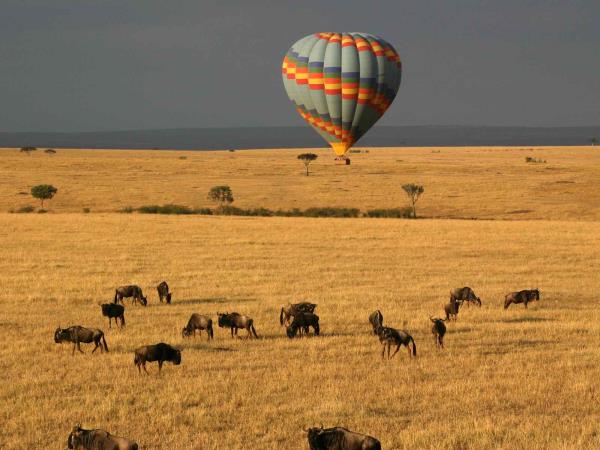
10-day Tanzania wildlife safari offers an immersive wildlife experience, typically covering the Northern Circuit's premier parks: Serengeti, Ngorongoro, Tarangire, and Lake Manyara. Top itineraries combine these, featuring the Big Five, the Great Migration (seasonal), and often a relaxing, scenic ending in Zanzibar or exploring cultural highlights in Arusha
10-days-family-tanzania-safari-tour-to-lake-manyara-serengeti-ngorongoro-crater-and-tarangire
10-days-tanzania-safari-to-all-northern-circuit-safari-parks-expedition
10-days-perfect-tanzania-safari-itinerary
10-days-best-kilimanjaro-hike-serengeti-safari-tour-and-ngorongoro-tour-combo
10-days-best-tanzania-honeymoon-safari-with-3-days-zanzibar-beach-holidays
10-days-ultimate-budget-tanzania-safari-holiday-vacation
10-days-tanzania-wildlife-safari-and-optional-visit-to-masai-tribe-or-hadzabe
10-days-luxury-gorilla-trekking-masai-mara-serengeti-and-ngorongoro-crater
10-days-tanzania-safari-and-zanzibar-beach-holiday-gateway
10-days-best-tanzania-safari-tour-and-zanzibar-beach-holiday-itinerary
10-days-best-tanzania-safari-tour-and-zanzibar-beach-holiday-itinerary
1. 10 Days Classic Northern Circuit Wildlife Safari
The Classic Northern Circuit Wildlife Safari offers an unparalleled opportunity to experience Tanzania's rich biodiversity, focusing on the key parks in the northern region. Over ten days, this itinerary ensures that you engage with wildlife in their natural habitats, from the iconic elephants of Tarangire National Park to the unique flamingos of Lake Manyara. This safari provides diverse landscapes, impressive views of the Ngorongoro Crater, and chances to witness the majestic migrations in Serengeti National Park. With a balanced mix of game drives and cultural experiences, travelers will gain deep insights into local customs and the vibrant ecosystems of Tanzania. This safari is perfect for wildlife enthusiasts seeking to immerse themselves in nature while enjoying comfortable accommodations and expert guidance along the way.
Day 1: Arrive in Arusha
Upon arrival at Kilimanjaro International Airport, you will be greeted by your guide and transferred to your accommodation in Arusha. Use this day to relax and acclimatize before your adventure begins. Depending on your arrival time, consider exploring the local area or visiting a nearby market for a taste of Tanzanian culture. Enjoy a welcome dinner at your lodge, where you can meet fellow travelers and discuss the exciting safari ahead. Make sure to rest early to prepare for the journey into Tanzania's breathtaking wilderness.
Day 2: Transfer to Tarangire National Park
After breakfast, set off for Tarangire National Park, approximately a two-hour drive from Arusha. Known for its large herds of elephants and majestic baobab trees, this park promises an impressive start to your safari. Upon arrival, enjoy a scenic game drive, keeping an eye out for other wildlife such as giraffes, zebras, and various bird species. Experience the park’s unique flora and fauna as you drive through, including the iconic Tarangire River. After a day of wildlife watching, check into your lodge for dinner and relax.
Day 3: Morning Game Drive in Tarangire, Afternoon Transfer to Lake Manyara
Begin your day with an early morning game drive in Tarangire National Park, offering a chance to catch animals at their most active. Look for elephants bathing in the river and predators like lions and cheetahs watching from the trees. After lunch, depart for Lake Manyara National Park, known for its stunning views and diverse wildlife. Arrive in the afternoon and take a brief game drive. Keep an eye out for tree-climbing lions, flamingos along the lake shore, and a variety of other bird species. Check into your accommodation for dinner.
Day 4: Lake Manyara National Park
Explore Lake Manyara National Park today, famous for its scenic beauty and rich wildlife diversity. Start with a morning game drive, where you can spot elephants, baboons, and elusive tree-climbing lions. The park is a birdwatcher's paradise, home to flamingos and over 350 other species. In the afternoon, consider taking a guided walking tour or a village visit to learn about local culture. Enjoy a picnic lunch with breathtaking views of the lake, surrounded by the vibrant tones of nature. After a day of discovery, return to your lodge for dinner.
Day 5: Drive to Serengeti National Park via Ngorongoro Conservation Area
Today, depart for Serengeti National Park, with a scenic drive through the Ngorongoro Conservation Area. Along the way, enjoy views of the Olduvai Gorge, a site rich in hominid fossils, and the stunning landscapes of highland forests and savannah. Arrive in the Serengeti and start your game drive, which may include sightings of wildebeests, zebras, and various other wildlife. The vast plains of the Serengeti set the stage for exciting adventures ahead. After a day's exploration, check into your accommodation for dinner and relaxation.
Day 6-7: Full Days of Game Drives in Central Serengeti (Seronera)
Spend the next two days immersed in game drives across the Central Serengeti, particularly in the Seronera region, known for its abundant wildlife. With the high concentration of animals, you have a great chance of spotting the Big Five: lions, elephants, leopards, buffaloes, and rhinoceroses. Your experienced guide will help locate interesting sightings, ensuring you capture great photographs. During your drives, enjoy packed lunches in the wild to maximize your time observing wildlife. As day turns to night, return to your lodge for dinner and share stories from the day’s adventures.
Day 8: Morning Game Drive, Transfer to Ngorongoro Crater Rim
Today, you’ll have a morning game drive in the Serengeti before heading toward the Ngorongoro Crater. The early hours are excellent for wildlife viewing, and you may witness animals as they roam the plains at dawn. After lunch, travel to the Ngorongoro Crater rim, taking in the panoramic views as you ascend. Check into your accommodation on the rim, where you can relax and enjoy the stunning sunset over the crater. Dinner will be served at your lodge, providing a delightful finish to another day on safari.
Day 9: Full-Day Ngorongoro Crater Game Drive
Prepare for an incredible day in the Ngorongoro Crater, a UNESCO World Heritage Site known for its biodiversity. After breakfast, descend into the crater for a full-day game drive. The lush grasslands and woodlands within the crater host various wildlife, including large herds of wildebeests, zebras, and elephants. Keep an eye out for the rare Black Rhino. Enjoy a picnic lunch near a waterhole while continuing to observe the vibrant wildlife around you. After a fulfilling day of exploration, return to your lodge for dinner and reflect on the day's experiences.
Day 10: Cultural Visit to Mto wa Mbu, Transfer to Arusha for Departure
On your final day, visit the vibrant village of Mto wa Mbu, where you can engage with local communities and learn about their culture. Participate in a guided tour exploring local crafts, crops, and culinary practices. After this enriching cultural immersion, enjoy lunch before transferring back to
10 Days Serengeti Migration & Serengeti Focus Safari
The Serengeti Migration & Serengeti Focus Safari is crafted for those eager to witness one of nature's most extraordinary events: the Great Migration. This ten-day itinerary is optimized for peak wildlife viewing, focusing on both the Northern and Southern regions of the Serengeti. Travelers will have ample opportunity to see vast herds of wildebeests and zebras as they traverse the plains in search of greener pastures. In addition to the migration, this tour also includes chances to see predators such as lions and leopards. Expect a variety of landscapes that enhance your safari experience. With dedicated game drives and knowledgeable guides, this safari provides an enriching adventure amid Tanzania’s diverse wildlife and rich cultural heritage.
Day 1: Arrive in Arusha
Upon arrival at Kilimanjaro International Airport, a representative will greet you and facilitate your transfer to your accommodation in Arusha. Use this day to settle in and prepare for the adventures ahead. Depending on your arrival time, explore the local markets or simply relax at your hotel. Enjoy a welcome dinner, perhaps sampling some local dishes, as you meet fellow travelers. It is vital to get a good night’s rest to be well-prepared for the safari that awaits you in the coming days.
Day 2: Drive to Tarangire National Park
After breakfast, depart for Tarangire National Park, approximately a two-hour drive from Arusha. Known for its impressive elephant herds and unique baobab trees, this park sets the stage for incredible wildlife sightings. After arriving, enjoy a game drive, watching for animals such as giraffes, lions, and a variety of bird species. The park's diverse habitats make it an excellent location for observing animals as they gather around the Tarangire River, especially during the dry season. After a day of exploration, check into your lodge for dinner and relaxation.
Day 3-4: Explore Lake Manyara and Drive Toward Central Serengeti
On day three, journey to Lake Manyara National Park, renowned for its scenic beauty and rich biodiversity. Enjoy a morning game drive, where you may spot tree-climbing lions, large bird populations, and herds of elephants. In the afternoon, begin your drive toward the Central Serengeti, checking into your accommodation along the way. The next day is dedicated to extensive exploration of Central Serengeti, where you can see migration herds and predators. This area is fertile for wildlife observation, allowing for exciting wildlife interactions. Return to your lodge each evening for dinner and reflections on the day.
Day 5-7: Serengeti National Park
Days five through seven focus on game drives throughout Serengeti National Park, carefully timed to coincide with the migration. Depending on the time of year, you will either head to the Northern region (July to October) or the Southern region (December to March). Watch as thousands of wildebeests and zebras traverse the plains and witness the predators that follow closely behind. In addition to large herds, you may encounter elephants, giraffes, and various bird species. Enjoy picnic lunches in the wild to maximize your time observing animal behaviors. Each evening, return to your lodge to discuss the day's events over dinner.
Day 8: Game Drive, Moving Towards the Ngorongoro Conservation Area
On day eight, enjoy a final morning game drive in the Serengeti. Take in the sights and sounds of the wildlife one last time before heading to the Ngorongoro Conservation Area. The scenic drive allows for additional wildlife sightings along the way. Upon arriving at the crater rim, enjoy the stunning views and check into your accommodation. Relax for the evening and have dinner, reflecting on your time in the Serengeti as you prepare for the next day's adventures in the Ngorongoro Crater.
Day 9: Ngorongoro Crater Floor Game Drive
Today, descend into the Ngorongoro Crater for a full-day game drive. This unique geological formation is home to a rich variety of wildlife, including large herds of wildebeests, zebras, and the rare Black Rhino. Spend your day exploring the crater floor and its diverse habitats, with options for picnic lunches at one of the scenic spots. The rich animal diversity makes this location ideal for viewing wildlife interactions. After a rewarding day, return to the rim for dinner, sharing stories about your experiences in this remarkable area.
Day 10: Morning in Arusha or Flight Out
On your last day, enjoy breakfast and some leisure time at your lodge before preparing for departure. Depending on your flight schedule, consider visiting local markets or attractions in Arusha for a bit of last-minute exploration or shopping. Afterward, a transfer will take you back to Kilimanjaro International Airport for your departure flight. Reflect on the incredible wildlife experiences and cultural insights you've gained throughout your Serengeti Migration & Serengeti Focus Safari. Carry these memories with you as you head home.
10 Days Tanzania Wildlife Safari & Zanzibar Beach Holiday
The Tanzania Wildlife Safari & Zanzibar Beach Holiday combines the thrill of a wildlife safari with the relaxation of a beach retreat. This ten-day itinerary begins in the heart of Tanzania, with action-packed game viewing across iconic parks such as Tarangire, Lake Manyara, and the Serengeti. Each game drive reveals incredible wildlife, including elephants, lions, and the diverse birdlife that the region is famous for. Afterward, the tour transitions to the stunning beaches of Zanzibar, where you can unwind and explore the rich history of Stone Town. Spend a few days enjoying the sun, snorkeling in clear waters, and savoring fresh seafood. This package offers a perfect balance between adventure and relaxation, allowing travelers to experience the best of Tanzania's wildlife and the idyllic shores of Zanzibar.
Day 1-2: Arrive in Arusha, Drive to Tarangire National Park
Upon arriving at Kilimanjaro International Airport, you will be welcomed by your guide and transferred to your accommodation in Arusha. Spend your first night resting and adjusting before embarking on your safari adventure. The following morning, after breakfast, drive to Tarangire National Park, which takes about two hours. Known for its large elephant herds and iconic baobab trees, the park offers fantastic opportunities for wildlife viewing. Enjoy an afternoon game drive, looking for elephants, giraffes, and diverse bird species. After a day filled with exploration, check into your lodge for dinner and unwind.
Day 3: Transfer to Lake Manyara
After breakfast on day three, depart for Lake Manyara National Park. This drive will take approximately 1.5 to 2 hours. Upon arrival, enjoy a morning game drive, where you'll have the chance to see tree-climbing lions, flamingos, and a wide variety of other animals. Lake Manyara is renowned for its birdlife, so keep your binoculars ready! As the day progresses, lunch will be served at a scenic spot, allowing you to relax and take in the views. After your meal, continue your exploration of the park before checking into your accommodation for the night.
Day 4-5: Serengeti National Park Game Drives
On day four, set off early for Serengeti National Park, with the drive taking about 4 hours. Upon entering the park, begin your game drive in the Central Serengeti, where you can witness the vibrant wildlife. Keep an eye out for the famous Big Five: lions, elephants, leopards, buffaloes, and rhinoceroses. Over the next two days, continue exploring various areas of the Serengeti, where you will observe the Great Migration (depending on the season). Enjoy packed lunches in the wild, taking advantage of every moment to view the marvelous landscape and wildlife. Return to your lodge for dinner and relaxation each evening.
Day 6: Ngorongoro Crater Game Drive, Sleep in Karatu
After breakfast, leave the Serengeti and travel towards the Ngorongoro Conservation Area, which takes about 2-3 hours. Once at the Ngorongoro Crater, descend into this unique geological feature for a full day of game viewing. The crater is home to a rich diversity of wildlife and provides excellent opportunities for spotting various species, including lions and rhinos. Enjoy a picnic lunch while taking in the breathtaking scenery. At the end of your day, drive to Karatu to check into your accommodation for the night and savor a delightful dinner.
Day 7: Fly from Lake Manyara/Serengeti Airstrip to Zanzibar
On day seven, after breakfast, you have the option to either transfer to Lake Manyara Airport or return to the Serengeti airstrip for your flight to Zanzibar. The flight takes about an hour and offers stunning aerial views of the landscape below. Upon arrival in Zanzibar, you will be greeted by your guide and transferred to your beach accommodation. Spend the rest of the day relaxing by the beach, enjoying the warm sun and gentle ocean breeze. Take some time to explore your surroundings and acclimatize to the island vibe.
Day 8-9: Explore Stone Town, Relax at Nungwi Beach, Snorkel at Mnemba Atoll
Days eight and nine are dedicated to exploring the beautiful island of Zanzibar. Start with a guided tour of Stone Town, where you can visit historic sites like the Old Fort and the House of Wonders. Take in the vibrant culture and unique architecture. After your exploration, travel to Nungwi Beach, known for its pristine sands and clear waters. Spend your days relaxing on the beach or snorkeling at Mnemba Atoll, famous for its vibrant marine life. Indulge in fresh seafood at local restaurants and enjoy stunning sunsets over the Indian Ocean.
Day 10: Transfer to Zanzibar Airport (ZNZ) for Departure
On your final day, enjoy a leisurely breakfast and some last moments on the beach. Afterward, it’s time to prepare for departure. Depending on your flight time, you can have one last stroll along the beach or visit local shops for souvenirs. A transfer will take you to Zanzibar Airport for your flight home. Reflect on the incredible wildlife encounters in Tanzania and the relaxing moments spent on Zanzibar’s beautiful shores, carrying home cherished memories from your adventure.
10 Days Northern Circuit & Cultural Immersion Safari
The Northern Circuit & Cultural Immersion Safari uniquely combines wildlife observation with rich cultural experiences, offering travelers insight into Tanzania's diverse tribes and stunning landscapes. Over the course of ten days, you'll explore renowned national parks like Tarangire, Lake Manyara, and the Serengeti, known for their impressive wildlife populations, including big cats, elephants, and more. This itinerary also emphasizes interactions with local communities, allowing you to engage with tribes such as the Maasai. You’ll not only witness incredible animal behaviors but also gain a deeper understanding of the cultural tapestry that defines Tanzania. This blend of nature and culture creates a well-rounded safari experience that appeals to both wildlife enthusiasts and cultural explorers.
Day 1: Arrive in Arusha
Upon landing at Kilimanjaro International Airport, you will be welcomed by your guide and transferred to your accommodation in Arusha. Spend your first day resting after your travels, allowing time to adjust before your safari begins. Depending on your arrival time, you may choose to explore Arusha briefly, visiting local markets or enjoying a meal at a nearby restaurant. This evening, gather with your fellow travelers for a welcome dinner, preparing you for the exciting adventure ahead. Prioritize a good night’s sleep to energize yourself for the safari to come.
Day 2: Arusha National Park (Walking Safari Option)
After breakfast, spend the day exploring Arusha National Park. You can choose to join a walking safari, which offers a unique perspective of the park from ground level. Led by experienced guides, this option allows you to observe smaller wildlife and gain insights into the local flora and fauna. Keep an eye out for unique creatures like the black-and-white colobus monkeys and diverse bird species. Alternatively, partake in a vehicle-based game drive for a chance to see giraffes, zebras, and other wildlife. After a day of exploration, return to your lodge for dinner and relaxation.
Day 3-4: Tarangire National Park (Big Cats and Elephants)
On day three, depart for Tarangire National Park, known for its large elephant herds and iconic baobab trees. After arriving, enjoy a game drive, where you may spot lions lounging in trees, cheetahs on the move, and a plethora of birdlife. Over the next two days, continue your exploration of the park, focusing on its rich biodiversity. Your guides will take you to prime locations for wildlife viewing, ensuring you have opportunities for amazing sightings. Experience an unforgettable picnic lunch in the park and enjoy the vibrant atmosphere of nature before returning to your lodge for the night.
Day 5: Lake Manyara and Mto wa Mbu Village Cultural Tour
Today, visit Lake Manyara National Park, famous for its stunning scenery and diverse wildlife. Enjoy a morning game drive with opportunities to see tree-climbing lions and flocks of flamingos. After lunch, head to Mto wa Mbu village for a cultural tour. Engage with local villagers, learning about their daily lives, traditions, and agricultural practices. Participate in activities like cooking demonstrations or traditional crafts, enhancing your understanding of local culture. This immersive experience allows for meaningful interactions and provides unique insights into the rich heritage of the communities in the area. After a full day, return to your lodge for dinner.
Day 6-8: Serengeti National Park (Including a Visit to a Maasai Village)
On day six, depart for Serengeti National Park, renowned for its amazing wildlife and stunning landscapes. Over the next three days, explore the park through guided game drives, focusing on the vibrant wildlife populations. Look for the Big Five and various other species, including wildebeests and zebras. On one of the days, visit a nearby Maasai village to learn about their traditional lifestyle and cultural practices. Engage in conversations with village members, experiencing their customs up close. After each day of exploration, enjoy comfortable accommodations and share stories with your group over delicious meals.
Day 9: Ngorongoro Crater Safari
Travel to the Ngorongoro Crater for a full-day game drive. This UNESCO World Heritage Site is home to diverse wildlife in a stunning setting. After descending into the crater, take in views of the expansive landscapes teeming with animals like elephants, lions, and buffaloes. The rich habitats allow for excellent wildlife viewing opportunities. Enjoy a picnic lunch at one of the scenic spots in the crater while continuing to observe the dynamic animal interactions around you. After your day in the crater, return to your lodge for dinner and a restful evening.
Day 10: Visit Olduvai Gorge (Prehistoric Site), Return to Arusha
On your final day, visit Olduvai Gorge, an important archaeological site where early human fossils were discovered. Learn about the significance of the site and its contributions to understanding human evolution. After exploring the gorge, begin your return trip to Arusha, which takes approximately 3-4 hours. Reflect on the incredible wildlife experiences and cultural insights you've gained over the past ten days. Upon arrival in Arusha, depending on your flight schedule, you may have time for a final shopping trip or exploration before preparing for your departure home.
What Does a 10 Days Tanzania Wildlife Safari Usually Include?
A 10 Days Tanzania Wildlife Safari typically encompasses a comprehensive exploration of the country's most renowned national parks in the Northern Circuit. Starting with Tarangire National Park, visitors can expect to see large herds of elephants, as well as an impressive variety of flora and diverse wildlife including lions and numerous bird species. Moving on to Lake Manyara National Park, safari-goers can look forward to spotting famous tree-climbing lions, flamingo flocks, and other birds amidst stunning landscapes.
Next is the iconic Serengeti National Park, one of the highlights of the safari experience. The Serengeti is famed for the Great Migration, where millions of wildebeests and other wildlife traverse the plains in search of food and water, particularly evident during river crossings from July to September and calving from January to March.
The safari concludes at the Ngorongoro Crater, an extraordinary UNESCO World Heritage Site where visitors can likely witness the Big Five—lions, leopards, elephants, buffaloes, and rhinos—in one location.
In addition to game drives, these safaris often include opportunities for cultural interactions with local tribes, such as the Maasai, enriching the travel experience. Guided by knowledgeable drivers and guides, participants gain insights into the ecology, wildlife behaviors, and local cultures. This immersive itinerary not only prioritizes wildlife observation but also aims to create lasting memories through meaningful experiences in some of Tanzania’s most incredible natural settings.
What is the Best Time for a 10 Days Tanzania Wildlife Safari?
The best time for a 10 Days Tanzania Wildlife Safari is during the dry season, which spans from June to October. This period is optimal for wildlife viewing as animals frequent water sources, making them easier to spot. With reduced vegetation, the savannah offers clearer lines of sight for viewing animals like elephants, lions, and buffaloes. Many migratory species also move into the parks during this time, heightening the chances of observing diverse wildlife behaviors.
June marks the start of the dry season, providing excellent conditions for safari activities. As the weather warms up, wildlife congregates around rivers and waterholes, increasing the likelihood of successful game drives. The months of July to September are particularly special in the Serengeti as this period overlaps with the Great Migration. Herds of wildebeests and zebras migrate through the park, often making dramatic river crossings that are best witnessed during these months.
In contrast, the short rains come in November and December, which can create lush landscapes but make wildlife spotting more challenging due to the dense vegetation. The calving season in January and February provides another wildlife spectacle, although the wet season can lead to muddy roads and less predictable driving conditions. Thus, if you're aiming for optimal wildlife interactions, the dry season is unequivocally the best time for a 10-Day Tanzania Wildlife Safari.
Can I See the Great Migration on a 10 Days Tanzania Wildlife Safari?
Yes, a 10-Day Tanzania Wildlife Safari provides ample opportunity to witness the Great Migration, one of nature's most spectacular events. Typically occurring from late June to early October, this migration involves millions of wildebeests, zebras, and other animals in search of fresh grazing fields and water sources across the Serengeti plains. Planning your itinerary around the right months and regions is crucial for maximizing your chances of seeing this dynamic wildlife event.
During late June and July, the herds begin to move northwards towards the Mara River, where the dramatic river crossings occur from July to September. This is when you have the best chance of witnessing heart-pounding moments as animals navigate treacherous waters filled with crocodiles, fighting against the current. Each river crossing presents an incredible photo opportunity and a fascinating view into the struggle for survival.
In addition to this dramatic display, during your safari's earlier months (January to March), you'll find another aspect of the migration: calving season. Newborn wildebeests arrive during this time, resulting in increased predator activity as lions and hyenas hunt for easy prey.
Therefore, whether your trip is focused on witnessing the herds in their migration or observing the subsequent interactions between predators and prey, a well-structured 10-day safari can maximize your chance to view this unique spectacle, making it a remarkable experience in Tanzania.
Is a 10 Days Tanzania Wildlife Safari Enough Time?
A 10 Days Tanzania Wildlife Safari is typically an ideal duration for experiencing the majesty of Tanzania's wildlife and landscapes without feeling rushed. Spanning across several of the Northern Circuit's most vibrant national parks, this itinerary allows travelers to fully immerse themselves in the wilderness. Unlike shorter tours, which may skimp on the details, a 10-day safari offers a relaxed pace, enabling participants to enjoy multiple game drives and explore various ecosystems.
During this period, it is possible to visit notable parks like Tarangire, Lake Manyara, the Serengeti, and Ngorongoro Crater. Each location has its unique wildlife, breathtaking environments, and quirks that deserve time for exploration and understanding. For instance, spending several days in the Serengeti allows for witnessing the Great Migration and observing animal behaviors at different times of day, such as dawn or dusk when wildlife is most active.
In addition to wildlife encounters, cultural interactions—such as visiting local tribes—can be built into the itinerary, enriching your understanding of the region. Thus, a well-structured 10-day safari provides a comprehensive experience that engages both nature lovers and cultural explorers. This timeframe is particularly beneficial for creating lasting memories and understanding the diverse ecosystems and wildlife better, making it a perfect choice for a Tanzanian adventure.
How Much Does a 10 Days Tanzania Wildlife Safari Cost?
Costs for a 10 Days Tanzania Wildlife Safari can vary significantly based on several factors. Typically, prices range from USD 450 to USD 1650 per person per day, influenced by accommodation style, the level of luxury, and included activities. Budget accommodations, such as camping and basic lodges, will naturally be less expensive than luxury tented camps and high-end lodges that provide premium amenities and services.
Within the total cost, consider additional expenses like park entrance fees, which can vary by park. Internal flights are another factor that can affect pricing, particularly for longer safaris that require travel between distant parks, like flying from the Serengeti to Arusha or other destinations.
Meals are usually included within the safari packages, often provided as full board—breakfast, lunch, and dinner—while some tours may include alcoholic beverages. Tips for guides and staff are typically not included in the upfront costs, and it's essential to budget for this as well.
Finally, a variety of companies offer packages ranging from budget to luxury, so it's advisable to research and identify options that fit your personal budget. Overall, understanding the components that influence pricing will help you plan effectively for your unforgettable Tanzanian safari adventure.
Do I Need to Be a Professional Photographer for This Safari?
No, you do not need to be a professional photographer to enjoy a 10 Days Tanzania Wildlife Safari. While capturing stunning wildlife moments is a significant aspect of the adventure, the safari experience is primarily about connecting with nature and enjoying the breathtaking surroundings. However, bringing a good camera can enhance your ability to document these memories, and you are encouraged to photograph the diverse wildlife you encounter.
Using a camera with a decent zoom lens will help you capture wildlife from a distance, especially during game drives when animals may not be close to the vehicle. Binoculars are also highly recommended, allowing you to spot and appreciate smaller wildlife and birds throughout the safari.
Whether you are an amateur or someone just looking to capture memories with your smartphone, there's no requirement for professional experience. Moreover, taking part in a safari led by knowledgeable guides will enhance your understanding of animal behaviors and habitats while providing opportunities for excellent photography. The appreciation of nature doesn’t require expertise; it invites everyone to participate and enjoy the adventure.
What is the Best Way to Travel Between Parks on a 10-Day Tour?
Traveling between parks during a 10-Day Tanzania Wildlife Safari is typically done using 4x4 Land Cruisers, specially outfitted for game drives. These vehicles provide comfort and an elevated view, allowing travelers to spot wildlife more easily while traversing rough terrains. The option of a guide accompanying you in the vehicle enriches your experience, as they share fascinating insights about the ecology and behaviors of wildlife.
For longer distances, especially those requiring significant travel between distant parks, some tour operators offer internal flights. Taking a small charter flight can reduce travel time and enhance comfort, especially in areas like the Serengeti and Ngorongoro. This option allows travelers to maximize their time spent on game drives rather than in transit.
Your choice between road travel and flights will depend on your itinerary and personal preferences. Both methods provide unique perspectives on Tanzania’s striking landscapes; driving offers a chance to appreciate the changing terrain and spot wildlife along the way, while flying saves time and provides a spectacular aerial view of the parks.
What Should I Pack for a 10 Days Tanzania Wildlife Safari?
Packing wisely for a 10 Days Tanzania Wildlife Safari is essential for ensuring comfort and readiness for the varied conditions you’ll encounter. Neutral-colored clothing is recommended to blend in with the environment and avoid startling wildlife. Lightweight, breathable fabrics are ideal for daytime, while warmer layers are necessary for cooler mornings and evenings, especially in open vehicles during game drives.
Essential items include a sun hat, sunscreen, and insect repellent to protect against the sun and mosquitoes. Comfortable walking shoes are important for safaris, especially if you plan to participate in walking safaris. A good pair of binoculars and a quality camera ensure you get the most out of your wildlife observation.
Don’t forget personal items such as toiletries and necessary medications, along with any electronics and chargers you may need. It’s often useful to bring a small daypack for essentials while on game drives. Finally, consider packing reusable water bottles to stay hydrated, as many safari lodges provide refill stations.
Are Meals and Drinks Included?
Most 10 Days Tanzania Wildlife Safari packages offer full board, meaning that meals—breakfast, lunch, and dinner—are included during your safari. Typically, breakfast is served at your lodge, and lunch can be taken as a picnic in the park, allowing you to make the most of your time observing wildlife. Dinner is usually served at your lodge or campsite, featuring a range of local and international dishes prepared by skilled chefs.
While many packages cover all meals, alcoholic beverages and soft drinks are often extra, so it’s crucial to clarify what's included when booking your safari. Some lodges offer a selection of drinks, while others may charge for items ordered from a menu. It’s advisable to budget for these additional costs when planning your trip.
Confirming these details in advance allows you to enjoy your culinary experiences without unexpected expenses, ensuring that dining is a delightful aspect of your overall safari adventure.
Is it Possible to Combine a 10 Days Tanzania Wildlife Safari with Zanzibar?
Yes, it is entirely feasible to combine a 10 Days Tanzania Wildlife Safari with a beach holiday in Zanzibar. Many travelers choose to structure their itinerary to include 7-8 days dedicated to wildlife safari activities across Tanzania’s national parks, followed by 2-3 days of relaxation on the stunning beaches of Zanzibar.
This combination allows for a rich and varied experience; you can enjoy thrilling wildlife encounters on the mainland before unwinding on the idyllic beaches of Zanzibar. A popular option is to fly from the Serengeti or Lake Manyara to Zanzibar, which takes only an hour. It also maximizes time spent in both destinations, offering a well-rounded vacation.
While on the island, you can explore the rich culture of Stone Town, engage in snorkeling or diving activities in the clear waters, and savor the local cuisine. This dual-focused itinerary provides the perfect blend of adventure and relaxation for an unforgettable trip.
Do I Need Special Vaccinations?
Consulting with a healthcare provider regarding vaccinations is crucial before undertaking a 10 Days Tanzania Wildlife Safari. Although specific requirements can vary, vaccinations for Yellow Fever are generally recommended, especially if traveling from a country where the disease is prevalent. Besides Yellow Fever, vaccinations for Hepatitis A and B, Typhoid, and routine vaccines (such as MMR and Tetanus) should be considered.
Additionally, malaria prophylaxis is often recommended due to the presence of malaria-carrying mosquitoes in various regions of Tanzania. Your doctor can provide more personalized advice based on your individual health conditions and travel plans.
Obtaining appropriate vaccinations and medications allows for safer travel, ensuring that you can fully enjoy your safari without health worries. It is always a good practice to plan well in advance to ensure that you have all necessary vaccinations before departure.
Can I Do a Walking Safari During the 10-Day Trip?
Yes, many 10 Days Tanzania Wildlife Safari itineraries offer walking safaris as part of their programs, usually accompanied by experienced armed rangers. Walking safaris allow travelers to experience the wilderness in a more intimate way, providing opportunities to observe smaller wildlife that might be missed during game drives, as well as learning about the local flora and fauna.
Walking safaris often occur in designated areas within national parks, such as Lake Manyara or parts of the Serengeti. These guided walks provide insights into animal tracks, sounds, and behaviors while emphasizing safety and best practices. Participants can enjoy the beauty of the environment while gaining a deeper appreciation of the complexities of ecosystems.
This unique aspect of safaris enriches your overall experience and enhances your understanding of wildlife survival and conservation. As walking safaris involve a moderate amount of physical activity, it is advisable to wear comfortable shoes and be in good health to fully engage in this rewarding activity.
What is the Accommodation Like on a 10 Days Tanzania Wildlife Safari?
Accommodation options on a 10 Days Tanzania Wildlife Safari range widely, catering to various budgets and preferences. Travelers can choose from budget camping sites, mid-range lodges, and luxury tented camps, providing wonderful opportunities to connect with nature while enjoying different levels of comfort.
Budget accommodations typically feature basic tents or lodges with shared facilities, offering a more communal camping experience. Mid-range lodges provide more amenities, often with private bathrooms and dining facilities, allowing for an enjoyable stay between your wildlife excursions.
For those seeking luxury, upscale lodges and tented camps offer amenities such as en-suite bathrooms, swimming pools, gourmet dining, and stunning locations overlooking wildlife-rich landscapes. Many luxurious options feature environmentally sustainable practices, adding to the overall experience.
Whichever level of accommodation you choose, options are usually situated in prime locations near the national parks, ensuring easy access for game drives and interactions with the surrounding environment, creating unforgettable memories during your Tanzanian safari adventure.
Is it Safe to Visit Tanzania for a Safari?
Yes, Tanzania is generally safe for travelers visiting for a safari, particularly within designated national parks and safari zones. These areas are well-managed, and reputable tour operators prioritize the safety of their guests while providing experienced guides familiar with the regions. While safety is high, it is vital to follow your guide's instructions, especially regarding wildlife encounters, to ensure a safe experience.
Basic precautions should still be taken; for example, avoid displaying valuables and be aware of your surroundings, particularly in urban areas. Engaging with trustworthy operators who adhere to ethical tourism practices is crucial.
Additionally, health risks such as malaria should also be addressed with vaccinations and preventive measures. By taking standard precautions and traveling with diligent guides, visitors can enjoy the rich wildlife and beautiful landscapes that Tanzania has to offer while feeling secure throughout their safari adventure.
What is a "Big Five" Safari?
A "Big Five" safari involves seeking to spot the five most iconic and sought-after animals: lions, leopards, elephants, buffaloes, and rhinoceros. These species are often the main highlight of wildlife tours in the Northern Circuit parks that would be visited during a 10 Days Tanzania Wildlife Safari.
Each of these animals presents unique characteristics and experiences; for example, lions are often seen lounging in the sun or hunting in prides, while leopards can be spotted resting on tree branches. Elephants, revered for their intelligence, display complex social structures, and enormous buffalos are often seen grazing in herds.
The term "Big Five" originated from big-game hunters, although today it symbolizes breathtaking wildlife encounters for photographers and nature enthusiasts. Spotting all five species within a trip is a remarkable achievement and adds to the thrill of the safari experience. In many parks, including Tarangire, Serengeti, and Ngorongoro Crater, the likelihood of encountering the Big Five is high, making Tanzania a prime destination for wildlife lovers.
Booking 10 Days Tanzania wildlife safari with us Roads of Adventure safaris
Book your unforgettable 10-day Tanzania wildlife safari with Roads of Adventure Safaris for an immersive experience in the Northern Circuit. This adventure explores Tarangire, Ngorongoro Crater, and Serengeti National Park, maximizing chances to see the Big Five. Enjoy tailored midrange or budget lodges with expert guides, blending thrilling game drives, cultural visits, and breathtaking landscapes. Options include migration spotting or Zanzibar beach extensions. Contact us to customize your journey.
