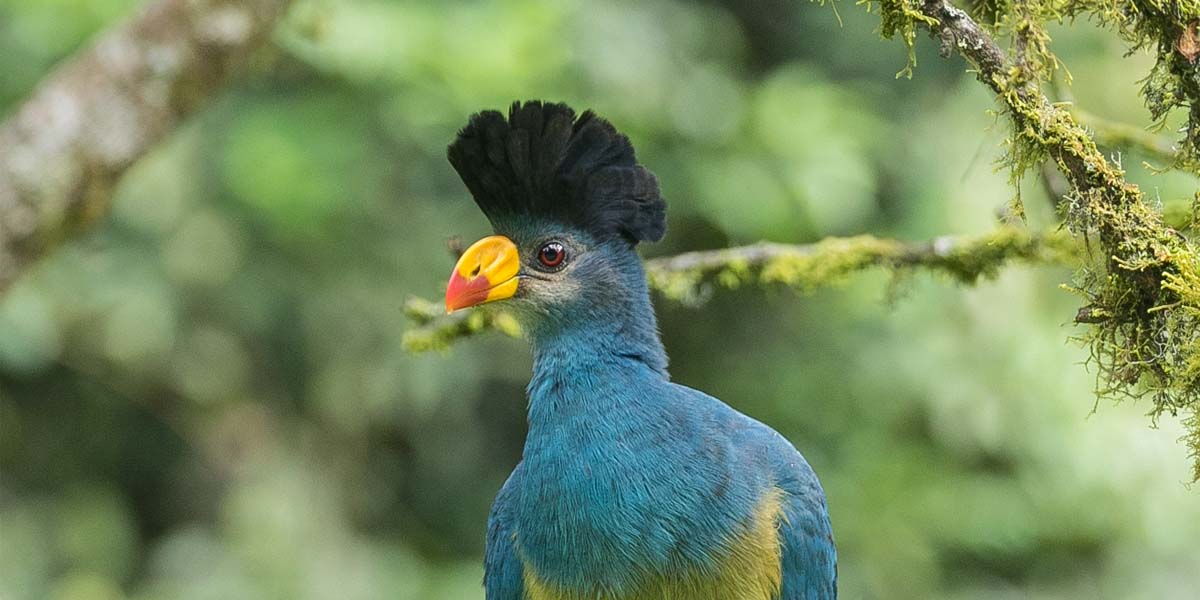
Uganda, the "Pearl of Africa," is a premier birding destination boasting over 1,060 species, including the prehistoric Shoebill Stork, Albertine Rift endemics, and vibrant forest specialists. A three-week, or roughly 20–25-day, birding safari allows enthusiasts to cover the country’s diverse habitats—from the savannahs of Murchison Falls to the dense jungles of Bwindi Impenetrable National Park and the wetlands of Mabamba Swamp—ensuring a comprehensive, high-count bird list. These extended packages are designed to maximize spotting opportunities while integrating cultural experiences, chimpanzee trekking, and gorilla tracking. Roads of Adventure Safaris offers tailored, in-depth itineraries such as their 21-Day Birding Safari Extravaganza, targeting rare species and providing expert-led, 4x4 transport, making it an excellent choice for serious birders. By focusing on key birding hotspots during prime dry seasons, these, long-duration packages offer an unparalleled, immersive experience in one of the world’s most biodiverse countries.
Most popular Uganda birding tour packages
25-days-complete-uganda-birding-safari-extravaganza-with-wildlife-viewing
22-days-best-uganda-primate-and-birding-safari-adventure
21-days-uganda-birding-safari-extravaganza-to-best-uganda-safari-parks
20-days-uganda-birding-safari-to-uganda-national-park
20-days-uganda-birding-safari-wildlife-gorilla-and-chimpanzee-tracking
14-days-classic-uganda-birding-safari-expedition
12-days-uganda-birding-tour-looking-for-rift-valley-endemic-birds-west-circuit
10-days-best-uganda-birding-safari-and-wildlife-experience
21-Day Uganda Birding Photography Tour (Avian Safaris)
Overview and focus
Designed specifically for birders and photographers, the 21-Day Uganda Birding Photography Tour from Avian Safaris is a deeply immersive journey into Africa’s best avifauna. The program emphasizes maximum species diversity, close-up fieldcraft, and high-value photographic opportunities across Uganda’s prime habitats. Expect a careful balance of macro-field sessions, long-range wildlife photography, and comfortable, camera-friendly logistics. The itinerary threads through the Albertine Rift, expansive savannahs, and rich lowland forests, giving participants a true spectrum of Uganda’s birds and associated wildlife.
Itinerary highlights and birding targets
- Mabamba Swamp and Lake Victoria for Shoebill photography in motion and backlit dawn scenes.
- Albertine Rift habitats in Bwindi and the Ituri-like interiors of Semuliki for endemics and Congo-Guinea biome species.
- Murchison Falls region for riverine species, raptors, and dramatic waterfall backdrops.
- Kibale Forest for Green-breasted Pitta and chimpanzee interactions that enrich wildlife portraits.
- Queen Elizabeth National Park’s Kazinga Channel for waterbird assemblies and distant savannah silhouettes.
- Bwindi’s upper elevations for Albertine Rift endemics, such as the African Green Broadbill.
- Lake Mburo’s wetlands and acacia savannah, offering close encounters with raptors and waterbirds at water’s edge.
Photography-specific notes
- The tour is paced for optimal light windows (dawn and late afternoon).
- Multiple boat rides provide stable platforms for shorebirds and waterbirds; keep a monopod or lightweight tripod handy.
- A robust telephoto lens setup (300–600 mm equivalents) is typical; wide-angle options help for landscape and action scenes.
- Stay flexible to maximize chances for rare species or fleeting behaviors.
Logistics and practicalities
- Extended stays in premier birding sites reduce transit fatigue and increase shot opportunities.
- Guides are keen on species ID accuracy and habitat storytelling—great for both field IDs and photographic context.
- Accommodations tend toward comfortable lodges with reliable power for charging cameras; plan for diverse climates and elevations.
- Best times generally align with Uganda’s dry seasons for broader habitat accessibility, though some locales (Mabamba, Semuliki) offer strong year-round birding.
Pros and cons
- Pros: Exceptional depth across habitats, abundant photography triggers, expert guides, tailored for serious bird photographers.
- Cons: Longer itinerary may be challenging for some travelers; requires good stamina and camera protection planning.
20-Day Birding Safari (Uganda Birding Safaris Tour)
The 20-Day Birding Safari by Uganda Birding Safaris Tour is a comprehensive, all-encompassing circuit designed to touch on virtually every prime birding hotspot Uganda has to offer. The emphasis is breadth—covering Mabamba, Mabira, Ziwa, Budongo, Murchison Falls, Kibale, Queen Elizabeth, Imaramagambo Forest, Bwindi, and Lake Mburo—balanced with sufficient time for quality observations rather than rushed treks. It’s an ideal choice for travelers who want both diversity and depth without sacrificing major emblematic species.
Itinerary structure and key habitats
- Mabamba Swamp: Shoebill watch sessions at multiple tidal windows; papyrus wetlands provide opportunities for Gonolek and reed-specialists.
- Mabira Forest: Nahan’s Francolin, woodpeckers, and forest understory birds; fern-green understory scenes and riparian birds along streams.
- Ziwa Rhino Sanctuary: A cross-section of savannah birds and the chance to combine mammal sightings with avifauna on a scenic stroll.
- Budongo Forest: The Royal Mile for forest birds, including Chocolate-backed Kingfisher, Ituri Batis, and other Congo-Guinea biome specialists.
- Murchison Falls: A powerful riverine bird list including Pel’s Fishing Owl and Giant Kingfisher, plus riverine edge species and savannah birds.
- Kibale Forest: Green-breasted Pitta, Narina Trogon, and a strong chance of chimpanzee encounters that enrich field notes and photography.
- Queen Elizabeth National Park: Kazinga Channel boat cruises for large waterbird roosts, plus savannah species and Ishasha sector’s tree-climbers in the mix.
- Imaramagambo Forest: A less-visited, high-bird-density hotspot that yields specialty nibs of the forest canopy.
- Bwindi Impenetrable National Park: Albertine Rift endemics and altitude-adapted forest birds; gorilla-trekking adds a memorable wildlife complement.
- Lake Mburo: Acacia birds, waterbirds, and a finale of savannah birding with opportunities for zebra and antelope silhouettes.
Birding and photography opportunities
- Extensive list of target species across elevations and ecosystems.
- Multiple boat and canopy walks maximize close-up and portrait opportunities.
- Flexible pacing to accommodate prime light, with days carved to reduce fatigue.
Logistics and practicalities
- Comfortable lodges near major parks; consistent transport and a dedicated guide team.
- Permit coordination for Bwindi gorilla tracking is included or arranged as an add-on.
- The schedule assumes a mix of early starts and steady pacing; altitude changes are gradual across Bwindi and Imaramagambo.
Pros and cons
- Pros: Broadest possible coverage of Uganda’s birds; strong balance of mammals and birds; efficient for first-time long-duration observers.
- Cons: The pace can be strenuous for casual travelers; weather variability may affect some birding windows and transport logistics.
Long-Duration Custom Birding Safaris (Birding Journeys Uganda)
Overview and approach
Birding Journeys Uganda specializes in tailormade, 3-week+ itineraries, crafted to fit individual priorities, species lists, and photographic ambitions. These are custom-built experiences designed for flexible pacing, with a high degree of personalization. Whether you crave specific Albertine Rift endemics, hard-to-reach forest birds, or a Rwanda extension for cross-border target species, these operators tailor the route, pace, and accommodations to your exact preferences.
What makes a custom safari work
- Priority species focus: Clients can lock in personal must-see birds (e.g., Green-breasted Pitta, African Green Broadbill, Congo-Guinea biome specialists) and build the day-by-day around the best windows to reach them.
- Habitat-driven design: The itinerary sweeps through Mabamba, Mabira, Ziwa, Budongo, Murchison Falls, Kibale, Queen Elizabeth, Bwindi, Imaramagambo, and Lake Mburo, but may add lesser-visited birds-rich corners or extend time in key habitats.
- Flexible pacing: If a client wants longer mornings in a particular forest, or extra time on riverine boat trips, the schedule flexes to accommodate.
What to expect on a bespoke tour
- Custom itineraries begin with detailed species lists, preferred travel pace, and comfort level for lodges and transport.
- Guides are chosen for their deep wildlife knowledge, photography support, and ability to interpret bird behavior for field ID and observation.
- Logistics include permit planning, local flights or private transfers as needed, and a mix of lodges that balance comfort with access to bird-rich habitats.
- Optional cross-border elements (e.g., Rwanda’s Nyungwe or Congo Basin sites) can be bundled for larger species lists or biome extensions.
Birding and photography opportunities
- The client determines focal habitats, enabling concentrated photography sessions in top sites while allowing time for field ID and behavior documentation.
- For photographers, flexible days can be assigned to optimize morning light at Mabamba, Kazinga Channel dawn roosts, or forest canopy moments in Bwindi.
Logistics and practicalities
- Tailored to the traveler’s schedule, with emphasis on fatigue management (shorter drives between zones, strategic rest days if needed).
- Custom safaris can select accommodations that fit camera gear needs, from camera-friendly lodges near wetland boardwalks to remote forest lodges with early-morning access.
- The itinerary can weave in cultural experiences or community-based conservation projects if requested.
Pros and cons
- Pros: Maximum customization, species-list optimization, pace that suits the photographer or birding purist, potential cross-border extensions.
- Cons: Higher price bracket due to bespoke planning and guide allocation; slower to book because of the bespoke design; requires clear, early communication of targets and must-haves.
If you’d like, I can tailor these write-ups further—adjusting the emphasis toward photography vs. pure birding, refining target species lists for each itinerary, or converting these into a practical booking-ready prospect with sample day-by-day timing, lodging suggestions, and an estimated budget range.
Comparison Highlights
21-Day Uganda Birding Photography Tour (Avian Safaris)
This itinerary is anchored in photography-first objectives, designed to maximize visually compelling encounters and capture-worthy moments across Uganda’s premier avifauna habitats. The program intentionally schedules extended stays in photo-rich locales, with dawn and dusk light treated as essential team members in the daily plan. Expect multiple boat trips, canopy walks, and close-range shorebird opportunities that reward long lenses, steady tripods, and a photographer’s patience.
Key strengths for photographers
- Light-window discipline: early mornings and late afternoons are built into the schedule to secure soft, directional light ideal for plumage, reflections on water, and action shots of seabirds, herons, and raptors.
- Habitat depth for portraits: Mabamba’s papyrus wetlands, Kazinga Channel edges, and Bwindi’s montane forests provide varied backdrops—reeds, riparian greens, cloud-kissed ridges—perfect for composing striking bird portraits and small-group behaviors.
- Vehicle and boat access: stable platforms for perched or in-flight subjects, with curated drift opportunities along rivers and lakes that minimize disruption to wildlife.
Target species and shooting opportunities
- Shoebill Stork at Mabamba with opportunities for dramatic silhouettes and water-splash moments.
- Congo-Guinea biome specialists (e.g., African Green Broadbill, various forest kingfishers) during rainforest days.
- Riverine species along the Nile and Kazinga Channel, including Pel’s Fishing Owl, Giant Kingfisher, and waders in reedbeds.
- Photo logistics and gear
- Typical kit includes a 300–600 mm telephoto with a shorter wide-angle for landscapes, plus a monopod or light tripod for mobility in boats and on boardwalks.
- Emphasis on timing, patience, and camera settings familiarity to capture rapid bird movements without sacrificing image quality.
- Logistics and experience
- Comfortable lodges, consistent private transport, and expert guides who understand both ID and composition, ensuring efficient transitions between sites while preserving shot opportunities.
- Emphasis on a supportive, camera-friendly pace that keeps fatigue manageable while chasing those signature “wow” images.
- 20-Day Birding Safari (Uganda Birding Safaris Tour)
- This tour centers on exhaustive species listing achieved through deliberate pacing, broad geographic coverage, and repeated visits to high-yield habitats. It’s crafted for serious birders who prize completeness and a comprehensive regional checklist over the longest single photographic sit, aiming to balance depth with breadth across Uganda’s biodiversity-rich mosaic.
Core focus and approach
- Comprehensive coverage: Mabamba, Mabira, Ziwa, Budongo, Murchison Falls, Kibale, Queen Elizabeth, Imaramagambo, Bwindi, and Lake Mburo form a continuous arc that minimizes long backtracking and emphasizes efficient routing.
- Systematic species lists: the itinerary engineers repeated encounters with key target groups (papyrus specialty birds, forest understory specialists, riverine and savannah edge species) to optimize the cumulative count.
Habitats and bird groups
- Wetlands and papyrus swamps: Mabamba and Mabira yield Shoebill-related observations and reed-warblers, barbets, and gonoleks.
- Forest and uplands: Budongo, Kibale, Bwindi, and Imaramagambo emphasize Congo-Guinea and Albertine Rift endemics, with a strong focus on pittas, flycatchers, and varied kingfishers.
- Riverine and savannah mosaics: Murchison Falls and Queen Elizabeth anchor river-edge and open-country specialties, including waterbirds, raptors, and antelope-associated avifauna.
Logistics and pacing
- Extended stays at flagship sites to maximize “big list” opportunities while avoiding overly rapid transitions.
- Guides skilled in species ID, vocalizations, and field notes, with transport designed to minimize fatigue and maximize peak birding hours.
- Accommodations chosen for reliability and access to prime birding zones, with buffers built in for weather and road conditions.
Pros and considerations
- Pros: Excellent for serious lifelist pursuit; efficient route across Uganda’s best-known birding zones; opportunity to accumulate a robust regional atlas.
- Cons: The pace can be demanding; some days involve long drives; weather variability can influence visibility and access to certain habitats.
- Long-Duration Custom Birding Safaris (Birding Journeys Uganda)
- Tailor-made and highly flexible, these itineraries are designed around explicit species priorities, personal rhythm, and photographic or observational ambitions. The hallmark is customization: a client-specific blend of habitats, durations, and logistics that can thread in cross-border extensions or deep dives into specialized taxa.
What makes them distinctive
- Species-first design: clients specify focal species lists (e.g., Albertine Rift endemics, Congo-Guinea biome specialists, or rare forest birds), and the route is engineered to optimize sightings within comfortable daily windows.
- Habitat-driven choreography: routes balance Mabamba, Mabira, Ziwa, Budongo, Murchison Falls, Kibale, Queen Elizabeth, Bwindi, Imaramagambo, and Lake Mburo with the option to add Rwanda or Congo sites for broader biomes or cross-border lists.
- Pace and rest: pacing is tuned to traveler energy, offering rest days, lighter day loads, or concentrated birding blocks to sustain motivation and minimize fatigue.
Birding and photography in bespoke tours
- Allows emphasis on prime windows for elusive species or rare behaviors tailored to a client’s strengths, whether field IDs, audio cues, or macro photography.
- Guides of choice are matched to the client’s priorities—whether a birder’s field companionship, a photographer’s technical guidance, or a researcher’s ecological interests.
Logistics and practicality
- Permit coordination, cross-border considerations, and transport logistics are customized, often with private transfers, internal flights, or staged rests in top lodges that suit gear and comfort levels.
- Accommodations are selected for proximity to birding hotspots, quiet environments for late-afternoon fieldwork, and camera-friendly service.
Pros and cons
- Pros: Maximum alignment with personal targets; potential for cross-border extensions; optimal pacing for deep, species-focused exploration.
- Cons: Higher cost and advance planning requirements; availability depends on guide and lodge capacity; longer lead times for secure bookings.
If you’d like, I can tailor these further—adjusting target species lists, refining pacing to suit photography vs. lifelist goals, or producing a booking-ready outline with day-by-day timing, lodging options, and a budget scaffold.
Key Locations Covered
1. Mabamba Swamp: Shoebill Stork
Mabamba Swamp is a renowned birding hotspot located just a short drive from Entebbe, making it an accessible destination for both local and international birdwatchers. The swamp is most famous for the Shoebill Stork, a remarkable bird known for its large, unique bill resembling a shoe. Birders visit Mabamba primarily for the chance to observe this majestic species in its natural habitat. Guided canoe rides through the swamp provide an intimate perspective of the wetlands, allowing birders to navigate the waterways and approach areas where the shoebill is commonly sighted.
In addition to the shoebill, Mabamba is home to over 200 species of birds, such as Kingfishers, Lesser Jacanas, and vibrant Papyrus Gonolek. The lush vegetation and tranquil waters support a diverse ecosystem, making it an ideal spot for nature lovers. The best time to visit is early in the morning when bird activity is heightened, and the atmosphere is calm, perfect for photography.
Mabamba Swamp also presents opportunities for other wildlife encounters, including various reptiles and amphibians. The serene and picturesque landscape complements rich biodiversity, making it a must-visit for anyone passionate about birding and nature.
2. Bwindi Impenetrable National Park: African Green Broadbill, Albertine Endemics
Bwindi Impenetrable National Park is a UNESCO World Heritage site renowned for its stunning biodiversity, particularly its avian population. Among the key highlights are the Albertine Rift endemics, including the striking African Green Broadbill and the colorful Blu-headed Sunbird. The park's dense rainforests offer a unique habitat where these birds thrive, making it a premier location for birdwatchers seeking species found nowhere else.
Exploring Bwindi is an adventure through rugged terrain, with guided birding trails winding through lush vegetation. Experienced guides aid in identifying the various bird calls and behaviors, enhancing the birdwatching experience. The best times to visit Bwindi for birding are during the early morning hours and late afternoons, when many species are most active and visible.
Beyond birding, Bwindi is famous for its mountain gorilla trekking opportunities, allowing visitors to experience one of the rarest wildlife encounters on the planet. The diverse ecosystems within the park not only provide habitats for birds but also house primates and other wildlife, making it a rich destination for nature enthusiasts.
For those interested in a multifaceted experience, Bwindi offers an unmatched chance to engage with stunning avian species, picturesque landscapes, and a vital conservation area for the critically endangered mountain gorillas.
3. Murchison Falls National Park: Savannah and Water Birds
Murchison Falls National Park, Uganda’s largest protected area, encompasses diverse habitats that create an abundance of wildlife and bird species. This iconic destination is home to both savanna and water birds, making it a remarkable spot for birdwatchers. The park is famous for the breathtaking Murchison Falls, where the Nile River crashes violently through a narrow gorge, creating a stunning backdrop for wildlife viewing.
Birders will encounter over 450 species within the park, including notable water birds like the Giant Kingfisher, African Fish Eagle, and the striking Pel's Fishing Owl. The diverse landscapes, from the riverine habitats to open savannahs, provide a rich tapestry for various bird species to flourish. Boat safaris along the Nile River offer an unparalleled opportunity to see birds up close while enjoying the stunning scenery and wildlife, including hippos and crocodiles.
In addition to birding, Murchison Falls is perfect for classic safari experiences. Visitors can embark on game drives throughout the park to spot elephants, lions, and other iconic species. The combination of scenic beauty, rich biodiversity, and a variety of habitats makes Murchison Falls National Park a must-visit destination for any birding enthusiast or wildlife lover.
4. Kibale Forest/Bigodi: Chimpanzees and Forest Species
Kibale National Park, often dubbed the “primate capital of the world,” is a rich, biodiverse rainforest that is home to an impressive array of bird species and primates, including the famous chimpanzees. Birdwatchers visiting Kibale are treated to an exciting environment with over 300 recorded bird species.
The Bigodi Wetland Sanctuary, located adjacent to Kibale, adds to the birding experience with its lush, diverse habitat. Notable avian species found here include the Great Blue Turaco, African Pitta, and various types of cuckoos and Flycatchers. The sanctuary’s boardwalks provide excellent vantage points for spotting birds while taking in the enchanting surrounding scenery.
Kibale offers guided chimpanzee trekking, which is a major highlight for visitors. Trekking through the dense forest, you have the chance to spot not only chimps but also other primate species such as red-tailed monkeys and the elusive L’Hoest’s monkey. The combination of incredible birdwatching and primate tracking makes Kibale a multifaceted destination that appeals to wildlife enthusiasts.
As you traverse the forest trails or venture into Bigodi's wetlands, the rich biodiversity of Kibale promises memorable wildlife encounters and spectacular bird sightings, creating an unforgettable experience for any visitor.
5. Queen Elizabeth National Park: Kazinga Channel Boat Trip
Queen Elizabeth National Park is one of Uganda's most celebrated wildlife destinations, known for its diverse ecosystems and rich avian diversity. One of the highlights of any visit is a boat trip along the Kazinga Channel, a waterway that connects Lake Edward and Lake George, offering an exceptional platform for birdwatching and wildlife viewing.
The boat cruise along the Kazinga Channel allows birdwatchers to spot a myriad of species, including the African Sacred Ibis, White-faced Whistling Duck, and various herons. The lush vegetation along the banks attracts numerous birds, providing ample opportunities for photography and observation. The channel is also teeming with wildlife; visitors can expect to see hippos and crocodiles basking in the sun while enjoying breathtaking views of the surrounding landscapes.
In addition to boat tours, game drives in the park reveal the stunning beauty of the savannah and its rich wildlife, including elephants, lions, and a variety of antelope. The contrasting landscapes, interspersed with craters and lush forests, make Queen Elizabeth National Park a must-visit for birding and wildlife enthusiasts alike. The combination of aquatic and terrestrial ecosystems offers rich experiences that highlight Uganda’s natural heritage.
Booking Uganda birding tour with us Roads of Adventure safaris
Book your unforgettable Uganda birding tour with Roads of Adventure Safaris, specializing in expert-guided, tailored itineraries across the "Pearl of Africa". Explore key locations like Bwindi Impenetrable Forest and Mabamba Swamp, spotting over 1,065 species, including the iconic Shoebill Stork. Our packages offer customized, professional experiences ranging from luxury to budget camping, often combining thrilling birding with gorilla and chimpanzee tracking. We ensure seamless planning for a memorable adventure. Book today to explore diverse habitats—from wetlands to forests and savanna—for the ultimate avian experience with our expert bird guides.
