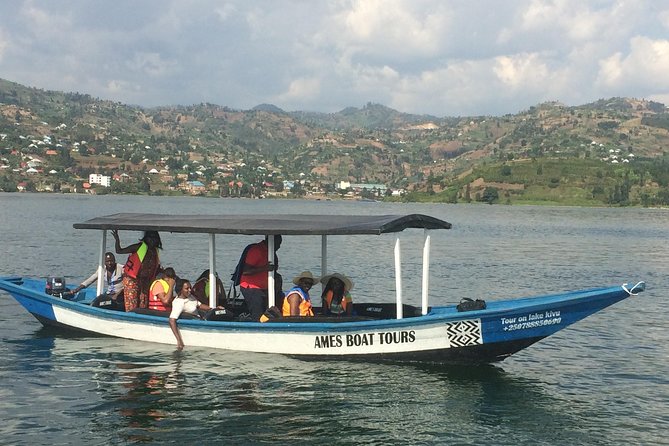
20 Top adventurous activities to do at lake Kivu on Rwanda safari tour, framed by misty green mountains, Lake Kivu is Rwanda’s ultimate aquatic playground. Free from crocodiles and hippos, this massive rift valley lake spans the country's western border, connecting major safari circuits. It offers 20 thrilling, water-based, and cultural adventures—like kayaking, mountain biking, island hopping, and coffee tours—to perfectly complement your Rwanda safari.
2-days-luxury-rwanda-gorilla-trekking-safari-from-kigali-city
3-days-rwanda-gorilla-trekking-and-golden-monkey-tracking-in-volcanoes
3-days-rwanda-gorilla-trekking-safari-itinerary-in-volcanoes-park
4-days-rwanda-golden-monkey-tracking-and-bisoke-hiking-tour-package
4-days-best-volcanoes-and-bwindi-impenetrable-national-park-double-gorilla-trekking
4-days-rwanda-primates-safari-gorilla-trekking-and-chimpanzee-all-inclusive-package
5-days-best-chimpanzee-tracking-golden-monkey-tracking-and-visit-to-lake-kivu
5-days-rwanda-double-gorilla-trekking-and-golden-monkey-tracking
5-days-uganda-gorilla-trekking-chimps-and-rwanda-golden-monkey-tracking-combo
6-days-gorillas-trekking-chimpanzee-tracking-and-golden-monkeys-safari-in-rwanda
7-days-best-gorilla-trekking-and-other-highlights-of-rwanda-tour
8-days-best-of-rwanda-uganda-safari-volcanoes-to-best-uganda-safari-parks
20 Top Adventurous Activities to do at Lake Kivu
Water Sports & Lake Exploration
Kayaking
Kayaking along the rugged, deeply indented shoreline of Lake Kivu offers an intimate and peaceful way to explore Africa's sixth-largest lake. As your paddle slices through the clear, calm water, you are treated to breathtaking views of towering, terraced mountains that rise steeply directly from the water's edge. The true magic of this water activity lies in its unhurried pace, allowing you to witness the daily rhythms of local lakeside life.
Kayaking along the shoreline of Lake Kivu. Source: Your African Safari
You will glide past traditional wooden fishing boats and see local fishermen gathered on the banks meticulously mending their large nets. Paddling into quiet, hidden emerald bays reveals a rich ecosystem home to colorful water birds like kingfishers and pelicans. Whether you choose a relaxed morning excursion or a multi-day paddling expedition between coastal towns, kayaking provides a perfect blend of light physical exercise and scenic exploration, bringing you closer to the natural beauty and warm hospitality of Rwanda's magnificent lakeside region.
Sunset Boat Cruises
A sunset boat cruise on Lake Kivu is a classic and deeply relaxing experience that showcases the lake's dramatic topography as the day draws to a close. Boarding a comfortable, motorized vessel in the late afternoon, you set off across the open water to tour the lake's archipelago of beautiful, verdant islands. Popular routes include a cruise to Amahoro (Peace) Island, a serene patch of land ideal for a quiet stroll, or the famous Napoleon Island.
As the boat glides across the water, the intense African sun begins its descent, casting a warm, golden glow across the rolling hills of Rwanda and the distant, smoky volcanic peaks of the Democratic Republic of Congo. Sip a cold local beverage while the sky shifts through shades of orange, pink, and deep purple. This cruise offers a front-row seat to one of the region's most spectacular natural displays, making it an essential activity for photographers, couples, and travelers looking to unwind after a busy day of hiking.
Paddleboarding
Stand-up paddleboarding (SUP) on Lake Kivu is a rapidly growing activity that provides an exceptionally peaceful and core-strengthening workout. The best time to launch your board is during the early morning hours, when the vast lake surface resembles a giant, polished sheet of glass and a soft mist hangs low over the water. Gliding across these tranquil, crystal-clear waters requires balance and focus, turning your morning exercise into a form of active meditation.
Standing tall on your paddleboard gives you a unique, elevated perspective down into the water, allowing you to spot small schools of native fish swimming beneath your feet. The absolute silence of the morning is broken only by the gentle splash of your paddle and the distant, melodic songs of fishermen returning from their night shifts. It is an incredibly refreshing way to greet the day, offering an independent sense of freedom as you chart your own path along the quiet, scenic coastline.
Water-skiing & Wakeboarding
For thrill-seekers and water sports enthusiasts looking to inject a high-speed burst of adrenaline into their lakeside holiday, water-skiing and wakeboarding are exceptional choices. These high-octane activities are primarily centered around the busier, well-equipped resort towns of Rubavu (Gisenyi) in the north and Karongi (Kibuye) along the central coast. Here, premium lakeside lodges maintain powerful speedboats and professional equipment tailored for both beginners and experienced riders.
Carving through the clean water while being towed at high speeds provides an exhilarating rush, with the magnificent backdrop of Rwanda’s rolling green hills blurring past. The afternoon breezes can create light chop on the lake, turning the surface into a fun playground for wakeboarders looking to catch air off the boat's wake. Professional instructors are available to provide safety briefings and boarding tips, ensuring a thrilling experience as you test your balance and strength against the water.
Windsurfing
Harnessing the steady afternoon breezes that sweep across Lake Kivu to go windsurfing is an exhilarating way to explore the lake's expansive open waters. The unique geography of the lake basin, ringed by high mountain ridges, creates reliable thermal winds that pick up consistently by mid-afternoon, providing ideal conditions for windsurfers. Rental shops and adventure centers located at major beachfront resorts in Rubavu offer a wide range of modern sails and stable boards.
Skimming across the deep blue water with the wind powering your sail requires agility and core strength, delivering an intense physical workout. As you master the breeze and accelerate across the water, you can enjoy panoramic views of the lakeside landscape from a completely unique perspective. It is a thrilling sport that connects you directly to the natural elements, making it a favorite afternoon activity for active travelers looking to challenge themselves on the open water.
Safe Swimming
One of the most remarkable and appealing features of Lake Kivu is that it offers exceptionally safe freshwater swimming conditions, a rare luxury among Africa's Great Lakes. Unlike many other major bodies of water on the continent, Kivu is completely free from Bilharzia (schistosomiasis), a common water-borne parasite carried by freshwater snails. Furthermore, the lake contains absolutely no dangerous predators like hippos or crocodiles, allowing swimmers to plunge into its waters with total peace of mind.
The lake's water is clean and remains at a comfortable, refreshing temperature year-round, making it incredibly inviting after a long day of hiking or cycling. Popular swimming spots feature sandy, well-maintained beaches where visitors can safely wade out into the water. Diving into the deep blue lake, surrounded by towering volcanic hills, is a rejuvenating experience that allows you to relax completely and enjoy the water without any of the typical safety concerns associated with tropical African lakes.
Sport Fishing
Sport fishing on Lake Kivu is a rewarding and deeply satisfying activity that allows travelers to try their hand at catching some of the region's prized freshwater delicacies. Anglers can charter a fully equipped fishing boat, complete with local captains who know the lake's underwater topography and prime feeding grounds. The primary targets for sport fishermen are the large Nile Tilapia and Sambaza, along with various species of catfish that thrive in the deep waters.
Trolling along the rocky drop-offs and submerged structures while surrounded by the lake's dramatic mountain scenery is a peaceful way to spend a morning or afternoon. Local guides will teach you the specific baiting techniques used to secure a catch in these waters. Whether you are an experienced fly-fisherman or a novice looking for a fun family outing, landing a sizeable tilapia provides a fantastic sense of achievement, which can often be freshly grilled for lunch at a lakeside restaurant.
Hiking & Cycling (Land Adventures)
Congo Nile Trail
The legendary Congo Nile Trail is widely considered one of the premier long-distance multi-day hiking and mountain biking expeditions on the entire African continent. Stretching an impressive 227 kilometers from Rubavu in the north to Rusizi in the south, this world-class trail hugs the intricate, rocky western coastline of Lake Kivu. Navigating the trail takes travelers on a journey through a diverse mosaic of landscapes, including steep single tracks, dirt roads, and rural paths.
Cycling along the rugged Congo Nile Trail. Source: BIKEPACKING.com
Every twist and turn of the trail rewards you with stunning, panoramic views of the expansive lake and its islands. Hikers and cyclists will push their physical limits as they tackle continuous elevation shifts, climbing through terraced hillsides, high-altitude ridges, and vibrant villages. Sleeping at community-run campsites or local guesthouses along the route provides an authentic look into rural life. It is an epic wilderness challenge that connects you to the heart of Rwanda’s landscape.
Island Hiking
Island hiking on Lake Kivu offers an exciting blend of boat transportation and physical trekking, allowing adventurers to explore isolated ecosystems that feel completely cut off from the mainland. The ultimate destination for this activity is Napoleon Island, shaped like the famous emperor's hat. After docking your boat on the rocky shoreline, you embark on a steep, challenging hike along a rough dirt path leading to the island's highest peak.
As you ascend through the thick vegetation, the surrounding canopy comes alive with sound. Napoleon Island is famously home to a massive, spectacular colony of thousands of straw-colored fruit bats. Reaching the summit clearings puts you eye-to-eye with these fascinating mammals as they hang from the branches or take flight in giant, swirling clouds against the blue sky. The peak also delivers breathtaking, 360-degree views of the entire lake expanse, making the strenuous upward climb well worth the physical effort.
Coffee & Tea Plantation Tours
The undulating green hills that surround Lake Kivu feature some of the most fertile volcanic soils on earth, producing world-class coffee and tea. Embarking on a crop tour allows active travelers to hike or bike directly through these beautifully manicured, high-altitude agricultural landscapes. These guided excursions take you on a journey through the fields, where you can walk alongside local farmers and learn the meticulous process of hand-picking the leaves or coffee cherries.
The experience moves from the slopes into the processing washing stations and factories, where guides trace the intricate journey of the bean from plant to cup. You will witness the traditional washing, sorting, fermenting, and roasting processes that give Rwandan coffee its distinct, rich flavor profile. The tour culminates in a premium, professional tasting session, letting you sip freshly brewed beverages while looking out over the misty valleys, providing a wonderful appreciation for the region's agricultural heritage.
Bird Watching
The diverse ecosystems along the shores of Lake Kivu turn the region into an absolute paradise for bird watching, attracting avian enthusiasts from across the globe. Trekking along the lake's marshy edges, quiet bays, and secondary forest fringes with an expert guide reveals a colorful and highly vocal world. The lake serves as an important habitat for a wide array of water birds, raptors, and specialized species that thrive in the lakeside micro-climate.
[Lake Kivu Avian Highlights]
├── Water margins ──► Majestic Grey Crowned Cranes foraging in marshy wetlands
├── Lake canopy ────► Brightly colored Kingfishers diving for fish along bays
└── Forest fringes ─► Vocal Hornbills and Sunbirds feeding in coastal trees
Keep your binoculars ready to spot the iconic Grey Crowned Crane, easily identified by its stiff crown of golden feathers, as it forages in the wetlands. You will also spot giant pelicans, brightly colored sunbirds, and pairs of African Fish Eagles perched high on dead branches scanning the water for prey. The morning hours fill the coastal air with complex songs, ensuring every birding walk delivers fantastic additions to your wildlife checklist.
Gishwati-Mukura Chimpanzee Trek
Taking a short, scenic drive inland from the shores of Lake Kivu brings you to Gishwati-Mukura National Park, Rwanda's newest protected area, for an incredible primate tracking adventure. This freshly restored montane forest sanctuary provides an important refuge for a small, highly protected community of eastern chimpanzees. Setting out early in the morning with expert park rangers, trackers follow a trail of vocalizations, nested branches, and discarded fruits through the dense canopy.
The trek can be physically demanding, requiring hikers to navigate steep, mud-slick terrain, but the reward is extraordinary. Once located, you are permitted an hour to observe these intelligent great apes as they swing through the trees, communicate with booming pant-hoots, and groom one another on the forest floor. It is a raw, exclusive wildlife encounter that supports a critical forest restoration project, making it a must-do extension for any lakeside holiday.
Waterfall Hikes
The steep, dramatic topography of the Lake Kivu basin is carved by numerous rivers and streams, creating a network of spectacular waterfall hikes that are perfect for wilderness trekkers. These guided trails wind through deep ravines, thick stands of bamboo, and pristine pockets of indigenous forest located within the lake basin and the nearby Gishwati forest slopes. As you descend along the damp paths, the gentle rustle of the canopy is gradually replaced by a deep roar.
The trails culminate at hidden viewing platforms directly facing cascading waterfalls that plunge over black volcanic rock faces into churning pools below. The heavy, cool mist created by the falling water feeds rare ferns and wild orchids, creating a refreshing micro-climate that is ideal for a rest stop. These hikes offer a look into the park’s pristine water catchment systems and provide a peaceful, rewarding wilderness escape.
Local Walking Tours
To truly connect with the heart and soul of the lakeside region, a local walking tour through the bustling urban centers of Rubavu or Karongi is highly recommended. Led by knowledgeable local guides, these walking tours take you off the standard tourist paths and plunge you into the center of daily Rwandan life. You will wander through vibrant, multi-colored open-air markets where local traders sell mountains of fresh produce, colorful kitenge fabrics, and fresh lake fish.
The walk continues past historic colonial-era architecture, active boat-building workshops along the shore, and local artisan studios. Your guide will share insights into the complex history, cultural traditions, and modern developments shaping these lakeside communities. It is a fantastic sensory experience filled with sights, sounds, and aromas that fosters meaningful interactions with residents, ensuring you leave with a deep, authentic understanding of contemporary life along the lake.
Cultural & Unique Experiences
Fishing with Locals
Joining traditional Rwandan fishermen on Lake Kivu for a night-fishing excursion is an extraordinary, deeply atmospheric cultural adventure. As dusk settles over the water, these fishermen launch their unique, three-man wooden trimaran boats, singing rhythmic traditional songs that echo across the water to maintain their rowing pace. You will board a support boat to accompany them out into the deep waters of the lake under a blanket of stars.
Traditional night fishing on Lake Kivu. Source: Visit Lake Kivu.
Once in position, the fishermen light powerful bright lanterns suspended over the water, using the illumination to attract massive schools of Isambaza (small Tanganyika sardines) and tilapia into their deep nets. Watching the synchronized teamwork, hearing the melodic chanting, and seeing the lake surface light up with hundreds of glowing lanterns creates an unforgettable visual spectacle. It is a raw look into an age-old livelihood that has sustained lakeside families for generations, offering an authentic connection to local culture.
Natural Hot Springs (Rubavu)
Located just outside the town of Rubavu along the shoreline of Lake Kivu, the Nyamyumba Hot Springs offer a fascinating and therapeutic look into the region's active geothermal geology. These natural springs bubble up directly from the volcanic rock at high temperatures, fueled by the deep magma chambers associated with the nearby Virunga volcanic chain. The mineral-rich, geothermally heated waters are highly celebrated by locals for their healing properties, believed to relieve muscle pain and skin ailments.
Visitors can soak their feet in the warm, soothing rock pools or opt for a full-body mud massage from local practitioners. For a unique twist, the water is hot enough in certain central vents that local guides can safely boil fresh eggs for you right in the springs within a few minutes! It is a relaxing, highly social spot where you can unwind alongside residents, combining natural therapy with local culture.
Cycling the Kivu Belt
For competitive cyclists and endurance athletes looking for the ultimate physical challenge, renting a high-quality road bike to tackle segments of the paved Kivu Belt Road is an unforgettable experience. This modern, masterfully engineered highway winds along the eastern edge of the lake, featuring a continuous sequence of steep, grueling climbs and fast, winding descents over Rwanda’s iconic rolling hills.
[Kivu Belt Cycling Track]
├── Infrastructure ──► Smooth, fully paved modern asphalt highway with clear markings
├── Physicality ─────► Continuous steep inclines and fast, technical switchback descents
└── Scenery ─────────► Elevated, panoramic vistas overlooking the lake and islands
Riding this road requires excellent fitness and cycling handling skills, but it rewards athletes with elevated, unobstructed views of Lake Kivu’s islands and bays. The smooth asphalt allows you to carry speed through the valleys before pushing hard up the next ridge line. Passing through quiet rural villages, local residents and children often line the road to cheer you on, turning a demanding physical workout into an energetic, uplifting celebration of sport and scenery.
Intore Cultural Dances
Experiencing a live performance of traditional Intore cultural dancing is a thrilling and memorable highlight of any Rwandan safari. Historically performed exclusively for the royal courts of Rwandan kings, these high-energy dances are regularly hosted in the evenings at lakeside lodges around Rubavu and Karongi. The performance begins with a dramatic explosion of sound from a line of traditional wooden master drummers, setting a fast, powerful rhythm.
The dancers, wearing flowing traditional attire and headpieces made of long grass that mimic a lion’s mane, leap into the air with incredible athletic power. The dance movements simulate battle tactics, featuring sharp movements with mock spears and shields to demonstrate bravery and loyalty. The combination of deep drumming, energetic choreography, and the sunset over Lake Kivu creates a captivating performance that showcases the proud warrior heritage and artistic expressions of traditional Rwandan culture.
Beach Volleyball and Soccer
For travelers looking to enjoy casual sports and active relaxation, the sandy shores of Lake Kivu provide a perfect setting for beach volleyball and soccer games. Popular beachfront areas, most notably Palm Beach in Rubavu, feature well-maintained sand courts and open play zones that attract an energetic mix of tourists, expats, and local residents during the warm afternoon hours. Joining a pickup game is incredibly easy, as the local players are exceptionally welcoming and enthusiastic.
Running and jumping in the soft sand under the tropical sun provides a fantastic workout, while the cool, predator-free waters of Lake Kivu sit just a few steps away for a refreshing post-game swim. These beach sports offer a wonderful, informal avenue for genuine social connection, allowing you to share laughs, test your athletic skills, and enjoy the laid-back, vibrant beach lifestyle that sets Kivu apart from other inland destinations.
Community Homestays
For the ultimate immersive cultural experience, spending a night in a community homestay within a traditional Rwandan village near Lake Kivu is unmatched. This unique program takes you completely out of the standard resort environment and welcomes you as an honored guest into the home of a local family. Throughout the stay, you will live alongside your hosts, participating directly in their daily household routines and responsibilities.
[Community Homestay Program]
├── Afternoon ──► Harvesting fresh vegetables and learning to cook traditional dishes
├── Evening ────► Sharing stories around the fire and learning Kinyarwanda phrases
└── Morning ────► Milking cattle or helping tend the terraced hillsides with the family
You might help harvest fresh ingredients from the family’s terraced garden, learn to cook traditional meals over an open fire, or assist with milking cattle in the morning. In the evening, families gather to share stories, teach basic Kinyarwanda phrases, and discuss the realities of contemporary rural life. It is a deeply humbling and perspective-shifting adventure that fosters authentic friendships, supporting sustainable tourism that benefits local families directly.
Is it safe to swim in Lake Kivu?
Yes. Lake Kivu is widely considered one of the safest freshwater bodies in Africa, uniquely free from the typical hazards that plague other African Great Lakes. Unlike many regional waters, it has absolutely no populations of hippos or crocodiles, eliminating the risk of large predator attacks. Furthermore, because of its unique chemical composition and deep waters, it does not harbor the snails that transmit Schistosoma parasites, meaning swimmers are entirely safe from bilharzia (schistosomiasis). Visitors can freely swim, sunbathe, and enjoy the cooling waters from the sandy beaches in Rubavu (Gisenyi).
However, Lake Kivu is scientifically famous for being a "meromictic" lake, meaning its water layers do not mix. Deep beneath the surface, the lake contains massive amounts of dissolved carbon dioxide and methane gas. While this sounds alarming, the gas is securely trapped under immense water pressure at depths below 250 meters. The surface water where people swim is perfectly safe, clean, and highly oxygenated. Tourism hubs like Gisenyi and Karongi offer pristine, resort-lined shorelines where travelers can comfortably wade out into the calm, tide-free water. The water temperature remains pleasant year-round, typically hovering between 23°C and 27°C, making it feel like a massive, natural swimming pool. For safety, it is always recommended to swim near established beach resorts or with a local guide who knows the depths, as the lake bottom can drop off steeply. Whether you are taking a quick dip after a long day of hiking or spending an afternoon lounging on the golden sands, swimming here is an incredibly refreshing and worry-free experience.
Can I go kayaking or canoeing on the lake?
Absolutely. Sea kayaking and canoeing are absolute highlights of any Lake Kivu adventure, offering an intimate way to experience the water. Because the lake does not have strong oceanic tides or dangerous wildlife like hippos and crocodiles, paddling along its shores is remarkably peaceful and safe, even for beginners. Renting a sea kayak allows you to break away from the mainland and explore hidden coves, emerald-green bays, and secluded beaches that are completely inaccessible by vehicles.
As you glide silently across the glassy, reflective surface of the water, you will get an up-close look at local life. You can paddle alongside the iconic wooden fishing trimarans, wave to fishermen preparing their nets for the night, and watch villagers farming the steep, terraced hillsides that drop dramatically into the water. It is also an exceptional activity for bird enthusiasts; the quiet nature of a kayak allows you to get incredibly close to water birds like the pied kingfisher, malachite kingfisher, and majestic fish eagles perched on overhanging branches. Guided kayaking tours are highly popular, especially out of Gisenyi and Kibuye. These tours can range from brief two-hour morning paddles to multi-day island-hopping excursions where you camp on remote shorelines under the stars. Paddling at sunset is particularly magical, as the sky turns vibrant shades of orange and pink over the distant Congolese mountains, and the water turns perfectly still. Most lodges and local tour operators provide high-quality, stable sit-in or sit-on-top kayaks along with life jackets, ensuring a comfortable, active, and deeply scenic journey.
What can I expect on a boat cruise?
A boat cruise is an excellent and highly popular way to traverse this vast waterbody, which ranks as one of Africa's largest lakes. From the comfort of a motorized boat, you are treated to spectacular, panoramic views of the steep, terraced hillsides that define the Rwandan landscape, as well as the dramatic, distant mountains of the Democratic Republic of Congo stretching across the western horizon. The sheer scale of the lake, combined with its dramatic topography, makes a boat cruise feel like an exploration of an inland sea.
The beauty of a Lake Kivu boat cruise lies in its versatility, as trips can be fully customized to match your travel style. Couples can book intimate, romantic sunset rides where they can sip local drinks while watching the sun dip below the volcanic peaks. For those with more time, full-day island-hopping safaris allow you to explore the lake's diverse archipelago, pulling up to uninhabited islands for short hikes or wildlife viewing. Many mid-range and luxury vessels even offer the option of a floating lunch or dinner, where you can feast on freshly caught local fish and traditional Rwandan side dishes while drifting lazily across the water. Depending on your budget, you can choose between traditional wooden motorboats operated by local captains or modern, luxury speedboats and catamarans equipped with sun decks and amenities. As you cruise, you will pass by rural fishing villages, elegant lakeside resorts, and vibrant ports, giving you a comprehensive overview of how life revolves around the water. It is a relaxing, wind-in-your-hair experience that blends natural beauty with cultural observation.
What is there to see on island-hopping tours?
Island hopping across Lake Kivu's emerald waters takes you to unique, isolated spots that feel worlds away from the mainland. The lake is dotted with numerous verdant islands, each possessing its own distinct ecosystem, history, and charm. The most famous stop on these tours is Napoleon Island, named for its distinct shape that closely resembles the historical emperor's famous bicorne hat. Napoleon Island is renowned for hosting a massive colony of thousands of straw-colored fruit bats. Visitors can land on the island and take a short, steep hike through the dense vegetation to the island’s highest summit. Along the way, the chattering of the bats echoes through the trees, and once you reach the top, you are rewarded with a breathtaking, 360-degree panoramic viewpoint of the entire lake and the surrounding jagged coastline.
Another highly popular destination is Amahoro Island, which translates directly to "Peace Island." True to its name, this privately owned sanctuary is a haven for travelers looking to slow down. It features well-maintained green spaces perfect for swimming in the clear, calm waters, enjoying a secluded picnic, or reading a book under the shade of a tree. Some island-hopping itineraries also include stops at specialized agricultural islands, like Nyamirundi, where you can see coffee processing firsthand. Throughout the journey, your guide will point out unique geological formations, small local farming communities that live isolated island lives, and various water birds nesting in the reeds. Moving from island to island by boat reveals the true geographical diversity of the lake, making it a must-do excursion for hikers, wildlife lovers, and anyone seeking tranquility.
Are there water sports like windsurfing and water skiing?
Yes, absolutely. Because Lake Kivu boasts incredibly calm, open, and tide-free waters, it serves as a massive natural playground for water sports enthusiasts. The lake lacks the treacherous currents, large ocean-like waves, and dangerous wildlife found in other large bodies of water, creating highly predictable and safe conditions for high-speed and wind-powered activities alike.
If you are looking for an adrenaline rush, you can easily rent equipment for water skiing, wakeboarding, and jet-skiing. Speedboats are available for charter, complete with experienced drivers who can pull skiers across the smooth surface of the lake. For those who prefer wind-driven sports, windsurfing is highly popular, particularly in the afternoons when a gentle, steady breeze rolls off the surrounding mountains and across the water. Stand-up paddleboarding (SUP) has also exploded in popularity, offering a fantastic core workout and a peaceful way to glide along the shoreline at your own pace. These activities are primarily centered around major resort hubs like Rubavu (Gisenyi) and Karongi (Kibuye), where top-tier hotels and independent adventure operators manage well-maintained equipment rentals and provide safety briefings. Instructors are often on hand to assist beginners, making these sports accessible to everyone from first-timers to seasoned pros. Whether you want to zip across the water on a jet ski with the wind in your face or test your balance on a paddleboard while admiring the stunning volcanic backdrop, the lake offers a dynamic alternative to traditional safari game drives.
Can I go hiking or biking along the lake?
Yes, the shores of Lake Kivu are a dream destination for hikers and cyclists, serving as the official starting point for the world-famous Congo-Nile Trail. This adventurous, multi-stage route is widely regarded as one of the finest trail networks in East Africa. Stretching a total of 227 kilometers from Rubavu in the north to Rusizi in the south, the trail mirrors the continuous curves of the lake's shoreline, providing outdoor enthusiasts with an unforgettable journey through the true heart of rural Rwanda.
Navigating the trail—whether on foot or on a mountain bike—takes you through a vibrant tapestry of landscapes. You will wind your way through lush, bright green plantain fields, fragrant eucalyptus forests, and beautifully manicured terraced hillsides. Because the trail passes directly through local farming and fishing villages, it offers an incredible window into everyday Rwandan life; you will share the path with locals heading to market, pass by lively schoolyards, and receive warm waves from residents. The terrain is famously hilly, offering a good physical challenge with rewarding rewards: every steep climb is met with a dramatic, breathtaking ridge-line view of the deep blue lake below. You do not have to tackle the entire 10-day hike or 5-day bike ride to enjoy it; operators offer short half-day or full-day excursions tailored to your fitness level. Well-maintained campsites, local guesthouses, and luxury lodges are spaced out along the route, allowing for comfortable overnight stays. It is an immersive adventure that perfectly combines physical exercise, jaw-dropping natural beauty, and authentic cultural exchange.
Can tourists participate in traditional fishing?
Yes, participating in a traditional fishing excursion is one of the most culturally immersive and memorable activities you can experience on Lake Kivu. Adventurous visitors have the unique opportunity to head out onto the vast waters at dusk alongside local fishermen who have practiced their trade for generations using methods unique to this specific lake.
As the sun begins to set, the fishermen tie together their traditional wooden trimarans—distinctive vessels made of three interconnected canoes stabilized by long eucalyptus poles. These boats glide out into the deep water in unison, and as darkness falls, the fishermen begin a hauntingly beautiful, rhythmic chant. They sing and whistle in perfect unison to keep time as they paddle, their voices echoing over the silent, dark water. Once they reach the fishing grounds, they lower large, fine-meshed nets into the water and switch on bright lanterns attached to the boats. The glowing light attracts the Isambaza—a tiny, highly prized Lake Kivu sardine—as well as freshwater lake sambaza. Tourists on these excursions do not just watch from a distance; you sit right inside the wooden vessels, feeling the rhythm of the rowing, watching the synchronized teamwork, and even helping pull up the heavy nets filled with shimmering fish. The entire experience takes about two to three hours and offers an authentic look at a vital local industry. Afterward, many lodges will gladly fry up a fresh batch of Isambaza for you, served crispy with a side of local piri-piri sauce, completing a true lake-to-table journey.
Are there bird-watching opportunities on Lake Kivu?
Certainly. Lake Kivu and its intricate network of surrounding wetlands, quiet bays, and forested islands harbor a rich avian population, with over 60 to 70 distinct aquatic and terrestrial bird species recorded. Because the lake’s ecosystem is highly stable and free from heavy industrial pollution, it serves as a critical feeding and nesting ground for resident birds as well as migratory species traveling across the Albertine Rift.
The best way to experience this bird-watcher's paradise is silently from the water, either during a quiet morning kayak session or via a slow-moving boat safari along the shoreline vegetation. As you scan the reeds and overhanging tree branches, you can easily spot the bright, iridescent blue of the malachite kingfisher and the bold, monochromatic patterns of the pied kingfisher diving for small fish. Floating closer to the marshy edges often reveals majestic grey crowned cranes—Rwanda's national bird—strutting elegantly through the shallows. Overhead, massive pelicans glide in formation, while distinct white egrets and dark cormorants line the rocky outcrops and fishing docks. You might also catch a glimpse of the African fish eagle perched high in the canopy, letting out its iconic, piercing cry before swooping down to grab a meal from the surface. Many local guides specialize exclusively in birding, possessing an expert ability to identify species by their unique calls and behaviors. Whether you are an experienced ornithologist with high-powered binoculars or a casual nature lover, the sheer density and visibility of the birdlife against the dramatic lakeside backdrop add a wonderful layer of discovery to your trip.
Can I visit coffee or tea plantations while at the lake?
Yes, the fertile, volcanic soil and high altitudes of the terraced hillsides surrounding Lake Kivu provide the absolute prime agricultural conditions for growing world-class coffee and tea. For travelers interested in agritourism, a visit to these plantations offers a fascinating look at the industries that drive Rwanda's rural economy, combined with beautiful scenery.
A popular excursion involves taking a short boat ride or hike to places like Nyamirundi Island or the hillsides around Sanza and Cyimbili. Here, local cooperatives guide you through an immersive, step-by-step "crop-to-cup" or "bean-to-cup" experience. You can walk through rows of lush coffee trees, learn how the cherries are hand-picked only when perfectly ripe, and see how they are washed, pulped, fermented, and sun-dried on traditional raised wooden visual drying beds. The tour culminates in a roasting demonstration over an open fire, filling the air with an incredible aroma, followed by a tasting session where you can sip some of Rwanda's finest, award-winning specialty bourbon Arabica coffee. If you head slightly further into the highland ridges flanking the lake, you will find rolling, neon-green carpets of tea plantations that look like manicured lawns stretching over the hills. Walking through these estates allows you to interact with the pickers, who expertly snap off the top two leaves and a bud with incredible speed. It is an educational, highly sensory experience that connects you directly with local farmers and rewards you with delicious, fresh brews to taste and buy as souvenirs.
What cultural experiences are available?
Along the sweeping shores of Lake Kivu, particularly within the lively hub towns of Karongi (Kibuye) and Rubavu (Gisenyi), you can step away from the water to engage in deeply enriching cultural experiences. Guided village walks are highly popular and offer an adventurous, respectful way to interact directly with warm local communities, learn about the complex history of the region, and see how modern life blends seamlessly with age-old traditions.
During these guided community visits, you can enter local homesteads and witness the meticulous, time-honored art of traditional basket weaving, where local women use colorful sisal fibers to create intricate Agaseke baskets. You may even be invited to try your hand at weaving a few rows yourself. Music and dance are foundational to Rwandan heritage, and many villages will welcome visitors with an energetic performance of the Intore dance. Originally performed for royal courts, this captivating dance features men wearing elaborate grass wigs and carrying symbolic spears, leaping gracefully to the powerful, thumping rhythm of wooden drums, while women perform flowing, elegant movements mimicking the horns of Rwanda's sacred Ankole cattle. Additionally, you can visit local markets bustling with vendors selling colorful fabrics, fresh produce, and mounds of Isambaza fish, giving you a taste of local commerce. Engaging with community-led tourism initiatives ensures that your visit directly benefits the families living along the lake, leaving you with a profound appreciation for the resilience, artistic talent, and renowned hospitality of the Rwandan people.
Where can I relax after adventurous activities?
After tackling grueling hikes on the Congo-Nile Trail, tracking primates in the nearby forests, or participating in high-energy water sports, Lake Kivu provides the ultimate sanctuary for relaxation. The entire lakeside region is set up to help travelers unwind, offering a peaceful, slow-paced atmosphere that contrasts beautifully with the physical demands of a traditional safari.
You can spend a lazy afternoon lounging on the golden sandy beaches of Rubavu, listening to the gentle lapping of the tide-free water and watching the sun set behind the mountains. For those seeking world-class luxury and premium comfort, the Lake Kivu Serena Hotel in Gisenyi offers an exceptional retreat, complete with expansive tropical gardens, a massive swimming pool, private beach access, and a full-service spa specializing in massages to soothe tired muscles. If you prefer a more intimate, boutique atmosphere, Cormoran Lodge in Karongi features stunning, rustic log cabins built entirely on wooden stilts over a steep hillside. Every cabin features private wood decks offering uninterrupted, jaw-dropping panoramic views of the lake's islands below. Here, you can relax by an open fire pit at night, sipping fine wine while watching the distant lights of the fishing boats twinkle on the water. From luxury resorts to cozy eco-lodges, the hospitality along the lake focuses heavily on tranquility, fresh local gastronomy, and comfort, making it the premier destination in Rwanda to recharge your battery before heading home.
12. Can I visit hot springs on a Lake Kivu tour?
Yes! Located near the northern shorelines in Rubavu (Gisenyi), a visit to the natural hot springs—known locally as the Nyamyumba Hot Springs—is a highly rewarding addition to any Lake Kivu itinerary. You can easily reach this fascinating site via a short, scenic drive from the town center or as part of a guided nature walk along the rural coastal roads.
These hot springs are a direct result of the intense underground volcanic activity associated with the nearby Virunga Mountain range. Highly heated geothermal water bubbles up directly from the earth's crust, heavily enriched with natural minerals like sodium, calcium, and magnesium. The water emerges at remarkably high temperatures, hot enough that locals often demonstrate its power by boiling eggs in the hottest pools. The local community firmly believes that these mineral-rich waters possess potent healing and therapeutic properties, capable of curing ailments ranging from muscle fatigue and arthritis to skin irritations. For a small fee that goes directly to supporting the local community, visitors can sit on smooth rocks and dip their feet into the naturally warm, soothing overflow pools, or opt for a full-body clay massage where local masseuses apply warm, mineral-dense mud to your skin. It is a highly authentic, unpolished geological adventure that offers a sensory look into the raw earth forces shaping the African Rift Valley, all while providing a unique way to soothe your muscles alongside friendly locals.
How does Lake Kivu fit into a wider Rwanda safari itinerary?
Lake Kivu serves as the absolute perfect geographical and experiential anchor for a comprehensive Rwanda safari itinerary, acting as the ultimate post-trekking retreat. Rwanda’s primary wildlife highlights are highly physical and can be exhausting, making the laid-back, serene atmosphere of the lake a highly welcome reward at the midpoint or end of an adventurous vacation.
Typically, travelers head to the lake after completing strenuous, high-altitude gorilla tracking excursions in Volcanoes National Park, which sits just an hour and a half north of Rubavu. It also serves as a natural stopover when traveling south toward Nyungwe National Park for chimpanzee trekking or walking along the canopy suspension bridge. Instead of enduring long, bumpy drives across the country in a single day, breaking up the journey at Lake Kivu allows you to rest, wash off the jungle mud, and transition from dense rainforests to open water scenery. Furthermore, if you have spent days tracking big game under the hot sun in the savannahs of Akagera National Park to the east, the cool, breeze-filled lake air provides a stark, refreshing contrast. Including two or three nights at Lake Kivu changes the pacing of your safari from a fast-moving expedition into a balanced, well-rounded holiday. It gives you the necessary downtime to process your incredible wildlife encounters, sort through your photos, and relax in luxury comfort before catching your international flight out of Kigali.
Are there photography opportunities at the lake?
Definitely. The dramatic scenery surrounding Lake Kivu is extraordinarily photogenic, making it an absolute paradise for amateur and professional photographers alike. The combination of deep blue water, steep terraced hillsides, dramatic volcanic backdrops, and vibrant local culture provides an endless array of visual angles and changing light conditions throughout the day.
If you enjoy landscape photography, climbing to a high viewpoint along the famous Congo-Nile Trail offers sweeping vistas of the lake's intricate, fjord-like coastline and the tiny emerald islands scattered across its surface. The golden hour is particularly magical; as the sun begins to set, the sky turns brilliant shades of crimson, gold, and deep purple, casting dramatic silhouettes of the distant Congolese mountains over the perfectly glassy water. For action and cultural photography, heading out at dusk allows you to capture stunning, evocative images of the local fishermen in their unique wooden trimarans, their lanterns casting long, glowing reflections on the dark water as they row in unison. The local markets along the shore provide a burst of color, perfect for street photography showcasing vibrant fabrics and heaps of silver Isambaza fish. Wildlife photographers will also find plenty to capture, from the thousands of fruit bats taking flight from Napoleon Island to colorful kingfishers diving for prey. Whether you are using a professional DSLR camera with a zoom lens or a smartphone, the lake’s natural geometry ensures that every frame looks like a postcard.
What is the best time to visit for these adventurous activities?
The absolute best time to visit Lake Kivu for outdoor adventures and water-based activities is during Rwanda's two dry seasons: the long dry season from June to September and the shorter dry season from December to January. During these months, the weather is consistently warm, sunny, and pleasant, offering the most predictable conditions for spending long, uninterrupted days exploring the water or the shoreline trails.
Opting for the dry season is particularly crucial if you plan on hiking or mountain biking along the Congo-Nile Trail. Heavy rains can turn the unpaved dirt paths into slick, thick mud, making the steep climbs incredibly challenging and potentially unsafe; the dry months ensure firm, reliable trail conditions. On the water, dry weather means clear skies, excellent visibility for photography, and calm, glassy surface conditions perfect for kayaking, stand-up paddleboarding, and water skiing. Furthermore, bird watching is highly rewarding during these dry periods, as resident birds are highly active and easily spotted along the stable shorelines. While Lake Kivu can certainly be visited during the rainy seasons (March to May and October to November), sudden afternoon downpours can disrupt boat cruises and outdoor excursions. However, the wet season does turn the surrounding terraced hills into an incredibly vibrant, emerald-green color that is undeniably beautiful. Ultimately, for the ideal mix of warm sun, calm waters, and open trails, planning your visit between June and September will yield the ultimate adventure experience.
Booking lake Kivu activities with us Roads of Adventure safaris
To book Lake Kivu activities with Roads of Adventure Safaris, reach out directly to their operations team based on the Kampala-Entebbe Road. You can message or call them at +256 701 041 637 to customize your safari itinerary
