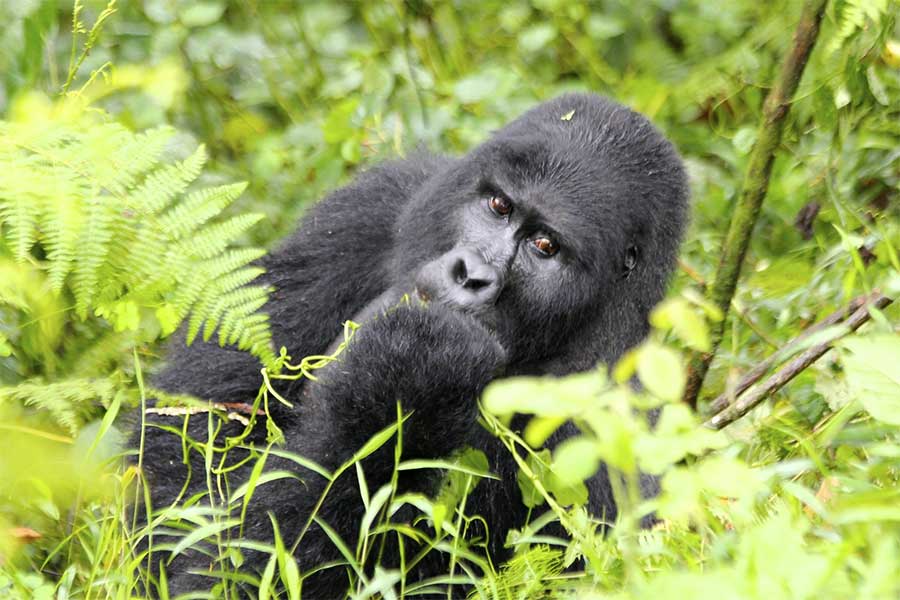
Combining a Masai Mara safari with Uganda gorilla trekking offers the ultimate East African wildlife experience, blending open-savannah game drives with immersive jungle trekking. Key tips include booking gorilla permits 6-12 months in advance, visiting during dry seasons (June–October, Dec–Feb), using chartered flights between Nairobi and Entebbe/Kisoro to save time, and packing for both hot plains and cold, humid forests.
18-days-exclusive-kenya-tanzania-safari-to-uganda-primate-safari
17-days-east-africa-safari-to-uganda-rwanda-kenya-tanzania-and-zanzibar-beach-holidays
13-days-kenya-tanzania-safari-and-uganda-gorilla-trekking
11-days-gorilla-trekking-and-kenya-safari-in-masai-mara-to-zanzibar-beach-holiday
10-days-kenya-wildlife-safari-and-gorilla-safari-in-uganda
6-days-kenya-masai-mara-and-bwindi-gorilla-trekking-in-uganda-and-lake-bunyonyi
Book Permits Early
Planning a trip for Uganda gorilla trekking comes with the vital task of securing your permits early. Gorilla permits, which typically range from $800 to $1,500, are in high demand and can sell out months in advance, particularly during the peak trekking seasons of June through September. To avoid disappointment, it's advisable to book your permits as soon as you finalize your travel dates.
Obtaining your permit early not only secures your place on a memorable trek but also allows you to arrange other parts of your itinerary effectively. If your travel plans also include a Kenya wildlife safari, securing your gorilla permit first can simplify your overall logistics. For example, once you know the dates for your gorilla trek in Bwindi Impenetrable or Mgahinga National Park, you can organize your Masai Mara safari to coincide with this experience seamlessly.
Moreover, having your permits arranged early opens up more accommodation options, as many lodges close to gorilla trekking starting points and popular national parks often fill up quickly. Early bookings can also leverage better rates, particularly when planning an extensive safari adventure that may include not just Uganda but neighboring countries like Kenya.
The thrill of seeing these majestic mountain gorillas in their natural habitat is an unforgettable experience, making early planning crucial to maximizing your adventure. With the excitement of trekking through lush forests and witnessing the endangered gorillas up close, ensuring you have everything in place ahead of time will enhance your overall safari experience across East Africa.
Use a Specialized Agent
When coordinating a multi-country adventure that includes Uganda gorilla trekking and a Masai Mara safari, leveraging the expertise of a specialized travel agent can be invaluable. These agents have a wealth of knowledge about the logistics involved in such complex itineraries, enabling you to avoid potential pitfalls that can arise when organizing your trip independently.
An experienced tour operator can effectively manage the various components, including flights, accommodations, permits, and even guided tours. For instance, they can help you navigate through multiple countries’ visa requirements, ensuring you have all necessary documentation ready for a smooth transition between Uganda and Kenya.
Additionally, a specialized agent can recommend the best lodges and safari camps tailored to your budget and comfort preferences while providing insights into the best times to travel for optimal wildlife encounters. For those seeking unique experiences, agents often have access to exclusive offers or off-the-beaten-path locations that individuals may overlook when planning alone.
Traveling to East Africa encompasses an array of stunning landscapes and cultures, and a specialized agent can help you create a cohesive experience. With their insider knowledge, you can enhance your experience while reducing the time and stress associated with planning. This way, you can focus on what truly matters: enjoying breathtaking views, encountering diverse wildlife, and creating lasting memories during your Kenya wildlife safari and Uganda gorilla trekking experience.
Opt for the East African Tourist Visa
For travelers planning a combination of Uganda gorilla trekking and a Kenya wildlife safari, opting for the East African Tourist Visa is highly beneficial. This visa allows for seamless travel between three East African countries: Uganda, Kenya, and Rwanda, simplifying the visa process and saving both time and money.
The East African Tourist Visa is particularly useful for individuals looking to maximize their safari experiences without the hassle of obtaining multiple visas, which can often be cumbersome and time-consuming. With this single entry visa, you can easily transition from the gorilla trekking in the lush forests of Uganda to exploring the vast savannahs of Kenya’s Masai Mara.
Additionally, this visa eliminates the need for separate payments and appointments for each country, which can be particularly advantageous for those on a tight schedule. The convenience offered by the East African Tourist Visa allows you to focus more on planning your itinerary and less on paperwork, opening up more fun and adventurous opportunities during your travels.
Moreover, the visa facilitates access to various national parks and wildlife reserves across these countries, making it easier to experience the rich biodiversity and vibrant cultures of East Africa. Planning your travel around this visa can enhance your overall experience, offering a hassle-free journey filled with unforgettable wildlife encounters and breathtaking landscapes during your East African safari adventure.
Fly, Don’t Drive
While the allure of driving across the scenic landscapes of East Africa may sound appealing, opting for regional flights when traveling between Uganda gorilla trekking and your Kenya wildlife safari destinations is often the more practical choice. The vast distances involved can lead to tedious hours on the road, sometimes exceeding 10 hours for major routes.
Taking regional flights, such as those from Nairobi (NBO) to Entebbe (EBB) or direct flights to Bwindi/Mgahinga (Kisoro/Kihihi), significantly reduces travel time and ensures that you arrive at your destination refreshed and ready for adventure. This is particularly essential for a physically demanding activity like gorilla trekking, where stamina is key for an enjoyable experience.
Flying also offers the unique opportunity to witness the sprawling beauty of East Africa from above, providing a breathtaking perspective on mountains, lakes, and intricate landscapes that you otherwise might miss during long drives.
Furthermore, taking advantage of regional flights allows you to maximize your safari time rather than spending precious hours navigating through traffic and rough roads. With your energy focused on experiencing the incredible wildlife during your Masai Mara safari and trekking in Uganda, you enhance the quality of your overall safari experience. In essence, flying brings convenience and efficiency to your adventure, allowing you to fully immerse yourself in the beauty and wonders of East Africa.
Best Time to Visit
Timing your trip for Uganda gorilla trekking and a Kenya wildlife safari is crucial for maximizing your enjoyment and success. The best times to visit these regions are generally from June to October and December to February. During these periods, the climate is drier, making trails more navigable for trekking and ensuring optimal game viewing opportunities in iconic locations like the Masai Mara.
In Uganda, trekking permits are in high demand during these peak seasons, leading to sell-outs months in advance. This highlights the importance of planning your trip accordingly, securing both your permits and lodgings well in advance. The dry trails not only facilitate easier movement through the dense forests but also enhance the uniqueness of seeing gorillas in their natural habitat.
In Kenya, these months coincide with the Great Migration in the Masai Mara, where millions of wildebeests and zebras travel across the plains in search of greener grass. Witnessing this natural spectacle can be one of the most thrilling aspects of a safari, and timing your visit to coincide with the migration will allow you to experience the spectacle firsthand.
By scheduling your travels during these optimal times, you increase your chances of memorable wildlife encounters, ensuring that both your Masai Mara safari and Uganda gorilla trekking experiences meet your expectations and provide lifelong memories of the breathtaking beauty and diversity of East Africa.
Sequence the Trip
When embarking on a journey that includes Uganda gorilla trekking and a Kenya wildlife safari, thoughtfully sequencing your itinerary can enhance your overall experience. Starting with the more physically demanding gorilla trekking is a favorable choice, as it sets a high-energy tone for your adventure. After facing the thrilling challenge of trekking through lush forests to encounter mountain gorillas, transitioning to a more leisurely Masai Mara safari provides the perfect contrast.
This sequencing allows you to fully utilize your physical stamina during the rigorous trekking and anticipate the relaxation that follows. After an exhilarating trek, you’ll find the opportunities to observe wildlife from the comfort of a vehicle during your Kenya wildlife safari to be a rewarding way to unwind.
Ending your journey with the vehicle-based safari also provides a chance to reflect on the incredible experiences you’ve just had. Observing the wildlife in the stunning landscapes of the Masai Mara, all while relaxing in a comfortable vehicle, offers a calming conclusion to your trip. This balance of strenuous and leisurely activities ensures that you make the most of your East African adventure, enjoying the exhilarating highs of gorilla encounters alongside the soothing beauty of expansive wildlife vistas.
Gorilla Trekking Tips in Uganda
Choose Your Park
Choosing the right park for Uganda gorilla trekking can significantly shape your overall experience. Bwindi Impenetrable National Park is famed for its popularity, housing more gorilla families and offering more trekking permits than Mgahinga National Park. Opting for Bwindi guarantees a higher probability of securing a trek, particularly if you’re traveling during high-season months.
However, Mgahinga is an excellent alternative for those seeking a quieter experience. This lesser-known park provides a more secluded atmosphere, making it easier to immerse yourself in the tranquility of nature. While the trek might be less crowded, the thrill of encountering a family of gorillas remains equally profound.
Determining which park aligns best with your preferences is essential. If you value robust diversity in trek options, Bwindi may be your best bet. Conversely, if you prioritize serenity and less commercial experiences, consider Mgahinga as it offers picturesque trekking routes coupled with beautiful landscapes, all while still offering the opportunity for gorilla encounters.
Each choice presents a unique experience, making it essential to align your decision with your aspirations for adventure, interaction, and exploration while you engage in the unforgettable pastime of observing mountain gorillas.
Hire a Porter
Engaging a local porter during your Uganda gorilla trekking adventure is an indispensable tip that can profoundly enrich your experience. The journeys to find the gorillas can be challenging, often requiring trekkers to navigate through steep, slippery, and muddy terrains. Hiring a porter not only helps lighten your load as they carry your bag but provides essential assistance in maneuvering through the uneven and often difficult paths.
Beyond their physical support, porters possess valuable knowledge about the local environment. Many have grown up in the area and bring a passion for sharing the beauty of their surroundings. They can provide fascinating insights into the flora and fauna during your trek, enriching your understanding of the biodiversity of the region.
Additionally, employing a porter fosters local economies and emphasizes responsible tourism. Supporting individuals in the community not only enhances your trek but also gives back to those who are genuinely invested in preserving their natural heritage. This creates a win-win scenario that allows for personal safety while promoting sustainable practices in the regions of Uganda, ensuring the gorillas and their habitats can thrive.
Be Honest About Fitness
When embarking on your Uganda gorilla trekking adventure, honestly assessing your fitness level will enhance the enjoyment and success of your experience. Inform the rangers of your physical capabilities at the outset; they are trained to match trekkers with suitable gorilla families based on varying fitness levels to maximize comfort and engagement.
If you’re unsure about your stamina or have concerns about the trek’s difficulty, expressing your needs upfront will allow the rangers to tailor your experience to your abilities. Each trek can vary, and some groups might be better suited for those seeking a more manageable effort.
This openness ensures you will not only participate in a trek that you can handle but also increases your likelihood of seeing the gorillas up close, as you’ll be placed within a group that aligns with your physical capabilities. Balanced pacing and a positive mindset can make all the difference in experiencing the full thrill of encountering these remarkable animals in their natural habitat.
Dress for Protection
Choosing appropriate clothing for Uganda gorilla trekking is essential for ensuring an enjoyable and safe experience. The rugged terrain of the gorillas’ habitat is often filled with stinging nettles, thorny bushes, and other irritants. Dressing in long-sleeved shirts and trousers protects your skin from these elements while also keeping you shielded from insects.
Gaiters are an excellent addition to your trek gear, especially to prevent dirt and debris from entering your boots during steep climbs. Protecting your legs and arms with suitable clothing is not only a comfort measure but also respects the wildlife you’ll be observing, keeping you low-profile as you move through the lush environment.
Waterproof gear is equally important, as the weather can be unpredictable in the mountainous areas where gorillas reside. Layering helps you manage fluctuating temperatures, allowing you to remove or add clothing as necessary throughout your trek. Thoughtful preparation minimizes discomfort, enabling you to focus on the excitement of getting up close with the gorillas in the wild.
Bringing along a lightweight rain jacket may also save the day if you encounter unexpected showers. Preparing adequately ensures that your gorilla trekking adventure is one marked by enjoyment and wonder, free from the distractions of discomfort.
Bring Broken-in Boots
Investing in a quality pair of hiking boots is among the most crucial preparations for Uganda gorilla trekking. The rugged and often slippery trails require footwear that provides excellent ankle support and traction. Opt for boots that are waterproof and made for hiking in challenging conditions to help you confidently navigate the varied terrain.
However, it is not merely about purchasing the right boots; ensure they are well broken-in prior to your trek to avoid the dreaded blisters that can arise from new footwear. Those who embark on the trek with comfortable, familiar boots will find it significantly easier to focus on the majestic sights of the gorillas rather than discomfort from their feet.
Consider your boots' weight and breathability too. Heavy boots can cause fatigue over long distances, while breathable materials help keep your feet dry and cool. Many trekkers rely on their boots for support and comfort, and ensuring they are correctly fitted is critical to maximizing your trekking experience.
Overall, choosing suitable footwear significantly contributes to a positive journey as you trek through the beautiful landscapes of Uganda, anticipating the awe-inspiring moments that await with the mountain gorillas.
Garden Gloves
Wearing light gardening gloves while trekking in Uganda is an often overlooked yet effective tip for those engaging in gorilla trekking. The dense vegetation along the paths can be challenging, filled with thorns, stinging nettles, and other irritants. These gloves can serve as an essential line of defense for your hands, protecting against potential scrapes and cuts as you navigate through thick foliage.
Moreover, garden gloves provide added grip and dexterity, which can be invaluable when pushing branches aside or steadying yourself on rocky paths. When trekking, you may need to use your hands to stabilize your movements, and having gloves allows you to do so comfortably and without fear of injury.
Choosing gloves that are lightweight and breathable ensures your hands don’t become overly hot or sweaty during the trek. The right gloves enhance your comfort without sacrificing functionality, allowing you to fully immerse yourself in the incredible experience of encountering mountain gorillas in their natural habitat.
This advice helps ensure you are well-prepared for the various terrains you will encounter during your Uganda gorilla trekking, contributing to a safe, rewarding, and memorable adventure.
Follow Tracking Rules
Following gorilla tracking rules is one of the most critical components of a rewarding Uganda gorilla trekking experience. Adhering to guidelines not only ensures your safety but also the well-being of the gorillas. Keeping a distance of at least 7 meters from these magnificent creatures is paramount to minimizing stress on them and avoiding potentially dangerous encounters.
It's essential to maintain a quiet presence during your trek. Loud noises can startle the gorillas, causing them to retreat or behave unpredictably. Keeping voices low respects their natural habitat and enhances your experience, allowing you to observe their behaviors without disruption.
Another key rule is to avoid any physical interaction. This means never touching or getting too close to the gorillas, regardless of how tempting it may be in the moment. Maintaining these distances helps protect both you and the gorillas from the transmission of diseases, which can be detrimental to both parties.
By following these guidelines, you contribute to responsible wildlife tourism. Not only does this ensure a thrilling experience for you as a visitor, but it also aids in the conservation of these endangered species, providing a harmonious balance between human interaction and nature.
No Flash Photography
When engaging in Uganda gorilla trekking, one essential rule to remember is to avoid using flash photography. The use of flash can startle the gorillas, compromising not only your experience but also their well-being. These creatures are sensitive to sudden changes in light and noise, which can lead to stress or fear among them.
Capturing the majestic presence of mountain gorillas in their natural habitat is a thrilling experience, and while you might be eager to take stunning photos, it’s crucial to respect their space. Instead of flash, you can utilize natural light to your advantage. A high-quality camera with adjustable ISO settings and a wide aperture can help you take great photos in low light without the disruptive effects of flash.
To further enhance your photography experience, consider the position of the sun when planning your trek. Early morning or late afternoon light often yields the best photography conditions, providing softer light that can result in beautiful, dynamic shots of the gorillas interacting in their lush forest environment.
Ultimately, practicing responsible photography not only enriches your personal experience during your gorilla trekking adventure but also promotes conservation efforts. By adhering to these guidelines, you contribute to sustainable wildlife tourism in Uganda, ensuring that future generations can also engage with these incredible creatures while minimizing disturbances during your visit.
Bring a Face Mask
As you prepare for Uganda gorilla trekking, bringing a face mask is essential. This requirement serves an important purpose: to prevent disease transmission between humans and gorillas. Gorillas are susceptible to human illnesses, and protecting their health is crucial for conservation efforts.
When you approach the gorillas, the guides will require you to wear your mask. This precaution helps safeguard these endangered animals, whose populations are already at risk due to habitat loss and poaching. Masks should be worn when you are within a close distance to the gorillas, ideally anytime you are more than 7 meters away from them.
Additionally, wearing a face mask reinforces the commitment to protecting the well-being of these majestic creatures during your visit. As a responsible traveler, you have a role in ensuring the continuity of gorilla populations. Taking measures to minimize health risks is a small yet significant step in this direction.
In your preparation for the trek, consider selecting a comfortable mask that fits securely and allows you to breathe easily during your hike. Not only does this keep you and the gorillas safe, but it also helps to create a calm environment, allowing you to focus on savoring the breathtaking experience of seeing gorillas up close during your trek.
Pack Neutral Colors
When embarking on your Masai Mara safari, opting for neutral clothing colors is crucial for enhancing your experience in the great outdoors. Wearing khaki, green, or brown outfits helps you blend in with the natural environment, minimizing your visibility to wildlife and reducing disturbances in their natural behaviors.
Neutral colors are not just about aesthetics; they serve practical purposes as well. Bright colors can attract insects and other critters, which may negatively affect your enjoyment and comfort during the safari. Additionally, wearing muted tones reduces the chances of spooking animals, offering you the advantage of closer encounters during game drives.
The lush landscapes of the Masai Mara showcase a mix of greens, browns, and earthy tones, and dressing accordingly allows you to enjoy the immersive experience of the wilderness. This approach also heightens your photographs, allowing the beauty of the landscape and wildlife to take center stage without the distraction of vibrant colors.
Before your safari, check your wardrobe for appropriate attire and remember to layer your neutral clothing for comfort against varying temperatures. The early mornings can be quite chilly, while daytime temperatures in the Mara can soar. By dressing in efficient layers, you can easily adapt to the changing weather, ensuring your focus remains on spotting the incredible wildlife that the Masai Mara has to offer.
Pack Layers
For a successful Masai Mara safari, bringing clothing layers is highly advisable. The weather in the Mara can be unpredictable, with early mornings starting off cold, while afternoon temperatures can become quite hot. Packing layers allows you to comfortably adjust to these changes throughout the day.
Starting your day with a light fleece or jacket is a great approach, as temperatures can drop significantly during morning game drives. Typically, being out on an open vehicle exposes you to the cool air, and having an extra layer keeps you warm and comfortable as you watch the sunrise over the stunning savannah.
As the day progresses, you may find yourself shedding layers. Lightweight, breathable shirts can keep you cool during the warmer parts of the day, allowing you to move freely while enjoying the thrill of spotting wildlife. Fabric that wicks moisture away from your body is particularly beneficial, preventing discomfort during your explorations.
Additionally, consider bringing a lightweight rain jacket or poncho, especially if you are traveling during the rainy season. This ensures you’re prepared for unexpected downpours, allowing you to appreciate the beauty of the Mara without compromising your comfort. Ultimately, being prepared with the right layers enhances your overall safari experience, enabling you to focus on the incredible sights and sounds around you without being distracted by climatic discomfort.
Bring Proper Gear
Equipping yourself with the right gear is vital for optimizing your experience on a Masai Mara safari or while engaging in Uganda gorilla trekking. Essential items include binoculars, a high-quality camera with a good zoom lens, and extra memory cards. Each of these tools contributes to capturing the striking beauty of the African landscape and wildlife.
Binoculars are a must-have for discerning distant animals and observing their behaviors without disturbing them. They enhance your ability to experience the wildlife's sheer majesty, from herds of elephants to prowling lions. With a proper pair, you can develop a deeper appreciation for the diverse ecosystems on your safari.
A reliable camera is essential, especially during your safari. High-quality images allow you to relive your adventures and share memories of encounters with the magnificent gorillas in Uganda and the diverse wildlife in the Masai Mara. A camera with a zoom lens will enable you to capture detailed photographs, whether you’re snapping a picture of a distant cheetah or the ground-level antics of a playful gorilla.
Lastly, extra memory cards are crucial for any active photographer. Wildlife sightings often come without warning, and having sufficient memory ensures you won’t miss capturing those fleeting moments. Preparing your gear thoughtfully will result in stunning, lasting memories of your unforgettable adventures across East Africa.
Visit Local Communities
Including a visit to local communities, such as a Maasai Boma, during your Masai Mara safari adds a rich cultural layer to your experience. Learning about the Maasai culture enhances your understanding of the region, allowing you to appreciate the relationship between the local people and their environment.
The Maasai are renowned for their rich traditions, vibrant attire, and unique way of life, which revolves around cattle herding. Engaging with the community provides insights into their customs, music, and dances. Tourists often find this interaction rewarding, as it allows for meaningful exchanges that highlight the diversity of East Africa's cultures.
Participating in cultural tours benefits both the traveler and the community. For visitors, it adds depth to their safari experience, making the journey not just about wildlife but also about understanding the land's people. For the local Maasai, these visits create avenues for income and promote the preservation of their cultural heritage.
Such visitations can also foster a sense of shared responsibility, indicating the importance of coexistence between wildlife conservation and cultural preservation. Incorporating a visit to a local community like a Maasai Boma into your itinerary allows you to enhance your adventure meaningfully, making it a well-rounded experience of both wildlife and culture during your time in Kenya.
Take a Hot Air Balloon Safari
One of the most breathtaking ways to experience the Masai Mara during your Kenya wildlife safari is through a hot air balloon safari. This unique perspective allows you to float gracefully over the sprawling savannahs, offering unparalleled views of the diverse landscapes and wildlife below.
Flying at dawn, you can witness the spectacular sunrise over the Mara, as it bathes the plains in golden light. From the basket of the balloon, you’ll have an expanded view of the wildlife that roams the grasses, including herds of elephants, prides of lions, and the gentle movements of grazing animals.
Hot air balloon rides often include a champagne breakfast upon landing, providing a celebratory experience yours to enjoy after a stunning flight. This added luxury enhances the adventure, making it a memorable highlight of your trip.
Choosing this option not only elevates your journey but also allows for a peaceful, calm encounter with the nature surround you. Unlike traditional game drives, balloon safaris offer a unique serenity as you drift silently over the plains, minimizing disturbances to wildlife.
Incorporating a hot air balloon safari into your itinerary transforms your Masai Mara safari, offering a once-in-a-lifetime opportunity to see East Africa from a stunning new perspective—one that combines the thrill of adventure with the tranquility of flying over Africa's most iconic landscapes.
Booking Masai mara safari with Uganda gorilla trekking with us Roads of Adventure safaris
Book your unforgettable Masai Mara safari and Uganda gorilla trekking adventure with Roads of Adventure Safaris, specializing in seamless, tailor-made East African journeys. Experience the thrill of the Big Five in Kenya’s savannahs and intimate, endangered mountain gorilla encounters in Bwindi, Uganda. Our expert team handles all logistics, including crucial gorilla permits, comfortable transport, and expert guides. We offer customized, sustainable itineraries that blend premier wildlife viewing with rich cultural experiences. Contact Roads of Adventure Safaris today to create your perfect, once-in-a-lifetime safari adventure
