Uganda's safari parks offer an unparalleled experience, boasting over half the world's mountain gorillas, tree-climbing lions, and the majestic Nile's source, all within a compact, biodiverse "Pearl of Africa." Key highlights include tracking gorillas in Bwindi, chimpanzees in Kibale, and observing immense wildlife diversity in Murchison Falls
20-days-uganda-birding-safari-wildlife-gorilla-and-chimpanzee-tracking
20-days-uganda-birding-safari-to-uganda-national-park
20-days-uganda-safari-holiday-tour-package-itinerary
19-days-best-photography-uganda-birding-safari-and-wildlife-adventure
19-days-incredible-uganda-safari-tour-big-five-chimpanzees-and-mountain-gorillas
18-days-best-of-uganda-safari-holiday-vacation-to-all-best-parks
17-days-uganda-honeymoon-safari-holiday-tour
17-days-uganda-birding-safari-itinerary
17-days-best-safari-in-uganda-ending-in-kigali-rwanda
16-days-ultimate-uganda-safari-to-rwanda-safari-tour-package-combo
16-days-best-of-uganda-birding-safari-holiday-extravaganza
7-day-ultimate-uganda-primate-safari-chimpanzees-and-game-drives
6-days-best-gorilla-trekking-and-safari-uganda-parks
Bwindi Impenetrable National Park
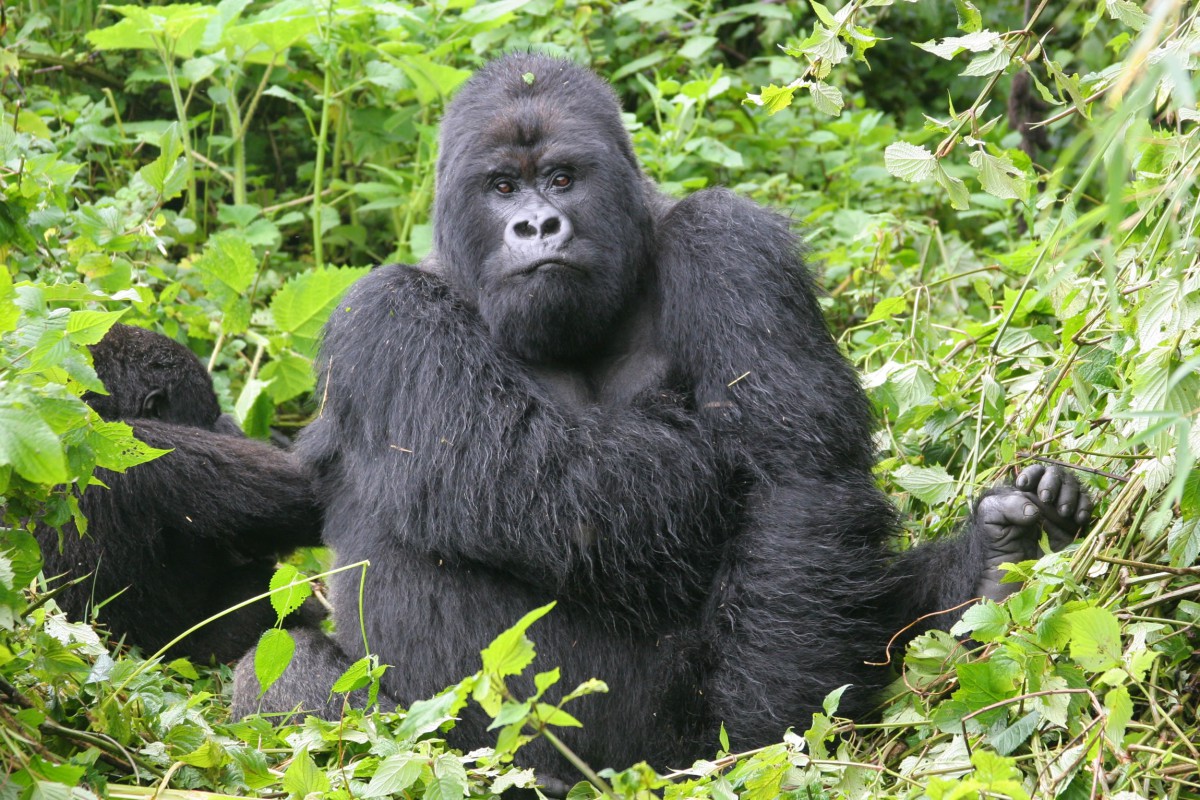
Bwindi protects more than half of the world’s remaining endangered mountain gorillas.
Bwindi Impenetrable National Park is globally significant because it safeguards over half of the world’s remaining mountain gorillas, making it one of the most important conservation areas on Earth. The park’s dense, ancient montane forest provides the complex habitat gorillas need: a layered canopy with abundant food sources including herbs, shrubs, vines and tree shoots. Gorilla families in Bwindi are habituated to varying degrees for tourism, which allows visitors to spend a regulated hour observing these intelligent, gentle primates under the supervision of expert guides and rangers. This tourism is a major source of funding for conservation and provides economic incentives for local communities to protect gorillas and forest habitats. Trekking can be physically demanding—the terrain is steep and often muddy—so porters are available to help carry gear and support trekkers. Bwindi’s conservation success is the result of decades of collaboration between Uganda Wildlife Authority, conservation NGOs and community stakeholders; initiatives include anti-poaching patrols, habitat restoration, and community benefit-sharing through revenue and employment. The park is also biologically rich beyond gorillas: it hosts many endemic plants, butterflies and bird species, and the forest’s isolation means it contains species found nowhere else. Visitors should respect strict rules—no smoking, a minimum distance from gorillas, and restrictions when ill—to minimize disease transmission. Spending time in Bwindi is both an emotional wildlife encounter and an opportunity to witness community-based conservation in action, where protecting a single charismatic species helps preserve an entire ecosystem and supports local livelihoods.
Queen Elizabeth National Park — Queen Elizabeth is famous for its rare tree-climbing lions in the Ishasha sector.
Queen Elizabeth National Park’s Ishasha sector has earned iconic status for tree-climbing lions—an unusual behavior not commonly seen in lions elsewhere. These lions, often found lounging in the broad branches of fig and acacia trees, create extraordinary photographic opportunities and lend a unique character to the park’s wildlife story. The reasons for this arboreal habit are debated: some researchers suggest the trees offer relief from tsetse flies and other biting insects on the ground, while others point to cooler breezes and better vantage points to spot prey. Ishasha’s floodplain habitat with scattered large trees is ideal for this behavior, and guided game drives in the early morning or late afternoon increase the chances of sightings. Beyond the tree-climbing pride, Queen Elizabeth is a biodiversity hotspot where open savanna, wetlands and volcanic foothills converge. The park supports large populations of Uganda kob, elephants, buffalo, hippos and a healthy carnivore community including lions and leopards. The Kazinga Channel—a major feature connecting Lake George and Lake Edward—concentrates wildlife and is one of the best places in Uganda for boat-based viewing of hippos, crocodiles and abundant waterbirds. Community tourism initiatives and conservation partnerships in the region aim to balance wildlife protection with local livelihoods, including tourism revenue-sharing and human-wildlife conflict mitigation. For visitors, Queen Elizabeth offers a powerful combination of diverse habitats, easy-access wildlife viewing, cultural encounters and the chance to see behavior—like tree-climbing lions—that few parks can match.
Murchison Falls National Park
Murchison Falls is Uganda’s largest park, featuring the world’s most powerful waterfall where the Nile crashes through a narrow gorge.
Murchison Falls National Park covers a huge area of savanna, woodland and riverine habitat and is anchored by the dramatic spectacle of the Nile squeezing through a narrow rocky gorge before plunging into a thunderous waterfall. The sheer force of the water at the “Top of the Falls” gives the park its name and provides one of East Africa’s most dramatic natural sights. The Victoria Nile’s journey through Murchison creates a rich mosaic of riverine habitats that support elephants, buffalo, Uganda kob, warthogs and a robust predator presence including lions and leopards. Boat cruises along the Nile—from Paraa to the base of the falls—offer concentrated viewing of hippos and crocodiles, as well as numerous waterbirds. Murchison’s expansive parklands are also important for conservation; sustained anti-poaching efforts and wildlife monitoring have helped stabilize and grow some animal populations. The park offers a range of activities—game drives, boat safaris, guided nature walks and fishing—providing diverse ways to experience wildlife and landscapes. Nearby cultural interactions with local communities augment wildlife experiences, and a short hike to the “Top of the Falls” rewards visitors with panoramic views and photo opportunities. Logistics can involve long drives from central Uganda, so some travelers opt for domestic flights to Pakuba or Bugungu airstrips to save time. Whether approached for its dramatic hydrology, sweeping savannas, or river-based wildlife viewing, Murchison Falls is an essential stop on an Ugandan safari.
Kibale National Park
Kibale is known as the "Primate Capital of the World," home to over 1,500 chimpanzees.
Kibale National Park’s title as the “Primate Capital of the World” stems from its extraordinary primate diversity and high densities, including more than 1,500 chimpanzees and a dozen other primate species. The park’s moist, evergreen rainforest provides optimal habitat for primates such as red colobus, L’Hoest’s monkeys, olive baboons, and blue monkeys, making it an irresistible destination for primatologists, birders and wildlife enthusiasts. Chimpanzee trekking in Kibale is relatively accessible: habituated groups are tracked from the Kanyanchu Visitor Centre by expert trackers who follow the chimpanzees’ movements through the forest. Viewing is regulated to minimize disturbance and disease risk; visitors typically spend one hour with a located group. Beyond chimps, Kibale’s Bigodi Wetland Sanctuary—a community-managed site adjacent to the park—offers superb birdwatching and a chance to see swamp-dwelling primates and butterflies on short guided walks. Kibale’s conservation model emphasizes community engagement, with tourism revenue used to support local development and bolster forest protection. The park’s proximity to tea and banana plantations means that visitors can witness the interface between agricultural land use and protected wilderness, underscoring the importance of landscape-level conservation. Trekking conditions can be muddy and slippery, so sturdy boots and rain gear are recommended. For travelers seeking immersive primate encounters combined with rich forest biodiversity, Kibale stands out as one of Uganda’s most rewarding wildlife destinations.
Uganda’s Birdlife
Uganda has over 1,000 recorded bird species, making it Africa’s premier birding destination, with many rare species like the Shoebill Stork.
Uganda’s extraordinary birdlife—more than 1,000 recorded species in a relatively small country—makes it a mecca for birders of all levels. The nation’s climatic diversity, which includes montane forests, lowland rainforests, wetlands, savannas and alpine zones, creates habitats for a dazzling range of species. Of particular interest is the elusive Shoebill Stork, whose prehistoric appearance and solitary marshland habits make sightings memorable; prime sites for the shoebill include Mabamba Bay and parts of the Murchison and Nile wetlands. Endemic and near-endemic species associated with the Albertine Rift—such as the Rwenzori turaco and the handsome sunbird—are concentrated in western montane forests like Bwindi and the Rwenzoris. Wetland systems, including the Kazinga Channel and lakeshore habitats around Lake Mburo and Lake Victoria, attract large congregations of waterfowl, pelicans and migratory species. Birding in Uganda is rewarding year-round, but seasonal movements and breeding periods can affect species’ presence and visibility. Expert local guides and increasingly sophisticated birding logistics—such as well-placed hides and boat trips—make it easier to connect with rarities and lifers. Birding tourism also supports conservation; as birders prioritize intact habitats, their spending reinforces the economic value of maintaining wetlands and forests. For anyone intrigued by avian diversity, Uganda offers concentrated birding opportunities with accessible sites and a high probability of seeing both iconic and range-restricted species.
Kidepo Valley National Park
Kidepo is ranked among Africa’s finest wilderness areas, offering untouched savannah and cheetahs, which are rare elsewhere in Uganda.
Kidepo Valley National Park, tucked in Uganda’s remote northeast, is often described as one of Africa’s last great wilderness areas. Its isolation has preserved sweeping savannah plains, dramatic mountain backdrops and a sense of wildness that’s increasingly rare on the continent. Unlike better-known parks, Kidepo’s remoteness results in low visitor numbers and almost uninterrupted natural soundscapes—an experience for travelers seeking solitude and primal landscapes. The park supports diverse large mammal communities, including buffalo, giraffe, elephant and leopard, and it’s one of the only places in Uganda where cheetah have been recorded with some regularity. Wildlife viewing here is complemented by striking scenery: the Narus and Kidepo valleys, framed by the Mathew and Morungule ranges, create a visually compelling stage for game drives and small guided walks. The local pastoralist communities add cultural depth; visits to Karamojong villages offer insight into traditional lifestyles, beadwork and livestock-centered economies. Conservation in Kidepo balances wildlife protection with pastoralist land use and has required cross-border coordination with neighboring conservation areas in South Sudan and Kenya. Logistics—long overland transfers and seasonal road conditions—mean many visitors arrive by small aircraft flights from Entebbe or from other regional hubs. For those willing to make the journey, Kidepo offers a raw, less-commercial safari experience where vistas, solitude and encounters with rare species like cheetah are the chief rewards.
Ziwa Rhino Sanctuary
Ziwa is the only place in Uganda where visitors can see white rhinos in the wild, walking alongside them with rangers.
Ziwa Rhino Sanctuary occupies a special niche in Uganda’s conservation landscape as the only site where white rhinos roam under semi-wild conditions and where visitors can track them on foot with trained rangers. Established as part of a larger plan to reintroduce rhinos to Uganda’s national parks, Ziwa offers an ethical and educational experience: guided walking safaris allow close, regulated observation while minimizing stress to the animals. Rhino tracking generally takes place in the cooler morning hours when rhinos are active, and rangers provide interpretation about rhino biology, behavior and the sanctuary’s anti-poaching measures. The sanctuary also plays a practical role in rhino conservation: it is a source population for potential future translocations, a training ground for rangers, and a community-engaged conservation model where tourism revenues fund local development and protection efforts. Although Ziwa is not a national park, its conservation outcomes are significant: the presence of rhinos helps restore ecological functions and raises national profile around species recovery. For visitors, Ziwa is conveniently located en route to Murchison Falls and makes an efficient addition to northern Uganda itineraries—especially for those seeking the thrill of tracking one of Africa’s most emblematic species on foot. The sanctuary’s experienced guides emphasize safety and respect, and their interpretation deepens the visitor’s appreciation for both the rhinos and the broader challenges of large mammal conservation in East Africa.
Lake Mburo National Park
Lake Mburo is the best park for boat-based game viewing of hippos and walking safaris to see zebras.
Lake Mburo National Park, Uganda’s smallest savanna park, offers a highly accessible and varied wildlife experience that’s especially attractive for travelers who enjoy combining boat safaris with guided walking. The park’s system of lakes, papyrus swamps and acacia-dotted grasslands concentrates hippos and a range of waterbirds, making boat trips on Lake Mburo particularly rewarding at sunrise and sunset. Quiet, shallow-draft launches and guided canoe excursions allow close approach to hippo pods and offer excellent opportunities for photography and birdwatching. Uniquely for Uganda, Lake Mburo allows dedicated walking safaris where experienced ranger-guides lead small groups on foot to encounter zebra, impala, warthog and sometimes topi—animals habituated to the presence of humans and trackable over short distances. These walks emphasize tracking skills, spoor interpretation and low-impact presence, creating an intimate connection with the landscape and its wildlife. The park’s manageable size means drives are short and flexible, and it’s commonly included as a stop between Kampala and western Uganda destinations. Accommodations range from simple campsite facilities to comfortable lodges and tented camps along the lakeshore, contributing to varied visitor experiences. Lake Mburo’s mix of water-based wildlife viewing and safe, guided walking makes it a perfect introduction to Uganda’s savanna fauna for travelers seeking active but low-impact safari options.
Rwenzori Mountains National Park
Rwenzori features the highest mountain range in Africa (after Kilimanjaro), known as the "Mountains of the Moon".
The Rwenzori Mountains—often called the “Mountains of the Moon”—form one of Africa’s most dramatic and botanically rich mountain ranges and offer a mountaineering and trekking experience unlike typical East African peak climbs. While Kilimanjaro is Africa’s highest single mountain, the Rwenzori massif contains several high peaks, including Mount Stanley with Margherita Peak at over 5,100 meters, and features complex glaciated ridges, towering cliffs and lush afro-alpine vegetation. The range’s altitudinal zonation produces a stunning succession of habitats—from tropical montane forest to bamboo, heath, alpine moorland and glacial zones—supporting unique flora such as giant lobelias and groundsel species as well as specialized birdlife. Trekking the Rwenzoris is challenging, technically varied and requires careful acclimatization, experienced guides and porters, and often a multi-day, hut-based itinerary. The Rwenzoris have cultural significance for local Bakonzo communities and are recognized as a UNESCO World Heritage Site due to their outstanding natural values. Beyond peak bagging, lower-elevation treks and day walks around the foothills offer accessible experiences for visitors interested in botany, birding and seeing waterfalls and mountain-fed streams. Conservation of the Rwenzori focuses on glacier monitoring, sustainable tourism and working with local communities to manage grazing and resource use. For travelers seeking dramatic alpine scenery, rare plants and a sense of raw mountain wilderness in East Africa, the Rwenzori Mountains deliver a memorable, physically demanding and highly scenic adventure.
Semuliki National Park
Semuliki features fascinating hot springs that can boil eggs, representing the only lowland tropical forest in East Africa.
Semuliki National Park occupies a unique ecological niche as one of the only lowland tropical rainforests in East Africa and as a site of remarkable geothermal features, including bubbling hot springs where visitors traditionally cook eggs. Located in the western arm of Uganda near the border with the Democratic Republic of Congo, Semuliki blends Central African forest species with East African savanna fauna, creating a rich and sometimes surprising biodiversity mix. The hot springs—emanating from underlying geothermal activity—are a tourist highlight and are culturally significant for local communities, who understand and use the sites sustainably. Guided walks through Semuliki’s swampy and richly vegetated trails reveal forest birds, primates such as red colobus, and myriad amphibians and insect life. The park’s lowland rainforest supports species typically found further west in the Congo Basin, making Semuliki ecologically important for range extension and biodiversity connectivity. Birders prize the park for its unique species assemblage and the chance to see range-restricted Albertine Rift and Congo Basin species. Conservation challenges include habitat pressure from local human populations and the need for sustainable tourism that benefits communities while protecting sensitive forest habitats. For adventurous travelers eager to experience a different side of Uganda—wet, hot, biodiverse and with the quirky attraction of egg-boiling hot springs—Semuliki is an unusual and rewarding destination.
Mgahinga Gorilla National Park
Mgahinga is Uganda’s most scenic park, where volcanic mountains meet dense bamboo forests.
Mgahinga Gorilla National Park, at the southeastern tip of Uganda, sits within a volcanic landscape where steep slopes, crater lakes and bamboo forests create an intensely scenic environment. The park is part of the larger Virunga Conservation Area that spans borders with Rwanda and the Democratic Republic of Congo, and it plays an important role in transboundary conservation of mountain gorillas and golden monkeys. Mgahinga’s montane forest includes dense stands of bamboo—the preferred food of golden monkeys—making the park one of the best places to view these lively, orange-furred primates on habituated treks. While Mgahinga’s gorilla population is small and specialist trekking may be limited compared with Bwindi and Volcanoes National Park in Rwanda, the park offers high-quality trekking experiences, including hikes up Mount Gahinga and seasonal volcano climbs along the Virunga chain. The combination of volcanic topography, thermal features and forested slopes produces exceptional vistas: mist-clad peaks, emerald valleys and pastoral countryside. Community-based tourism and revenue-sharing programs are significant in Mgahinga, with local Batwa and agricultural communities participating in cultural experiences, guiding and conservancy initiatives. For travelers seeking intimate encounters with specialized primates, dramatic volcanic scenery and quieter trekking options, Mgahinga provides a photogenic and ecologically important complement to Uganda’s larger gorilla destinations.
Bwindi’s Age —
Bwindi is an "impenetrable" forest that is over 25,000 years old, surviving the last ice age.
Bwindi Impenetrable National Park’s ancient status—its forest is often described as more than 25,000 years old—means it served as a climatic refuge during past glacial periods and has retained an exceptional assemblage of species through millennia. This long, relatively uninterrupted ecological history is reflected in high levels of endemism and species richness: plants, invertebrates, birds and mammals in Bwindi include lineages that have persisted while other regions experienced more dramatic climatic fluctuations. The “impenetrable” label speaks to the forest’s dense vegetation, tangled understorey and steep terrain, which historically made access difficult and helped shield the ecosystem from large-scale human disturbance until more recent centuries. For contemporary conservation, Bwindi’s antiquity adds scientific value—researchers study its genetics, paleoecology and species interactions to understand long-term ecosystem stability. The forest’s age also enhances its cultural resonance: local communities hold deep knowledge and spiritual connections to the forest, reflected in traditional uses and stories. From a visitor perspective, trekking through a forest that housed species through the last ice age evokes a powerful sense of continuity and living history. Management priorities focus on maintaining ecological integrity, preventing habitat fragmentation, and ensuring that tourism and community development sustain rather than erode this irreplaceable ancient forest.
Lake Bunyonyi
Lake Bunyonyi is one of Africa’s deepest lakes and a peaceful retreat after gorilla trekking.
Lake Bunyonyi—an emerald, terraced lake studded with small islands and ringed by ridges and terraced farmland—is often recommended as a tranquil respite after the intensity of gorilla trekking. Although exact depth estimates vary, Bunyonyi is considered among Africa’s deeper lakes and its steep banks and clear water create a spectacular visual contrast with surrounding farmland and forested slopes. The lake’s name, meaning “place of many little birds,” reflects its attractiveness to birdlife and the scenic, intimate birding opportunities found among the islands and along the shore. Activities are relaxed and restorative: traditional dugout canoe trips (known locally as “gezi” or “dugout” canoe rides), short island visits, gentle hikes to vantage points for panoramic views, and community visits to nearby villages to learn about local crafts and history. Swimming spots are available in designated safe sections, and accommodation ranges from rustic guesthouses to higher-end lodges perched on the lake rim. Lake Bunyonyi’s cool climate—owing to its elevation—makes it comfortable year-round and a popular choice for those seeking to decompress after strenuous forest treks. Conservation and local development efforts focus on responsible tourism, waste management around the lake and empowering communities through homestays and craft markets. As a scenic contrast to Uganda’s dense forests and open savannas, Bunyonyi provides restorative calm, cultural connection and photogenic landscapes.
Gorilla Trekking Experience
— Gorilla trekking in Uganda allows regulated, close-up encounters with mountain gorillas for one hour per group.
Gorilla trekking in Uganda is a highly regulated, intensely emotional wildlife experience that allows visitors to spend a single, supervised hour in the presence of a habituated mountain gorilla family. Rangers and guides lead trekkers along narrow, steep forest trails to find a habituated group; the time taken to locate gorillas varies widely, sometimes requiring strenuous bushwalking. The one-hour rule balances visitor demand with gorilla welfare, limiting stress and potential disease transmission. Before trekking, participants attend a briefing covering rules—no close approaching, soft shoe noise, no flashes, and strict illness reporting. Porters can be hired to assist with carrying luggage and support on difficult sections. The observation hour often produces intimate moments: infants nursing and playing, silverbacks asserting dominance with soft displays, and quiet family interactions, all of which are unforgettable for many visitors. Underpinning the trekking experience is a conservation model that channels permit revenue into park management, anti-poaching patrols, and community development, creating incentives for local people to protect gorillas and their habitats. Ethical considerations are central: guides enforce hygiene protocols, restrict numbers and monitor gorilla responses to tourism. Trekking is best booked well in advance—gorilla permits are limited and in high demand—especially during peak travel seasons. For travelers prepared for rough trails and emotional intensity, the hour with mountain gorillas ranks among wildlife experiences that combine awe, responsibility and direct conservation impact.
Cultural Tourism and Community Conservation
Many parks in Uganda integrate community projects to share tourism benefits and reduce human-wildlife conflict.
Community engagement is a cornerstone of successful conservation strategies across Uganda’s protected areas, and many parks integrate cultural tourism, benefit-sharing schemes and livelihood programs designed to align local interests with wildlife protection. Revenue from park entry fees, guiding services and community enterprises—such as homestays, craft markets and cultural performances—helps fund schools, health clinics, microcredit schemes and infrastructure in communities neighboring parks. These initiatives reduce incentives for illegal resource extraction and poaching by providing alternative income streams and demonstrating the tangible value of wildlife. Community scout programs and joint patrols often include local people in anti-poaching efforts, enhancing local stewardship and intelligence. In areas like Bwindi and Mgahinga, Batwa pygmy communities have cultural tourism programs that offer traditional music, dance and storytelling while receiving direct revenue for participating families. Human-wildlife conflict mitigation—such as building predator-proof enclosures, supporting livestock insurance schemes and developing early-warning networks—helps reduce crop and livestock losses, fostering coexistence. Importantly, successful community conservation emphasizes consultation, equitable benefit distribution and capacity building; initiatives that fail to include authentic local leadership risk creating dependency or resentment. For travelers, participating in community-led experiences offers cultural insight and ensures that tourism dollars support conservation outcomes. By knitting together biodiversity protection and rural development, Uganda’s community conservation models show how parks can become engines for both ecological resilience and social well-being.
Conservation Success Stories
Uganda has seen notable recoveries for some species through anti-poaching and habitat protection.
Uganda’s conservation story includes tangible successes—populations of certain species have stabilized or rebounded thanks to concerted protection efforts, anti-poaching patrols, and community engagement. Notable examples include the gradual recovery and effective protection of mountain gorillas through coordinated transboundary management, stringent anti-poaching measures, and tourism revenue reinvestment. At Ziwa Rhino Sanctuary, the reintroduction and protection of white rhinos illustrates how small, focused programs can reestablish species locally and create conservation stepping-stones for future translocations. Similarly, targeted management in parks such as Lake Mburo and Queen Elizabeth has helped maintain healthy populations of herbivores (zebra, kob, buffalo) that support predator populations and tourism appeal. Conservation successes are rarely straightforward—the work requires sustained funding, law enforcement, community buy-in and habitat connectivity—but Uganda’s experiences demonstrate that strategic interventions can yield results. Rangers equipped with better training, community scouts reporting illegal activity, and improved monitoring technology (camera traps, GPS tracking) have all contributed. Tourism plays a role by generating funds and political will, but success also depends on addressing root causes such as poverty, demand for bushmeat and illegal wildlife trade. While challenges remain—ranging from habitat fragmentation to the threat of disease—Uganda’s conservation achievements provide models for adaptive management and illustrate how focused efforts can protect iconic species and the ecosystems they need.
Night Drives and Nocturnal Wildlife
Some parks in Uganda allow night drives to see nocturnal species like civets, genets and bushbabies.
Night drives in certain Uganda parks open a window onto an often-hidden nocturnal world: as darkness falls, creatures adapted to night-time life emerge to hunt and forage. Experienced guides use spotlights to locate reflective eyes and quietly approach species such as civets, genets, aardvarks (rare), bushbabies, and nocturnal hyraxes, as well as owls and nightjars among the birdlife. Night drives require careful management to minimize disturbance and maintain safety; rules typically limit vehicle speed, spotlight usage and off-road driving. These drives are especially rewarding in parks with open savanna adjacent to wooded areas—where a thin margin between day-active and night-active species can reveal a surprising diversity within a short distance. In some parks, well-organized night drives also increase overall tourism value by offering different viewing opportunities beyond daytime game drives, and they can be scheduled to avoid disturbing breeding or nesting animals. For travelers, night drives offer the thrill of encountering elusive species and an opportunity to learn about nocturnal ecology, predator-prey dynamics and sensory adaptations of night-active animals. Guides’ interpretation is critical—explaining how night vision, hearing and scent are used by different species—and a well-run night drive can be a memorable highlight of an Ugandan safari.
Accessibility and Airstrips
Many parks in Uganda are reachable by short domestic flights, reducing long road transfers for longer itineraries.
Uganda’s safari infrastructure includes a network of domestic airstrips and scheduled charter flights that make longer itineraries more feasible by cutting otherwise long and wearisome road transfers. Small aircraft connect Entebbe or Kampala with remote airstrips near Murchison Falls (Pakuba, Bugungu), Kidepo (Kidepo Airstrip), Bwindi (Kihihi, Kisoro depending on sector), and Queen Elizabeth (Mweya), enabling travelers to fly between distant parks in comfort and save valuable time. Air travel is particularly useful for itineraries that link the country’s far-flung regions—such as combining gorilla trekking in the southwest with Murchison Falls in the northwest—where overland drives can consume multiple travel days on rough roads. Airstrips are generally basic but functional, and operators coordinate logistics including scheduled arrivals, transfers and baggage handling. Travelers should note weight limits, seasonal weather impacts on small aircraft, and the need to book flights well in advance during peak seasons. Beyond convenience, domestic flights broaden access for conservation and research teams, enhance emergency response capabilities, and support tourism dispersal. For visitors with limited time or who prefer comfort over long road travel, domestic air options significantly expand what’s achievable within a typical 7–10 day Ugandan safari.
Photography Opportunities
Uganda’s varied landscapes—from misty montane forests to sweeping savannas and river channels—offer diverse photographic subjects.
Uganda’s dramatic landscape mosaic provides photographers with an extraordinary range of subjects: intimate wildlife portraits in mist-shrouded Bwindi, candid chimpanzee behavior in Kibale’s understory, the powerful riverine scenes of Murchison Falls, and sweeping savanna panoramas in Queen Elizabeth and Kidepo. Light quality changes with elevation and weather—morning mist in montane forests softens images and concentrates attention on animal expressions and textures, while golden-hour light over floodplains and channels renders wildlife silhouettes and reflective water scenes with rich contrast. Boat cruises on the Kazinga Channel or the Nile near Murchison compress distance between observers and water-dependent animals, improving the opportunity for close-ups of hippos, crocodiles and wading birds. Photographers should prepare for varied conditions: waterproof gear for rainforest humidity, telephoto lenses for distance shots, and fast lenses for low-light forest interiors. Ethical wildlife photography is emphasized—maintaining allowable distances, avoiding flash around habituated primates, and following guides’ instructions to prevent stress to animals. Uganda’s compact geography means photographers can experience multiple habitats within a single trip, maximizing the potential for a portfolio that spans species, behavioral moments and landscapes. For both amateurs and professionals, combining patient observation with flexible itineraries yields the most rewarding photographic outcomes.
Best Time to Visit
Uganda’s diverse climates mean there’s no single perfect time; wildlife viewing is generally good year-round, with dry seasons easing access and certain bird and primate behaviors influenced by seasons.
Uganda’s location on the equator gives it a generally mild climate, but regional differences and seasonal rainfall patterns influence accessibility and wildlife behavior. The two main dry seasons—late December to February and June to September—are often regarded as the best windows for overland travel and game viewing because roads are more passable, vegetation is lower (improving visibility), and wildlife congregates near water sources. Gorilla trekking and chimp tracking can be done year-round, but trekking is often easier and drier in the dry months; that said, gorilla encounters in the wet season can be atmospheric, with fewer visitors and misty forest moods. Birding is excellent year-round, but migrant species and some breeding behaviors peak in particular months, so birdwatchers sometimes plan travel to coincide with those windows. Murchison Falls and northern parks like Kidepo can become difficult to access during heavy rains, and domestic flights may be more subject to weather disruptions during the wet seasons. When planning travel, consider balancing desired wildlife experiences (gorillas, game viewing, birding) with logistics and personal preferences for crowds versus solitude: peak seasons bring more tourists and premium prices, while shoulder and low seasons offer quieter experiences and potential value. Regardless of timing, packing for variability—light layers, waterproofs and sturdy footwear—ensures comfort across Uganda’s rich and changing environments.
Booking Uganda safari with us Roads of Adventure safaris
Book an unforgettable Uganda safari with Roads of Adventure Safaris, a top ground handler specializing in bespoke primate tracking and Big Five wildlife adventures. We offer expert-led gorilla trekking, chimpanzee tracking, and scenic tours in Uganda and Rwanda, tailored for luxury or budget travelers. Our curated itineraries include 3 to 15-day circuits, featuring expert guides and premium, secure accommodation. We handle all logistics, from permits to private transportation, ensuring a seamless experience in the Pearl of Africa. Explore the breathtaking, authentic landscapes of Uganda with our professional, highly recommended team today
