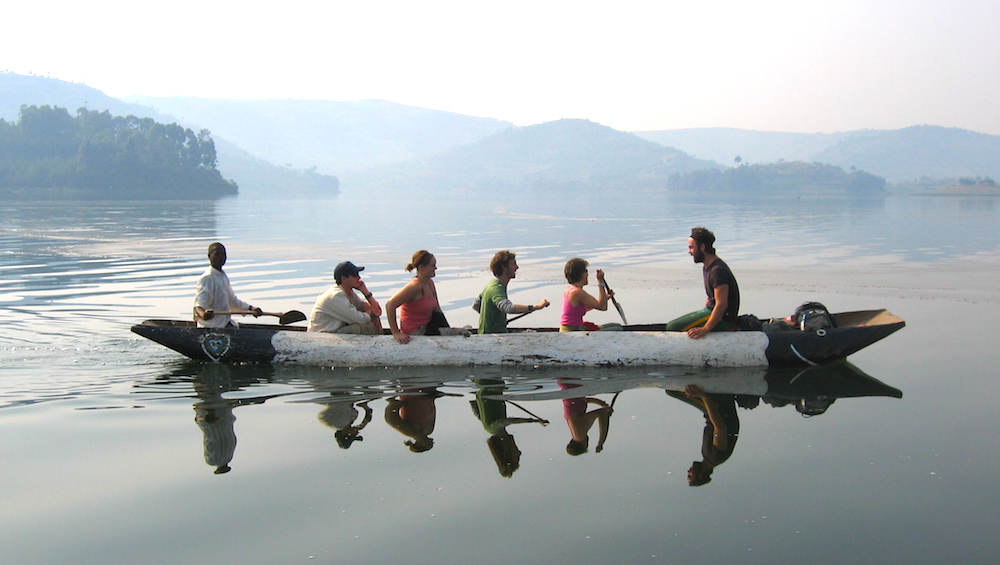
20 Most famous activities to do at lake Buyonyi on Uganda safari holiday, Lake Bunyonyi is a pristine, bilharzia-free crater lake in southwestern Uganda, renowned as a tranquil retreat after gorilla trekking. Famous activities include boat cruises, island hopping, dugout canoeing, swimming, bird watching, community walks, ziplining, mountain biking, and historical tours
3-days-gorilla-trekking-safari-and-lake-bunyonyi-relaxation-itinerary
3-days-affordable-uganda-budget-gorilla-trekking-via-kigali
4-days-ultimate-gorilla-and-uganda-safari-and-chimpanzee-tracking
4-days-ultimate-gorilla-and-uganda-safari-and-chimpanzee-tracking
4-days-uganda-gorilla-safari-with-golden-monkey-tracking-from-rwanda
4-days-luxury-gorilla-trekking-safari-in-bwindi-fly-in-all-inclusive-tour
5-days-gorilla-and-uganda-safari-and-golden-monkey-trekking-tour-from-kigali
5-days-un-matched-uganda-gorilla-safari-and-chimpanzee-tour-itinerary
6-days-gorilla-and-uganda-safari-to-see-big-five
7-day-ultimate-uganda-primate-safari-chimpanzees-and-game-drives
4-days-ultimate-gorilla-and-uganda-safari-and-chimpanzee-tracking
4-days-gorilla-trekking-and-gorilla-habituation-experience
4-days-gorilla-trekking-lake-bunyonyi-and-kalinzu-forest-chimpanzee-tracking
4-days-luxury-gorilla-trekking-safari-in-bwindi-fly-in-all-inclusive-tour
4-days-uganda-gorilla-safari-with-golden-monkey-tracking-from-rwanda
The 20 Best Activities at Lake Bunyonyi
On the Water
1. Dugout Canoe Trekking
Gliding across the glass-like surface of Lake Bunyonyi in a traditional dugout canoe is arguably the most authentic and iconic experience the region has to offer. These watercraft, expertly carved from single, massive tree trunks—often using hardy eucalyptus or local hardwood—have served as the primary mode of transportation for the indigenous Bakiga and Batwa communities for generations. Renting one of these heavy, stable vessels or hiring a local guide to navigate the labyrinth of 29 islands offers a profound connection to the lake's living history.
As you dip your wooden paddle into the deep, cool water, the frantic pace of modern life instantly fades, replaced by the rhythmic splash of the lake and the distant calls of weaver birds. Navigating a dugout canoe requires a gentle rhythm and a bit of balance, making it both a rewarding physical exercise and a meditative escape. If you choose to go with a local guide, the journey transforms into a rich storytelling session. They will point out hidden channels, explain the unique microclimates of the terraced hillsides framing your view, and share the deep-rooted folklore that defines the waters beneath you.
Trekking by canoe allows you to move at a slow, deliberate pace, giving you the time to appreciate the dramatic topography of the flooded valley. It is an immersive, eco-friendly way to explore the shoreline, pull up to isolated island docks, and experience the lake exactly as the locals have done for centuries.
2. Motorized Boat Cruises
For travelers who want to absorb the staggering scale, complex geography, and multi-layered history of Lake Bunyonyi without the strenuous physical exertion of paddling, a guided motorized boat cruise is the ultimate choice. These motorized vessels range from nimble, canopy-covered speedboats to larger, stable pontoon-style boats designed for groups, ensuring a comfortable ride regardless of the weather. Because motorized boats can cover vast distances in a fraction of the time it takes a canoe, they offer a comprehensive sightseeing itinerary that can easily span the entire length of the lake in a single morning or afternoon.
As you zip across the deep blue waters, a knowledgeable local captain will narrate the journey, weaving together geological facts with captivating historical anecdotes about the prominent islands you pass. You will cruise past the sheer cliffs of the terraced hills, watch local farmers tending to their steep plots of land, and get up close to historic sites like the old leper colony or the infamous Punishment Island.
The motorized cruise is particularly magical during the early morning when thick blankets of mystical fog rise from the water, or during the late afternoon as the sky turns into a canvas of gold and purple. It provides an elevated, breezy vantage point perfect for photography, allowing you to capture the sweeping "Switzerland of Africa" vistas safely and effortlessly, making it an absolute must-do for families, older travelers, and avid sightseers alike.
3. Swimming
Lake Bunyonyi holds a uniquely legendary status among African lakes, making it an absolute paradise for water enthusiasts. Unlike the vast majority of freshwater bodies in East Africa, Bunyonyi is completely free of hippos, crocodiles, and—most importantly—the microscopic parasites that cause bilharzia (schistosomiasis). This rare combination makes its clean, refreshingly cool waters exceptionally safe for wild swimming. Plunging into the lake after a long safari or a strenuous hike through the terraced highlands is an incredibly rejuvenating experience, offering a sensory contrast to the dusty Ugandan savannahs.
However, while the lake is free from biological hazards, its physical geography demands respect. Lake Bunyonyi is a flooded volcanic valley and stands as the second-deepest lake in Africa, with depths reaching up to 900 meters (nearly 3,000 feet) in certain locations. Because it is a deep-water environment without shallow shorelines in many areas, swimmers should be confident in their abilities.
Many of the lakeside eco-lodges and resorts have constructed beautiful wooden docks, floating platforms, and designated enclosed swimming areas to give guests a secure and comfortable place to lounge and dive. The water temperature is brisk but pleasant, typically hovering around 20°C (68°F). Floating on your back in the middle of this vast, tranquil lake, looking up at the towering green ridges that encircle you, provides an unparalleled sense of freedom and peace that you simply cannot find anywhere else in Uganda.
4. Sport Fishing
While Lake Bunyonyi is not traditionally famous as a commercial fishing powerhouse due to its extreme depths and unique chemical composition—which lacks high oxygen levels at its lowest floors—it offers an engaging, low-key sport fishing experience for patient anglers. The lake’s original ecosystem was relatively sparse in terms of fish variety, but over the decades, deliberate introduction efforts have successfully populated the waters with species like tasty tilapia, mirror carp, and clarias catfish. Additionally, the accidental introduction of Louisiana red swamp crayfish has created a thriving crustacean population that has radically shifted the local culinary and fishing scene.
Sport fishing excursions on Bunyonyi are typically conducted from the stability of a motorized boat or a traditional dugout canoe, targeting the calmer, shallower bays, reedy shorelines, and underwater structures around the island fringes where fish tend to congregate to feed. Local guides know the exact pockets where tilapia are biting and can provide traditional handlines or assist you with standard rod-and-reel setups.
It is a slow-paced, relaxing activity where the true reward is the ambient tranquility of the surrounding scenery. Anything you catch can often be brought back to your safari lodge, where local chefs will gladly prepare it for your dinner—frequently paired with the lake’s famous garlic-fried crayfish. Engaging in sport fishing here connects you directly to the daily subsistence rhythms of the lakeside communities, making it a peaceful, culturally grounded way to spend a quiet morning on the water.
Island Hopping & History
5. Punishment Island Tour
A visit to Akampene, universally known as Punishment Island, is a deeply sobering journey into the patriarchal and uncompromising historical customs of the local Bakiga people. This tiny, heartbreakingly small patch of land consists of little more than a couple of dying trees clinging to a waterlogged grassy mound. For generations up until the early 20th century, unmarried Bakiga girls who became pregnant were brought here by their families and abandoned to starve to death or drown while attempting to swim back to the mainland.
This severe practice served a dual societal purpose: it enforced strict premarital chastity and protected the family from intense communal shame, while ensuring that the girl’s family would not lose out on a future bride price of valuable livestock. Ironically, poorer men who could not afford a traditional dowry would occasionally canoe out to Punishment Island under the cover of darkness to rescue the abandoned girls, taking them as wives without financial penalty.
Today, visiting this slowly eroding island on a guided tour provides an essential, unflinching look at the region’s cultural evolution. Local guides share powerful stories of resilience and change, transforming this eerie, melancholic landmark into an enduring symbol of societal progress. Standing near its edges, you get a palpable sense of history that contrasts starkly with the peaceful landscape around it, making it one of the most culturally significant and memorable destinations across the entire lake.
6. Bwama Island Exploration
Bwama Island is the largest of Lake Bunyonyi’s 29 islands and carries an exceptionally rich, transformative historical legacy. In the early 1920s, a visionary English missionary doctor named Leonard Sharp arrived in the region and recognized the isolated island as the perfect sanctuary to combat Uganda’s sweeping leprosy epidemic. By 1931, Dr. Sharp had formally established a dedicated leprosy treatment colony and sanctuary on Bwama Island, constructing a comprehensive village network that included a specialized hospital, patient wards, residential quarters, and a church.
The island effectively served as a self-sustaining, compassionate haven where thousands of marginalized individuals suffering from the disease could receive vital medical care, isolation, and dignity away from the painful stigma of the mainland. Over the decades, as leprosy was successfully eradicated throughout the region, the medical facilities were gradually converted to serve a brand-new purpose.
Today, Bwama Island has evolved into a bustling educational hub, housing a prominent secondary boarding school that breathes vibrant life and youthful energy into the historic structures. Touring the island allows visitors to wander among the original stone-walled missionary buildings, learn about the historic medical breakthroughs achieved here, and interact with the local students. It stands as an inspiring monument of hope, showcasing how a place originally defined by medical isolation and suffering can successfully blossom into a modern center of community, education, and regional pride.
7. Njuyeera (Sharp’s Island)
Njuyeera, affectionately known to locals and visitors alike as Sharp’s Island, is a stunningly beautiful destination that serves as the architectural and biographical heart of Lake Bunyonyi’s colonial-era history. This private island sanctuary was the personal home base of Dr. Leonard Sharp, the pioneering medical missionary who founded the nearby Bwama Island leprosy colony. The name "Njuyeera" translates directly to "White House," a reference to the iconic, pristine white cottage that Dr. Sharp constructed on the island’s highest point as a residence for his family during the 1920s and 1930s.
Visiting Njuyeera feels like stepping through a portal back in time. The original white cottage still stands beautifully preserved, framed by meticulously manicured botanical gardens that Dr. Sharp and his wife spent years cultivating. The island features an incredible array of exotic trees, vibrant flowering shrubs, and winding stone pathways that offer breathtaking panoramic vistas of the surrounding lake channels.
As you explore the property, guides detail the remarkable daily lives of the Sharp family, who balanced intense tropical medical work with a tranquil, European-style lifestyle in the heart of Africa. The island also features a tennis court area and has been developed into a peaceful sanctuary where visitors can appreciate both historical architecture and natural beauty. It remains an essential stop on any historical island-hopping tour, perfectly capturing the blending of early 20th-century history with Bunyonyi’s timeless, dramatic natural topography.
8. Bushara Island Nature Walks
For eco-conscious travelers and those searching for absolute tranquility, Bushara Island stands out as a pioneering model for low-impact green tourism and community development on Lake Bunyonyi. Managed with a strong emphasis on ecological preservation, this beautifully forested island is defined by its thick, towering canopy of green eucalyptus trees, native shrubs, and vibrant floral pathways. Taking a guided or self-guided nature walk along Bushara’s winding dirt trails is an immersive experience that refreshes the mind and sharpens the senses.
The forest floor is alive with unique biodiversity, and the absence of any motorized vehicles or city noise ensures that the only soundtrack to your stroll is the rustling of leaves and the melodious calls of the island's abundant bird population. Along the pathways, you will discover hidden lookout points equipped with rustic wooden benches, offering secluded spots to sit and gaze across the shimmering water toward the terraced mainland.
Bushara Island also serves as a crucial base for sustainable community projects, using tourism revenue to fund local agroforestry initiatives, clean water access, and educational materials for lakeside villages. The nature walks here are not just about viewing beautiful scenery; they offer a practical lesson in how tourism can actively protect an ecosystem while uplifting the livelihoods of the local people, making it a deeply fulfilling stop on your itinerary.
9. Akramwanga Island
Akramwanga Island is one of Lake Bunyonyi’s best-kept secrets, offering an off-the-beaten-path alternative to the more heavily visited historical islands. While it lacks the large-scale colonial structures or dramatic dark history of its neighbors, Akramwanga prides itself on offering untouched natural serenity and a pure, uncommercialized atmosphere. The island is characterized by its rolling green hills, small patches of traditional family farmland, and an abundance of wild, untamed flora that blankest its shorelines and ridges.
An exploration of Akramwanga Island is best enjoyed at an easy, unhurried pace. Visitors can trek along the informal footpaths used by local farmers, observing an incredible variety of indigenous plants, medicinal herbs, and colorful wildflowers that thrive in the rich volcanic soil. The lack of heavy tourist traffic makes Akramwanga the absolute premier destination on the lake for a private, quiet picnic during your Ugandan safari holiday.
You can set up a blanket under the shade of an acacia tree, enjoy fresh local snacks, and absorb the panoramic views of the water without hearing another tour group. It is an ideal spot for creative travelers, artists, or writers seeking inspiration from nature. Visiting Akramwanga provides a gentle reminder of the simple, quiet beauty that makes Lake Bunyonyi so captivating, offering a peaceful sanctuary where you can truly slow down and connect with the landscape.
Adventure & Thrills
10. High-Wire Ziplining
For adrenaline junkies and adventure seekers, the high-wire ziplining experience at Lake Bunyonyi offers an exhilarating way to experience the area’s dramatic topography from a bird's-eye perspective. This locally installed and professionally managed adventure system features heavy-duty steel cables suspended high above the water's surface, stretching securely between massive, sturdy trees on opposite banks of a scenic lake channel. Strapping into a secure safety harness and launching yourself off the wooden launch platform is a heart-pounding thrill that breaks the serene quiet of the lake with pure excitement.
As you glide rapidly along the cable, you will feel the wind rushing past your face while you soar directly over the deep water and lush valleys below. The unique vantage point gives you an unmatched view of the rippling lake surface beneath your feet and the sweeping, terraced green hills stretching out toward the horizon.
The courses are designed with international safety standards in mind, featuring double-redundant braking mechanisms and highly trained local instructors who guide you through the hook-up and landing processes. It is a fantastic group activity that injects a healthy dose of modern extreme sports into Bunyonyi's natural landscape, offering a memorable mix of raw physical thrill and spectacular, uninterrupted scenery that will leave your heart racing and your camera roll packed with dynamic action shots.
11. Mountain Biking
Traversing the steep ridges and winding dirt tracks surrounding Lake Bunyonyi on a rugged mountain bike is a physically demanding yet immensely rewarding adventure. The terrain here is famously dramatic, featuring a complex network of narrow trails, single-tracks, and unpaved village roads that snake up and down the intensely terraced hillsides overlooking the water. Renting a well-maintained mountain bike allows you to explore the rural backcountry at a brisk, active pace that vehicle safaris simply cannot match.
Every bend in the trail presents a new challenge and a fresh reward. As you pedal through remote hillside villages, you will be greeted by the warm smiles and enthusiastic waves of Bakiga children shouting greetings. The climbs can be intensely grueling, testing your leg strength and cardiovascular endurance against the high altitude of the region.
However, reaching the crest of a ridge makes every ounce of effort worthwhile, revealing jaw-dropping, uninterrupted views of the 29 islands scattered across the shimmering lake below. The subsequent downhill descents are pure fun, requiring sharp focus as you navigate loose gravel and rolling terrain. Mountain biking around Bunyonyi offers the perfect marriage of high-energy athletic exercise, cross-cultural interaction, and raw, panoramic sightseeing, making it an absolute highlight for active, outdoor-loving travelers.
12. Hill Hiking & Trekking
Hiking and trekking through the highlands surrounding Lake Bunyonyi is the absolute best way to understand why this region earned its affectionate nickname as the "Switzerland of Africa." The landscape is an engineering marvel of human agriculture, with steep hills sculpted into endless rows of neat, green terraces that drop dramatically down into the deep blue water. Hiring a local guide to lead you up popular routes, such as the steep trails of the Kyabahinga peninsula, opens up a world of breathtaking exploration.
As you ascend the historical paths, the air grows crisp and cool, and the grand geometry of the lake gradually unfolds beneath you. Your guide will point out traditional homesteads, explain local farming techniques for crops like sorghum and potatoes, and share insights into the regional geography.
Reaching the highest vantage points provides a transcendent photographic reward. From these elevated peaks, you can capture the entire expanse of Lake Bunyonyi, watching the shadow of clouds drift across the islands and the dugout canoes tracing thin wakes on the water far below. These treks can range from gentle two-hour afternoon strolls to demanding all-day expeditions across multiple ridges. No matter the distance, hiking here grounds you in the natural rhythm of the landscape, offering visual and physical rewards that stay with you long after you descend.
13. Midnight/Night Canoeing
While daytime paddling on Lake Bunyonyi is a beautiful, sunny affair, embarking on a midnight or night canoeing excursion plunges you into an entirely different, ethereal world of absolute serenity. This specialized adventure takes place well after the sun has set and the daily lakeside activity has ground to a complete halt. Stepping into a traditional dugout canoe under the cover of night, guided by an expert local paddler who knows every current and island shadow by heart, is a deeply peaceful experience.
With no ambient city lights to disrupt the view, the night sky over Bunyonyi transforms into a brilliant, sparkling canopy of stars, with the Milky Way frequently visible in breathtaking clarity. The water turns into a dark, perfect mirror, reflecting the celestial lights so perfectly that you feel as though you are floating through outer space rather than paddling on a lake.
The silence is profound, broken only by the soft, hypnotic dip of your wooden paddle and the occasional distant call of a nocturnal bird or frog along the reedy banks. The cool night air is incredibly refreshing, and the absence of visual distractions heightens your remaining senses. Night canoeing offers a rare, mystical escape from the noise of the modern world, providing a deeply personal, meditative encounter with nature that feels completely exclusive and unforgettable.
Nature & Wildlife
14. Bird Watching
Lake Bunyonyi’s very name tells you everything you need to know about its avian credentials, translating directly from the local Lukiga language to "the place of many little birds." The lake’s diverse habitats—which range from open deep waters and protected island forests to extensive papyrus swamps and intensely cultivated terraced shorelines—create an ideal ecosystem for an astonishing array of over 200 resident and migratory bird species, making it an absolute bucket-list destination for passionate bird watchers.
Armed with a pair of binoculars and accompanied by an expert local birding guide, you can spot incredible species right from the veranda of your lodge or during a quiet canoe trip along the reedy banks. The lake is famous for its thriving populations of the majestic grey crowned crane—Uganda’s national bird—which can often be seen performing elegant mating dances in the nearby wetlands.
You can also expect to see colorful malachite and pied kingfishers hovering precisely over the water before diving for prey, elegant African fish eagles perched high on eucalyptus branches, and flocks of noisy black-headed weavers weaving intricate nests in the reeds. From slender-billed baglafechts to bright sunbirds darting through the lakeside flowers, the sheer density of birdlife ensures that every single excursion is filled with color and song, providing an endless source of fascination for nature lovers.
15. Nature Walks & Trailheads
Trekking along the diverse nature trails and established trailheads that wind through the Lake Bunyonyi basin offers an intimate, slow-paced exploration of one of Uganda's most unique flooded-valley ecosystems. These guided walks take you away from the immediate shorelines and push deeper into the surrounding hills, native forests, and rural valley floors, providing a comprehensive look at the intricate geography that defines this beautiful region.
As you follow your local guide along paths lined with wild herbs, giant ferns, and ancient tree species, you will learn about the fascinating volcanic history that formed the lake thousands of years ago when a lava flow blocked the valley's river exit. The guides are a wealth of traditional knowledge, frequently stopping to point out specific plants used in traditional Bakiga medicine to treat everything from stomach aches to skin conditions.
The trails also cross small mountain streams and lead through pocketed ecosystems where unique insects, chameleons, and butterflies thrive. These walks are highly customizable, accommodating casual strollers who want a flat path along the water as well as experienced hikers looking to conquer steep, rocky switchbacks. By connecting you directly with the earth, plants, and history of the basin, these nature walks offer a well-rounded educational adventure that enriches your overall understanding of the lake.
16. Spotting Wildlife on Sharp's Island (or nearby)
While Lake Bunyonyi is primarily celebrated for its culture, scenery, and abundant birdlife rather than traditional big-game safari viewing, it holds a delightful surprise for wildlife enthusiasts. Over recent years, several private island sanctuaries—including parts of Sharp’s Island and dedicated wildlife islands nearby—have successfully introduced a curated selection of African mammals, creating exclusive mini-sanctuaries where visitors can enjoy intimate wildlife encounters in a completely unexpected setting.
Taking a targeted boat cruise to these specific island shores allows you to spot graceful zebras grazing peacefully on green slopes that run right down to the water’s edge. You can also observe elegant impalas jumping through the glades, waterbucks foraging in the marshy shallows, and playful vervet monkeys performing acrobatics in the branches of the overhead trees.
Because these islands are free from large predators, the animals are relatively relaxed, allowing for fantastic, close-up photographic opportunities from the safety of your boat or during controlled, guided walking safaris on the islands themselves. Spotting a zebra silhouette against the backdrop of Bunyonyi's iconic terraced hills and blue channels is a wonderfully surreal experience, adding an unexpected and memorable dimension to the lake's diverse list of attractions.
Culture & Community
17. Batwa Pygmy Village Tours
A guided tour to the local Batwa Pygmy communities living around the fringes of Lake Bunyonyi is a profoundly impactful cultural experience that offers an eye-opening look into the lives of one of Africa’s oldest surviving indigenous tribes. Historically, the Batwa were traditional forest-dwellers who lived in perfect harmony with nature as hunter-gatherers inside the dense forests of Echuya and Bwindi. Following the gazetting of these areas for conservation in the early 1990s, the Batwa were displaced, and visiting them today helps support their community preservation and cultural sustainability efforts.
During a village visit, Batwa elders will share their rich oral histories, demonstrating ancestral survival skills such as making fire using friction from two wooden sticks, crafting sturdy hunting bows, and identifying forest plants for food and remedy. The highlights of these encounters are the traditional dances and songs, characterized by high-energy rhythms and hauntingly beautiful vocal harmonies that tell stories of their ancestral forest life.
It is a poignant, deeply educational interaction that challenges visitors to think about the complex balance between modern conservation and indigenous rights. By participating in these ethical tours, you provide vital economic support directly to the community, ensuring that their unique heritage, language, and traditions continue to be celebrated and preserved for future generations.
18. Bakiga Cultural Encounters
The rolling hills of Kabale and the shores of Lake Bunyonyi are the ancestral homeland of the Bakiga people, a famously industrious, resilient, and welcoming Bantu group known for their incredible agricultural skills. Engaging in a comprehensive Bakiga cultural encounter takes you far beyond the standard tourist tracks, inviting you directly into traditional homesteads to experience the daily rhythms of local life firsthand.
Your hosts will warmly welcome you and guide you through the core activities that define their heritage. You can try your hand at traditional farming on the impossibly steep terraced slopes, learning how they manipulate the soil to prevent erosion. Back at the homestead, you can participate in the rhythmic, physically demanding process of grinding millet into flour using heavy flat stones, and assist in preparing local staples over open wood fires.
As evening approaches, the family will often gather around to share traditional stories and folklore that explain the origins of the lake and its islands. These encounters are filled with laughter, mutual respect, and genuine connection, offering a rare, authentic window into the values, strength, and hospitality of the Bakiga people, making it a deeply grounding and unforgettable part of any Ugandan journey.
19. Local Market Visits
For an authentic explosion of color, sound, and local energy, nothing matches the experience of visiting a vibrant, rural market around Lake Bunyonyi. The most famous of these is the bustling Rutinda Market, which comes alive every single Monday and Friday right along the lake's edge, serving as the central economic heart for thousands of people living across the islands and surrounding highlands.
Arriving at the market, you will witness an incredible logistical spectacle as dozens of traditional dugout canoes and motorized boats pull up to the shoreline, laden with fresh harvest crops grown on isolated islands. The air is thick with the aromas of fresh produce, roasted maize, and local spices. You can wander through narrow pathways packed with stalls showcasing giant mounds of sweet potatoes, passion fruits, sugarcanes, and the lake's famous fresh crayfish.
It is a sensory adventure where you can watch the art of good-natured African bartering, interact with local traders, and pick up unique, handmade crafts like woven baskets or wooden carvings. Visiting Rutinda or other small hillside markets gives you a raw, unpolished look at the local economy, offering a wonderful opportunity to practice your photography and experience the authentic community life of the region.
Relaxation & Dining
20. Sunset Viewing
After a long day packed with island exploration, cultural encounters, or high-energy water sports, there is no finer way to conclude your Lake Bunyonyi itinerary than by indulging in a classic, peaceful African sunset viewing session. The unique geography of the lake—with its countless ridges, islands, and high-altitude vantage points—creates an absolutely spectacular natural theater for the transition from day to night.
Many of the beautiful lakeside resorts, eco-lodges, and cozy cottages feature expansive wooden decks, open-air bars, and manicured grassy lawns positioned precisely to catch the evening show. Finding a comfortable seat, ordering a refreshing drink—such as a cold Ugandan Nile Special beer or a classic tropical cocktail—and watching the horizon is pure bliss.
As the sun begins to dip behind the majestic terraced western hills, the sky is transformed into a vibrant, shifting canvas of deep gold, fiery orange, and soft violet. The long evening shadows stretch dramatically across the calm channels, and the silhouettes of lone fishermen paddling their dugout canoes back home create a picture-perfect scene. It is a quiet, deeply restorative moment of reflection that perfectly encapsulates the magic of Lake Bunyonyi, leaving you with a profound sense of peace and a deep appreciation for the natural wonders of Uganda.
1. What is the most famous activity at Lake Bunyonyi?
Cruising the calm waters in a traditional wooden dugout canoe is an absolute must-do when visiting Lake Bunyonyi. It stands as the most iconic, historically grounded activity on the lake, offering a direct link to how the local Bakiga and Batwa people have navigated this flooded volcanic valley for centuries. These heavy, exceptionally stable vessels are expertly carved from single tree trunks, typically using large eucalyptus or native hardwoods. Paddling one yourself or hiring a skilled local guide to do the hard work allows you to move at a slow, deliberate pace that perfectly matches the quiet serenity of the landscape.
The true magic of dugout canoeing lies in its silent navigation. Without the intrusive roar of a motorized engine, you can glide effortlessly through narrow water channels, weave through reedy shores, and pull right up to the docks of the lake's 29 scattered islands. This silence opens up incredible opportunities for wildlife and cultural connection. You can drift past local fishermen hauling in their morning catches, watch children laughing as they paddle to school, and observe vibrant malachite kingfishers plunging into the water just feet away from your bow.
Many travelers choose to take their canoe trips during the early morning when a thick, mystical fog rolls off the deep water, or at sunset when the sky turns a brilliant gold behind the terraced hills. Whether you are looking for an active physical workout, a peaceful photography session, or an immersive gateway to explore the historical secrets of the islands, a dugout canoe trek provides the quintessential Bunyonyi experience that completely redefines the meaning of eco-tourism.
2. Is it safe to swim in Lake Bunyonyi?
Yes, Lake Bunyonyi is remarkably safe for swimming, earning a legendary reputation as one of the finest wild swimming destinations across the entire African continent. Unlike the vast majority of freshwater lakes in East Africa, Bunyonyi is completely free of dangerous aquatic predators like hippos and crocodiles. More importantly for travelers, its high altitude and cool waters mean it is entirely free from the microscopic parasites that cause bilharzia (schistosomiasis), a chronic illness common in many tropical water bodies. This rare combination gives swimmers the ultimate peace of mind to dive into its clean, incredibly refreshing waters.
However, while the lake is free from biological hazards, its physical geography demands a high level of respect. Lake Bunyonyi is a flooded volcanic basin and stands as the second-deepest lake in Africa, with depths plunging to an astonishing 900 meters (nearly 3,000 feet) in certain areas. Because the drop-offs from the shore are incredibly steep and there are virtually no shallow, sloping beaches, strong swimming skills and confident water safety are highly recommended before heading out into the open water.
To accommodate all comfort levels, many of the lakeside eco-lodges, resorts, and camps have constructed beautiful wooden docks, floating dive platforms, and dedicated, enclosed swimming structures that create a safer environment for guests to splash around. The water temperature is brisk but highly pleasant, usually hovering around 20°C (68°F). Floating effortlessly on your back in the middle of this vast blue expanse, looking up at the towering green agricultural terraces that wrap around you like a giant amphitheater, is an intensely liberating experience that you simply cannot replicate anywhere else in Uganda.
3. Can I visit Akampene (Punishment Island)?
Yes, boat tours regularly stop at Akampene, universally known as Punishment Island, making it one of the most culturally significant and historically heavy destinations to explore on the lake. Today, this infamous location consists of little more than a tiny, rapidly eroding patch of grass with a few dying trees clinging to the muddy soil, slowly being reclaimed by the rising waters. Despite its unassuming physical size, the island carries a heartbreakingly profound legacy tied to the strict, patriarchal ancestral customs of the indigenous Bakiga people.
For generations up until the early decades of the 20th century, unmarried Bakiga girls who became pregnant were taken from their homes, loaded into canoes, and abandoned on this isolated island to starve to death or drown while desperately attempting to swim back to the mainland. This severe practice was designed to enforce a rigid cultural taboo against premarital sex, protect the family from intense communal shame, and prevent the loss of a future bride price of valuable livestock.
In a fascinating twist of historical nuance, poorer men who could not afford a traditional dowry would occasionally use the cover of darkness to canoe out to Akampene Island and rescue the abandoned girls, taking them as wives without any financial penalty to their families. Modern guided tours to the island provide an essential, unflinching look into the area's cultural evolution. Local captains and historical guides share these powerful oral histories with immense respect, transforming a dark, melancholic landmark into an enduring monument of societal progress, human resilience, and the ultimate transformation of community values over the last century.
4. What kind of wildlife can I see?
While Lake Bunyonyi does not offer the sweeping savannah landscapes or massive big-game herds found in Uganda’s traditional national parks, it boasts a unique and delightful array of smaller wildlife, primates, and introduced herbivores. Because the lake is completely free of large predators like lions, leopards, or crocodiles, several of the larger islands have successfully been transformed into secure, private wildlife sanctuaries where animals can roam with complete freedom and minimal stress.
The premier destination for mammal viewing on the lake is Kyahugye Island, a spectacular 784-acre paradise covered in lush eucalyptus, pine, and papyrus forests. Taking a targeted boat cruise or landing on Kyahugye’s shores opens up the opportunity to spot graceful zebras grazing peacefully on green slopes that run directly down to the water's edge. Visitors can also encounter elegant impalas bounding through the forest glades, waterbucks foraging along the marshy shallows, and bounding kobs.
In addition to these herbivores, the island’s forested canopy is alive with playful primates. You can easily spot lively vervet monkeys performing acrobatics through the branches and, if you are lucky, catch a rare glimpse of the distinctive, white-bearded De Brazza’s monkeys moving quietly through the dense foliage. Winding walking safaris across the island are led by knowledgeable local rangers, allowing you to get incredibly close to these animals on foot without the crowds or noise of standard game drives. It is a wonderfully surreal experience that blends classic African wildlife viewing with the dramatic, water-locked topography of the Kigezi highlands.
5. Are there good bird-watching opportunities?
The bird-watching opportunities at Lake Bunyonyi are absolutely world-class. In fact, the very name "Bunyonyi" translates directly from the local Lukiga language to "the place of many little birds," a title that perfectly summarizes the incredible avian density of the region. With a rich tapestry of diverse habitats—stretching from open deep waters and dense island forests to extensive papyrus wetlands and agricultural hill terraces—the lake serves as a thriving sanctuary for over 200 resident and migratory bird species, making it an absolute bucket-list haven for birders.
Armed with a pair of binoculars and accompanied by an expert local birding guide, you can easily log dozens of unique sightings in a single morning. One of the most popular hotspots is the sprawling Nyombi Swamp, a protected wetland area where the birdlife is incredibly concentrated. Here, you can watch the majestic grey crowned crane—Uganda’s national bird—strutting elegantly through the reeds.
Looking up into the sky or along the high branches of eucalyptus trees, you will frequently spot powerful African fish eagles, elegant herons, and soaring African Harrier Hawks hunting for prey. Closer to the water's surface, colorful malachite and pied kingfishers hover with pinpoint precision before diving headfirst after fish, while flocks of black-headed weavers chatter noisily as they construct intricate, hanging nests in the papyrus stems. From slender-billed baglafechts to brilliant sunbirds darting through bright lakeside flowers, the endless symphony of birdsong and flashes of vibrant color ensure that every single canoe ride or nature walk feels like an active exploration through a living aviary.
6. Can I go island hopping?
Yes, island hopping is one of the most rewarding and popular ways to experience the sheer geographic diversity and historical depth of Lake Bunyonyi. With 29 unique islands scattered across the shimmering blue water, hiring a motorized speedboat for a swift journey or paddling a traditional dugout canoe for a slow-paced adventure allows you to design a highly personalized custom itinerary. Each island possesses its own distinct personality, ecosystem, and historical narrative, turning a day on the water into a captivating journey through time.
Beyond the sobering history of Punishment Island, a standard island-hopping tour will take you to Bwama Island, the largest landmass on the lake. Bwama carries a deeply transformative legacy; in 1931, a pioneering British missionary named Dr. Leonard Sharp established a self-sustaining leprosy treatment colony and sanctuary here to combat a regional epidemic. Today, the historic stone hospital buildings have been beautifully converted into a bustling secondary boarding school, injecting youthful energy into a site once defined by medical isolation.
Right nearby sits Njuyeera, or Sharp’s Island, where Dr. Sharp built his family's pristine white cottage, which still stands framed by magnificent botanical gardens filled with exotic trees and winding stone pathways. For a completely different vibe, you can hop over to Bushara Island, an eco-tourism paradise famous for its towering eucalyptus forests, sustainable agroforestry projects, and peaceful campsites. Island hopping allows you to weave together stories of colonial medical history, ancient cultural traditions, and modern conservation, all while enjoying ever-changing panoramic views of the surrounding Kigezi hills.
7. What are the best hiking and nature walks?
Hiking and walking through the highlands and islands surrounding Lake Bunyonyi offers an intimate look at a landscape affectionately dubbed the "Switzerland of Africa." The topography here is a true visual masterpiece, featuring incredibly steep hills that have been sculpted by generations of local farmers into endless rows of neat, emerald-green agricultural terraces. Lace up your hiking boots and step out onto the trailheads to experience a perfect blend of physical exercise, breathtaking photography, and genuine cross-cultural interaction.
One of the premier hiking routes takes you along the Kyabahinga peninsula, where steady ascents lead you high above the water's edge. As the air grows crisp and cool, the grand geometry of the lake unfolds beneath you, revealing a birds-eye view of the 29 islands twisting through the channels. Along the dirt tracks, you will walk past vibrant banana plantations, fields of sorghum, and plots of Irish potatoes.
These trails double as the daily paths for the local Bakiga and Batwa farming communities, providing natural opportunities to exchange warm smiles and greetings with families tending to their land. For a softer, flatter walking experience, you can take a boat to islands like Bushara or Kyahugye, where shaded forest paths lead you through stands of giant ferns and native trees alive with chameleons and butterflies. Whether you are looking for a grueling all-day trek across multiple mountain ridges or a gentle two-hour afternoon stroll, hiking around Bunyonyi grounds you completely in the natural and human rhythms of this spectacular volcanic basin.
8. Are there zip-lining experiences?
Yes, the introduction of high-rope zip-lining has injected an exhilarating burst of modern adrenaline into Lake Bunyonyi’s traditionally tranquil adventure scene. This thrilling activity is professionally managed at specialized adventure parks along the waterfront, most notably at the Supreme Adventure Park located on one of the lake's scenic islands. The system features heavy-duty, high-tension steel cables securely suspended high in the air, stretching across the water channels between massive, sturdy trees anchored on opposite banks.
The adventure begins with a comprehensive safety briefing from highly trained local instructors who get you geared up in a secure, double-redundant safety harness, helmet, and heavy-duty pulleys. Stepping up to the wooden launch platform perched on a raised cliff structure, your heart will definitely race as you prepare to leap into the open air. The launch itself is pure, unadulterated fun; as you soar down the zip line, you will feel the wind rushing past your face while taking in an incredible, fast-moving panoramic view of the 29 islands and the sweeping terraced hills stretching out to the horizon.
The absolute highlight that sets the Bunyonyi zipline apart from forest courses is the famous "water dip" or "water skim." Depending on your speed and the specific line layout, the cable is engineered to drop just low enough near the end of the run to let you gracefully skim the surface or splash your feet directly into the cool lake water before swinging safely up to the landing platform on the opposite side. It is a safe, heart-pounding, and refreshingly unique experience perfect for thrill-seekers looking to spice up their safari.
9. Can I go mountain biking?
Yes, mountain biking around Lake Bunyonyi and its towering surrounding ridges is a physically demanding yet deeply rewarding way to explore the rugged Kigezi backcountry. The dramatic, roller-coaster topography of the region features an extensive, interconnected network of narrow dirt single-tracks, unpaved village roads, and steep footpaths that wind up and down the intensely terraced hillsides framing the water. Renting a well-maintained mountain bike from a local lodge or tour operator gives active travelers the freedom to break away from standard vehicle tracks and explore at their own pace.
Biking here is an athletic challenge that will thoroughly test your leg strength and cardiovascular endurance, especially given the lake's high elevation of nearly 2,000 meters above sea level. The climbs up the loose gravel switchbacks can be intensely grueling, but reaching the crest of a ridge rewards you with jaw-dropping, uninterrupted vistas of the scattered islands shimmering far below.
The последующие downhill descents are pure, fast-paced fun, requiring sharp focus as you navigate rolling terrain and rural bends. Beyond the physical thrill, mountain biking serves as an incredible tool for cross-cultural connection. As you pedal through remote hillside farmlands and quiet trading centers, you will get a front-row seat to daily rural life, accompanied by the enthusiastic waves, cheers, and warm smiles of Bakiga children shouting greetings. It is a fantastic mix of high-energy sport, raw outdoor sightseeing, and authentic community engagement that lets you truly feel the pulse of the highlands.
10. How can I experience the local culture?
Experiencing the vibrant local culture of Lake Bunyonyi involves stepping off the tourist path and immersing yourself directly into the daily lives, traditions, and oral histories of the two distinct indigenous tribes that call this region home: the Bakiga and the Batwa. The Bakiga are a Bantu-speaking group celebrated across Uganda for their incredible physical strength, hospitality, and legendary agricultural skills, which allowed them to hand-carve the iconic green terraces into the impossibly steep hillsides surrounding the lake.
Taking a guided Bakiga community tour invites you directly into traditional mud-brick homesteads. Here, your warm hosts will teach you the intricate, rhythmic process of grinding millet into flour using heavy flat stones, show you how to brew local sorghum beer, and invite you to try your hand at farming on the steep slopes.
To experience a completely different layer of regional history, you can take a cultural boat cruise to visit the marginalized Batwa Pygmy communities. The Batwa are one of Africa's oldest surviving tribes, having lived for thousands of years as hunter-gatherers in perfect harmony with the nearby ancestral forests of Bwindi and Echuya before their displacement for conservation projects. During a visit, Batwa elders will demonstrate vital survival skills, such as lighting fires using wooden friction sticks, crafting hunting bows, and identifying medicinal forest plants. The emotional highlight of these cultural encounters is the music and dance—characterized by high-energy rhythms, powerful foot-stamping, and haunting vocal harmonies that keep their ancient folklore alive, offering visitors a deeply grounding educational experience.
11. Is there a local market I can visit?
Yes, visiting a bustling local market around the shores of Lake Bunyonyi is an absolute sensory adventure that offers a raw, unpolished, and incredibly vibrant look into the beating economic heart of the Kigezi region. The absolute premier market experience is found at Rutinda, located right along the primary mainland edge of the lake. Rutinda comes alive twice a week, transforming into a massive, high-energy trading hub every single Monday and Friday.
Arriving at the market during its peak morning hours presents an unforgettable logistical spectacle. Because there are no roads connecting the isolated islands to the mainland, you will watch dozens of traditional dugout canoes and large motorized transport boats pull up to the muddy shorelines, heavily laden with fresh harvest crops grown in the rich volcanic soils of the islands. The air instantly fills with a rich tapestry of sights, sounds, and smells.
You can wander down narrow, crowded aisles packed with colorful stalls displaying towering mounds of sweet potatoes, passion fruits, sugarcanes, and cabbages, alongside stacks of second-hand clothing and household goods. It is also the ultimate place to see local traders bartering over sacks of the lake's famous fresh red swamp crayfish. Beyond the food, the market features local artisans selling beautiful African crafts, such as hand-woven baskets, colorful mats, and hand-carved wooden walking sticks. Visiting Rutinda is an incredible opportunity to practice respectful street photography, support the local economy directly, and watch the authentic community mechanics of the lake unfold naturally around you.
12. Can I take a night canoe safari?
Yes, for travelers seeking a truly unique, deeply atmospheric adventure, embarking on a midnight or night canoe safari plunges you into an entirely different, ethereal world that few standard tourists ever get to experience. This specialized excursion takes place well after the hot equatorial sun has slipped behind the western ridges and all the busy commercial traffic, school children, and market boats have cleared off the water, leaving Lake Bunyonyi in a state of profound stillness.
Stepping into a traditional wooden dugout canoe under the cover of darkness, guided by an expert local paddler who knows every hidden channel, shallow bay, and island silhouette by heart, instantly sharpens your remaining senses. With no major city lights or modern pollution anywhere near the lake basin, the night sky transforms into a jaw-dropping, brilliant canopy of sparkling stars, with the Milky Way frequently stretching across the heavens in crisp, breathtaking clarity.
The deep water beneath your boat turns into a dark, flawless mirror, reflecting the celestial lights so perfectly that you feel as though you are floating through outer space rather than paddling on a freshwater lake. As you drift silently along the reedy banks, the absolute silence of the night is broken only by the soft splash of your wooden paddle and a vibrant, hypnotic nocturnal symphony performed by thousands of frogs, crickets, and hidden night birds. It is an incredibly peaceful, deeply meditative escape from the modern world that offers a rare, exclusive encounter with nature's nighttime rhythms.
13. What is the best time of day for photography?
To capture the absolute visual magic of Lake Bunyonyi on camera, photographers should focus heavily on the "golden hours" of the early morning and the late afternoon. Because of the lake's high altitude and unique volcanic geography, these specific times of day produce dramatic lighting conditions and atmospheric phenomena that make it look exactly like a living landscape painting, fully justifying its status as one of the most photogenic destinations in East Africa.
The early morning hour—right around dawn and just after sunrise—is arguably the most coveted time for landscape photographers. During this time, a thick, heavy blanket of mystical white fog rises off the deep water, settling into the valleys and wrapping around the bases of the 29 islands. As the sun creeps over the eastern ridges, its soft rays pierce through the mist, creating dramatic sunbeams and lighting up the tips of the green agricultural terraces.
Capturing a lone local fisherman silhouetted against the glowing golden fog as they paddle a traditional dugout canoe creates an iconic, award-winning shot. The late afternoon golden hour, leading directly into sunset, offers an entirely different color palette. As the sun dips behind the steep western hills, the sky transforms into a shifting canvas of deep oranges, rich purples, and soft pinks. The long evening shadows stretch across the calm water channels, beautifully accentuating the complex, wavy patterns of the terraced hillsides. Whether you are using a professional DSLR or a smartphone, these hours provide the perfect contrast and depth to bring Bunyonyi's beauty to life.
14. Is it a good place to relax after gorilla trekking?
Absolutely, pairing Lake Bunyonyi with a mountain gorilla trekking safari is widely considered the ultimate, textbook itinerary combination for a Ugandan holiday. Gorilla trekking inside the nearby Bwindi Impenetrable National Park or Mgahinga Gorilla National Park is an unforgettable, bucket-list experience, but it is also an intensely demanding physical challenge. Trekking can involve hours of hacking through thick undergrowth, scrambling up muddy switchbacks, and navigating steep ridges at high altitudes in search of the habituated gorilla families, leaving hikers completely exhausted and with incredibly sore muscles.
Lake Bunyonyi serves as the perfect, idyllic sanctuary to rest and recharge after that grueling jungle expedition. Located just an easy two-to-three-hour drive from the main southern gorilla trekking sectors of Bwindi, the lake’s laid-back pace and peaceful atmosphere offer an immediate sense of relief.
You can spend your days doing absolutely nothing—sleeping in, lounging on open-air wooden decks, reading a book, and watching the clouds drift across the 29 islands while sipping a cold drink. If you have a bit of lingering energy, you can indulge in low-intensity, therapeutic activities like taking a gentle dip in the bilharzia-free water to soothe your tight leg muscles, or booking a slow, motorized boat cruise to watch the sunset. The contrast between the dark, enclosed, and humid canopy of the ancient gorilla forest and the wide-open, breezy, and tranquil vistas of Lake Bunyonyi provides a beautiful sensory balance, making it the premier destination to unwind and reflect on your safari adventures.
15. Where can I find tour and travel packages for these activities?
Planning a seamless, stress-free trip to Lake Bunyonyi to experience its rich array of ziplining, island hopping, and cultural encounters is easily accomplished by utilizing established safari networks and local travel providers. Because the lake sits in close geographic proximity to Uganda’s premier gorilla trekking hubs, a massive network of professional tour operators offers fully customizable, all-inclusive travel packages that handle every single piece of logistics from start to finish.
To start researching and browsing structured packages from home, premier online resources like Safari Find serve as excellent aggregate platforms, allowing you to compare itineraries, read real traveler reviews, and connect directly with vetted Ugandan safari companies. Additionally, consulting localized destination portals such as Lake Bunyonyi Uganda provides invaluable, up-to-date insight into regional lodging options, seasonal weather patterns, and specific activity pricing directly on the ground.
Booking through a recognized local operator ensures that an experienced, English-speaking driver-guide will manage your long-distance road transport from Kampala or Kigali, arrange your lakeside eco-lodge accommodations, and secure necessary park permissions. Once you arrive at the shores, these packages seamlessly transition to utilize specialized local guides—such as traditional Bakiga boat captains, Batwa elders, and certified zipline instructors. This collaborative approach ensures that your tourism dollars go directly into supporting the livelihoods of the lakeside communities, guaranteeing an authentic, safe, and deeply enriching Ugandan travel experience that flows flawlessly from one adventure to the next.
Booking lake Buyonyi activities with us Roads of Adventure safaris
Book your Lake Bunyonyi activities directly with Roads of Adventure Safaris for a tailored experience. They handle all logistics—including transportation, park permits, and lodging. Reach out to their team to customize your itinerary and start planning your trip today
