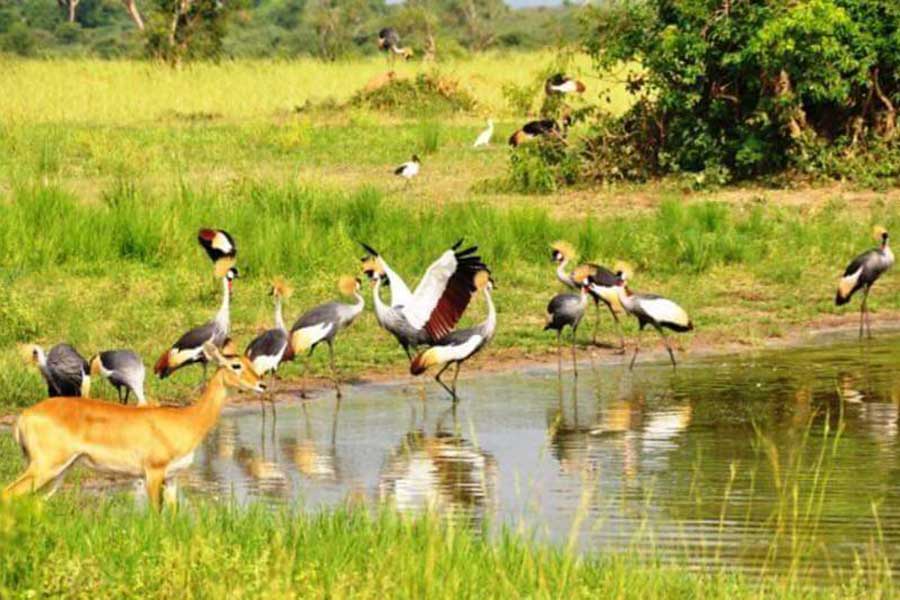
Uganda boasts incredible birding with over 1,000 species, featuring top spots like Mabamba Swamp (for Shoebill), Bwindi Impenetrable Forest, Semuliki National Park, Murchison Falls NP, Queen Elizabeth NP, and Kibale NP & Bigodi Wetland, plus special areas like Ziwa Rhino Sanctuary, Budongo Forest, Lake Mburo NP, and Rwenzori Mountains NP, offering a mix of Albertine Rift endemics, forest birds, water birds, and savannah species, perfect for diverse birding safaris.
25-days-complete-uganda-birding-safari-extravaganza-with-wildlife-viewing
21-days-uganda-birding-safari-extravaganza-to-best-uganda-safari-parks
20-days-uganda-birding-safari-wildlife-gorilla-and-chimpanzee-tracking
20-days-uganda-birding-safari-to-uganda-national-park
10-days-best-uganda-birding-safari-and-wildlife-experience
5-days-uganda-bird-watching-safari-lake-victoria-shores-and-lake-mburo
1-day-perfect-mabamba-swamp-shoebill-stork-uganda-birding-safari
20 best Uganda birding safari locations to visit for bird watching
Here are 20 top birding locations and experiences in Uganda, each offering a unique perspective on the country’s vibrant avian life:
1. Bwindi Impenetrable National Park
Bwindi Impenetrable National Park is a premier birding destination famous for its high species richness, particularly Albertine Rift endemics. Home to over 350 bird species, including the stunning Rwenzori Turaco and various forest birds, Bwindi's lush rainforest provides a rich habitat. Guided birding walks allow enthusiasts to experience avian diversity up close, while the dense foliage presents challenges that heighten the adventure. Bird watchers can explore trails that lead to viewpoint spots, capturing images of birds like the African Green Broadbill and the Blue-headed Sunbird. Birding in this UNESCO World Heritage Site not only enriches your photographic portfolio but also supports conservation efforts vital for safeguarding Uganda’s unique biodiversity.
2. Semuliki National Park
Semuliki National Park, nestled in the western part of Uganda, boasts a unique ecosystem that attracts birders from afar. It is renowned for its Congo biome species, including the elusive Red-billed Dwarf Hornbill and Xavier's Greenbul. The forests provide a habitat for an impressive 400 bird species, with opportunities to spot parrots, hornbills, and other tropical birds. Birdwatching tours can take you through the park’s lush rainforest and along the Semuliki River, perfect for capturing engaging shots of birdlife in action. Notably, the park is a significant location for highland and lowland species, making it a crucial area for biodiversity in Uganda.
3. Murchison Falls National Park
Murchison Falls National Park offers birders a mixed habitat of savannah, woodland, and riverine environments, making it one of Uganda’s most biologically diverse parks. Notable species include the majestic Shoebill, which can be seen on boat cruises along the Victoria Nile. The park also supports significant populations of Abyssinian Ground Hornbill and various water birds. Birdwatching alongside these stunning landscapes provides photographers with excellent opportunities to capture dynamic images of wildlife. The dramatic backdrop of Murchison Falls adds to the allure, especially during the golden hours of sunrise and sunset. Birding enthusiasts can benefit from guided tours that highlight the diverse avian life present throughout the park, ensuring no opportunity is missed.
4. Queen Elizabeth National Park
Queen Elizabeth National Park features diverse habitats, making it an exceptional location for birding. Covering wetlands, savannahs, and the iconic crater lakes, the park is home to approximately 600 bird species, including the Martial Eagle and various waterfowl. The Kazinga Channel, in particular, is a hotspot for both birds and mammals, presenting unique opportunities to capture vibrant images of birds like the African Jacana and Great Blue Turaco. The differing ecosystems within the park, such as the Ishasha region famous for its tree-climbing lions, also offer photographers chances to document both avian and terrestrial wildlife in stunning, contrasting settings. Exploring Queen Elizabeth's avian delights makes it a must-visit site for any birding enthusiast.
5. Kibale National Park
Kibale National Park is a haven for birdwatchers due to its deep tropical forests, home to over 350 bird species. It boasts highlights such as the Papyrus Canary and Yellow-billed Barbet, among many others. The diverse habitats, including swamp forests and open grasslands, offer a range of birding experiences. Guided walks through Kibale allow birders to spot unique species like the Great Blue Turaco and various sunbirds, with expert guides providing insight into both bird behavior and ecosystem interactions. The proximity to other wildlife, including chimpanzees, adds allure, enhancing photographic opportunities. Birdwatchers will appreciate the lush, scenic surroundings, creating a fulfilling and memorable experience with nature.
6. Rwenzori Mountains National Park
Rwenzori Mountains National Park is a breathtaking destination for bird enthusiasts, known for its montane avian species. The park harbors unique Albertine Rift endemics such as the striking Rwenzori Turaco and the Bearded Vulture. Situated at varying altitudes, the diverse habitats allow birders to explore many environments, from lush forests to high-altitude moorlands. Hiking through the stunning landscapes offers not just birds but also incredible panoramic views for photography. The vibrant flora, which includes giant lobelias and groundsel, complements the avian diversity, making this park an ultimate fusion of botany and ornithology. Birdwatchers can enjoy guided hikes focusing on specific birds, ensuring comprehensive experiences.
7. Lake Mburo National Park
Lake Mburo National Park is a gem for birding, characterized by its mix of wetland and woodland habitats. Around 350 bird species thrive here, including the Red-faced Barbet and Green Wood-hoopoe. The park is particularly famous for its lakes, which attract various waterfowl, making it a popular stop for birdwatchers. Guided boat rides on Lake Mburo provide opportunities to see aquatic birds in their natural setting, while walking safaris through the park allow for closer encounters with terrestrial species. The park’s accessible network of trails ensures birders can easily navigate and discover different ecosystems, further enhancing the birdwatching experience in this serene landscape.
8. Budongo Forest
Budongo Forest, part of the larger Murchison Falls National Park, is notable for its rich avian diversity. The Royal Mile within the forest is particularly famous for birdwatching, hosting species like the Chocolate-backed Kingfisher and various types of flycatchers. The combination of tall trees, dense understory, and a plethora of flowering plants create a haven for countless birds. Guided walks through this lush tropical rainforest not only provide opportunities to observe a variety of birds but also the chance to spot monkeys and other wildlife. The ambient sounds and vibrant colors of the forest setting provide an immersive experience for photographers and birding enthusiasts alike.
9. Kidepo Valley National Park
Kidepo Valley National Park is located in the remote northeastern region of Uganda and offers birders a chance to see unique Arid savannah species. It serves as a habitat for birds such as the Karamoja Apalis, found near the Panu Reserve. The park's spectacular scenery, combined with its vast grasslands and rugged landscapes, creates a different birding experience compared to other national parks in Uganda. With fewer tourists, birdwatchers can enjoy the serene environment and capture stunning photographs of both the landscapes and wildlife. Guided tours provide insights into the avian diversity and seasonal migrations, ensuring fruitful birding encounters in this less-explored corner of Uganda.
10. Mgahinga Gorilla National Park
Mgahinga Gorilla National Park is not only known for its mountain gorillas but also for its rich avian diversity. Birders can find numerous Albertine Rift endemics in the lush montane forests, including the splendid Rwenzori Hill Babbler and various sunbirds. The park's varying elevations offer habitats for a broad range of species, making it a unique location for photography in both forest and wildlife contexts. Guided birding tours enhance the experience, offering insights into the behavior and ecology of the birds found here. The breathtaking settings surrounded by volcanic mountains provide excellent opportunities to capture stunning photos, merging Uganda's beauty with its avian wonders.
11. Mabamba Swamp
Mabamba Swamp, located near Entebbe, is famous for being one of the finest spots to observe the elusive Shoebill Stork. This wetlands area is a designated Ramsar site, attracting birdwatchers and photographers eager to capture its avian diversity. Exploring the swamp via canoe allows for closer encounters with the Shoebill and various waterbirds, including herons, kingfishers, and myriad migratory species. The tranquil surroundings and diverse habitats also provide opportunities for landscape photography, making it ideal for capturing the natural beauty of Uganda’s wetlands. Guided tours ensure you don’t miss any key sightings while gaining insights into both bird behavior and the ecological importance of the swamp.
12. Bigodi Wetland Sanctuary
Adjacent to Kibale National Park, Bigodi Wetland Sanctuary offers a rich habitat for diverse birdlife. With over 200 bird species, including the striking Papyrus Canary and White-winged Warbler, it's a key location for bird enthusiasts. The serene pathways through the wetlands allow for easy exploration and fantastic photographic opportunities. Guided birdwatching tours impart valuable knowledge about species behaviors and local conservation efforts. The lush scenery and variety of habitats make Bigodi a perfect setting for capturing both bird and landscape imagery. Additionally, the sanctuary supports community-based ecotourism, making visits rewarding beyond the birding experience as you engage with local inhabitants and their conservation initiatives.
13. Lutembe Bay
Lutembe Bay is a spectacular birding hotspot located along the shores of Lake Victoria. It's a crucial stopover for migratory birds, making it a vibrant location for birdwatchers year-round. Home to a plethora of species, including various shorebirds and waterfowl, Lutembe offers an excellent blend of aquatic scenery and avian diversity. The bay’s calm waters create tranquil settings that are perfect for capturing stunning photographs of birds in their natural habitat. Birdwatching can be particularly rewarding during migration seasons when a variety of species converge. The views of Lake Victoria add an aesthetic appeal, making Lutembe Bay a must-visit for any birding enthusiast.
14. Makanaga Swamp
Makanaga Swamp is another prime location for spotting the elusive Shoebill Stork, offering excellent birding opportunities in a serene and picturesque setting. This wetland area is rich with diverse ecosystems that attract a variety of waterbirds and migratory species. Birdwatchers can explore the swamp through guided boat tours, providing intimate encounters with the Shoebill and other avian life. The calm waters and surrounding vegetation create stunning photographic opportunities, particularly during the early morning light. The peaceful atmosphere enhances the overall experience, allowing visitors to immerse themselves in nature while capturing beautiful images of Uganda's rich bird diversity.
15. Ziwa Rhino Sanctuary
Ziwa Rhino Sanctuary not only aims to protect the Northern White Rhino but also serves as a fantastic site for birdwatching. The sanctuary includes the Lugogo Swamp area, which provides a habitat for the elusive Shoebill as well as numerous other bird species. Guided nature walks through the sanctuary give visitors the unique opportunity to see both rhinos and a variety of birds in a natural setting. Birders can spot species like the Lesser Jacana and various raptors while enjoying the scenic views of the sanctuary. The coexistence of wildlife protection and birding makes Ziwa a worthwhile destination for enthusiasts seeking diverse experiences.
16. Mabira Forest
Mabira Forest is an accessible birding destination located near Kampala, known for its rich avian diversity. The forest is home to over 300 bird species, offering enthusiasts the chance to observe and photograph birds such as the Brown-cheeked Hornbill and the Blue-shouldered Robin-Chat. With well-maintained trails, Mabira provides guided tours, allowing birders to explore its lush greenery and learn about the diverse ecosystems. The tranquil ambiance, coupled with the vibrant sounds of chirping birds, immerses visitors in nature. The forest also hosts a variety of primate species, adding to the overall wildlife experience. Its proximity to Kampala makes it a convenient stop for quick birding adventures.
17. Mpanga Forest
Mpanga Forest offers a serene setting for birdwatching, characterized by its rich biodiversity and accessible trails. Located just a short drive from Kampala, it’s an ideal spot for shorter excursions. The forest is home to various bird species, including the Olive-bellied Greenbul and the Yellow-mantled Widowbird, making it a rewarding experience for bird enthusiasts. Guided nature walks provide insight into the local flora and fauna while ensuring bird sightings are maximized. The lush environment and peaceful ambiance create fantastic photography opportunities, allowing visitors to connect with Uganda’s vibrant birdlife without venturing far from the capital city.
18. Echuya Forest Reserve
Echuya Forest Reserve is a montane forest and Ramsar site, known for its unique birding opportunities and rare avian species. The forest is home to various endemic birds, including the handsome Rwenzori Batis and the Blue-headed Sunbird. The rich foliage and diverse habitats create an excellent environment for birdwatching, attracting both locals and migratory birds. Exploring Echuya offers breathtaking views, particularly as you traverse its winding paths, capturing both bird life and the stunning montane scenery. Guided tours allow visitors to discover the forest’s hidden gems, connecting them with local conservation efforts while enjoying the rich biodiversity present in this remarkable reserve.
19. Pian-Upe Wildlife Reserve
Pian-Upe Wildlife Reserve in eastern Uganda is an often-overlooked birdwatching destination characterized by its dry-country wildlife. The reserve harbors species that thrive in arid environments, offering unique birding experiences not found in other areas of Uganda. Notable birds include the Eastern Jackdaw and various raptors. The diverse habitats include grasslands, scrub, and woodland, providing multiple environments for birdwatchers to explore. Guided tours enhance this experience, as knowledgeable guides can help find and identify species specific to this area. Pian-Upe’s remote location adds to the adventure, ensuring bird enthusiasts enjoy a less commercialized experience with incredible photographic opportunities.
20. Entebbe Botanical Gardens
Entebbe Botanical Gardens is a beautiful and easily accessible birding destination near Lake Victoria. The gardens are home to a wide variety of birds, including the Great Blue Turaco and Red-cheeked Cordon-bleu, amidst beautifully landscaped grounds. The combination of manicured gardens and natural vegetation provides various habitats, attracting birds year-round. The location is perfect for leisurely walks, allowing for both birdwatching and enjoying the stunning flora. Photographers will find ample opportunities to capture vibrant images of both birds and plants. The botanical gardens also serve as an educational center, providing insights into the importance of conserving Uganda’s rich biodiversity while being accessible to all visitors.
What to Pack for Uganda Birding Safari
When preparing for a birding safari in Uganda, packing smartly is essential for a rewarding experience. Start with appropriate clothing: lightweight, breathable layers are recommended due to varying temperatures. Neutral colors like khaki or green help you blend into the environment without disturbing wildlife. Don’t forget a wide-brimmed hat and sunglasses for sun protection. Binoculars are a must-have for spotting distant birds, along with a reliable field guidebook specific to East African birds. A good camera with a zoom lens enhances your ability to capture stunning photographs of the avian life. Also, pack essential items like insect repellent, sunscreen, a reusable water bottle, and a small daypack for hikes. Sturdy walking shoes are crucial for navigating varied terrains, while quick-dry travel towels can be useful. Additionally, carrying some snacks will keep your energy up during long birding sessions. A waterproof bag or case for electronics ensures protection against Uganda's unpredictable weather.
When is the Best Time for Uganda Birding Safari
The best time for a birding safari in Uganda is during the dry seasons, which typically occur from December to February and June to August. During these months, the weather is generally more stable, making birdwatching easier as birds are more active and visible. Migratory birds are prevalent during this time, providing excellent opportunities for spotting species that may not be present during the rainy seasons. The dry conditions also result in less dense vegetation, allowing for clearer views of birds in their habitats. While the wet seasons (March to May and September to November) can bring challenges with muddy trails, they also offer unique photography opportunities with lush landscapes and vibrant bird activity. Ultimately, both dry and wet seasons can be rewarding; you may simply need to adapt your birding strategies based on the prevailing weather.
Where to Stay on Uganda Birding Safari
Selecting the right accommodations during your Uganda birding safari is crucial for maximizing your experience. There are various options ranging from luxury lodges to budget-friendly hotels and camps. In major birding spots like Bwindi Impenetrable National Park and Queen Elizabeth National Park, consider staying at lodges like Mahogany Springs or Mweya Safari Lodge, which offer easy access to birding hotspots and comfortable amenities. For more intimate experiences, options like the Bigodi Wetland Sanctuary provide eco-friendly accommodations close to prime birding sites. Many lodges have knowledgeable guides who can assist during birding excursions, ensuring you maximize your opportunities to spot rare species. Locations near wetlands and forests not only enhance your chances of seeing diverse birdlife but also allow for beautiful settings to unwind after birding adventures. Choose accommodations that fit your budget and comfort level while providing convenience for early morning birdwatching trips.
Booking Uganda Birding Safari with Us: Roads of Adventure Safaris
Booking your Uganda birding safari with Roads of Adventure Safaris ensures you a memorable and enriching experience tailored to your interests. We specialize in creating customized itineraries that focus on your specific birdwatching goals, from perfecting your photography skills to spotting rare and endemic species. Our expert guides are passionate about birding and are well-versed in local bird behaviors, helping you identify species and navigate various habitats. We ensure visits to prime birding locations like Bwindi, Semuliki, and Queen Elizabeth National Parks, with detailed planning to optimize your birdwatching experience throughout your journey. Our partnerships with high-quality lodges ensure that you return to comfort after a day in the field, enhancing your overall safari experience. By offering personalized attention, thorough logistics, and local insights, Roads of Adventure Safaris guarantees a remarkable birding safari in Uganda that caters to both novice and experienced birders
