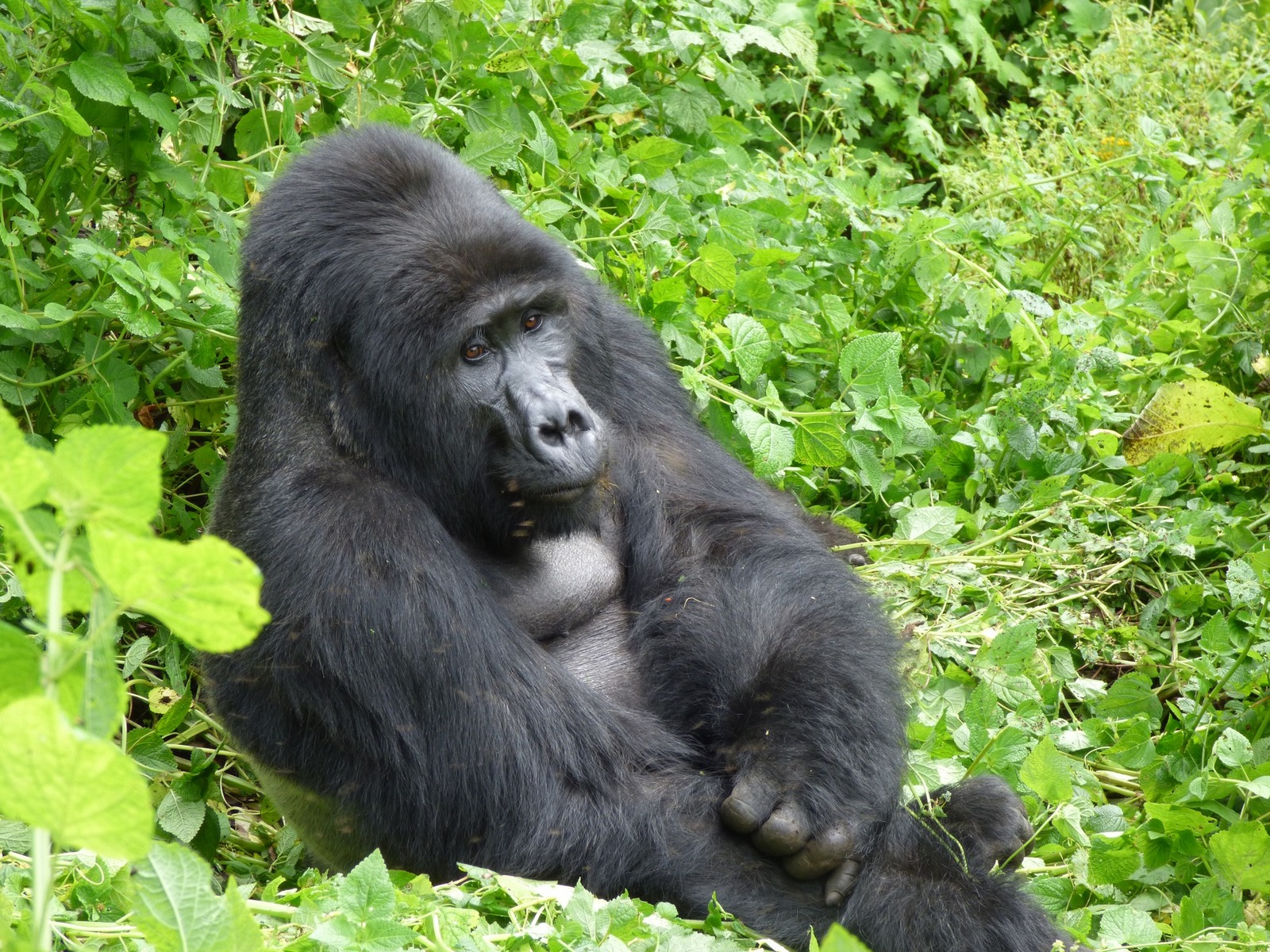
2 Days Gorilla trekking in Bwindi Uganda via Gatuna border from Kigali Rwanda side is the ultimate shortcut to experiencing endangered mountain gorillas. Instead of a strenuous nine-hour drive from Entebbe, this efficient itinerary connects you from Kigali to Bwindi Impenetrable National Park in roughly four hours. Your journey begins in Rwanda's vibrant capital, where you can explore the Kigali Genocide Memorial before crossing the Katuna border into southwestern Uganda. Home to over half of the world's mountain gorillas, Bwindi offers a magical setting in ancient, misty rainforests. You will be immersed in the lush Kigezi highlands, often called the Switzerland of Africa. This highly sought-after package perfectly accommodates travelers with limited time, offering unparalleled access to these gentle giants without sacrificing luxury or comfort.
Tour highlights for 2 Days Gorilla trekking in Bwindi
Kigali city pickup
Scenic country drive
Katuna border crossing
Bwindi forest arrival
Expert ranger briefing
Gorilla jungle trek
Magical one hour
Return to Kigali
Day by day 2 Days Gorilla trekking in Bwindi
Day 1: Scenic Drive from Kigali and Katuna Border Crossing to Bwindi
Day one of your 2 Days Gorilla trekking in Bwindi Uganda via Gatuna border from Kigali Rwanda side begins with a morning pickup in Kigali by your driver-guide. After a brief city tour, you will embark on a scenic three-to-four-hour drive toward the Katuna border. Passing through Rwanda’s picturesque, terraced rolling hills, you will complete your border crossing formalities and cross into southwestern Uganda. The final leg winds through the stunning Kigezi highlands toward Bwindi Impenetrable National Park. You will arrive at your selected safari lodge in the afternoon, allowing you to relax, unpack, and acclimatize to the lush forest environment. Enjoy a hearty dinner and a restful night's sleep to prepare for the once-in-a-lifetime encounter the following morning.
Day 2: Mountain Gorilla Trekking and Return Transfer to Kigali
Day two is the highlight of your 2 Days Gorilla trekking in Bwindi Uganda via Gatuna border from Kigali Rwanda side. Wake up before dawn for an early breakfast, grab your packed lunch, and head to the park headquarters for a mandatory briefing. Park rangers assign you to a specific habituated gorilla family based on your trekking ability. The trek into the thick, mist-covered jungle takes anywhere from one to six hours, depending on the gorillas' movements. Once you locate the family, you are granted exactly one magical hour to observe and photograph the magnificent silverbacks, juveniles, and infants in their natural habitat. Afterward, hike back to the headquarters to receive your tracking certificate, and then meet your driver for the smooth border crossing and return drive to Kigali International Airport or your hotel
1. Why choose a 2-day Bwindi gorilla trek via Kigali instead of Entebbe?
Choosing this specific route saves you considerable time and physical exhaustion. A traditional gorilla safari starting from Entebbe International Airport in Uganda requires an intense eight to ten-hour drive to reach Bwindi Impenetrable National Park. This long journey consumes two full days of your itinerary just for transit, leaving you tired before the hike even begins. Conversely, starting your journey from Kigali International Airport in Rwanda reduces your one-way driving time to roughly four hours.
By launching your trip from the Rwanda side, you can land in Kigali, quickly clear customs, and reach your Ugandan safari lodge by late afternoon on the very same day. This makes the 2 Days Gorilla trekking in Bwindi Uganda via Gatuna border from Kigali Rwanda side an incredibly efficient itinerary for business travelers, weekend visitors, or anyone with limited vacation days. You get to enjoy the same magical encounter with the mountain gorillas without losing precious hours to bumpy roads. Furthermore, flying into Kigali is highly reliable, with numerous international airlines operating daily flights into the capital.
Ultimately, this cross-border route offers the perfect logistical shortcut. It combines the short transit times characteristic of a Rwandan safari with the much more affordable permit prices found in Uganda. You spend less time sitting inside a safari vehicle and more time enjoying the beautiful scenery of East Africa. It is a highly practical choice that optimizes your budget, comfort, and schedule, giving you a smooth, stress-free path to a bucket-list wildlife encounter.
2. What are the passport and visa requirements for this cross-border safari?
Successfully completing this itinerary requires proper documentation for both Rwanda and Uganda. Since your trip begins in Kigali and crosses into southwestern Uganda, the most cost-effective and seamless document to obtain is the East African Tourist Visa (EATV). This single joint visa costs $100 USD, remains valid for up to 90 days, and allows multiple entries between Rwanda, Uganda, and Kenya.
Per the strict immigration protocols, you must apply for this visa through the official portal of the country that serves as your first point of entry. Because your flight lands at Kigali International Airport, you must submit your application online through the official Rwanda Irembo Portal. Your passport must possess a minimum validity of six months from your date of entry and contain at least two blank pages for border stamps. Alongside your visa, you must present a valid Yellow Fever vaccination certificate, which is a mandatory entry requirement at the Gatuna border for both nations.
If your nationality qualifies you for a free visa on arrival in Rwanda, you can instead purchase a single-entry Uganda tourist visa online for $50 USD before your trip. However, you will also need to ensure you can re-enter Rwanda smoothly on day two. Carrying printed copies of your visa approvals, passport bio-data page, and safari itinerary will prevent unexpected delays at immigration. Ensuring these legal requirements are settled well in advance allows you to experience a swift, hassle-free border crossing at Katuna, keeping your tight two-day schedule perfectly on track.
3. How long is the drive and what is the road condition from Kigali to Bwindi via Gatuna?
The journey from Kigali to Bwindi Impenetrable National Park spans a driving time of approximately four to five hours, covering roughly 180 kilometers depending on the specific sector of the park you are visiting. The initial leg of the trip takes you out of the organized streets of Kigali and onto well-paved, smooth asphalt roads that wind through Rwanda's northern countryside. This portion offers an exceptionally comfortable ride with beautiful views of terraced farms.
Upon arriving at the Gatuna border (known as Katuna on the Ugandan side), you will disembark for customs processing. After clearing the border checkpoints, the Ugandan side introduces you to the rugged beauty of the Kigezi highlands. The roads here are a mix of winding tarmac highways and unpaved, dirt mountain roads that lead directly into the rainforest. These earth roads can become muddy, slippery, and challenging to navigate, particularly during the rainy seasons.
Because of the steep, mountainous terrain and unpredictable dirt roads near the park, executing this trip requires a sturdy 4x4 safari vehicle. A standard sedan or two-wheel-drive car is highly susceptible to getting stuck or damaged by the rough terrain. Professional safari guides are highly skilled at managing these sharp, misty bends safely. While the road conditions require patience and a robust vehicle, the drive is visually stunning, offering panoramic views of deep valleys, mist-covered peaks, and local trading centers that make the travel time fly by.
4. What happens at the Gatuna/Katuna border post during the crossing?
The border crossing at Gatuna is a well-organized but highly regulated international transit point connecting Rwanda and Uganda. When your safari vehicle arrives at the Rwandan side of the post, your driver-guide will park the vehicle and direct you to the immigration hall. Here, you will present your passport to the officials to obtain an exit stamp from Rwanda.
Once cleared, you will walk or drive across the neutral ground to the Katuna immigration office on the Ugandan side. At this desk, health officials will verify your mandatory Yellow Fever vaccination certificate. Next, immigration officers will inspect your passport and scan your biometric data to process your entry into Uganda using your East African Tourist Visa or single-entry visa. Simultaneously, your driver-guide handles the mandatory customs clearances for the safari vehicle, ensuring all transport licenses are valid for interstate travel.
The entire border clearance process typically takes between 30 and 45 minutes, though it can take longer during peak travel hours or holidays. To ensure a quick transition, always keep your travel documents organized and easily accessible. Avoid taking photographs or videos within the border control zones, as this is strictly prohibited by security personnel. A knowledgeable tour operator manages these logistics seamlessly, guiding you through each desk so you can re-board your vehicle promptly and continue your journey toward Bwindi without stressful delays.
5. How much does a Uganda gorilla permit cost and how do I book it?
A standard gorilla trekking permit in Uganda costs $800 USD per person for foreign non-residents. For foreign residents living in East Africa, the price is $700 USD, while East African Community citizens pay 300,000 UGX. This cost remains significantly more affordable than Rwanda's permit price of $1,500 USD, making the Ugandan trek a highly attractive option for budget-conscious travelers.
The Uganda Wildlife Authority (UWA) regulates and issues these permits strictly. Because Bwindi allows only eight visitors per habituated gorilla group each day, permits are highly competitive and sell out months in advance. The most secure and efficient way to book your permit is through a registered member of the Association of Uganda Tour Operators (AUTO). When you book a comprehensive 2 Days Gorilla trekking in Bwindi Uganda via Gatuna border from Kigali Rwanda side package, your tour operator secures the permit on your behalf and builds it directly into the total safari price.
When booking, you must provide a scanned copy of your passport bio-data page to verify your age and identity, as the minimum trekking age is 15 years. Once payment is confirmed, UWA issues a plastic permit card detailing your tracking date and park sector. It is important to note that these permits are non-refundable and tied to a specific date. Securing your permit at least three to six months before your travel date guarantees your spot in the jungle and determines which lodge your operator books for your overnight stay.
6. Which sector of Bwindi is best suited for this 2-day safari itinerary?
Bwindi Impenetrable National Park is divided into four distinct tracking sectors: Buhoma, Ruhija, Rushaga, and Nkuringo. Each sector features its own independent park headquarters and habituated gorilla families. For a short two-day itinerary coming from the Kigali side, the southern sectors of Rushaga and Nkuringo are logistically the most appropriate choices.
The Rushaga and Nkuringo sectors sit geographically closest to the Katuna border post. Driving to these southern sectors from the border takes roughly two hours, allowing you to maximize your relaxation time at the lodge on day one. Selecting these sectors prevents you from having to undertake an arduous, multi-hour drive around the entire perimeter of the forest to reach the northern Buhoma sector, which is better accessed from Entebbe. Ruhija is also a viable option via Katuna, but it involves navigating narrower dirt roads across the highlands.
When your tour operator purchases your permit, the specific sector is printed directly on it. This assignment is critical because your lodging must be booked in the exact same sector as your permit. Driving between sectors in the dark early hours of the morning is dangerous due to heavy mountain mists and rough roads. Booking your permit and accommodation in Rushaga or Nkuringo guarantees a short, five-minute drive to the briefing point on day two, ensuring you start your morning trek well-rested and on time.
7. What is the physical difficulty of gorilla trekking in Bwindi?
Gorilla trekking in Bwindi is a physically demanding activity that requires a moderate to high level of basic fitness. The park's terrain consists of steep, muddy ridges, deep valleys, and thick undergrowth without cleared walking paths. The altitude ranges from 1,160 to 2,607 meters above sea level, meaning the thinner mountain air can make hiking feel noticeably more exhausting.
The duration of the trek is highly unpredictable, lasting anywhere from one to six hours depending entirely on where the gorillas nested the previous night. You will hike through dense vegetation, step over tangled roots, and cross small streams. The ground is often wet and slippery, even during the dry season, due to the park's tropical rainforest climate. To assist with the terrain, the park provides a free wooden walking stick at the briefing station, which provides invaluable stability on steep, muddy declines.
If you have mobility challenges or physical limitations, you can hire a local porter at the park headquarters for roughly $20 USD. Porters carry your heavy backpack and provide a steady hand to pull or push you up challenging slopes. For travelers with severe physical disabilities, a specialized African helicopter stretcher ("sedan chair") can be hired, where a team of porters carries you through the jungle. Communicating your fitness level to your ranger guide during the morning briefing allows them to assign you to a closer gorilla family, ensuring a safe and manageable hike.
8. What does the day-two morning briefing involve?
The morning briefing is a mandatory initial step that begins promptly at 7:30 AM at the designated Bwindi park headquarters. After an early breakfast at your lodge, your driver drops you off at the station, where you must present your passport and original gorilla permit for verification. Once checked in, all trekkers assemble in a central courtyard for an orientation led by senior park rangers.
During this briefing, rangers share details about the history of Bwindi, conservation efforts, and the specific behavior of mountain gorillas. They explicitly outline the safety rules and environmental regulations required to protect both humans and wildlife. These include maintaining a strict seven-meter distance from the primates, keeping your voice low, turning off your camera's flash, and packing out all trash. These rules are vital, as gorillas share 98% of human DNA and are highly susceptible to catching human respiratory illnesses.
Following the general orientation, trackers are divided into small, intimate groups of maximum eight people per habituated gorilla family. The lead ranger assesses the age, physical fitness, and preferences of the trekkers in each group before making final family assignments. You will meet the specific armed park rangers and guides who will lead you into the forest. This briefing session provides an excellent opportunity to ask questions, hire a porter, adjust your gear, and mentally prepare for the jungle trek ahead.
9. What should I pack for a 2-day Bwindi gorilla safari?
Packing correctly is essential to protect yourself from biting insects, thorny bushes, and sudden tropical downpours in Bwindi forest. Sturdy, waterproof hiking boots with deep treading are the most important item, providing traction on muddy slopes and preventing painful blisters. You should pair these with thick, long hiking socks that you can tuck your trousers into to prevent safari ants from crawling up your legs.
Clothing should be lightweight, quick-drying, and neutral in color (such as green, khaki, or tan). Avoid bright colors or camouflage patterns, which are reserved for the military. Wear a long-sleeved shirt and tough long trousers to safeguard your skin against stinging nettles and sharp branches. A lightweight, breathable rain jacket must be packed in your daypack, as tropical storms can develop rapidly over the rainforest at any time of year.
Additionally, bring a pair of durable leather gardening gloves to protect your hands when grabbing branches or slipping on wet mud. A lightweight backpack is necessary to carry your camera gear, extra batteries, insect repellent, sunscreen, and the packed lunch provided by your lodge. Do not forget to bring a reusable water bottle filled with at least two liters of drinking water to stay hydrated during the strenuous mountain hike.
Equipment Item
Recommended Type / Specification
Primary Purpose
Footwear
Waterproof hiking boots with ankle support
Prevents slipping and ankle injuries on wet clay ridges
Outerwear
Lightweight, breathable rain jacket
Protects against sudden heavy tropical downpours
Clothing
Long-sleeved shirts & thick trousers
Guards skin against stinging nettles and insect bites
Hand Protection
Heavy-duty leather gardening gloves
Allows you to grip thorny vegetation safely while climbing
Hydration
Reusable bottles (minimum 2 liters)
Prevents dehydration during strenuous mountain trekking
10. What are the rules and guidelines when interacting with gorillas?
Once your tracking group locates the mountain gorilla family, your ranger guide will instruct you to leave your walking sticks and heavy backpacks a few meters away. You are permitted exactly one hour to stand in the presence of these gentle giants, an enforced limit designed to minimize stress on the wild family. You must maintain a strict seven-meter distance from the gorillas at all times to prevent the transmission of human diseases.
During the encounter, you must keep your voice at a whisper and avoid making sudden, erratic movements that a silverback could perceive as a threat. If a gorilla approaches you or moves into your personal space, do not run away. Instead, follow your ranger's instructions precisely: crouch down slowly, lower your head, look away, and allow the animal to pass safely. Eating, drinking, or smoking in the vicinity of the primates is strictly prohibited, as dropped crumbs can introduce dangerous bacteria into their pristine habitat.
When taking photographs, ensure your camera's flash is completely disabled. Flash photography is strictly forbidden because sudden bright flashes can startle or blind the gorillas, potentially triggering an aggressive, defensive charge from the dominant silverback. If you feel the urge to cough or sneeze, turn your face away completely and cover your mouth with your elbow to prevent airborne pathogens from spreading to these endangered animals.
11. What accommodation options are available in southern Bwindi?
The southern sectors of Bwindi (Rushaga and Nkuringo) offer a diverse range of accommodations tailored to different budgets and travel preferences. For luxury seekers, high-end eco-lodges provide world-class hospitality, gourmet meals, and private chalets featuring fireplaces to keep you warm during the chilly mountain nights. These premium properties are carefully positioned on ridge tops, offering spectacular, panoramic views of the misty forest canopy.
Mid-range options provide comfortable, self-contained cottages or permanent safari tents equipped with hot showers, flush toilets, and reliable solar electricity. These lodges strike an excellent balance between cost and comfort, offering delicious multi-course dinners and a cozy lounge atmosphere where you can share stories with fellow travelers. For budget-conscious tourists, there are clean, basic guesthouses and eco-camps that offer simple rooms or shared campsites with clean facilities and local meals.
Because this 2 Days Gorilla trekking in Bwindi Uganda via Gatuna border from Kigali Rwanda side itinerary requires an incredibly early start on day two, your accommodation must be located within the exact sector where your tracking permit is registered. When booking your safari, your tour operator secures the permit first and then selects a matching lodge within a 10-to-15-minute drive of that specific sector headquarters. This prevents stressful, pre-dawn transit delays on the morning of your trek.
12. When is the best time of year to undertake this 2-day safari?
While gorilla trekking can be done year-round, the best time to undertake this safari is during the dry seasons, which run from June to August and from December to February. During these months, rainfall is significantly less frequent, meaning the forest trails are drier, less slippery, and easier to hike. The vegetation is also less dense, which improves visibility for photography and makes it easier to spot the gorillas through the foliage.
The rainy seasons occur from March to May and from September to November. Trekking during these wet months is more challenging because trails become muddy, slick, and physically demanding. However, the wet season offers distinct advantages. The Uganda Wildlife Authority frequently reintroduces discounted low-season permits during April, May, and November, lowering the price to $600 USD for foreign non-residents and providing an excellent opportunity for budget-conscious travelers to save money.
Additionally, the rainy season means plenty of food is available for the gorillas at lower altitudes, which often shortens your trekking time as the animals do not need to roam high up the mountainsides. Lodges are also less crowded during these months, allowing you to enjoy a more private, peaceful safari experience. No matter which month you select, Bwindi remains a tropical rainforest, meaning sudden downpours can occur at any time, making a rain jacket an essential item year-round.
13. Is it safe to travel through the Gatuna border and trek in Bwindi?
Yes, traveling from Kigali to Bwindi via the Gatuna border is exceptionally safe, and the route is highly secure for international tourists. The border crossing at Gatuna/Katuna is a heavily monitored, peaceful gateway operated professionally by both the Rwandan and Ugandan governments. Security personnel are highly visible on both sides, ensuring a calm, law-abiding environment for commerce and tourism alike.
Bwindi Impenetrable National Park itself is heavily protected to ensure the absolute safety of both the mountain gorillas and the visitors. Every single trekking group is accompanied into the jungle by a team of highly trained, armed park rangers and wildlife guards. These rangers are equipped to handle any security issues and protect you from potential encounters with aggressive wild animals, such as forest elephants, by firing precautionary shots into the air if necessary.
The local community surrounding Bwindi is highly welcoming and protective of tourists. Tourism is a primary source of income for the region, and a portion of your permit fee goes directly toward funding local schools, clinics, and infrastructure projects. This creates a strong bond of mutual respect between residents and visitors. Following your guide's instructions, staying with your group, and respecting local border protocols guarantees a completely secure, rewarding experience throughout your two-day journey.
14. What are the age limits and health restrictions for gorilla trekking?
To participate in a gorilla trek in Uganda, all individuals must be a minimum of 15 years old. This strict age limit is set by the Uganda Wildlife Authority for safety and conservation reasons. Children under 15 may not possess the stamina required for a long hike or could become frightened and run if a silverback beats its chest, which can trigger a dangerous defensive response from the gorilla.
Health restrictions are also strictly enforced because mountain gorillas share a high percentage of human DNA, making them highly vulnerable to human infectious diseases. If you are suffering from a contagious illness—such as a cold, flu, cough, or stomach bug—you will not be allowed to enter the forest. Park rangers conduct health assessments during the morning briefing and reserve the right to disqualify any trekker showing visible symptoms of sickness to protect the primates.
If you are declared unfit to trek due to illness, the park authorities will review your case for a partial permit refund or rescheduling, provided it is validated by a official medical officer. This strict conservation policy ensures that the fragile, recovering population of mountain gorillas remains safe from devastating human outbreaks. Ensuring you are healthy, well-rested, and meet the age requirement is crucial before booking this fast-paced cross-border safari.
15. How can I extend this 2-day itinerary if I have extra time?
If your schedule opens up, extending this 2-day itinerary allows you to explore several incredible attractions located just outside Bwindi. The most popular addition is a visit to Lake Bunyonyi, a breathtakingly beautiful lake located near Kabale town along your return route to Kigali. Known for its 29 terraced islands and calm, bilharzia-free waters, Bunyonyi is the perfect place to relax with a dugout canoe ride or a sunset boat cruise after a grueling hike.
Alternatively, you can add a third day to include a cultural encounter with the Batwa pygmy community living on the edges of Bwindi Forest. The Batwa were the original hunter-gatherer inhabitants of the ancient rainforest before it was designated a national park. A guided cultural walk allows you to learn about their traditional forest survival skills, medicine gathering, and ancient dances, providing a deeply meaningful human connection to your wildlife safari.
If you wish to see more wildlife, you can extend your drive northward into the Ishasha sector of Queen Elizabeth National Park, famous for its rare tree-climbing lions. This extension adds top-tier savannah game drives to your primate trek. Alternatively, you can spend an extra day in Rwanda to take a guided tour of the historical Kigali Genocide Memorial or track golden monkeys in Volcanoes National Park. Discussing these flexible options with your tour operator allows you to easily customize your short cross-border journey into a comprehensive East African adventure.
Booking 2 days gorilla trekking with us Roads of Adventure safaris
Booking a 2-day gorilla trek with Roads of Adventure Safaris typically involves a 4x4 overland transfer via Kigali, Rwanda, to Bwindi Impenetrable National Park, Uganda, due to the short timeframe
