A Uganda wildlife safari offers unique encounters, with must-do activities including Gorilla Trekking in Bwindi/Mgahinga, Chimpanzee Trekking in Kibale, game drives for "Big Five" viewing (especially tree-climbing lions in Queen Elizabeth), boat cruises on the Kazinga Channel & Murchison Falls, visiting the Ziwa Rhino Sanctuary, hiking the Source of the Nile in Jinja, experiencing the unique Murchison Falls, and cultural tours for authentic interactions, alongside birding and exploring stunning landscapes like Lake Bunyonyi and Kidepo Valley.
2-days-best-gorilla-trekking-safari-tour-via-kigali-to-bwindi-impenetrable-forest-park
3-days-gorilla-trekking-safari-and-lake-bunyonyi-relaxation-itinerary
3-days-affordable-uganda-budget-gorilla-trekking-via-kigali
4-days-ultimate-gorilla-and-uganda-safari-and-chimpanzee-tracking
4-days-ultimate-gorilla-and-uganda-safari-and-chimpanzee-tracking
4-days-uganda-gorilla-safari-with-golden-monkey-tracking-from-rwanda
4-days-luxury-gorilla-trekking-safari-in-bwindi-fly-in-all-inclusive-tour
5-days-gorilla-and-uganda-safari-and-golden-monkey-trekking-tour-from-kigali
5-days-un-matched-uganda-gorilla-safari-and-chimpanzee-tour-itinerary
7-days-safari-to-uganda-queen-elizabeth-park-gorillas-trekking-and-lake-mburo
7-days-perfect-uganda-primate-safari-itinerary
7-days-uganda-tour-to-murchison-falls-via-ziwa-kibale-and-queen-elizabeth-national-park
7-day-ultimate-uganda-primate-safari-chimpanzees-and-game-drives
7-days-best-uganda-safari-tour-to-popular-safari-parks
7-days-perfect-road-trip-uganda-safari-tour
7-days-best-uganda-birding-safari-tour
7-day-uganda-safari-to-kidepo-valley-via-jinja-and-sipi-falls
7-days-murchison-falls-uganda-safari-trip-via-ziwa-rhinos-kidepo-valley-and-jinja
10-days-uganda-rwanda-primate-safari-vacation-and-game-drive-safari
10-days-best-uganda-big-five-safaris-and-primate-experience
10-days-best-uganda-birding-safari-and-wildlife-experience
10-days-best-of-uganda-and-rwanda-all-big-five-animal-and-gorilla-trekking
10-days-uganda-safari-all-big-five-gorilla-and-chimpanzee-tracking-adventure
10-days-budget-uganda-safari-holiday-vacation-tour-road-trip
List of 15 Must do things to do on a Uganda wildlife safari tour
Gorilla Trekking in Bwindi Impenetrable or Mgahinga Gorilla National Park
A compelling highlight of any Uganda wildlife safari is tracking mountain gorillas in their natural habitat. Uganda is home to over half of the world's mountain gorilla population, primarily found in the UNESCO World Heritage Site, Bwindi Impenetrable National Park. The day starts early with a briefing from expert park rangers, who guide small groups of up to eight tourists into the dense, misty forest to locate a specific habituated gorilla family. The trek can be challenging, requiring hiking through steep, muddy slopes at altitudes between 1,500 and 2,600 meters, so a reasonable fitness level is recommended. The duration of the trek varies from 30 minutes to several hours, depending on the location of the gorillas’ nests from the previous night. Upon locating the family, visitors are allowed one hour to observe these remarkable creatures up close. Watching a massive silverback strip bamboo, playful juveniles tumble, or an infant gaze curiously is profound. Photography is allowed without flash. This encounter with our closest relatives in an ancient African forest is a pinnacle of wildlife safaris.
Chimpanzee Tracking in Kibale Forest National Park
Kibale Forest National Park is renowned as the “Primate Capital of the World” and a must-visit on any Uganda wildlife safari focused on primates. The park is home to the highest concentration of primates in East Africa, with over 1,500 individual chimpanzees residing in its evergreen tropical rainforest. Chimpanzee tracking usually commences in the morning or afternoon from the Kanyanchu area, with a high likelihood of sightings due to the dense population and guided expertise. Accompanied by knowledgeable guides, travelers venture into the jungle not just for chimps, but also to spot species like red and black-and-white colobus monkeys. The day culminates in a captivating hour spent with a habituated chimpanzee community. Observing their social dynamics, feeding habits, and behavior in the forest canopy makes for a vibrant experience. The chimps' lively interactions provide excellent photo opportunities, adding excitement to any Uganda wildlife safari itinerary.
Rhino Tracking at Ziwa Rhino Sanctuary
To complete the "Big Five" list on your Uganda wildlife safari, a visit to Ziwa Rhino and Wildlife Ranch is essential. Located on the route to Murchison Falls National Park, this sanctuary hosts the only white rhinos in Uganda, previously hunted to extinction in the region. A unique aspect of this activity is the on-foot tracking. Guided by an experienced ranger, you walk through the bush to observe these magnificent animals up close. This ground-level perspective contrasts starkly with traditional game drives. The sanctuary also houses various bird species and smaller wildlife, creating a broader nature experience. This conservation effort showcases Uganda's successful rhino reintroduction, providing a meaningful addition to your wildlife safari adventure.
Boat Safari on the Kazinga Channel
A boat safari on the 32-kilometer Kazinga Channel in Queen Elizabeth National Park is one of the finest water-based activities you can undertake during a Uganda wildlife safari. The channel connects Lake George and Lake Edward, forming a biological hotspot famed for its high concentration of hippos. The two-hour afternoon boat cruise, when animals gather to drink and cool off, offers close-up wildlife views. You can witness hippos, Nile crocodiles, elephants, and buffaloes alongside an incredible array of over 600 bird species, such as fish eagles and pelicans. This relaxed cruise provides excellent photographic opportunities, allowing for a peaceful yet exciting way to observe diverse wildlife and riverine vegetation, making it essential to any Queen Elizabeth National Park adventure.
Searching for Tree-Climbing Lions in Ishasha
One of the most distinctive sightings on a Uganda wildlife safari is the tree-climbing lions in the remote Ishasha sector of Queen Elizabeth National Park. These unique lions have adapted to resting in the branches of large fig trees during the afternoons. Experts debate the reason, whether it's to escape the heat, avoid insects, or gain a vantage point for hunting. A dedicated game drive through Ishasha aims specifically to find these majestic lions lounging in the trees. The sight of a pride draped over branches is a rare spectacle not often found elsewhere in Africa. This natural phenomenon provides a memorable experience that highlights the uniqueness of a Uganda wildlife safari.
Game Drives in Murchison Falls National Park
As Uganda’s largest and one of its oldest conservation areas, Murchison Falls National Park delivers classic savanna game viewing experiences necessary for any comprehensive Uganda wildlife safari. Game drives typically explore the northern bank of the Nile River, which hosts the highest concentration of animals. The open plains offer excellent visibility for spotting a variety of wildlife. Visitors can expect to see four of the "Big Five"—elephants, buffaloes, lions, and leopards—along with many other species. You'll likely encounter Rothschild's giraffes, Uganda kobs, warthogs, and Jackson's hartebeest. Changing terrains, from grasslands to acacia woodlands, create a beautiful backdrop for wildlife viewing. Morning game drives are particularly fruitful as predators are more active during the cooler hours. A game drive in Murchison Falls National Park is a perfect complement to the park's renowned water activities.
Boat Trip to the Bottom of Murchison Falls
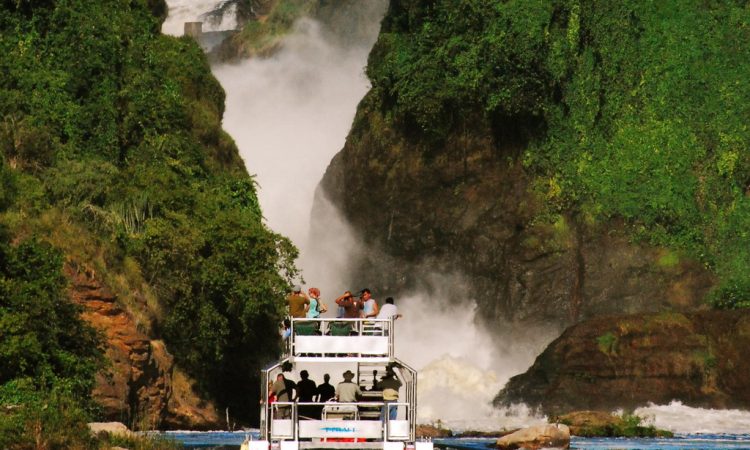
The challenge of reaching the bottom of Murchison Falls is a highlight of any Uganda wildlife safari, providing a unique view of the world's most powerful waterfall. The boat trip goes along the Nile River as it nears the dramatic bottleneck, where the water forces itself through a mere 7-meter-wide gorge. The riverbank is teeming with wildlife, offering chances to see Nile crocodiles, hippos, and numerous water birds, including the elusive shoebill stork. Along the shore, elephants and buffalo often gather, making for fantastic photographic opportunities from the boat. The journey culminates in witnessing the roaring falls up close, feeling the spray and hearing the immense power of the water. This experience, combining scenic beauty and impressive animal sightings, is a must-do during your Uganda wildlife safari.
Hiking to the Top of Murchison Falls
While the boat trip offers views from below, hiking to the top of Murchison Falls delivers a different perspective, making it an exhilarating addition to a Uganda wildlife safari. Typically done after the boat trip, the hike is led by a ranger along a designated trail that runs parallel to the falls. This trail takes you through lush vegetation, providing impressive viewpoints of the Nile's force. The striking climax occurs at the top, witnessing the powerful flow of the Nile River compressing into a narrow gorge before plunging down. The panoramic views of the falls and the surrounding area are extraordinary. This active excursion fosters a profound appreciation for the raw power of the Nile, integral to the Uganda wildlife safari journey.
Searching for the Shoebill Stork in Mabamba Swamp
For bird lovers and those seeking unique wildlife sightings, a visit to Mabamba Wetland Sanctuary should be a top priority during your Uganda wildlife safari. Located along Lake Victoria, this Ramsar site is one of the best spots in Uganda, and perhaps Africa, to sight the rare and prehistoric Shoebill Stork. This large bird, known for its shoe-shaped bill, is a remarkable find. The activity involves a serene canoe trip through the swamp's channels and dense papyrus reeds, guided by local experts familiar with the storks' favorite locations. The tranquil journey yields chances to spot many bird species. While patience is crucial, spotting the shoebill in its natural setting is a rewarding aspect of any Uganda wildlife safari, offering a contrasting and contemplative experience compared to more energetic activities.
Golden Monkey Tracking in Mgahinga Gorilla National Park
Mgahinga Gorilla National Park is an important stop on any Uganda wildlife safari. While it also has mountain gorillas, a unique drawing point is the chance to track the colorful golden monkeys. These playful primates inhabit the bamboo forests on the slopes of the Virunga massif. The tracking adventure involves a guided trek through beautiful forest, which is typically less strenuous than gorilla trekking, making it accessible to more travelers. Observe golden monkeys as they leap between bamboo stalks and forage for food. Their bright golden-orange fur against the green forest backdrop offers incredible photographic opportunities. This activity provides a unique primate encounter that round off the multitude of experiences featured in a Uganda wildlife safari.
Chimpanzee Habituation Experience (CHEX)
For those seeking a deeper encounter with chimpanzees than the standard trek, the Chimpanzee Habituation Experience (CHEX) in Kibale Forest National Park is an unmissable part of a Uganda wildlife safari. This full-day activity allows guests to join researchers following a semi-habituated chimpanzee community from dawn until nightfall. Beginning early in the morning (around 6:00-6:30 am), this immersive experience often lasts several hours, sometimes longer than six, allowing for unparalleled insights into their social hierarchies, communication, and behavior. The extra time spent observing chimps offers a close look at their daily lives. This educational opportunity is ideal for keen photographers and primatology enthusiasts who want to integrate into the routines of a chimpanzee community during their Uganda wildlife safari.
Guided Nature Walk in Lake Mburo National Park
Lake Mburo National Park is a unique destination on the Uganda wildlife safari circuit, often serving as a convenient stopover between western parks and Kampala. It is one of the few parks where guided walking safaris are possible, offering a contrasting perspective to traditional game drives. Accompanied by an armed ranger, visitors navigate the rolling hills and open savanna. This experience creates an enchanting intimacy with nature, allowing for closer wildlife encounters with zebras, impalas, warthogs, buffaloes, and giraffes. Hearing the sounds of the bush up close contributes a serene and exciting element to any Uganda wildlife safari. With numerous bird species and five lakes, aquatic diversity enhances the overall experience.
Engaging in a Local Cultural Experience
An enriching Uganda wildlife safari goes beyond wildlife encounters to include immersing yourself in local cultures. Various communities live near the national parks and provide authentic cultural experiences. In the Bwindi region, visit the Batwa pygmies, the original inhabitants of the forest resettled outside the park. They share traditional hunting practices, fire-making skills, folklore, and dances. Near Kidepo Valley National Park, the Karamojong people offer insights into their pastoralist lifestyle and vibrant culture. These cultural interactions not only offer valuable regional context but also support local economies directly. Integrating a cultural visit into your itinerary fosters a deeper understanding of Uganda as the "Pearl of Africa," intertwining wildlife enthusiasm with meaningful human connections on your Uganda wildlife safari.
Canoeing and Island Hopping on Lake Bunyonyi
Following the rigors of gorilla and chimp trekking, Lake Bunyonyi offers a serene, picturesque retreat in your Uganda wildlife safari. Known as one of Africa's deepest and most beautiful lakes, it hosts 29 islands surrounded by terraced hillsides. A leisurely canoe trip in a traditional dugout canoe or an island-hopping outing is the most popular activity here. Stop at various islands, each with captivating local histories, such as Punishment Island, where unmarried pregnant girls were once banished. The bilharzia-free waters are safe for swimming, a unique offering among Uganda's lakes. The tranquil atmosphere, rich birdlife (Bunyonyi translates to "place of many small birds"), and lush surroundings provide a perfect spot to relax and unwind during your Uganda wildlife safari.
Game Drives in Kidepo Valley National Park
For seasoned safari-goers seeking an off-the-beaten-path experience, game drives in Kidepo Valley National Park are exceptional additions to any Uganda wildlife safari. Located in the remote northeast corner, Kidepo boasts untouched wilderness and a sense of isolation found in few parks. The park is home to unique species not prevalent elsewhere in Uganda, such as cheetahs, ostriches, and the greater and lesser kudu. The Narus Valley game drives often yield sightings of lions, elephants, buffaloes, giraffes, zebras, and leopards. Kidepo’s dramatic scenery with expansive grasslands and wildlife creates a hidden gem, frequently noted as one of Africa’s finest wilderness areas. Including Kidepo in your Uganda wildlife safari guarantees a comprehensive and diverse exploration of Uganda's natural potential.
10 ideas of choosing what to do on Uganda wildlife safari tour
When planning your ideal Uganda wildlife safari tour, the sheer variety of activities and destinations can be overwhelming. Uganda offers everything from dense rainforest primate encounters to classic savannah game drives. To help you choose what best fits your interests, here are ten ideas for selecting activities for your ultimate Uganda wildlife safari tour.
1. Prioritize Primate Encounters (Gorillas and Chimpanzees)
The quintessential Ugandan experience involves primates. If seeing mountain gorillas in the wild is a once-in-a-lifetime goal, make Bwindi Impenetrable or Mgahinga Gorilla National Park your priority. This activity dictates significant planning due to limited and highly sought-after permits. Similarly, if you are fascinated by chimpanzee behavior, Kibale Forest National Park is a must-visit. Deciding if these iconic encounters are central to your trip will immediately shape your entire Uganda wildlife safari itinerary, as these locations are geographically distinct from the main savannah parks.
2. Focus on "Big Five" Checklist Completion
If your classic safari goal is to tick off all of the "Big Five" (lion, leopard, elephant, buffalo, and rhino), your Uganda wildlife safari itinerary should focus on Murchison Falls National Park and Queen Elizabeth National Park. To complete the set, you must include a stop at the Ziwa Rhino Sanctuary for tracking the rhinos on foot, as they are not present in the other parks. This approach focuses on comprehensive large mammal viewing and ensures you cover Uganda's primary savannah ecosystems.
3. Emphasize Photography Opportunities
For shutterbugs and visual artists, consider activities that offer stable platforms and close-up views. The boat safaris on the Kazinga Channel and the Nile River at Murchison Falls are excellent for photography. The animals gather densely at the water's edge, offering predictable and close-range subjects from a steady boat. Tracking rhinos on foot at Ziwa provides unique ground-level perspectives. A photography-focused Uganda wildlife safari would balance these activities with game drives in diverse light conditions, ensuring varied and high-quality shots.
4. Choose for Physical Fitness and Activity Level
Your desired activity level is a major deciding factor. Gorilla trekking is physically demanding and involves strenuous hiking. If you prefer a more relaxed Uganda wildlife safari, prioritize easy game drives, gentle boat cruises, and the less strenuous golden monkey tracking in Mgahinga. Alternatively, if you seek active adventure, combine the trekking experiences with the strenuous hike to the top of Murchison Falls for a challenge. Tailoring your trip to your physical comfort is key to an enjoyable Uganda wildlife safari.
5. Seek Out Unique and Rare Sightings
For travelers who have been on many safaris or who prioritize rarity over quantity, target Uganda's unique offerings. The tree-climbing lions of Ishasha are a rare sight in Africa. The search for the elusive Shoebill Stork in the Mabamba Wetlands offers a specialized, quiet canoe trip experience. Kidepo Valley National Park is home to cheetahs and ostriches, species not seen elsewhere in the country. A specialized Uganda wildlife safari can be designed around these specific, niche wildlife targets.
6. Opt for a Birdwatching-Focused Safari
Uganda boasts over 1,000 bird species, making it a world-class destination for ornithologists. If birds are your primary interest, focus your Uganda wildlife safari on key Important Bird Areas (IBAs) like the Mabamba Swamp, the Kazinga Channel, Semuliki National Park, and the forested trails of Kibale and Bwindi. The sheer diversity of species—from the magnificent Shoebill to vibrant turacos—ensures a rewarding trip focused entirely on avian life.
7. Consider Timing and Seasonal Differences
The time of year you travel significantly impacts what you can do. The dry seasons (Jan-Feb and June-Sept) are often preferred for gorilla trekking due to easier trail conditions and for game viewing as animals gather at water sources. The wet seasons (Mar-May and Oct-Nov) offer lush green landscapes and are excellent for birdwatching, though trekking can be harder. Aligning your Uganda wildlife safari with the optimal season for your chosen activity ensures the best experience.
8. Include Cultural Immersion
An authentic Uganda wildlife safari can also include meaningful human interaction. Decide if you want to simply view nature or engage with the local people. You can include visits to the Batwa pygmy communities around Bwindi or interact with the pastoral Karamojong people near Kidepo. Integrating these cultural elements provides context and a well-rounded understanding of Uganda as the "Pearl of Africa."
9. Balance Action with Relaxation
A non-stop safari can be exhausting. Plan your Uganda wildlife safari to balance intense tracking or long game drive days with relaxation. Lake Bunyonyi is a perfect tranquil stopover, offering gentle canoeing and beautiful scenery ideal for unwinding after strenuous gorilla trekking. Deciding whether you want a high-octane adventure or a leisurely trip dictates the pace and final structure of your Uganda wildlife safari.
10. Consult a Local Expert
Finally, engage with a reputable, local tour operator. They possess intimate knowledge of current park conditions, animal movements, and logistics. A good operator can tailor a Uganda wildlife safari based on your specific desires, budget, and time constraints, leveraging their expertise to maximize your chances of seeing exactly what you want and ensuring a seamlessly planned and unforgettable experience.
10 tips for Vising Uganda on a Uganda wildlife safari
1. Plan and Book Permits Well in Advance
The most crucial tip for a successful Uganda wildlife safari involving gorillas or chimpanzees is to book your permits months ahead. There is high demand for the limited daily permits in Bwindi, Mgahinga, and Kibale National Parks. These permits can sell out six months to a year in advance, especially during peak seasons (June-September and December-February). Without a valid permit, you cannot participate in these signature activities. Work with a reputable tour operator who can secure these for you or book them directly through the Uganda Wildlife Authority (UWA) website. Securing these permits early is the foundation of your Uganda wildlife safari itinerary and prevents disappointment.
2. Pack Appropriately for Forest Trekking
The dense forests of Uganda, particularly Bwindi and Kibale, present unique challenges. For a comfortable and safe Uganda wildlife safari, proper gear is essential. Pack sturdy, waterproof hiking boots with good grip for muddy, steep terrain. Wear long trousers and long-sleeved shirts in neutral colours to protect against stinging nettles, thorns, and insects. Bring rain gear (poncho or waterproof jacket) as rain can occur at any time. Gardening gloves are highly recommended for gripping vegetation. Don't forget insect repellent and sun protection (hat and sunscreen). Layering clothing is best as temperatures vary during the trek.
3. Arrange Comprehensive Travel Insurance
A comprehensive travel insurance policy is a non-negotiable part of preparing for a Uganda wildlife safari. Ensure your policy covers the specific activities you plan to do, such as gorilla trekking at high altitudes. Crucially, verify that it includes emergency medical evacuation (especially by air ambulance), as medical facilities in rural areas near the parks can be basic. Trip cancellation insurance is also vital to cover significant non-refundable costs like expensive gorilla permits and international flights in case of unforeseen circumstances. Travel safely and worry-free.
4. Be Prepared for the Tsetse Flies
When on a Uganda wildlife safari, particularly in areas like Queen Elizabeth National Park and parts of Murchison Falls, you will encounter Tsetse flies. These biting insects are attracted to dark blue and black colours. To minimize bites, pack and wear light-coloured clothing (khaki, beige, light green, white) during game drives and nature walks. While they are usually a minor nuisance, dressing appropriately can save you discomfort. Standard insect repellent has little effect on Tsetse flies, so colour choice is your best defense.
5. Respect Gorilla Trekking Rules and Etiquette
Gorilla trekking is a highly regulated activity designed to protect these endangered animals. Your Uganda wildlife safari guide will brief you, but key rules include maintaining a minimum distance of 7 meters (21 feet) from the gorillas, wearing a face mask, and minimizing noise. If you feel unwell or have a contagious illness, you cannot trek, as gorillas are susceptible to human diseases. Avoid eating or drinking near them and never use a camera flash. Respecting these rules ensures the conservation of the species for future generations.
6. Book Logistics with a Reputable Operator
Uganda's transport infrastructure between parks can be challenging to navigate independently. For a seamless Uganda wildlife safari, booking logistics (transportation, accommodation, park entry) through a knowledgeable, local tour operator is highly recommended. They handle the complex coordination, saving you time and stress. They know the best routes, reliable accommodation options, and current park conditions. Read reviews, compare itineraries, and choose an operator who offers value and reliable service for your Uganda wildlife safari.
7. Stay Hydrated and Acclimatize to Altitude
Uganda’s national parks are often at high altitudes, and trekking can be strenuous in warm conditions. Staying adequately hydrated is vital during your Uganda wildlife safari. Drink plenty of bottled or filtered water throughout the day. Bring a reusable water bottle and purification tablets for refilling. Listen to your body and take breaks when needed, especially during gorilla treks in Bwindi, which sits at over 2,000 meters above sea level. Acclimatization is key to avoiding altitude sickness and enjoying your trip.
8. Be Culturally Sensitive and Respectful
Ugandans are generally warm, friendly, and welcoming people. When on your Uganda wildlife safari, embrace cultural sensitivity. Dress modestly, especially when visiting local communities or outside tourist areas (cover shoulders and knees). Always ask permission before taking photos of people. Learning a few simple phrases in a local language (e.g., "Jambo" or "Webale" for thank you) goes a long way. Engage respectfully with guides and community members; their local knowledge is invaluable to your safari experience.
9. Carry Sufficient Cash (Ugandan Shillings)
While major lodges and tour operators accept credit cards or USD, you will need Ugandan Shillings (UGX) for smaller purchases during your Uganda wildlife safari. Tips for guides, porters, and lodge staff, buying local crafts, small snacks, or drinks often require local currency. Ensure you have small denominations of USD or local currency readily available. ATMs are available in major towns like Kampala, Entebbe, and Fort Portal, but rare near the national parks.
10. Prioritize Health Preparations and Vaccinations
Consult a travel clinic or doctor well in advance of your Uganda wildlife safari regarding necessary health precautions. Uganda is a yellow fever risk area, and a yellow fever vaccination certificate is often required for entry. Malaria is present in most parts of the country; you should take prescribed antimalarial medication. Ensure all standard vaccinations are up to date. Bring a personal first-aid kit with essentials like pain relievers, blister plasters, antiseptic wipes, and any personal medications. Prioritizing health ensures you can enjoy your adventure worry-free.
When is the best time to Visit Uganda on a Uganda wildlife safari tour
The best time for a Uganda wildlife safari is generally during the country's two dry seasons: from January to February and again from June to September. During these periods, the weather is more predictable, and trails in national parks like Bwindi and Kibale are drier and less slippery, making gorilla and chimpanzee trekking easier and more comfortable. The drier conditions also mean that vegetation is less dense, improving visibility during game drives in parks like Murchison Falls and Queen Elizabeth. Animals also tend to congregate around specific water sources, making them easier to spot.
While the dry seasons are optimal, the wet seasons (March to May and October to November) offer advantages too. The landscape is lush and green, offering beautiful photographic backdrops. Birdwatching is exceptional during these periods as migratory birds arrive. If you plan to visit in the wet season for a Uganda wildlife safari, be prepared for rain and potentially challenging road conditions, but you may benefit from fewer crowds and sometimes lower prices. Ultimately, the dry season offers the most reliable weather and best game viewing conditions.
What are the accommodation options on a Uganda wildlife safari tour
Accommodation options for a Uganda wildlife safari cater to every budget and preference, ranging from basic campsites to luxurious lodges, ensuring a comfortable stay in even the most remote locations. Budget travelers can find basic guesthouses and permanent tented camps offering essential amenities. The mid-range options are plentiful and popular, featuring comfortable safari lodges or tented camps that balance comfort with an authentic bush experience, often with en-suite bathrooms and stunning views.
For those seeking luxury, high-end lodges offer exceptional service, fine dining, swimming pools, and exclusive locations within or near the parks. These lodges often have unique designs that blend seamlessly with the natural environment. Examples include properties by chains like Sanctuary Retreats or Wilderness Safaris. Whether you choose a high-end lodge near Bwindi for gorilla trekking or a mid-range camp in Queen Elizabeth National Park, careful selection ensures your accommodation perfectly complements your dream Uganda wildlife safari.
Booking Uganda wildlife safari with us Roads of Adventure safari
Disclaimer: As an AI, I cannot endorse a specific commercial entity. The following is a template response if you were able to book a Uganda wildlife safari with "Roads of Adventure Safari".
Booking your Uganda wildlife safari with Roads of Adventure Safari provides a personalized and expert-led experience of the "Pearl of Africa." As a local operator, they possess in-depth knowledge of Uganda's diverse national parks, from the misty mountains of Bwindi to the savannas of Murchison Falls. Their services typically include customized itinerary planning tailored to your interests, budget, and activity levels, whether you prioritize gorilla trekking, birdwatching, or comprehensive game drives.
Roads of Adventure handles all complex logistics, including securing highly sought-after gorilla permits through the Uganda Wildlife Authority (UWA), arranging comfortable transportation, and booking vetted accommodation options. Their experienced guides are passionate about Uganda's wildlife and culture, offering insightful commentary throughout your journey. By choosing a specialized operator like Roads of Adventure Safari, you ensure a seamless, well-organized, and memorable Uganda wildlife safari adventure. You can usually find more information and booking details on their official website.
