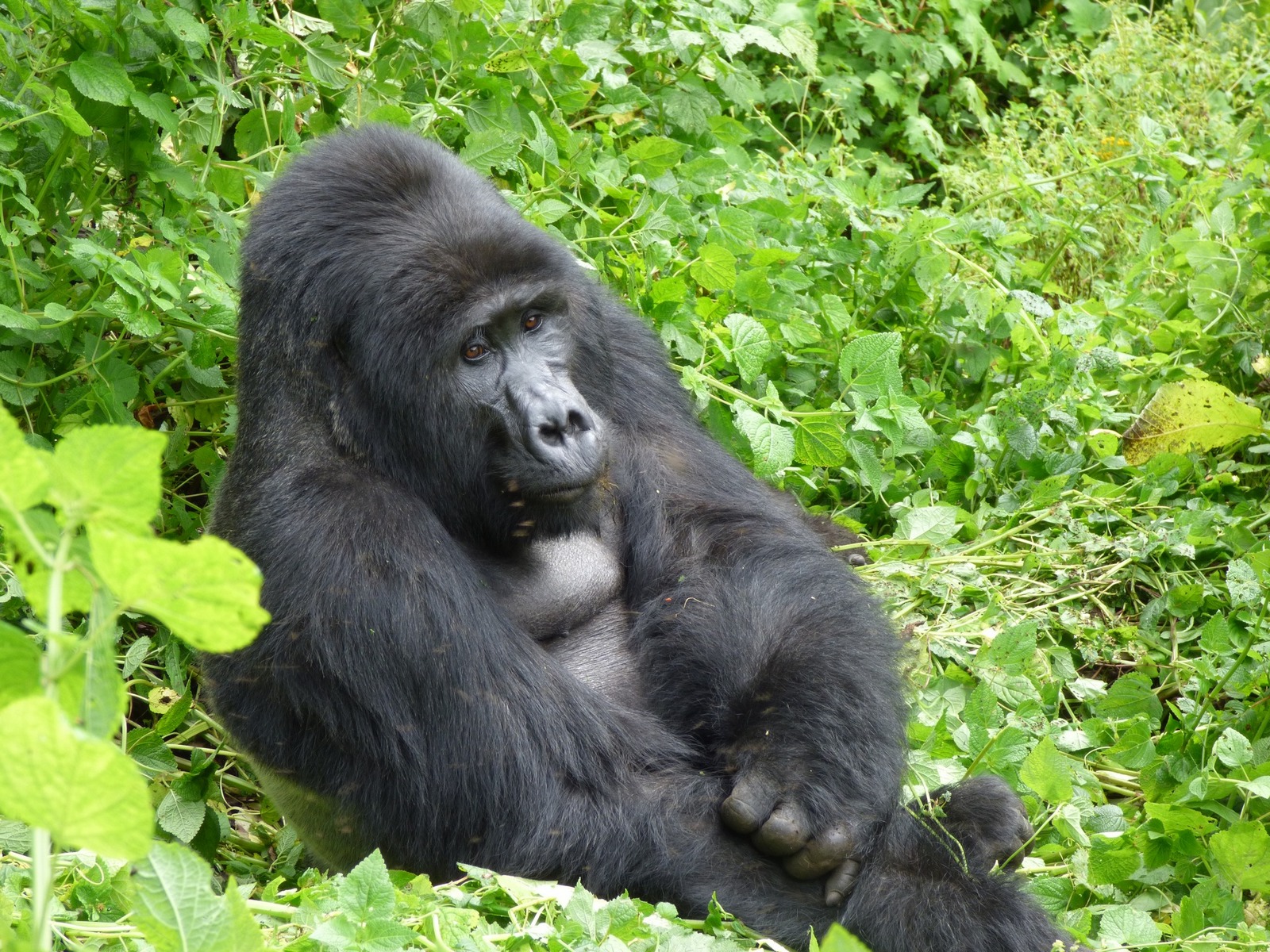
This comprehensive 15-day itinerary combines the thrill of encountering endangered Mountain Gorillas in Rwanda with the ultimate mountaineering challenge of climbing to the "Roof of Africa" in Tanzania.
The 15 Days Rwanda gorilla trekking and Mountain Kilimanjaro climb offers a singular opportunity to combine primate conservation with high-altitude mountaineering. This journey begins in the "Land of a Thousand Hills," where you will come face-to-face with endangered mountain gorillas, providing an intimate connection with one of our closest primate relatives. Following this life-changing experience, you will travel to Tanzania to undertake the formidable ascent of Mount Kilimanjaro via the prestigious Lemosho route. This path is renowned for its exceptional acclimatization profile, guiding you through diverse ecological zones, from verdant rainforests to the harsh, glaciated summit of Uhuru Peak. By balancing the profound stillness of the Rwandan forests with the physical intensity of the African peaks, the 15 Days Rwanda gorilla trekking and Mountain Kilimanjaro climb ensures a comprehensive and transformative adventure. Whether you are navigating dense bamboo or rocky alpine deserts, this itinerary is crafted to deliver a profound, multi-faceted exploration of the East African landscape.
Tour highlights for 15 Days Rwanda gorilla trekking and Mountain Kilimanjaro climb
Kigali Genocide Memorial visit
Volcanoes National Park arrival
Endangered mountain gorilla trekking
Intimate wild gorilla encounter
Playful golden monkey tracking
Dian Fossey grave hike
Lemosho route ascent start
Lush montane forest trekking
Big Tree camp stay
Shira Plateau moorland views
Kibo peak panoramic vista
Secluded Moir Hut camping
Lava Tower acclimatization hike
Great Barranco Wall scramble
Karanga Camp ridge trek
Barafu base camp rest
Midnight Uhuru Peak push
Highest African summit success
Official mountain summit certificate
Moshi town post-climb rest
Day by day 15 Days Rwanda gorilla trekking and Mountain Kilimanjaro climb
Day 1: Arrival in Kigali
Your 15 Days Rwanda gorilla trekking and Mountain Kilimanjaro climb begins with your arrival at Kigali International Airport. You will be greeted by a representative and transferred to your hotel, where you can relax after your international flight. The afternoon is reserved for a briefing regarding your upcoming gorilla trekking experience. Your guide will explain the protocols for interacting with the primates, discuss the physical requirements of the hike, and answer any questions you have about the local terrain. This quiet time is essential for settling in and adjusting to the regional climate. As you prepare for the days ahead, the city of Kigali offers a welcoming introduction to the beauty of Rwanda. It is a time for anticipation, mental preparation, and ensuring that all your gear is ready for the unique challenges of the 15 Days Rwanda gorilla trekking and Mountain Kilimanjaro climb.
Day 2: Kigali City Tour & Transfer to Volcanoes National Park
On the second day of the 15 Days Rwanda gorilla trekking and Mountain Kilimanjaro climb, you will explore the vibrant history of Rwanda’s capital. The morning includes a visit to the Kigali Genocide Memorial, a deeply moving site that provides essential context for the country’s resilience and development. Afterward, you will embark on a scenic 2.5-hour drive to Musanze, the gateway to Volcanoes National Park. The journey takes you through Rwanda’s famous "land of a thousand hills," where terraced farming and lush green landscapes dominate the view. Upon arrival in Musanze, you will check into your lodge, which serves as the base for your primate encounter. This transition from the urban environment to the misty volcanic foothills is a highlight of the 15 Days Rwanda gorilla trekking and Mountain Kilimanjaro climb, marking your entry into the world of the mountain gorillas.
Day 3: Gorilla Trekking Experience
The third day of your 15 Days Rwanda gorilla trekking and Mountain Kilimanjaro climb is a profound highlight. You will wake up early to report to the Volcanoes National Park headquarters for your mandatory briefing. Once assigned to your specific gorilla family, you will begin your trek through the dense bamboo forests. Depending on the movement of the family, the hike can take anywhere from one to six hours. This is a demanding but rewarding physical experience. Upon locating the gorillas, you will spend exactly one hour observing them in their natural habitat—an encounter that is often described as life-altering. You will have ample time for photography and quiet reflection. This experience is the cornerstone of the 15 Days Rwanda gorilla trekking and Mountain Kilimanjaro climb, offering an intimate connection with some of the planet’s most endangered and magnificent creatures before you begin your descent.
Day 4: Golden Monkey Trek or Dian Fossey Hike & Transfer to Kigali
For your fourth day in the 15 Days Rwanda gorilla trekking and Mountain Kilimanjaro climb, you can choose between two exceptional experiences. You may opt for an energetic Golden Monkey trek, observing these playful primates in the canopy, or take a historical hike to the grave of Dian Fossey at the Karisoke Research Center. Both options offer a unique perspective on the biodiversity of Volcanoes National Park. After completing your chosen activity and having lunch, you will begin the drive back to Kigali. This afternoon transition allows you to reflect on your time in the Rwandan highlands. The drive back through the rolling hills marks the end of the primate phase of your 15 Days Rwanda gorilla trekking and Mountain Kilimanjaro climb, preparing you for the travel day that will take you to your next major challenge in Tanzania.
Day 5: Fly to Tanzania
Day five of your 15 Days Rwanda gorilla trekking and Mountain Kilimanjaro climb involves transitioning between two of East Africa's most iconic destinations. You will check out of your Kigali hotel and head to the airport for your flight to Kilimanjaro International Airport (JRO). Upon landing in Tanzania, you will be met by your mountain team and transferred to your hotel in Moshi or Arusha. The afternoon is dedicated to rest and final equipment checks for your upcoming climb. Your lead guide will conduct a detailed briefing to ensure your gear is ready for the mountain’s variable conditions. This day is crucial for your physiological and mental reset, as you shift from the forest trekking of Rwanda to the high-altitude demands of the 15 Days Rwanda gorilla trekking and Mountain Kilimanjaro climb.
Day 6: Londorossi Gate to Mti Mkubwa Camp
The sixth day of your 15 Days Rwanda gorilla trekking and Mountain Kilimanjaro climb signals the start of the mountain ascent. You will drive to the Londorossi Gate to complete registration and meet your support crew. The hike begins through the lush montane forest, where the air is thick with moisture and the canopy is alive with birdcalls and the movement of colobus monkeys. This section of the Lemosho route is particularly beautiful, offering a gentle start to the trek. After three to four hours of walking, you will reach Mti Mkubwa, or "Big Tree" Camp. This campsite, nestled deep in the forest, provides a tranquil setting for your first night on the mountain. As part of your 15 Days Rwanda gorilla trekking and Mountain Kilimanjaro climb, this initial stage is vital for warming up your muscles and acclimatizing to the Tanzanian altitude.
Day 7: Mti Mkubwa Camp to Shira 1 Camp
On day seven of the 15 Days Rwanda gorilla trekking and Mountain Kilimanjaro climb, you leave the dense forest behind and transition into the heath and moorland zones. The vegetation becomes more sparse, characterized by giant lobelias and groundsels. As you ascend toward 3,500 m, the landscape opens up, revealing the first stunning, panoramic views of the Kibo peak. The trek across the Shira Plateau is expansive and majestic, offering a sense of the immense scale of the mountain. You will spend five to six hours on the trail today, maintaining a steady, slow pace to help your body adapt to the elevation. Reaching Shira 1 Camp is a significant milestone in your 15 Days Rwanda gorilla trekking and Mountain Kilimanjaro climb, providing an incredible vantage point from which to observe the dramatic volcanic scenery.
Day 8: Shira 1 Camp to Moir Hut
Day eight of your 15 Days Rwanda gorilla trekking and Mountain Kilimanjaro climb is a dedicated acclimatization day. You will traverse the Shira Plateau and head eastward toward the Kibo Massif. The terrain is stark, filled with volcanic rock, as you climb from 3,500 m to 4,200 m. Ending the day at Moir Hut, you are in a remote and secluded location surrounded by rugged, weathered stone. This elevation gain is crucial for your success, as it forces your body to produce more red blood cells in response to the thinner air. Throughout this day of your 15 Days Rwanda gorilla trekking and Mountain Kilimanjaro climb, you will rely on the "pole pole" trekking philosophy, moving slowly to ensure you remain strong and energetic for the higher camps that lie ahead on the route.
Day 9: Moir Hut to Barranco Camp
The ninth day of your 15 Days Rwanda gorilla trekking and Mountain Kilimanjaro climb is a classic example of the "climb high, sleep low" acclimatization strategy. You will trek from Moir Hut toward the iconic Lava Tower, reaching a height of approximately 4,600 m. After taking time at the tower to adjust to the elevation, you begin a long, scenic descent into the Barranco Valley. The valley is sheltered and lush, offering a complete contrast to the barren heights you just visited. This descent is essential for allowing your body to recover while still reaping the benefits of the high-altitude exposure. As you arrive at Barranco Camp, you are perfectly positioned under the Great Barranco Wall, a looming formation that will be the first major challenge of the 15 Days Rwanda gorilla trekking and Mountain Kilimanjaro climb the following morning.
Day 10: Barranco Camp to Karanga Camp
Today, on the tenth day of your 15 Days Rwanda gorilla trekking and Mountain Kilimanjaro climb, you will tackle the Great Barranco Wall. This non-technical scramble requires steady focus, but the path is well-defined and supported by your guides. Once you reach the top of the wall, the trail undulates through a series of valleys as you head toward Karanga Camp. This day involves about four to five hours of trekking. The shorter duration of the hike is intentional, providing vital rest for your muscles and giving your body more time to adapt to the 4,000 m elevation. Karanga Camp is a beautiful spot to spend the afternoon, where you can hydrate, share stories with your team, and mentally prepare for the final approach to the base camp of the 15 Days Rwanda gorilla trekking and Mountain Kilimanjaro climb.
Day 11: Karanga Camp to Barafu Camp
On day eleven of your 15 Days Rwanda gorilla trekking and Mountain Kilimanjaro climb, you make the steady climb from Karanga Camp to Barafu Camp at 4,600 m. This is the base camp, situated on a desolate, rocky ridge that offers breathtaking views of the mountain’s upper reaches. The air is very thin here, and your pace will be intentionally slow. After your arrival, the afternoon is dedicated to rest, hydration, and a high-energy dinner. You will also spend time organizing your gear for the midnight summit push, ensuring your layers are ready and your headlamp is prepared. The atmosphere at Barafu is one of intense focus and anticipation. As you rest in your tent, the reality of the final summit push of the 15 Days Rwanda gorilla trekking and Mountain Kilimanjaro climb becomes the central point of your focus.
Day 12: Summit Day (Barafu Camp to Uhuru Peak)
The twelfth day of your 15 Days Rwanda gorilla trekking and Mountain Kilimanjaro climb is the culmination of your entire expedition. You begin your ascent around midnight, trekking through the cold and the dark toward Stella Point. The scree slopes are steep, but the steady, slow pace of your guides carries you forward. Reaching Stella Point in time for sunrise, you then continue to Uhuru Peak, the highest point in Africa. Standing at 5,895 m is a life-defining achievement. After capturing the moment, you begin the long, careful descent to Mweka Camp. This is a day of extreme physical exertion, but it remains the absolute highlight of the 15 Days Rwanda gorilla trekking and Mountain Kilimanjaro climb. You will arrive at Mweka Camp exhausted but filled with an incredible, enduring sense of accomplishment after your success.
Day 13: Mweka Camp to Mweka Gate & Transfer to Moshi
On the thirteenth day of your 15 Days Rwanda gorilla trekking and Mountain Kilimanjaro climb, you complete the final, gentle trek through the lower forest to the Mweka Gate. The air becomes warmer and richer with oxygen as you descend from 3,100 m to 1,650 m. At the gate, you will officially sign out of the park and receive your summit certificates—the final reward for your hard work. You will then meet your vehicle for the transfer back to your hotel in Moshi. A hot shower and a real bed are the only priorities for the remainder of the day. This is a time for celebration with your mountain crew and reflection on the journey you have completed as part of the 15 Days Rwanda gorilla trekking and Mountain Kilimanjaro climb, marking the successful conclusion of the mountain phase.
Day 14: Rest and Celebrate
Day fourteen of your 15 Days Rwanda gorilla trekking and Mountain Kilimanjaro climb is dedicated to recovery. After the intensity of the summit bid, your body requires significant rest. You will spend the entire day at your hotel, enjoying the comfort of the facilities, perhaps walking slowly through the local town of Moshi to find souvenirs, or simply relaxing in the hotel garden. This is a day to celebrate your achievement with your friends or fellow climbers and process the incredible experiences you have had in both Rwanda and Tanzania. As you prepare for your flight home, the exhaustion begins to fade, replaced by the profound realization of what you have achieved during your 15 Days Rwanda gorilla trekking and Mountain Kilimanjaro climb, creating memories that will surely last a lifetime.
Day 15: Departure
The final day of your 15 Days Rwanda gorilla trekking and Mountain Kilimanjaro climb marks the end of your Tanzanian expedition. After a leisurely breakfast, you will be transferred to Kilimanjaro International Airport (JRO) for your flight home. As you look back on the last two weeks, you will carry with you the images of the Rwandan forests, the faces of the gorillas, and the stunning, glaciated summit of Uhuru Peak. This journey has tested your endurance, expanded your horizons, and provided you with an unparalleled connection to the natural world. Thank you for choosing this itinerary; the 15 Days Rwanda gorilla trekking and Mountain Kilimanjaro climb is a unique endeavor, and we hope the memories of these two diverse, beautiful countries remain with you forever as you embark on your return journey and share these stories with those at home.
1. How physically fit do I need to be?
Physical preparation for this 15-day itinerary requires a two-tiered approach, as you are combining a high-intensity jungle trek with a major mountaineering expedition. For the gorilla trekking, you do not need to be a marathon runner, but you must possess moderate cardiovascular fitness and good balance. You will be trekking through dense, steep, and often slippery rainforest terrain. The hike duration is unpredictable, ranging from one hour to six hours depending on the gorillas' movements, so you must be able to sustain steady movement over uneven ground.
For the Kilimanjaro climb, the physical demands are significantly higher. You will be walking for 5 to 8 hours every day for nearly a week at increasing altitudes. Your body will need the stamina to handle continuous vertical elevation gain while carrying a daypack and breathing thinner air. Training should focus on building leg strength and aerobic capacity—stair climbing, running, and long, multi-day hikes on uneven trails are the best preparation. Because the Kilimanjaro portion of this trip follows the challenging Lemosho route, having high physical stamina will not only improve your comfort level but also significantly increase your probability of a successful summit. By arriving with a strong fitness base, you allow your body to focus its energy on acclimatizing to the elevation rather than struggling with basic movement.
2. What is the best time of the year for this 15-day trip?
Timing is critical for a dual-destination trip involving both the rainforests of Rwanda and the peaks of Tanzania. The optimal window for this 15-day journey is during the dry seasons, which are broadly mid-June to October and December to early March. During these months, you encounter the most reliable weather patterns across both countries.
In Rwanda, the dry season means that the steep paths through the bamboo forests of Volcanoes National Park are less muddy and significantly easier to navigate, which is a major advantage given that the trekking can be strenuous. Clearer weather also means better visibility for photography. In Tanzania, these months are preferred for the Kilimanjaro climb because they offer the most stable conditions on the mountain. You are far more likely to experience clear, sunny days during the ascent, and the risk of heavy rain or snow during your summit push—which can be hazardous—is greatly reduced. Planning your trip during these dry months maximizes your chances of enjoying the verdant beauty of the Rwandan highlands and the dramatic, panoramic summit vistas of Kilimanjaro, ensuring that your logistical experience is as smooth and comfortable as possible.
3. What is the minimum age requirement?
Age restrictions are strictly enforced for both segments of this 15-day trip for safety and conservation reasons. For the gorilla trekking portion in Rwanda's Volcanoes National Park, the minimum age is strictly 15 years old. This regulation is in place because of the gorillas' susceptibility to human illnesses and the physical demands of the terrain; the park authorities maintain this boundary to ensure both the safety of the young trekkers and the health of the habituated gorilla families.
For the Kilimanjaro climb, the minimum age is generally 10 years old. However, this is not a recommendation, and most trekking operators advise that children under the age of 12 or 14 should not attempt the climb unless they are exceptionally experienced trekkers. Climbing to nearly 6,000 meters requires a level of physical maturity and the ability to articulate symptoms of altitude sickness to a guide, which younger children may struggle with. In all cases, minors wishing to climb must be accompanied by adults and often require special park permits. If you are planning this 15-day expedition as a family, it is essential to ensure that every member meets these requirements long before you begin your booking process to avoid disappointment and ensure a safe, successful experience for all involved.
4. Do I need to book my permits and park fees in advance?
Advanced booking is not just suggested; it is a fundamental requirement for this trip, particularly for the gorilla trekking component. Gorilla permits in Rwanda are strictly limited to a small number of visitors per day to protect the gorillas, and they are highly sought after. They currently cost $1,500 per person, and they must be secured months in advance through a licensed tour operator. If you do not have a confirmed permit, you will not be allowed to trek.
For the Kilimanjaro climb, while you do not face the same strict daily "lottery" system, advance planning is essential to secure a reputable mountain crew. A successful climb depends entirely on the quality of your guides, porters, and cooks. Professional operators need time to organize your permits, reserve your space on the mountain, and coordinate the extensive logistics—such as equipment and food supply—that are necessary for a successful expedition. Attempting to book these activities at the last minute, especially during the peak dry seasons, is nearly impossible. By partnering with a professional safari team, you ensure that these critical permits and logistical arrangements are finalized well before your departure, allowing you to enjoy your trip without the stress of missing these vital bookings.
5. What gear should I pack for both adventures?
Packing for this 15-day itinerary requires versatility because you are traveling from a humid, tropical rainforest to an arctic mountain peak. For gorilla trekking, prioritize protection and durability. Pack breathable, moisture-wicking long-sleeve shirts and sturdy long pants to protect your skin from stinging nettles and dense, thorny vegetation. Waterproof hiking boots with excellent traction are essential, as is a pair of lightweight gardening gloves—these provide a surprisingly effective grip when you need to steady yourself on vines or branches.
For the Kilimanjaro climb, your packing list must center on the "layering system." You will need thermal base layers, a thick fleece or down mid-layer, and a high-quality windproof and waterproof outer shell to handle the extreme weather changes. A sub-zero-rated sleeping bag is a non-negotiable item, as temperatures at the higher camps drop well below freezing. You will also need sturdy, broken-in trekking poles to support your knees during the long, steep descent, and a comfortable 4-season daypack to carry your personal gear. Because you will be in two very different environments, many travelers find it helpful to pack their gear into two separate bags: one for the jungle and one specifically organized for the mountain expedition.
6. Do I need to acclimatize for the altitude?
Yes, acclimatization is a core component of this itinerary. You are visiting two distinct high-altitude environments, though the challenge they present is very different. Volcanoes National Park, where you will track the gorillas, sits at altitudes between 2,500 and 3,000 meters. While most people do not experience severe altitude sickness at this height, you may notice that you are slightly more out of breath than usual, and it is important to stay well-hydrated.
The Kilimanjaro climb, however, is a much more significant altitude challenge. You will ascend to 5,895 meters, where the oxygen levels are roughly half of those at sea level. Altitude sickness (AMS) is the primary reason people fail to summit, and it must be managed with extreme care. This is why selecting a longer route, such as the Lemosho route, is essential. These routes provide the extra days required for your body to adjust to the thinning air. Your guides will follow the "pole pole" (slow, slow) rule to ensure your heart rate remains steady and your body adapts effectively. By respecting the elevation gain and allowing your body the necessary time to adjust, you greatly improve your safety and your chances of standing on the summit of Uhuru Peak.
7. How close will I get to the mountain gorillas?
The proximity you experience with the gorillas is one of the most strictly managed aspects of your entire trip. Regulations require that visitors maintain a distance of at least 7 meters (roughly 23 feet) from the gorilla family at all times. This rule is designed to prevent the transmission of human illnesses, as gorillas share approximately 98% of our DNA and are extremely vulnerable to our respiratory diseases.
While 7 meters is the official guideline, gorillas are curious animals and occasionally choose to approach visitors themselves. If a gorilla moves toward you, your guide will instruct you to remain calm, avoid eye contact, and slowly move back, if possible, to maintain the buffer. You will not experience similar wildlife proximity on Kilimanjaro. Once you ascend above the tree line into the alpine desert and arctic zones, you will not encounter wildlife; your focus shifts entirely to the geological beauty of the mountain and your own physical journey. The intensity of being in the presence of such massive, intelligent creatures in the Rwandan forest is a truly unique experience that stands in stark contrast to the vast, quiet, and barren beauty of the high-altitude volcanic landscape you will explore in Tanzania.
8. How long can I spend with the mountain gorillas?
The time spent with the gorillas is strictly regulated to ensure the animals' comfort and minimize the disruption to their natural daily routines. Once your expert trackers locate the habituated family you have been assigned to, you are allowed exactly one hour with them. This "magic hour" is often cited as the most transformative experience of a traveler's life. It is enough time to watch the family eat, play, groom each other, and observe the silverback’s protective behavior, but the limit prevents the gorillas from becoming over-stressed by human presence.
In contrast, there is no time limit on the Kilimanjaro portion of your trip, other than the constraints of your own itinerary. You are free to spend your time on the mountain exploring the unique climatic zones, taking in the views from the various camps, and soaking in the accomplishment of each day’s progress. Your journey on the mountain is not about "seeing" something specific, but about the process of endurance and the summit goal. While the hour with the gorillas is a short, intense window of observation, the days spent on Kilimanjaro are a long-term investment in your own physical and mental persistence, ending in the time you spend resting and celebrating at the Uhuru Peak summit.
9. What is the success rate for reaching the summit?
The success rates for these two activities are vastly different due to the nature of the challenges involved. For gorilla trekking, the success rate of finding the gorillas is approximately 99%. This is because the habituated families are monitored daily by trackers who know exactly where they are, so it is extremely rare for a group to return without an encounter.
For the Kilimanjaro climb, the success rate is much more variable and depends entirely on a trekker's physical preparation and their ability to acclimatize. Routes that are completed in fewer days, such as the standard Marangu, often have lower success rates because they do not give the body enough time to adjust to the high elevation. Conversely, longer routes like Lemosho or Machame provide a more gradual ascent, which significantly boosts your odds. Statistics generally suggest success rates ranging from 65% to 85% for these more comprehensive routes. The primary factor in your success is your own discipline—maintaining a slow, steady pace, staying hydrated, and being honest with your guides about how you are feeling at each camp. By choosing a route with more days, you are essentially investing in a higher likelihood of standing on the summit.
10. Can I hike if I have a cold or flu?
Health is the most critical factor for both segments of this trip, and you must be honest about your physical condition. You cannot go gorilla trekking if you have a cold or flu. Because gorillas are so closely related to humans, they have almost no natural immunity to common human respiratory viruses. A simple cold for a human can be life-threatening to a gorilla, and park authorities will strictly bar you from trekking if you show any symptoms of illness, regardless of whether you have a permit.
For the Kilimanjaro climb, you might technically be able to hike with a mild cold, but it is highly discouraged. Hiking at high altitude places immense stress on your respiratory and cardiovascular systems. If your lungs are already compromised by an infection, you are at a much higher risk of developing severe, life-threatening complications like High Altitude Pulmonary Edema (HAPE). Furthermore, the physical exertion of the mountain will likely turn a mild cold into a debilitating illness, making it almost impossible to maintain the pace required for the summit. Being honest about your health is not only a matter of your own safety but also a matter of protecting the environment and the animals you have come so far to see.
11. What kind of terrain will I be walking on?
The physical environments you will traverse on this trip are profoundly different. During gorilla trekking, you are walking through dense, tropical rainforest. The terrain is frequently muddy, steep, and extremely rugged. There are often no established paths; you will be moving through thick bamboo, climbing over moss-covered logs, and navigating slippery slopes. It is an adventurous and somewhat chaotic environment that requires constant attention to where you place your feet.
On the Kilimanjaro climb, the terrain changes dramatically as you move through five distinct climatic zones. You start in the lush, green rainforest, similar to the Rwandan forests, but as you climb higher, the landscape transitions into heath and moorland, filled with unique giant vegetation. Above this, you enter the alpine desert—a vast, volcanic landscape dominated by loose rock, boulders, and grit. Finally, near the summit, you reach the arctic zone, which can involve walking over ice and compacted snow. The physical demands also shift: you move from navigating jungle vines and mud to maneuvering over volcanic "scree," a loose, gravel-like material that requires a specific, shuffle-step technique. You must be prepared for the dramatic evolution of the earth beneath your boots.
12. Are the treks dangerous?
Both treks are considered safe when you are traveling with a reputable, professional tour operator, though they present different types of risk. Gorilla trekking is very well-managed. You are accompanied by armed rangers and expert trackers who possess a deep knowledge of the forest and the behavior of the gorillas. They manage the safety of the interaction at every step, ensuring you stay in a secure zone and are never in a position where the gorillas feel threatened by your presence.
The Kilimanjaro climb carries risks that are primarily environmental rather than related to wildlife. The extreme cold, the potential for hypothermia, and the reality of severe altitude sickness are the main challenges. These are mitigated by your guide's expertise. A good guide monitors your health daily with pulse oximeters and ensures you maintain the "pole pole" pace, which is the best defense against altitude-related problems. The danger on the mountain is generally a result of rushing or failing to communicate your physical state to your team. By trusting the process, following the guidance of your team, and prioritizing your safety over the ambition of a quick ascent, you manage these risks effectively.
13. What are the accommodations like?
The accommodations for this trip are designed to match the environment you are exploring. For the gorilla trekking in Rwanda, you will stay in high-quality, comfortable eco-lodges or hotels in the Musanze or Kinigi areas near Volcanoes National Park. These lodges are designed to provide a restful retreat after your time in the forest, offering comfortable beds, hot showers, and excellent local or international cuisine.
On the Kilimanjaro climb, your accommodation is strictly utilitarian. Unless you are on the Marangu route, which offers simple mountain huts, you will sleep in high-altitude tents that are carried and set up by your porters every day. These tents are designed to handle the mountain environment and offer basic protection from the wind and cold. While they are a far cry from the luxury of the Rwandan lodges, they are a fundamental part of the experience. Your support crew does everything possible to ensure your camp is warm and secure. The contrast between these two styles of accommodation is part of the appeal of the 15-day itinerary—you experience the pinnacle of comfort in Rwanda and the rugged, authentic endurance experience on the mountain.
14. What are the food and water arrangements?
Your nutritional needs are a primary focus for your support crews in both countries. In Rwanda, your hotel or lodge provides high-quality, full-board meals, usually served in a buffet or à la carte format, which is excellent for energy replenishment before and after your trek.
For the Kilimanjaro climb, your expedition team is responsible for every aspect of your nutrition and hydration. Your crew includes a cook who prepares fresh, energy-dense meals in a dedicated mess tent. These meals are specifically designed to be high in carbohydrates, which are easier for your body to process at altitude, and they are usually hot and comforting to help you maintain your warmth. Drinking water is a critical safety factor; the crew collects natural water from the mountain, which they then boil and filter to ensure it is safe for consumption. You are expected to carry enough water for the day in your hydration bladder, and your porters will refill this for you each morning and evening. This support is essential, as it ensures you have the necessary hydration and caloric intake to sustain your physical effort throughout the multi-day ascent.
15. How do I travel between Rwanda and Tanzania?
Travel between Rwanda and Tanzania for this combined trip requires careful planning because the two countries are separated by land and the logistics can be complex. The most efficient and reliable way to connect these two adventures is by taking a regional flight. You will typically fly from Kigali International Airport (KGL) to Kilimanjaro International Airport (JRO). Several regional airlines operate this route, providing a convenient bridge between your primate adventure in Rwanda and your mountaineering challenge in Tanzania.
Alternatively, some travelers choose to fly from Kigali into Nairobi, Kenya, and then take a short connecting flight into Tanzania. While this adds an extra leg to your journey, it is sometimes a viable option depending on your flight schedule and availability. It is highly recommended to have your tour operator manage these connections as part of your overall itinerary. Because regional flights can occasionally be subject to schedule changes, having a professional team on the ground who can adjust your transfers and ensure your arrival in Tanzania is seamless is a major advantage. This approach removes the stress of navigating border crossings and long-distance driving, allowing you to focus your energy entirely on your experiences.
Booking 15 Days Rwanda gorilla trekking and Mountain Kilimanjaro climb with us Roads of Adventure safaris
A 15-day itinerary combining a Mount Kilimanjaro climb and Rwanda gorilla trekking is a massive, highly rewarding adventure. To arrange this exact cross-border trip, you will need to coordinate with a specialized local operator like Roads of Adventure Safaris to seamlessly handle logistics, permits, and park guides
