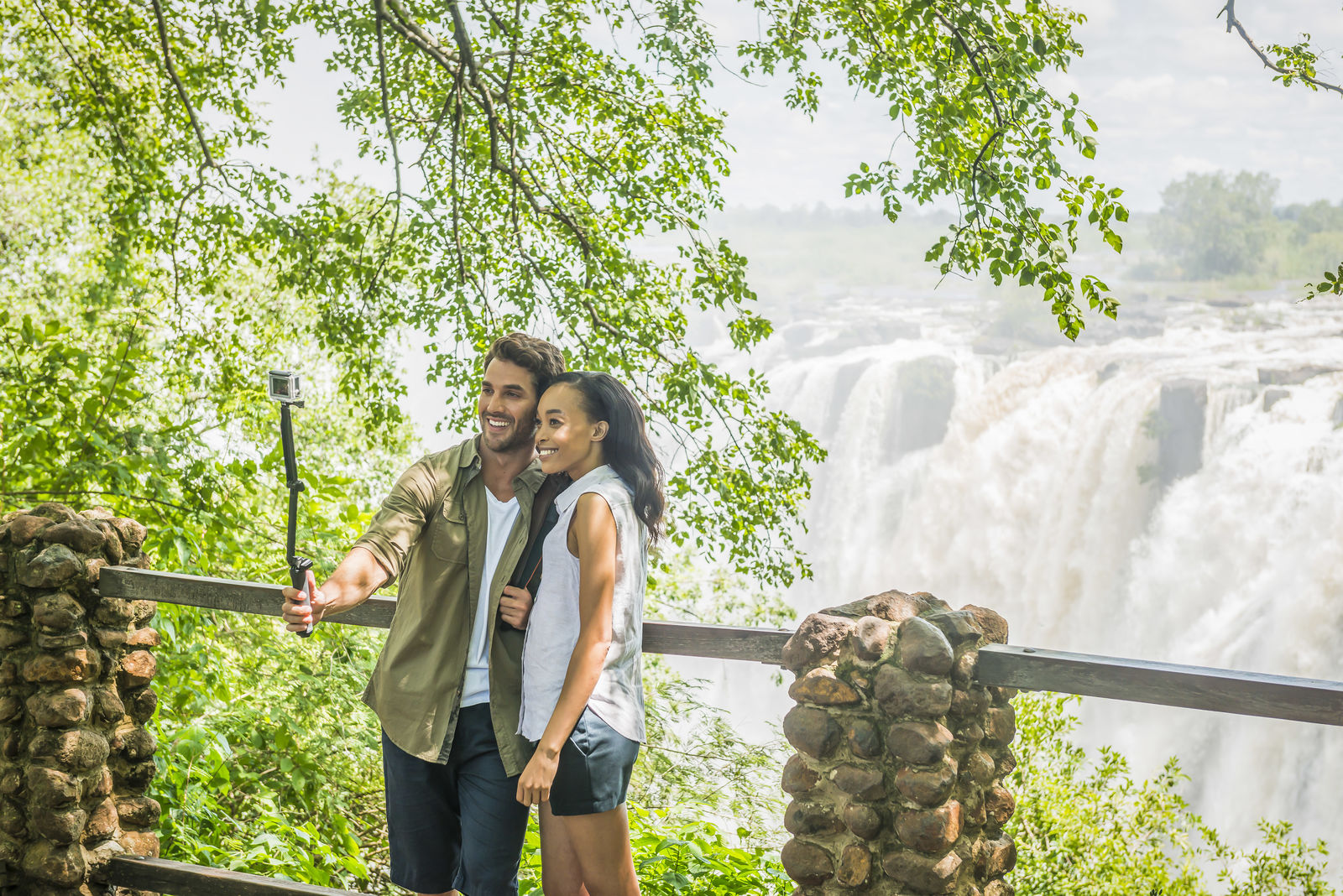
A Botswana family safari offers unique adventures beyond standard game drives, including sleeping under the stars in elevated treehouse lodges, quad biking across the vast Makgadikgadi Salt Pans, and gliding through the Okavango Delta in a traditional mokoro canoe. Families can also visit meerkats, walk with elephants, and explore ancient rock art
21-days-exceeding-botswana-safari-itinerary-all-inclusive-tour-package
18-days-exclusive-botswana-safari-victoria-falls-and-zambia-wildlife-safari-tour
16-days-botswana-safari-hwange-and-victoria-fall-tour
15-days-best-of-botswana-and-zimbabwe-safari-holiday-vacation-southern-africa-safari
14-best-botswana-safari-holiday-tour-itinerary-to-botswana-safari-parks
14-days-best-safari-in-africa-to-best-botswana-safari-parks
13-days-luxury-botswana-safari-and-uganda-gorilla-trekking-tour-package-combo
13-days-best-botswana-tour-to-zimbabwe-safari-holiday-and-zambia-safari-tours
12-days-best-of-hwange-victoria-falls-chobe-and-okavango-delta-botswana-safari
11-days-victoria-falls-tour-chobe-national-park-and-rwanda-gorilla-trekking-combo-itinerary
10-days-classic-victoria-falls-tour-and-botswana-wildlife-safari-tour
9-days-best-safari-in-botswana-and-victoria-falls-tour-zimbabwe-side
8-days-exciting-botswana-safari-holiday-vacation-in-okavango-delta-moremi-and-chobe
7-days-exclusive-luxury-botswana-safari-tour-package
Walk with Wild Meerkats
In the Kalahari Desert, embarking on a "walk with wild meerkats" experience is one of the most memorable wildlife encounters families can indulge in. Here, visitors have the unique opportunity to join habituated meerkats as they forage for food in their natural habitat. These small, social creatures exhibit fascinating behaviors, and watching them up close can be exhilarating.
The experience typically begins early in the morning when the meerkats emerge from their burrows to greet the day. As families follow the meerkats, they can observe how these fearless animals interact with one another and their surroundings. Meerkats are known for their community-oriented behavior, often taking turns being sentinels, standing upright to scan for approaching predators. In an amusing twist, these creatures can even use human heads as lookout posts, climbing up to get a better vantage point.
Being in the presence of these playful animals fosters a sense of connection to the natural environment and enhances understanding of their vital role in the ecosystem. The guiding staff usually provides insights into meerkat behavior and conservation efforts, making the experience both entertaining and educational.
For families, the chance to walk with these endearing creatures is not just an adventure; it’s an enriching way to bond with nature. The laughter and joy generated by the meerkats’ antics create lasting memories, making it a must-do activity in the Kalahari Desert.
Meet Orphaned Elephants
Visiting Baines' Camp in Botswana for the chance to meet orphaned elephants like Jabu and Morula is a heartwarming and educational experience. This unique encounter allows families to spend time with these gentle giants while learning about elephant conservation priorities and challenges.
The day starts with a warm welcome and an introduction to the elephants, who are well-acquainted with humans and thrive on social interaction. Visitors can walk alongside Jabu and Morula, experiencing their charming personalities, playful antics, and immense strength firsthand. Families engage in feeding sessions where they might offer fruits or vegetables, encouraging connections while learning how caretakers are nurturing these elephants back to health and eventual reintegration into the wild.
Conservation education is central to this experience, and guides often share information about the orphaned elephants’ backstories, the circumstances that led to their rescue, and ongoing efforts to protect African elephants. This aspect of the visit emphasizes the importance of wildlife conservation and inspires participants to think critically about the role they can play in protecting these majestic creatures.
For many families, walking with orphaned elephants becomes an emotional highlight, creating unforgettable memories that foster a deeper connection to wildlife. The chance to witness these animals' strength and vulnerability provides a powerful educational experience and reinforces why conservation efforts are so crucial for future generations. Visiting Baines' Camp is not just an adventure; it's an opportunity to understand and appreciate elephants on a personal level.
Track the "Painted" Wild Dogs
Tracking the "painted" wild dogs in Northern Botswana, particularly in the Linyanti Wildlife Reserve, presents a thrilling adventure for families passionate about wildlife. Known for their distinctive, mottled coats and social behavior, African wild dogs are among the most endangered carnivores in the world. This unique tracking experience allows older children to actively participate in the monitoring of these elusive predators, promoting engagement and education.
As part of guided tracking excursions, families learn about wild dog pack dynamics, hunting techniques, and their habitat. Before heading out, knowledgeable guides explain how to identify individual dogs based on their unique markings and behavioral traits. Children often find excitement in contributing to the essential role of wildlife monitoring, gaining hands-on experience in conservation efforts.
Tracking involves moving through diverse terrains, from lush grasslands to dense bush, where families may observe wild dogs in action. The excitement builds as they search for signs of the pack, such as tracks or droppings. Witnessing a wild dog pack in their natural environment—whether during a hunt or socializing—offers an exhilarating, intimate understanding of their role in the ecosystem.
This experience is not only about observing wildlife but emphasizes the need for ongoing conservation efforts. Families often leave with a newfound respect for wild dogs and a deeper understanding of why protecting such endangered species is vital. Tracking painted wild dogs becomes an adventure that intertwines excitement with education, creating lasting impressions long after the experience concludes.
Spot "Desert-Adapted" Species
Exploring the Kalahari Desert offers the unique opportunity to spot "desert-adapted" species that thrive in this arid environment. This region is home to a variety of animals you won’t find in wetter landscapes, making it a biodiversity hotspot worthy of exploration. The Kalahari’s dry conditions create a fascinating ecosystem that boasts unique adaptations among the species that inhabit it.
As families venture into this striking desert landscape, they may encounter elusive creatures such as the brown hyena, known for its nocturnal habits and distinct markings. Honey badgers, noted for their fearless nature, may also be seen, showcasing their tenacity as they hunt for food. Bat-eared foxes add a cute touch with their oversized ears, which help them detect insects underground.
A highlight often includes spotting the impressive black-maned lions, renowned for their strength and size, and their thick manes that set them apart. Observing these predators in their natural habitat provides insight into their behaviors and adaptations to desert life.
The dry Kalahari landscape allows for unobstructed viewing of wildlife, enhancing the thrill of spotting these unique species. Guided tours often provide context about the challenges these animals face in such a harsh environment, fostering appreciation for their resilience and the importance of conservation efforts.
First-time visitors will likely be captivated by the stark beauty of the Kalahari and the extraordinary creatures that inhabit it, making for unforgettable wildlife encounters that deepen understanding of environmental adaptation.
A "Frog’s-Eye View" in a Mokoro
Gliding silently through the Okavango Delta in a traditional mokoro (dugout canoe) enables families to have a unique “frog’s-eye view” of this stunning ecosystem. Unlike traditional motorboats, the mokoro offers an intimate and eco-friendly way to explore the myriad waterways of the delta, prioritizing soundless navigation for genuine wildlife encounters.
The mokoro journey begins with knowledgeable guides who provide insights into the ecosystems and wildlife that call the delta home. As families glide along the water's surface, they can observe tiny painted reed frogs and an array of vibrant water birds that might otherwise be missed from a distance. The tranquil setting allows for close encounters, bringing families face-to-face with the delicate beauty of nature.
The chance to slow down and immerse yourself in the sights and sounds enhances the experience beyond mere observation. The mokoro's design allows for a unique perspective where families can appreciate the intricate details of the surrounding flora and fauna—like the intricate patterns of rippling water and the vibrant colors of flowers that line the banks.
This frog’s-eye view offers not only breathtaking scenery but also opportunities for learning about conservation, emphasizing the delicate balance within the Okavango ecosystem. For families seeking adventure alongside education, a mokoro journey becomes a cherished memory, bridging the gap between humans and nature in a profound way.
Quad Biking on the Salt Pans
Racing across the vast, white expanses of the Makgadikgadi Salt Pans on quad bikes (ATVs) is an exhilarating adventure that offers an otherworldly experience for families. During the dry season, these salt flats transform into a playground for adrenaline-seekers and provide a unique landscape that is starkly beautiful and surreal.
As families hop onto their quad bikes, they are treated to breathtaking views of the expansive salt flats that seem to stretch endlessly into the horizon. The sensation of speed on the flat, hard surface is thrilling, allowing for maneuvers that would be impossible in other terrains. Guides lead the way, ensuring safety while sharing insights into the geological and ecological significance of the salt pans.
Experiencing the salt flats is not just about the ride; it's an opportunity to connect with the environment. Families can spot unique wildlife such as springbok and migratory birds that gather around temporary waterholes during the dry season. The contrasts between the white salt, blue sky, and the occasional green of hardy vegetation create stunning photography opportunities and memories.
For families, quad biking on the salt pans encapsulates adventure and exploration, and provides a sense of freedom that is hard to replicate. This unique way to experience Botswana's natural beauty offers not just fun but also enriches travelers’ understanding of the land's diverse ecosystem, creating an unforgettable adventure suitable for all ages.
Game Viewing on Horseback
For families who enjoy horseback riding, game viewing on horseback offers a unique perspective on the wildlife of Botswana. This thrilling experience allows riders to explore the African landscape and observe animals in their natural habitats without the noise and disturbance of motorized vehicles.
Mounted on well-trained horses, families can ride through various terrains, from grassy plains to bushy thickets, providing excellent opportunities to view wildlife up close. Guided by experienced wranglers, families learn how to interpret animal tracks and signs, deepening their understanding of the ecosystem while enjoying the thrill of riding.
One of the highlights of horseback riding safaris is the ability to gallop alongside herds of zebras, giraffes, and antelope, creating an exhilarating experience that can be more immersive than traditional game drives. The heightened senses of both horse and rider allow for quiet encounters that bring a new perspective to wildlife observation, allowing families to truly connect with the environment.
The guides often provide insights about wildlife behavior, conservation efforts, and the importance of preserving natural habitats. This adds an educational element to the adventure, helping families understand the delicate balance of the ecosystem and the role humans play in wildlife conservation.
For first-time visitors, game viewing on horseback becomes a cherished adventure that combines physical activity with the beauty of nature, creating lasting memories and instilling a deeper appreciation for wildlife and their habitats.
Helicopter "Flight of Angels"
Taking a doors-off helicopter flight over the Okavango Delta, known as the "Flight of Angels," offers families an unparalleled adventure that provides breathtaking aerial views of one of the world's most unique ecosystems. This thrilling experience allows for stunning photography and an exceptional perspective on the intricate “hippo highways” and waterways below.
As the helicopter ascends, the expansive vistas unfold dramatically, showcasing the winding river systems, lush wetlands, and diverse wildlife roaming the landscape. Viewing the delta from above reveals patterns and features often overlooked from the ground, highlighting the delta's ecological significance as a vital habitat for countless species.
The exhilarating sensation of flying with doors open adds an element of adventure, giving families the chance to feel closer to the vastness of the African sky. The thrill of height, combined with the beauty of the delta, becomes an unforgettable experience etched in memory.
This aerial adventure also facilitates learning opportunities, as guides discuss the geographical and ecological characteristics of the delta, emphasizing its importance for local wildlife and communities. Families gain insight into conservation challenges and efforts to protect this UNESCO World Heritage site.
For many, the "Flight of Angels" becomes the highlight of their travel itinerary, blending the thrill of adventure with the beauty of nature. It creates awe-inspiring memories and reinforces the importance of conserving such unique environments for generations to come.
Photographic Hides
Spending time in a sunken photographic hide at water level offers families a unique and safe way to capture up-close photographs of wildlife in their natural habitat. This innovative experience allows visitors to observe elephants, birds, and other animals without them noticing, providing an intimate look into their behaviors and interactions.
As families settle into the hide, they can enjoy the serenity of nature while awaiting passing wildlife. These hides are strategically placed near water sources, ensuring excellent opportunities for photography as animals come in for a drink or to socialize. The low vantage point enhances the photographic experience, granting families the chance to create striking images that capture the essence of African wildlife.
Knowledgeable guides often accompany families, sharing insights about animal behavior and offering tips for capturing the perfect shot. This educational component enriches the experience, deepening understanding of the interconnectedness of species in the ecosystem.
Photographic hides are ideal for families, providing the chance to engage with wildlife in a calm and unobtrusive manner. Children and adults alike can develop their photography skills while forming lasting impressions of the animals they encounter. Capturing these precious moments becomes a storytelling exercise that extends beyond the trip—a visual keepsake of their adventures in the wild.
For first-time visitors, this experience offers a blend of creativity and admiration for nature, making it a must-do activity in Africa’s diverse landscapes.
Catch-and-Release Fishing
Engaging in catch-and-release fishing in the Okavango Panhandle introduces families to the thrill of sport fishing while emphasizing sustainable practices. This activity offers a unique way to connect with the environment while attempting to catch one of Africa's premier freshwater sport fish, the formidable Tigerfish.
Families can take guided fishing excursions that cater to varying skill levels, making it accessible for both seasoned anglers and beginners. Knowledgeable guides provide essential tips on techniques, suitable bait, and responsible fishing practices to ensure that the experience is enjoyable and educational.
Tigerfish are known for their fierce fight and razor-sharp teeth, offering an exhilarating challenge for those attempting to land one. The excitement of hooking a fish, coupled with the natural beauty of the Okavango Delta, creates lasting memories for families. Each catch can be an opportunity to teach children about the importance of conservation, discussing the need to preserve aquatic ecosystems and the species that inhabit them.
After capturing the fish, families can learn about proper handling techniques to ensure the fish’s survival during release. This commitment to catch-and-release practices reinforces the importance of sustainable fishing, providing a foundation for environmentally responsible behaviors.
For first-time visitors, catching a Tigerfish becomes more than just an activity; it’s an adventure that fosters a deeper appreciation of nature while promoting conservation principles. The thrill of the chase, combined with fishing education and sustainability, makes this experience a memorable highlight of any trip to Botswana’s waterways.
Bushcraft with the San People
Participating in bushcraft with the San People offers families a unique and enriching experience that fosters appreciation for traditional knowledge. The San Bushmen, known for their incredible survival skills, have adapted to life in the Kalahari Desert for thousands of years, and this immersive experience lets families learn from the experts.
The guided walks led by San elders involve practical lessons on identifying medicinal plants, creating tools, tracking animals, and understanding the vital relationship between humans and nature. Families will be captivated as they listen to ancient stories passed down through generations and engage in traditional practices that emphasize respect for the environment.
As participants navigate the arid landscape, they gain first-hand knowledge of the plants and animals that sustain life in the desert. The experience not only highlights the deep-rooted connection between the San people and their environment but also emphasizes the importance of preserving this invaluable knowledge.
Involving children in these activities fosters a sense of curiosity and respect for indigenous cultures while providing opportunities for bonding as a family. Engaging with the San people reinforces the value of cultural exchange, encouraging meaningful dialogues about sustainability and conservation.
For first-time visitors, bushcraft with the San People becomes an unforgettable journey through time, providing insights into traditional survival techniques while connecting with the land and its history. This cultural experience creates lasting memories, reminding families of the wisdom present in ancient lifestyles and their relevance in today's world.
Sleep Under the Milky Way
Experiencing a "Star Bed" under the Milky Way in the Kalahari Desert offers families an unforgettable night of stargazing in an idyllic, light-pollution-free setting. This unique outdoor accommodation allows you to sleep in an open-air bed on an elevated platform, providing a 360-degree view of the mesmerizing night sky.
As night falls, families can unwind and immerse themselves in the peaceful sounds of the desert. With little to no artificial light nearby, the vast canvas of stars becomes brilliantly visible, allowing for stargazing unlike any other. Knowledgeable guides often accompany the experience, sharing fascinating stories about the constellations, their significance in local culture, and the natural phenomena visible in the sky.
The tranquility of the Kalahari, combined with the awe-inspiring beauty of the Milky Way, creates a serene atmosphere perfect for family bonding. As parents and children share stories and make wishes upon shooting stars, the experience fosters connections to each other and the universe.
Sleeping under the Milky Way also emphasizes the importance of conserving natural nightscapes, promoting awareness of environmental issues that threaten stargazing opportunities worldwide. Families leave with a sense of wonder and a deeper appreciation for nature.
For first-time visitors, the chance to sleep beneath a blanket of stars is not only a captivating adventure but also a meaningful way to connect with the essence of the wild, making it a highlight of any trip to the Kalahari Desert.
Mobile Tented Safaris
Engaging in a mobile tented safari brings families closer to the wilderness in a way that traditional lodges cannot offer. This "no-trace" style of camping allows families to experience the African bush while minimizing environmental impact, immersing themselves in the heart of nature.
During a mobile tented safari, families can move camp every few days, exploring different ecosystems without the confines of permanent facilities. Accompanied by a private mobile team, families have the opportunity to set up camp in picturesque locations—a riverbank, plain, or under a grove of trees—making each night an adventure.
The experience offers opportunities for guided bush walks, game drives, and cultural interactions with local communities. Families can learn about the intricate ecosystem surrounding them while engaging in activities that promote conservation awareness. Children will relish moving camp to various sites, heightening their sense of adventure and participation in the outdoor experience.
Mobile tented safaris also incorporate environmentally friendly practices, such as using bucket showers and solar-powered equipment, demonstrating a commitment to sustainable tourism. Participants often gain insights into the importance of leaving no trace and respecting wildlife.
For first-time visitors, this immersive style of camping becomes a treasured adventure that fosters family connections to each other and the environment. The thrill of wilderness living, complemented by educational experiences, creates lasting memories, making it an essential part of any African adventure.
Nocturnal Game Drives
Embarking on a nocturnal game drive presents families with an extraordinary opportunity to witness the wildlife of Africa come alive after dark. Unlike traditional national parks, private concessions allow for night drives equipped with filtered spotlights to uncover the mysteries of the nocturnal world.
During these thrilling drives, families can spot rare nocturnal creatures such as civets, genets, and hunting predators like leopards and hyenas, which are seldom seen during daylight hours. The excitement of witnessing these elusive animals in their natural habitat adds an adventurous edge to the safari experience.
Guides play an essential role on these drives, providing insights into animal behavior, nocturnal adaptations, and the ecological significance of the creatures encountered. As families explore the darkened landscapes, they learn the importance of nocturnal wildlife in maintaining the balance of ecosystems.
The thrill of spotting eyes shining in the darkness or hearing the calls of night-dwelling animals creates an electric atmosphere full of anticipation. Children and adults alike are drawn into the magic of the night, fostering a deeper connection with wildlife.
For families new to safari experiences, nocturnal game drives create unforgettable memories and deepen their appreciation for Africa’s biodiversity. The unique perspective gained from exploring the wilderness after dark emphasizes the necessity of conservation and ecosystem awareness. Engaging with the night allows families to understand the intricate tapestry of life that thrives when the sun sets.
Ancient Rock Art at Tsodilo Hills
Hiking through the Tsodilo Hills to view ancient rock art presents families with an enriching cultural and historical journey. Recognized as a UNESCO World Heritage site, Tsodilo Hills is home to over 4,500 ancient San rock paintings that tell the stories of early human civilization.
Top Places for Botswana Family Safari
Botswana is renowned for its diverse landscapes and abundant wildlife, making it an ideal destination for a family safari. One of the top places to explore is the Okavango Delta, a UNESCO World Heritage site teeming with life. Families can enjoy boat safaris, game drives, and guided walks in this unique ecosystem.
Chobe National Park is another must-visit, famous for its large elephant populations and stunning riverfront views. Boat cruises along the Chobe River provide an excellent opportunity to see wildlife up close.
Makgadikgadi Salt Pans offer a distinct landscape where families can engage in activities like quad biking and game viewing against a breathtaking backdrop.
Lastly, the Kalahari Desert provides a unique atmosphere to spot desert-adapted wildlife and immerse in indigenous culture. Each of these locations offers unique experiences that cater to families, ensuring an unforgettable adventure filled with wildlife encounters and breathtaking scenery.
Best Time for Botswana Family Safari
The best time for a family safari in Botswana largely depends on what you want to experience. The dry season, from May to October, is ideal for wildlife viewing, as animals congregate around water sources, making them easier to spot. During this time, temperatures are cooler, and the skies are clear, enhancing overall visibility and comfort.
In contrast, the wet season, from November to April, transforms Botswana’s landscapes with lush greenery and migratory birds. While wildlife is more dispersed, this period is perfect for families interested in birdwatching or experiencing vibrant ecosystems.
Choosing the right time also depends on the specific areas you wish to visit. For instance, the Okavango Delta is beautiful during the flood season in June and July, while Chobe National Park thrives in the drier months. Ultimately, understanding these seasonal variations helps families plan an unforgettable safari adventure.
Where to Stay on Botswana Family Safari
When planning a family safari in Botswana, choosing the right accommodation is crucial for a memorable experience. Family-friendly lodges such as Camp Moremi in the Okavango Delta offer comfortable tents equipped for families, along with activities tailored for children.
In Chobe National Park, Chobe Safari Lodge is an excellent option, featuring spacious family rooms and organized activities ranging from boat cruises to game drives.
For a unique experience, consider a mobile tented camp, which moves according to wildlife migration patterns. These camps provide an immersive stay amidst nature while ensuring all the family comforts.
Alternatively, lodges like Linyanti Bush Camp focus on conservation and offer guided safari experiences for families, educating children on wildlife and ecology.
Finding accommodations that cater to families with amenities and activities ensures that everyone, from toddlers to teens, will have an enjoyable and enriching safari experience in Botswana.
Booking Botswana Family Safari with Roads of Adventure Safaris
Booking a family safari in Botswana with Roads of Adventure Safaris promises a tailor-made experience that caters to all family needs. With a focus on personalized itineraries, they ensure that your safari meets your family’s interests and preferences, whether that’s wildlife spotting, cultural experiences, or adventure activities.
Their knowledgeable guides provide insights into Botswana’s diverse ecosystems, enhancing the learning experience for children and adults alike. Roads of Adventure Safaris also prioritize family-friendly accommodations, ensuring comfort and safety throughout your journey.
From the planning stages to the final booking, their expertise helps families navigate the best routes and experiences, maximizing enjoyment and minimizing stress. They can customize safari packages to include everything from spectacular game drives in the Okavango Delta to engaging activities in Chobe National Park.
