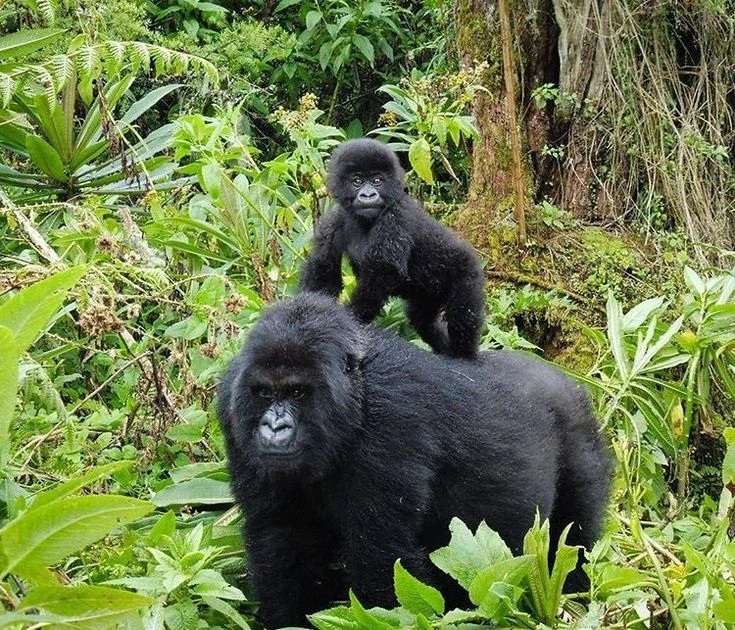
Our 12-day safari combining Kenya’s "Big Five" savannahs and Uganda’s misty primate jungles offers the ultimate East African adventure. It perfectly balances thrilling open-plains game drives—like those in the Maasai Mara—with the intimate, life-changing experience of tracking mountain gorillas in Bwindi Impenetrable National Park
This 12 Days Uganda gorilla trekking and Kenya wildlife safari tour begins in Kenya, where you follow the ancient paths of the Great Migration across the sweeping grasslands of the Maasai Mara, track rhinos at Lake Nakuru, and view massive tuskers under the shadow of Mount Kilimanjaro. You then fly into Uganda to immerse yourself in the ancient canopy of Bwindi, navigate the volcanic islands of Lake Bunyonyi, and explore the river channels of Queen Elizabeth National Park. This structured approach guarantees thorough habitat coverage, expert tracking, and smooth logistics for the ultimate 12 Days Uganda gorilla trekking and Kenya wildlife safari tour.
Tour highlights for 12 Days Uganda gorilla trekking and Kenya wildlife safari tour
Nairobi city arrival transfer
Maasai Mara predator tracking
Savanna migratory wildlife drives
Mara River hippopotamus pods
Lake Nakuru flamingo viewing
Alkaline lake rhino tracking
Amboseli elephant herd encounters
Mount Kilimanjaro panoramic backdrops
Cross-border regional transfer flights
Bwindi mountain gorilla trekking
Habituated silverback family observation
Volcanic Lake Bunyonyi cruising
Ishasha tree-climbing lion tracking
Kyambura Gorge chimpanzee walking
Kazinga Channel boat cruises
Lake Mburo safari walking
Equator monument crossing stops
Convenient Entebbe departure transfer
Day-by-Day 12 Days Uganda gorilla trekking and Kenya wildlife safari tour Itinerary
Day 1: Arrival in Nairobi
Your African expedition starts at Jomo Kenyatta International Airport in Nairobi, the primary urban gateway for this cross-border journey. A private transfer specialist meets you at the arrivals terminal and provides transport to a quiet, comfortable boutique hotel in the leafy suburbs. This initial day focuses entirely on rest, hydration, and acclimatization after your long international flight. Depending on your arrival schedule, you can choose to visit local wildlife sanctuaries, including the specialized elephant orphanage or the giraffe conservation center. In the evening, your lead guide hosts a welcome dinner and a detailed pre-safari briefing. This session outlines the upcoming logistics, packing recommendations, and border protocols required for your comprehensive 12 Days Uganda gorilla trekking and Kenya wildlife safari tour, ensuring you are fully prepared for the morning departure.
Day 2: Nairobi to Maasai Mara National Reserve
After an early breakfast, you leave the capital and drive west, descending down the spectacular escarpment into the Great Rift Valley. Your destination is the world-famous Maasai Mara National Reserve, the northern extension of the greater Serengeti ecosystem. You arrive at your permanent tented camp in time for a fresh lunch and a brief rest. In the afternoon, you head out for your first exploratory drive through the rolling grasslands. The Maasai Mara is legendary for its exceptional concentration of resident predators, and your guide immediately begins tracking local lion prides, solitary cheetahs hunting in the short grass, and spotted hyenas. You return to camp as the sun sets over the savanna, enjoying a multi-course dinner around a traditional bush campfire.
Day 3: Full Day in the Maasai Mara National Reserve
Today features a complete day dedicated to exploring the diverse habitats of the reserve. You depart at dawn with packed picnic lunches to maximize your time in remote sectors of the park. The cool morning hours offer the best conditions for observing top predators like leopards and lions before they seek shade from the midday heat. You travel toward the Mara River, looking for large herds of zebras and wildebeest along the migratory corridors. Your guide explains the complex dynamics of the savanna food webs and identifies resident bird species, including secretary birds and vultures. A picnic lunch is served at a designated safe site under a lone acacia tree, followed by an afternoon tracking session that reinforces why this reserve is a cornerstone of your 12 Days Uganda gorilla trekking and Kenya wildlife safari tour.
Day 4: Maasai Mara to Lake Nakuru National Park
You enjoy a final morning drive through the Mara plains before heading northeast toward Lake Nakuru National Park. This compact rift valley sanctuary is renowned for its unique alkaline lake ecology and its vital role in regional rhino conservation. You arrive at your lodge for lunch, followed by an afternoon drive along the lakeside woodlands. The shores of the lake are frequently lined with thousands of flamingos and pelicans, creating a dense concentration of avian life. Your guide focuses on tracking the park’s heavily protected populations of both black and white rhinoceroses, which are often seen grazing along the forest fringes. You also look for endangered Rothschild's giraffes, waterbucks, and the park’s famous tree-climbing lions before returning to your lodge for dinner.
Day 5: Lake Nakuru to Amboseli National Park
The journey continues south toward Amboseli National Park, located at the base of Mount Kilimanjaro near the Tanzanian border. The drive takes you through varying agricultural lands and semi-arid plains before entering the park gates. Amboseli is defined by its contrast between dry, dusty plains and lush, green swamps fed by underground meltwater from the mountain. You arrive at your lodge for lunch and a brief rest before your afternoon drive. This park is globally famous for hosting some of the largest elephant herds in Africa, featuring massive old bull tuskers that walk calmly alongside the safari vehicles. You spend the afternoon photographing these gentle giants against the backdrop of the mountain, wrapping up the Kenyan portion of your 12 Days Uganda gorilla trekking and Kenya wildlife safari tour.
Day 6: Amboseli to Entebbe and Transit to Bwindi
This is a major transitional day as you cross from the Kenyan savannas into the Ugandan rainforests. After an early morning drive, you transfer to Nairobi’s airport for a direct regional flight to Entebbe, Uganda. Upon landing, you connect with a domestic scheduled flight to a southwestern airstrip like Kihihi or Kisoro. A Ugandan driver-guide meets you at the runway and transfers you up into the cool, forested highlands of Bwindi Impenetrable National Park. The landscape shifts dramatically from flat savanna to steep, terraced hillsides covered in dense, primordial vegetation. You check into your rainforest lodge, where the mist rolling over the ancient canopy reminds you that you have entered gorilla territory for the next phase of your adventure.
Day 7: Gorilla Trekking in Bwindi Impenetrable Forest
This morning brings the central highlight of your 12 Days Uganda gorilla trekking and Kenya wildlife safari tour. After an early breakfast, you proceed to the park headquarters for a mandatory safety briefing from senior ranger guides. You are assigned to a specific habituated gorilla family based on your physical fitness level, and then you step directly into the dense undergrowth. Tracking can take anywhere from two to six hours, navigating steep ridges, tangled vines, and muddy trails. Once your trackers locate the family, you spend exactly one hour observing them from a safe distance. Watching the silverback monitor his family, mothers grooming infants, and juveniles playing in the branches is a profoundly moving experience. You return to the lodge for a restful evening.
Day 8: Bwindi Forest to Lake Bunyonyi
You leave the rainforest behind and drive south through the scenic Kigezi highlands to Lake Bunyonyi, one of the deepest volcanic lakes in Africa. The lake is famous for its safety, being entirely free from bilharzia, hippos, and crocodiles. You check into your lakeside resort for lunch, followed by a relaxing afternoon boat cruise on a traditional wooden canoe or motorized boat. Your local guide navigates around some of the lake’s 29 islands, sharing the fascinating historical stories behind locations like Punishment Island. The surrounding terraced hills provide a beautiful backdrop, and the area is a haven for small colorful birds, including weavers and kingfishers, offering a peaceful interlude to rest your muscles after the previous day's strenuous forest trek.
Day 9: Lake Bunyonyi to Queen Elizabeth National Park
After breakfast, you drive north toward Queen Elizabeth National Park, traveling through the rolling hills of the Ishasha sector. This region is famous for its resident population of tree-climbing lions, which spend the heat of the day resting on the low branches of large fig trees. Your guide scans the branches as you transit through the area, looking for these unique cats alongside herds of Ugandan kob and topis. You continue north to the central sector of the park, arriving at your lodge overlooking the savanna plains in the late afternoon. This diverse park features a mix of open grasslands, volcanic crater lakes, and dense swamps, adding a classic savanna element to the Ugandan leg of your 12 Days Uganda gorilla trekking and Kenya wildlife safari tour.
Day 10: Chimpanzee Tracking and Kazinga Channel Cruise
Your day begins with a descent into the dramatic Kyambura Gorge, a deep underground rainforest formed by a collapsed tectonic rift. You walk along the riverbeds with expert rangers to track a resident community of habituated chimpanzees, listening for their loud pant-hoots echoing through the canyon walls. After this primate walk, you return to the lodge for lunch. The afternoon features a boat cruise along the Kazinga Channel, a natural waterway connecting Lake Edward and Lake George. This cruise offers close views of massive numbers of hippopotamuses wallowing in the water, enormous Nile crocodiles sunning themselves on the muddy banks, and hundreds of waterbirds, including pelicans and skimming storks, feeding along the shores.
Day 11: Queen Elizabeth Park to Lake Mburo National Park
You depart Queen Elizabeth National Park after breakfast and drive east toward Lake Mburo National Park, Uganda's smallest savanna sanctuary. The park is characterized by sculpted hills, acacia woodlands, and a series of peaceful lakes. You arrive in time for lunch, followed by an afternoon guided walking safari. Walking on foot offers a completely different perspective compared to a vehicle drive; you tread quietly through the woodlands accompanied by an armed ranger, getting close to herds of impalas, zebras, and massive eland antelopes. You also scan the acacia branches for Rothschild's giraffes, which were successfully reintroduced here to balance the ecosystem. You spend your final night in the bush enjoying a quiet dinner surrounded by nature.
Day 12: Lake Mburo to Entebbe and Departure
On the final day of your 12 Days Uganda gorilla trekking and Kenya wildlife safari tour, you enjoy a relaxed breakfast while watching zebras graze near the camp. You check out and begin the drive back to Entebbe, stopping along the way at the Equator crossing line for photographs and a chance to purchase local Ugandan handicrafts. The route continues through fertile agricultural lands and bustling trading towns, arriving in Entebbe by afternoon. A day-use room is provided near the airport, allowing you to shower, rest, and repack your equipment. In the evening, you transfer directly to Entebbe International Airport for your international flight home, marking the successful conclusion of your dual-country wilderness expedition.
1. Where do I go gorilla trekking in Uganda?
When planning a mountain gorilla trekking excursion in Uganda, your journey will lead you to the southwestern corner of the country, where the dramatic volcanic landscapes meet dense, primordial rainforests. There are only two distinct destinations in Uganda—and indeed the entire world—where these critically endangered primates can be tracked in their natural habitat: Bwindi Impenetrable National Park and Mgahinga Gorilla National Park. Both conservation areas are managed strictly by the Uganda Wildlife Authority (UWA) to preserve the fragile ecosystems that support these magnificent creatures.
Bwindi Impenetrable National Park is by far the most popular and highly sought-after destination for travelers. Spanning over 320 square kilometers of ancient, montane, and lowland rainforest, Bwindi is a UNESCO World Heritage site renowned for its exceptional biodiversity. Crucially, it houses nearly half of the world's remaining wild mountain gorilla population.
To efficiently manage trekking operations and minimize human pressure on the environment, Bwindi is divided into four distinct, geographically separated administrative tracking sectors:
- Buhoma Sector: Located in the northern part of the park, Buhoma is the historic birthplace of gorilla tourism in Uganda. It features gentler terrain, the oldest habituated gorilla families, and an excellent selection of high-end luxury safari lodges.
- Ruhija Sector: Positioned in the eastern highlands, Ruhija sits at a higher elevation, offering cooler temperatures, breathtaking panoramic vistas, and challenging but highly rewarding trails that are favored by keen birdwatchers.
- Rushaga Sector: Situated in the southern reaches of the park, Rushaga features the highest concentration of habituated gorilla families, making it a dynamic region for varied tracking experiences.
- Nkuringo Sector: Also in the south, Nkuringo is famous for its steep, physically demanding ridges and spectacular views looking out toward the majestic Virunga Volcanoes line.
While Bwindi takes center stage for most itineraries, Mgahinga Gorilla National Park offers a completely unique, alternative tracking environment. As Uganda's smallest national park, Mgahinga covers just 33.7 square kilometers and forms part of the larger, transboundary Virunga Conservation Area, which transitions seamlessly into Rwanda's Volcanoes National Park and the Democratic Republic of Congo's Virunga National Park.
Mgahinga features a striking landscape dominated by three dramatic, extinct volcanoes: Mount Gahinga, Mount Sabinyo, and Mount Muhavura. Tracking here typically follows the Nyakagezi gorilla family, a group known for its fascinatingly stable multi-silverback dynamic. Because Mgahinga consists of open bamboo forests rather than a dense, multi-layered jungle canopy, visibility during encounters is often exceptional, providing stunning, naturally lit backdrops that are highly prized by wildlife photographers.
2. How much does a Uganda gorilla trekking permit cost?
Securing a gorilla trekking permit is the absolute baseline requirement for witnessing mountain gorillas in the wild. The pricing structure for these permits is regulated directly by the Uganda Wildlife Authority (UWA) and serves as a vital tool for funding intensive habitat conservation, paying ranger salaries, and supporting local community development initiatives surrounding the national parks.
The baseline cost of a standard gorilla trekking permit for a foreign non-resident stands at $800 USD per person, per trek. To encourage tourism across different regional brackets, UWA offers a tiered pricing framework:
- Foreign Non-Residents: $800 USD
- Foreign Residents (with valid work permits/visas): $700 USD
- Rest of Africa Citizens: $500 USD
- East African Community (EAC) Citizens: UGX 300,000
In addition to the standard one-hour encounter, Uganda offers an exclusive "Gorilla Habituation Experience," which is entirely unique to the southern sectors of Bwindi Impenetrable National Park (Rushaga and Nkuringo). This specialized permit allows a maximum of four tourists to accompany park researchers, trackers, and rangers as they follow a wild gorilla group undergoing the multi-year process of becoming accustomed to human presence. The permit for this immersive, deep-dive experience costs $1,500 USD per person (rising to $1,800 USD for bookings scheduled after June 30th) and grants you a full four hours in the direct presence of the family once found.
It is well worth noting that in an effort to promote travel during the quieter "green seasons," the wildlife authority has introduced date-specific, low-season promotional discounts for the traditionally rainier months of April, May, and November. During these specific windows, a standard foreign non-resident permit is discounted to $600 USD per person. These low-season permits are rigidly date-specific and cannot be rescheduled, but they represent a magnificent financial window for travelers looking for a quieter, crowd-free rainforest experience.
Every standard permit price comprehensively packages your park entrance fees for the day of the trek, the expert services of an armed UWA ranger, and the tracking guides who lead you through the dense forest. To maintain absolute environmental safety and minimize human impact on the animals, availability is strictly capped. Each habituated gorilla family is allocated exactly one group of 8 trekkers per day, meaning permit slots are hard-limited numbers that control the daily flow of foot traffic.
3. Do I need to book my gorilla permit in advance?
Yes, booking your gorilla trekking permit well in advance is an absolute operational necessity when planning an East African safari. Because the Uganda Wildlife Authority places a strict cap of 8 visitors per habituated gorilla family each day to preserve primate health and minimize stress on the groups, the total volume of permits available across Bwindi and Mgahinga is hard-limited.
During the peak dry seasons—which run from June to September and December to February—demand from global travelers completely outstrips this daily availability. To guarantee your spot on the specific dates that align with your broader itinerary, it is highly recommended to secure your permits 6 to 12 months before your intended travel date.
The urgency of early booking has become even more critical due to major administrative policy updates rolled out by the Uganda Wildlife Authority. UWA officially suspended the historical 7-day provisional reservation window for tour operators. In the past, registered safari companies could temporarily place a "soft hold" on permit slots for up to a week without putting down immediate funding, giving clients a window to confirm flights and lodge preferences.
Under the current strict regulations, this grace period has been entirely eliminated. Full payment must be processed instantly at the exact time of booking to lock down a permit within the central UWA reservation system. This policy shift effectively puts an end to speculative permit hoarding by agencies, ensuring that all visible permit inventory represents genuine, real-time availability.
When you book your permit, you are purchasing a slot within a specific administrative sector of Bwindi (such as Buhoma or Rushaga) or within Mgahinga, rather than booking a specific, named gorilla family. The assignment of individual gorilla groups happens on-site during the early morning pre-trek briefing, where park rangers carefully evaluate the physical fitness levels, age distributions, and preferences of the assembled tracking groups. Because your permit sector directly dictates where your safari lodge must be located to avoid grueling, multi-hour morning drives across rough mountain roads, locking in your permit early is the essential first domino that allows the rest of your logistics, lodging, and transport to fall perfectly into place.
4. Is there an age limit for gorilla trekking?
The Uganda Wildlife Authority enforces a strict minimum age limit of 15 years old for both mountain gorilla trekking and chimpanzee tracking. This regulation is firmly applied across all tracking sectors in Bwindi Impenetrable National Park, Mgahinga Gorilla National Park, and Kibale National Park, with no exceptions made for younger children, regardless of their physical size, hiking experience, or parental supervision.
This age threshold is grounded in two critical pillars of modern conservation medicine and wildlife behavioral management:
┌─────────────────────────────────────────┐
│ Strict 15-Year Age Limit Framework │
└────────────────────┬────────────────────┘
│
┌──────────────────────────┴──────────────────────────┐
▼ ▼
┌───────────────────────┐ ┌───────────────────────┐
│ Primate Health Shield │ │ Behavioral Safety Pod │
└───────────┬───────────┘ └───────────┬───────────┘
│ │
├─► High genetic vulnerability ├─► High emotional maturity
├─► Unpredictable childhood illnesses ├─► Calm under sudden movement
└─► Protects fragile wild populations └─► Ensures group safety zone
The primary reason for this restriction is the profound genetic vulnerability of mountain gorillas to human pathogens. Sharing roughly 98% of our DNA, gorillas are highly susceptible to human respiratory infections, viruses, and common childhood illnesses like measles, mumps, or chickenpox. Children frequently carry transmissible viruses that can be asymptomatic or mild to humans but utterly catastrophic to an isolated wild primate population lacking evolutionary immunity. By capping the tracking age at 15, park authorities establish an effective biological shield against the introduction of devastating diseases into the forest.
The second pillar centers squarely on behavioral safety and the psychological demands of the terrain. Mountain gorilla tracking takes place in a wild, unmanicured jungle environment that requires navigating steep, slippery ridges, tangled root systems, and dense stinging nettles over several hours.
When you finally encounter a gorilla family, you are standing mere meters away from massive wild animals, including dominant silverbacks that can weigh up to 400 pounds. While habituated gorillas are generally peaceful, they remain wild and highly reactive to sudden environmental changes. If a silverback beats its chest, vocalizes loudly, or makes a sudden mock charge to assert dominance, a tracker must remain completely calm, look downward, and follow instructions.
Younger children are statistically more likely to react with sudden panic, scream, or run away if startled—behaviors that instinctively trigger a dangerous chase-and-defense response from a dominant gorilla. The age limit ensures that every trekker possesses the emotional maturity, physical control, and stamina required to maintain a safe, disciplined presence throughout the encounter.
5. What kind of wildlife will I see on the Kenya leg?
The Kenyan portion of a classic multi-country East African safari introduces you to a radically different landscape than the dense jungles of western Uganda, transitioning into the classic, sweeping golden savannas, acacia-dotted plains, and dramatic Great Rift Valley landscapes that define traditional big-game viewing. Kenya is world-renowned for its phenomenal density of resident wildlife, offering unparalleled opportunities to view complex predator-prey dynamics completely out in the open.
The undisputed crown jewel of this leg is the world-famous Maasai Mara National Reserve, a contiguous extension of Tanzania's Serengeti ecosystem. The Maasai Mara is highly celebrated for its spectacular concentrations of big cats. Because the wide-open grasslands provide zero cover for hidden movement, you will frequently spot prides of lions lounging on rocky kopjes, cheetahs scanning the horizons from atop termite mounds, and leopards tucked away in the branches of riverine fig trees.
If your safari aligns with the months of July through October, you will witness the Great Wildebeest Migration. This awe-inspiring event saw over 1.5 million wildebeest, zebras, and gazelles surge across the Mara River, braving massive Nile crocodiles and waiting predators in an endless, dramatic quest for fresh grazing pastures.
Beyond the Maasai Mara, a well-rounded Kenyan safari circuit typically incorporates other distinct ecosystems, each showcasing its own specialized wildlife highlights:
- Amboseli National Park: Situated right at the foot of Mount Kilimanjaro, Amboseli is world-famous for its massive, free-roaming herds of "big tusker" elephants. The park's open swamps attract hundreds of wildlife species, allowing for iconic photography of giant elephants set against the snow-capped backdrop of Africa's highest peak.
- Lake Nakuru National Park: Nestled on the floor of the Great Rift Valley, Lake Nakuru is a vital sanctuary for both black and white rhinoceroses. It offers an excellent environment for spotting these highly protected, prehistoric giants alongside herds of rare Rothschild's giraffes, waterbucks, and occasional leopards.
- Savoring the Avian Life: The Rift Valley lakes host magnificent birdlife, featuring seasonal gatherings of lesser and greater flamingos that fringe the alkaline shores in vast ribbons of bright pink, alongside pelicans, martial eagles, and cormorants.
6. How do I travel between Uganda and Kenya?
Connecting the lush primate forests of western Uganda with the vast savanna plains of Kenya requires navigating a multi-stage fly-in itinerary designed to maximize your time in the wilderness while bypassing days of exhausting overland driving on rough regional highways. A seamless transboundary safari relies on a combination of nimble domestic bush flights, a short international regional flight, and coordinated ground transfers.
The journey begins immediately after you conclude your primate adventures—such as gorilla trekking in Bwindi or chimpanzee tracking in Kibale Forest. Because these parks are located in the remote, mountainous terrain of southwestern and western Uganda, driving back to the capital city of Kampala or Entebbe International Airport can take anywhere from 8 to 10 hours.
To avoid this long overland haul, travelers routinely utilize domestic scheduled flights operated by regional bush airlines like AeroLink Uganda or Bar Aviation. These operators fly comfortable, turbine-powered aircraft (such as the Cessna Grand Caravan) directly out of small savanna airstrips like Kihihi or Kisoro (for Bwindi) and Kasese or Mweya (for Queen Elizabeth and Kibale). These scenic domestic flights take just over an hour, landing directly at Entebbe International Airport (EBB).
Once at Entebbe, you will clear standard exit customs and board a regional international flight bound for Nairobi, Kenya. This central aviation corridor is heavily serviced by regional carriers, including Kenya Airways and Uganda Airlines, offering multiple daily departures. The flight across Lake Victoria to Nairobi’s Jomo Kenyatta International Airport (NBO) is brief, taking roughly 1 hour and 15 minutes.
┌───────────────────────────────┐
│ WESTERN UGANDA BUSH AIRSTRIPS │ (Kihihi, Kisoro, or Kasese)
└──────────────┬────────────────┘
│ [ ~1 Hour Domestic Bush Flight ]
▼
┌───────────────────────────────┐
│ ENTEBBE INTERNATIONAL AIRPORT │ (EBB - Uganda Aviation Hub)
└──────────────┬────────────────┘
│ [ ~1 Hour 15 Min Regional Jet Flight ]
▼
┌───────────────────────────────┐
│ JOMO KENYATTA INT'L AIRPORT │ (NBO - Nairobi, Kenya)
└──────────────┬────────────────┘
│ [ Ground Transfer or Domestic Connection ]
▼
┌───────────────────────────────┐
│ KENYAN SAVANNA CIRCUITS │ (Wilson Airport ➔ Maasai Mara)
└───────────────────────────────┘
Upon landing in Nairobi, your arrival logistics will depend on the layout of your Kenyan tour. If you are heading straight to the bush, you will transfer to Wilson Airport (WIL), Nairobi's dedicated domestic hub located just 15 kilometers from the main airport. From Wilson, you will board another scheduled light aircraft flight direct to the Maasai Mara, Amboseli, or Samburu airstrips, placing you in front of Kenya's spectacular wildlife within hours of leaving Uganda.
7. What is the physical fitness level required?
Gorilla trekking in Uganda is an active, off-the-beaten-path wilderness adventure that demands a moderate to high level of physical fitness and agility. Unlike standard savanna game drives where wildlife is viewed from the comfort of a 4x4 custom safari vehicle, mountain gorillas can only be reached on foot.
The tracking environment in Bwindi Impenetrable National Park completely lives up to its name. The terrain consists of steep, hilled ridges, slippery clay paths, tangled root networks, and thick undergrowth that requires park rangers to slash pathways using machetes. Furthermore, these hikes take place at high altitudes, with elevations ranging from 1,160 meters to well over 2,600 meters above sea level, which can make physical exertion feel significantly more intense if you are not fully acclimatized.
The duration of a gorilla trek is inherently unpredictable, as it is dictated entirely by the real-time movements of the wild gorilla family over the course of the night. A trek can last anywhere from 2 to 6 hours or longer. The day begins at 8:00 AM after a safety briefing, where trackers who headed out at dawn communicate the family's last known location via radio. You may find your assigned group after a relatively manageable 45-minute walk, or you might face a grueling multi-hour hike up steep mountain slopes before catching your first glimpse of a silverback.
┌────────────────────────────────────────────────────────────────────────┐
│ FITNESS PREPARATION CHECKLIST │
├────────────────────────────────────────────────────────────────────────┤
│ [ ] Cardiovascular Stamina: Steep ridge climbs over multiple hours. │
│ [ ] Ankle Stability: Navigating exposed roots, mud, and uneven rocks. │
│ [ ] Altitude Adaptability: Working in elevations up to 2,600+ meters. │
│ [ ] Core Balance: Managing steep downhill descents on wet clay. │
└────────────────────────────────────────────────────────────────────────┘
Despite the physical demands, the Uganda Wildlife Authority and local communities have developed an exceptionally supportive infrastructure to ensure that gorilla tracking remains accessible to a broad spectrum of fitness levels and age groups. During the morning briefing, trekkers are sorted into groups based on physical ability, allowing those with lower stamina to be assigned to gorilla families known to be ranging closer to the park boundaries.
Additionally, travelers can hire local porters at the park trailhead for a standard fee of $20 USD. Porters carry your heavy daypacks, navigate the tricky terrain alongside you, and provide a steady hand during steep climbs and descents. For individuals with severe mobility challenges or physical disabilities, a specialized local service known as the "African Helicopter" or sedan chair can be arranged. For a fee of $300 to $500 USD, a team of four dedicated local porters will physically carry you through the forest in a custom-built, secure chair, ensuring that no one is excluded from this bucket-list wildlife encounter.
8. Will I see chimpanzees on this tour?
Yes, a comprehensive 12-day Uganda and Kenya highlights safari seamlessly integrates dedicated chimpanzee tracking alongside your mountain gorilla expedition. While mountain gorillas offer an awe-inspiring look at raw power and quiet family bonds, observing wild chimpanzees introduces you to a completely different side of primate life characterized by high-octane energy, intense vocalizations, and complex social hierarchies.
The undisputed capital for this experience is Kibale National Park, located in western Uganda. Covering 795 square kilometers, Kibale contains the highest density and diversity of primates in all of East Africa, protecting a total of 13 distinct species. Most notably, it serves as a secure home to a thriving population of roughly 1,500 wild chimpanzees. Over decades of painstaking conservation work, several large communities in Kibale have become fully habituated to human presence, allowing tracking groups to approach them safely and observe their natural behaviors up close.
Chimpanzee tracking in Kibale is structurally similar to gorilla trekking but follows a very different pace. After a morning briefing with UWA guides, you enter the rainforest to locate a community. Unlike gorillas, who spend much of their day quietly foraging on herbaceous vegetation on the forest floor, chimpanzees are highly arboreal and incredibly fast-moving.
You will often hear them long before you see them—their iconic, booming "pant-hoot" vocalizations echo loudly through the rainforest canopy as members communicate across the territory. Once you locate them, you will spend a thrilling hour watching them leap through the treetops with incredible acrobatics, use basic tools to extract insects, groom one another, and patrol their territory on two legs.
For travelers seeking a deeper connection, Kibale also offers a specialized "Chimpanzee Habituation Experience" (CHEX). This extended permit allows you to accompany researchers and guides to spend a full four hours with a community that is still in the process of becoming accustomed to humans. This longer window provides a front-row seat to watch the group wake up from their nests or forage through the undergrowth, offering an unparalleled look into the daily lives of our closest living relatives.
9. What should I pack for gorilla trekking?
Packing for a gorilla trek in the rainforests of Bwindi or Mgahinga requires shifting away from traditional, lightweight savanna safari wear toward rugged, protective gear designed to handle wet conditions, dense vegetation, and challenging forest terrain. The rainforest environment is humid, muddy, and home to various stinging insects and thorny plants, making specialized apparel essential for your comfort and safety.
┌────────────────────────────────────────────────────────────────────────┐
│ ESSENTIAL PACKING LIST │
├────────────────────────────────────────────────────────────────────────┤
│ [ ] Hiking Boots: Waterproof, high ankle support, broken-in. │
│ [ ] Long-Sleeved Shirts & Trousers: Protection from nettles & flies. │
│ [ ] Hiking Gloves: Lightweight gardening style for grip and thorns. │
│ [ ] Gaters/Socks: Long socks to tuck trousers into (blocks ants). │
│ [ ] Rain Jacket: Lightweight, breathable, fully waterproof. │
│ [ ] Daypack: Waterproof cover to protect camera gear and lunch. │
│ [ ] Insect Repellent: High DEET formula for protection against bites. │
└────────────────────────────────────────────────────────────────────────┘
The absolute foundation of your packing list is a pair of high-quality, waterproof hiking boots that offer excellent ankle support and a deep, aggressive tread pattern. You will be walking on slick clay slopes, wet logs, and uneven volcanic rocks, making running shoes or standard sneakers completely inadequate and unsafe. Ensure your boots are thoroughly broken-in before your trip to prevent painful blisters on the trail.
To protect your skin from sharp thorns, scratchy branches, and stinging nettles, you must pack long-sleeved shirts and full-length hiking trousers made of durable, lightweight, and quick-drying synthetic fabrics. A vital insider tip used by safari guides is to bring long, thick soccer socks; tucking your trousers securely into your socks prevents aggressive safari ants (safari ants) from crawling up your legs while walking through leaf litter.
Additionally, pack a pair of lightweight, durable gardening or specialized outdoor hiking gloves. You will frequently need to grab onto branches, saplings, and vines for balance on steep muddy slopes, and these gloves will protect your hands from thorns and stinging nettles.
Because equatorial rainforest weather is notoriously unpredictable, a lightweight, highly breathable, and fully waterproof rain jacket is non-negotiable, even during the dry season. For your gear, pack a comfortable, lightweight daypack equipped with a waterproof rain cover to protect your camera bodies, lenses, and spare batteries from sudden downpours.
Finally, include a high-efficiency insect repellent containing DEET, a wide-brimmed safari hat, polarizing sunglasses, and a reusable water bottle or hydration bladder to ensure you stay perfectly hydrated throughout the trek.
10. What clothes should I wear on safari?
Choosing the right wardrobe for an East African safari involves balancing practical field functionality, environmental safety, and local cultural norms. When packing for game drives across the savannas of Kenya and trekking through the jungles of Uganda, your clothing choices should focus on maximizing comfort, managing heat, and remaining inconspicuous to wild animals.
The absolute golden rule of safari apparel is to wear neutral, earthy colors such as khaki, tan, beige, olive green, and muted brown. These specific shades allow you to blend seamlessly into the natural background of the bush and savanna, preventing you from standing out as a stark, contrasting shape that could startle sensitive wildlife or cause predators to retreat.
┌────────────────────────────────────────────────────────────────────────┐
│ COLOR SELECTION GUIDE │
├────────────────────────────────────────────────────────────────────────┤
│ ✓ RECOMMENDED: Khaki, Tan, Olive Green, Muted Beige, Soft Brown │
│ ✗ AVOID BLUE/BLACK: Attracts biting Tsetse flies (especially Uganda). │
│ ✗ AVOID WHITE/BRIGHT: High visibility spooks wildlife easily. │
│ ✗ BANNED CAMOUFLAGE: Strictly reserved for military personnel. │
└────────────────────────────────────────────────────────────────────────┘
Conversely, there are several color brackets you must strictly avoid:
- Dark Blue and Solid Black: You should completely omit these shades from your daytime game drive wardrobe. Dark blue and black fabrics are scientifically proven to attract tsetse flies—biting insects found in various savanna pockets whose painful bites can transmit African sleeping sickness.
- Bright, Fluorescent, or White Fabrics: Avoid these colors on game drives, as high-visibility tones stand out dramatically against the bush and can spook animals long before your vehicle gets close.
- Military Camouflage Patterns: This style of clothing is strictly illegal for civilians to wear in Uganda, Kenya, and most of East Africa. Camouflage patterns are legally reserved exclusively for the military and armed park law enforcement rangers. Wearing it in public spaces can lead to detentions, confiscations, or heavy fines.
In terms of fabric design, opt for loose-fitting, lightweight, and highly breathable materials like technical nylon blends or treated cotton that facilitate airflow and wick away moisture during hot afternoon drives. East African weather features dramatic temperature swings; early morning game drives in the Maasai Mara or Amboseli can be surprisingly cold, requiring a warm fleece jacket, windbreaker, or light scarf.
As the sun rises and temperatures climb toward midday, you will want to layer down to a lightweight shirt. For evening relaxation around the safari lodges, long-sleeved shirts and trousers are excellent for providing a physical barrier against evening mosquitoes.
11. Is it safe to go gorilla trekking in the jungle?
Yes, mountain gorilla trekking in Uganda is incredibly safe and boasts an exemplary safety track record spanning decades of managed eco-tourism. While the idea of venturing on foot into a dense, primordial rainforest to stand mere meters away from massive, wild silverbacks can feel intimidating, the entire operation is structured with rigorous safety protocols, intensive animal habituation, and professional security frameworks.
The foundation of this safety record lies in the exhaustive process of gorilla habituation. The families visited by tourists are not truly wild in an aggressive sense; they have undergone a gentle, highly structured 2 to 5-year habituation process conducted by senior conservationists, trackers, and veterinarians. This daily, non-invasive exposure teaches the gorillas to view humans as neutral, non-threatening components of their environment. As a result, when a trekking group arrives, the gorillas continue their natural behaviors—such as foraging, playing, and grooming—largely ignoring the humans present, provided established distance protocols are maintained.
┌────────────────────────────────────────────────────────────────────────┐
│ TRIPLE-LAYER SECURITY SYSTEM │
├────────────────────────────────────────────────────────────────────────┤
│ 1. Advanced Trackers: Depart at 5:00 AM to locate and monitor group. │
│ 2. Lead UWA Guide: Expert wildlife behaviorist managing human flow. │
│ 3. Armed Park Rangers: Provide safety perimeter against forest megafauna│
└────────────────────────────────────────────────────────────────────────┘
Every single trekking group is accompanied by a highly trained, English-speaking lead guide from the Uganda Wildlife Authority (UWA) alongside a team of armed park rangers. The lead guide is an expert in primate behavior who reads the gorillas' subtle vocalizations, posturing, and facial expressions in real-time, directing the group's movements to keep the animals entirely comfortable.
The accompanying rangers carry firearms, which are present as a standard precautionary measure to ensure safety against unhabituated forest megafauna, such as wild forest elephants or buffaloes, which can occasionally be unpredictable if startled in thick undergrowth. In such rare encounters, rangers are trained to use acoustic deterrents, such as firing a warning shot into the air, to safely divert the animals away from the path.
Throughout the entire experience, you are wrapped in a highly coordinated professional security umbrella, allowing you to focus entirely on the magic of the encounter with absolute peace of mind.
12. Are there specific rules when I am with the gorillas?
Yes, the Uganda Wildlife Authority enforces a strict, non-negotiable set of rules and behavioral etiquette during your time with the mountain gorillas. These regulations are designed to protect the health of these highly vulnerable primates and ensure the safety of everyone in the tracking group. Because mountain gorillas share approximately 98% of their DNA with humans, they are highly susceptible to our respiratory diseases, meaning even a common human cold can be life-threatening to an entire family.
┌────────────────────────────────────────────────────────────────────────┐
│ OFFICIAL GORILLA ENCOUNTER RULES │
├────────────────────────────────────────────────────────────────────────┤
│ [ ] Maintain Distance: Keep a strict minimum of 8 meters (26 feet). │
│ [ ] Strict Time Cap: Maximum of exactly 60 minutes of observation. │
│ [ ] Silent Behavior: Lower your voice; avoid sudden, erratic movements.│
│ [ ] No Flash Photography: Flash is banned; it can trigger a charge. │
│ [ ] Medical Safety: Do not trek if sick; use masks when close. │
└────────────────────────────────────────────────────────────────────────┘
The most critical health regulation is the absolute prohibition on trekking if you are carrying any contagious illness, such as the flu, a cold, or a stomach virus. If you feel unwell on the morning of your trek, you are expected to report it to the park authorities, who will assist in rescheduling your permit or arranging a refund.
When you encounter the gorillas, you must maintain a strict minimum physical distance of 8 meters (26 feet) at all times. If the curious young gorillas approach you, you must slowly and quietly step back to re-establish this protective buffer zone. Additionally, the wearing of surgical or N95 face masks is mandatory during the encounter to minimize the risk of airborne disease transmission.
During the one-hour observation window, the group must remain tightly bunched together without spreading out, as a compact group appears predictable and non-threatening to the dominant silverback. You must keep your voice dropped to a low whisper, refrain from eating or drinking anywhere near the primates, and avoid pointing or making sudden, erratic movements.
Flash photography is completely banned; the sudden, intense burst of light can easily be interpreted by a dominant silverback as a hostile threat, potentially triggering an aggressive defensive charge. If a gorilla does vocalize or make a sudden mock charge toward you, the golden rule is to stand completely still, crouch down slowly, lower your eyes to show submission, and let the lead ranger guide you. Never run away, as this instinctively triggers a wild animal's chase response.
13. What is the best time of year for this safari?
The best time of year to embark on a combined Uganda and Kenya safari is during the region's two distinct dry seasons: June to September and December to February. Choosing these specific months ensures optimal conditions for both mountain gorilla trekking in Uganda's rainforests and big-game savanna viewing across Kenya's national reserves.
┌────────────────────────────────────────────────────────────────────────┐
│ SEASONAL TRAVEL MATRIX │
├────────────────────────────────────────────────────────────────────────┤
│ Jun - Sep: Peak Dry Season. Ideal for tracking; Great Migration active.│
│ Dec - Feb: Second Dry Season. Excellent wildlife viewing; clear skies. │
│ Apr - May: Heavy Rains. Muddy trails, but low-season permit discounts. │
│ Oct - Nov: Light Rains. Beautiful green landscapes; excellent birding. │
└────────────────────────────────────────────────────────────────────────┘
The long dry season, spanning from June to September, is widely considered the ultimate window for a multi-country itinerary. In Uganda, these months bring significantly less rainfall, meaning the steep mountain trails of Bwindi and Mgahinga are less muddy, firmer, and physically easier to navigate.
Concurrently, this window aligns perfectly with the peak of the wildlife action in Kenya. As the savannas dry out, vegetation thins out dramatically, making predators and plains game far easier to spot. Most notably, this period hosts the world-famous Great Wildebeest Migration in the Maasai Mara, offering a front-row seat to spectacular river crossings.
The shorter dry season, running from December to February, represents another magnificent travel window. The weather is generally clear, warm, and excellent for photography. In Kenya, waterholes and rivers begin to shrink, forcing large concentrations of elephants, lions, and herbivores to gather around permanent water sources, which creates highly predictable and rewarding game viewing. In Uganda, the gorilla tracking conditions remain excellent, with minimal rain to disrupt your treks.
The rainier months—divided into the heavy rains of April and May and the shorter rains of October and November—offer a distinctly alternative experience. While the rainforest trails can become deeply muddy and require greater physical stamina, the landscapes transform into a lush, vibrant green that is exceptional for landscape photography.
Furthermore, the rainier months bring a dramatic drop in tourist numbers, allowing you to enjoy exclusive lodge experiences, easier permit availability, and access to UWA's newly introduced low-season discounted gorilla permits, making it a highly rewarding window for independent, budget-conscious, or photography-focused travelers.
14. What kind of accommodations can I expect?
Accommodations on a high-end East African safari are an integral part of the travel experience, blending architectural beauty, eco-conscious engineering, and deep immersion into the surrounding wild landscapes. Depending on your preferences and budget tier, your lodging will range from world-class luxury safari lodges to beautifully appointed, intimate eco-tented camps that place you right in the heart of nature.
In Uganda’s primate tracking regions, the accommodations are designed to offer a warm, comforting sanctuary after a physically demanding day of trekking through the rainforest. Many upscale lodges are constructed along the boundary ridges of Bwindi Impenetrable National Park, offering breathtaking panoramic views of the mist-shrouded jungle canopy.
These properties typically feature individual stone or timber cottages equipped with private wooden decks, cozy fireplaces to take the chill off the mountain evenings, and en-suite bathrooms with hot rain showers. The architectural style emphasizes organic, locally sourced materials like volcanic stone, thatch, and hand-woven textiles, creating a refined atmosphere that celebrates local heritage while providing top-tier comfort.
┌────────────────────────────────────────────────────────────────────────┐
│ SAFARI ACCOMMODATION STYLES │
├────────────────────────────────────────────────────────────────────────┤
│ • Rainforest Luxury Lodges: Stone & timber cottages with mountain views.│
│ • Savanna Tented Camps: Canvas suites on raised decks under thatch. │
│ • Eco-Luxury Eco-Lodges: Solar-powered, low-footprint green retreats. │
└────────────────────────────────────────────────────────────────────────┘
When you transition to the Kenyan savanna leg of your journey, the accommodation style shifts beautifully into classic safari luxury, often taking the form of exclusive, permanent tented camps. Far from standard camping, these luxury canvas suites are erected on raised wooden platforms beneath protective thatched roofs. They feature polished hardwood floors, king-sized beds draped in mosquito netting, plush lounge areas, and fully plumbed en-suite bathrooms with flush toilets and hot running water.
Positioned along sweeping riverbanks or near active waterholes, these camps allow you to relax on your private veranda and watch elephants, giraffes, and zebras come down to drink.
Across both countries, top-tier accommodations place a heavy emphasis on sustainability, utilizing comprehensive solar power systems, rain-harvesting infrastructure, and plastic-free operating models. You can look forward to exceptional hospitality, featuring farm-to-table dining prepared by talented local chefs, evening sundowners around roaring campfires (the traditional safari "bush television"), and deeply personalized service that makes your journey truly unforgettable.
15. Do I need any specific vaccinations or visas?
Navigating the cross-border entry requirements for a combined Uganda and Kenya safari requires careful preparation regarding health regulations and immigration paperwork. Ensuring all your documents are perfectly aligned well before your departure date is essential for a smooth transit between these two East African nations.
From a health perspective, the absolute most critical requirement is a valid International Certificate of Vaccination against Yellow Fever. Both Uganda and Kenya strictly require this certificate for entry, and immigration officials will inspect your physical yellow card upon arrival at Entebbe International Airport, Jomo Kenyatta International Airport, or any land border post. The vaccination must be administered at least 10 days before your travel date to be considered legally valid.
Additionally, because both the savanna parks of Kenya and the low-elevation regions of Uganda are malaria-endemic zones, it is highly recommended to consult with a travel clinic or your physician to obtain appropriate malaria prophylactics (such as Malarone or Doxycycline) and ensure your routine immunizations (such as Hepatitis A, Hepatitis B, Tetanus, and Typhoid) are fully up to date.
┌────────────────────────────────────────────────────────────────────────┐
│ IMMIGRATION & HEALTH CHECKLIST │
├────────────────────────────────────────────────────────────────────────┤
│ [ ] Yellow Fever Certificate: Mandatory physical card; 10 days prior. │
│ [ ] East Africa Tourist Visa: Multi-entry visa covering UG and KE. │
│ [ ] Passport Validity: Must be valid for 6 months with 2 blank pages. │
│ [ ] Malaria Prophylactics: Recommended for all savanna safari zones. │
└────────────────────────────────────────────────────────────────────────┘
On the immigration front, the most streamlined and cost-effective solution for a multi-country itinerary is the East Africa Tourist Visa (EATV). This specialized joint visa costs $100 USD and allows for consecutive multi-entry travel between Uganda, Kenya, and Rwanda over a 90-day period.
Crucially, you must apply for the EATV through the online immigration portal of the specific country that serves as your initial point of entry into East Africa. For instance, if your international flight lands in Entebbe first, you must apply via the Uganda Electronic Visa portal.
Your passport must possess a minimum validity of six months beyond your scheduled departure date and contain at least two completely blank consecutive pages for entry stamps. Please note that paper-based visas on arrival have been widely phased out in favor of digital processing, making it mandatory to complete your applications online and receive your official electronic travel authorizations before boarding your flights.
Booking 12 Days Uganda gorilla trekking and Kenya wildlife safari tour with us Roads of Adventure safaris
Book your 12-day cross-border tour to combine the iconic Kenya wildlife reserves (like the Masai Mara) with Uganda's ultimate primate experiences. You can secure custom packages and check availability by reaching out directly via the Roads of Adventure Safaris website.
