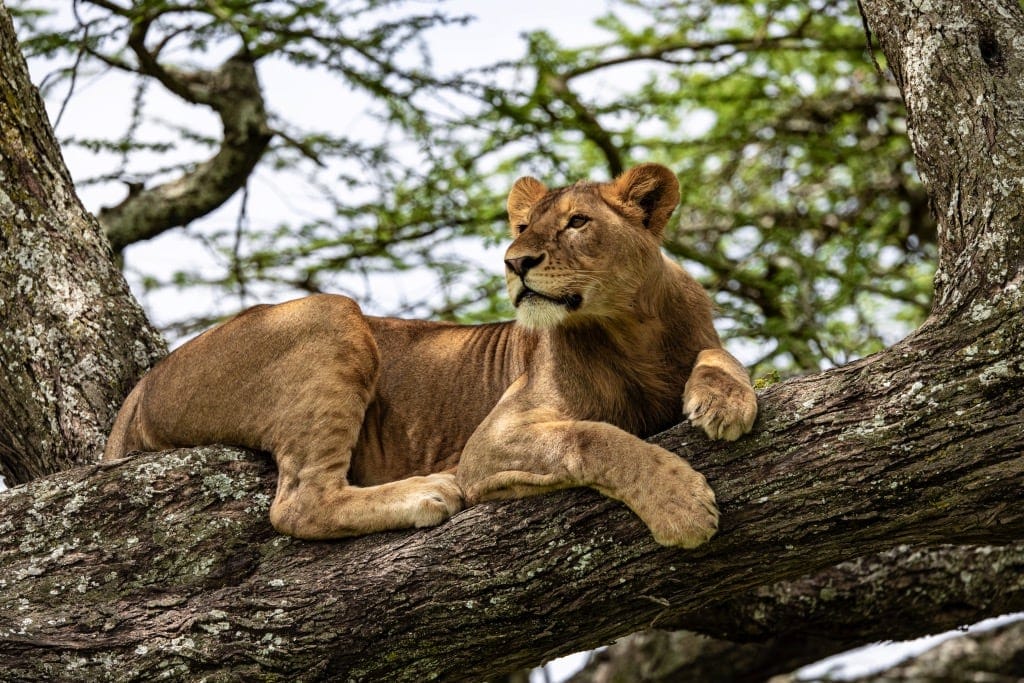
A 3-day budget safari in Queen Elizabeth National Park is best managed by traveling during the low season (March-May, Oct-Nov) to secure discounted lodges, choosing budget camping or budget lodges like Simba Safari Camp, and booking a 4x4 safari van. Focus on morning/evening game drives in the Kasenyi Plains and a Kazinga Channel boat cruise
3-days-trips-to-queen-elizabeth-national-park-for-chimpanzee-tracking-in-kyambura-gorge
3-days-uganda-safari-itinerary-to-queen-elizabeth-national-park
3-days-budget-queen-elizabeth-park-uganda-wildlife-safari-holiday
3-days-fly-luxury-uganda-safari-to-queen-elizabeth-national-park
3-Day Queen Elizabeth National Park Budget Safari
The 3-Day Queen Elizabeth National Park Budget Safari is a perfectly condensed expedition into Uganda's most popular savannah park, designed for travelers who want maximum wildlife impact on a modest budget. Set against the backdrop of the jagged Rwenzori Mountains, this park is a mosaic of volcanic craters, grassy plains, and tropical forests. Within 72 hours, you will experience the two primary highlights of the region: a classic game drive through the Kasenyi Plains to track lions and elephants, and a boat cruise along the Kazinga Channel, a natural waterway with the world's highest concentration of hippos. By utilizing budget-friendly eco-lodges or community-run camps just outside the park boundaries, you can enjoy an authentic African safari experience without the luxury price tag. It is an ideal escape for those looking to witness the "Big Four" and hundreds of bird species in a dramatic, rift-valley landscape that defines the spirit of Uganda.
Day 1: The Equator and the Rift Valley
Your journey begins with an early departure from Kampala or Entebbe, heading west through a landscape of rolling hills and banana plantations. A mandatory stop at the Uganda Equator in Kayabwe allows for iconic photos and a quick demonstration of the Coriolis effect. After a local lunch in Mbarara, you descend the sheer eastern escarpment of the Albertine Rift Valley, offering breathtaking panoramic views of the park’s vast plains below. You will enter Queen Elizabeth National Park in the late afternoon, enjoying a scenic game drive toward your budget lodge. As the sun sets over the Bunyaruguru Crater field, you’ll settle into your eco-camp for a hearty meal, falling asleep to the distant calls of savanna nightjars and the occasional grunt of a hippo wandering up from the water.
Day 2: Savannah Giants and the Kazinga Channel
An early morning start is essential to catch predators like lions and leopards before they retreat from the heat. You’ll explore the Kasenyi Plains, a breeding ground for Uganda Kob, which naturally attracts big cats. Your guide will track elephants, buffaloes, and giant forest hogs across the open savanna. In the afternoon, the focus shifts to the water for a 2-hour boat cruise on the Kazinga Channel. This is a wildlife photographer’s dream; you’ll glide past pods of hippos, massive Nile crocodiles, and thirsty elephant herds coming down to drink. The banks are also teeming with birdlife, including kingfishers, pelicans, and the African fish eagle. The day concludes with a sunset drive back to your lodge, witnessing the park's transition from the golden light of day to the mysterious sounds of the African night.
Day 3: Chimpanzees and the Return Journey
On your final morning, you visit the stunning Kyambura Gorge, also known as the "Valley of Apes." This deep, underground forest is a geographical marvel where you can track habituated chimpanzees or take a guided nature walk to see various primate species like the Black-and-white Colobus. The contrast between the dry savanna above and the lush riverine forest 100 meters below is staggering. After the trek, you begin your return journey, winding back through the tea estates of Bushenyi. You’ll stop for a final lunch in Mbarara before heading east. A brief stop at the Mpambire Royal Drum Makers allows you to see traditional craftsmanship before arriving back in Kampala by early evening. You leave with a full camera roll and a deep appreciation for the incredible biodiversity of the Pearl of Africa.
10 Strategic Tips for a 3-Day Queen Elizabeth Budget Safari
Travel During the Low Season
Timing is the most effective tool for cost reduction. In Uganda, the low seasons fall during the wetter months of March, April, May, October, and November. During these periods, many high-end and mid-range lodges drop their prices significantly to attract the fewer travelers venturing out. You can often secure a mid-range room at budget prices, sometimes at a 20% to 40% discount. While there is a higher chance of rain, the showers are typically short-lived and result in a lush, emerald-green landscape that is spectacular for photography. Furthermore, the park is less crowded, meaning you won’t have several vehicles crowding around a single lion sighting, providing a more intimate and "private" feel to your budget expedition.
Opt for Budget Accommodation
The key to a budget safari is selecting lodging that prioritizes location over luxury. Staying at established budget camps like Simba Safari Camp or community-run lodges just outside the park gates (such as in the Bunyaruguru area) can save you hundreds of dollars. These lodges offer "lazy camping" (pre-erected tents with beds) or basic cottages that are clean, safe, and provide essential amenities like mosquito nets and solar-heated showers. By staying at the edge of the park rather than in the heart of the Mweya Peninsula, you avoid the high "concession fees" built into the room rates of luxury lodges while remaining just a 15-minute drive from the primary game-viewing tracks.
Choose a Group Safari
Transportation is often the second-highest cost after park fees. If you are a solo traveler or a couple, the cost of a private vehicle, fuel, and a driver-guide can be prohibitive. Joining a pre-arranged group tour allows you to split these fixed costs among 4 to 6 people. This can bring the per-person price down by 30% to 50%. Beyond the savings, group tours are socially rewarding, allowing you to share the excitement of a leopard sighting with fellow adventurers. Many operators in Kampala offer scheduled departures for 3-day Queen Elizabeth trips, making it easy to plug into an existing itinerary and save significantly on the "logistics" portion of your budget.
Book a 4x4 Safari Van
While the rugged Toyota Land Cruiser is the "poster child" of African safaris, a 4x4 Safari Van (often a customized Toyota Hiace) is the unsung hero for budget travelers. These vans are specifically modified with heavy-duty suspension and, most importantly, a pop-up roof that allows for 360-degree views during game drives. They are far more fuel-efficient and have a lower daily rental rate than Land Cruisers. In Queen Elizabeth National Park, where the main tracks in the Kasenyi Plains are well-maintained, a 4x4 van is more than capable of navigating the terrain even in the rainy season, providing the same wildlife viewing quality at a fraction of the rental cost.
Bring Your Own Packed Lunch and Snacks
Restaurant prices inside national parks are notoriously high because all supplies must be trucked in from distant towns. To keep your daily spending low, stock up on non-perishable snacks, large water jugs, and simple lunch items (like bread, fruit, and nuts) in Kampala or Mbarara before entering the park. Most budget lodges will also allow you to bring your own drinks, saving you from the high markup on sodas and beer. Carrying your own water and a "tucker box" not only saves money but also gives you the flexibility to stay out longer on a game drive without having to rush back to a lodge for an expensive scheduled meal.
Prioritize Key Activities
A 3-day trip is short, so you must focus your budget on "high-impact" activities. The two absolute essentials are a morning game drive in the Kasenyi Plains and a boat safari on the Kazinga Channel. These two activities offer the highest density of wildlife sightings per dollar spent. Avoid adding too many "niche" activities like experimental research tracking or long forest walks if you are on a strict budget, as these carry additional specialized fees. By focusing on the "Big Four" and the massive hippo populations, you ensure that your limited funds are going toward the most iconic and successful wildlife viewing experiences the park has to offer.
Do Not Miss the Kazinga Channel Boat Cruise
If you only pay for one "extra" activity, let it be the Kazinga Channel boat cruise. Managed by the Uganda Wildlife Authority (UWA) or private operators like Mweya Safari Lodge, this 2-hour journey is one of the most cost-effective wildlife experiences in Africa. For a reasonable fee (approx. $30 for foreigners), you are guaranteed to see hundreds of hippos, massive Nile crocodiles, and countless elephants and buffaloes lining the shore. The "per-animal" cost of this activity is incredibly low because the wildlife is so concentrated. It provides a perspective you simply cannot get from a vehicle, making it the best value-for-money highlight of the entire 3-day safari.
Pack Essential Gear
Being well-prepared prevents "emergency" purchases at expensive park gift shops. Essential budget gear includes a pair of binoculars (which allows you to see distant lions without the driver having to burn extra fuel searching), a wide-brimmed hat, and high-SPF sunscreen. Insect repellent is crucial for the Kazinga area where tsetse flies and mosquitoes can be active. Wearing lightweight, neutral-colored clothing (khaki, olive, or tan) is not just about the "safari look"; it helps you blend in and stay cool. By bringing these from home, you avoid paying double or triple the price for basic supplies in remote safari hubs.
Combine with Other Activities
To maximize the value of your transport and park entry fees, look for "bundled" opportunities. For example, if your route takes you near the Kyambura Gorge, you can combine a scenic viewpoint stop with your entry into the park. Many budget travelers also stop at the Equator in Kayabwe and the Igongo Cultural Centre in Mbarara on the way back. These stops often have free or very low entry fees and add a rich layer of cultural and geographical context to your wildlife trip. Combining these "roadside gems" ensures you get a "10-day experience" out of a 3-day budget, making every mile of the journey count.
Use Local Guides
While your driver-guide is excellent, hiring an additional UWA site ranger for your game drive can be a brilliant budget move. These rangers spend every day in the park and communicate via radio with other scouts; they know exactly where the lions "killed" that morning or where the leopard was last spotted. Their fee is very modest (usually around $20 per vehicle), and they can save you hours of aimless driving and liters of wasted fuel. Using a local expert maximizes your "sighting-per-hour" ratio, ensuring that your 3-day budget trip results in the high-quality wildlife encounters usually reserved for much more expensive, longer safaris.
When is the best time for a budget trip?
Timing is a balancing act between cost and experience. While the dry seasons (June to August and January to February) are peak times for wildlife viewing because animals congregate around permanent water sources, they are also when lodge prices are highest. For the ultimate "budget" hack, consider the shoulder months of late May or September. During these windows, you avoid the heavy rains that make the tracks in the Kasenyi Plains impassable for cheaper 2WD vehicles, yet you can still negotiate "low season" rates at lodges. The grass is shorter than in the peak wet months, meaning you won’t need to pay for extra days just to find elusive predators hiding in tall greenery.
How can I save on transport costs?
Transport is the most significant variable in your budget. The most cost-effective way to explore is by joining a shared group safari. By splitting the daily vehicle rental (typically $100–$150) and fuel costs among six people, your individual cost drops to the price of a few meals. If you prefer a private trip, opting for a 4x4 safari van with a pop-up roof instead of a Land Cruiser can save you roughly $50 per day. The van is perfectly capable of handling the park's main circuits, and its better fuel economy directly translates to more money in your pocket for activities like the Kazinga Channel boat cruise.
Are park entrance fees included in budget packages?
Always read the fine print. Park entrance fees for Queen Elizabeth National Park are currently $40 per 24-hour period for foreign non-residents. Many budget operators omit these to make their initial "sticker price" look more attractive. If your tour involves a morning game drive on Day 2 and a boat cruise on Day 3, you may need to pay for two separate 24-hour cycles. Clarify with your provider if these fees—and the vehicle entry fees—are covered. Carrying the exact amount in clean, post-2013 US Dollar bills is essential, as the park gates rarely have credit card machines that work reliably with international cards.
What is the cheapest accommodation in Queen Elizabeth NP?
The area around Katunguru and Rubirizi is a goldmine for budget travelers. Staying just outside the park boundary at community-run campsites or "lazy camping" sites (where tents are already set up with beds) can cost as little as $20–$40 per night. Lodges like Simba Safari Camp offer dormitories or basic rooms that provide the "safari feel" without the luxury markup. These locations are strategic because they sit right near the Kazinga Channel bridge, allowing you to enter the park at dawn without a long, fuel-consuming commute, keeping your transport costs at an absolute minimum.
What should I pack for a 3-day safari?
Preparation prevents unnecessary spending. You must pack high-quality insect repellent and sunscreen, as these items are sold at a massive premium in park souvenir shops. Binoculars are the most important budget tool; they allow you to see a leopard in a distant cactus tree clearly, saving your driver from burning fuel trying to maneuver closer. Pack light, neutral-colored clothing (khaki or olive) to stay cool and blend in, and don't forget a power bank. Budget lodges often rely on solar power and may have limited charging hours, so having your own power source ensures your camera is always ready for that perfect lion shot.
Can I find cheap food inside the park?
To put it simply: no. Restaurants inside the park cater to international tourists and charge accordingly. The best strategy is to "self-cater" your daytime meals. Stock up on water, fruit, bread, and snacks in Kampala or Mbarara before you reach the park. Most budget lodges will provide a basic breakfast, but having your own packed lunch allows you to stay out on a game drive during the "golden hours" without having to return to a lodge for an expensive $20 buffet. This not only saves money but maximizes your wildlife viewing time, giving you better "value per hour."
What activities are free or cheap?
Standard game drives in the Kasenyi Plains are the most cost-effective way to see the "Big Four." Once you have paid your $40 park entry fee, the tracks are open to you. Hiking outside the park boundaries in the Bunyaruguru Crater region is another affordable highlight; for a small community fee, you can walk to stunning viewpoints overlooking twin crater lakes. While the boat cruise is an extra cost, it is widely considered the best value-for-money activity in Uganda because the wildlife density is so high that your "cost per sighting" is lower than anywhere else in the country.
How to see lions without paying for specialized tracking?
Lion tracking with researchers is an incredible experience, but it costs an additional $100+ per person. To see lions on a budget, take advantage of the early morning game drives (starting at 6:30 AM) in the Kasenyi Plains. Lions are most active at dawn when they are still on the move or finishing a night's kill. Follow the "Uganda Kob" breeding grounds, as these are the lions' primary supermarkets. If you see a cluster of safari vehicles, it’s a good sign a predator has been spotted. Using a local ranger-guide for about $20 per vehicle is a much cheaper way to find lions than the specialized tracking sessions.
Should I hire a guide for the park?
Yes, hiring a UWA (Uganda Wildlife Authority) ranger-guide is a brilliant budget move. For roughly $20, a professional scout will join your vehicle. These guides are in constant radio contact with others and know exactly where the leopards or lions were seen 10 minutes ago. Without a guide, you might spend four hours burning expensive fuel and seeing nothing but grass. A guide ensures that your 3-day trip is packed with sightings, effectively "compressing" a week's worth of wildlife into a short timeframe and saving you money on fuel and extra park days.
How can I travel to the park cheaply?
For the truly adventurous budget traveler, the public bus from Kampala to Kasese or Katunguru is the cheapest option, costing around $10–$15. From these towns, you can hire a "special hire" taxi or a 4x4 for the specific days you want to enter the park. This avoids the cost of paying for a vehicle and driver to sit idle while you are traveling. However, keep in mind that this requires more time and logistical effort. If you are on a tight 3-day schedule, a pre-booked budget tour package that includes transport from Kampala is often more "cost-effective" when you factor in the value of your limited time.
Are boat cruises on Kazinga Channel affordable?
The boat cruise is a "must-do" that fits even the tightest budgets. At approximately $30 per person for the UWA-operated boat, it provides a two-hour front-row seat to Africa’s greatest water show. You will see more hippos, crocodiles, and buffalos in those two hours than you might see in two days of driving. Because the boat carries a large group, the cost is kept low. It is arguably the most efficient use of your money in Queen Elizabeth National Park, offering a high-density wildlife experience that is both relaxing and incredibly productive for photography.
What to pack for community tours?
If you plan to visit the Katwe Salt Works or a local community project, carry Ugandan Shillings (UGX) in small denominations. While USD is great for permits, local craft markets and community guides prefer Shillings. Buying a handmade basket or a bag of volcanic salt directly supports the people living alongside the wildlife. This "community-centric" spending ensures your tourism dollars have a positive impact. Also, pack a humble and respectful attitude; engaging with the Katwe locals about their centuries-old salt-mining traditions is a "cheap" activity that provides some of the richest memories of the trip.
Is it necessary to travel in a group?
While not "necessary," it is the golden rule of budget travel. A solo traveler pays 100% of the vehicle, fuel, and guide costs. In a group of four, you only pay 25%. Most budget operators in Kampala specialize in "scheduled departures," allowing you to join a group. This not only slashes your transport costs but often gets you a better rate at lodges, as the operator can negotiate group discounts. If you value your budget over total privacy, the group safari is the only way to experience a high-quality Queen Elizabeth trip for a few hundred dollars.
How early should I book the budget safari?
You should aim to book at least 2–3 months in advance. While Queen Elizabeth doesn't have the strict permit limits of gorilla trekking, the best budget lodges (those with the best price-to-location ratio) fill up quickly. Booking early also gives you a better chance of finding a group to join, as operators need time to fill the seats in the safari van. If you wait until the last minute, you may be forced to stay at a more expensive lodge further from the park gates, which will increase your daily transport costs and eat into your budget.
Are there ATM facilities available inside the park?
No, and this is a critical point. There are no ATMs inside the park. The nearest reliable machines are in Kasese or Mbarara. You must withdraw enough Ugandan Shillings in Kampala to cover your tips, community fees, and souvenir purchases. While some lodges accept credit cards, they often charge a 3% to 5% surcharge and their machines are prone to signal failure in the remote Rift Valley. Being "cash-poor" in the park can lead to missing out on community tours or having to pay exorbitant exchange rates at the lodges. Always carry a cash buffer to keep your budget on track.
Booking 3 Days Queen Elizabeth safari with us Roads of Adventure safaris
Book a 3-day Queen Elizabeth National Park safari with Roads of Adventure Safaris to experience premier Uganda wildlife, featuring game drives in savanna plains, a Kazinga Channel boat cruise, and potential tree-climbing lion spotting in the Ishasha sector. Packages typically include 4x4 transport, accommodation, and professional guides
