The 10 Days Rwanda Budget Gorilla Tours package is meticulously designed to offer an authentic and cost-effective immersion into the land of a thousand hills. By prioritizing strategic logistics and selecting high-value, locally-managed lodges, this itinerary ensures that travelers can access the remarkable wildlife of Rwanda without the heavy financial burden typically associated with high-end luxury circuits. Our focus remains on the essential encounters: spending time with the mountain gorillas in their natural habitat, exploring the primate-rich canopy of Nyungwe, and experiencing the diverse wildlife of Akagera. This journey is ideal for those who value authentic engagement with nature and local culture, providing a balanced schedule that maximizes time in protected areas while keeping operational costs manageable. Through careful planning, we ensure your resources are concentrated on the activities that matter most, such as permits and professional field guidance. Whether you are a solo adventurer or traveling with a small group, this package provides the structural support needed for a seamless and memorable experience in East Africa.
Tour highlight for 10 Days Rwanda Budget Gorilla Tours
Gorilla family group observation
Kigali city history tour
Golden monkey forest trekking
Nyungwe chimpanzee habituated tracking
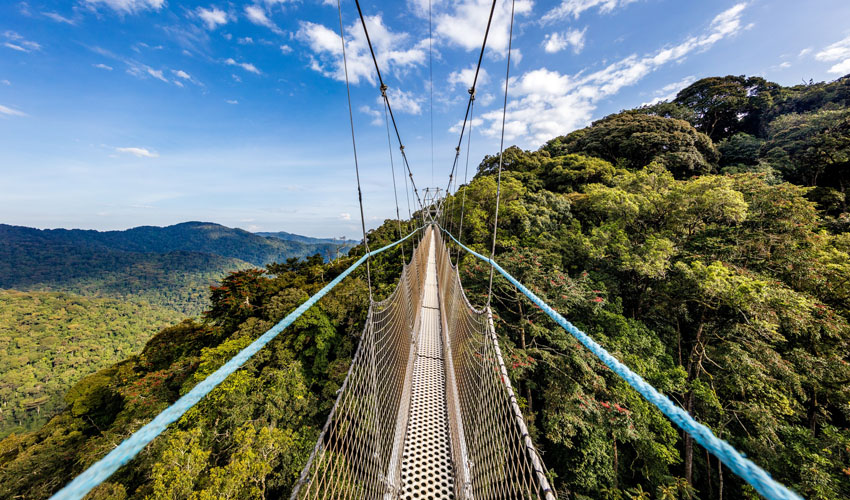
Forest canopy bridge walking
Akagera wildlife savanna drives
Lake Ihema boat safari
Iby’iwacu cultural village visit
Diverse Rwandan local cuisine
Scenic lake Kivu views
Professional field guide support
Sustainable budget lodge stays
Traditional dance performance art
Mountain volcanic slope hiking
Rural landscape transit travel
Day by day 10 Days Rwanda Budget Gorilla Tours
Day 1: Arrival in Kigali
Upon your arrival at Kigali International Airport, your dedicated driver-guide will welcome you. After a brief orientation session, you will proceed to your hotel in the city center to settle in. Depending on your arrival time, the afternoon provides a meaningful opportunity to explore Kigali. You will visit the Kigali Genocide Memorial, a significant site that offers a profound understanding of Rwanda's recent history and its path toward unity. Afterward, take a stroll through the local artisan markets to view handmade crafts and vibrant textiles. These initial hours are important for acclimatizing to the local environment and preparing for the days of travel ahead. Dinner will be at a local restaurant where you can enjoy authentic Rwandan cuisine, providing a gentle introduction to the local culture before you head north toward the mountain ranges tomorrow morning.
Day 2: Transfer to Volcanoes National Park
After an early breakfast, you will begin your scenic drive from Kigali to the Musanze district, home to the Volcanoes National Park. The journey takes you through rolling landscapes characterized by terraced hills and agricultural plots that exemplify the country's intensive land management. Upon arrival, you will check into your selected budget lodge, which offers comfortable amenities and proximity to the park headquarters. The afternoon is reserved for a cultural visit to the Iby’iwacu Cultural Village. Here, you will interact with local community members who share insights into their traditional lifestyle, music, and dance. This engagement is a fundamental part of your travel experience, as it allows you to learn about the conservation efforts supported by local residents. You will spend the evening relaxing at the lodge, enjoying a hearty meal, and preparing for the primary activity scheduled for the following day.
Day 3: First Gorilla Tracking Experience
The day begins before dawn with a drive to the Volcanoes National Park headquarters for your mandatory briefing. A head ranger will provide essential information regarding group protocols and safety measures to follow while in the presence of the gorillas. You will then be assigned to a specific group and accompanied by trackers who navigate the volcanic slopes to locate the family. This trek may take several hours depending on the group's current location within the dense bamboo and montane forest. Once the gorillas are found, you will spend one hour observing their daily interactions, feeding, and social behaviors. This is a quiet, observation-based activity that requires patience and respect for the animals' space. After returning to the headquarters, you will head back to your lodge to rest, process the day’s events, and enjoy a quiet dinner in the mountain air.
Day 4: Golden Monkey Trek and Transfer to Lake Kivu
Today, your focus shifts to the golden monkeys, an endangered primate species native to the high-altitude forests of the Virunga chain. The briefing is similar to the gorilla trek, and you will set out into the same verdant environment to locate these active, colorful creatures. They are highly agile, often moving quickly through the canopy, which offers a different dynamic compared to the more sedentary nature of gorilla families. After your successful observation, you will return to the lodge for lunch before departing for the shores of Lake Kivu in Gisenyi. This drive is visually engaging, offering views of the lake's expansive blue waters against a backdrop of volcanic peaks. Upon arrival, you can take a relaxing walk along the shore or simply rest at your lakeside accommodation. The peaceful atmosphere here serves as a perfect transition between the intensity of the mountain trek and your upcoming journey.
Day 5: Transfer to Nyungwe Forest National Park
Your journey continues southward along the edge of Lake Kivu, passing through small lakeside towns and tea plantations. This route provides constant views of the Congo-Nile Trail and the various inlets of the lake. We will stop for lunch in a central town such as Kibuye, allowing you to stretch your legs and appreciate the scenery. By late afternoon, you will reach the outskirts of Nyungwe Forest National Park. This vast protected area is a critical biodiversity hotspot, home to numerous primate species and unique botanical life. You will check into your lodge, which is situated near the forest boundary, offering access to the primary trailheads. Spend the evening reviewing the next day’s plans with your guide and enjoying the cool, misty climate that characterizes the southern province of Rwanda.
Day 6: Chimpanzee Tracking and Canopy Walk
The morning starts early, as you head into the Nyungwe forest for a trek to track a habituated group of chimpanzees. These primates are highly mobile, and the trek can be vigorous as you navigate the forest floor. You will likely hear them calling before you see them, and your guide will lead you to their current location. Spending time with these energetic animals offers a distinct experience in primate behavior. In the afternoon, you will participate in the park’s canopy walk. This suspended bridge, elevated high above the forest floor, provides a unique perspective on the park's dense ecosystem, allowing you to view the forest from the level of the treetops. It is a practical way to witness the complexity of the forest structure and observe birds and other small mammals that inhabit the higher layers of the vegetation.
Day 7: Transfer to Akagera National Park
You will depart from Nyungwe early in the morning for the drive toward the eastern plains and Akagera National Park. This journey covers a significant portion of the country, moving from the mountainous western region to the savanna landscapes of the east. The travel day allows you to observe the changing geography and rural landscapes of Rwanda. Upon arrival at the park gate, you will complete the entry formalities and begin a game drive en route to your camp or lodge. Akagera is significantly different from the previous days’ environments, characterized by papyrus swamps, acacia woodland, and open plains. You will check into your accommodation, which is often located inside or very close to the park, and spend the evening anticipating the wildlife viewing opportunities that the following days will bring.
Day 8: Game Drive and Boat Safari
Today is dedicated to exploring the diversity of Akagera National Park. You will head out early for a game drive, focusing on the savannah sections where large mammals such as elephants, zebras, and various antelope species are often found. Your guide will navigate the track network to maximize your chances of viewing the park's wildlife, which has seen successful conservation efforts in recent years. In the afternoon, you will transfer to the shores of Lake Ihema for a boat safari. This activity provides a different vantage point, as you glide along the water to observe hippos, crocodiles, and a variety of aquatic birds. The lake is a focal point for the park’s wildlife, especially during the warmer parts of the day when animals come to drink or cool off at the water’s edge.
Day 9: Second Game Drive and Return to Kigali
You will begin the day with one final morning game drive, targeting areas of the park you may have missed or revisiting spots known for active wildlife. The morning hours are ideal for spotting predators that may be finishing their nocturnal activities. After the drive, you will exit the park and begin the final leg of your journey, driving back toward Kigali. The route passes through several local villages, providing a last look at the rural life of eastern Rwanda. Upon reaching Kigali, you will transfer to your hotel. This evening is a time to reflect on your ten-day journey, organize your photos, and perhaps enjoy a final dinner in the city. You may choose to visit a local cultural center or craft market for any last-minute souvenirs you wish to take home.
Day 10: Kigali City Tour and Departure
On your final day, you will engage in a more comprehensive city tour of Kigali. You will visit the Nyamirambo neighborhood, known for its vibrant street life and community initiatives. A visit to the local markets allows you to see the daily rhythm of the city and pick up high-quality Rwandan coffee or baskets. Depending on your flight schedule, you may also visit the Campaign Against Genocide Museum or other historical sites that provide context to the country’s progress. Your guide will then drive you to Kigali International Airport in time for your flight. As you depart, you will carry with you a firsthand perspective of the diverse landscapes, rich primate history, and the evolving spirit of Rwanda, marking the end of your affordable and comprehensive adventure through this region.
1. What makes a 10-day tour "budget-friendly" in Rwanda?
A budget-friendly 10-day tour in Rwanda is defined by strategic logistical planning rather than a sacrifice in quality or essential experiences. To manage costs effectively, these packages prioritize mid-range or locally managed eco-lodges that offer clean, comfortable, and authentic environments while remaining close to park boundaries to reduce transit time and fuel expenses. Budgeting also involves grouping activities to minimize long-distance driving and utilizing the expertise of local tour operators who have negotiated rates for permits and park entries. A key component of keeping this itinerary affordable is the selection of group-based travel options, which allow for the sharing of vehicle and guide costs. By focusing on essential inclusions—such as ground transportation, park entry fees, and well-located lodging—travelers can engage with the core highlights of Rwanda, including primate trekking and savannah wildlife, without the premiums associated with luxury or boutique high-end circuit providers. Ultimately, an affordable tour is about maximizing the value of your time and financial resources through professional local organization.
2. Is 10 days the ideal duration for a Rwanda safari?
Ten days is considered an optimal duration for a comprehensive exploration of Rwanda, often referred to as the "Land of a Thousand Hills." This timeframe allows travelers to experience the country’s ecological diversity without feeling rushed. In a ten-day period, one can comfortably balance the physically demanding nature of mountain gorilla and chimpanzee tracking with the more relaxed pace of savannah game drives in Akagera and reflective cultural visits. This length of time provides enough cushion for travel between diverse terrains, such as the high-altitude volcanoes in the north, the rainforests of the southwest, and the open plains of the east. Rather than attempting to see everything in a frantic three-day window, a ten-day itinerary encourages a deeper connection with the local environment, provides ample opportunity to recover between strenuous hikes, and allows for authentic interaction with the communities near the parks. It is the perfect balance for an immersive and complete journey.
3. How do I acquire a gorilla trekking permit?
Acquiring a gorilla permit is the most critical step in planning your trip, as permits are strictly regulated by the Rwanda Development Board (RDB). Currently, these permits are high-demand documents, and the most reliable way to secure one is through a reputable local tour operator. Because there is a daily limit on the number of visitors allowed to trek each habituated gorilla group, permits often sell out months in advance. Your tour operator acts as a liaison, handling the payment and administrative process, which requires your passport details—including full names, nationality, and passport numbers. While you could technically contact the RDB directly, utilizing an agency is highly recommended to ensure the permit is correctly linked to your specific travel dates. It is essential to understand that without a confirmed permit, your entire itinerary cannot be finalized. Once you have secured this permit, you are guaranteed your spot in the forest on your designated tracking day.
4. What level of physical fitness is required for trekking?
Gorilla and chimpanzee trekking are not standardized walks; they involve navigating volcanic slopes, dense vegetation, and potentially muddy, uneven terrain. While you do not need to be a professional athlete, a moderate level of cardiovascular endurance is highly beneficial to enjoy the experience fully. The trek duration can range from one to eight hours, depending on the current movement of the primate groups within the forest. To prepare, it is advisable to engage in regular activities such as hiking, jogging, or stair climbing in the weeks leading up to your trip. Exercises that strengthen your quadriceps, hamstrings, and core will improve your stability on steep inclines. Mental resilience is just as vital as physical conditioning, as the forest environment is inherently unpredictable. If you have any concerns regarding your fitness, communicate them to your tour operator during the planning phase so they can assist in matching you with a gorilla family whose typical habitat is more accessible.
5. What clothing and gear should I pack?
Packing for a 10-day tour in Rwanda requires preparation for diverse climates, ranging from the misty, cool air of the high-altitude rainforests to the warmer temperatures of the eastern savannah. Essential gear includes sturdy, waterproof hiking boots with good ankle support, which are non-negotiable for navigating slippery slopes. You should bring long-sleeved shirts and long trousers to protect your skin from stinging nettles, branches, and insects. A lightweight, high-quality rain jacket is mandatory, as sudden showers can occur at any time, especially in the volcanic and rainforest regions. Gardening-style gloves are useful for grabbing onto vegetation during steep climbs. Other key items include a moisture-wicking base layer, a warm fleece for the cooler mornings and evenings, and a comfortable daypack with a rain cover. Finally, pack a camera with extra batteries, sunscreen, a wide-brimmed hat, and insect repellent to ensure your comfort throughout the various stages of your journey.
6. Are there safety regulations during primate tracking?
Safety protocols are the cornerstone of primate tracking in Rwanda, designed to protect both the visitors and the endangered species themselves. During your mandatory briefing at the park headquarters, rangers will explain the rules: you must maintain a minimum distance of seven meters (23 feet) from the gorillas or chimpanzees at all times. This distance is vital to prevent the transmission of human respiratory or other infectious diseases to the primates, who share a significant portion of our DNA. Other core rules include keeping your voice low to avoid stressing the animals, not eating or smoking in their presence, and never using a camera flash, which could trigger a defensive reaction. You are strictly prohibited from touching the primates, even if they move closer to you. By adhering to these guidelines and following the instructions of your trained armed guide, you ensure a safe and respectful encounter that supports ongoing conservation efforts.
7. What is the difference between gorilla and chimpanzee trekking?
While both involve primate observation, gorilla and chimpanzee trekking offer distinct experiences. Mountain gorillas are generally more sedentary, often found in smaller, tighter family groups that can be observed for one hour of quiet, close-range interaction. Their behavior is often characterized by social grooming and gentle play, making them easier to photograph and observe in detail. Conversely, chimpanzees are highly active, fast-moving, and often spend a significant portion of their time in the high forest canopy. Tracking chimpanzees can feel more like a search-and-find mission, requiring more agility and a faster pace to keep up with their movements. While gorillas are often found in the bamboo or montane forest zones of the Virunga mountains, chimpanzees occupy the lower, denser regions of Nyungwe National Park. Both experiences require physical effort, but the energetic nature of the chimpanzees provides a much more dynamic, fast-paced encounter compared to the calm, grounded nature of the gorillas.
8. What wildlife can I see in Akagera besides the "Big Five"?
Akagera National Park is a mosaic of habitats, including open plains, woodlands, and extensive wetlands, which supports a wider variety of life than just the traditional "Big Five." Beyond lions, leopards, rhinos, elephants, and buffalo, you are likely to encounter large numbers of plains game, including zebras, giraffes, and impalas. The park’s swamps and lakes are teeming with hippos and massive Nile crocodiles, which are easily viewed during boat safaris. Bird enthusiasts will find the park exceptional, with hundreds of species recorded, including the rare and prehistoric-looking shoebill stork, which frequents the papyrus wetlands. You may also spot smaller mammals like bushbucks, warthogs, and olive baboons during your drives. Because Akagera is an incredibly lush environment, the diversity of smaller creatures—such as colorful lizards, vibrant butterflies, and various birds of prey—ensures that every game drive is full of sightings, providing a rich, multi-layered wildlife experience that extends far beyond the main attractions.
9. How do I handle tipping in Rwanda?
Tipping is not strictly mandatory, but it is an ingrained part of the tourism culture in Rwanda and is widely viewed as a gesture of appreciation for the professional services provided. Your guides, porters, and lodge staff work hard to ensure your comfort and safety, and a gratuity is a meaningful way to acknowledge their efforts. For your driver-guide, who stays with you for the entire 10-day duration, a cumulative tip at the end of the trip is common and appreciated. If you hire a porter to assist you during a trekking day—which is highly recommended—a direct tip at the end of the hike is the standard practice. For lodge staff, many establishments have a communal tip box at the reception, which is the most equitable way to ensure the back-of-house staff also benefit from your visit. It is always wise to carry some small denominations of local currency or US dollars specifically for these purposes, keeping in mind that your tips contribute significantly to the local economy and the livelihoods of those in the communities surrounding the national parks.
10. Can I visit the cultural villages on my own?
While many cultural villages, such as Iby’iwacu near Volcanoes National Park, are open to visitors, it is highly recommended to include these visits as part of your organized tour package. Booking through your tour operator ensures that the logistics—including transportation, entry fees, and scheduling—are handled seamlessly. These cultural centers are designed to be interactive, often featuring traditional dance performances, cooking demonstrations, and historical narrations that are best enjoyed with a guided context. Visiting with your assigned tour guide allows for a more personalized experience, as they can translate, facilitate deeper conversations with the community members, and ensure you are getting the most educational value from the visit. Furthermore, these villages are often run by former poachers who have transitioned into conservationists; by visiting through a professional tour, you are directly supporting a legitimate community development project that benefits the entire region. Trying to arrange these visits independently can be complex and may lead to missing out on the intended authentic engagement.
11. What is the best time of year for a 10-day tour?
The ideal window for a 10-day Rwanda safari is during the two primary dry seasons: mid-December to early February, and June to September. During these months, the forest trails are drier and easier to navigate, and the risk of rain during your trekking days is significantly reduced, which makes the overall experience more comfortable. The drier weather also makes game viewing in Akagera more predictable, as animals tend to congregate around water sources. However, do not be discouraged by the "green" or rainy seasons in March-May and November. While rain is more frequent, the landscape becomes lush and vibrant, and the lower demand for permits during these months can sometimes make it easier to book last-minute spots. Furthermore, the parks are much quieter, offering a more intimate experience with the guides and the wildlife. Regardless of the season, Rwanda’s high altitude means that weather can be unpredictable, so being prepared for rain at any time of year is a wise approach.
12. Are there any health or vaccine requirements?
Before traveling to Rwanda, you should consult with a travel medicine clinic or your physician at least six to eight weeks before your departure. Standard vaccinations for international travel, such as those for tetanus, diphtheria, and hepatitis, should be up to date. While not always strictly required for entry unless you are arriving from a country with a known risk, a Yellow Fever vaccination certificate is highly recommended and sometimes checked at the border. Because you will be visiting areas with forest and swamp environments, malaria is a factor; your doctor will likely prescribe prophylactic medication to be taken before, during, and after your trip. Additionally, ensure you carry a personal first-aid kit that includes essentials like antiseptic wipes, blister plasters, rehydration salts, and any personal prescriptions you require. Rwanda has significantly improved its public health infrastructure, and Kigali offers high-quality medical facilities, but taking proactive, preventative measures remains the best way to ensure your 10-day journey is enjoyable and safe.
13. Is the East Africa Tourist Visa better for this trip?
If your 10-day itinerary is strictly confined to Rwanda, a standard single-entry Rwandan tourist visa is sufficient and cost-effective. However, if your travel plans include visiting neighboring countries like Uganda or Kenya as part of a larger trip, the East Africa Tourist Visa is an excellent option. This multiple-entry visa allows you to move freely between Rwanda, Uganda, and Kenya without the need to apply for individual visas for each nation. It is valid for 90 days and costs $100 USD, which is a significant saving and a major logistical convenience for those on a multi-country expedition. If you are strictly doing the 10-day Rwanda-only circuit, check the current Rwandan immigration regulations for your nationality, as some countries qualify for visa-on-arrival or may have different fee structures. Always verify your specific requirements on the official Rwanda Immigration website before you depart to ensure your documentation is current and correct.
14. What language is used, and will I need a translator?
In Rwanda, the official languages are Kinyarwanda, English, French, and Swahili. English is widely spoken in the tourism and hospitality sectors, so you will have no issues communicating at hotels, parks, and city centers. Your driver-guide will be fluent in English and often several other local languages, acting as your primary bridge for communication during your 10-day journey. If you are participating in a deep cultural village tour, the local hosts may primarily speak Kinyarwanda, but these experiences are almost always facilitated by your guide, who will translate and ensure you understand the history and context of what you are seeing. You do not need to hire a separate translator for the standard itinerary, as the professional guidance provided by our team is designed to handle all communicative needs, from briefing sessions at the park headquarters to interacting with local community members.
15. How are the "budget" accommodations in Rwanda?
Budget accommodation in Rwanda has seen a significant improvement in quality and service over the last few years. Far from being basic or uncomfortable, the lodges and guesthouses used for our budget-friendly 10-day tours are typically charming, locally owned establishments that offer a high standard of cleanliness and warm, authentic Rwandan hospitality. Many of these properties are located just outside the national park boundaries, providing excellent access to the main activity areas without the high price tag of luxury wilderness lodges. You can expect private or en-suite rooms with comfortable beds, reliable hot water, and decent food prepared with fresh, locally sourced ingredients. These lodges are often situated in beautiful, scenic settings—some overlooking hillsides or tea plantations—which enhance your overall connection to the environment. Choosing these accommodations is a conscious decision to support the local economy while ensuring that your budget is efficiently allocated to the experiences, such as your gorilla and chimpanzee permits, which remain the most valuable parts of your journey.
Booking 10 Days Rwanda Budget Gorilla Tours with us Roads of Adventure safaris
Booking a 10-day budget gorilla and wildlife tour with Roads of Adventure Safaris is a fantastic way to explore the region. You can easily reach out to them directly via their Roads of Adventure Safaris page to request a customized itinerary, check availability, and secure your gorilla permits in advance
