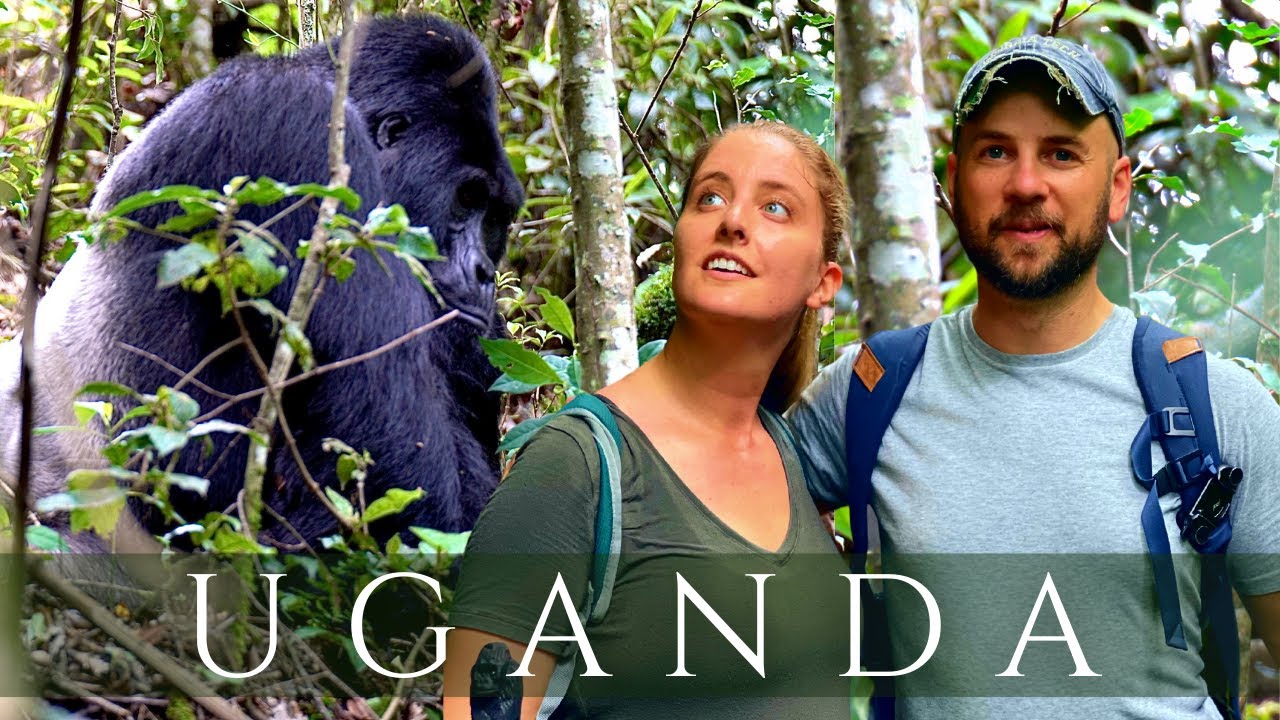
Exploring Uganda on a tight budget is entirely possible by focusing on self-drive logistics or using local public transport between towns, relying exclusively on basic campsites, community guesthouses, and budget bandas. This route cuts costs by utilizing the Uganda Wildlife Authority permit structure while avoiding luxury package markups. You will traverse savannahs, dense rainforests, and crater lakes. This ten-day itinerary is designed for independent travelers who prefer taking public coasters or hiring budget private cars. It groups regions logically so you spend less time in transit and more time in nature. By eating at local markets, sleeping in dormitories or basic private rooms at community campsites, and sharing safari vehicle costs with fellow travelers, you can experience the full spectrum of Uganda's wildlife without breaking the bank.
Day 1: Entebbe to Ziwa Rhino Sanctuary
Your journey begins with a 4-hour drive covering 183 km from Kampala via the northern highway. You will arrive at Ziwa Rhino and Wildlife Ranch in Nakitoma to track endangered southern white rhinos on foot. Walking with a local ranger takes about 1.5 hours through dense acacia bush. After tracking, settle into your accommodation at the ranch’s basic guesthouse or camp. This day acclimatizes you to the countryside and positions you close to the northern parks for an early start tomorrow.
Day 2: Ziwa to Murchison Falls National Park
Depart early for an 82 km drive north to Murchison Falls National Park, taking about 2 hours to reach the Kichwabanyobo gate. Head directly to the top of the falls to feel the raw power of the Nile squeezing through a 7-meter gorge. Travel 35 km (1.5 hours) through the park to the Paraa ferry crossing. Settle into budget accommodation at Red Chilli Rest Camp or the UWA bandas.
Day 3: Murchison Falls National Park
Start early with a 6:30 AM game drive on the Buligi tracks to spot lions, giraffes, and elephants along the Nile and Albert tracks. This 4-hour game drive covers about 50 km. In the afternoon, take the 2 PM public boat cruise to the base of Murchison Falls, lasting roughly 3 hours, where you will see hundreds of hippos and massive Nile crocodiles.
Day 4: Journey to Kibale Forest National Park
Travel 260 km south to Kibale National Park via Hoima and Fort Portal. This is a long 8 to 9-hour journey, passing through tea plantations. You will stop in Fort Portal to buy supplies at local markets. Your budget accommodation will be at Chimpanzee Forest Lodge or the Rweteera Safari Park campsites bordering the forest.
Day 5: Chimpanzee Tracking in Kibale
Spend the morning chimpanzee trekking in Kibale Forest. The trek takes 3 hours, walking roughly 4 km through dense vegetation with local UWA guides. In the afternoon, travel 12 km to Bigodi Wetland Sanctuary for a 2-hour guided swamp walk to spot colobus monkeys and unique birds like the great blue turaco.
Day 6: Kibale to Queen Elizabeth National Park
Drive 157 km south to Queen Elizabeth National Park, taking roughly 4 hours. You will cross the equator line at Kikorongo. Spend the afternoon taking a 2-hour boat cruise on the Kazinga Channel, which connects Lake George and Lake Edward, spotting large pods of hippos and bathing elephants. Stay at The Bush Lodge in the Katunguru area.
Day 7: Queen Elizabeth National Park
Start with a 6:30 AM game drive across the Kasenyi plains to hunt for lions and leopards in the grasslands, covering about 40 km in 4 hours. In the afternoon, drive 120 km south for 3 hours through the Ishasha sector to look for tree-climbing lions sprawled in fig trees. Spend the night at the Ishasha Community Rest Camp.
Day 8: Ishasha to Bwindi Impenetrable National Park
Leave the southern sector of Queen Elizabeth and drive 95 km to the Buhoma sector of Bwindi Impenetrable National Park. The journey takes about 3 hours through winding, scenic rural roads. Spend the afternoon exploring the local Batwa pygmy village and learning about community forest conservation. Stay at the Buhoma Community Rest Camp, which offers budget bandas and tented camps.
Day 9: Gorilla Trekking in Bwindi
Begin your gorilla trekking experience at 8 AM, spending 4 to 6 hours hiking through the impenetrable forest. You will walk up to 10 km navigating steep, muddy slopes to find a habituated gorilla family. Return to the Buhoma Community Rest Camp for a well-deserved rest in the evening.
Day 10: Bwindi to Lake Mburo and Entebbe
Leave Bwindi for a 6-hour, 250 km drive to Lake Mburo National Park. Enjoy a brief 2-hour game drive or a cycling safari in the park to spot zebras and impalas. Exit the park and drive 230 km (4 hours) back to Entebbe or Kampala, stopping at the Equator monument in Kayabwe for souvenir shopping.
How realistic is doing a 10-day budget safari in Uganda using self-drive or public transit?
Navigating Uganda on a tight budget via public transit or self-drive is completely achievable, provided you expect a raw, adventurous travel style. Public transport in Uganda consists primarily of matatus (shared minibuses) and long-distance "Coaster" buses, which run frequently between major urban hubs like Kampala, Fort Portal, Hoima, and Kabale at very low costs. However, public buses only drop you off in gateway towns or main junction trading centers—they do not enter national parks. To get from a town like Fort Portal to Kibale, or from Kasese into Queen Elizabeth, you will need to take local boda-bodas (motorcycle taxis) or hire a local private taxi for the final leg. Alternatively, renting a basic manual 4x4 Suzuki Jimny or RAV4 allows for complete independence, making it easier to reach budget campsites directly while keeping fuel expenses manageable if split among travel partners.
How much money should I budget for park entry fees and primate permits?
While food, transport, and basic camping can be done cheaply in Uganda, mandatory government permits and park entrance fees set a fixed cost floor that cannot be negotiated. The Uganda Wildlife Authority (UWA) charges entry fees per 24-hour period for most national parks, typically around $40 USD per day for foreign non-residents. Primate permits are your single largest expense, with a standard mountain gorilla permit in Bwindi costing $800 USD per person for foreign non-residents, though low-season discounted permits may be available in April, May, and November for $600 USD. Chimpanzee tracking permits in Kibale run between $250 and $300 USD, while on-foot rhino tracking at Ziwa costs around $50 USD. When planning your total budget, factor in roughly $1,150 to $1,300 USD solely for fixed UWA park fees and primate permits, even before accounting for daily food, transport, and campsites.
What basic amenities should I expect at budget UWA bandas and community campsites?
Budget accommodations in Uganda, such as UWA-managed bandas, community rest camps, and backpacker campsites, are simple, clean, and functional. Bandas are basic wooden, brick, or thatched huts fitted with single or double beds, mosquito nets, and simple storage. Bathroom facilities vary across sites; while some private bandas offer attached en-suite bathrooms with bucket showers, cheaper dormitories and campsites utilize shared outdoor pit latrines or flush toilets alongside shared shower blocks. Hot water is not always guaranteed, as many budget camps heat water over wood fires in the evening upon request. Electricity in remote forest zones like Bwindi or Ishasha relies primarily on solar power or generators, which typically run for a few hours in the evening, making a high-capacity power bank, headlamp, micro-fiber towel, and personal toiletries essential items to bring along.
How do I get to Murchison Falls and explore the park on a budget?
Getting to Murchison Falls via public transport involves taking a bus from Kampala’s Northern Bus Terminal to Masindi or Pakwach town, where you can hire a local private taxi or board a shared pickup truck heading toward the park gates. Once inside the park, exploring requires a vehicle because you cannot do game drives on foot or by bicycle due to safety risks from wild predators. To keep costs low, budget travellers often stay at places like Red Chilli Rest Camp on the south bank or UWA bandas at Paraa. From there, you can easily book a seat on the public UWA launch boat to the base of Murchison Falls. For savannah game drives on the northern bank, you can share the cost of a private hire safari van with fellow travellers met at the campsite, or hire a local UWA ranger to guide you in your own vehicle.
What are the best options for eating cheaply along this safari route?
Eating like a local is one of the easiest ways to keep your daily expenses exceptionally low in Uganda. Towns like Fort Portal, Hoima, Masindi, and Kabale feature bustling roadside markets and small local eateries serving hearty regional staples. Key affordable options include the famous "Rolex" (a fried egg rolled inside a fresh, warm chapati with tomatoes and onions for about $0.50 to $1.00 USD) and Katogo (a traditional breakfast dish of green bananas stewed with beans, beef, or peanut sauce). Fresh produce like avocados, pineapples, mangoes, and sweet bananas bought directly from roadside stalls costs fractions of a dollar. At budget campsites, you can order simple local dishes like beans, rice, and fresh fish, or cook your own meals over camp stoves using fresh ingredients purchased in gateway towns.
Is chimpanzee tracking in Kibale worth the cost on a budget trip, or are there cheaper alternatives?
Kibale National Park is widely regarded as East Africa’s premier chimpanzee habitat, boasting a primate sighting success rate exceeding 95%, with the standard $250 to $300 USD permit fee going directly toward park ranger security, habitat conservation, and local community revenue sharing. However, if your budget is tight, there are alternative options available along the circuit. Kyambura Gorge in Queen Elizabeth National Park offers chimpanzee tracking permits for $100 to $200 USD inside a dramatic sunken forest canyon, though sighting success rates are lower than Kibale. Nearby Kalinzu Forest offers habituated chimpanzee tracking for around $50 to $100 USD with very solid success rates. Additionally, the Bigodi Wetland Sanctuary next to Kibale costs around $25 to $30 USD for a guided walk, offering rich sightings of colobus monkeys, baboons, and birds like the Great Blue Turaco without the high permit cost.
How do I handle game drives in Queen Elizabeth National Park without an expensive tour vehicle?
Game viewing in Queen Elizabeth National Park requires vehicle transport across the Kasenyi plains or Ishasha sector, but if you are traveling via public transport, you can arrange local game-drive logistics upon arrival at Katunguru or Katwe trading centers. One budget option is connecting with other independent travellers at popular budget hubs like The Bush Lodge or Tembo Safari Lodge to split the daily hire cost of a local 4x4 driver. You can also hire an official UWA ranger guide at the park gates for roughly $20 USD per drive; if you have a basic rental car, the ranger will navigate the best wildlife tracks for you. Furthermore, the two-hour UWA public boat cruise along the Kazinga Channel costs around $30 USD per person, offering high-density wildlife viewing of hippos, elephants, buffaloes, and waterbirds right from the water without needing a safari van.
What should I know about gorilla trekking in Bwindi on a strict budget?
Gorilla trekking in Bwindi Impenetrable National Park requires purchasing a mandatory $800 USD permit from the Uganda Wildlife Authority. Because permit costs are non-negotiable, saving money comes down to smart choices regarding accommodation, transport, and local services. To minimize expenses in Bwindi, stay at community-run establishments like Buhoma Community Rest Camp, Ruhija Community Rest Camp, or Rushaga Gorilla Camp, which offer cheap basic bandas, dormitories, and tent pitches right near ranger briefing stations. For transport, take a public bus from Kampala or Mbarara to Kabale or Butogota, then hire a shared local taxi up to the forest sector. Even on a strict budget, spend $20 USD to hire a local community porter at the ranger station, as porters carry your backpack, help you navigate steep muddy slopes, and provide direct income to families living alongside the park boundary.
What safety precautions should independent budget travellers take in Uganda?
Uganda is generally safe and welcoming for independent travellers, but self-guided budget travel requires basic practical precautions. Regarding road safety, public buses and matatus can drive fast, so choose reputable long-distance bus companies over reckless drivers and avoid driving rental vehicles or taking boda-bodas along unlit rural roads at night. For wildlife safety, never walk unescorted through national parks or savannah areas outside designated camp boundaries, and always stay inside your vehicle during game drives unless accompanied by an armed UWA ranger. Ensure you carry sufficient Ugandan Shillings (UGX) for daily food, fuel, and community fees, as credit card machines and ATMs are unavailable in remote park zones. For health, drink bottled or filtered water, wear long sleeves and DEET repellent to prevent mosquito bites, and carry a basic first-aid kit with malaria treatments and rehydration salts.
What is the best season to execute this 10-day budget itinerary?
The timing of your trip affects both your travel comfort and your overall expenses on a budget safari. During the dry seasons from June to August and December to February, unpaved dirt roads leading into Bwindi, Ishasha, and Kibale remain firm, making self-drive or public transit straightforward. Forest trails are less muddy and wildlife concentrates around permanent waterholes, though budget accommodations fill up faster, requiring advance bookings. Conversely, the wet seasons from March to May and October to November bring heavy rainfall that can make dirt tracks slippery, requiring a sturdy 4x4 vehicle. However, the wet season offers lower crowd densities, easier last-minute bookings, and occasional UWA permit promotional discounts, such as $600 USD low-season gorilla permits. For an ideal balance between manageable road conditions and lower budget friction, target shoulder months like late February, early June, or late September.
Booking 10 days budget Uganda safari with us Roads of Adventure safaris
Booking a 10-day budget Uganda safari with Roads of Adventure Safaris is an excellent way to experience the "Pearl of Africa" comprehensively without overspending. As a trusted local operator located along the Kampala-Entebbe Road, they handle all ground logistics, customized 4x4 transport, and coveted primate trekking permits
