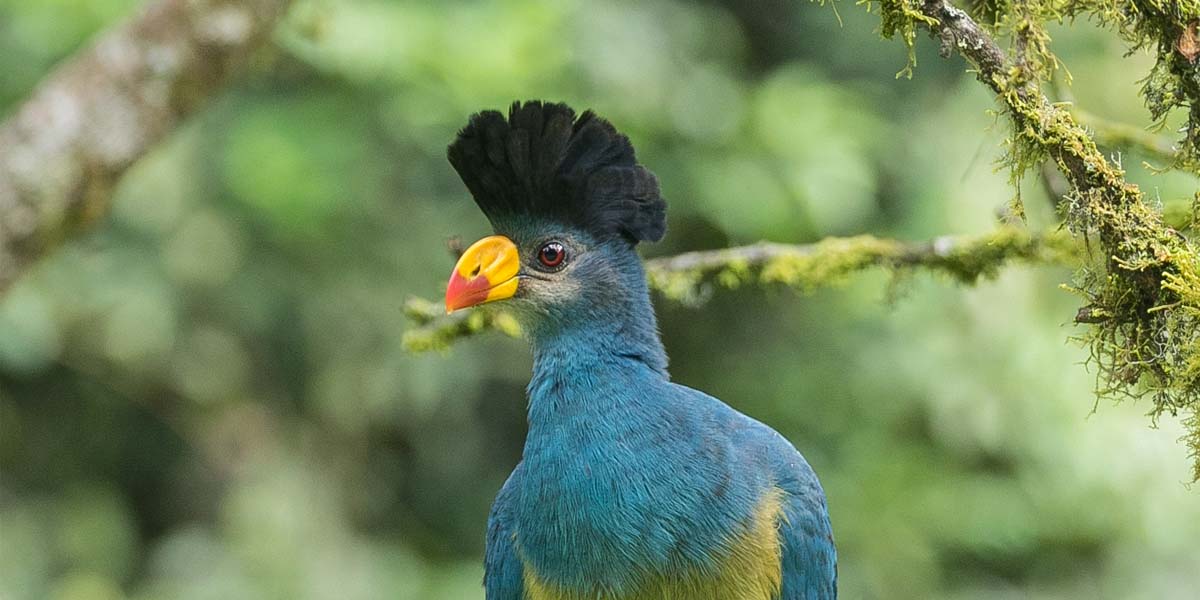
A 1-week (7-day) Rwanda birding and wildlife safari combines premier savanna game viewing in Akagera National Park with montane birding and primate tracking in Nyungwe Forest and Volcanoes National Park. Expect to spot the Shoebill stork, over 700 bird species, gorillas, chimpanzees, and diverse wildlife.
12-days-perfect-rwanda-birding-safari-itinerary
10-days-best-rwanda-birding-safari-combined-with-rwanda-gorilla-trekking-vacation
5-days-perfect-rwanda-birding-safari-and-wildlife-and-gorilla-trekking
14-days-rwanda-uganda-birding-safari-extravaganza-focused-on-the-albertine-endemics
1 week Rwanda birding safari and wildlife safari tour package
This 7-day Rwanda itinerary blends cultural highlights with standout wildlife experiences across four premier habitats: Kigali’s urban wildlife glimpses, Akagera National Park’s savanna and wetland edge, Nyungwe Forest’s high-altitude biodiversity, and Volcanoes National Park’s dramatic volcanic core. You’ll encounter a broad tapestry of species, from birds such as Grey Crowned Cranes, African Fish Eagles, Papyrus Gonoleks, and African Openbills, to mammals like hippos, crocodiles, elephants, lions, rhinos, giraffes, buffalo, chimpanzees, mountain gorillas, and golden monkeys. Expect a mix of boat safaris, guided forest walks, canopy bridges, and intimate wildlife encounters that suit photographers and naturalists alike. The route moves progressively from the capital’s cultural stops to Akagera’s open plains, then into Nyungwe’s forest canopy, and finally to Volcanoes National Park for primate encounters, with safe, efficient transfers between locations. Guides will tailor observations to daily logistics, ensuring optimal light for viewing and photography. While the pace is steady, there are relaxed segments for rest and reflection between wildlife blocks. This itinerary aims to deliver a compact, high-value wildlife week that balances iconic species lists with regional biodiversity, local culture, and comfortable accommodations.
Day 1 — Arrival & Kigali City Tour (160 words)
Arrive in Kigali and transfer to your hotel for a refresh before a targeted city excursion. Your morning includes a visit to the Kigali Genocide Memorial for context and a respectful overview of Rwanda’s history, followed by Umusambi Village to observe captive and rehabilitated Grey Crowned Cranes in a safe wetland setting. Look for nearby birds such as African Jacanas, Commons Kingfishers, and Pied Crow along city edges and parks. In the urban outskirts, expect White-crowned Starlings, Lilac-breasted Rollers, Red-chested Sunbirds, and Village Weaver activity around gardens and markets. Afternoon field time provides chances to note Little Grebes, African Green Pigeon, Mosque Swifts, and Bronze Mannikins near watercourses. Evening briefing covers Akagera logistics, transit times, and meal options. Wildlife seen or heard today may include Nile Crocodiles along riverfronts, Hippos on distant banks, Cape Wallow Birds, and early passerine migrations in peri-urban habitats. Conclude with a relaxed dinner and overnight in Kigali.
Day 2 — Kigali to Akagera National Park (160 words)
Early breakfast and a road transfer east to Akagera National Park, a corridor of savanna and wetland habitats. After check-in, you’ll depart for a Lake Ihema boat safari, perfect for viewing water birds and shoreline life. Look for African Fish Eagles, Malachite and Pied Bush Chats, African Skimmers, and African Openbills skimming the water. On the water you may spot Hippos and Nile Crocodiles basking, with Barn Swallows and White-winged Tantius overhead. Raptors like Bateleurs and African Marsh Harriers drift over papyrus borders, while Yellow-billed and Red-throated Irises add color to the reeds. Inshore, expect African Jacanas, Lesser Moorhens, Malachite Kingfishers, and White-backed Night Herons in shallow margins. If time allows, a short afternoon drive yields broader sightings: Lions, Rhinos, Giraffes, Waterbuck, Uganda Kob, Buffalo, Warthogs, and a possible Leopards (late in the day). Evening is spent at a park lodge with a horizon glow that highlights distant silhouettes.
Day 3 — Akagera: Full-Day Game Drive (160 words)
A full-day game drive explores Akagera’s northern sector for a broad wildlife and birding mix. Start before sunrise to maximize light on open plains and savanna edge species. Target species include Lions and Leopards in rocky outcrops, Elephants navigating acacia groves, and Giraffes browsing the treetops. For avifauna, watch for Shoebills (rare in this sector but possible at marshy margins during riverine crossings), African Fish Eagles, Martial Eagles, Kori Bustards, Crowned Cranes, Hornbills (Great and Pied), Gamebirds like White-winged Wildebeest and Tinkerbirds, and a spectrum of sunbirds near flowering plants. Papyrus specialists such as Yellow-billed Hornbills and Papyrus Gonoleks may appear around reedy wetlands, while waterfowl including African Comb Ducks and Egyptian Geese frequent shallows. Stop for a picnic lunch with chances to observe Bee-eaters, Rollers, and Shrikes perched along ridges. In late afternoon, a second water-edge loop offers more crane and wildfowl activity, plus potential sightings of species like Ostrich, Sable Antelope, and perhaps a Cheetal-like look in distant grasslands. Return to camp before dusk for dinner and rest.
Day 4 — Akagera to Nyungwe Forest (160 words)
Depart Akagera after breakfast for a long, scenic transfer toward Nyungwe Forest. The route traverses rolling hills and rural landscapes where roadside birding can yield species such as White-winged Apalis, Black-throated Wattle-eye, Speckled Pigeon, and Mountain Wagtail peering from stone walls. En route, watch for open-country raptors, including African Hawk-Eagles and African Cheetahs (spotting from distance). Arrival in Nyungwe’s cooler climes brings an immediate focus on high-elevation species and canopy edges. Canopy walks provide a unique vantage to observe Sunbirds, Turacos, Green-backed Camaroptera, and Narina Trogon—colors and patterns that reveal rapid feeding maneuvers. Look for Albertine Rift endemics such as African Green Broadbill and White-bellied Turaco in dense foliage. If time allows, dusk birding along forest clearings gives opportunities for Owls and Nightjars, plus Navadensis Flycatcher activity. Evening transitions include a discussion of chimpanzee tracking the next day and notes on forest birding etiquette, with a comfortable lodge awaiting after a day of mixed road and forest observation.
Day 5 — Nyungwe: Birding & Chimpanzee Tracking (160 words)
Morning chimpanzee tracking in Nyungwe yields dramatic primate encounters and opportunities to document vocalizations and group behavior. After the trek, shift to targeted birding focused on Albertine Rift endemics. The canopy walk offers a vantage to observe canopy-dwelling species and understory birds along the edge of the forest, including Green Magpie, Grauer’s Warbler, and Albertine Rift Batis. Expect high biodiversity: African Broadbill, Kasai Senegal Parrot, Splendid Starlings, Black-faced Apalis, and Rwenzori Turaco often appear in fruiting trees. Forest edge species like White-eyed Slaty Flycatcher, Sooty Barbet, and Stripe-throated Mountain Babbler add variety along the trail. Look for sunbirds around flowering trees—Purple-baled and Scarlet-chested varieties provide color pops. The day blends active birding and primate viewing with more relaxed periods for photographing shy forest birds at perches and in floral corridors. Evening recap includes notes on possible sightings of Python species and other forest-floor fauna that accompany Nyungwe’s biodiversity.
Day 6 — Nyungwe to Volcanoes National Park (160 words)
Transfer from Nyungwe into Rwanda’s northwest toward Volcanoes National Park, a corridor of volcanic scenery and montane habitats. The drive passes through rolling hills, terraced fields, and tea estates where roadside birding can highlight Bar-tailed Larks, White-headed Black-Eyes, Yellow-fronted Canary, and Cinnamon-breasted Bunting. Arrival at Volcanoes NP brings a shift to higher elevations and unique cloud-forest birds. Look for Rwenzori Turaco, Grauer’s Warbler, Mountain Buzzard-Eagle, and Shelly’s Monal-Parrot in higher slopes. The surrounding bamboo zones offer opportunities to encounter the striking Golden Monkey, a primate species often observed near fruiting trees. Evening birding along edge habitats may include Common Bulbul, Alpine Pipit, and Hartlaub’s Turaco as light diminishes. Dinner is a chance to review gorilla tracking logistics and set expectations for the next day, with a warm lodge ambiance after a day of elevated landscapes and diverse bird life.
Day 7 — Gorilla Tracking & Departure (160 words)
Gorilla tracking in Volcanoes National Park features a dawn trek to encounter mountain gorillas, a profoundly engaging primate experience. After the morning encounter, return to the lodge for retrieval of bags, followed by a transfer to Kigali for departures. Before leaving, you may catch additional bird glimpses along the park fringes—Birds such as Crowned Hornbill, African Paradise Flycatcher, Alpine Warbler, and White-naped Raven often appear near forests and viewpoints. In Kigali, you can reflect on a week of diverse habitats and species, including Hippos, Crocodiles, Lions, Rhinos, Giraffes, Elephants, Chimpanzees, Gorillas, Golden Monkeys, Solitary Leopards (possible sightings), and a suite of waterbirds along parks and rivers. The return drive to Kigali is arranged to fit flight times, with a final opportunity for souvenir shopping or a brief city stroll if time allows. This balanced itinerary delivers a concise, wildlife-rich experience across Rwanda’s key protected areas.
Akagera National Park: Key Birding & Wildlife Highlights
Akagera National Park stands as a mosaic of savanna, wetlands, and lakes where big mammals and rich avifauna share the landscape. The park’s upper reaches are famed for classic African safari sightings, while its wetlands host a remarkable array of waterbirds and marsh species. Expect a stimulating blend of terrestrial mammals and waterfowl that keeps both the eyes and the binoculars busy.
Wildlife highlights
- Lions, elephants, and buffalo are often encountered on open plains and along scrubby ridges, providing iconic safari moments.
- White Rhinos — a major conservation success in the park, offering enclosures of horned grandeur and the possibility of close-up wildlife photography.
- Giraffes and hippos are regular features, with hippos wallowing in lake margins and giraffes browsing acacia stands.
- Crocodiles sunning along river edges add a dramatic, primal counterpoint to grazing herbivores.
- Other large fauna include eland, defassa waterbuck, oribi, klipspringer, and impala, which form the herbivore backbone of many predator–prey dynamics.
Birding highlights
- Papyrus-dwelling birds dominate the wetland zones: Yellow-billed Hornbill, Papyrus Gonolek, and the striking Papyrus Warbler.
- Wading birds such as little bitterns, purple herons, and African Jacanas brighten reed beds and papyrus stands.
- Waterfowl and seabirds include African Fish Eagle, Malachite and Pied Kingfishers, and the occasionally spectacular Egyptian Goose.
- Raptors are a constant: Martial Eagle, Bateleur, and African Harrier-Hawk survey the skies above savanna edges.
- Shorebirds and passerines frequent the lakeshore, with reed-nesting birds like Sedge Warbler and Grasshopper Warbler adding acoustic color.
Landscape and habitat notes
- The park’s mosaic of acacia savanna, broad lakes, and papyrus swamps creates diverse microhabitats.
- Boat safaris on the lake offer up-close birdwatching and opportunities to photograph waterbirds in motion.
- Seasonal water levels shift the birding priority from open water to reedbeds and papyrus stands, keeping the birding experience dynamic throughout the year.
Practical considerations
- Early morning drives maximize sightings in the cool air before the heat of the day.
- Binoculars, a telephoto lens (300–600 mm), and a lightweight tripod or monopod are ideal for versatile photography.
- Accommodation near the park offers convenient access to sunrise safaris and sunset game drives.
Nyungwe Forest National Park: Key Birding & Wildlife Highlights
Nyungwe Forest is East Africa’s living cathedral of biodiversity, with a labyrinth of ancient montane rainforest, misty canopies, and a chorus of endemic and resident species. It stands out for its raptor-rich skies, thriving understory, and the iconic primate experiences that accompany birding treks. This high-elevation habitat delivers a dense avifauna and a suite of wildlife encounters that reward patient, observant visitors.
Wildlife highlights
- Chimpanzees and other primates are central to Nyungwe’s draw, with daily tracking possibilities that thread into the forest’s broader wildlife tapestry.
- Nighttime wildlife can reveal nocturnal mammals and owls—an opportunity to photograph a different face of Nyungwe after dusk.
- Large mammals such as elephants, occasional forest buffalo, and various small mammals are encountered along forest edges and clearings.
- Rarer mammals may include bongo or others in especially dense stands, depending on seasonal movements.
Birding highlights
- Nyungwe’s birding signature includes Rwenzori Turaco and Green-breasted Pitta, prized by photographers and lifelist collectors alike.
- Albertine Rift endemics such as Grauer’s Warbler, Handsome Francolin, and Chapin’s Flycatcher enliven canopy walks and forest trails.
- Turacos, barbets, and woodpeckers populate the mid and upper canopy; Narina Trogon and Green Magpie frequently reveal themselves on fruiting trees.
- Forest understory birds include White-eyed Slaty Flycatcher, Sooty Barbet, and Stripe-throated Mountain Babbler, adding color and texture to birding days.
- Watercourses host heron species, kingfishers, and waders during wetter periods, providing a mix of shore and stream birding opportunities.
Habitat and canopy experiences
- Canopy walks and forest trails offer unique viewpoints for observing canopy-dwelling species and feeding frenzies at fruiting trees.
- The forest’s vertical structure supports a rich stratification of species, meaning several targets can be encountered at different heights and times of day.
- The park’s altitude fosters cooler conditions and a distinct suite of flora, which in turn sustains specialized bird communities.
Practical notes
- Plan for variable weather: mist and rain can enhance bird activity but may limit visibility.
- Bring a versatile lens set (300–600 mm for distant birds, plus 24–70 mm for canopy portraits and closeups).
- Stay vigilant for habituated primates that draw close to trails, offering compelling photographic opportunities.
Volcanoes National Park: Key Birding & Wildlife Highlights
Volcanoes National Park sits in Rwanda’s northwest, crowned by volcanic peaks and mosaic habitats that shelter extraordinary biodiversity. The park is famous for its primate spectacles—most notably gorillas and golden monkeys—and for a birding roster that complements these intimate encounters with highland species and montane endemics. A day here often blends quiet forest listening with uplifting wildlife moments that linger in memory.
Wildlife highlights
- Mountain gorillas, the park’s headline attraction, provide awe-inspiring primate viewing and behavior that can be documented alongside birds.
- Golden monkeys perform agile leaps through mossy branches, presenting opportunities for close, dynamic wildlife photography.
- Other mammals commonly observed include forest buffalo, forest elephants, bushbucks, and several small forest species.
- Smaller mammals such as hares, pangolins, and duikers may be glimpsed on night drives or during forest walks.
Birding highlights
- Handsome Francolin is a prized highland ground species often sought by birders in bamboo zones.
- Rwenzori Turaco lights up forest canopies with iridescent greens and purples.
- Highland endemics such as Grauer’s Warbler add color and complexity to montane forest lists.
- Alpine species like Alpine Chat and Alpine Pipit appear at higher elevations, while Panurban species contribute to edge habitats around tea estates and park boundaries.
- A range of forest kingfishers, sunbirds, and pigeons enrich canopy and mid-story birding, while raptors patrol the skies above.
Practical notes
- Gorilla and golden monkey treks require careful coordination with park authorities and guides; permits are essential.
- The altitude and climate can be cool, with misty mornings common; bring layers and waterproof gear.
- Birding at Volcanoes often pairs with scenic viewpoints along ridges and bamboo forests, offering dramatic backdrops for photography.
If you’d like, I can tailor these highlights to specific interests (e.g., photography vs. lifelist), add recommended viewing times, or include sample field notes for each park.
Best time for a Rwanda birding safari
Rwanda’s birding is rewarding year-round, but the optimal windows depend on weather and migration patterns. The dry seasons (roughly June to August and December to February) generally offer clearer skies, easier hiking, and better visibility for distant species, with birds often more conspicuous along watercourses and open habitats. September to November can be excellent for forest birds as humidity rises and vegetation thickens, though occasional rain can affect visibility and hiking pace. For high-altitude montane species (like Grauer’s Warbler and Handsome Francolin) the cooler mornings of the dry seasons can yield the best action, while Nyungwe’s canopy flights and wetlands around Akagera can still deliver strong year-round sightings. Plan for early starts and flexible afternoons to chase active feeders, shorebirds at lakes, and raptors over savanna edges. If you’re focused on specific targets (e.g., Albertine Rift endemics), align your dates to coincide with the local fruiting or breeding peaks you’re aiming to photograph or observe.
Where to stay on a Rwanda birding safari
A well-rounded Rwanda birding safari blends comfortable lodges with forest-outpost inns and lodge-tented camps that minimize long drives between key sites. In Kigali, choose stylish boutique hotels or countryside retreats that offer reliable early-morning departures and good birding on city fringes. Near Akagera National Park, select lodges with lake views and waterbird-friendly access to boat safaris; stays at siting-friendly camps help you capitalize on dawn and dusk birding from shorelines. In Nyungwe, canopy-bridge lodges or forest-edge lodges provide quick access to primate treks and canopy walks, with cool nights and lush grounds attracting forest birds. Around Volcanoes National Park, bamboo-forested eco-lodges and rustic mountain lodges combine proximity to gorilla and golden monkey habitats with comfortable amenities. Look for bird-friendly policy, dependable guides, and flexible meal plans that accommodate early starts and late finishes in prime birding zones.
Booking Rwanda birding safari with us Roads of Adventure Safaris
Choosing Roads of Adventure Safaris for your Rwanda birding safari means partnering with a team that combines wildlife expertise with a focus on comfortable, efficient logistics. We tailor itineraries to your targets—Albertine Rift endemics, forest canopy specialties, or shorebird highlights—while optimizing travel times between hotspots like Kigali, Akagera, Nyungwe, and Volcanoes. Our know-how covers permits, park entries, and private transportation, ensuring smooth transitions and reliable guides who excel at field identification and bird behavior. Lodging options are curated to balance comfort with proximity to birding sites, from lake-view lodges to canopy-adjacent stays, all with camera-friendly service. We provide detailed pre-trip briefings, daily updates, and customizable add-ons (e.g., night walks, tea-plantation birding, or cross-border extensions). With Roads of Adventure Safaris, you’ll receive a personalized, responsive planning experience and on-ground support designed to maximize your sightings and photography opportunities while keeping travel fatigue minimal.
