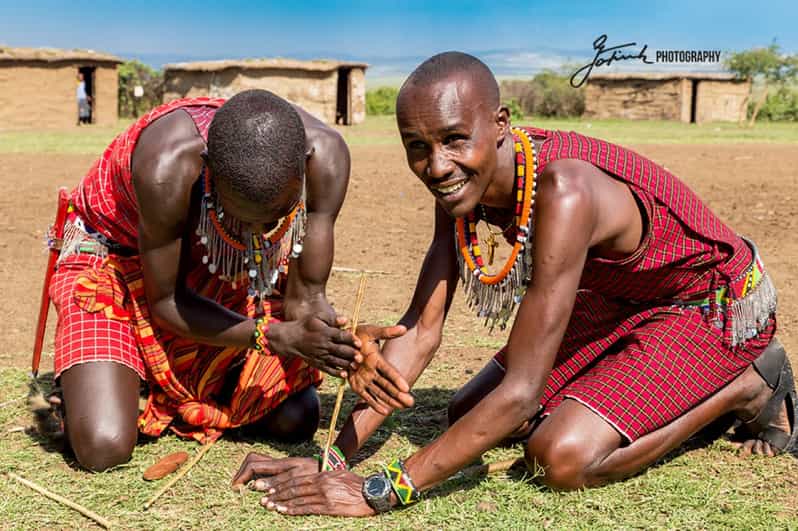
Yes, a 6-day Kenya safari gives you more than enough time to visit a local Maasai Village Visit in Kenya (boma or enkang). Standard cultural visits take about 1 to 2 hours. They fit easily into a 6-day itinerary covering major reserves like the Maasai Mara or Amboseli National Park
12-days-lake-nakuru-masai-mara-central-serengeti-ngorongoro-crater-amboseli-kenya-tanzania-safari
11-days-ultimate-kenya-tanzania-safari-combined-tour
9-days-kenya-wildlife-safari-in-masai-mara-and-uganda-primate-safari-tour
9-days-photography-kenya-tanzania-safari-holiday-vacation
8-days-masai-mara-lake-nakuru-amboseli-and-mombasa-beach-holidays
7-days-perfect-kenya-wildlife-safari-and-optional-hot-air-balloon-safari
6-days-circuit-kenya-safari-to-masai-mara-lake-nakuru-and-amboseli-park
4-days-best-luxury-kenya-safari-to-lake-nakuru-and-masai-mara-safari-tour
6 Days Kenya Safari & Masai Mara Cultural Visits
Discover the ultimate East African adventure with our 6 Days Kenya safari & Masai mara cultural visits, seamlessly blending world-class wildlife game drives with authentic cultural encounters. Designed by Roads of Adventure Safaris, this immersive journey takes you through Kenya’s premier natural sanctuaries, from the rhino-rich plains of Lake Nakuru to the iconic savannahs of the Masai Mara. Along the way, you will witness dramatic landscapes, spot the famous Big Five, and engage directly with the Maasai people in their traditional homesteads. Perfect for wildlife enthusiasts and cultural travelers alike, this itinerary offers an unhurried, deeply rewarding look at Kenya’s wild heritage and vibrant traditions. Every detail is carefully crafted to deliver comfortable logistics, expert guiding, and unforgettable memories across 6 incredible days in the heart of the bush.
Day 1: Nairobi to Lake Nakuru National Park
Your 6 Days Kenya safari & Masai mara cultural visits begins with a warm welcome in Nairobi by your driver-guide from Roads of Adventure Safaris. After a quick briefing, you will set off on a scenic 3.5-hour drive (160 km) northwest toward Lake Nakuru National Park, descending into the Great Rift Valley with stopovers for breathtaking views. You will arrive at your lodge in time for lunch before heading out on an afternoon game drive around the lake shores. Lake Nakuru is world-renowned as a haven for both black and white rhinoceroses, as well as Rothschild’s giraffes, waterbucks, and birdlife including flamingos and pelicans. As the sun sets over the cliffside escarpment, you will return to your lodge for dinner and a restful night surrounded by the sounds of the African wilderness.
Day 2: Lake Nakuru to Masai Mara National Reserve
After an early breakfast, your 6 Days Kenya safari & Masai mara cultural visits continues as you depart Lake Nakuru for the famous Masai Mara National Reserve. This 5-hour journey covers roughly 225 km, passing through Narok town and fertile agricultural highlands before reaching the rolling savannahs of the Mara by mid-afternoon. Upon checking into your camp or lodge, you will embark on your first evening game drive in this legendary wildlife sanctuary. The Mara is home to one of the highest densities of predators in Africa, including lions, cheetahs, and leopards. As twilight approaches, you will watch grazing herds of zebras and wildebeests scatter across the plains before returning to camp for a delicious dinner, gathering around a cozy bush campfire to share the day's first incredible sightings under the stars.
Day 3: Full-Day Big Five Safari in Masai Mara
Today is dedicated to a full day of wilderness exploration on your 6 Days Kenya safari & Masai mara cultural visits. With packed picnic lunches onboard your 4x4 safari vehicle, you will head deep into the Mara’s vast ecosystems, tracking movement along the Mara River where hippos and giant Nile crocodiles reside. Depending on the season, you may witness dramatic river crossings during the Annual Great Migration. Your expert guide from Roads of Adventure Safaris will navigate key game circuits to locate elephants, buffaloes, topis, and elusive cats resting under acacia shade. Eating lunch in the open bush surrounded by sweeping plains offers a quintessential safari experience. In the late afternoon, as wildlife activity peaks again, you will track active predator prides before returning to your camp for a well-earned dinner and relaxation.
Day 4: Masai Mara Game Drive & Authentic Cultural Boma Visit
Morning light brings another exciting game drive on your 6 Days Kenya safari & Masai mara cultural visits, focusing on early-rising predators like hunting cheetahs and jackals. By mid-afternoon, when the equatorial sun peaks, you will visit an authentic Maasai village (enkang or boma) located in a nearby community conservancy. Guided by local village hosts, you will witness the energetic Adumu (jumping welcome dance), explore traditional mud-and-thatch homes (inkajijik), and observe ancient fire-making techniques using hardwood sticks. You will learn firsthand about Maasai pastoralist traditions, livestock management, and hand-beaded craftwork directly from local women and elders. This 2-hour cultural exchange provides deep insight into how the Maasai peacefully coexist alongside wild predators, offering a deeply human connection that elevates your safari journey before you return to camp for the evening.
Day 5: Mara Conservancy Exploring & Bush Nature Walk
On day five of your 6 Days Kenya safari & Masai mara cultural visits, you will venture into the surrounding wildlife conservancies bordering the main reserve. Private conservancies offer exclusive safari activities unavailable in public park sectors, such as guided bush walking safaris accompanied by armed rangers and Maasai trackers. Walking on foot allows you to appreciate smaller ecosystem details, from identifying animal tracks and medicinal plants to learning wilderness survival skills. Following your morning walk, you will enjoy a relaxed lunch and downtime at camp before setting off on a late afternoon game drive that extends into early dusk. This offers chances to spot nocturnal species like bat-eared foxes, aardvarks, and elusive leopards coming out to hunt, rounding out a rich and diverse day of ecological exploration.
Day 6: Masai Mara to Nairobi & Departure
Your unforgettable 6 Days Kenya safari & Masai mara cultural visits comes to a close with a final dawn game drive across the Mara savannah, catching a golden sunrise over the plains one last time. After a hearty breakfast back at camp, you will pack up and begin the 5.5-hour drive (270 km) back to Nairobi. You will enjoy a stopover in Narok for lunch and local souvenir shopping before arriving in Kenya's capital by late afternoon. Your driver-guide from Roads of Adventure Safaris will transfer you directly to Jomo Kenyatta International Airport for your evening flight home, or drop you off at your Nairobi hotel. You depart with incredible photographs, lifelong memories, and a profound appreciation for Kenya’s magnificent wildlife and rich Maasai cultural heritage.
Will I get enough time to visit a Maasai village during a 6-day Kenya safari?
Yes, a 6-day Kenya safari provides more than enough time to include a Maasai village visit without rushing your game drives. Cultural tours to an enkang or boma (traditional Maasai homestead) typically last between 1 and 2 hours, making them easy to slot into your schedule during the warm afternoon hours when wildlife activity in the reserves naturally slows down.
Whether your itinerary focuses on the world-famous Maasai Mara National Reserve, Amboseli National Park, or Samburu, your safari guide can easily coordinate a village drop-in between your morning and late afternoon game drives. Because many Maasai communities live in the conservancies and group ranches directly bordering these parks, driving time from your lodge to the village is often under twenty minutes. This seamless proximity means you do not have to sacrifice precious game-viewing hours to enjoy a authentic cultural interaction.
Where are the best places in Kenya to visit a Maasai village on a 6-day safari?
The two premier regions for experiencing an authentic Maasai village tour are the Maasai Mara ecosystem and Amboseli National Park.
In the Mara, communities reside in the surrounding group ranches and wildlife conservancies like Mara North, Naboisho, and Ol Kinyei. Visiting a village here allows you to observe how local pastoralists coexist directly with large predator populations. In Amboseli, villages lie right beneath the shadow of Mount Kilimanjaro, providing a breathtaking backdrop as you learn about their traditional lifestyle. Both destinations feature well-established, community-managed village tours where local hosts welcome travelers warmly while preserving their ancestral heritage.
What actually happens during a standard Maasai village visit?
A typical Maasai village visit begins with an energetic traditional welcome song and dance performed by the community members as you arrive.
The men perform the famous Adumu (the jumping dance), while the women sing rhythmic harmonies. Afterward, the village chief or a resident guide walks you through the mud-and-thatch huts (inkajijik), explaining how homes are constructed using local branches, mud, and cow dung. You will be invited inside a home to see the central fire hearth, learn about daily livestock care, observe traditional fire-making techniques using hardwood sticks, and explore their hand-beaded crafts.
How long does a Maasai village tour take, and how does it fit into the daily schedule?
A standard village tour takes about 1 to 2 hours from arrival to departure.
Safari itineraries usually schedule these visits during the early afternoon, around 2:30 PM or 3:00 PM. This timing is ideal because animals take shelter during the hottest part of the day, making game drives less productive. By visiting a village during this lull, you return to your safari vehicle refreshed and ready for your evening game drive as temperatures cool and wildlife becomes active again.
How much does a Maasai village visit cost, and where does the money go?
The entrance fee for a Maasai village visit generally ranges between $20 and $30 per person.
This fee is paid directly to the village elder or chief upon arrival, or it can be pre-arranged through your tour operator. The funds are pooled into a community fund that supports essential local needs, such as purchasing clean water supplies, maintaining local primary schools, funding healthcare clinics, and buying livestock feed during dry seasons. Paying this fee directly supports the host community.
Is it ethical to visit a Maasai village, or does it feel like a tourist trap?
When conducted respectfully through community-owned villages, a Maasai tour is a mutually beneficial cultural exchange.
To avoid staged "tourist traps," choose villages located within private conservancies or those partnered with eco-friendly safari lodges. In these community-managed settings, residents maintain their authentic pastoral lifestyle, and tourism income directly supports their livelihood. Approaching the visit with genuine curiosity rather than treating residents as photo subjects ensures a dignified and respectful experience for everyone involved.
What is the traditional jumping dance (Adumu), and can travelers join in?
The Adumu is a traditional Maasai jumping dance performed by young warriors (Morans) during ceremonies and celebrations.
Forming a circle, the warriors chant rhythmic harmonies while individual men step into the center to jump as high as possible without letting their heels touch the ground. This dance showcases strength, stamina, and agility. Visitors are warmly encouraged to join in and try jumping alongside the warriors, making for a fun and memorable interaction.
What inside accommodation will I see inside a traditional Maasai home (Enkaj)?
Inside an enkaj (a traditional Maasai house), you will step into a compact, windowless structure built primarily by the women of the village using timber posts, grass, mud, and cow dung.
The interior is surprisingly cool and insulated from the African heat. It typically features a small central hearth for cooking and warmth, separate low sleeping platforms lined with animal hides, and storage areas for milk gourds. Because there are no chimneys, smoke slowly filters out through small roof vents, keeping insects away while preserving the mud walls.
What should I wear when visiting a Maasai village?
Dress respectfully and comfortably in casual, conservative clothing.
Long trousers, light slacks, or knee-length skirts paired with a comfortable t-shirt or blouse are ideal. Avoid overly short shorts or revealing tops out of respect for local customs. Wear closed-toe shoes or sturdy walking sandals, as village grounds consist of dusty, uneven dirt paths and thorn-bushes. Bringing a light jacket or scarf is also useful for wind and dust protection.
Can I take photographs and videos during the village tour?
Yes, photography is generally permitted during an official village tour, but you should always follow basic courtesy.
Always ask your village guide or hosts for permission before taking close-up portraits of individuals, especially children and elders. Once the entry fee is paid, general photos of the welcome dance, home exteriors, and group interactions are warmly welcomed. Treat your hosts with the same respect you would offer anyone welcoming you into their home.
Should I buy beaded jewelry or crafts directly from the village marketplace?
Towards the end of most village visits, local women display hand-beaded jewelry, wooden carvings, leather sandals, and traditional shúkà (brightly patterned blankets) in a small open-air market.
Purchasing a few items is a great way to buy authentic souvenirs while directly supporting local families. While polite bargaining is customary, remember that a small difference in price can mean a lot to a local artisan, so keep negotiations friendly and generous.
How do the Maasai make traditional fire without matches or lighters?
During the tour, Maasai warriors demonstrate their traditional fire-making skills using two simple wooden sticks.
They place a hardwood stick vertically into a small groove carved into a softer piece of cedar wood, holding it firmly on the ground. By rapidly twirling the hardwood stick between their palms, friction generates fine wood dust that turns into glowing embers within seconds. They then transfer the ember into dry grass and blow gently until it bursts into flame—a vital survival skill passed down through generations.
What is the significance of the bright red Shúkà worn by the Maasai?
The shúkà is the iconic, brightly colored cloth wrapped around the body by Maasai men and women. Red is the most prominent color because it symbolizes power, courage, and blood, while also acting as a visual deterrent to wild predators like lions in the bush.
Other colors hold distinct cultural meanings: blue represents the sky and rain, yellow and white signify peace and purity, and green symbolizes the land and vegetation after rain.
Is a Maasai village visit suitable for children and families?
A Maasai village tour is one of the best cultural experiences for families traveling with children on a safari.
Local children are friendly, and young travelers often enjoy participating in the welcome dance, seeing how fire is made, and meeting farm animals like goats and calves up close. It provides an engaging, hands-on break from sitting in safari vehicles and offers kids a memorable look at a very different way of life.
How do Maasai pastoralists manage living alongside wild animals like lions and elephants?
The Maasai have lived alongside East African wildlife for centuries through traditional livestock management and rotational grazing.
To protect their cows and goats from nocturnal predators, they build circular fences called bomas made of dense, thorny acacia branches around their homes. Additionally, many communities partner with modern conservation initiatives like the "Lion Guardians" program, employing young warriors to track predators, warn herders, and prevent human-wildlife conflict.
What food do the Maasai traditionally eat?
Historically, the traditional Maasai diet relied heavily on their livestock, consisting primarily of raw milk, meat, and fresh blood collected sustainably from cattle without harming the animal.
In modern times, their diet has expanded to include agricultural staples like ugali (a dense maize porridge), rice, cabbage, beans, and sweet tea brewed with milk and sugar. Livestock, however, remains their primary store of wealth, prestige, and security.
How do modern education and technology affect traditional Maasai life?
While the Maasai maintain strong cultural roots, modern technology and education play an increasingly important role in daily life.
Many young Maasai attend primary and secondary schools, and some pursue university degrees before returning to lead community development projects. Mobile phones and solar panels are now common in villages, allowing herders to check livestock market prices, receive weather updates, use mobile banking, and stay connected while maintaining their traditional pastoral lifestyle.
What is the role of Maasai women within the village community?
Maasai women hold vital responsibilities that keep the village functioning day to day.
They are the primary architects and builders of the family homes (inkajijik), fetching timber, grass, and mud to construct and maintain the structures. Women also collect firewood, fetch fresh water, care for young children, milk cattle and goats, cook meals, and craft the intricate beadwork that generates independent income for their households.
What role do Maasai warriors (Morans) play in the village?
Morans are young Maasai men who have undergone the traditional rites of passage into warriorhood.
Historically, their primary role was to defend the community, guard livestock against predators and cattle rustlers, and explore new grazing lands. Today, while their security duties have evolved alongside modern laws, Morans remain community guardians, lead cultural ceremonies, assist in livestock management, and often work as safari guides and trackers in local lodges.
Do I need to book a Maasai village visit in advance or can I arrange it on the spot?
While you can arrange a visit on the spot through your safari driver-guide, booking it in advance through your tour operator ensures a smoother experience.
Pre-booking allows your guide to select a well-managed community village that fits your daily route. It also ensures the village chief knows when you are coming, so your hosts are ready to welcome you without delaying your game drives.
How far are Maasai villages from the main lodges and camps in the Maasai Mara?
In the Maasai Mara region, most traditional villages sit just outside the national reserve borders in adjacent conservancies and group ranches.
Driving times from major safari camps or lodge gates usually range between 10 and 20 minutes. This proximity makes it easy to visit a village right before an afternoon game drive or on your way back to camp at the end of the day.
What language do the Maasai speak, and will I be able to communicate?
The native language of the Maasai people is Maa, a Nilo-Saharan language spoken across southern Kenya and northern Tanzania.
However, nearly all village guides and younger community members speak fluent Swahili and functional English. Your dedicated village guide will translate conversations, explain cultural customs, and answer your questions throughout the tour, ensuring easy communication.
What should I bring with me on a Maasai village tour?
When leaving your safari vehicle for a village walk, bring a small daypack with essential items.
Carry local currency (Kenyan Shillings) or small US dollar bills for entrance fees and craft purchases, a water bottle, a camera, and a sun hat. Sunscreen and insect repellent are also recommended, along with a small packet of wet wipes to clean dust off your hands after the tour.
Can I bring gifts or supplies for school children in the village?
Bringing practical school supplies like notebooks, pens, pencils, chalk, or storybooks is a thoughtful gesture that local teachers and village elders deeply appreciate.
Rather than handing gifts directly to individual children on the path—which can encourage begging—give your donations to the village chief, school headmaster, or your tour guide. They will distribute the supplies fairly among the students and classroom facilities.
How has climate change impacted the Maasai pastoral way of life?
Climate change poses a serious challenge to the traditional Maasai lifestyle due to increasingly unpredictable rainfall and prolonged droughts across East Africa.
Droughts reduce available grazing pastures and water sources, putting livestock herds at risk. In response, many communities are diversifying their income by integrating eco-tourism, sustainable agriculture, rotational grazing programs, and wildlife conservation partnerships alongside traditional herding.
Is it safe to visit a Maasai village?
Yes, visiting an established Maasai village is very safe.
The Maasai are known for their warm hospitality and take great pride in welcoming international guests to their homes. Village tours take place in safe, peaceful community settings, and your safari guide stays with you throughout the visit to ensure everything runs smoothly.
How does a Maasai village visit in Amboseli differ from one in the Maasai Mara?
While the core cultural customs remain identical, the setting and landscape differ between the two regions.
In Amboseli, villages are set against the dramatic backdrop of Mount Kilimanjaro's snow-capped peak, providing unique photographic opportunities. In the Maasai Mara, villages are situated among rolling green hills and savannah conservancies, where livestock graze alongside large herds of zebras, wildebeests, and gazelles.
What are the rules regarding physical contact and respect inside the village?
Always follow simple, respectful cultural guidelines during your visit.
Ask permission before touching personal items or entering a home, and greet elders with a gentle handshake or nod of the head. Avoid stepping on cooking hearths inside homes, and follow your guide's instructions during traditional dances and demonstrations. Showing quiet respect for their home makes for a warm and welcoming visit.
Can I visit a Samburu village instead of a Maasai village on a Kenya safari?
Yes! If your 6-day safari heads north to Samburu National Reserve instead of the southern parks, you can visit a Samburu village.
The Samburu people are close linguistic and cultural relatives of the Maasai. They wear vibrant traditional attire, build similar homesteads (mayattas), and maintain a pastoral lifestyle tailored to Kenya's arid northern landscape.
Why is a Maasai village visit a rewarding addition to a 6-day safari itinerary?
While a safari offers incredible wildlife sightings, visiting a Maasai village adds a meaningful human connection to your journey.
It provides first-hand insight into a unique culture that has lived alongside East Africa's wild animals for centuries. Understanding their customs, traditions, and conservation efforts offers a richer, more complete picture of Kenya's natural and cultural heritage.
Booking 6-day Kenya safari with us Roads of Adventure safaris
To book your 6-day Kenya safari with Roads of Adventure Safaris, you can initiate a custom quote directly through their official portal by submitting an online Roads of Adventure Safaris Inquiry Form. Alternatively, you can reach their primary service desk by calling or messaging them via WhatsApp at +256 701 041637.
