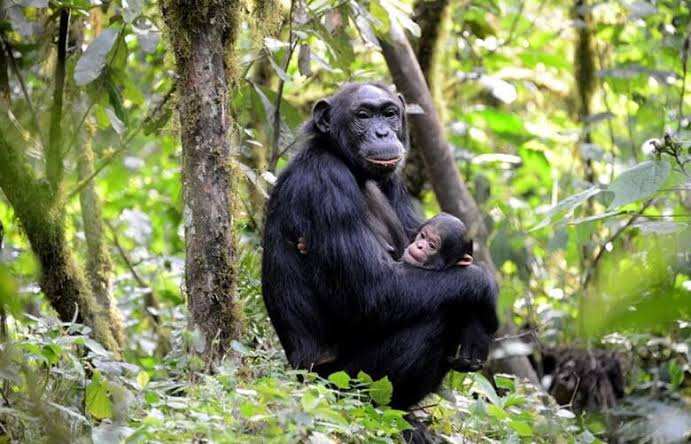
Why Kyambura Gorge is Uganda’s Most Underrated Safari Stop for chimpanzee tracking. Kyambura Gorge in Queen Elizabeth National Park is Uganda’s most underrated chimpanzee tracking destination because it features a dramatic 100-meter-deep underground "lost forest" cut straight into open savannah.
3-days-trips-to-queen-elizabeth-national-park-for-chimpanzee-tracking-in-kyambura-gorge
4-days-budget-queen-elizabeth-park-and-chimpanzee-tracking-in-kalinzu-forest
Why Kyambura Gorge is Uganda’s Most Underrated Safari Stop
Kyambura Gorge in Queen Elizabeth National Park is Uganda’s most underrated chimpanzee tracking destination because it features a dramatic 100-meter-deep underground "lost forest" cut straight into the open savannah.
The "Underground Forest" Landscape
Imagine driving through sun-baked, golden savannah when the earth suddenly splits open to reveal a lush, hidden riverine forest 100 meters below. Known as the "Valley of Apes," Kyambura Gorge is a breathtaking natural anomaly. The descent down the sheer canyon walls feels like stepping directly into a prehistoric world. Moisture from the Kyambura River nourishes towering trees, tropical vines, and misty shadows—a striking contrast to the dry plains above. Walking through this sunken jungle offers an eerie, enchanting atmosphere that makes the journey down every bit as thrilling as finding the wild primates themselves.
Intimate & Low-Crowd Treks
If you want to avoid the high-density tourist traffic of more famous primate spots like Kibale, Kyambura offers an unhurried, exclusive alternative. Trekking permits here are deliberately limited, and group sizes are kept small—usually just four to six people per guide. This intimate setting creates a quiet, authentic safari experience where you are not competing with crowds for a glimpse through the canopy. The silence of the canyon amplifies every rustling leaf, distant call, and cracking branch, allowing you to immerse yourself deeply in the raw rhythm of the wild without feeling rushed or crowded.
The "Lost Chimpanzees"
The true heartbreak and wonder of Kyambura lie in its resident primates: a small, isolated community often called the "Lost Chimpanzees." Deforestation outside the protected zone has severed their ancient forest corridors, leaving this group habituated within the canyon walls. Because they are ecologically cut off from other populations, researchers—and world-renowned nature documentary crews like the BBC—closely study their rare, adapted social behaviors. Tracking these resilient chimps offers more than just a wildlife sighting; it provides a profound, eye-opening look into conservation, survival, and the complex intelligence of our closest living relatives.
All-in-One Safari Synergy
One of Kyambura’s greatest advantages is its seamless location inside Queen Elizabeth National Park. Instead of spending hours driving between separate destinations, you can combine a morning primate trek with iconic savannah adventures in a single day. After climbing out of the gorge, you can embark on a game drive across the Mweya Peninsula to spot lions and elephants, followed by a sunset boat cruise along the hippo-dense Kazinga Channel. This unique geography allows travelers to experience dense tropical rainforest tracking and classic African big-game safari action without missing a beat.
Affordable Permits
Primate permits across East Africa can quickly consume a travel budget, but Kyambura Gorge remains one of the best-value experiences in the region. Tracking permits here cost significantly less than those for Kibale National Park, and are a fraction of the cost of mountain gorilla permits. This budget-friendly price point opens up chimpanzee tracking to adventurous travelers, backpackers, and families who want an authentic, world-class primate encounter without the premium price tag. You get high-impact adventure, extraordinary scenery, and meaningful wildlife encounters while keeping your overall itinerary remarkably affordable.
What makes Kyambura Gorge geographically unique compared to other safari sites in Uganda?
Kyambura Gorge is a dramatic geological anomaly cut straight through the flat savannah of Queen Elizabeth National Park. While most primate habitats in East Africa are expansive rainforests or mountain ranges, Kyambura is a subterranean fissure created by ancient tectonic activity along the Albertine Rift. Spanning 16 kilometers long and plunging 100 meters deep, this valley harbors a lush, riverine rainforest beneath the dry savannah above. As you approach, the surrounding terrain appears as open grassland until the earth abruptly opens up to reveal a dense canopy. The moisture supplied by the flowing Kyambura River nourishes huge mahogany trees, tangled creepers, and humid undergrowth. This sharp transition from sun-drenched savannah to a shadowy, subterranean jungle makes entering Kyambura feel like discovering a hidden, lost world that exists entirely out of sight from the surrounding plain.
Why is Kyambura Gorge often referred to as the "Valley of Apes"?
Kyambura Gorge earned its evocative nickname, the "Valley of Apes," because it acts as an isolated natural sanctuary for wild primates inside a narrow canyon. Protected within 100-meter-high cliff walls, this sunken strip of tropical forest hosts a habituated community of chimpanzees alongside red-tailed monkeys, black-and-white colobus monkeys, olive baboons, and vervet monkeys. Because the canyon walls and surrounding deforested agricultural land isolate this green strip from larger forests, the primates spend their lives within the confines of the gorge. Standing at the rim, travelers can hear the echoes of chimpanzee pant-hoots and monkey alarm calls reverberating off the rock walls long before descending into the canopy. The dramatic enclosure and concentration of arboreal life make the "Valley of Apes" feel like an exclusive world ruled entirely by wild primates.
How does the trekking environment in Kyambura Gorge differ from Kibale National Park?
Trekking in Kyambura Gorge offers an adventurous terrain profile compared to the relatively level forest floor of Kibale National Park. Kibale is a continuous, flat-to-rolling rainforest where treks involve walking along established ground trails. Kyambura, on the other hand, demands a steep descent down natural earth steps, wooden ladders, and winding trails into a 100-meter-deep canyon. Once inside the gorge, trackers navigate riverbanks, natural log crossings, muddy paths, and thick vines where light filters down softly through the canopy overhead. The hike back out requires a workout up the canyon walls, adding a satisfying physically rewarding element to the trek. The enclosed canyon walls amplify sound and trap moisture, creating a sensory-rich atmosphere that feels like a true jungle expedition rather than a standard forest walk.
What is the story behind the "Lost Chimpanzees" of Kyambura?
The chimpanzees of Kyambura are famously known as the "Lost Chimpanzees" because they form a genetically isolated community. Decades ago, human encroachment and deforestation severed the forest corridor that once linked Kyambura Gorge to larger forest ecosystems like Kalinzu and Maramagambo. As a result, a group of roughly 30 chimpanzees became ecologically stranded inside the 16-kilometer canyon. Isolated from other populations, these chimps have had to adapt their social dynamics and foraging habits within their narrow home range. Conservation groups and the Uganda Wildlife Authority (UWA) have stepped in with dedicated monitoring and habitat restoration efforts to protect this vulnerable group. Encountering these chimps gives travelers a deep, eye-opening look into climate resilience, habitat fragmentation, and wildlife conservation in modern Africa.
Why have nature documentary crews like the BBC filmed in Kyambura Gorge?
World-renowned natural history filmmakers, including BBC crews, have long been drawn to Kyambura Gorge because of its cinematic landscape and unique ecological narrative. The contrast of a sunken tropical forest embedded in an open savannah provides an extraordinary visual setting for wildlife films. Furthermore, the isolated social structure of the resident chimpanzee community presents a compelling story of animal adaptation and survival. Filmmakers have captured footage of the Kyambura chimps navigating their riverine home, hunting smaller primates, interacting along the riverbanks, and scaling steep cliff edges to forage. The dramatic natural lighting—where sunbeams cut through the mist of the dark gorge—creates ideal conditions for high-impact nature documentaries, cementing Kyambura’s status as one of Africa’s most photogenic primate habitats.
How does Kyambura Gorge offer a more low-crowd, intimate tracking experience?
While high-profile tracking sites like Kibale National Park host many visitor groups daily, Kyambura Gorge provides an exclusive alternative. The Uganda Wildlife Authority strictly limits the number of tracking permits issued for Kyambura each day to protect the habituated chimp community. Group sizes are kept small—usually capped at just 4 to 6 trekkers per ranger guide. This strict capacity limit ensures that you are not trekking alongside large crowds or waiting in queue along trails. With fewer tourists in the canyon, the atmosphere remains quiet and peaceful, allowing you to hear the subtle sounds of the forest, from rustling leaves to distant vocalizations, without interruption or feeling rushed by other groups.
What unique behaviors can travelers witness when observing chimps in the gorge?
Observing chimpanzees in Kyambura Gorge offers insights into primate behavior adapted to a riverine canyon environment. Because the gorge is narrow and bordered by a river, the chimps frequently utilize both the forest canopy and the riverbanks. Trekkers often spot them foraging for wild figs and fruits, grooming each other on fallen mahogany logs, or resting near water channels. Because they live in a constrained area, their vocalizations—such as loud pant-hoots and drum-like drumming on tree buttresses—echo off the canyon walls with incredible intensity. Visitors may also witness social hunting behaviors, tool use, or mothers carrying infants through lower tree branches, providing high-quality wildlife watching at eye level.
How does tracking chimps in Kyambura complement a classic Queen Elizabeth National Park safari?
Kyambura Gorge is located inside Queen Elizabeth National Park, making it easy to seamlessly integrate primate tracking into a traditional big-game safari itinerary. Rather than driving hours between separate national parks, you can transition from savannah game drives to rainforest tracking in a single day. You can spend the early morning trekking chimpanzees in the cool depths of the gorge, and by afternoon be on a boat safari along the Kazinga Channel watching hippos, elephants, and Nile crocodiles. This proximity allows travelers to experience both dense tropical primate habitats and classic big-game safari action in one location, saving valuable travel time and road transit hours.
How do permit prices for Kyambura Gorge compare to Kibale and gorilla trekking?
Kyambura Gorge is one of the most cost-effective primate tracking destinations in East Africa. Standard foreign non-resident chimpanzee tracking permits for Kyambura Gorge are priced around $100 to $200 per person (depending on seasonal UWA tariff updates). By comparison, chimpanzee tracking permits in Kibale National Park cost significantly more ($250 to $300), and mountain gorilla trekking permits in Bwindi Impenetrable National Park cost $800. This makes Kyambura an ideal choice for budget-conscious travelers, families, and backpackers who want an authentic, high-quality chimpanzee encounter without exceeding their travel budget.
What other wildlife species can you spot while trekking in Kyambura Gorge?
While chimpanzees are the main attraction, Kyambura Gorge is a biodiversity hotspot filled with varied wildlife species. As you descend into the forest, you are likely to encounter other primates, including black-and-white colobus monkeys, red-tailed monkeys, vervet monkeys, and baboons. The river that flows through the gorge attracts forest elephants, giant forest hogs, and bushbucks that descend from the savannah to drink. Water-loving species like hippos and Nile crocodiles also navigate sections of the river system. Additionally, the gorge is home to diverse forest birds, colorful butterflies, and unique reptile species, ensuring that every step of the hike offers wildlife viewing opportunities.
What makes Kyambura Gorge a paradise for birdwatchers?
Kyambura Gorge is an exceptional sanctuary for birding enthusiasts, offering a specialized forest avian checklist within a savannah national park. The moisture-rich riverine microclimate attracts bird species that are rare or absent in the surrounding open plains. Birdwatchers can spot highlight species such as the Black-bee eater, Blue-breasted Kingfisher, White-spotted Flufftail, African Finfoot, and the striking Great Blue Turaco. The dense canopy and echoing canyon walls create an ideal acoustic environment for identifying bird calls. Guided nature walks along the rim and inside the gorge offer birders the chance to record both forest-dwelling endemics and savannah edge species in a single excursion.
What physical fitness level is required for chimpanzee tracking in Kyambura?
Chimpanzee tracking in Kyambura Gorge requires a moderate level of physical fitness. Unlike flatter forest tracks, trekking here involves descending down the steep walls of the 100-meter gorge and climbing back out at the end of the trek. The trails inside can be slippery, uneven, and muddy, with natural steps, tree roots, and stream crossings to navigate. While the hike is entirely manageable for average fitness levels, travelers should be comfortable walking on inclines and unpaved terrain. Wearing sturdy hiking boots with good traction and using a wooden walking stick provided at the briefing center helps make the climb smooth and secure.
What is the best time of day to track chimpanzees in Kyambura Gorge?
The best time to track chimpanzees in Kyambura Gorge is during the early morning shift, which typically begins with a ranger briefing at 8:00 AM. In the early morning hours, temperatures inside the canyon are cool, and the chimpanzees are at their most active—waking up, calling to one another, foraging for food, and moving through the lower canopy. A second tracking session is available in the afternoon around 2:00 PM, but morning treks generally offer better lighting for photography and cooler hiking conditions before the heat of the afternoon sun builds up over the surrounding savannah plains.
What essential gear should you pack for a Kyambura Gorge trek?
To ensure a comfortable trek in Kyambura Gorge, pack lightweight, long-sleeved shirts and durable long trousers to protect against stinging nettles, insect bites, and thorny underbrush. Sturdy, waterproof hiking boots with solid ankle support and good grip are essential for navigating the steep, slippery slopes. Bring a lightweight rain jacket or poncho, as tropical showers can occur unexpectedly inside the humid gorge. High-energy snacks, at least two liters of drinking water, insect repellent, garden gloves for gripping branches, and a small backpack will round out your day-pack essentials.
What are the rules and guidelines for trekking chimpanzees in Kyambura?
To protect both visitors and the habituated primate community, the Uganda Wildlife Authority enforces clear safety and conservation rules. Trekkers must attend an early morning ranger briefing before entering the gorge. A minimum distance of 8 meters must be maintained from the chimpanzees at all times. Flash photography is strictly prohibited, as it can startle the animals. Visitors who show signs of contagious illnesses like flu or cold are not permitted to track, as chimps are highly susceptible to human respiratory diseases. Additionally, eating or drinking directly in front of the primates is forbidden, and all trash must be packed out.
How does visiting Kyambura Gorge contribute to local community conservation?
Visiting Kyambura Gorge directly supports community-led conservation and habitat restoration initiatives around Queen Elizabeth National Park. A portion of every tracking permit fee collected by the Uganda Wildlife Authority is reinvested into local community revenue-sharing programs. These funds help build schools, healthcare clinics, and clean water infrastructure in surrounding villages. Additionally, eco-tourism projects, such as the Kyambura Eco-Lodge buffer zone project, employ local residents as guides, rangers, and hospitality staff. This creates sustainable livelihoods that reduce human-wildlife conflict and encourage local stewardship of the gorge's fragile ecosystem.
Can Kyambura Gorge be visited as a standalone trip or part of a larger safari?
While Kyambura Gorge can be visited on a short weekend trip from Kampala or Entebbe, it is best experienced as part of a broader western Uganda safari circuit. Because of its central location, it integrates seamlessly into multi-day itineraries that include gorilla trekking in Bwindi Impenetrable National Park, boat cruises along the Kazinga Channel, game drives in Ishasha to spot tree-climbing lions, and crater lake tours in Fort Portal. Including Kyambura in a 5-day to 7-day itinerary gives travelers a diverse mix of savannah wildlife, river cruises, and primate encounters.
What photographic tips help capture the best images in Kyambura Gorge?
Photographing chimpanzees inside Kyambura Gorge presents unique lighting challenges due to the dense forest canopy overhead and bright sky above. To capture sharp images, use a fast lens with a wide aperture (such as f/2.8 or f/4) and increase your camera’s ISO setting to compensate for the dark understory. A telephoto zoom lens (such as a 70-200mm or 100-400mm) allows you to capture clear close-ups of chimps in high trees while maintaining a safe 8-meter distance. Always disable your flash before entering the gorge, and carry a microfiber cloth to keep your camera lens clear of tropical humidity and mist.
Where is the best place to stay when visiting Kyambura Gorge?
Travelers visiting Kyambura Gorge have access to a wide range of accommodation options located right on the edge of the gorge or within Queen Elizabeth National Park. Luxury choices like Kyambura Gorge Lodge offer cliffside views looking directly over the canyon and savannah plains. Mid-range options like Queen Elizabeth Bush Lodge, Enganzi Game Lodge, and Parkview Safari Lodge offer comfortable cottages set in natural surroundings. Budget travelers and backpackers can choose cozy tented camps and guesthouses nearby. Staying close to the gorge ensures a short morning drive to the briefing point.
Why should you book your Kyambura Gorge safari with us at Roads of Adventure Safaris?
Booking your Kyambura Gorge chimpanzee tracking safari with us at Roads of Adventure Safaris guarantees a seamlessly planned, unforgettable East African journey. Based right here in Uganda, our team brings local expertise, deep conservation knowledge, and personalized customer care to every itinerary. We take care of all logistical details—from securing your official UWA chimpanzee tracking permits in advance to providing comfortable 4x4 safari vehicles customized for game viewing and scenic photography.
Our professional safari guides are passionate storytellers who know the trails of Queen Elizabeth National Park inside and out, ensuring you enjoy safe, enriching, and intimate wildlife encounters. Whether you want to pair Kyambura’s "Valley of Apes" with gorilla trekking in Bwindi, boat cruises on the Kazinga Channel, or luxury lodge stays, we craft tailor-made safaris that fit your budget and travel style. Let Roads of Adventure Safaris turn your dream journey into reality—contact our expert team today to reserve your Kyambura Gorge tracking permit and start planning your adventure!