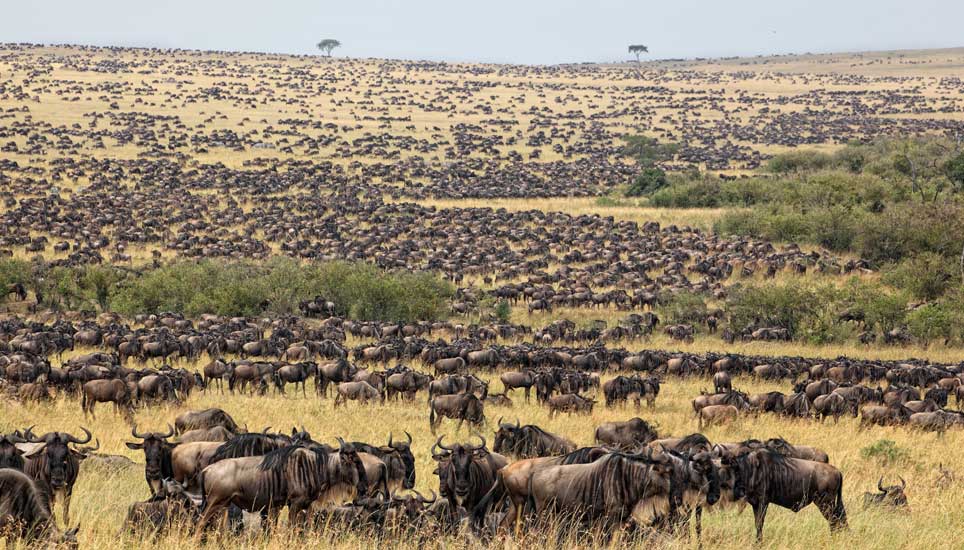
Southern and Northern Kenya dominate tourism because the Southern circuit offers the world-famous Great Migration and iconic vistas (like Amboseli's elephants beneath Mt. Kilimanjaro), while the Northern circuit—featuring Samburu and Laikipia—offers exclusivity and rare, endemic wildlife. Both provide highly reliable, dense wildlife viewing
The popularity of a Kenya safari is no accident; it is a finely tuned masterpiece driven by two powerhouse regions: the Southern and Northern circuits. While areas like the Western circuit hold their own quiet charm, they simply cannot match the sheer scale, infrastructure, and variety of these dominant regions.
2-days-lake-nakuru-national-park-and-lake-naivasha-combined-kenya-safari-tour
3-days-lake-nakuru-and-lake-naivasha-africa-safari-tour-package
4-days-best-luxury-kenya-safari-to-lake-nakuru-and-masai-mara-safari-tour
4-days-budget-masai-mara-safari-and-lake-nakuru-holiday-vacation
5-day-best-luxury-kenya-safari-to-amboseli-lake-nakuru-and-maasai-mara-safari-tour
6-days-best-masai-mara-and-lake-naivasha-kenya-wildlife-safari-holiday
7-days-6-nights-midrange-safari-to-kenya
Unmatched Wildlife Density & The Big Five
When travelers dream of a Kenya safari, they are usually picturing the raw, unfiltered drama of the African savannah. The Southern circuit delivers this on an epic scale, primarily through the legendary Maasai Mara National Reserve. This region offers some of the highest predator-to-prey ratios on earth. It serves as the ultimate stage for the Great Wildebeest Migration, where over a million animals brave crocodile-infested rivers in a desperate search for green pastures. If you want to check off the classic "Big Five"—lion, leopard, elephant, rhino, and buffalo—the Southern circuit is practically unparalleled. For example, a single morning game drive in the Mara can easily reward you with a pride of lions stalking a zebra, followed by a rare black rhino sighting in the dense thickets.
Meanwhile, the Northern circuit flips the script by offering something equally mesmerizing but entirely unique: the "Samburu Special Five." These are rare, resilient species adapted to the arid landscapes that you simply won't encounter in the south.
The Samburu Special Five:
- Grevy’s Zebra: Distinguished by its thin, elegant stripes and large ears.
- Reticulated Giraffe: Striking, block-like coat patterns.
- Beisa Oryx: Armed with long, rapier-like horns.
- Somali Ostrich: Known for its distinct blue neck.
- Gerenuk: The gazelle that stands remarkably on its hind legs to browse tall bushes.
A visit to Samburu National Reserve means swapping the classic wildebeest herds for these specialized creatures, offering wildlife enthusiasts a completely different bucket-list experience.
Superior Infrastructure & Accessibility
A major reason these two circuits dominate the Kenya safari landscape is how effortlessly they connect travelers to the wilderness. The Southern circuit benefits immensely from its proximity to Nairobi, the region's main travel hub. Instead of spending days navigating rugged terrain, visitors can hop into a 4x4 and arrive at Amboseli National Park in a few hours, or take a quick, 45-minute scheduled flight from Wilson Airport straight into a Maasai Mara airstrip. This seamless connectivity means you can finish breakfast in a Nairobi hotel and be watching elephants roam beneath the snow-capped peaks of Mount Kilimanjaro by lunchtime.
The Northern circuit matches this convenience but caters heavily to the luxury and fly-in safari market. Remote reserves like Samburu and private sanctuaries like the Lewa Wildlife Conservancy are outfitted with well-maintained, all-weather airstrips. Safari operators run daily scheduled flights linking these northern outposts to Nairobi and even directly to the Maasai Mara. For instance, a traveler can easily spend three days tracking rhinos in Lewa, board a light aircraft at 10:00 AM, and touch down in the Mara in time for an afternoon game drive. This top-tier logistics network eliminates travel fatigue, making the wild corners of Kenya accessible to families, elderly travelers, and luxury seekers alike.
Luxury and Exclusivity
While the Southern circuit is famous for its high-energy, bustling wildlife spectacles, the Northern circuit has carved out a reputation as the capital of elite privacy and bespoke luxury. This reputation is anchored by the Laikipia Plateau, a region where former cattle ranches have been transformed into massive, community-backed private conservancies. In these exclusive enclaves, the traditional rules of national parks do not apply, allowing lodges to curate highly tailored, low-impact adventures that keep crowds completely at bay.
On a standard public reserve safari, you might find yourself sharing a leopard sighting with a dozen other vehicles. In a private northern conservancy like Borana or Segera, you are virtually guaranteed to be the only vehicle on the scene. Furthermore, these private lands unlock activities forbidden in public parks. For example, guests can embark on guided walking safaris to track wildlife on foot, experience the thrill of night game drives using spotlights to find nocturnal predators, or even fly-camp under the stars. The accommodations themselves—such as the open-air luxury star beds at Loisaba Conservancy—redefine African hospitality, blending rugged adventure with world-class comfort.
Distinct Cultural Experiences
A truly immersive Kenya safari goes beyond the wildlife; it connects you to the people who have coexisted with these landscapes for millennia. The Northern circuit shines brilliantly in this regard, offering cultural encounters that feel deeply authentic, respectful, and community-driven. Unlike the more commercialized cultural stops sometimes found along busier tourist routes, encounters in the north provide a genuine window into the lives of the Samburu and Turkana people.
In places like the Samburu eco-system, the local communities are the actual owners and custodians of the conservancies. When you visit a local manyatta (village), you aren’t just watching a staged performance; you are invited to learn about their pastoral way of life, their intricate beadwork, and how they manage livestock alongside roaming predators. For instance, a guest might spend a morning guided by a Samburu warrior, learning how to read the landscape for water sources or identify medicinal plants. In areas near Lake Turkana, travelers can witness the resilient traditions of the Turkana people, whose vibrant clothing and unique desert-survival skills add an unforgettable human element to the safari. This deep cultural integration ensures that tourism dollars directly support community healthcare and education, making the journey as meaningful as it is beautiful.
Why do most tourists visit the Maasai Mara?
The Maasai Mara is the quintessential destination for a Kenya safari because it embodies the classic, high-action-drama people expect from Africa. For most travelers, the primary draw is the unbeatable density of large mammals, making it incredibly easy to see the iconic Big Five in a single afternoon. However, the true crown jewel is the annual Great Wildebeest Migration. Between July and October, over a million wildebeest and zebras flood the plains, forcing chaotic, heart-pounding crossings of the crocodile-infested Mara River. It is a bucket-list spectacle that turns casual travelers into lifelong wildlife enthusiasts.
Kabira Safaris
Does Amboseli offer the best Mount Kilimanjaro views?
Yes, Amboseli National Park is world-renowned for providing the absolute best postcard-perfect views of Mount Kilimanjaro. Even though the mountain itself sits across the border in Tanzania, Amboseli’s flat, open plains look directly out at its majestic, snow-capped peak. There is nothing quite like watching a herd of massive, dust-red elephants amble across the savannah with the highest freestanding mountain in the world looming perfectly in the background. It is an unmatched visual contrast that makes Amboseli a mandatory stop on any Southern Kenya safari.
Where can visitors spot the Samburu Special Five?
To find these unique creatures, you have to head north into the arid, beautiful landscapes of the Samburu National Reserve and its neighboring Buffalo Springs and Shaba reserves. Unlike the lush south, this semi-desert ecosystem is home to five rare, beautifully adapted species found nowhere else in the country: the thin-striped Grevy’s zebra, the striking reticulated giraffe, the long-horned Beisa oryx, the blue-necked Somali ostrich, and the gerenuk—the remarkable antelope that stands on its hind legs to eat from tall bushes.
Why is Southern Kenya better for first-time travelers?
For a first-time Kenya safari, the Southern circuit is the gold standard because it checks every single classic box with minimal hassle. The parks are geographically closer to Nairobi, meaning shorter travel times and smoother road connections. Furthermore, the sheer abundance of wildlife in the Maasai Mara and Amboseli means you don't have to work hard to find animals; your chances of seeing lions, elephants, and leopards on day one are incredibly high. It provides an immediate, deeply satisfying introduction to Africa without requiring a steep learning curve.
How does the wildebeest migration boost Northern circuit popularity?
The Great Migration doesn't physically pass through the north, but it boosts Northern circuit popularity by acting as a brilliant counterweight. When the Maasai Mara gets heavily crowded during peak migration season, savvy travelers seek out Northern conservancies like Laikipia or Samburu for an exclusive, crowd-free alternative. Many high-end itineraries now pair the high-energy spectacle of a Mara migration safari with the peaceful, ultra-private luxury of the north, giving travelers a perfectly balanced, dual-flavored holiday.
Are Northern Kenya conservancies more exclusive than others?
Absolutely. Northern Kenya, especially the Laikipia Plateau, has pioneered a ultra-luxurious, low-impact model of tourism. Because these are massive private conservancies rather than public national parks, vehicle numbers are strictly limited. You will never find yourself sharing a predator sighting with twenty other minivans. Furthermore, this exclusivity unlocks activities that are totally banned in public parks, such as guided walking safaris, night game drives, and intimate, tailor-made fly-camping experiences under the stars.
Which circuit has better infrastructure and road access?
The Southern circuit wins hands-down when it comes to standard infrastructure and driving accessibility. Because parks like Amboseli and the Maasai Mara are located closer to the capital city, the highways leading out of Nairobi are well-traveled and well-maintained. This makes the south highly practical and cost-effective for classic driving safaris. While the Northern circuit has exceptional airstrips for fly-in luxury travelers, its rugged, remote terrain makes road travel a much longer and rougher journey.
Why do photographers prefer the dramatic Northern landscapes?
While the south offers beautiful rolling green hills, professional photographers flock to the north for its raw, moody, and dramatic aesthetics. The Northern circuit features a striking palette of fiery red soils, twisted acacia trees, and rugged volcanic mountains like Mount Ololokwe. The dry, dust-filled air creates ethereal golden hours and dramatic, glowing sunsets that you simply cannot replicate in the more humid southern plains. It offers a stark, artistic backdrop that makes every wildlife shot look like a gallery masterpiece.
Do Southern parks hold higher overall wildlife densities?
If you are looking at sheer volume and biomass, yes, the Southern parks hold significantly higher overall wildlife densities. The fertile soils and regular rainfall of the Maasai Mara sustain millions of herbivores, which in turn support massive prides of lions, hyena clans, and leopards. The north boasts incredible biodiversity and fascinating, rare species, but the wildlife is more spread out across an arid terrain, meaning it requires a bit more tracking and patience compared to the dense southern plains.
Which safari circuit offers the most cultural encounters?
The Northern circuit provides the most immersive and authentic cultural encounters on a Kenya safari. Because regions like Samburu and Turkana are less commercialized, community-led tourism is built directly into the safari model. Instead of a staged dance performance, visitors here engage in meaningful interactions with the Samburu and Turkana people, often guided by local warriors who share their ancient tracking skills, desert survival techniques, and traditions, ensuring that tourism directly supports local livelihoods.
Booking Kenya safari with us Roads of Adventure safaris
Ready to plan your ultimate Kenya safari? Roads of Adventure Safaris customizes unforgettable itineraries ranging from $300 to $1,000 per person daily. Whether you want to witness the iconic Masai Mara, marvel at Amboseli’s giant elephants, or explore Lake Nakuru, there is a travel style for everyone.
Choose between value-packed Budget & Mid-Range tours, ultra-private Luxury packages with gourmet dining, or child-friendly Family options. From quick 3-day escapes to epic 21-day expeditions in private 4x4 Land Cruisers, your African adventure is perfectly tailored to your dream. Visit their contact page to start planning your custom journey today.
