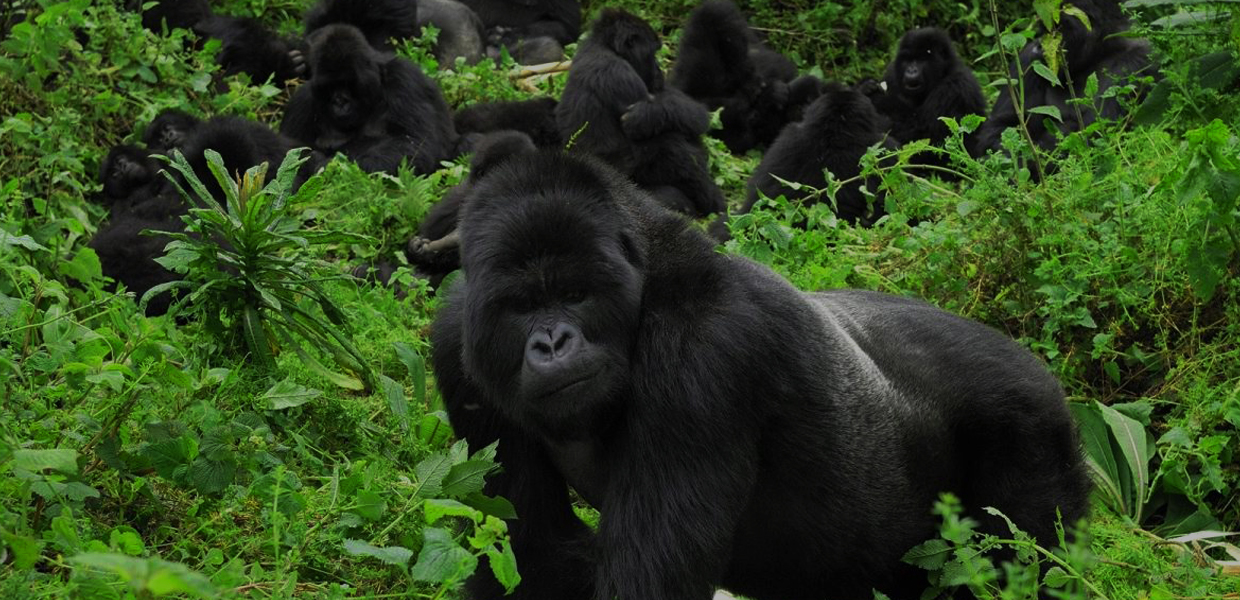
The age limit of 15 years for gorilla trekking in Rwanda is set to ensure safety and respect for both visitors and gorillas. Gorilla trekking in Rwanda can be physically demanding, requiring maturity and focus. Younger children may struggle with the challenges, while older teens can better understand the guidelines. This Rwanda gorilla trekking age limit helps protect the fragile gorilla population and enhances the overall experience for everyone involved.
Popular Mountain gorilla trekking tour packages
2-days-best-gorilla-trekking-safari-tour-via-kigali-to-bwindi-impenetrable-forest-park
3-days-fly-in-uganda-gorilla-habituation-africa-safari-tour-package
5-days-of-gorilla-trekking-and-chimpanzee-tracking-in-rwanda
3-days-chimpanzee-tracking-to-kibale-forest-national-park
5-days-best-gorilla-habituation-and-chimp-trekking-safari-tour-package
7-days-best-uganda-safari-tour-to-popular-safari-parks
Why gorilla trekking has age limit in Rwanda
1. Physical Stamina
Gorilla trekking in Rwanda often involves hiking through steep and rugged terrain. The average trek can last from two to six hours, depending on gorilla locations. Children under 15 may struggle with the physical demands, which could lead to exhaustion or injury. The gorilla trekking guidelines emphasize the need for participants to be fit enough to manage the trek. This gorilla trekking age limit ensures that all trekkers can maintain the required pace and energy throughout the journey, enhancing safety and enjoyment for everyone involved.
2. Safety Concerns
Safety is a top priority during gorilla trekking in Rwanda. The trails can be challenging, with uneven ground, thick vegetation, and steep inclines. Children under 15 may not have the physical ability to navigate these conditions safely. Age-appropriate trekkers are more likely to follow the guidelines provided by the gorilla trekking guides, which include maintaining a safe distance from the gorillas and watching for potential hazards. By setting an age limit, the risk of accidents and injuries during the trek is significantly reduced, ensuring a safer environment for all participants.
3. Behavioral Maturity
Maintaining quiet and calm during gorilla trekking is critical to avoid stressing the animals. Children under 15 may find it challenging to remain silent or follow the gorilla trekking guidelines that emphasize low noise levels. Their natural curiosity and excitement could lead to unexpected movements or sounds, which may disturb the gorillas. By implementing an age limit, the trekking experience can remain respectful and undisturbed. Older children are generally more capable of understanding and adhering to these rules, ensuring a smoother interaction with the wildlife.
4. Health Risks
Gorillas are highly susceptible to human-borne illnesses, which is why the gorilla trekking age limit is crucial. Younger children often have less developed immune systems, increasing the risk of transmitting diseases. The guidelines clearly state that participants must be in good health to protect both themselves and the gorillas. By restricting the age to 15 and older, Rwanda aims to minimize health risks to the gorilla population, which is vital for their survival. This precaution helps maintain the delicate balance between human interaction and wildlife health.
5. Focus and Attention
Older children are generally better equipped to focus on the trek and adhere to the gorilla trekking guidelines. They are more likely to listen to their guides and understand the importance of remaining quiet while observing the gorillas. This attentiveness enhances the overall experience for both the trekkers and the gorillas. The age limit ensures that participants can engage meaningfully with the trekking process, allowing for a more enriching interaction with the wildlife. Young trekkers can ask insightful questions and gain a deeper understanding of gorilla behavior.
6. Respect for Wildlife
Setting an age limit for gorilla trekking instills a sense of respect for wildlife among participants. Older children are more likely to understand the significance of observing animals in their natural habitat without causing disruption. The guidelines emphasize the importance of maintaining a safe distance from the gorillas and minimizing human impact on their environment. By limiting participation to those aged 15 and above, Rwanda encourages a more responsible approach to wildlife interactions, fostering a culture of respect and understanding for these endangered animals.
7. Emotional Readiness
Seeing gorillas in their natural habitat can evoke strong emotions. Children aged 15 and older are typically better equipped to process these feelings, whether they are excitement, curiosity, or empathy. The gorilla trekking experience can be profound, and older teens can appreciate the significance of this encounter. The age limit ensures that participants have the emotional maturity to understand the importance of gorilla conservation and the challenges these animals face. This awareness contributes to a more meaningful trekking experience.
8. Learning Experience
Gorilla trekking provides an educational opportunity about wildlife and ecology. Older children can engage with the information shared by guides, asking questions and discussing gorilla behavior and habitat. The guidelines encourage trekkers to learn about the animals and their environment, enhancing the overall experience. By setting the age limit at 15, Rwanda ensures that participants are capable of absorbing and reflecting on the information provided, fostering a greater appreciation for wildlife and the need for its protection.
9. Group Dynamics
Mixed-age groups during gorilla trekking can sometimes create challenges in dynamics and communication. Older participants tend to contribute positively to group cohesion by setting an example in following guidelines and maintaining group focus. The age limit of 15 ensures that all trekkers have a similar level of maturity, which can enhance the overall trekking experience. This homogeneity allows for smoother interactions within the group, improving the enjoyment and effectiveness of the trek.
10. Long-Term Impact
By involving older children in gorilla trekking, Rwanda aims to foster a lifelong interest in wildlife and environmental stewardship. Teens who engage in this experience can develop a strong connection to gorillas and their habitats, inspiring future advocacy for wildlife protection. The age limit encourages families to educate their children about the importance of conservation, ensuring that the values learned during the trek extend beyond the immediate experience. This long-term impact contributes to a culture of awareness and responsibility toward wildlife and nature.
Cost for Gorilla Trekking Permit in Rwanda
The cost for a gorilla trekking permit in Rwanda is approximately $1,500 per person. This fee grants trekkers access to the national parks where the gorillas reside. It's essential to book permits well in advance, especially during peak seasons, as availability can be limited. This investment ensures a once-in-a-lifetime experience, allowing you to observe these magnificent creatures in their natural habitat while supporting conservation efforts.
Where to Sleep on Gorilla Trekking in Rwanda
Accommodation options for gorilla trekking in Rwanda range from luxury lodges to budget-friendly guesthouses. Popular choices include Bisate Lodge and Gorilla Mountain View Lodge, offering comfort and stunning views near the trekking areas. Mid-range hotels provide cozy stays, while budget options cater to various travelers. Staying close to the national parks enhances your gorilla trekking experience, allowing easy access to the trails and maximizing your adventure.
When is the Best Time for Gorilla Trekking in Rwanda
The best time for gorilla trekking in Rwanda is during the dry seasons, typically from June to September and December to February. These months offer favorable weather conditions, making treks more enjoyable and accessible. However, the wet seasons can also be rewarding, as the lush landscapes are vibrant and fewer tourists are present. Ultimately, both seasons provide unique opportunities for encountering these incredible animals in their natural habitat.
Booking Gorilla Trekking in Rwanda with Roads of Adventure Safaris
Booking gorilla trekking in Rwanda with Roads of Adventure Safaris ensures a smooth and memorable experience. We provide personalized itineraries, knowledgeable guides, and comprehensive packages that include permits and accommodations. With our expertise, you can navigate Rwanda’s national parks effectively, maximizing your chances of encountering gorillas. Our commitment to sustainable tourism enhances your trekking adventure, allowing you to focus on the awe-inspiring experience of observing these magnificent creatures.
