Planning the legendary Mountain Sabinyo hike? You're in for an unforgettable, rugged adventure! Because this trek is a demanding 6 to 9-hour day hike navigating three distinct peaks, getting a solid night’s sleep before and after is absolutely essential. Keep in mind that camping isn't permitted on the summit or slopes to protect the park's pristine environment. Don't worry, though—you won't have to rough it. Excellent base camps and lodges are nestled right at the foothills in Kisoro and Mgahinga Gorilla National Park, offering the perfect spot to rest your legs before tackling the 3,669-meter (12,037 ft) tri-border summit.
3-day-hike-mount-sabinyo-and-explore-lake-bunyonyi
3-days-muhabura-volcani-hike-adventure
4-days-best-gorilla-trekking-and-mountain-sabinyo-hike
Luxury: Mount Gahinga Lodge
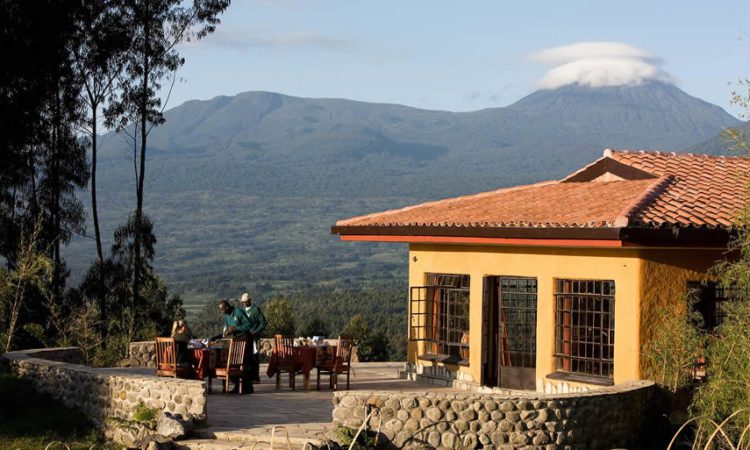
Nestled right at the edge of Mgahinga Gorilla National Park, Mount Gahinga Lodge stands as the ultimate luxury base for your trekking adventure. Managed by Volcanoes Safaris, this premium lodge seamlessly blends eco-luxury with the raw, untamed beauty of the volcanic landscape. The lodge features exclusive luxury bandas, each meticulously designed to reflect local architectural traditions with volcanic stone walls, warm timber accents, and cozy fireplaces that are lit every evening to ward off the high-altitude chill. Large en-suite bathrooms feature walk-in showers and consistent hot water, providing the perfect sanctuary to soothe your muscles after a demanding day on the mountain.
What sets Mount Gahinga Lodge apart is its exceptional all-inclusive hospitality. Guests enjoy customized, gourmet multi-course meals crafted from fresh, locally sourced ingredients, alongside a selection of fine wines and premium beverages. The main lodge building offers a rustic yet sophisticated lounge area with panoramic views of the clouds swirling around the volcanic peaks. For those seeking relaxation, the lodge offers complimentary massages for weary trekkers, a dedicated personal butler service, and a lush, beautifully landscaped garden pathway connecting the bandas.
Beyond its physical comforts, the lodge is deeply committed to sustainable and regenerative tourism. It serves as a vital anchor for community-inclusive initiatives, actively supporting the local Batwa community through the Batwa Vocational Center and the Batwa Heritage Trail experiences. Staying here allows you to enjoy world-class hospitality while directly funding cultural preservation and community welfare. The lodge gate is just a short, two-minute walk from the Ntebeko park headquarters, making it the most seamless and logistically efficient choice for an early morning start to your climb.
Mid-Range: Traveler's Rest Hotel in Kisoro
Steeped in rich history and timeless African charm, Traveler’s Rest Hotel in Kisoro is one of Uganda’s most iconic safari landmarks. Situated just outside Kisoro town, roughly 14 kilometers from the park headquarters, this historic hotel famously served as a second home to the legendary primatologist Dian Fossey during her groundbreaking mountain gorilla studies in the 1960s and 70s. The property beautifully retains its classic colonial-era atmosphere while offering modern comforts, making it an incredibly popular meeting hub for international hikers, researchers, and professional wildlife photographers.
The hotel features comfortable, well-appointed rooms arranged around an idyllic, lush central courtyard filled with vibrant tropical plants and visiting bird species. Each room is designed with simple elegance, featuring comfortable beds, warm extra blankets, private en-suite bathrooms, and reliable hot water showers that are a true luxury after hours spent on the steep, muddy slopes of the volcano. The heartbeat of Traveler’s Rest is its spacious, open-plan main lounge, which features a massive stone fireplace that burns brightly every evening. Trekkers gather around the fire to share stories, enjoy cold drinks, and review their photos from the day's trek.
The on-site restaurant is highly regarded for its hearty, delicious meals, offering a balanced mix of traditional Ugandan dishes and continental cuisine perfectly tailored to fuel high-energy outdoor activities. The staff are renowned for their warm, genuine hospitality, routinely preparing early breakfast spreads and custom packed lunch boxes for hikers heading out at dawn. Choosing Traveler's Rest provides an affordable yet deeply characterful base camp, allowing you to walk in the footsteps of conservation history before conquering the peaks.
Budget & Cultural: Amajambere Iwacu Community Camp
For the grounded, culturally curious traveler looking to stay directly at the trailhead without breaking the bank, Amajambere Iwacu Community Camp is the ideal choice. Located right at the main Ntebeko entrance gate of Mgahinga Gorilla National Park, this vibrant community-owned camp offers unparalleled logistical convenience. You can literally step out of your room and walk directly to the briefing point within minutes, eliminating the need for early morning transfers on rough roads.
The camp offers a versatile range of basic accommodations designed for outdoor enthusiasts, including rustic bandas (traditional round huts with thatched roofs), simple budget twin rooms, and a well-maintained, secure camping ground for those carrying their own tents. The rooms are basic but functional, providing clean linens, mosquito nets, and access to shared or private bathroom facilities with hot water available on request. A cozy, communal dining hall acts as the social center of the camp, serving up generous portions of simple, hot, freshly cooked local meals and comforting cups of Ugandan tea or coffee to warm you up after your descent.
What truly makes Amajambere Iwacu exceptional is its community-inclusive business model. Run directly by local community members, all profits generated from your stay are funneled directly back into local development projects, supporting schools, healthcare initiatives, and community agricultural cooperatives. The camp regularly hosts mesmerizing, traditional dance and musical performances by local groups around evening campfires under the stars. Staying here offers an authentic, back-to-basics wilderness experience that fosters a direct, meaningful connection with the resilient people who live at the base of the mountains.
Other Options: Mutanda Lake Resort & Mucha Hotel Kisoro
If you prefer to base yourself away from the immediate park boundaries to take advantage of the region's diverse aquatic landscapes, both Mutanda Lake Resort and Mucha Hotel Kisoro offer exceptional alternatives with easy vehicle access to the trailhead. Mutanda Lake Resort is spectacularly positioned on a private peninsula stretching into the calm, pristine waters of Lake Mutanda. It features raised wooden cottages that offer jaw-dropping, uninterrupted views of the lake with the dramatic chain of Virunga Volcanoes rising majestic in the background. It is a peaceful, lakeside paradise perfect for combining a strenuous mountain climb with relaxing canoeing, paddleboarding, or birdwatching along the shore.
On the other hand, Mucha Hotel Kisoro offers a tranquil, riverfront escape nestled along the banks of the scenic River Mucha, just a short distance from Kisoro town. Surrounded by manicured gardens and rolling green hills, the hotel provides a calm, quiet atmosphere with modern amenities, comfortable en-suite rooms, and an excellent restaurant overlooking the rushing river waters. Both properties balance scenic relaxation with strategic convenience, providing dedicated vehicle transfers to Ntebeko every morning so you can arrive fresh and fully prepared for your challenging day on the slopes.
How long does the Mountain Sabinyo hike take?
The Mountain Sabinyo hike typically takes 6 to 9 hours to complete, depending entirely on your physical fitness and the weather. This demanding day trek covers a grueling 14-kilometer (8.7 miles) round trip that begins at the Ntebeko visitor center. You will spend the day climbing up and down a series of steep ridges and handmade wooden ladders. The ascent up to Peak 1 is a steady, calf-burning climb through the bamboo zone. Moving toward Peak 2 requires navigating narrow, exposed ridges with sharp drop-offs on either side. Reaching Peak 3, the highest point, requires steady footing and a clear head for heights. Rain can slow you down significantly, turning the volcanic soil into slick mud. Rangers strictly enforce a 1:00 PM turnaround time at Peak 2 to ensure everyone makes it down before dark. Completing the trail requires a solid combination of stamina and mental grit.
What is the total elevation of Mountain Sabinyo?
The summit of the Mountain Sabinyo hike reaches an elevation of 3,669 meters (12,037 feet) above sea level. Your journey starts at the Ntebeko park headquarters, which sits at a high altitude of 2,400 meters (7,874 feet). This means hikers must conquer a demanding 1,269 vertical meters (4,163 feet) of elevation gain over a single day. Climbing at this altitude means the air becomes noticeably thinner, reducing oxygen levels by roughly 30% compared to sea level. This physiological change causes your heart rate to spike and your lungs to work twice as hard. The sharp elevation change takes you through three distinct ecological zones. You will start in the lower bamboo forests, move up through the tangled Hagenia-Hypericum woodland, and finally emerge into the otherworldly afro-alpine moorland near the top.
Can I camp during the Mountain Sabinyo hike?
No, camping is strictly prohibited along the trails of the Mountain Sabinyo hike. Mgahinga Gorilla National Park enforces this rule to protect the fragile volcanic ecosystem and prevent human-wildlife conflict. The slopes are home to endangered golden monkeys and mountain gorillas, which require undisturbed habitats. Because overnight stays on the mountain are banned, you must finish the entire trek as a day hike. Trekkers must stay at base camps or nearby lodges in Kisoro before and after their climb. For example, budget-conscious travelers use the Amajambere Iwacu Community Camp, located a mere 10 meters from the Ntebeko entrance gate. Luxury travelers choose Mount Gahinga Lodge, which sits right on the park boundary. These foothill options offer hot showers and comfortable beds, which are essential for resting your legs after a grueling day on the peaks.
What makes the Mountain Sabinyo summit so unique?
The peak of the Mountain Sabinyo hike is famous because it serves as a unique geographical tri-border point. At the highest summit, Peak 3, you are standing simultaneously in three sovereign countries: Uganda, Rwanda, and the Democratic Republic of Congo. This unique intersection means you can circle the summit marker and visit three nations in less than 10 seconds without needing a visa. The peak features a circular wooden platform where hikers can stand and enjoy a 360-degree panoramic view of the expansive Virunga Conservation Area. On a clear day, you can look down at Rwanda’s Volcanoes National Park and the vast landscapes of Virunga National Park in the DRC. This rare geographical anomaly turns a challenging physical climb into an unforgettable international milestone.
Are the ladders on the trail safe to climb?
Yes, the iconic wooden ladders used during the Mountain Sabinyo hike are safe, though they require focus and a steady grip. Wildlife authorities built these heavy-duty timber ladders to help hikers safely scale the near-vertical rock faces leading up to Peaks 2 and 3. Some sections feature structures that rise over 30 meters (100 feet) at an intense 80-degree angle. Park rangers inspect and reinforce these wooden structures regularly to ensure they hold up against heavy rains and daily foot traffic. To stay safe, hikers must maintain three points of contact—keeping two hands and one foot, or two feet and one hand, firmly on the wood at all times. If you struggle with a severe fear of heights, the exposed drops along these ladders will test your comfort zone.
What should I pack for this challenging volcanic trek?
Packing the right gear for the Mountain Sabinyo hike can make or break your day on the mountain. The weather changes quickly in the Virunga Mountains, with temperatures dropping from a warm 22°C (71°F) at the base to a cold 5°C (41°F) at the summit. You need to dress in layers, starting with a moisture-wicking shirt, adding a warm fleece, and packing a high-quality waterproof jacket. Sturdy, waterproof hiking boots with deep tread are essential for gripping the slippery wooden ladders and muddy trails. You should pack at least 3 liters of clean drinking water and a high-calorie lunch to keep your energy up during the 9-hour trek. A pair of durable gardening gloves is a smart addition, as they protect your hands from blisters and stinging nettles when gripping the rough wooden ladders.
Do I need a permit for the Sabinyo climb?
Yes, you must secure an official trekking permit to do the Mountain Sabinyo hike. For international residents, the permit costs $80 USD per person, which includes your park entry fees and the services of two-armed Uganda Wildlife Authority (UWA) rangers. These permits can be purchased directly at the Ntebeko visitor center on the morning of your trek using cash or a credit card. The daily briefing starts at 7:30 AM, where rangers check your gear and explain the trail conditions. Booking your permit in advance isn't strictly necessary, unlike gorilla tracking permits which limit visitors to 8 people per group. However, arriving early ensures a smooth checkout process so your group can hit the trail by 8:00 AM sharp.
What wildlife might I see during the climb?
While the Mountain Sabinyo hike is primarily a challenging mountain climb, the trail takes you through a rich biodiversity hotspot. The lower bamboo zone, sitting between 2,400 and 2,800 meters, is prime habitat for the endangered golden monkey, a species found only in the Virunga volcano chain. You might also spot signs of mountain gorillas or forest elephants, though they usually move away from the main hiking paths. Birdwatchers can look forward to seeing some of the 115 bird species recorded in the park, including the bright Rwenzori Turaco and the double-collared sunbird. The armed rangers leading your group are there to protect you from rare wildlife encounters and clear the path ahead.
Is the Sabinyo trek open during rainy seasons?
The Mountain Sabinyo hike stays open all year, but climbing during the rainy seasons presents significant extra challenges. The region experiences two wet seasons: the heavy rains from March to May and the shorter rains from October to November. During these months, the park receives over 1,500 mm of annual rainfall, turning the steep volcanic trails into slippery mud chutes. The heavy mist frequently rolls in, reducing visibility to less than 5 meters and hiding the beautiful summit views. Climbing the wooden ladders during a downpour requires extra care, as the wet wood becomes very slick. If you want dry trails and clear blue skies, plan your trek during the dry windows from June to August or December to February.
How fit do I need to be for Sabinyo?
You need a high level of physical fitness and good cardiovascular health to enjoy the Mountain Sabinyo hike. This trek is widely considered the toughest day hike in Mgahinga, demanding more endurance than the neighboring Mount Muhavura or Mount Gahinga climbs. The combination of a 1,269-meter vertical gain and navigating exposed ridges requires strong legs and a stable core. To prepare for this journey, focus on leg-strengthening exercises like weighted squats, lunges, and stair-climbing workouts for 4 to 6 weeks before your trip. If you have chronic knee problems or suffer from severe vertigo, the steep steps and vertical ladders will be highly challenging. Hiring a local porter at the trailhead for $20 USD is a great way to lighten your load and support the local community.
Booking Mountain Sabinyo hike with us Roads of Adventure safaris
Ready to stand in three countries at once? Booking your Mountain Sabinyo hike is seamless with Roads of Adventure Safaris. Based out of our main office in Seguku, Kampala, our team handles all the heavy lifting—from securing your $85 foreign resident permit to crafting a custom travel package. The trek takes you up to the breathtaking 3,669-meter summit where the borders of Uganda, Rwanda, and the DRC meet.
To lock in your dates or request a quote, connect with us directly at +256 701 041 637 or +256 773 796 644, email info@roadsofadventuresafaris.com, or drop us a message through our online enquiry page. Let's start planning!
