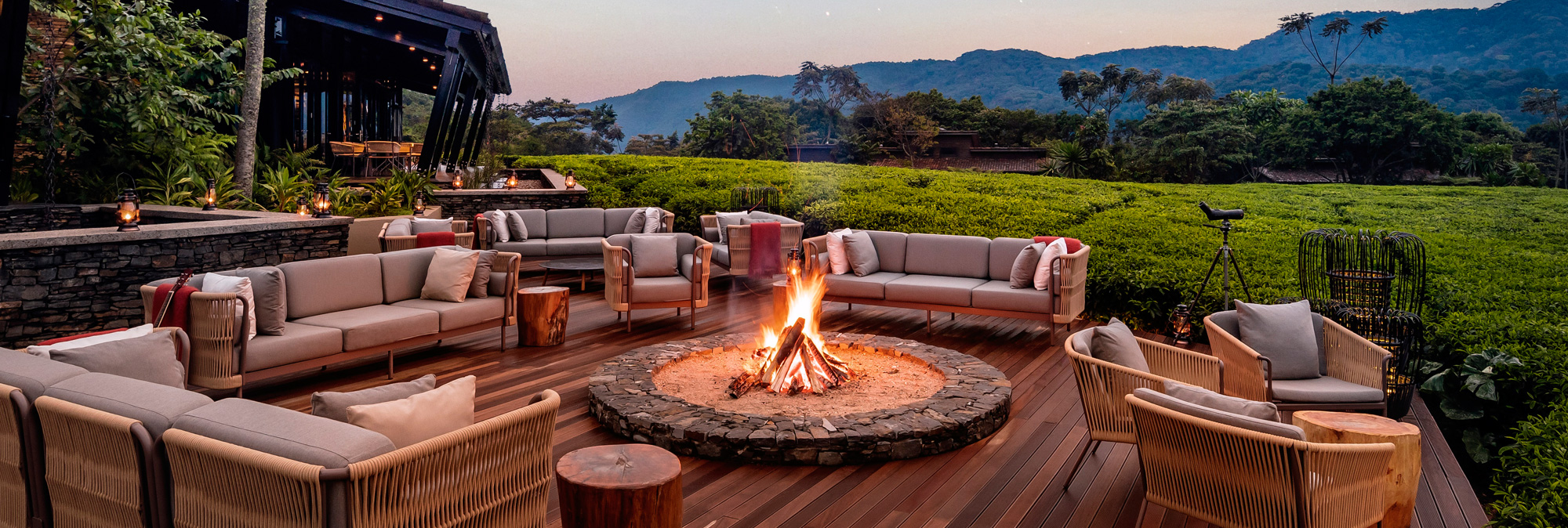
For a 14-day Rwanda safari, top accommodation options include luxury lodges near gorilla trekking (Bisate Lodge, Gorilla Mountain View Lodge), upscale Nyungwe Forest options (Nyungwe House, Top View Hill Hotel), and Akagera National Park lodges. Kigali options include Kigali Serena Hotel and Marriott, while Lake Kivu features the Serena Hotel
14-days-luxury-rwanda-primate-safari-and-uganda-safari-tour-combo
14-days-magical-rwanda-photography-safari
14-days-uganda-and-rwanda-safari-tour-itinerary
14-days-of-rwanda-uganda-gorilla-safari-and-zanzibar-beach-holidays
Kigali (Arrival & City Tour)
Kigali serves as the sophisticated gateway to Rwanda, and its hotels reflect a city that is both modern and deeply rooted in tradition.
- Luxury: The Kigali Serena Hotel and the Kigali Marriott are the city's premier addresses. The Serena is a landmark property known for its Pan-African elegance, lush tropical gardens, and the "Maisha" spa. It’s a favorite for diplomats and offers a serene start to a safari. The Marriott, meanwhile, provides a sleek, contemporary atmosphere with floor-to-ceiling windows overlooking the city hills and world-class dining at the Soko Restaurant.
- Mid-range: For a more local feel, Chez Lando Hotel is a cultural institution in Kigali. Known for its vibrant outdoor grill and patio, it offers a warm, bungalow-style stay that has hosted travelers for decades. The Manor Hotel provides a boutique feel with Mediterranean-inspired architecture and rooftop views, making it an excellent base for a 2-day city exploration before heading into the wild.
Volcanoes National Park (Gorillas & Hiking)
In the north, accommodations are designed to be sanctuaries against the misty, cool volcanic climate.
- Luxury: This region hosts some of Africa’s most iconic lodges. Bisate Lodge is famous for its six "nest-like" villas that cling to the side of an eroded volcanic cone, offering a private reforestation experience. Singita Kwitonda Lodge sits right on the park boundary, focusing on "mindful luxury" with private heated plunge pools and massive fireplaces. Virunga Lodge offers a more classic "old world" feel with 360-degree views of the Twin Lakes and the volcanoes.
- Mid-range: Le Bambou Gorilla Lodge is a fantastic choice for families, using local bamboo in its design to create a cozy, forest-themed atmosphere. Da Vinci Gorilla Lodge provides well-appointed cottages with private verandas, emphasizing traditional Rwandan hospitality and proximity to the park headquarters for early-morning treks.
Nyungwe Forest National Park (Chimpanzees & Canopy Walk)
Accommodations in Nyungwe are focused on immersion in one of Africa’s oldest mountain rainforests.
- Luxury: One&Only Nyungwe House is set on the edge of a working tea plantation, surrounded by ancient mahogany trees. The resort offers "forest living" with luxury treehouses and villas, private spa treatments, and dining that utilizes ingredients grown on-site. It is designed to be a holistic retreat where the sounds of the jungle provide the soundtrack.
- Mid-range: Nyungwe Top View Hill Hotel sits on a ridge with spectacular panoramic views of the entire forest on one side and Lake Kivu on the other. Its circular stone cottages are simple but comfortable, featuring fireplaces that are essential for the cool mountain nights. It provides the most central location for reaching both the chimpanzee tracking and canopy walk start points.
Akagera National Park (Wildlife Safari)
The eastern savanna calls for a classic safari camp feel, often centered around the park's vibrant water systems.
- Luxury: Magashi Camp (by Wilderness) is a high-end tented camp overlooking Lake Rwanyakazinga, offering exclusive access to a private concession in the northern sector. For an eco-conscious luxury stay, Ruzizi Tented Lodge is built into the forest fringing Lake Ihema. It is powered by solar energy and features a boardwalk system that allows you to walk safely among the palms and fig trees while hippos grunt nearby.
- Mid-range: Akagera Game Lodge is the park's largest and most established hotel. Located on a hill at the southern end, it features a large swimming pool—perfect for kids—and offers expansive views over Lake Ihema. It serves as a reliable, comfortable base for early morning game drives into the southern plains to see lions, elephants, and rhinos.
Lake Kivu (Relaxation)
The shores of Lake Kivu offer a "beach resort" atmosphere to balance the intensity of the trekking portions of the trip.
- Luxury: The Lake Kivu Serena Hotel in Gisenyi is a true resort, boasting a private beach, a large swimming pool, and water sports like kayaking and jet-skiing. It is the perfect place to spend two nights "recovering" from the mountains, offering high-end service and a tropical, palm-fringed environment.
- Mid-range: For a more intimate, boutique experience, Paradis Malahide is a hidden gem. Located just outside Gisenyi, it consists of small volcanic-stone bungalows right on the water’s edge. It is known for its beautiful gardens, traditional wooden fishing boat tours, and a relaxed, "barefoot luxury" vibe that makes you feel deeply connected to the local lakeside culture.
14 Days Rwanda safari holiday
14-day Rwanda safari is a definitive exploration of the "Land of a Thousand Hills," meticulously designed to showcase the country’s remarkable recovery, its profound natural beauty, and its status as a premier conservation destination. This journey transitions from the vibrant, clean streets of Kigali to the savanna plains of Akagera, the ancient mountain rainforests of Nyungwe, and the misty volcanic peaks of the Virungas. You will engage in deeply moving cultural exchanges, witness the "Big Five" in the east, and stand in the presence of mountain gorillas and chimpanzees in the west. This itinerary is expertly paced to allow for both high-adrenaline trekking and tranquil moments along the shores of Lake Kivu. By visiting Rwanda’s three distinct national parks, you gain a comprehensive understanding of the diverse ecosystems and successful community-led conservation models that define modern Rwanda. Prepare for a transformative journey through one of Africa’s most resilient and breathtaking landscapes.
Day 1: Arrival and Kigali Immersion
Your Rwandan odyssey begins at Kigali International Airport, where you will be met by your private guide. Kigali is widely regarded as Africa’s cleanest and safest capital, and your first day is dedicated to understanding its history and heartbeat. After settling into your hotel, you will take a city tour that includes the Kigali Genocide Memorial. While solemn, this visit is essential for understanding the resilience and unity of the Rwandan people today. You will also visit local markets and the Inema Arts Center to see the city's thriving contemporary art scene. The evening features a welcome dinner at a local restaurant, offering your first taste of Rwandan hospitality and cuisine. This day sets the cultural context for the wildlife and nature experiences that follow in the coming two weeks.
Day 2: The Journey East to Akagera
After breakfast, you begin your journey eastward toward Akagera National Park, the country’s only savanna ecosystem. The drive takes you through scenic agricultural landscapes and rural villages, providing a glimpse into the daily lives of the Rwandan people. Upon arrival at the park, you will check into your lodge and enjoy lunch overlooking the vast plains or Lake Ihema. In the afternoon, embark on your first game drive in the southern sector of the park. Keep your eyes peeled for giraffes, zebras, and various antelope species as the sun begins to set over the rolling hills. This transition from the urban center to the wild savanna marks the start of your wildlife adventure, introducing you to the diverse habitats that make Rwanda unique.
Day 3: Full Day Safari in Akagera
Today is dedicated to exploring the northern reaches of Akagera, where wildlife density is highest. You will embark on a full-day game drive with a picnic lunch, searching for the "Big Five": lions, leopards, rhinos, elephants, and buffaloes. The park's restoration has been a massive success, and you’ll witness a thriving ecosystem of predators and prey. From the open plains of the north to the rocky outcrops and marshes, the variety of scenery is breathtaking. You can expect to see large herds of buffalo and elephant, as well as the rare shoebill stork if you're lucky. In the late afternoon, return to your lodge for a sundowner, reflecting on a day spent in one of Africa's most successful conservation stories.
Day 4: Lake Ihema Boat Cruise and Cultural Visit
Your morning begins with a boat safari on Lake Ihema, the largest of Akagera’s many lakes. This is a highlight for aquatic wildlife, offering close-up views of large pods of hippos and massive Nile crocodiles basking on the banks. You will also see a variety of water birds, including fish eagles and kingfishers. In the afternoon, engage in a community-led cultural experience on the park's periphery. You might join local farmers for a traditional cow-milking session or learn the art of honey production. This interaction highlights the "inclusive conservation" model where local communities benefit directly from the park's success. It is a day of tranquil water exploration and meaningful human connection before you head back toward the central highlands.
Day 5: Transfer to Nyungwe via Huye
Leaving the savanna behind, you drive back through Kigali and head south toward Nyungwe Forest National Park. This is one of the longest drives of the trip, but it is broken up with fascinating cultural stops. You will visit Huye (formerly Butare) to explore the Ethnographic Museum, which houses one of Africa's finest collections of traditional artifacts and royal history. Alternatively, visit the King’s Palace Museum in Nyanza to see the traditional thatched royal residence and the long-horned Inyambo cattle. After lunch in Huye, continue the climb into the high-altitude rainforest of Nyungwe. You will arrive at your lodge on the forest's edge in the late afternoon, greeted by the cool, misty air and the sounds of the ancient canopy.
Day 6: Chimpanzee Tracking and Canopy Walk
Your day begins before dawn as you head into the ancient rainforest to track chimpanzees. Nyungwe is home to a significant population of these intelligent primates, and the experience of following their vocalizations through the thick undergrowth is exhilarating. You will spend an hour observing their social interactions and acrobatic displays in the canopy. In the afternoon, you will experience the famous Nyungwe Canopy Walk. Suspended 70 meters above the forest floor on a sturdy metal bridge, you will have a bird’s-eye view of the ancient trees and colorful birdlife. This perspective allows you to appreciate the vastness of the 1,000-square-kilometer forest from a unique vantage point. It is a day of high-adrenaline nature exploration that defines the primate-focused portion of your safari.
Day 7: Colobus Monkey Trek and Nature Hike
Nyungwe is famous for its 13 species of primates, and today you will search for the striking Black-and-White Colobus monkeys. These primates are known for their long white tails and are often found in "mega-troops" numbering in the hundreds. The trek to find them is usually less strenuous than chimp tracking and offers excellent photographic opportunities as they leap between branches. In the afternoon, you can choose to explore one of the park's many nature trails, such as the Isumo Waterfall trail. This hike takes you through tea plantations and deep into the forest to a spectacular 17-meter waterfall. This day highlights the harmony between the protected forest and the agricultural communities that surround it, showing the importance of the forest as a vital watershed.
Day 8: Transfer to Kibuye on Lake Kivu
Leaving the rainforest, you drive northward toward the shores of Lake Kivu, specifically the town of Kibuye (Karongi). This route follows the scenic Congo Nile Trail, offering constant views of the turquoise water and the distant mountains of the DR Congo. Kibuye is often cited as the most beautiful town on the lake, with its steep hills and deep bays. Upon arrival, you will check into your lakeside hotel and have lunch. In the afternoon, you can embark on a boat trip to Napoleon Island (shaped like his hat) to see the massive fruit bat colony, or simply enjoy the sunset from a quiet bay. It is the beginning of a well-earned "middle rest" in your 14-day adventure.
Day 9: Coastal Drive to Gisenyi
Today you continue your journey along the shores of Lake Kivu to Gisenyi (Rubavu), the northernmost resort town. The drive is a continuous panoramic experience of rural lakeside life, fishing villages, and terraced hillsides. Gisenyi has a tropical feel with sandy beaches and palm trees. Upon arrival, you can visit the local hot springs or explore the bustling town center near the border with Goma. The afternoon is yours to relax—perhaps taking a kayak out onto the calm waters or visiting a local coffee washing station to learn about Rwanda's world-class coffee production. The evening is spent at leisure, enjoying the temperate breeze and the lights of the fishing boats twinkling on the horizon.
Day 10: Relaxation and Gisenyi Life
This is a dedicated "buffer day" to prevent safari fatigue. You have the morning to relax by the lake or visit the Imbabazi Orphanage, founded by Rosamond Carr, which has a beautiful garden and a touching history. Alternatively, take a gentle hike along the lakefront or participate in a "bean-to-cup" coffee experience. This day allows you to absorb the local rhythms of life on the lake before heading into the high-intensity trekking region of the north. It is a moment of tranquility that balances the physical demands of the past week with the excitement of the upcoming gorilla trek. Enjoy the fresh "Sambaza" (small lake fish) for dinner as you prepare for the mountains.
Day 11: Transfer to Volcanoes and Iby’iwacu Village
After a relaxed morning, you make the short drive to Ruhengeri (Musanze), the gateway to Volcanoes National Park. The landscape becomes more dramatic as the massive Virunga Volcanoes begin to loom in the distance. Upon arrival, you will visit the Iby’iwacu Cultural Village (Gorilla Guardians Village). This community project is run by former poachers who have turned to conservation and tourism. You will participate in traditional dancing, learn about ancient medicinal plants, and see a demonstration of a traditional Rwandan wedding. It is a joyful celebration of the "New Rwanda" where tourism directly supports community livelihoods and wildlife protection. This cultural immersion provides essential context for the conservation success story you are about to witness in the forest.
Day 12: The Mountain Gorilla Trek
This is the pinnacle of your 14-day Rwanda safari. After an early breakfast, you head to the park headquarters in Kinigi for a briefing and to be assigned a gorilla family. Accompanied by expert rangers and armed guards, you enter the thick bamboo forest. The trek can take anywhere from one to five hours depending on the gorillas' location. Once they are located, you will spend one magical hour standing just meters away from them. Watching a silverback lead his family or infants playing is a profound experience that defies description. The silence of the forest is broken only by the gorillas' grunts and the rustle of leaves. After the trek, you return to the lodge for a celebratory lunch, reflecting on a life-changing encounter with our closest cousins.
Day 13: Golden Monkey Tracking and Twin Lakes
Today you return to the forest to track the rare and playful Golden Monkeys. These primates are endemic to the high-altitude forests of the Virungas and are known for their striking orange-gold fur. They live in large groups in the bamboo zones and are much more active than the gorillas, often leaping through the trees or foraging on the ground nearby. It is a lighter, more energetic trek that complements the gravity of the gorilla experience. In the afternoon, you will drive to the scenic Twin Lakes, Burera and Ruhondo. These deep blue lakes sit at the base of the volcanoes and offer spectacular views of the volcanic chain. A boat ride or a short hike around the lakeshore provides a peaceful end to your time in the mountains.
Day 14: Return to Kigali and Departure
On the final day of your safari, you will enjoy a last breakfast overlooking the volcanic peaks before driving back to Kigali (approximately 2.5 hours). Depending on your flight schedule, you will have time for any last-minute souvenir shopping at the Caplaki Craft Village or a final Rwandan coffee at a local cafe. Your guide will then transfer you to Kigali International Airport for your departure. You leave Rwanda with a complete picture of the country—from its savanna giants and mountain primates to its resilient people and stunning landscapes. This journey concludes with a deep appreciation for the profound beauty and progress of this remarkable African nation, having explored every major corner of the "Land of a Thousand Hills."
Selecting the right base for a 14-day Rwandan expedition is as crucial as the wildlife encounters themselves. The hospitality landscape in Rwanda has evolved rapidly, offering everything from "ultra-luxury" architectural marvels to community-run guesthouses that provide an authentic look into the heart of the "Land of a Thousand Hills."
What are the best luxury options near Volcanoes National Park?
The northern volcanic highlands host some of the most exclusive and architecturally significant lodges in Africa. Bisate Lodge is perhaps the most iconic, featuring six "nest-like" forest villas that cling to the side of an eroded volcanic cone, offering a private reforestation experience where guests can plant trees. Singita Kwitonda Lodge sits directly on the park boundary, focusing on "mindful luxury" with private heated plunge pools and massive fireplaces designed to combat the cool mountain air.
For those seeking a more traditional resort feel, One&Only Gorilla’s Nest is nestled within an ancient eucalyptus forest, offering rose-scented gardens and a world-class spa. These properties are destinations in their own right, providing a level of service that includes private "gorilla butlers" who clean your muddy trekking boots and prepare specialized meals. Staying at this tier ensures that your safari is not just a wildlife trip, but a holistic wellness retreat centered around the preservation of the mountain gorilla.
Where can I stay in Kigali upon arrival?
Kigali is the sophisticated heartbeat of the country, and your arrival stay sets the tone for the journey. The Kigali Serena Hotel remains a landmark of Pan-African elegance, famous for its lush gardens and the "Maisha" spa, making it a favorite for diplomats and high-end travelers. For a more intimate, boutique experience, The Retreat by Heaven is a 20-room luxury property that utilizes solar power and local sustainable materials, offering private salt-water heated plunge pools and an organic farm-to-table dining experience.
If you prefer a lively, community-focused atmosphere, Heaven Boutique Hotel is a fantastic choice, known for its incredible hilltop views and a restaurant that serves as a training ground for Rwandan youth entering the hospitality sector. These hotels are located in the secure, leafy neighborhoods of Kiyovu or Gacuriro, providing easy access to the Kigali Genocide Memorial and local art galleries while offering a tranquil sanctuary from the city's bustling energy.
What are the top, mid-range choices for gorilla trekking?
Mid-range accommodations in the Musanze region offer the perfect balance of comfort, proximity, and value. Le Bambou Gorilla Lodge is a standout choice, constructed primarily from local bamboo and volcanic stone to create a cozy, forest-themed environment. It is particularly popular with families due to its spacious cottages and friendly staff who often perform traditional dances for guests in the evenings.
Da Vinci Gorilla Lodge provides well-appointed cottages with private verandas overlooking the volcanic chain, offering a high level of privacy and excellent international cuisine. Another reliable option is Mountain Gorilla View Lodge, which features individual chalets with stone fireplaces—a vital amenity given the high altitude. These lodges are located within a 15-to-20-minute drive of the park headquarters at Kinigi, ensuring you can enjoy a full breakfast before your 7:00 AM gorilla trekking briefing.
Are there good eco-friendly options?
Rwanda is a global leader in sustainable tourism, and Ruzizi Tented Lodge in Akagera National Park is the gold standard for eco-luxury. This intimate, seven-tent lodge is built entirely on raised wooden boardwalks to minimize its footprint on the surrounding forest. It is 100% solar-powered and was constructed using local materials and labor, with much of its furniture handcrafted by Rwandan artisans.
Beyond Ruzizi, many lodges in Volcanoes and Nyungwe operate on "tread light" principles. These properties focus on reforestation, plastic-free operations, and "greywater" recycling systems. By choosing these eco-friendly options, your 14-day stay directly supports the maintenance of the delicate ecosystems you are visiting. The experience in these lodges is defined by a deep connection to nature, where the luxury comes from the silence of the wilderness rather than gold-plated fixtures.
Where to stay when chimpanzee trekking in Nyungwe?
Nyungwe Forest requires a stay that can handle the humidity and "misty" nature of an ancient mountain rainforest. One&Only Nyungwe House is the undisputed luxury leader here, situated on a working tea plantation. Guests can walk directly from their suites into the tea fields or onto forest trails. The lodge offers specialized activities like spear throwing and tea tasting, making it much more than just a base for trekking.
For a comfortable and scenic mid-range experience, Nyungwe Top View Hill Hotel is aptly named. Perched on a high ridge, every room offers panoramic views of the forest canopy on one side and Lake Kivu on the other. While the decor is simple, the location is unbeatable for reaching the Uwinka or Cyamudongo trekking start points. Staying here allows you to watch the mist rise off the ancient trees as the sun comes up, providing a truly atmospheric start to your chimpanzee adventure.
Where is the best place for a lakeside stay at Lake Kivu?
Lake Kivu offers a tropical "beach" break in the middle of your safari. In Gisenyi (Rubavu), the Lake Kivu Serena Hotel is the premier choice, featuring a private sandy beach, a massive swimming pool, and an expansive terrace for sunset drinks. It feels like a coastal resort and is perfect for families wanting to kayak or jet-ski.
For a more secluded and scenic experience further south in Kibuye, Cormoran Lodge is a boutique gem. Its wooden cabins are built on stilts over the steep hills, providing unrivaled views of the turquoise water and the many islands that dot the lake. Another excellent option is Paradis Malahide, located right on the water’s edge with a beautiful garden and a focus on traditional Rwandan architecture. These lakeside stays are essential for "recharging" between the strenuous trekking days in the national parks.
What is the best accommodation for families?
Rwanda has become remarkably family-friendly, with several lodges offering specialized facilities. Bisate Lodge and Singita Kwitonda provide large, multi-room villas that allow parents and children to stay together in a secure environment. These lodges often feature "Junior Ranger" programs, where younger children who are under the 15-year age limit for gorilla trekking can participate in nature walks, butterfly identification, and traditional craft-making with on-site childminders.
In Akagera, Akagera Game Lodge is a top family pick because of its large swimming pool and child-friendly menus. The lodge is situated on a hill with plenty of space for kids to run around safely. When booking for a family, look for lodges that offer interconnected rooms or "family suites," as these are in high demand and provide the extra space needed for a 14-day holiday.
Are accommodations safe and self-contained?
Yes, the vast majority of hotels and lodges utilized for safaris in Rwanda are highly secure and fully self-contained. Whether you are in a city hotel or a remote forest lodge, your room will feature en-suite bathrooms with hot running water, flush toilets, and "Western-style" amenities. Security is a top priority; most lodges have 24-hour security personnel and gated perimeters.
In the more remote forest areas, "self-contained" also means being prepared for the environment—lodges provide mosquito nets (though the high altitude of the north has few mosquitoes) and umbrellas. The staff are trained to ensure you feel safe and comfortable, often escorting you to your room after dark in the more wild savanna areas. This high standard of infrastructure is a key reason why Rwanda has successfully positioned itself as a premium destination for international travelers.
What if I am on a budget?
For the budget-conscious traveler, Rwanda offers a range of clean, safe, and hospitable guesthouses and "Centres d'Accueil" (religious guesthouses). In the Volcanoes region, Kinigi Guesthouse is a well-known budget staple, located very close to the park entrance. It offers basic but clean rooms and a communal atmosphere that is great for meeting other travelers.
In Kigali, the Discover Rwanda Youth Hostel provides both dorms and private rooms, serving as a hub for backpackers. Many of these budget options are community-run, meaning your stay directly benefits the local people. While you won’t find heated plunge pools or "butler service," you will find warm Rwandan hospitality, fresh local food, and a genuine connection to the community, which many travelers find just as rewarding as a luxury stay.
Do lodges in Rwanda have electricity and internet?
Most mid-range and luxury lodges in Rwanda offer 24-hour electricity and Wi-Fi. In remote areas like Akagera or Nyungwe, lodges often run on sophisticated solar systems with backup generators to ensure a constant power supply. While Wi-Fi is generally available in the main lounge areas, its strength in the individual rooms can vary depending on the terrain.
Many luxury lodges, like those in the One&Only or Singita portfolios, provide high-speed internet even in the most remote forest villas. It is worth noting that "safari life" usually encourages a digital detox, but for those who need to stay connected, the infrastructure is surprisingly robust. Laundry services are also standard at most lodges, usually with a 24-hour turnaround, which is essential for a 14-day trip where you’ll want to refresh your trekking clothes frequently.
Where should I stay for savannah safaris in Akagera?
Akagera National Park has two primary styles of accommodation. Akagera Game Lodge is a traditional hotel-style property located in the southern sector. It is perfect for those who want a familiar hotel environment, featuring a bar, a large pool, and a structured dining room. It’s the best base for exploring the southern lakes and the rhino-tracking areas.
For a more immersive "bush" experience, Ruzizi Tented Lodge offers a quiet, intimate stay right on the edge of Lake Ihema. If you are looking for the ultimate in savanna luxury, Magashi Camp in the far north of the park offers exclusive access to a private concession with high concentrations of lions and leopards. For a 14-day trip, starting in the south at Akagera Game Lodge and moving north to Magashi provides a complete "cross-section" of the park's diverse wildlife.
Can I stay near the Gishwati-Mukura National Park?
Gishwati-Mukura is Rwanda’s newest national park, and the accommodation infrastructure is still developing. Currently, the primary way to experience the park is through the Gishwati Lodge (operated by Wilderness), which offers an exclusive, high-end primate tracking experience focused on chimpanzees and golden monkeys.
Because Gishwati is relatively close to the resort town of Rubavu (Gisenyi), many visitors choose to stay in lakeside hotels like the Serena and make a day trip to the park. As the park gains more popularity, more community-based guesthouses are expected to emerge. For a 14-day traveler, adding a night or two in the Gishwati area offers a chance to see a park that is still "off the beaten path," providing a quieter alternative to the more famous Volcanoes National Park.
Do the hotels provide food?
Almost all safari lodges in Rwanda operate on a Full Board or All-Inclusive basis. This means your breakfast, lunch, and dinner are included in the nightly rate. The menus are generally excellent, blending fresh Rwandan produce—like world-class avocados, pineapples, and tree tomatoes—with international favorites like grilled tilapia, steak, and pasta.
Most lodges are very accustomed to catering to dietary requirements, including vegan, gluten-free, and halal diets, provided you inform them in advance. In the cities, you’ll find a vibrant "foodie" scene with everything from traditional Rwandan "brochettes" (meat skewers) to high-end fusion cuisine. On a 14-day trip, the quality and variety of the food at the lodges become a major highlight, ensuring you are well-fueled for the physical demands of trekking.
What is the best time to book accommodation?
Due to the limited number of gorilla permits (only 96 available per day for the entire country) and the small size of the luxury lodges, it is highly recommended to book 6 to 12 months in advance. This is especially true if you are traveling during the "Peak Season" months of June to September or December to February.
If you are planning a 14-day trip that involves specific "family villas" or a particular room type at a boutique lodge, early booking is the only way to ensure your itinerary remains seamless. Many travelers book their permits first and then build their accommodation around those dates. If you are traveling in the "Low Season" (April, May, or November), you can often book with less lead time and may even find discounted "Green Season" rates at some of the top-tier properties.
What is the typical experience of staying in a Rwanda lodge?
Staying in a Rwandan lodge is an experience defined by ambiance, views, and hospitality. The lodges are designed to complement their surroundings—whether that’s the emerald-green tea plantations of Nyungwe, the turquoise waters of Lake Kivu, or the misty volcanic peaks of the north. Most lodges feature communal areas with central fireplaces where guests gather in the evening to share stories of their gorilla or chimp encounters.
The service is famously warm; you will likely be greeted with a fresh juice and a warm towel upon arrival, and the staff often learn your name within minutes. There is a strong focus on "tranquility," with most lodges lacking televisions to encourage guests to listen to the sounds of the forest. It is a refined, peaceful experience that allows you to fully process the transformative wildlife encounters you are having throughout your 14-day journey.
Booking 14 Days Rwanda safari holiday with us Roads of Adventure Safaris
Roads of Adventure Safaris offers a comprehensive 14-day Rwanda safari holiday designed for in-depth exploration of the "Land of a Thousand Hills," combining premier primate trekking with savannah wildlife game drives. This tailored itinerary allows you to visit all three of Rwanda’s main national parks—Volcanoes, Nyungwe, and Akagera—along with scenic breaks at Lake Kivu and Kigali.
