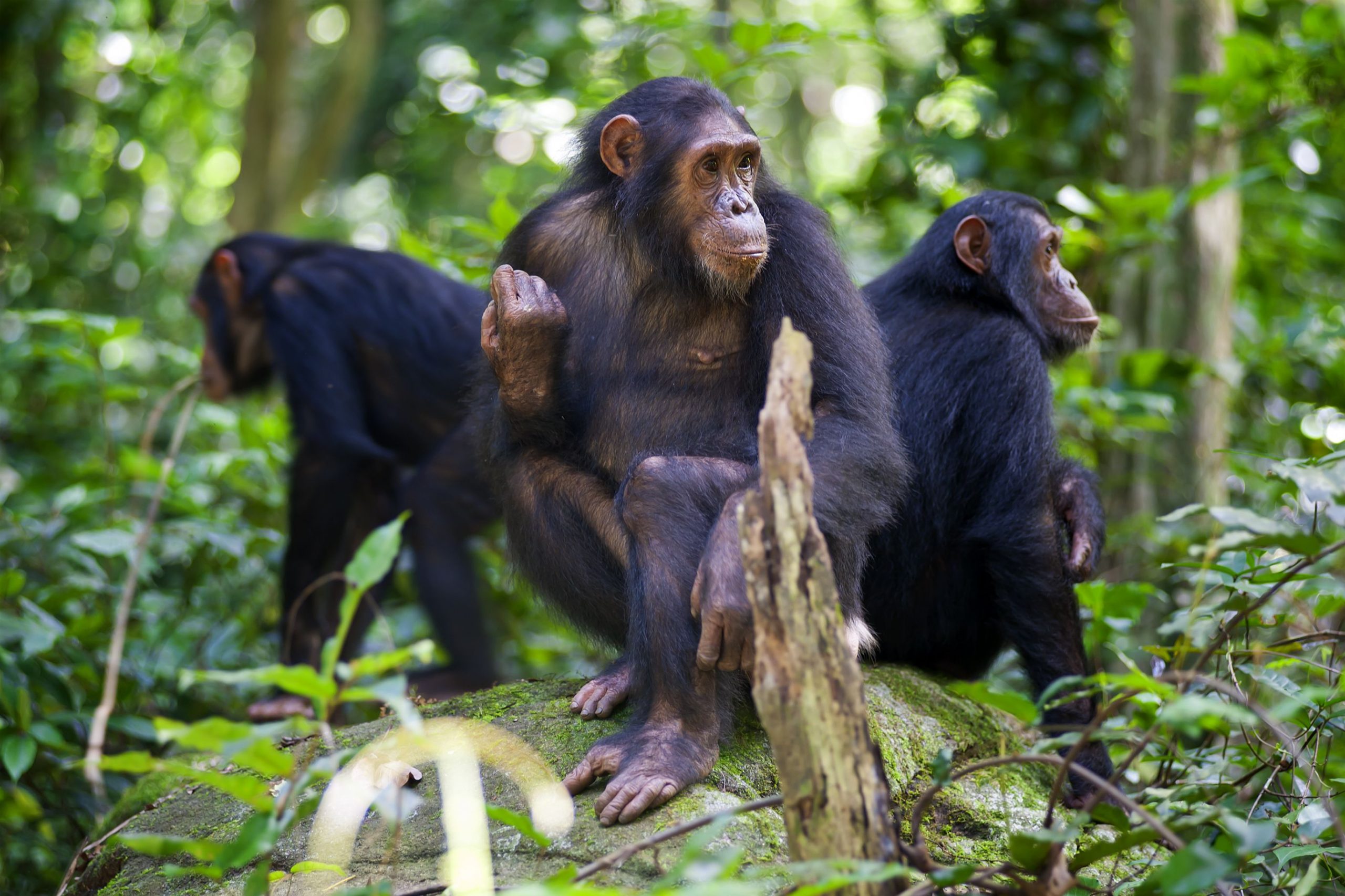
The best time to visit Budongo Forest for chimpanzee tracking is during the dry seasons from December to February and June to September. During these periods, the forest trails are drier and much easier to navigate, and the canopy is less dense, offering better visibility for tracking and photography, to confirm permit availability reach out to our Roads of Adventure safari tour consultant
4-days-murchison-falls-and-chimpanzee-tracking-in-budongo-forest
Dry Season (December – February & June – September)
The dry season represents the most popular window for travelers aiming to explore the ancient canopy of Budongo Forest. Spanning from December to February and returning from June to September, these months bring clear skies and a significant drop in tropical rainfall. For trekkers, the primary advantage is the condition of the terrain. The extensive network of forest trails dries out, becoming firm and far less muddy, which makes the physical hike much more comfortable and accessible for varying fitness levels. Furthermore, the brilliant sunlight filtering through the mahogany trees provides optimal lighting conditions for wildlife photography, allowing you to capture sharp images of the primates and birds without battling dark storm clouds.
However, traveling during this peak period requires careful planning. Because conditions are so favorable, these months coincide with the high season for tourism across Uganda. Lodges inside and around the reserve fill up months in advance, and official chimpanzee tracking permits sell out rapidly. Additionally, the lack of rain causes forest fruits to become scarce, forcing the chimpanzee communities to travel wider distances in search of food. While the walking conditions are vastly superior, you may find yourself hiking slightly longer distances to keep up with the moving primates.
Wet Season (March – May & October – November)
The wet season transforms Budongo Forest into an incredibly lush, vibrant wonderland. Running from March to May and again from October to November, this period sees the landscape come alive with fresh growth and a massive abundance of forest fruits. For primate enthusiasts, this food surplus creates a unique tracking advantage. Because wild figs and fruits are everywhere, the chimpanzees do not need to roam long distances to forage. Instead, they tend to stay within localized, predictable territories, often feeding contentedly high in the canopy or resting nearby on the forest floor, which can make them surprisingly easy to locate. This season is also the absolute peak time for birdwatchers, as migratory species arrive in massive numbers.
The trade-off for this natural bounty is the challenging environment. The heavy tropical downpours turn the clay soils of the forest floor into a slippery, muddy obstacle course. Navigating the steep ridges and thick undergrowth requires excellent balance, stamina, and robust rain gear, including waterproof hiking boots and heavy-duty ponchos. Humidity levels also skyrocket, making the trek feel more physically demanding. If you do not mind a bit of mud and want to avoid the peak season crowds, the wet season offers a raw, quiet, and highly rewarding safari experience.
Permits
Securing an official tracking permit is the most critical step when planning an excursion into Budongo Forest. Managed efficiently by the National Forestry Authority in partnership with local eco-lodges, these permits serve as your legal entry pass to encounter the habituated chimpanzee communities. Prices typically hover between $130 and $150 per person for a standard tracking session. This rate is remarkably cost-effective compared to the permit prices in nearby Kibale National Park, making Budongo an exceptional alternative for budget-conscious travelers who still want a high-quality primate experience. The permit fee covers your park entrance, the services of an armed ranger, and an expert local tracking guide who understands the daily movements of the chimps.
It is highly recommended to book these permits several months in advance, especially if you plan to visit during the peak dry seasons. Because group sizes are strictly limited to eight people per tracking party to protect the health of the primates and prevent habitat degradation, availability can vanish rapidly. When booking through a local tour operator, the cost of the permit is usually bundled directly into your overall safari package. It is also important to note that the funds generated from these permit sales go directly toward conservation initiatives. They support anti-poaching patrols, the salary of forest rangers, and community development projects in the surrounding villages, ensuring that eco-tourism actively safeguards the future of this fragile tropical ecosystem.
Location and Travel Time
Budongo Forest Reserve boasts a highly strategic location in northwestern Uganda, making it an easy addition to any classic East African safari itinerary. The reserve is situated immediately south of the iconic Murchison Falls National Park, effectively forming part of the greater Murchison Falls Conservation Area. For travelers departing from the capital city of Kampala, the road journey spans approximately 244 kilometers and takes roughly 4 to 5 hours to complete. The drive follows the smooth, fully paved Kampala-Gulu highway, which cuts through a changing landscape of bustling trading centers, charcoal markets, and open savannah woodlands before branching off toward the western safari circuit.
The final urban gateway before entering the forest is the historic town of Masindi, located just 25 to 30 kilometers away from the primary visitor center at Kaniyo Pabidi. The drive from Masindi into the forest takes about one hour along a dirt road that passes through vast sugarcane plantations before plunging into the cool, dark shade of the ancient mahogany canopy. Because the primary tracking site sits right along the main transit route through the Kichumbanyobo gate of Murchison Falls, many travelers seamlessly combine the two destinations. You can easily track chimpanzees in the morning and head north for a classic savannah game drive or a boat cruise along the Nile River by the afternoon.
Start Times
To accommodate different travel schedules, chimpanzee tracking excursions in Budongo Forest are offered in two distinct daily shifts. The morning session kicks off promptly at 8:00 AM, while the afternoon trek begins at 2:00 PM. Both shifts start with an essential briefing at the visitor center, where rangers outline the safety protocols, forest etiquette, and the rules regarding maintaining a safe distance from the primates. The entire experience typically lasts between 3 to 4 hours from start to finish, depending entirely on how far into the dense ironwood and mahogany undergrowth the chimpanzees have roamed in search of fruit.
The duration of the trek involves a steady hike through the forest paths led by an expert tracker who follows vocal cues and fresh nests. Once your group successfully locates the chimpanzee community, the clock starts on your official viewing time. Visitors are permitted exactly 1 hour to stand in the presence of the chimps, observing their remarkably human-like behaviors up close. This hour provides ample time to watch them groom each other, play in the lower branches, resolve social conflicts, and navigate the canopy. The 60-minute limit is strictly enforced by the guiding team to minimize stress on the habituated animals and prevent them from becoming overly disrupted by human presence, ensuring a sustainable balance between tourism and wildlife conservation.
Which months constitute the peak dry season for tracking chimpanzees in Budongo Forest?
The primary dry seasons in Budongo Forest span from June to September and December to February, representing the most popular time of the year for chimpanzee tracking. During these specific windows, the regional weather shifts into a pattern of significantly reduced rainfall, which alters the physical trekking conditions within this massive mahogany woodland. Lower precipitation directly results in firm, passable paths, reducing the muddy terrain that typically complicates a jungle trek. For travelers, this means navigating the forest floor requires less physical strain, making it much easier to keep pace with the active park rangers. Furthermore, the natural thinning of the undergrowth during drier months drastically improves visibility through the trees, providing exceptionally crisp opportunities for wildlife photography and unobstructed sightings of the primates. Because this aligns perfectly with the peak safari period in nearby Murchison Falls National Park, booking your vehicle hire and tracking permits through Roads of Adventure Safaris 3 to 6 months in advance is highly recommended to guarantee availability during these months.
Why do some tracking experts recommend the wet season for spotting chimpanzees?
While the dry season offers more comfortable walking conditions, the rainy season—running from March to May and October to November—holds a distinct advantage for tracking success rates. During these wet months, the frequent tropical downpours trigger an abundance of wild fruits and fresh vegetation to ripen on the lower canopy levels of Budongo Forest. This localized food boom fundamentally alters the behavior of the resident chimpanzee communities; instead of migrating deep into the forest interior or staying high up in the dense treetops, they spend a significant amount of time closer to the ground feeding on easily accessible fruits. Consequently, the park rangers can regularly locate the habituated communities much faster, often reducing the overall tracking distance required of visitors. Furthermore, the wet season offers a highly tranquil atmosphere free from peak-season crowds, allowing you to experience an intimate encounter with the primates amidst a lush, vibrant green backdrop that looks spectacular in photographs.
How do the morning and afternoon tracking sessions compare regarding daily weather?
Budongo Forest operates two distinct daily sessions for chimpanzee tracking, starting with a mandatory safety briefing at the Kaniyo Pabidi Visitor Information Centre at 7:00 AM and 2:00 PM respectively. Choosing the ideal session depends heavily on how regional weather patterns shift throughout the day. The morning session is highly favored by travelers because forest temperatures are comfortably cool, and the chimpanzees are highly active as they descend from their overnight nests to forage for breakfast. This early window provides dynamic opportunities to hear their loud vocalizations echoing through the morning air. Conversely, the afternoon session presents a different dynamic; as the equatorial sun heats up the canopy, the chimpanzees often slow down their movements to rest, groom, and escape the midday heat. While tracking in the afternoon can sometimes feel warmer and more humid, it often treats visitors to highly relaxed sightings where the primates remain stationary on the ground or low branches for extended periods.
How does seasonal fruit availability impact chimpanzee tracking distances in Budongo?
The distance you must hike during your Uganda safari in Budongo Forest is directly tied to the seasonal fruiting cycles of the indigenous tree species. Chimpanzees are highly active, frugivorous primates that prioritize their daily movements based entirely on food location. During the dry season, when wild forest fruits become scarce and localized, the habituated communities are forced to travel vast distances across their territory to find sustenance, occasionally moving into the far northern or eastern boundaries of the reserve. This means a dry-season trek can easily translate into a 3-to-5-hour hike covering several miles of forest terrain. In contrast, when the seasonal rains arrive and fruits become widely abundant, the chimpanzees do not need to wander far. They concentrate their activities around specific, well-known fruiting trees, often situated very close to the Budongo Eco Lodge base camp, which shortens the required trekking time significantly.
Is chimpanzee tracking completely closed during the heavy rainy months in Uganda?
A common misconception among first-time visitors is that chimpanzee tracking in Budongo Forest closes entirely when the heavy seasonal rains arrive. In reality, primate tracking is an active, year-round tourism activity managed continuously by trained Uganda Wildlife Authority rangers. The forest ecosystem remains fully accessible to travelers throughout the long rainy season from March to May and the short rains of October and November. The resident chimpanzees do not hibernate or alter their daily social structures; they simply adapt to the weather by seeking shelter under thick foliage during intense downpours and resuming activity immediately after. For travelers who pack proper equipment—such as a breathable rain jacket, waterproof hiking boots, and protective dry-bags for camera gear—tracking during the rainy season remains highly rewarding. Roads of Adventure Safaris seamlessly coordinates transportation during these months using high-clearance 4×4 safari vehicles to handle the slippery access roads effortlessly.
How do changing weather patterns affect the overall physical difficulty of the forest trek?
The physical difficulty of a chimpanzee tracking excursion in Budongo is directly influenced by the prevailing weather conditions of the season. Budongo Forest features a generally flat to gently undulating terrain, making it less physically demanding than the steep mountain slopes of Bwindi. However, the arrival of the rainy season introduces specific physical challenges that travelers must prepare for. Heavy rain transforms the rich forest soil into thick, slippery mud, which requires careful footing and increases the physical exertion needed to complete the trek. Hidden tree roots and decaying logs become highly slick, making the use of walking sticks and protective gardening gloves essential for maintaining balance. During the dry season, the forest floor hardens completely, allowing for a much faster walking pace, though travelers must be prepared for increased humidity and warmer air temperatures under the closed forest canopy.
Can I combine a Budongo chimpanzee trek with a Murchison Falls savanna safari year-round?
Combining a primate trek in Budongo Forest with a classic savanna game drive in Murchison Falls National Park is highly feasible throughout the entire year, but your timing affects the overall experience. Budongo is a pristine forest reserve located directly within the greater Murchison Falls Conservation Area, making the two destinations an ideal logistical pairing. If you visit during the dry season from June to September, you will enjoy optimal tracking conditions in the forest alongside spectacular wildlife viewing on the northern savanna plains, where massive herds of elephants, giraffes, and lions gather reliably around remaining water sources. If you choose to travel during the wet season, the safari experience shifts beautifully; the savanna landscapes transform into a stunning emerald green, newborn animals are common, and birdwatching peaks dramatically as migratory species arrive, beautifully balancing the excellent close-range chimpanzee sightings inside the damp forest.
Does the seasonal price of chimpanzee tracking permits change based on the month?
Unlike some wildlife destinations that offer off-season discounts, the price of a standard chimpanzee tracking permit in Budongo Forest remains fixed regardless of the month or season you choose to visit. For international non-residents, the tracking permit is priced at $130 per person, while foreign residents pay $120, and East African citizens pay 85,000 Ugandan Shillings. This permit grants you access to the forest reserve, the protection of armed park rangers, and exactly one hour of magical face-to-face viewing time once the chimpanzee community is located. Because permit prices do not drop during the rainy season, the main financial advantage of traveling in the low season comes from luxury lodges offering discounted accommodation rates. Roads of Adventure Safaris manages the entire permit acquisition process directly with the conservation authorities to ensure your paperwork is fully secured before your arrival.
When is the best time to book the full-day Chimpanzee Habituation Experience in Budongo?
For travelers seeking a deeper, more immersive wildlife encounter, the full-day Chimpanzee Habituation Experience (CHEX) allows you to spend up to four hours accompanying researchers and habituators as they follow wild chimpanzees. Unlike standard tracking, the best time to book this specialized experience is explicitly during the low-revenue wet season months, primarily from March to June and October to December. During these specific windows, the Uganda Wildlife Authority opens up habituation slots to the public, taking advantage of the lower tourist numbers in the park. Participating in habituation during these months gives you a rare front-row seat to watch the primates wake up, forage, play, and build new nests. Because the habituation process requires spending an extended period in the humid jungle, coming prepared with robust rain gear and ample high-energy snacks is essential to sustain your physical energy throughout the day.
How does seasonal weather impact birdwatching opportunities during a chimpanzee safari?
Budongo Forest is globally renowned as a premier birdwatching destination, famous for its iconic "Royal Mile" track which hosts over 360 distinct bird species, including the rare yellow-footed flycatcher and Sabine's spinetail. If your goal is to combine chimpanzee tracking with world-class avian photography, the wet season months from March to May and October to November represent the absolute best time to plan your visit. The seasonal rains cause an explosion of insect life and wild forest berries, providing an abundant food supply that triggers breeding cycles among resident birds. Furthermore, this wet window coincides perfectly with the arrival of spectacular migratory bird species from Europe and northern Africa. While the rain requires extra care to protect your binoculars and camera lenses, the forest canopy comes alive with a spectacular symphony of bird calls, making your primate safari double as an unforgettable birding adventure.
Booking chimpanzee tracking in Budongo forest with us Roads of Adventure safaris
Booking a chimpanzee tracking tour in Budongo Forest with us Roads of Adventure Safaris requires securing permits and arranging transport from Kampala. We offer dedicated itineraries and can bundle your permit, transport, and guide into a single, seamless package
