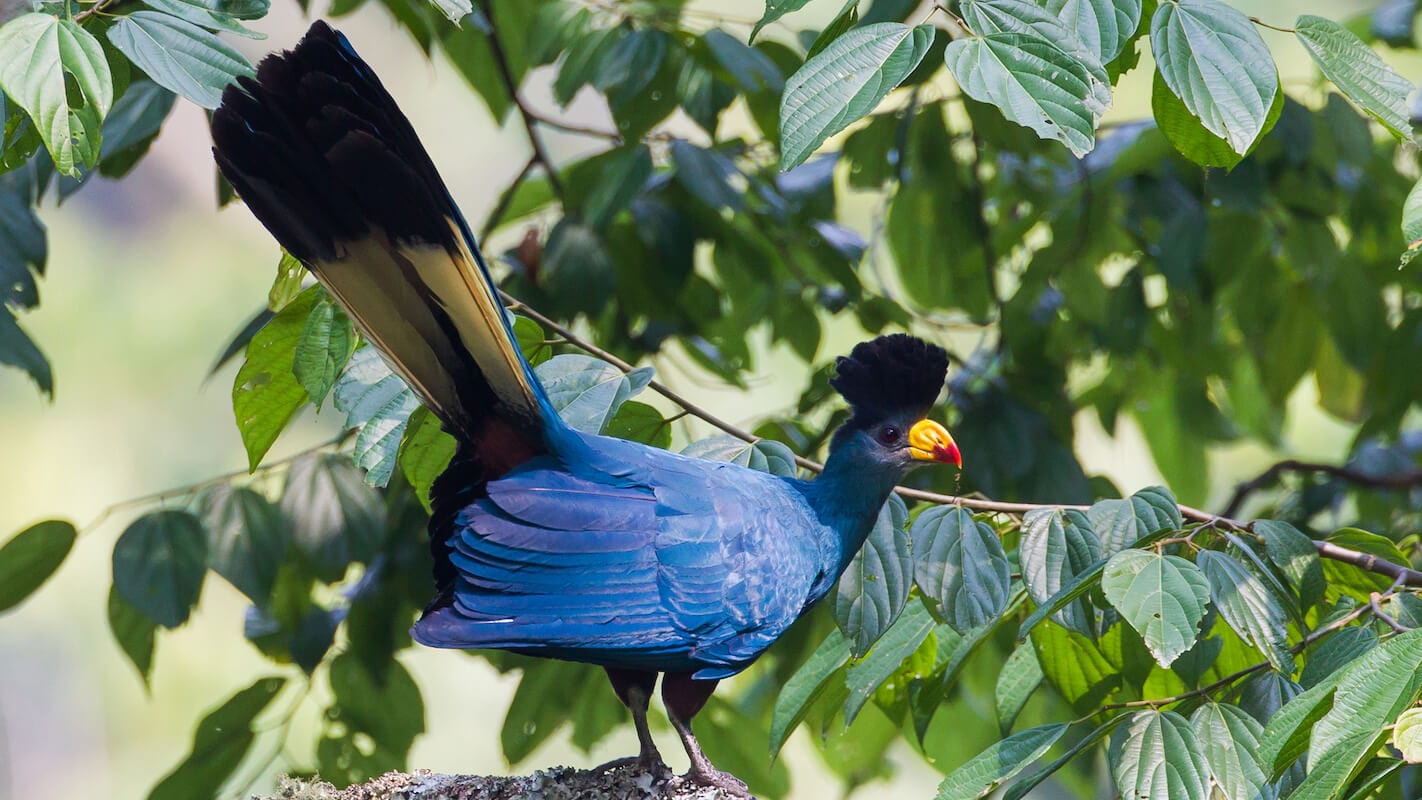
The best time for a birding safari in Rwanda is during the dry seasons, June to September and December to February, when trails are accessible and vegetation is less dense. For spotting migratory species, the months from November to April are ideal, particularly in Nyungwe Forest and Akagera National Park.
12-days-perfect-rwanda-birding-safari-itinerary
10-days-best-rwanda-birding-safari-combined-with-rwanda-gorilla-trekking-vacation
5-days-perfect-rwanda-birding-safari-and-wildlife-and-gorilla-trekking
14-days-rwanda-uganda-birding-safari-extravaganza-focused-on-the-albertine-endemics
18-days-rwanda-uganda-birding-safari-and-primate-experience
17-days-rwanda-birding-safari-and-uganda-birding-tour-combined-vacation
Key Times for Birding in Rwanda
- Best Overall Conditions (Dry Season): June to September and December to February are optimal for traversing jungle trails to find forest species, such as Albertine Rift endemics in Nyungwe, according to.
- Best for Migratory Birds: November to April, during the wet season, offers the best chances to see migratory birds from Europe and North Africa, notes.
- Peak Bird Activity: January to June is excellent for birding in Nyungwe Forest, as birds are most active and vocal, says.
- Top Locations: Nyungwe National Park is best for montane species, while Akagera National Park is premier for savanna birds
1. When is the peak season for a birding safari in Rwanda?
The peak season for a birding safari in Rwanda falls during the two dry seasons: June to September and December to February. These months are considered "peak" primarily due to logistical ease. In Rwanda’s dense rainforests, such as Nyungwe, the dry season ensures that hiking trails are firm and manageable rather than slippery and muddy.
During these periods, the canopy is less shrouded in mist, providing significantly clearer views of birds perched high in the treetops. In the savannah of Akagera, the dry weather causes vegetation to thin out and water sources to recede, forcing birds to congregate around predictable permanent pools. This visibility is vital for spotting smaller, shy species that might otherwise remain hidden in lush, wet-season foliage. While these months are the most popular for travelers, they also coincide with the busiest tourism periods, so booking permits and specialized birding guides well in advance is essential.
2. Can I do a birding safari in Rwanda during the wet season?
Absolutely. Many professional birders actually prefer the wet seasons (March–May and October–November) for a birding safari in Rwanda. While the rain presents logistical challenges, it transforms the landscape into a lush, vibrant green paradise that is exceptionally productive for avian life.
The wet season is the primary time for observing nesting behavior and courtship displays. Many resident species enter their breeding cycles during the rains, meaning they are at their most vocal and territorial, making them much easier to locate by sound. Additionally, the rains trigger an explosion of insect life, which in turn attracts a high density of insectivorous birds. For photographers, the wet season offers soft, diffused light and a "washed" atmosphere that removes dust from the air, resulting in saturated colors and dramatic, misty backgrounds that are impossible to capture during the hazy dry months.
3. Which months are best for migratory bird sightings on a birding safari in Rwanda?
For enthusiasts wanting to see more than just residents, December to March is the prime window for a birding safari in Rwanda. During this time, the country becomes a temporary home for a vast array of Palearctic migrants fleeing the harsh winter of the Northern Hemisphere.
You can expect to see species such as the Eurasian Bee-eater, Black Kite, and various warblers and swallows that have traveled thousands of miles. This period also sees the arrival of intra-African migrants moving south for food. Because Rwanda sits at a geographical crossroads of several migration flyways, the species count during these months is significantly higher than in the mid-year dry season. Combining these international visitors with Rwanda’s high count of Albertine Rift endemics makes the December-to-March window arguably the most diverse birding period of the year.
4. When is the best time for a birding safari in Rwanda in Nyungwe Forest?
Timing your visit to Nyungwe is a balance between trail conditions and bird activity. June to September is statistically the best time for traversing the forest’s steep terrain. The lower rainfall means you can spend longer hours on the trails without being rained out, which is crucial when tracking elusive endemics like the Red-collared Mountain Babbler.
However, March is a "secret" favorite for many. Although it marks the start of the long rains, the forest is at its most beautiful. The lush greenery is intense, and many resident birds are highly active and vocal. If you are prepared with high-quality waterproof gear and are physically fit enough to handle muddy slopes, the "green season" in Nyungwe can yield spectacular sightings of colorful species that are less active during the drier months.
5. Is June to September good for a birding safari in Rwanda?
Yes, this is arguably the most reliable window for a birding safari in Rwanda. As the "long dry season," it offers the most stable weather across all of Rwanda’s varied ecosystems.
In Nyungwe, the lack of rain makes it the best time for the Canopy Walk and for long treks to find the Great Blue Turaco. In Akagera National Park, this is prime time for viewing raptors and waterbirds. As smaller seasonal pools dry up, large numbers of birds—including the African Fish Eagle and various kingfishers—concentrate around the edges of Lake Ihema and the Kagera River. The predictable weather also makes it easier to plan multi-day itineraries that involve moving between different parks, as road travel is at its fastest and most reliable.
6. What is the best time for a birding safari in Rwanda to see Albertine Rift endemics?
To see Albertine Rift endemics like the Rwenzori Turaco or Regal Sunbird, June to September is often the preferred choice. These species inhabit high-altitude montane forests where fog and mist are common. During the dry season, the atmosphere is generally clearer, which is vital for spotting small birds in the high canopy.
When the forest is less foggy, the vibrant colors of these endemics—such as the crimson wing-patches of the Turaco—are much easier to distinguish against the foliage. While these birds are present year-round, the improved light conditions and the ability to spend more time stationary (without being hindered by downpours) significantly increase the chances of "ticking" these rare species off your list.
7. When should I avoid a birding safari in Rwanda?
There is truly no "bad" time for birding in Rwanda, as the equatorial climate keeps birds active year-round. However, April is the month most travelers might find challenging. This is the peak of the long rainy season, characterized by heavy, consistent downpours that can last for several hours.
While bird activity remains high—and some species are actually more vocal during these rains—the practicalities can be difficult. Forest trails become extremely slippery, and the dense mist can reduce visibility to just a few meters, making canopy birding nearly impossible. If your primary goal is photography or covering long distances on foot, April requires a high level of patience and the best possible technical outdoor gear.
8. Is December to February a good time for a birding safari in Rwanda?
Yes, this "short dry season" is often considered the "sweet spot" for a birding safari in Rwanda. It offers a perfect intersection of favorable weather and high species diversity.
The weather is typically warm and dry, making for excellent hiking conditions in the mountains and great game viewing in the savannah. Critically, this window coincides with the presence of many Palearctic migratory species. You get the best of both worlds: easy access to the resident Albertine Rift endemics and the added bonus of seeing international migrants. Additionally, this period avoids the peak "August crowds," offering a slightly more tranquil experience at popular birding sites.
9. When is the best time for a birding safari in Rwanda in Akagera National Park?
The dry seasons (June–September and December–February) are the most productive times for Akagera. Because Akagera is a savannah-wetland mosaic, bird behavior is heavily dictated by water availability.
During the dry months, the open plains become easier to navigate, and the thinning of the acacia scrub makes it much simpler to spot perched raptors like the Bateleur or the Lesser Spotted Eagle. For those interested in waterbirds, the boat safaris on Lake Ihema are spectacular during the dry season, as thousands of birds congregate on the shrinking shorelines. This is also the best time to see the Shoebill Stork, as they are more likely to be found in predictable, permanent swamp areas.
10. Does a birding safari in Rwanda offer good photographic opportunities?
Rwanda is a paradise for bird photography, but your choice of season will dictate your "look." The wet seasons (March–May and October–November) are favored by artistic photographers for their lush, vibrant backgrounds and dramatic, moody lighting. The lack of dust in the air during the rains results in incredibly sharp, high-contrast images.
Conversely, the dry seasons offer "safer" conditions. The light is more predictable, with long "golden hours" in the morning and evening. More importantly, your equipment is at much lower risk of moisture damage, and the lighter vegetation provides clearer lines of sight to your subjects. Most professional bird photographers aim for the transitions between seasons to capture the best of both worlds.
11. When is the best time for a birding safari in Rwanda to see the Shoebill Stork?
The long dry season (June–September) is traditionally considered the best time to see the Shoebill Stork in Akagera National Park. As the water levels in the vast Akagera wetlands recede, the Shoebills are forced into more concentrated areas of permanent marshland.
During these months, they are frequently spotted standing motionless in the papyrus as they hunt for lungfish. The clearer weather also makes boat trips—the primary way to find them—more consistent. While they are resident and can be seen at other times, the lower water levels make their preferred hunting grounds more accessible to the small boats used for birding tours, significantly increasing the probability of a successful sighting.
12. Is March a good time for a birding safari in Rwanda?
March is a fascinating "transitional" month for a birding safari in Rwanda. It marks the end of the short dry season and the beginning of the long rains.
In Nyungwe, this is a time of incredible activity; the forest is waking up to the rains, and the air is filled with the calls of birds establishing territories. You will see the forest at its most "electric" green, and many species are in their best plumage. While you should expect daily showers, they are often predictable afternoon bursts, allowing for clear birding in the mornings. For those who don't mind a bit of mud, March offers a more dynamic and "alive" version of the Rwandan wilderness than the middle of the dry season.
13. What is the best time for a birding safari in Rwanda and gorilla trekking combined?
If you are planning to combine a birding safari in Rwanda with gorilla trekking, the dry seasons (June–September and December–February) are the optimal choice. Gorilla trekking involves hiking through dense, steep, and often trackless forest in Volcanoes National Park; doing this during the rains can be physically exhausting and difficult.
The dry season ensures the best conditions for both activities: you'll have firm footing for the gorilla trek and clear, mist-free skies for spotting high-altitude birds like the Handsome Francolin or Rwenzori Batis. Combining these two highlights during the dry season ensures that weather-related delays or difficulties are kept to a minimum, maximizing your time in the field.
14. Is a birding safari in Rwanda rewarding in October?
October is a highly rewarding, if slightly wetter, month for birding. It marks the start of the "short rains," which triggers a surge in bird activity as food sources—particularly insects and fruits—become more abundant.
This month is especially good for seeing birds in transition. Some Palearctic migrants begin to arrive, and resident birds are often seen building nests or engaging in complex displays. The landscape begins to "pop" with new growth, providing a beautiful backdrop for observations. While it isn't as dry as August, the rains in October are usually short-lived, allowing plenty of time for productive birding between showers.
15. What is the best time of day for a birding safari in Rwanda?
Regardless of the season, the early morning (dawn to 10:00 AM) and late afternoon (4:00 PM to dusk) are the absolute best times for a birding safari in Rwanda. Most tropical birds are most active and vocal during the "dawn chorus," which usually begins just before sunrise.
In the heat of the midday sun, many species retreat into the deep shade and become silent, making them much harder to find. For forest birding in Nyungwe, being on the trail at first light is essential for catching ground-dwelling species before they disappear into the thickets. Similarly, late afternoon is a prime time for waterbirds in Akagera and for spotting nocturnal species, like owls and nightjars, as they begin to emerge at twilight.
Booking birding safari in Rwanda with us Roads of Adventure safaris
Booking a birding safari in Rwanda with Roads of Adventure Safaris offers tailored experiences focusing on Rwanda's Albertine Rift endemics, such as those in Nyungwe Forest and Akagera National Park. As a reputable Ugandan ground operator, they provide custom, mid-range, and high-end tours including gorilla trekking and birding, typically operating at $300–$1,000 per person per day.
