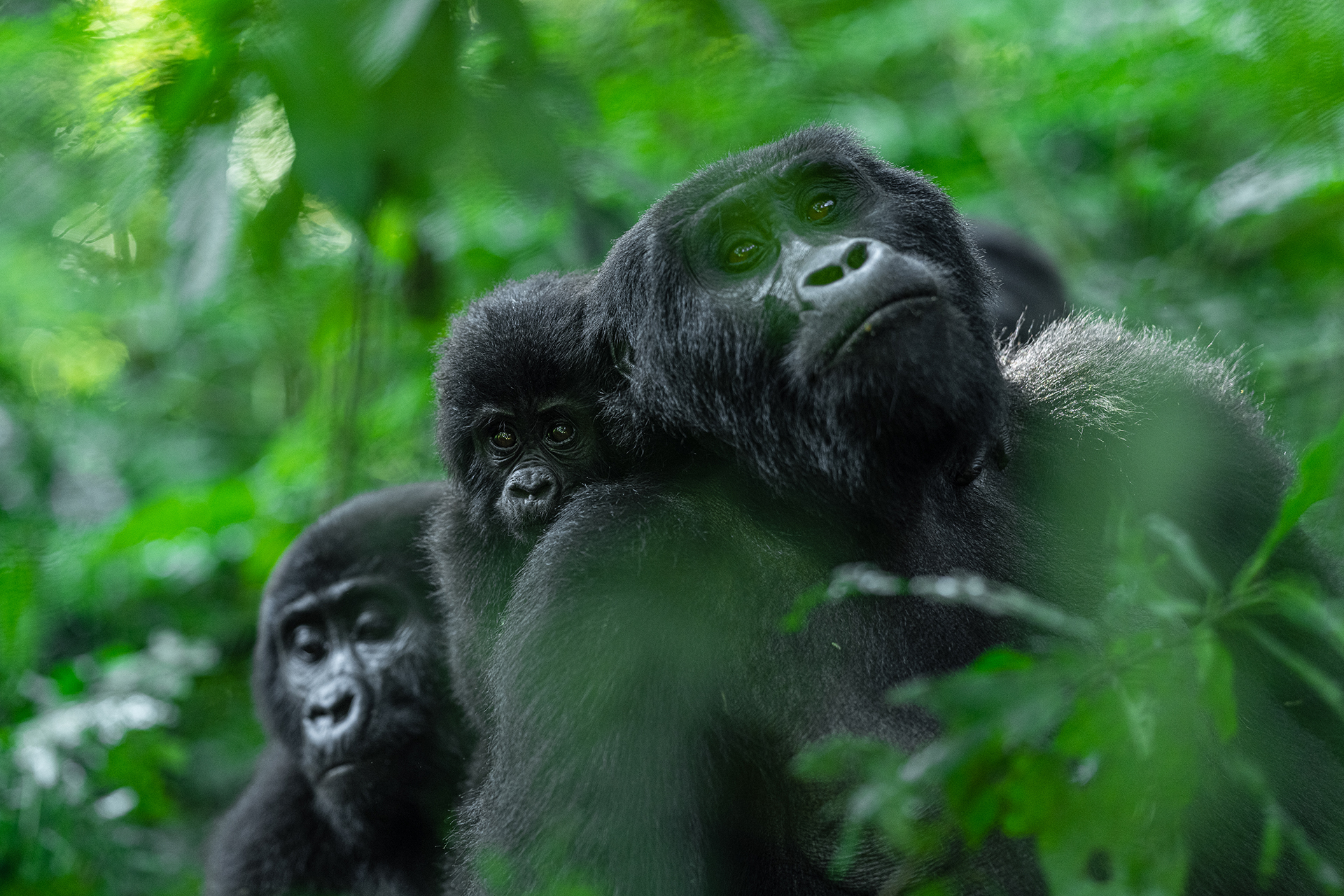
The best time for a 7-day Rwanda primate and wildlife safari is during the long dry season from June to September or the short dry season from December to February. These periods offer the driest trails for gorilla trekking in Volcanoes National Park and easier game viewing in Akagera National Park, though booking 6–12 months in advance is essential.
Popular related tour packages
7-day-perfect-rwanda-gorilla-tour-and-wildlife-safari-itinerary
7-days-best-rwanda-honeymoon-safari-gorilla-trekking-and-lake-kivu-relaxation
7-days-rwanda-safari-tour-gorilla-trekking-and-bisokey-hike-tour-package
7-days-best-gorilla-trekking-and-other-highlights-of-rwanda-tour
Key Considerations for Timing
Dry Seasons (Best Time)
The dry seasons in Rwanda, spanning from June to September and December to February, are considered the best times for a wildlife safari. During these months, the weather is more predictable, with less rainfall and lower humidity levels. This contributes to easier navigation along the trails in national parks such as Volcanoes and Nyungwe, where muddy paths can hinder progress during the rainy seasons. The reduced vegetation during these months also enhances wildlife visibility, making primate tracking and spotting various species more successful. With animals less dispersed, they tend to congregate around water sources, increasing the chances of sightings.
Additionally, the dry weather creates excellent conditions for photography, as clear skies allow natural light to illuminate the stunning landscapes and wildlife. This period is ideal for both experienced travelers and first-time visitors looking to create lasting memories of their safari. Accommodations and permits, however, are in high demand, so early bookings are essential to secure your preferred options.
Peak Season (June–September)
The peak season, particularly between June and September, is characterized by bustling activity in Rwanda’s national parks. This period sees the largest influx of tourists, making it an exciting time to experience the vibrant atmosphere of the country. However, it’s crucial to plan ahead, as lodges and permits for activities like gorilla trekking can become fully booked months in advance. Notably, September is extra special due to the Kwita Izina gorilla naming ceremony, where newborn gorillas are celebrated and given names, drawing international attention and adding a unique cultural experience to your safari.
Visitors during this time will benefit from the vibrant wildlife activity and the dynamic social scenes in lodges and camps. Expect to see more groups engaging in activities and sharing their wildlife stories. The excitement in the air can enhance your experience, as you'll be surrounded by fellow travelers eager to share their adventures. However, it is crucial to prepare for possible crowds in popular trekking areas, as many others will be sharing the same paths to seek encounters with the magnificent mountain gorillas.
Rainy Seasons (Low Season)
The rainy seasons in Rwanda, occurring from March to May and October to November, typically see heavy rainfall that can make the trekking experience more challenging. Trails can become slippery, and navigation through dense foliage may require extra effort. Despite these conditions, the rainy seasons also come with unique benefits, including fewer crowds, lower prices, and lush, vibrant scenery. Many wildlife enthusiasts appreciate the tranquility of the parks during this period, with opportunities for more solitary moments amongst nature.
While trekking may be more difficult, wildlife behavior can be quite engaging as babies are often born during these months, creating heartwarming scenes among animal families. Birdwatchers will find this season particularly rewarding, as migratory birds arrive, adding to Rwanda's already diverse avifauna.
Tourists who choose the low season will receive lower accommodation rates and potentially more flexible booking options. A compassionate and adventurous spirit can lead to unexpected rewards in terms of discovering fewer-trafficked paths and enjoying private encounters with wildlife. Travelers should be prepared for wet conditions, ensuring they have the proper gear and flexibility in their itineraries to embrace the beauty and diversity that the rainy seasons bring to Rwanda's rich landscapes.
7 Days Rwanda Primate Safari and Wildlife
The 7 Days Rwanda Primate Safari and Wildlife offers an unparalleled opportunity to explore the stunning biodiversity of Rwanda, known as the “land of a thousand hills.” This adventure combines thrilling primate tracking experiences with vibrant wildlife encounters in some of Africa's most remarkable national parks. Starting in Akagera National Park, you'll experience game drives showcasing impressive animals like lions, elephants, and giraffes. The journey continues to Nyungwe Forest National Park, where you will track chimpanzees and enjoy breathtaking canopy walks. In the north, you will trek the majestic mountain gorillas in Volcanoes National Park, a once-in-a-lifetime experience. Cultural interactions with local communities enrich your adventure, connecting you to Rwanda's heritage. Each day is designed to provide unique wildlife experiences while showcasing the country’s natural beauty, ensuring your safari is memorable and fulfilling.
Day 1: Arrival & Transfer to Akagera National Park
Upon your arrival in Kigali for the 7 Days Rwanda Primate Safari and Wildlife, you will be warmly welcomed and then transferred to Akagera National Park, located about two and a half hours away. Depending on your flight schedule, you may have an opportunity to explore Kigali, including visiting the poignant Genocide Memorial. Once at Akagera, check into your accommodation and prepare for an exciting adventure into one of Rwanda's premier wildlife parks. Enjoy the stunning landscapes and the promise of game drives in the days to come. As evening falls, take time to relax, reflect on the day's journey, and anticipate the thrilling wildlife encounters that await you in the days ahead.
Day 2: Game Drive & Boat Trip in Akagera
Begin your second day with an early morning game drive in Akagera National Park, where the fresh morning air brings opportunities for remarkable wildlife sightings. Look out for lions, elephants, rhinos, and giraffes as you traverse the park's varied terrain. This early drive is ideal for spotting animals while they are most active, adding to the excitement of your safari. After your game drive, enjoy a scenic boat trip on Lake Ihema, where you may observe hippos and a plethora of bird species along the lakeshore. This combination of land and water activities enhances your understanding of the park's rich biodiversity, offering unique opportunities for photography and wildlife observation. Return to your accommodation for a restful evening, filled with stories from the day's adventures.
Day 3: Transfer to Nyungwe Forest National Park
On the third day of your 7 Days Rwanda Primate Safari and Wildlife, prepare for a scenic transfer to Nyungwe Forest National Park. The drive takes you through captivating landscapes, with lush hills and vibrant tea plantations along the way. You may also make brief stops to explore local cultural sites and enjoy the stunning vistas. Upon reaching Nyungwe, check into your lodge, where you can relax and unwind after your journey. Spend the rest of the afternoon taking in the serene surroundings of this ancient rainforest. Prepare yourself for the exciting primate tracking activities that await you in the days ahead, as Nyungwe is renowned for its diverse monkey species and rich biodiversity.
Day 4: Chimpanzee Tracking & Canopy Walk
Today promises an unforgettable adventure as you venture into Nyungwe Forest for chimpanzee tracking. After breakfast, join your guide for a briefing before heading into the forest in search of wild chimps. The trek can be challenging but highly rewarding, allowing you to observe these fascinating primates in their natural habitat. After your chimpanzee encounter, enjoy a panoramic canopy walk above the forest floor. This gentle suspension bridge offers a unique vantage point to appreciate Nyungwe’s rich biodiversity, including various bird species and plants. End your day with the chance to reflect on your memorable experiences while enjoying the tranquility of the forest surroundings, readying yourself for more wildlife encounters.
Day 5: Transfer to Volcanoes National Park
After breakfast, begin your journey to Volcanoes National Park, home to the magnificent mountain gorillas. This scenic drive offers breathtaking views of Rwanda's rolling hills and farmlands and will take approximately 5-6 hours. Upon arriving, check into your lodge, and take some time to rest and enjoy the surrounding vistas. If time permits, you can explore local communities or visit craft markets to experience the culture of the Rwandan people. As you prepare for your upcoming gorilla trekking adventure, feel the excitement building. This park’s unique landscape and diverse wildlife promise unforgettable experiences that will stay with you long after your visit ends.
Day 6: Gorilla Trekking & Cultural Visit
The sixth day is dedicated to an extraordinary gorilla trekking experience in Volcanoes National Park. After an early breakfast, attend a briefing about the day’s activities, safety protocols, and guidelines for interacting with the gorillas. The trek into the forest may vary in difficulty, but the reward of encountering a gorilla family face-to-face is worth the effort. Spending one hour with these magnificent creatures allows you to observe their behaviors and interactions up close. After trekking, you will visit the nearby Iby’iwacu Cultural Village, where you can engage with locals and learn about traditional Rwandan lifestyles, music, and crafts. This enriching cultural exchange complements the wildlife adventure.
Day 7: Golden Monkey Tracking & Departure
On your final day of the 7 Days Rwanda Primate Safari and Wildlife, you have the option to track the unique golden monkeys in Volcanoes National Park or take a scenic visit to the twin lakes of Burera and Ruhondo. Golden monkey tracking offers another chance to see Rwanda's vibrant wildlife and learn about these playful primates in their natural habitat. After your morning activities, return to Kigali for your departure flight. Reflect on an incredible week filled with unforgettable wildlife encounters, cultural insights, and the natural beauty of Rwanda. This safari offers lasting memories and connections to the land and its people, leaving you with stories to share back home.
What Does a 7 Days Rwanda Primate Safari and Wildlife Itinerary Usually Include?
A 7 Days Rwanda Primate Safari and Wildlife itinerary is designed to provide an immersive experience in Rwanda’s extraordinary natural landscapes and diverse wildlife. Central to this safari is the opportunity for profound wildlife encounters, including gorilla trekking in Volcanoes National Park, chimpanzee tracking in Nyungwe National Park, and savanna game drives in Akagera National Park.
The gorilla trekking experience involves guided treks through dense forests to observe mountain gorillas in their natural habitat. This unforgettable experience allows travelers to spend an hour with these magnificent creatures, witnessing their behaviors and interactions. The chimpanzee tracking in Nyungwe offers similar excitement as visitors seek out our closest relatives in a stunning rainforest setting, often complemented by a canopy walk that provides breathtaking views.
In Akagera National Park, the itinerary includes game drives where participants can observe iconic African wildlife such as elephants, lions, and buffaloes amidst scenic landscapes. Cultural experiences may be woven into the itinerary, such as visits to the Iby’iwacu Cultural Village, which showcases local traditions and allows for meaningful interactions with Rwandans.
Accommodations typically range from luxury lodges to mid-range guesthouses, ensuring comfort between adventurous activities. Transportation is often provided via comfortable vehicles, ensuring a seamless travel experience. This itinerary balances wildlife adventures with cultural insights, offering a holistic view of Rwanda’s rich biodiversity and heritage.
When is the Best Time to Book a 7 Days Rwanda Primate Safari and Wildlife?
When planning a 7 Days Rwanda Primate Safari and Wildlife, timing can significantly impact the quality of your experience. The best time to visit coincides with the dry seasons, which occur from June to September and December to February. During these months, the weather is generally more favorable, with less rainfall and lower humidity.
Dry conditions lead to easier trekking, especially important for gorilla and chimpanzee tracking, where muddy trails can make navigation challenging. Reduced vegetation during this period enhances wildlife visibility, allowing for better chances to observe animals in their natural habitats. Additionally, the dry season attracts larger animal populations congregating around water sources, facilitating more abundant wildlife sightings.
Moreover, the peak months of July through September witness increased tourist activity due to the optimal conditions, making early bookings essential for securing permits and accommodations. September is particularly special, marking the Kwita Izina, the annual gorilla naming ceremony, which attracts visitors and celebrates conservation efforts.
Alternatively, the rainy seasons from March to May and October to November can offer unique experiences, including lush landscapes and fewer crowds. However, trekking conditions can be more challenging, and some lodges may have reduced availability. Understanding the seasonal variations can help you choose a timing that aligns with your preferences for wildlife viewing, comfort, and cultural experiences during your safari.
How Much Does a Gorilla Permit Cost for a 7 Days Rwanda Primate Safari and Wildlife?
As of 2025, the cost of a gorilla permit in Rwanda for those undertaking a 7 Days Rwanda Primate Safari and Wildlife is $1,500 USD for foreign non-residents. This fee is crucial for anyone looking to engage in the unforgettable experience of trekking mountain gorillas in Volcanoes National Park.
The permit cost covers essential aspects, including park entry fees, conservation efforts, and the services of experienced guides who lead the treks. It is important to note that the permit is mandatory for anyone over the age of 15 who wishes to participate in gorilla trekking, and limited permits are issued daily to preserve the natural habitat and reduce stress on these endangered animals.
Due to the high value of these experiences, securing your permit well in advance is advisable, particularly during peak seasons when demand surges, such as July to September and during special events like the Kwita Izina. Booking early not only guarantees your spot but also provides ample time to plan the rest of your safari activities.
Moreover, it’s worth mentioning that the funds generated from permit sales directly contribute to the conservation and protection of mountain gorillas and their habitats, making this an impactful investment in wildlife preservation.
Can I See the Big Five During a 7 Days Rwanda Primate Safari and Wildlife?
Yes, it is possible to see the Big Five during a 7 Days Rwanda Primate Safari and Wildlife, especially within Akagera National Park. The Big Five refers to the lion, leopard, elephant, buffalo, and rhinoceros—five iconic species that represent some of Africa's most sought-after wildlife sightings.
Akagera National Park is home to significant populations of these species, making it a prime location for experiencing exciting wildlife encounters. Game drives in the park provide opportunities to spot lions roaming the savannah and elephants and buffaloes congregating near water sources. The recent reintroduction of the black rhinoceros has further enriched the park’s wildlife, enhancing its appeal for safari-goers.
While leopards can be more elusive due to their solitary nature, keen-eyed guides often help visitors spot them resting in trees or moving stealthily through the grasslands. Akagera’s varied ecosystems, from wetlands to woodlands, support a rich diversity of species, making it an excellent destination for wildlife photography and observation.
Combining visits to Akagera with primate tracking in Volcanoes and Nyungwe creates a comprehensive safari experience, allowing travelers to encounter the Big Five alongside Rwanda's remarkable primates, such as mountain gorillas and chimpanzees, thus enhancing the diversity of wildlife seen during the safari.
Is a 7 Days Rwanda Primate Safari and Wildlife Suitable for Seniors?
A 7 Days Rwanda Primate Safari and Wildlife can indeed be suitable for seniors, although it requires a moderate level of fitness and mobility. The safari includes activities such as gorilla trekking and primate tracking, which may involve walking on uneven terrain and navigating through forests. However, it’s possible to request easier or shorter gorilla families for tracking, making this incredible experience more accessible to those who may face physical challenges.
Accommodations are generally comfortable and tailored to cater to various needs, providing a relaxing environment for downtime between activities. Additionally, professional guides are trained to assist and accommodate guests of all ages, ensuring everyone enjoys their safari experience to the fullest.
It’s essential for seniors to consider their own fitness levels before embarking on this adventure. Consulting with a medical professional beforehand and discussing your specific needs with the safari operator can help tailor an itinerary that suits you. Whether engaging in cultural experiences or observing wildlife, seniors can find great satisfaction in this well-structured safari that balances adventure with comfort in Rwanda’s stunning natural landscapes.
What is the Minimum Age for Trekking During a 7 Days Rwanda Primate Safari and Wildlife?
The minimum age for trekking during a 7 Days Rwanda Primate Safari and Wildlife is 15 years old. This age limit is specifically set for gorilla trekking in Volcanoes National Park and is important to ensure the safety and conservation of these endangered animals. Visitors under this age are not permitted on the trekking tours due to the potential risks involved and the need for responsible behavior to safeguard both the trekkers and the gorillas.
For younger travelers who are eager to experience Rwanda's wildlife, there are alternative activities suitable for families with children, such as cultural visits to local villages or participating in nature walks where wildlife viewing might still be possible. Discussing these options with your tour operator can help tailor an experience that accommodates the entire family's interests.
The policy on minimum age is set for the benefit of gorilla conservation and the well-being of all visitors. Ensuring that trekkers are physically capable of handling the trekking challenges enhances the overall safety and enjoyment of the experience. Those over 15 will have the opportunity to create unforgettable memories while witnessing the majesty of Rwanda’s mountain gorillas.
What Should I Pack for a 7 Days Rwanda Primate Safari and Wildlife?
When preparing for a 7 Days Rwanda Primate Safari and Wildlife, packing appropriately is essential for a comfortable and enjoyable experience. Start by bringing waterproof hiking boots, as trekking through dense forests and wet terrains necessitates sturdy footwear to ensure safety and comfort. Long trousers are advisable to protect against scratches from vegetation and insect bites.
Insect repellent is a must-have, aiding in the prevention of bites from mosquitoes and other insects, particularly while in forested areas. A rain jacket is also essential, especially during the wetter months, ensuring you stay dry while trekking or during sudden downpours.
Don't forget a camera to capture the breathtaking wildlife encounters and beautiful landscapes. Binoculars can enhance your wildlife viewing experience, enabling you to spot distant animals and birds with greater clarity. Additionally, pack a lightweight backpack for carrying personal items during treks.
Other essentials include sunscreen, a reusable water bottle, and any personal medications. It's wise to pack a small first-aid kit for minor injuries or ailments. With these items in tow, you’ll be well-prepared for a memorable safari experience in Rwanda’s stunning national parks.
Are Visas Required for a 7 Days Rwanda Primate Safari and Wildlife?
Yes, most nationalities require a visa to travel to Rwanda for a 7 Days Rwanda Primate Safari and Wildlife. The visa facilitates entry into the country, allowing travelers to engage in enjoyable activities such as gorilla trekking and wildlife observation. Fortunately, obtaining a visa is relatively straightforward for most visitors.
Travelers can apply for an eVisa online prior to their trip, a convenient option that allows for easy processing without needing to visit a Rwandan embassy. The application generally requires basic personal information, passport details, and a nominal fee, which can be paid online. The eVisa is typically issued swiftly, making it a hassle-free option for arranging travel.
Alternatively, upon arrival at the airport or border, many nationalities can obtain a visa on arrival. However, it's advisable to confirm visa requirements based on your citizenship before travel, as regulations may change. Ensuring you have the necessary documentation in advance helps guarantee a smooth start to your Rwandan safari, allowing you to focus on the incredible wildlife and cultural experiences that await.
What Kind of Accommodation is Available on a 7 Days Rwanda Primate Safari and Wildlife?
Accommodation options during a 7 Days Rwanda Primate Safari and Wildlife cater to various preferences and budgets, ensuring every traveler feels comfortable and welcomed throughout the adventure. In Akagera National Park, you can find options ranging from luxury lodges, like Akagera Game Lodge, which provide modern amenities and stunning views, to comfortable mid-range lodges such as Magashi Camp, known for its intimate atmosphere and exceptional service.
While in Nyungwe Forest National Park, lodges like Nyungwe House offer upscale accommodations with scenic views, while Gisakura Guesthouse serves as a cozy mid-range option for travelers looking for practicality and warmth.
In Volcanoes National Park, choices include luxury lodging at places like Bisate Lodge, which focuses on sustainability, to more budget-friendly guesthouses like Kinigi Guesthouse that provide comfort without breaking the bank.
Each accommodation typically includes elements like meals, access to experienced guides, and transportation to various activities within the parks, making them well-suited for safari-goers. Whatever the choice, lodging in Rwanda provides a unique blend of comfort, hospitality, and connection to the surrounding natural beauty.
Is it Safe to Go on a 7 Days Rwanda Primate Safari and Wildlife?
Yes, traveling on a 7 Days Rwanda Primate Safari and Wildlife is considered very safe. Rwanda is recognized as one of the safest countries in Africa for tourists, boasting a low crime rate and a commitment to maintaining security. The Rwandan government prioritizes the safety of visitors, ensuring that national parks are well-managed and that wildlife conservation practices are upheld.
High levels of hospitality and friendliness from local communities further enhance the sense of safety. With experienced guides accompanying you during activities such as gorilla trekking and chimpanzee tracking, you can feel secure while navigating the terrain and engaging with wildlife.
While safety is generally high, it’s still wise for travelers to take the usual precautions, such as securing belongings, staying in reputable accommodations, and respecting local customs and regulations. Staying aware of your surroundings and following guidance from your tour operator and local guides can enhance your overall safety experience.
Ultimately, with its focus on tourism and reassuring security measures, Rwanda offers a welcoming environment for travelers seeking to explore its extraordinary wildlife and rich cultural heritage.
Do I Need Vaccinations for a 7 Days Rwanda Primate Safari and Wildlife?
Yes, certain vaccinations are recommended, and one is typically required when planning a 7 Days Rwanda Primate Safari and Wildlife. The most crucial vaccination is for yellow fever, which is mandatory for all travelers entering Rwanda. Proof of vaccination may be requested upon arrival, so it's essential to ensure that you have the relevant documentation.
In addition to the yellow fever vaccine, other vaccinations are highly recommended. These may include vaccinations for hepatitis A and B, typhoid, and tetanus. Consult with a healthcare provider or travel clinic well in advance of your trip to discuss the recommended vaccinations based on your health history and potential exposure risks.
Moreover, malaria precautions are also advised since malaria is present in some regions of Rwanda. Consider discussing preventive measures, such as medication and insect repellents, with your healthcare professional.
By ensuring you have the recommended vaccinations and preventative health measures in place, you can enjoy peace of mind while immersing yourself in Rwanda’s incredible wildlife and landscapes during your safari adventure.
Can I Combine a 7 Days Rwanda Primate Safari and Wildlife with a Cultural Tour?
Yes, most itineraries for the 7 Days Rwanda Primate Safari and Wildlife include options for combining wildlife experiences with cultural tours, allowing for a well-rounded exploration of Rwanda. One notable cultural experience often featured is a visit to the Iby'iwacu Cultural Village. This engaging visit allows travelers to interact with local communities, learning about their traditions, customs, and daily life.
In the cultural village, you can participate in traditional music and dance performances, explore local arts and crafts, and perhaps even engage in hands-on activities like cooking traditional Rwandan dishes. This immersive experience deepens your understanding of Rwanda’s rich heritage and adds meaningful context to your wildlife encounters.
Cultural tours can also include visiting local markets or community initiatives that focus on sustainability and conservation. These personal interactions help create lasting memories and foster connections between visitors and local people, enhancing the safari experience.
By incorporating cultural elements into your itinerary, you can enjoy a unique blend of wildlife observation and cultural appreciation, making your journey through Rwanda even more enriching and memorable.
How Far is Akagera from Kigali on a 7 Days Rwanda Primate Safari and Wildlife?
Akagera National Park is situated approximately 2 to 2.5 hours from Kigali, making it a convenient and accessible destination for a 7 Days Rwanda Primate Safari and Wildlife. The drive covers around 100-120 kilometers, allowing travelers to enjoy the scenic beauty of Rwanda's rolling hills and lush landscapes along the way.
The journey begins in Kigali, where you may engage in brief sightseeing before setting off to the park. The route includes mesmerizing landscapes, with opportunities to experience local villages and agricultural practices that highlight Rwandan culture. This scenic drive is an excellent introduction to the country, setting the tone for the wildlife adventures that await.
Upon entering Akagera, the transition from urban to natural settings is remarkable. The park's varied ecosystems welcome you, from sprawling savannahs to tranquil wetlands, giving you the chance to spot diverse wildlife upon arrival. The manageable distance from Kigali allows for a smooth start to your safari, ensuring you maximize your time exploring the incredible wildlife and experiences within Rwanda’s beautiful national parks.
What is Included in the Price of a 7 Days Rwanda Primate Safari and Wildlife?
The price of a 7 Days Rwanda Primate Safari and Wildlife typically includes a range of essential components that cater to a seamless and enjoyable experience. Key inclusions often encompass transportation throughout the tour, ensuring that you travel comfortably and safely between destinations using well-maintained vehicles.
Accommodation is another significant aspect included in the package, offering options that vary from luxury lodges to mid-range and budget guesthouses, providing comfort after days of adventure. Additionally, the package generally covers the expertise of a knowledgeable driver-guide, who enhances the experience through insights about local culture, wildlife, and geography.
Park fees are also included, which grant access to national parks such as Akagera, Nyungwe Forest, and Volcanoes, essential for participating in activities like gorilla trekking and chimpanzee tracking. Meals are often part of the package, providing you with the chance to savor local cuisine at your accommodation.
Overall, these inclusions enable travelers to focus on enjoying the extraordinary wildlife, breathtaking landscapes, and cultural experiences without the hassle of planning logistical details, ensuring a well-organized adventure through Rwanda’s remarkable natural environment.
What is the Chance of Seeing Gorillas on a 7 Days Rwanda Primate Safari and Wildlife?
The chances of seeing gorillas during a 7 Days Rwanda Primate Safari and Wildlife are exceptionally high, estimated at nearly 99%. This impressive likelihood results from the diligent tracking methods employed by park rangers, who monitor and follow the movements of the various mountain gorilla families in Volcanoes National Park. Since the gorillas are well-habituated to human presence, trekking expeditions are generally successful in locating the gorilla families without causing stress to the animals.
During your gorilla trekking adventure, experienced guides will accompany you, providing insights into the gorillas' behaviors and ecology while ensuring that guidelines are adhered to for the protection of both the animals and visitors. The treks may vary in difficulty, and participants will be briefed on what to expect before heading into the forest.
The high success rate and the profound experience of observing these magnificent creatures up close make gorilla trekking a standout activity in Rwanda. This interaction enriches your safari and fosters a deeper appreciation for wildlife conservation efforts in the region, creating memories that will last a lifetime. Overall, the adventure not only guarantees wildlife highlights but also supports vital conservation initiatives protecting these enchanting primates.
Booking 7 Days Rwanda primate safari and wildlife with us Roads of Adventure safaris
Book your 7-Day Rwanda primate and wildlife safari with Roads of Adventure for an unforgettable journey through the "Land of a Thousand Hills". This comprehensive itinerary combines thrilling gorilla trekking in Volcanoes National Park, chimpanzee tracking in the lush Nyungwe Forest, and scenic boat rides on Lake Kivu. Experience breathtaking views of Rwanda's landscapes, from savannah game drives in Akagera to high-altitude canopy walks. Our expertly guided tours include comfortable accommodations and, with a focus on conservation, provide an intimate, safe experience with endangered mountain gorillas. Secure your spot for an immersive, once-in-a-lifetime adventure through Rwanda's premier national parks.
