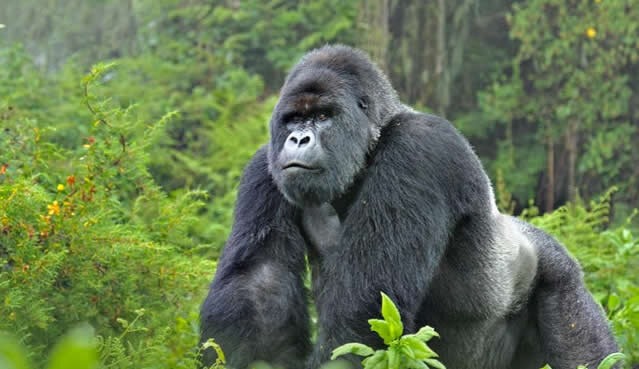
The best time for a 10-day Uganda and Rwanda safari tour is during the dry seasons from June to August and December to February, as this is when wildlife viewing is at its best and trekking conditions are most favorable. During these periods, animals are easier to spot near water sources, and park roads are more accessible. However, these are also peak seasons, so it's crucial to book permits and accommodations well in advance
Popular Uganda Rwanda safari tour package
10-days-rwanda-uganda-safari-tour-double-gorilla-trekking-itinerary
10-days-rwanda-gorilla-trekking-safari-and-kenya-masai-mara-safari-tour
10-days-best-uganda-big-five-safaris-and-primate-experience
10-days-uganda-rwanda-primate-safari-vacation-and-game-drive-safari
10-days-best-of-uganda-and-rwanda-all-big-five-animal-and-gorilla-trekking
Dry Season (June–August and December–February)
The dry seasons are the ideal times for a safari in Uganda and Rwanda, offering the best opportunities for wildlife spotting. During these months, animals congregate around water sources, making it easier for visitors to observe them in their natural habitats. The weather is more favorable, with less rain and milder temperatures, enhancing the overall experience. Gorilla trekking, a highlight of any Uganda-Rwanda safari, is particularly enjoyable during this time as the trails are more accessible, allowing trekkers to navigate the terrain with relative ease.
Additionally, the dry season coincides with peak tourist periods, particularly from June to September and December to February. This increased visitor influx means that it’s vital to book tours and gorilla trekking permits well in advance—ideally six to twelve months ahead—to secure your spot. This planning ensures that you can enjoy a smooth experience, from accommodations to guided tours. Overall, the dry season offers a vibrant and unforgettable safari adventure in East Africa, showcasing the region’s stunning wildlife and landscapes.
Shoulder and Rainy Seasons (March–May and October–November)
While the shoulder and rainy seasons in Uganda and Rwanda may deter some travelers due to increased rainfall, they present unique advantages for those willing to embrace the elements. These months, from March to May and October to November, see fewer tourists, resulting in a more intimate safari experience. You can explore the stunning national parks and engage with wildlife without the crowds, making for a more personal and immersive adventure.
Although rain can make park roads slippery and forest paths muddy, it also brings lush landscapes and vibrant flora, enhancing the natural beauty of the region. Gorilla trekking remains accessible year-round, and many trekkers find the experience rewarding even in wet conditions. The lower prices for accommodations during these seasons make it a cost-effective option for budget-conscious travelers. Additionally, the rain often occurs in short bursts, leaving plenty of time for exploration. Ultimately, the shoulder and rainy seasons offer a different but equally enchanting perspective on Uganda and Rwanda's wildlife and natural wonders.
How to Choose the Right Time for Your 10 days Uganda Rwanda safari tour
Best Wildlife Viewing
If your primary goal is to maximize wildlife sightings, the dry season is your best bet. The months of June to August and December to February offer optimal conditions for observing animals, as they congregate around water sources. This increased visibility, coupled with drier and more accessible roads for game drives, enhances your chances of encountering a variety of species. The weather is generally more pleasant, making it an ideal time for outdoor activities. However, it's important to note that this is also peak tourist season, so planning ahead is crucial for securing accommodations and permits.
More Private Safari and Lower Costs
For those seeking a more intimate experience and lower costs, consider visiting during the rainy seasons from March to May or October to November. These months see a reduction in tourist numbers, allowing for a more personal safari experience. Additionally, many lodges offer discounted rates during this period, making it budget-friendly. While you may encounter rain and muddier conditions, the stunning landscapes are worth the trade-off. The rain often comes in short bursts, leaving ample time for wildlife observation.
A Balanced Approach
If you want to strike a balance between good wildlife viewing and fewer crowds, the transitional periods of February to March and September to early October are excellent choices. During these times, you can still enjoy solid game viewing opportunities while encountering slightly fewer tourists than in the peak dry season. This compromise allows for a fulfilling safari experience without the hustle and bustle that often accompanies the busiest months. Each option has its advantages, so consider your priorities when planning your trip.
Best time for 10 days Uganda Rwanda safari tour month by month
January
January marks the beginning of the dry season in Uganda and Rwanda, making it an excellent time for a safari. The weather is generally warm and dry, which is ideal for wildlife viewing. Animals congregate around water sources, making them easier to spot during game drives. Gorilla trekking is also highly enjoyable during this month, as the trails are more accessible. With fewer tourists than in the peak months of June to August, January offers a more intimate experience. However, it’s important to book your permits and accommodations well in advance, as demand can still be high.
February
February continues the dry season, providing optimal conditions for wildlife enthusiasts. This month is characterized by warm temperatures and minimal rainfall, making it perfect for both game drives and gorilla trekking. As animals are more active and visible, you'll have great opportunities for photography and observation. Additionally, February sees fewer visitors than the peak months, allowing for a more personalized safari experience. This is also a good time for birdwatching, as many migratory species are present. Just like in January, early bookings are essential to secure your spot in this popular region.
March
March marks the transition to the shoulder season, where occasional rains begin to appear. While wildlife viewing can still be good, the rains may make roads slippery and forest paths muddy. However, this month offers fewer tourists, resulting in a more tranquil safari experience. The landscapes are lush and vibrant, creating a beautiful backdrop for your adventure. Gorilla trekking is still possible, though trekkers should be prepared for wetter conditions. Accommodation prices often drop during this month, making it a budget-friendly option. Despite the rain, the unique beauty of this time can make your safari unforgettable.
April
April is one of the rainiest months in Uganda and Rwanda, but it offers unique advantages for intrepid travelers. While wildlife sightings may be more challenging due to muddy conditions, the lush landscapes are breathtaking. Fewer tourists mean that you can enjoy a more personal experience, and many lodges offer significant discounts during the low season. Gorilla trekking is still viable, though it's essential to be prepared for wet and slippery trails. Birdwatching enthusiasts will enjoy the abundance of migratory species. If you’re willing to brave the rain, April can provide a rewarding and serene safari experience.
May
May continues the rainy season, but like April, it comes with its own set of advantages. The landscape is lush and green, offering stunning scenery for photography enthusiasts. Wildlife may be a bit harder to spot due to the dense vegetation, but the reduced number of tourists allows for a more peaceful experience. Accommodations often remain at lower rates, making it an economical choice for travelers. Gorilla trekking is still possible, although trekkers should be prepared for challenging conditions. Despite the rain, many find that the tranquility of May enhances their safari experience, allowing for deeper connections with nature.
June
June marks the beginning of the peak dry season, making it an exceptional time for wildlife viewing. The weather becomes drier, and animals start to gather around waterholes, increasing your chances of spotting them during game drives. Gorilla trekking conditions improve significantly, with easier access to trails. June is popular among tourists, so early bookings for permits and accommodations are crucial. The landscape remains lush from the earlier rains, providing beautiful scenery. This month offers a vibrant experience, combining excellent wildlife sightings with the thrill of exploring some of East Africa's most stunning national parks.
July
July is one of the peak months for safaris in Uganda and Rwanda. With the dry weather in full swing, wildlife is easily observable as animals gather around water sources. This is an ideal time for both game drives and gorilla trekking, with excellent trail conditions enhancing the trekking experience. The influx of tourists means that booking well in advance is necessary to secure your spot. July offers fantastic opportunities for photography and wildlife encounters, making it a prime time for enthusiasts. While it may be busier than other months, the experience is often unforgettable, with vibrant landscapes and active wildlife.
August
August continues the peak dry season, providing some of the best conditions for a safari. The weather remains warm and dry, making it perfect for wildlife viewing. Animals are more visible as they frequent water sources, and the trails for gorilla trekking are in excellent condition. August is particularly popular among tourists, so planning ahead is essential. This month offers incredible opportunities for photographers and wildlife enthusiasts alike. The experience can be enhanced by smaller group sizes on guided tours, allowing for a more personalized adventure. Overall, August is a fantastic month for an unforgettable safari in East Africa.
September
September marks the tail end of the peak dry season, maintaining excellent conditions for wildlife viewing. The warm, dry weather continues, making it an ideal time for both game drives and gorilla trekking. Animals are still very active, and with fewer visitors than in July and August, you can enjoy a more tranquil experience. September also sees the return of some migratory birds, making it a great month for birdwatching enthusiasts. Accommodations may still be in high demand, so early booking is recommended. Overall, September offers a perfect combination of lush landscapes, active wildlife, and fewer crowds.
October
October ushers in the start of the shoulder season, with increased rainfall but also fewer tourists. While the rains may make some trails muddy and game viewing slightly more challenging, the lush landscapes are stunning. October is a great month for those seeking a more intimate safari experience, as accommodations often offer lower rates. Gorilla trekking remains possible, though trekkers should be prepared for wet conditions. Birdwatching enthusiasts will also enjoy the variety of migratory species present during this time. Overall, October offers a unique and serene safari experience for those willing to embrace the rain.
November
November is one of the rainiest months in Uganda and Rwanda, but it provides a unique adventure for those who choose to visit. The landscapes are incredibly lush and vibrant, offering stunning views. While wildlife viewing may be more challenging due to muddy conditions, the reduced number of tourists means a quieter, more personal experience. Accommodations often remain at lower prices, making it an economical choice. Gorilla trekking is still feasible, though trekkers should be equipped for wet and slippery trails. For travelers willing to face the rain, November can deliver an enriching and memorable safari experience, filled with the beauty of nature.
