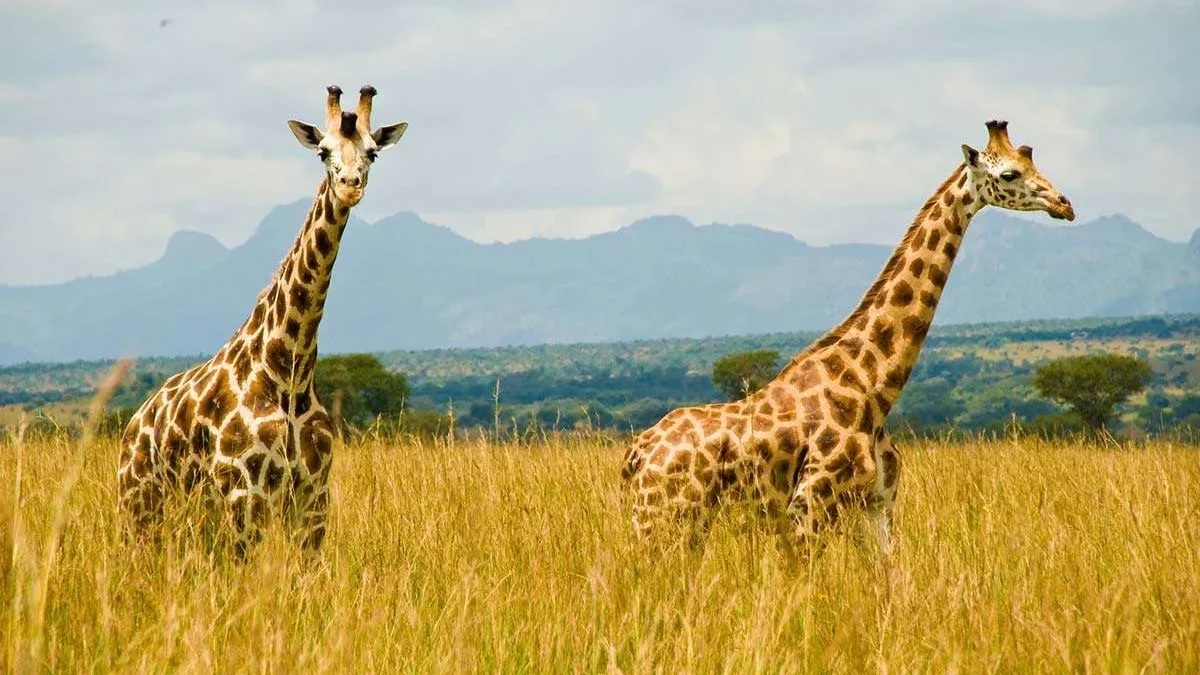
Tucked away in the far northern reaches of Karamoja, Kidepo Valley National Park feels like Uganda’s best-kept secret. While most travelers head straight to Murchison Falls or Queen Elizabeth for classic river cruises, or trek through Bwindi to see mountain gorillas, Kidepo offers something entirely different: a vast, untamed dry savannah framed by rugged mountain ridges. With over 80 mammal species—28 of which aren't found anywhere else in the country—it is a haven for travelers who want wild landscapes, high game counts, and empty horizon lines.
3-days-uganda-safari-itinerary-to-kidepo-valley-national-park
5-day-best-safaris-to-uganda-kidepo-and-murchison-falls-national-parks
5-days-kidepo-valley-uganda-safari-via-ziwa-rhino-sanctuary
6-days-best-of-murchison-and-kidepo-uganda-safari-via-ziwa
7-days-murchison-falls-uganda-safari-trip-via-ziwa-rhinos-kidepo-valley-and-jinja
The Wildlife You’ll Only Spot in Kidepo
Because Kidepo sits in a dry, semi-arid climate along the borders of South Sudan and Kenya, its ecosystem supports species built for open plains and rocky hills rather than tropical rainforests or river basins.
· Dry-Country Predators: Kidepo is the only park in Uganda where you can watch cheetahs scanning the open grass, alongside elusive caracals, aardwolves, bat-eared foxes, and striped hyenas. Lucky safari-goers occasionally even spot African wild dogs passing through.
· Specialized Antelopes & Browsers: The acacia thickets and rocky outcrops shelter greater and lesser kudus, tiny Guenther’s dik-diks, nimble klipspringers balancing on boulders, Chandler’s mountain reedbucks, and Bright’s gazelles.
· Unique Birds & Primates: Alongside localized patas monkeys, the park hosts over 475 bird species. It is a prime spot for tracking common ostriches, secretary birds striding through the grass, heavy kori bustards, and the rare Karamoja apalis.
Classic Safari Sightings in the Narus Valley
Beyond its unique endemics, Kidepo delivers big-game viewing that easily rivals East Africa's famous savannahs, particularly around the permanent watering holes of the Narus Valley.
· Four of the Big Five: Lions, leopards, and African bush elephants are common sights here. Kidepo is also famous for its massive Cape buffalo herds, which frequently gather in groups of over 1,000 animals. Rhinos are the only Big Five member missing.
· Plains Game Galore: Game drives regularly yield views of Rothschild’s giraffes, Burchell’s zebras, Jackson’s hartebeests, common elands, oribis, and defassa waterbucks grazing across the valley floor.
· What to Expect Elsewhere: Because of its dry geography, Kidepo has no hippos, nor does it harbor chimpanzees or mountain gorillas, which thrive in western Uganda's rainforests.
How Kidepo Compares to Uganda’s Other Top Parks
Murchison Falls National Park is built around the raw power of the Nile River. If you want boat safaris right up to the base of the falls, dense pods of hippos and crocodiles, and easy access to chimpanzee tracking in Budongo Forest, Murchison is the ideal choice. Kidepo, by contrast, trades river cruises for quiet, uncrowded game drives across dry plains.
Queen Elizabeth National Park offers a lush tapestry of crater lakes, wetlands, and open savannah. Known for Kazinga Channel boat cruises, over 600 bird species, and the famous tree-climbing lions of Ishasha, it feels greener and busier than Kidepo's remote, wilderness-first atmosphere.
Bwindi Impenetrable Forest delivers an entirely different adventure centered on thick, misty mountain jungle. Bwindi protects nearly half the world’s remaining mountain gorillas, offering intense forest treks, whereas Kidepo provides classic, wide-open vehicle game drives across sweeping plains.
Kibale National Park is East Africa's capital for primate tracking, home to more than 1,500 wild chimpanzees and 13 primate species. Most travelers pair Kibale’s dense tropical canopy with a savannah park, whereas Kidepo is where you go specifically for dry-country carnivores, ostriches, and vast open space.
Lake Mburo National Park is a compact, peaceful reserve dotted with lakes and rolling hills, conveniently located along the southern safari circuit. It is the only place in western Uganda to see impalas alongside zebras, elands, and horseback safaris. Kidepo demands a longer journey to reach, but repays the effort with a much larger, wilder expanse packed with rare species like cheetahs and kudus.
Where is Kidepo Valley National Park located, and how do you get there?
Kidepo Valley National Park sits in the far northeastern corner of Uganda within the Karamoja region, bordering South Sudan and Kenya. Because of its remote location, getting there requires some planning. Driving overland from Kampala takes roughly 10 to 12 hours via Gulu or Kitgum, offering scenic views of rural northern Uganda along the way. For travelers short on time, scheduled or charter domestic flights fly directly from Entebbe International Airport or Kajjansi Airfield to Apoka Airstrip inside the park, cutting travel time down to about two hours.
What makes Kidepo’s wildlife unique compared to other Ugandan parks?
Kidepo is Uganda’s only semi-arid national park, creating a dry savannah ecosystem found nowhere else in the country. This environment supports over 80 mammal species, 28 of which are entirely localized to Kidepo. It is the sole refuge in Uganda for dry-country carnivores like cheetahs, caracals, bat-eared foxes, aardwolves, and striped hyenas. You will also find specialized antelopes such as greater and lesser kudus, Guenther’s dik-diks, and bright’s gazelles, alongside ostriches and localized patas monkeys.
Can you see all of the Big Five animals in Kidepo Valley?
Kidepo is home to four of the traditional Big Five animals: lions, leopards, African bush elephants, and Cape buffalos. The park is especially famous for its massive buffalo herds, which frequently gather in congregations exceeding 1,000 individuals in the Narus Valley. Lions often lounge on the granite kopjes scattered across the plains, while elephants roam freely between the valleys. Rhinos are the only missing member of the Big Five, having gone extinct in the region decades ago; today, rhinos in Uganda can only be tracked at the Ziwa Rhino Sanctuary.
What is the best time of year to visit Kidepo National Park?
The dry season, running from September through March, offers the best wildlife viewing in Kidepo. During these months, vegetation thins out, making animals much easier to spot against the golden savannah. Water sources dry up across the park, forcing large numbers of elephants, lions, buffalos, and antelopes to concentrate around the permanent waterholes of the Narus Valley. The wet season from April to August brings lush greenery and excellent birdwatching opportunities, though animals spread out more as water becomes abundant across the landscape.
How does a safari in Kidepo compare to Murchison Falls National Park?
While both parks showcase classic East African wildlife, they offer distinctly different experiences. Murchison Falls centers around the Victoria Nile, featuring boat safaris to the base of the spectacular waterfall, hippo-filled riverbanks, and chimpanzee tracking in nearby Budongo Forest. Kidepo, by contrast, is defined by wide-open dry plains, dramatic mountain backdrop scenery, and rare desert-adapted wildlife like cheetahs and kudus. Kidepo also receives a fraction of the visitor numbers, giving game drives a private, untouched wilderness feel.
Is it safe to travel to Kidepo National Park in the Karamoja region?
Yes, traveling to Kidepo Valley National Park is safe. While the surrounding Karamoja region experienced historical instability decades ago, the area has been peaceful and secure for many years. The park is well-managed by the Uganda Wildlife Authority (UWA) in coordination with local authorities. Safari operators regularly take guests overland or by flight without incident. Visitors enjoy a peaceful, welcoming atmosphere both inside the park and when visiting neighboring indigenous communities.
What bird species can birdwatchers expect to see in Kidepo?
Kidepo is a birdwatching paradise, boasting a record of over 475 recorded bird species, second in Uganda only to Queen Elizabeth National Park. Due to its unique dry-climate habitat, it hosts specialized species found nowhere else in the country, including the common ostrich, secretary bird, kori bustard, and Abyssinian ground hornbill. The park is also a key habitat for raptors, dark chanting goshawks, Egyptian vultures, and the localized, endangered Karamoja apalis, making it an essential stop for birding enthusiasts.
What cultural experiences are available near Kidepo Valley?
A trip to Kidepo provides rich cultural encounters with the Karamojong people, semi-nomadic pastoralists with a deep connection to cattle and traditional ways of life. Visitors can tour a traditional manyatta (fortified village) to learn about their architecture, beadwork, and dances. Higher up in the nearby Morungole Mountains live the Ik people, one of Uganda’s smallest indigenous groups. A guided day hike up the mountain offers insight into their unique culture, subsistence farming, and historical isolation.
What type of accommodation options are available in and around the park?
Accommodation in Kidepo ranges from budget campsites to high-end luxury safari lodges. Apoka Safari Lodge provides an upscale experience with spacious cottages built around granite rocks overlooking the valley. Mid-range choices include Kidepo Savannah Lodge and Adere Safari Lodge, offering comfortable self-contained safari tents and cottages with panoramic wilderness views. For budget travelers and independent campers, UWA operates self-catering bandas and public campsites at Apoka with basic amenities and campfire areas.
Why are there no hippos or chimpanzees in Kidepo Valley National Park?
Kidepo’s dry climate and seasonal river systems cannot support species that depend on deep, permanent water bodies or dense tropical rainforests. Rivers in Kidepo, such as the Kidepo and Narus rivers, shrink significantly or disappear underground during dry months, which prevents aquatic mammals like hippos from thriving. Similarly, chimpanzees require fruit-rich evergreen canopy forests like those found in Kibale or Budongo. Kidepo’s open acacia woodlands and semi-arid terrain are tailored instead for dry-country specialists.
What activities can visitors do during a safari in Kidepo?
The primary activity in Kidepo is morning and afternoon game driving across the Narus and Kidepo valleys to spot wildlife. Nature lovers can embark on guided ranger-led walking safaris to explore dry riverbeds and rocky outcrops on foot. Birding tours yield rare sightings along seasonal swamps, while night game drives offer a chance to spot nocturnal predators like leopards, hyenas, caracals, and bushbabies. Cultural visits to Karamojong villages and hiking Mount Morungole round out the experience.
How many days should you spend on a Kidepo safari itinerary?
Because of the travel distance to northern Uganda, a minimum of three to four days is recommended for a Kidepo safari. A three-day itinerary works well if flying into Apoka Airstrip, allowing enough time for several game drives and a cultural visit. If traveling overland, planning a 5- to 7-day trip allows you to break up the drive with stops at Ziwa Rhino Sanctuary or Murchison Falls National Park, ensuring a comfortable pace and a well-rounded Ugandan safari experience.
Booking Uganda safari to Kidepo with us Roads of Adventure safaris
Booking a Kidepo Valley National Park safari with Roads of Adventure Safaris offers a direct route to Uganda's most remote wilderness. Whether you choose a scenic overland road trip or a time-saving domestic fly-in option, Kidepo delivers uncrowded game drives, massive buffalo herds, rare dry-country wildlife like cheetahs, and authentic Karamojong cultural experiences.