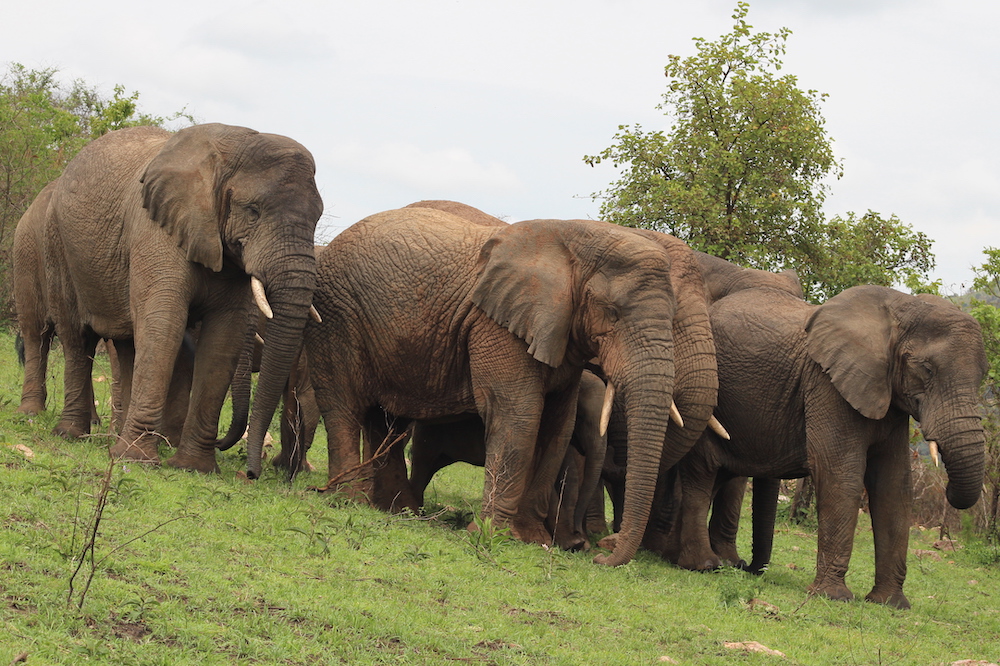
Just a scenic two-and-a-half-hour drive (about 110 kilometers) east of Kigali, Akagera National Park stands as Rwanda’s ultimate savannah comeback story. As the country's only refuge for the classic "Big Five"—lion, leopard, elephant, rhino, and buffalo—it offers an incredibly thrilling wildlife experience for every traveler. But Akagera’s true magic lies in its inspiring history of resilience. Left on the brink of complete ecological collapse following the tragic 1994 genocide, this park has undergone a breathtaking conservation transformation. Thanks to a visionary partnership between the Rwanda Development Board and African Parks, lions were triumphantly reintroduced in 2015, closely followed by majestic rhinos. Today, this flourishing 1,122 square kilometer reserve has become a stunning, vibrant mosaic of rolling green hills, golden grasslands, and Central Africa’s largest protected wetland, proving that wild places can always beautifully heal and thrive.
3-days-rwanda-safari-to-akagera-national-park-combined-with-lake-ihema-boat-cruise
3-day-africa-big-five-safari-in-akagera-national-park-with-kigali-city-tour
3-days-safari-in-rwanda-akagera-national-park-game-drive-and-lake-ihema-boat-trip
4-days-akagera-safari-and-chimpanzee-tracking-rwanda-safari
4-days-volcanoes-national-park-and-akagera-rwanda-wildlife-safari
9-days-rwanda-gorilla-trekking-and-adventure-activities-and-relaxation
6-days-rwanda-safari-to-akagera-and-nyungwe-chimpanzee-tracking
The "Big Five" (Lions, Leopards, Elephants, Rhinos, and Buffaloes)
Finding the "Big Five" in Akagera today feels like witnessing a modern conservation miracle. After the 1994 genocide, the park was almost entirely depleted of its wildlife. However, a massive joint effort between African Parks and the Rwanda Development Board turned things around. In 2015, seven lions were flown in from South Africa, and their population has since flourished. Just two years later, black rhinos made a historic return, followed by white rhinos in 2021, completing the coveted Big Five lineup.
When you head out on a game drive today, the experience is incredibly thrilling. You might spot a pride of lions lounging lazily on the warm rocks of the southern Mutumba hills, or catch a glimpse of a leopard gracefully draped over a branch in the thick woodlands. Giant bull elephants, some of the largest in East Africa, roam the swampy lake edges alongside massive herds of Cape buffalo. Seeing these majestic creatures thriving in a landscape that was once so quiet is a powerful, emotional reminder of nature’s incredible ability to heal when given a second chance.
Plains Game & Antelopes
The sweeping plains of northern Akagera are a bustling, sun-drenched theater of classic African wildlife. As you drive through the open savannah, you will be greeted by dazzling herds of Burchell’s zebras and towering Maasai giraffes, which were successfully reintroduced from Kenya in 1986 and have since become iconic symbols of the park. The sheer variety of life here is staggering, especially when it comes to the park's eleven distinct antelope species.
Among them, the elegant, chestnut-coated topi stands out, often seen posing proudly on top of termite mounds like sentinels surveying the horizon. You will run into massive, gentle elands—the largest antelopes in the world—alongside waterbuck, bushbuck, and thousands of graceful, leaping impalas that seem to skip through the tall grass. Watching these diverse herds graze together against a backdrop of rolling green hills is pure magic. It is a peaceful, vibrant scene that perfectly captures the untamed essence of a classic African safari, offering endless photo opportunities and a deep sense of connection to the wild.
Aquatic Wildlife
To experience the wetter, wilder side of Akagera, you must trade your safari vehicle for a boat on Lake Ihema, Rwanda's second-largest lake. The water here is absolutely teeming with life, offering a refreshing contrast to the dusty savannah drives. As your boat glides through the calm, hyacinth-fringed waters, the air is filled with the deep, rumbling grunts of massive pods of hippopotamuses. You will see them yawning lazily, exposing their giant tusks, or submerging with a dramatic splash just meters from your boat.
Along the muddy banks, enormous Nile crocodiles—some of the largest you will ever see—bask openly in the warm sun with their jaws wide open to regulate their body temperature. Floating quietly past these prehistoric giants, while watching colorful kingfishers dive-bomb into the water and seeing elephants come down to the shore to drink, is an unforgettable experience. It is a peaceful yet thrilling water safari that lets you appreciate the rich, complex ecosystem of Africa's largest protected wetland from a completely different perspective.
Primates
While Akagera is famous for its open-country savannah giants, its patches of dense woodland and riverine forests are alive with the energetic antics of several primate species. During your morning and afternoon game drives, you are highly likely to run into troop after troop of cheeky olive baboons. They are incredibly social and entertaining to watch, whether they are grooming each other by the roadside, foraging for roots, or chasing squealing youngsters up the branches of acacia trees.
Look a little closer into the leafy canopies, and you will spot vibrant green-and-grey vervet monkeys with their distinctive black faces, leaping effortlessly from branch to branch. If you are lucky, you might also spot the more elusive blue monkey, easily identified by its dark, thick fur and gentle, expressive eyes. These primates add a wonderful layer of playful energy to your safari. Watching their complex social behaviors and human-like interactions in the wild is a delightful reminder of our shared roots, keeping you smiling throughout your journey.
Nocturnal Animals
When the golden sun dips below the horizon and the African night takes over, Akagera transforms into a completely different world. Going on a guided night safari with a powerful spotlight is like unlocking a secret chapter of the park. This is when the shadows come alive, and the true rulers of the dark emerge from the thickets. The cool night air is filled with the eerie, whooping calls of spotted hyenas as they begin their nightly patrols and coordinate hunts.
With a bit of luck, your spotlight might catch the glowing eyes of an elusive serval cat stalking through the tall grass, or the striking, black-and-white ringed tail of an African civet darting into the bushes. Up in the acacia branches, you will spot the bright, saucer-like eyes of tiny bush babies jumping from limb to limb like little acrobats. Experiencing the bush in the dark—listening to the symphony of crickets, feeling the cool breeze, and tracking predators on the move—is an incredibly raw, sensory-rich adventure that you simply cannot miss.
Birds
For bird lovers, Akagera National Park is nothing short of paradise on earth. Boasting an incredible diversity of over 500 recorded bird species, this park packs a massive avian punch within its borders. The mix of savannah, forest, and vast papyrus wetlands creates the perfect home for a dazzling array of feathered creatures. You will constantly hear the iconic, haunting cry of the African fish eagle ringing out over the lakes, and spot elegant grey crowned cranes dancing gracefully in the marshy grasslands.
But the ultimate prize for any birder exploring these wetlands is the legendary, prehistoric-looking shoebill stork. Finding this rare, giant bird standing completely motionless in the deep papyrus swamps of the Akagera River is a heart-stopping, bucket-list moment. From brilliant little malachite kingfishers darting along the water to majestic raptors soaring high above the ridges, the sheer abundance of colors, songs, and species makes Akagera one of the most rewarding and visually spectacular birdwatching destinations in all of Africa.
What are the best activities to do in Akagera on Rwanda wildlife safari for better wildlife watching
To maximize wildlife watching in Akagera National Park, combine morning and night game drives to track the Big Five (lions, rhinos, leopards, elephants, buffalo), and take a boat safari on Lake Ihema for massive pods of hippos and aquatic birds
Day Game Drives
There is nothing quite like the crisp freshness of a Rwanda dawn. Setting out on a morning game drive right at 6:30 AM is the absolute best way to catch Akagera at its most active. As the golden light breaks over the eastern hills, the cool morning air is filled with the calls of francolins, and the savannah is bustling with life. Herbivores like towering Maasai giraffes and herds of zebras take advantage of the early cool temperatures to graze peacefully on the dew-covered grass.
An early start also gives you the absolute best chance of spotting big cats—such as lions or an elusive leopard—returning from their nightly hunts before they retreat to the deep shade of the acacia thickets to escape the blistering midday heat. For a classic day drive, we recommend driving from the flatter southern sector all the way through to the wide-open, grassy plains of the northern Kilala region. This journey takes you past stunning lookouts where you can pull over, stretch your legs, and marvel at the vastness of the Rwandan wilderness.
Lake Ihema Boat Safaris
To truly appreciate the watery side of this incredible ecosystem, you must step off the land and onto Lake Ihema, Rwanda’s second-largest lake. Highly scheduled, guided boat cruises run for 1 to 1.5 hours and are offered throughout the day, including early morning departures at 7:30 AM and a breathtaking sunset trip at 4:30 PM. These boat safaris bring you safely and incredibly close to the water's edge, giving you a completely different perspective on the park's wildlife.
As you glide quietly along the shorelines, you will drift past massive, grunting pods of hippos lazily cooling off, and gaze at colossal, prehistoric Nile crocodiles basking on the muddy banks with their jaws wide open. The lake is also an absolute haven for bird enthusiasts. You can spot the iconic African fish eagle swooping down to pluck fish from the water, vibrant kingfishers darting among the reeds, and, if you are incredibly lucky, the rare, highly sought-after, prehistoric-looking shoebill stork standing completely still in the deep papyrus swamps.
Night Game Drives
When the sun sinks below the horizon and the day visitors exit the gates, Akagera transforms into an entirely different, incredibly mysterious world. Operated exclusively by the park's management in their specialized, open-sided vehicles with high-powered spotlights, these 2.5-hour night drives start at 5:30 PM. It is a thrilling, sensory-rich journey that allows you to witness the dramatic shift from day to night in the African bush.
The spotlights pierce through the darkness, catching the amber-glowing eyes of predators on the prowl. This is your absolute best opportunity to spot the park's most elusive nocturnal hunters, including leopards, spotted hyenas, serval cats, and sleek African civets. Up in the branches of the acacia trees, the light will catch the bright, round, saucer-like eyes of tiny, wide-eyed bushbabies bounding from limb to limb like little acrobats. Feeling the cool night breeze, listening to the intense nighttime chorus of frogs and crickets, and tracking a lion on a night hunt is an unforgettable, bucket-list experience.
Where can you stay on Rwanda wildlife in Akagera national park
You can stay inside or just outside Akagera National Park to experience Rwanda's wildlife. Options range from luxury tented camps and mid-range lodges to budget campsites. Most visitors spend at least one night in the park, located about a 2-hour drive from Kigali
Magashi Camp
For travelers seeking the absolute pinnacle of luxury on a Rwanda wildlife safari, Magashi Camp is an extraordinary, premier retreat. Nestled on a private peninsula in the quieter, highly exclusive northeastern corner of the park, this ultra-luxury eco-camp overlooks the beautiful, tranquil waters of Lake Rwanyakizinga.
Wilderness Safaris+ 1
With only eight spacious, airy tents elevated on wooden decks, Magashi offers an incredibly intimate, high-end escape where the "Big Five" are literally your neighbors. From your private viewing deck, you can sip your morning coffee while watching hippos splash in the water or catch sight of a rare, swamp-dwelling sitatunga antelope moving quietly through the shoreline reeds. The camp is situated in its own exclusive-use area, which is famous for harboring one of the highest densities of leopards in the region. Your days here are beautifully unhurried: you can embark on custom, expert-guided game drives in open 4x4 vehicles, glide across the lake on scenic boat safaris, or join guided nature walks. It is the ultimate way to experience a luxury Rwanda wildlife safari, beautifully blending pristine wilderness with world-class comfort and style.
Your Perfect Africa+ 2
Ruzizi Tented Lodge
If you are dreaming of a deeply immersive, nature-sensitive stay on your Rwanda wildlife safari, Ruzizi Tented Lodge is a magnificent, eco-conscious gem. Tucked away into a lush, shady forest of towering palms and wild fig trees, this intimate lodge sits directly on the shores of Lake Ihema, Akagera's largest lake.
Akagera National Park+ 1
The lodge features just nine en-suite canvas tents connected by raised wooden boardwalks that lead to a stunning, thatched central dining area and a wooden deck hanging right over the water. Because it was designed and built by the park management itself, every stay directly funds Akagera’s vital conservation initiatives. Life at Ruzizi moves to the gentle rhythm of the lake. You will fall asleep to the deep, rumbling grunts of nearby hippos and wake up to a magnificent chorus of waterbirds feeding in the morning mist. Ruzizi is a paradise for bird enthusiasts, offering early morning boat safaris where you can drift past crocodiles and fish eagles before the park officially opens to day visitors. It is the perfect, cozy retreat to connect deeply with nature.
Ukuri+ 5
Mantis Akagera Game Lodge
If you prefer the familiar comfort of a traditional hotel while on your Rwanda wildlife safari, Mantis Akagera Game Lodge is a fantastic, long-standing mid-range option. Standing proudly on a high, rocky ridge near the park's southern entrance, this property offers some of the most breathtaking, panoramic views in the entire country, looking out over the golden savannah and the glittering chain of lakes below.
The lodge features standard and family-friendly rooms equipped with modern amenities, private balconies, and large windows that frame the spectacular landscape. The absolute highlight of the property is its large, beautiful swimming pool perched right on the edge of the ridge, allowing you to swim and cool off while gazing out over the vast wilderness. After a thrilling, dusty day of tracking elephants and lions, you can relax at the pool bar, enjoy a delicious meal at the restaurant, or gather around the outdoor fireplace to share safari stories under the stars. It provides a perfect, highly comfortable, and reliable base for families and groups looking to explore the wild wonders of Akagera.
Karenge Bush Camp
For those who want to disconnect from the modern world and experience a raw, low-impact Rwanda wildlife safari, Karenge Bush Camp is an absolute dream. "Karenge" translates to "small footprint" in Kinyarwanda, a name that perfectly reflects this seasonal eco-camp’s commitment to leaving absolutely no trace of its presence behind.
Operating twice a year in the northern plains of the park, this mobile, unfenced camp consists of just seven charming canvas tents, accommodating a maximum of fourteen guests at a time. There are no permanent structures, no electricity, and no fences separating you from the wild. Instead, you will enjoy hot bucket showers, solar-powered lanterns, and cozy campfires under a blanket of brilliant stars. Perched overlooking the game-rich Kilala Plains, Karenge puts you right in the middle of Akagera’s most active predator territory, giving you an incredible head-start for early-morning game drives. Waking up to the golden sunrise over the plains, surrounded by grazing herds of zebras and antelopes, is an unforgettable, soul-stirring experience that captures the true essence of old-world Africa.
Public and Private Campsites
For the ultimately adventurous, budget-conscious traveler, embarking on a self-drive Rwanda wildlife safari and staying at the park’s public campsites is an unmatched wilderness experience. Akagera features three beautifully situated, rustic campsites—Shakani, Mutumba, and Muyumbu—each offering a slightly different, incredibly scenic backdrop.
Shakani Campsite, located on the grassy banks of Lake Shakani, is perfect for those who want to fall asleep to the gentle lapping of lake water and perhaps try their hand at catching tilapia over an open fire. Mutumba Campsite sits high up in the rolling hills of the central sector, offering sweeping views of the savannah and excellent opportunities for spotting grazing buffaloes and antelopes right from your tent. While these campsites are unfenced and basic, providing only essential amenities like pit latrines, cold running water, and a simple firewood station, they offer a thrillingly raw connection to the wild. Sleeping in a tent under a massive African sky, listening to the distant, haunting whoop of spotted hyenas and the roar of lions, is the ultimate way to experience the untamed spirit of Akagera.
When is the best time for wildlife watching in Akagera national park
The best time for wildlife watching in Akagera National Park is during the dry seasons, specifically from June to September (long dry season) and mid-December to mid-February (short dry season). During these months, vegetation thins out, and animals congregate around water sources like Lake Ihema and the Akagera River, making them significantly easier to spot
June to September (Long Dry Season)
If you are dreaming of a classic, action-packed safari, this is the golden window. As the rains dry up, Akagera’s landscape undergoes a massive transformation. The thick, shoulder-high grass thins out into golden stubble, making it much easier to spot animals from your vehicle. With temperatures hovering around a comfortable 26°C (79°F) and almost no rainfall, water quickly becomes scarce in the interior hills.
This forces thousands of animals to head down to the park's permanent water sources, like Lake Ihema and the Akagera River. You will get to witness incredible wildlife gatherings at the water's edge, where giant herds of up to 100 elephants and hundreds of Cape buffaloes drink alongside nervous zebras and impalas. This is also prime time for spotting predators. The park's 60+ lions and elusive leopards are much more active in the crisp, cooler morning air, which dips to a refreshing 16°C (61°F) before the afternoon sun takes over. Because the unpaved tracks are dry and solid, navigating the entire park from south to north is a breeze.
Mid-December to Mid-February (Short Dry Season)
This sweet spot is Akagera’s best-kept secret, offering a brilliant secondary window for a spectacular safari. Coming right after the short rains of late autumn, the landscape enjoys a brief, beautiful green flush before the sun dries the grasses back down. Because this dry spell is shorter, the park feels incredibly peaceful and less crowded, giving you a highly private, intimate connection with the wild.
During these weeks, tracking down the iconic "Big Five" is highly rewarding. The bush remains relatively open, allowing you to easily spot some of the 100+ rhinos (including the massive southern white rhinos reintroduced to the plains) grazing alongside herds of towering Maasai giraffes, which have grown from just six individuals in 1986 to over 160 today. The afternoon temperatures remain a warm and pleasant 26°C (79°F), and because water levels in the lakes are stable, boat safaris are packed with up-close views of grunting hippos and giant Nile crocodiles basking on the banks. It is the perfect time to enjoy dry roads and superb wildlife sightings without the peak-season crowds.
March to May & October to November (Wet Seasons)
While the wet seasons might seem like a challenging time for a safari, they actually offer a deeply magical, visually stunning experience that many seasoned travelers prefer. The "long rains" of spring and the "short rains" of autumn bring up to 150 mm of rainfall per month, turning the park into a lush, emerald-green paradise. While the thick vegetation and muddy roads mean you will definitely want a sturdy 4x4 vehicle to navigate, the trade-off is absolutely beautiful.
The park is practically empty of other tourists, giving you the rare feeling of having a massive, wild sanctuary entirely to yourself. The air is incredibly crisp and clear, making the rolling hills and dramatic storm clouds look spectacular—a dream come true for photographers. Most importantly, this is the ultimate paradise for birdwatchers. The rains trigger the arrival of many of Akagera's 520 recorded bird species, including colorful migratory birds from Europe and northern Africa. If you do not mind a little mud on your tires and appreciate the quiet, poetic beauty of a flourishing, reborn wilderness, the green season is an unforgettable journey.
Booking Akagera wildlife safari with us Roads of Adventure safaris
Booking your Akagera National Park adventure with Roads of Adventure Safaris is as smooth and stress-free as it gets. We specialize in crafting highly personalized, one-to-three-day guided getaways departing directly from Kigali. Every single detail is completely taken care of for you—from rolling out in a rugged, private 4x4 safari vehicle with your own expert guide, to securing your park entries and coordinating those breathtaking Lake Ihema boat cruises where you will get up close with hippos and crocodiles.
Whether you want to squeeze a thrilling overnight trip into a tight schedule or spend a few days fully immersing yourself in the return of the Big Five, all you have to do is reach out to our friendly booking team. We will handle all the heavy lifting, securing your logistics, transport, and a gorgeous lodge or cozy tented camp, so you can focus entirely on enjoying the wild.
