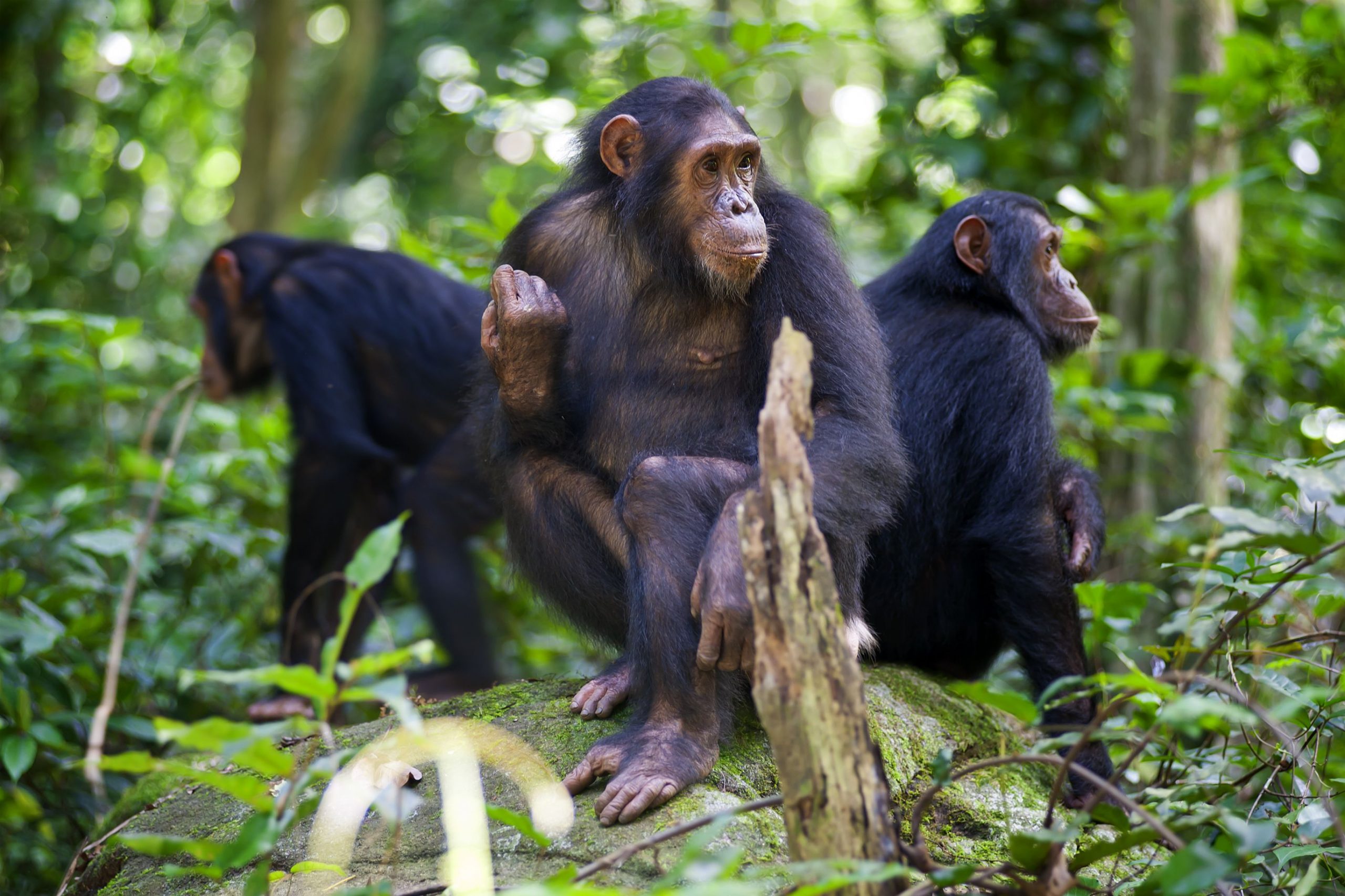
For chimpanzee tracking in Budongo Forest (Murchison Falls National Park), pack sturdy hiking boots, a rain jacket, and breathable, long-sleeved clothing in neutral colors. Bring a waterproof backpack, 2 liters of water, insect repellent, garden gloves, and a camera with the flash turned off
4-days-murchison-falls-and-chimpanzee-tracking-in-budongo-forest
Essential Gear Checklist
Clothing
Wearing high-quality, long-sleeved shirts and long trousers serves as your primary shield against the physical challenges of the tropical jungle. This specific clothing layout protects your skin from sharp, thorny brush, stinging nettles, and biting insects that thrive across the damp undergrowth. When preparing for chimpanzee tracking, it is highly critical to stick strictly to earthy, neutral tones like khaki, green, or brown. Bright colors like red can visibly agitate wild chimpanzees, while dark blue and black clothing are proven to attract aggressive tsetse flies, which deliver highly painful bites and can carry sleeping sickness.
Footwear
Investing in a pair of sturdy, waterproof hiking boots with deep rubber grip traction is completely non-negotiable for traversing the slippery forest floor. Chimpanzee tracking routinely requires hiking off-set trails, navigating muddy slopes, and crossing wet streams where standard running shoes will instantly fail. It is an absolute necessity to thoroughly break your boots in several weeks before your departure date to prevent painful friction blisters during the trek. Furthermore, tucking your long trousers directly into thick wool socks forms an impenetrable barrier that keeps biting safari ants from climbing up your legs.
Rain Gear
Tropical rainforests like Kibale experience sudden, heavy downpours at any time of year, making reliable rain gear a vital addition to your daypack. A lightweight, breathable rain jacket or a full-coverage poncho ensures you stay warm and dry without overheating while hiking through humid conditions. Because chimpanzees are often found moving quickly on the ground when it rains, having high-quality waterproof outerwear allows you to comfortably continue your tracking adventure without needing to retreat from the forest during a sudden storm.
Hand Protection
Pack a pair of lightweight gardening or tough leather gloves to protect your hands while moving through dense forest areas. During chimpanzee tracking, the terrain often becomes incredibly steep, forcing you to grab nearby vines, roots, and trees for balance and physical support. These protective gloves act as an excellent lifesaver, preventing raw skin scratches, thorn punctures, and painful contact with irritating plant toxins or hidden stinging insects clinging to the jungle branches.
Backpack
A small, waterproof daypack is essential for keeping your hands completely free to maintain balance on uneven jungle trails. Your daypack should comfortably hold all your personal necessities, including tracking permits, water, snacks, and expensive optics, keeping them dry and safe from unexpected downpours. Selecting a pack with comfortable, padded shoulder straps and a secure waist belt distributes the weight evenly across your body, which drastically reduces physical fatigue during long hours of forest trekking.
Hydration & Energy
Chimpanzee tracking can last anywhere from 1 to 5 hours depending on where the primate community nested the previous night, demanding proper hydration and physical energy. Carrying 1 to 2 liters of clean bottled drinking water is essential to counter the high humidity of the Ugandan jungle. Pairing this water with calorie-dense, high-energy snacks like raw nuts, dried fruit, or protein bars keeps your stamina high and prevents exhaustion during steep ridge climbs.
Health & Safety
Insect Repellent
A premium, high-quality insect repellent containing active DEET or Picaridin is vital for warding off dangerous forest insects. Applying this protective layer before entering the forest trailheads shields you from disease-carrying mosquitoes and persistent tsetse flies. Because you are entering a wild habitat, a reliable repellent provides a necessary layer of comfort, allowing you to focus your full attention on observing the fascinating behaviors of the primates instead of swatting away bugs.
First Aid Basics
A compact, personalized first aid kit containing essential medical basics is a smart addition to your daily trekking gear. Your kit should feature heavy-duty band-aids, specialized blister tape (moleskin) to treat hot spots early, hand sanitizer, and your personal daily medications. Having these simple supplies easily accessible ensures that minor cuts, scratches, or foot blisters can be treated instantly on the trail, preventing minor irritations from turning into painful issues.
Sun Protection
Even underneath the thick canopy of a tropical forest, strong equatorial sun rays can break through the trees, making proper sun protection necessary. Wearing a wide-brimmed sun hat, polarized sunglasses, and a high-SPF sunscreen prevents painful sunburns and reduces eye strain during open savanna transitions. Protecting yourself from intense sun exposure prevents dehydration and heat exhaustion, keeping you feeling energized and comfortable throughout your outdoor adventure.
Electronics & Optics
Binoculars
A high-quality pair of binoculars is highly recommended for enjoying clear views of the primates when they travel high into the trees. While chimpanzees regularly feed on the ground, they frequently retreat into the upper forest canopy to rest, socialize, or build nests. A crisp pair of binoculars allows you to clearly observe their subtle facial expressions, complex grooming rituals, and family interactions that would otherwise be completely invisible to the naked human eye.
Camera Gear
To document your safari memories, bring a capable DSLR or mirrorless camera equipped with extra batteries, plenty of memory cards, and a heavy-duty waterproof dry-bag. The high humidity and sudden downpours inside the forest can ruin sensitive electronics, making a protective bag completely essential. Most importantly, remember that flash photography is strictly forbidden because the sudden, bright light bursts scare and agitate the chimpanzees, which can cause the wild community to flee or display defensive behavior toward the tracking group
Best Time for Chimpanzee Tracking in Budongo Forest
The best time for chimpanzee tracking in Budongo Forest is during the primary dry seasons, which run from December to February and June to September. During these specific months, the tropical forest trails are considerably drier and less slippery, making the daily 2-to-4-hour trek much more manageable for travelers of all fitness levels. Thinner vegetation during these periods also significantly improves your visibility, which provides outstanding opportunities for wildlife photography and clear observations of the primates. However, the wet months between April and August have historically recorded exceptionally high tracking success rates. This is because the abundance of ripe fruit on the lower canopy draws the habituated chimpanzee communities down from the high treetops, meaning they feed closer to the ground and are often located much faster by the park rangers.
Where to Stay on Chimpanzee Tracking in Budongo Forest
When planning your chimpanzee tracking adventure, choosing the right accommodation depends directly on your preferred comfort level and proximity to the forest trailheads. Budongo Eco Lodge is the premier mid-range option located directly inside the Budongo Forest Reserve at the Kaniyo Pabidi ecotourism site, acting as the exact starting point for all early morning tracking briefings. For travelers seeking upscale luxury, Baker's Lodge offers spacious, elegant cottages featuring beautiful panoramic views along the southern banks of the River Nile, located roughly one hour away. Mid-range comfort can be found at Kabalega Wilderness Lodge, which perfectly blends modern amenities with traditional Ugandan architecture. For budget-conscious visitors or backpackers, Red Chilli Rest Camp provides highly affordable safari safari tents and self-contained bandas near the ferry crossing point, ensuring comfortable resting grounds after an active day of exploring the national park.
Booking Chimpanzee Tracking in Budongo Forest with Roads of Adventure Safaris
Booking your chimpanzee tracking excursion with Roads of Adventure Safaris Ltd ensures a seamlessly coordinated, completely stress-free experience from start to finish. As a fully licensed Destination Management Company based right here in Kampala, we handle all the intricate logistics, including securing your official tracking permits directly from the conservation authorities well in advance. Our team provides robust, high-clearance 4×4 safari vehicles designed specifically to conquer the rugged terrain, paired with highly experienced local driver-guides who understand the unique layout of the forest tracks. We coordinate your accommodation bookings at top properties like Budongo Eco Lodge or luxury Nile-front lodges to match your budget perfectly. By partnering with Roads of Adventure Safaris, you receive expert itinerary planning, continuous roadside assistance, and the dedicated support of a professional team committed to delivering an unforgettable and authentic Uganda safari.
