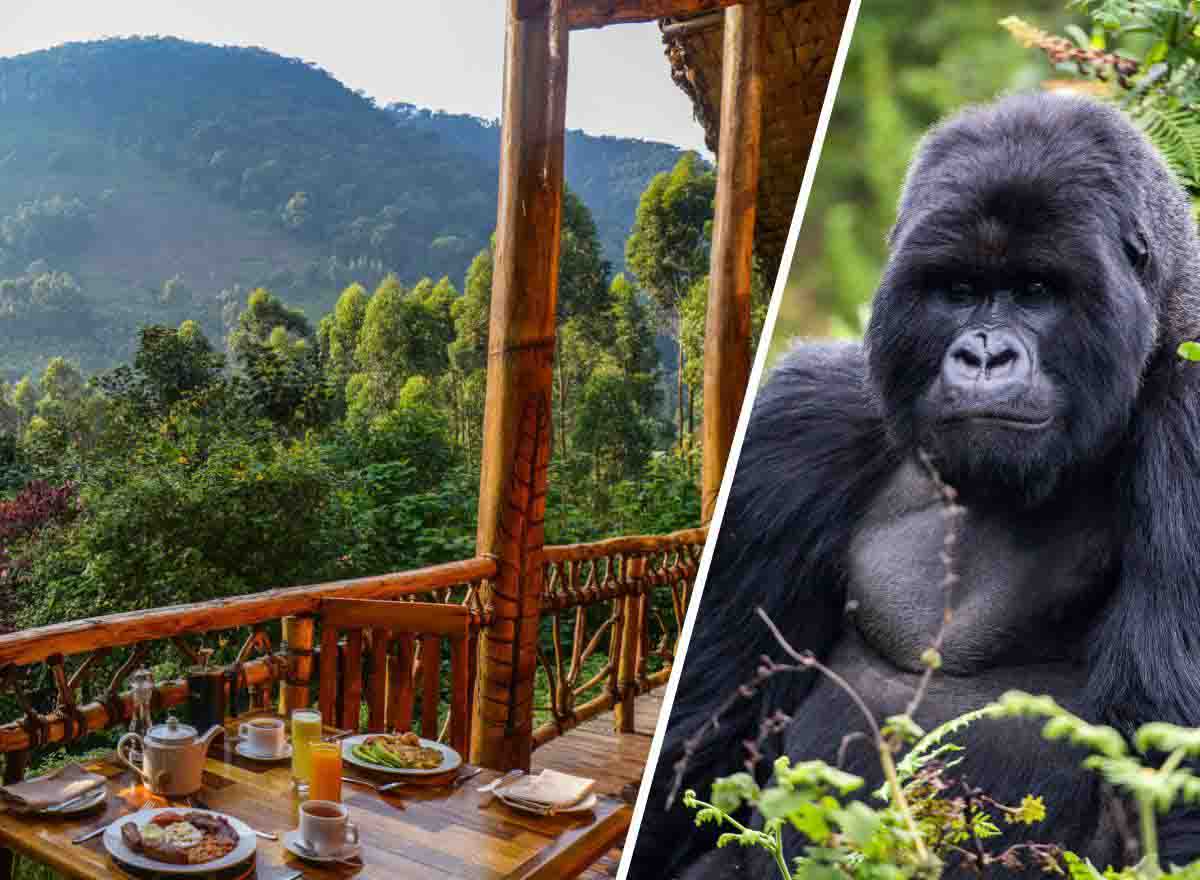
A 7-day luxury gorilla trek requires a blend of high-performance technical gear for muddy tropical rainforests and refined, comfortable resort wear for high-end lodges in Uganda or Rwanda
Popular one week 7 days tour packages
7-days-safari-to-uganda-queen-elizabeth-park-gorillas-trekking-and-lake-mburo
7-days-perfect-uganda-primate-safari-itinerary
7-days-uganda-tour-to-murchison-falls-via-ziwa-kibale-and-queen-elizabeth-national-park
7-day-ultimate-uganda-primate-safari-chimpanzees-and-game-drives
7-days-best-uganda-safari-tour-to-popular-safari-parks
7-days-perfect-road-trip-uganda-safari-tour
7-days-best-uganda-birding-safari-tour
7-day-uganda-safari-to-kidepo-valley-via-jinja-and-sipi-falls
7-days-murchison-falls-uganda-safari-trip-via-ziwa-rhinos-kidepo-valley-and-jinja
Trekking Clothing & Style (Neutral & Functional)
The tropical cloud forests of Bwindi Impenetrable National Park and Volcanoes National Park require full-body protection against dense underbrush, sharp bamboo, biting driver ants, and stinging nettles.
- Long-Sleeve Shirts (3 to 4): Pack lightweight, quick-drying, moisture-wicking synthetic or merino wool long-sleeve tops in earth tones (olive, khaki, safari tan, or taupe). Avoid bright colors (which startle wildlife), dark blue/black (which attract tsetse flies), and pure white (which ruins instantly in forest mud).
- Trekking Trousers (2 to 3 Pairs): Choose durable, lightweight, or ripstop nylon hiking trousers with water-repellent (DWR) coating.
- Rule of Thumb: Tuck your pant legs directly into your tall hiking socks to create a barrier against ground insects like driver ants.
- Strict Restrictions: Never wear camouflage patterns or military-style fatigue clothing—it is strictly illegal for civilians across both Uganda and Rwanda and reserved exclusively for military and security forces. Avoid heavy denim jeans, which absorb water, become extremely heavy when soaked, and take days to dry.
- Base Layers & Sports Bras: Moisture-wicking performance underwear and high-impact sports bras are essential to stay comfortable over bumpy 4x4 transfer routes and steep forest ascents.
- Rain Protection: A high-end, breathable, fully waterproof outer shell jacket (such as Gore-Tex) with fully taped seams and an adjustable hood. Equatorial cloud forests experience sudden, torrential downpours even during dry seasons. Pack lightweight waterproof rain pants for heavy rain days.
- Lodge & Evening Wear (Refined Eco-Luxury): High-altitude rainforest lodges sit between 2,000 and 3,000 meters above sea level; temperatures drop significantly as soon as the sun goes down.
- Evening Attire: Casual elegance is the norm. Bring soft fleece pullovers, plush cashmere wraps, fine wool sweaters, or lightweight down jackets for gathering around outdoor fire pits.
- Cultural & Community Etiquette: Bring modest attire (trousers or knee-length dresses/skirts with covered shoulders) when walking through rural villages, local community projects, or township centers.
- Waterproof Hiking Boots: High-cut leather or Gore-Tex boots providing firm ankle support and aggressive deep-lug rubber outsoles (e.g., Vibram). The terrain consists of slippery volcanic clay, exposed tree roots, and steep mud ravines.
- Critical Tip: Break in your boots at least 3 to 4 weeks prior to travel. Fresh, unbroken boots will cause severe friction blisters within your first hour of climbing.
- Gaiters (High-Top): Durable, waterproof tall gaiters worn over your boots and lower calves. They prevent mud, loose stones, water, and stinging ants from entering your boots.
- Gardening or Trail Work Gloves: Sturdy, rubber-palmed gardening or leather work gloves are indispensable. When traversing dense bush off-trail, you will frequently need to grab vine branches, sharp bamboo, and nettle bushes to balance yourself on steep slopes. (Note: Take your gloves off during the 1-hour observation window with the gorillas to keep your hands clean and natural for photography).
- Trekking Poles: Adjustable, lightweight carbon fiber trekking poles with rubber tip guards offer vital stability on steep ascents and mud descents. Hand-carved wooden walking sticks are also provided for hire at park headquarters.
- Daypack: A 25L to 35L waterproof daypack (or a pack with an integrated rain cover) to hold your packed lunch, water, rain layers, and camera gear.
Electronics & Photography Accessories
- Camera Gear & Lenses: A weather-sealed DSLR or mirrorless camera body paired with a versatile zoom lens (such as a 70–200mm f/2.8 or 24–70mm f/2.8) to navigate dense canopy shadows and low-light environments.
- Flash Photography Restriction: Flash photography is strictly prohibited at all times near wild mountain gorillas, as flash light can provoke aggression or scare the family unit. Ensure you know how to quickly turn off auto-flash settings on cameras and smartphones before approaching.
- Protective Accessories: Waterproof dry bags or silicone rain covers for your main camera and lenses. Bring extra fully charged batteries (battery life drains rapidly in cool, humid rainforest conditions) and high-speed memory cards.
- Power & Connectivity: Type G power adapters (3-pin square plugs used in both Uganda and Rwanda) and a high-capacity portable power bank for long transfer days.
Documents, Health & Travel Logistics
- Permits & Passports:
- Keep your original physical Gorilla Trekking Permit and valid Passport (with at least 6 months validity) in a sealed waterproof sleeve. Both documents must be presented at the park headquarters during the early morning briefing.
- East Africa Tourist Visa: Ensure you have printed copies of your joint entry visa if traveling between Kenya, Uganda, and Rwanda.
- Health Documentation & Protection:
- Yellow Fever Certificate: A mandatory requirement for border entry into Uganda and Rwanda.
- Insect Repellent & Sunscreen: High-strength repellent containing DEET or Picaridin.
- Face Masks: Pack eco-friendly medical/cloth face masks, as mask-wearing is required while spending time directly in the presence of mountain gorillas to protect them from human respiratory illnesses.
Pro-Tip for Luxury Safaris: Hire a Local Porter
Even if you are in top physical shape, hire a local park porter at the trailhead (typically  USD plus tip). Porters carry your daypack, navigate slippery spots with you, and help support local community conservation economies directly surrounding the national parks.
Why are neutral colors strictly recommended for gorilla trekking attire?
Wild animals, including mountain gorillas, are sensitive to visual changes in their environment. Bright, vivid colors like red, yellow, or neon can startle wildlife, raise their stress levels, or provoke unwanted defensive reactions from silverbacks. Additionally, dark colors like dark blue and black attract tsetse flies, whose bites are painful and can transmit sleeping sickness. Pure white clothing gets ruined instantly by volcanic rainforest mud. Wearing earth tones—such as olive green, khaki, safari tan, and taupe—allows trekkers to blend naturally into the lush forest canopy without disturbing the wildlife.
Why is civilian camouflage clothing prohibited in Uganda and Rwanda?
In both Uganda and Rwanda, military-style fatigue and camouflage patterns are strictly reserved for active military personnel, defense forces, and official security teams. Wearing camouflage as a civilian or tourist is against the law and can result in confiscation of clothing, detention, or delays at military checkpoints and national park gates. To avoid legal complications or delays during park entry briefings, stick exclusively to solid, neutral earth tones for all jacket, pant, and headwear items.
How should trekkers tuck their clothing to prevent insect bites on the trail?
Tropical rainforests are home to biting insects, including aggressive driver ants (safari ants) that travel across forest floors in large swarms. To form an effective physical barrier, pull your thick hiking socks up over the bottom hem of your trousers so no skin or open cloth edges are exposed. For added security, wear tall, fitted gaiters over your boots and lower calves. Tuck your long-sleeve shirt into your trousers to prevent insects from crawling inside your waistband while you traverse dense vegetation or duck under low vines.
What type of footwear is essential for mountain gorilla trekking?
Gorilla treks involve traversing unpaved, steep terrain consisting of slippery volcanic clay, deep mud ravines, and tangled tree roots. Lightweight sneakers or walking shoes lack the necessary traction and ankle support for these conditions. Trekkers should wear high-cut, waterproof leather or Gore-Tex hiking boots equipped with aggressive rubber lug outsoles (such as Vibram). Sturdy ankle support helps prevent sprains on loose inclines, while waterproof membranes keep feet dry when stepping through shallow streams, muddy patches, and wet foliage.
Why is it vital to break in hiking boots prior to arriving in Africa?
Brand-new, rigid boots straight out of the box will cause severe friction blisters, hot spots, and foot fatigue within the first hour of trekking across steep rainforest terrain. Cloud forest ascents require multi-hour hiking, often taking 2 to 6 hours depending on where the gorilla family is located. Breaking in your boots at least 3 to 4 weeks prior to travel allows the materials to soften and conform to your feet, ensuring comfort, reducing blister risks, and preventing painful foot issues during your safari.
What role do gardening or trail gloves play during a gorilla trek?
Gorilla tracking paths are often off-trail through thick, unmaintained forest undergrowth. Hikers frequently need to grab onto branches, bamboo stalks, and climbing vines to keep their balance on steep, muddy slopes. These plants often harbor stinging nettles, sharp thorns, and rough bark. Wearing durable, rubber-palmed gardening or leather trail gloves protects your hands from cuts, scrapes, and nettle stings. Trekkers typically remove their gloves during the 1-hour gorilla observation period to keep their hands clean and operate camera equipment comfortably.
How do gaiters improve comfort during high-altitude forest hikes?
High-top waterproof gaiters fit securely around the lower leg, covering the gap between your hiking boots and trousers. They prevent thick mud, loose volcanic stones, debris, water, and biting ground ants from entering your boots. During heavy rain downpours or when walking through wet bamboo thickets, gaiters keep your lower pants dry and free from heavy, caked mud, keeping your boots lighter and your feet dry throughout long treks.
What features should you look for in a waterproof rain jacket for equatorial cloud forests?
Equatorial rainforests experience sudden, heavy downpours year-round, even during dry season months. A reliable outer jacket should feature a breathable, fully waterproof membrane (such as Gore-Tex, Event, or Pertex Shield) with fully taped seams to stop moisture penetration. It should include an adjustable storm hood, sealed zippers, and pit zips for ventilation during humid climbs. Avoid cheap plastic ponchos, which tear easily on sharp bamboo branches, or non-breathable rain coats that trap sweat inside.
Why are high-impact sports bras and moisture-wicking undergarments necessary?
Reaching national parks like Bwindi Impenetrable or Volcanoes involves multi-hour drives over unpaved, uneven gravel roads in 4x4 vehicles. Combined with steep, high-elevation forest climbing, high-impact sports bras are essential for women to maintain comfort and prevent chafing. Synthetic or merino wool moisture-wicking undergarments pull sweat away from the body, drying quickly and preventing chills when resting in high-altitude forest air.
How does lodge evening wear differ from daytime trekking gear?
High-end eco-lodges near Bwindi and Volcanoes sit between 2,000 and 3,000 meters above sea level, where temperatures drop rapidly after sunset. While daytime trekking gear prioritizes technical durability, evening attire focuses on warmth, comfort, and relaxed elegance around lodge fire pits. Guests typically change into soft fleece pullovers, cashmere wraps, fine wool sweaters, or lightweight down jackets paired with tailored trousers or casual lodge wear for dinner and evening briefings.
What are the cultural clothing expectations when visiting local communities near the parks?
When visiting local villages, cultural centers, or township markets surrounding national parks in Uganda and Rwanda, dressing modestly demonstrates respect for local customs. Clothing should cover shoulders and knees for all travelers. Long trousers, chinos, or knee-length skirts paired with non-revealing tops are recommended. Avoid overly tight or revealing activewear when walking outside of lodge grounds, as conservative dress is widely appreciated across rural communities in East Africa.
Why is flash photography strictly banned near mountain gorillas?
Mountain gorillas are sensitive wild animals. Bright, sudden flashes of light can startle, disorient, or provoke defensive responses from silverbacks protecting their family group. Flash light can also cause eye discomfort or distress to infant gorillas. Rangers inspect camera settings at the start of the trek and remind guests to turn off auto-flash on cameras and smartphones. To shoot effectively in low-light canopy environments, photographers should use fast lenses with wide apertures ( or lower) and raise their camera's ISO settings.
What camera gear is ideal for photographing gorillas in dense rainforests?
Weather-sealed DSLR or mirrorless camera bodies paired with versatile zoom lenses—such as a 24–70mm or 70–200mm —are ideal for mountain gorilla photography. The thick forest canopy limits natural sunlight, making fast maximum apertures () essential for clear shots without flash. Zoom lenses allow photographers to frame close-ups and wide environmental portraits while remaining at the required 7-meter safety distance from the gorilla group.
How should travelers protect sensitive electronics in rainforest environments?
Rainforest conditions present high humidity, sudden downpours, and wet foliage that can damage unprotected electronic devices. Keep camera bodies, extra lenses, power banks, and smartphones inside waterproof dry bags or dedicated silicone rain covers when moving along the trail. Carry extra fully charged batteries in internal dry pockets, as cool, damp high-altitude air drains lithium battery charge quickly. Pack micro-fiber cloths to clean moisture or condensation off lens elements.
What electrical plug adapters are used in Uganda and Rwanda?
Both Uganda and Rwanda utilize Type G electrical power outlets (the 3-pin rectangular blade plug standard commonly used in the United Kingdom). Travelers should bring universal power adapters or dedicated Type G plugs to keep camera batteries, smartphones, and power banks charged. Bringing a high-capacity portable power bank ( to
 ) ensures devices stay charged during long 4x4 road transfers between lodges and park sectors.
What physical documents are required at park headquarters on trekking day?
Trekkers must present their original physical Gorilla Trekking Permit along with their valid Passport (with at least 6 months of remaining validity) at park headquarters during early morning briefings. Park rangers match passport details against permit registrations before assigning trekking groups. These physical documents should be stored in a sealed waterproof sleeve inside your daypack to keep them dry and legible during the trek.
What health documentation is required for entry into Uganda and Rwanda?
A valid Yellow Fever Vaccination Certificate is a mandatory health requirement for border entry into both Uganda and Rwanda. Travelers must present their physical yellow card at immigration control upon arrival. In addition, travelers should bring recommended personal medications, anti-malarial prophylaxis as advised by a travel health clinic, and high-strength insect repellent containing DEET or Picaridin to protect against mosquito and insect bites.
Why are face masks required during gorilla observation periods?
Mountain gorillas share over 98% of their DNA with humans, making them highly susceptible to human respiratory illnesses, including colds, flu, and viruses. Because mountain gorillas have no natural immunity to human pathogens, park authorities require all visitors to wear eco-friendly medical or surgical face masks while in the direct presence of gorillas (typically within 7 to 10 meters). Mask-wearing helps safeguard habituated gorilla populations against transmission of infectious respiratory diseases.
Why should luxury travelers hire a local porter at the trailhead?
Hiring a local porter (typically  to
 USD plus tip) provides key logistical support and directly benefits the local community. Porters carry your heavy daypack, hold your hand across slippery mud tracks, and assist on steep inclines and descents. Beyond physical help, porter fees provide vital economic support to families living adjacent to the national parks, encouraging community-led conservation and reducing reliance on illegal forest resources.
What size and type of daypack is best for gorilla trekking?
A 25L to 35L waterproof daypack (or a technical daypack equipped with an integrated hi-vis rain cover) is ideal for gorilla trekking. This capacity provides sufficient space to carry essential gear: 2 liters of drinking water, a packed lunch provided by your lodge, waterproof rain layers, extra camera lenses, personal medicine, and winter accessories like a beanie or gloves. Padded shoulder straps and a waist belt help distribute weight comfortably across steep forest ascents
Booking -Day Luxury Gorilla with us Roads of Adventure safaris
You can easily book an unforgettable luxury gorilla trekking safari directly through the official Roads of Adventure Safaris Website. They specialize in premium, tailored tracking experiences across Bwindi Impenetrable Forest and Volcanoes National Park