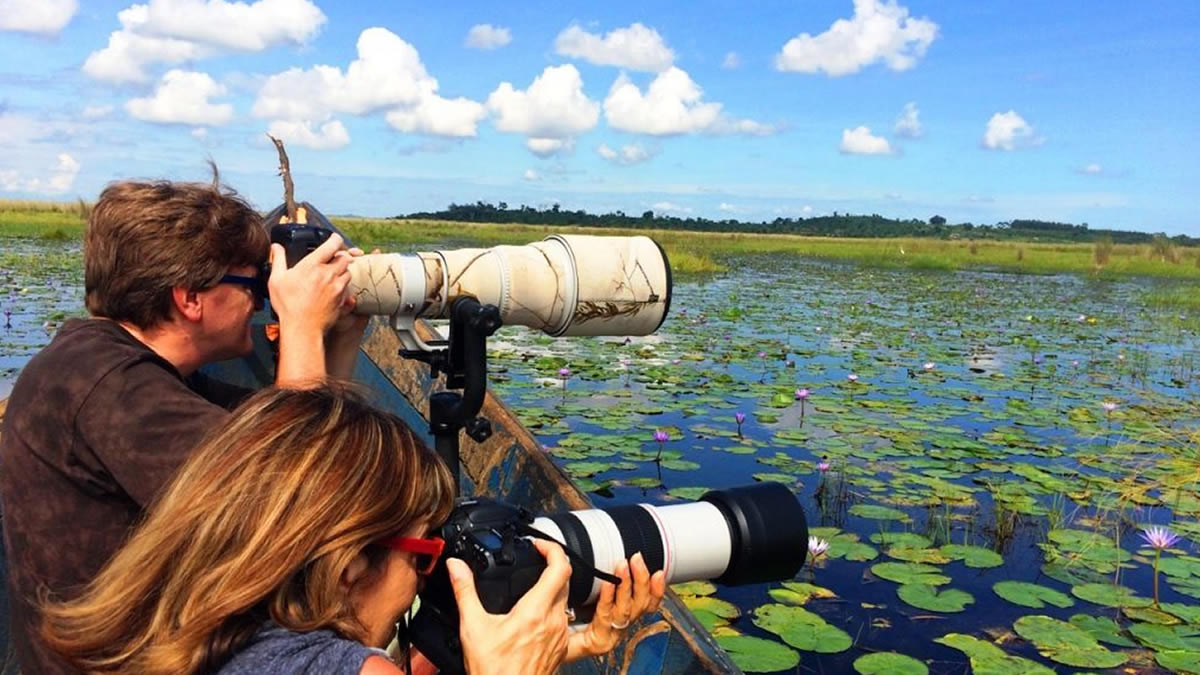
Uganda photography safari is a journey into the heart of Africa’s most diverse landscapes, from the misty primate-filled rainforests of Bwindi to the expansive, sun-drenched savannas of Queen Elizabeth National Park. To capture the "Pearl of Africa" in all its glory, your packing strategy must balance high-performance technical gear with rugged, lightweight essentials that can withstand tropical humidity, sudden downpours, and dusty game drives. Whether you are framing a silverback gorilla through a dense canopy or tracking tree-climbing lions at dawn, having the right equipment—and the protection to keep it safe—is the difference between a missed moment and a masterpiece. This guide outlines the critical camera bodies, versatile lenses, and specialized trekking gear needed to ensure your Uganda photography safari is both comfortable and professional, allowing you to focus entirely on the breathtaking wildlife encounters that await.
38-days-unmatched-uganda-primate-safari-tour-and-uganda-wildlife-safari-with-culture
30-days-best-uganda-birding-safari-extravaganza-and-wildlife-safari
10-days-best-photography-uganda-wildlife-safari-holiday-and-gorilla-trekking
14-days-uganda-and-rwanda-safari-tour-itinerary
Telephoto Zoom Lens
A telephoto zoom lens, such as a 100–400mm or 200–600mm, is an essential piece of equipment for capturing wildlife in its natural habitat without disturbing it. These focal lengths allow photographers to shoot from a safe distance, preserving the animals' natural behaviors and preventing them from feeling threatened. This is particularly critical in a setting like Zambia, where wildlife is abundant but often easily startled.
The versatility of a zoom lens cannot be overstated. The ability to adjust the focal length allows photographers to frame shots from different angles and distances without the need to physically move closer to the subject. This is vital when trying to capture animals that may be skittish or in motion. For instance, when photographing a lioness stalking her prey, having the ability to quickly zoom in or out can capture both the nuanced expressions on the lion's face as well as the broader landscape.
In addition to wildlife photography, telephoto lenses are also valuable for landscape photography within wildlife settings. They can compress distances and create stunning compositions by isolating elements like acacia trees against dramatic skies.
Quality telephoto lenses often come with image stabilization features, which can be beneficial when shooting handheld at longer focal lengths. This can significantly reduce the risk of blur due to camera shake. Investing in a high-quality telephoto zoom lens is critical for anyone serious about wildlife photography on a Zambia photography safari; it expands your creative possibilities and enhances the chances of capturing that perfect moment.
Fast Mid-Range Lens
A fast mid-range lens, such as a 24–70mm f/2.8 or a 70–200mm f/2.8, is an indispensable part of any photographer's gear, especially when venturing into low-light environments like the dense forests of Bwindi for gorilla trekking. The wide aperture of f/2.8 allows for better performance in dim lighting and is crucial when you need to capture quick moments without introducing motion blur.
In dense jungles, light can be limited, even during the day, due to thick foliage. A fast mid-range lens enables you to shoot at faster shutter speeds, which is vital for capturing the unpredictable movements of the gorillas. Additionally, the shallow depth of field created by the wide aperture helps isolate the subject from the background, producing beautiful bokeh that makes wildlife stand out against the lush backdrop of the forest.
This type of lens is also incredibly versatile, making it suitable for a range of scenarios beyond wildlife photography. Use it for portraits, landscapes, or even environmental shots that depict the intricate details of the ecosystem surrounding the wildlife.
Moreover, the 24–70mm and 70–200mm focal ranges cover a wide variety of compositions, from wide shots of expansive landscapes to more intimate portraits of the animals. The flexibility and low-light capability of these lenses make them essential for photographers aiming to capture the essence of their subjects in challenging environments.
Camera Support (Stand/Tripod)
Camera support is a crucial consideration for photographers embarking on a Zambia photography safari. A lightweight carbon fiber tripod can be exceptionally useful for landscape photography and astrophotography, allowing you to stabilize your camera for long exposures and sharp images. However, due to the limited space often found in safari vehicles, a monopod may be more practical for wildlife photography.
Tripods are an excellent tool for landscape photography, enabling you to set up long exposure shots during golden hour or twilight. They are also beneficial for capturing clear, stable images of wildlife, particularly in low-light conditions when a steady hand is crucial. High-quality carbon fiber tripods are lightweight yet sturdy, making them ideal for carrying on long hikes and treks through rugged terrain.
On the other hand, a monopod can provide a good balance between stability and mobility. It allows for a quick setup and takedown while still offering some degree of support for longer lenses. This is particularly advantageous in a safari setting where wildlife can appear suddenly, and being able to react quickly is essential.
Regardless of your choice between a tripod or monopod, having some form of camera support enhances your ability to achieve sharp images and experiment with various compositions. It’s an investment that pays off in improved image quality, making it easier to capture the breathtaking wildlife and landscapes that Zambia has to offer.
Photography Bean Bag
A photography bean bag is a highly recommended accessory for any photographer embarking on a Zambia photography safari. Its primary purpose is to provide stability for long lenses when shooting from a vehicle’s window ledge or roof hatch. Unlike tripods, which can be cumbersome to use in tight spaces, a bean bag is flexible and easy to maneuver, allowing you to adapt quickly to unexpected wildlife encounters.
One of the significant advantages of using a bean bag is its ability to conform to various surfaces, ensuring that your camera remains stable even when the vehicle is moving. This stability is essential when trying to capture sharp images of wildlife, especially since every moment counts in unpredictable scenarios. Moreover, bean bags can be filled with local materials such as beans or rice, making them both lightweight and easily portable.
Another benefit of using a bean bag is that it allows you to achieve low-angle shots that might be difficult with a standard tripod setup. This is particularly useful when photographing subjects like small animals or scenes where you want to highlight the foreground.
Many safari operators provide bean bags, but bringing your own bag can ensure a better fit for your equipment. By leveraging a bean bag during your Zambia photography safari, you enhance the quality of your images while enjoying the flexibility of shooting from various viewpoints and angles. This small accessory can significantly improve your overall shooting experience.
Extra Batteries & Chargers
When embarking on a Zambia photography safari, bringing extra batteries and chargers is a critical part of your preparation. Mirrorless cameras, in particular, tend to consume power quickly, especially when using features such as continuous autofocus and continuous shooting modes, which are invaluable for capturing fast-moving wildlife. Having at least 3–4 spare batteries is advisable to ensure you don’t miss out on crucial photographic opportunities due to a dead battery.
Charging options can be limited while on safari. Many lodges might have charging stations, but the schedule of game drives and other activities may not always align with available charging time. Therefore, having additional batteries enables you to shoot freely throughout the day without the constant worry of running out of power.
Moreover, consider investing in high-capacity batteries that offer longer life. This extra endurance can be particularly beneficial for long days in the field, where you may engage in both wildlife photography and landscape shooting.
Additionally, it’s wise to carry a dual charger that allows you to charge multiple batteries simultaneously, maximizing efficiency. Prepare to keep track of your battery levels regularly to ensure they are fully charged before each outing. By prioritizing battery management and maintenance, you can focus on capturing the stunning wildlife and landscapes that Zambia has to offer, enhancing your photographic experience overall.
High-Speed Memory Cards
High-speed memory cards are an essential part of any photographer's gear, especially when embarking on a Zambia photography safari. Shooting wildlife typically involves using burst modes to capture fast action, making it crucial to have high-capacity, high-speed cards that can handle the increased data transfer rates. Look for cards with a capacity of 128GB or more, as this will help ensure you have ample storage space for thousands of images without the need for frequent changes in the field.
High-speed memory cards not only allow you to shoot rapidly but also improve your camera's performance when recording high-resolution images or videos. Cards with UHS-II ratings are especially recommended for their superior write speeds, which can significantly minimize lag time and ensure that no fleeting wildlife moments are missed.
Moreover, carrying multiple high-capacity cards enables you to divide your photos by day or location, which aids in organizing and backing up your images promptly. This is crucial, as wildlife photography often involves capturing brief windows of action, and being able to shoot continuously without interruption enhances your chances of getting that perfect shot.
Since data loss can occur due to card corruption, regularly backing up your images is also vital. The combination of having ample high-speed memory cards and creating a diligent backup routine ensures that your valuable photographs remain secure and accessible, allowing you to focus on enjoying your Zambia photography safari.
Portable SSD & Laptop
A portable SSD and laptop are invaluable assets for photographers on a Zambia photography safari, providing essential tools for data storage and backup. The fast read and write speeds of SSDs make them ideal for transferring high-resolution images quickly, ensuring that you can back up your files daily to avoid any risk of data loss from corrupted memory cards.
During a safari, it’s common to capture thousands of images, and having a portable SSD allows you to organize and store your photos efficiently. This not only protects your assets but makes it easy to clear your memory cards for further shooting when necessary. Some SSDs are designed to be rugged and shock-resistant, adding an extra layer of protection against the elements while you’re out in the field.
Moreover, having a laptop on hand allows you to review and edit your photographs on the go, which can provide immediate satisfaction and enable you to identify areas for improvement in future shots. Many modern laptops are powerful enough to handle editing software, enabling you to conduct quick post-processing work to showcase your experiences.
In addition to being a backup solution, a laptop serves as a platform for organizing your photos by categories or themes, helping you to curate a cohesive portfolio. Whether you’re preparing for a presentation upon returning home or simply want to share your adventures with friends and family, a portable SSD and laptop are integral pieces of equipment to facilitate a seamless photographic journey on your Zambia safari.
Camera Cleaning Kit
A camera cleaning kit is an essential part of your gear when embarking on a Zambia photography safari, as the environments encountered—such as dust, moisture, and debris—can take a toll on your equipment. Safeguarding your gear ensures that you can capture stunning images without the distraction of dirt or smudges on your lenses or sensors.
A typical camera cleaning kit should include several key items: a rocket blower for removing loose dust, microfiber cloths for gently wiping lenses and screens, and lens wipes specifically formulated for optics. These tools allow you to maintain the clarity and cleanliness of your lenses, which is crucial for capturing sharp, high-quality images.
Additionally, it’s wise to consider using a sensor cleaning tool periodically, as dust can accumulate inside the camera body during an extended trip. Traveling in rugged conditions increases the likelihood of dirt or moisture entering your camera, particularly during game drives.
Cleaning your gear before and after outings can prevent issues from arising. Incorporating a quick cleaning routine allows photographers to enjoy a more seamless experience in the wild, ensuring that every moment is captured at its best. By prioritizing camera maintenance, you can focus fully on the breathtaking landscapes and wildlife that Zambia has to offer, confident that your gear is in peak condition and ready for every photographic opportunity.
Rain & Dust Covers
Rain and dust covers are indispensable accessories for photographers on a Zambia photography safari, where unpredictable weather and rugged environments can pose challenges to your gear. A sudden tropical downpour can ruin an unprotected camera, while dust storms can cloud your shot and even infiltrate your equipment.
Investing in waterproof covers ensures that your camera and lenses remain protected from the elements. These covers are designed to shield your gear from moisture while still allowing for ease of access to your camera controls. Opt for covers that allow for full functionality, enabling you to shoot without needing to remove the cover entirely.
In addition to rain covers, dust covers are equally important in Zambia's often dry and dusty environments. These can maintain your gear’s cleanliness and prevent fine particles from entering sensitive components, such as your camera’s sensor. Regularly cleaning your equipment is essential, but preventing dust accumulation makes the process much easier.
Both types of covers are typically lightweight and compact, easily fitting into your camera bag. They offer peace of mind, allowing you to focus on capturing wildlife and scenery without worrying about the condition of your gear. By preparing for both rain and dust, you enhance your photographic experience on safari and ensure that your equipment remains safe and functional throughout your adventure.
Binoculars
Binoculars are an essential companion for any photographer venturing on a Zambia photography safari. They provide the critical ability to spot and identify wildlife from a distance before setting up for your shot. This preemptive scanning allows you to plan your approach, ensuring that you capture compelling images while minimizing disturbance to the animals.
Having a good pair of binoculars enhances your overall safari experience. They allow for the observation of animal behavior and interactions from a safe distance, providing context that can inform your photographic choices. Understanding where an animal is heading or how it’s behaving can dramatically improve your chances of capturing the perfect shot.
Consider lightweight, compact binoculars that offer adequate magnification, ideally around 8x to 10x, which strikes a balance between power and field of view. Features like a waterproof or fog-proof design can be advantageous in varied weather conditions, making them durable for the rigors of safari life.
Using binoculars also helps you engage actively with your surroundings, fostering a deeper connection to the environment. This level of engagement not only enriches your experience but can enhance your photography by inspiring you to seek new perspectives and compositions
Neutral-Colored Clothing
Wearing neutral-colored clothing like khaki, olive, and beige is essential for blending into the natural surroundings during a safari in Murchison Falls National Park. This choice of attire not only enhances the wildlife viewing experience but also minimizes disturbance to the animals. Many animals are less likely to notice humans dressed in earthy tones, allowing for closer encounters and more authentic wildlife photography.
Additionally, bright colors—especially blue and black—can attract undesirable insects such as tsetse flies. These flies are known to be drawn to darker colors, which can lead to uncomfortable bites and distractions during your safari. Sticking to muted tones helps avoid these annoyances and keeps your focus on the experience.
The fabric choice is also important; breathable materials that wick away moisture are ideal for the warm and often humid climate. This ensures comfort throughout long days of exploring the park. Furthermore, long-sleeved shirts and pants are advisable not only for sun protection but also for safeguarding against insect bites and thorny vegetation you may encounter while trekking through the diverse landscapes of the park.
Ultimately, choosing neutral-colored clothing is a practical decision that promotes a more immersive and enjoyable safari experience. It allows you to engage with the wildlife in a non-intrusive manner while ensuring your comfort and safety during outdoor adventures.
Long-Sleeved Shirts & Trousers
When preparing for a safari in Murchison Falls National Park, wearing long-sleeved shirts and trousers is highly recommended for several reasons. Firstly, this type of clothing offers protection against the intense equatorial sun, which can lead to sunburn and overheating during the warmer parts of the day. The sun can be particularly harsh in open areas, and long sleeves and pants act as a barrier to harmful UV rays.
In addition to sun protection, longer clothing serves as a defense against insect bites, particularly from mosquitoes and tsetse flies, which can be prevalent in the region. By covering your skin, you significantly reduce the risk of bites while also minimizing exposure to thorny vegetation that may scratch or irritate your skin during walks through the bush.
When selecting long-sleeved shirts and trousers, opt for lightweight, breathable fabrics that wick away moisture. This is crucial for maintaining comfort, especially during hikes or treks when temperatures can fluctuate. Choose materials that dry quickly, as sudden rain showers can occur even in the dry season.
Furthermore, the versatility of long-sleeved shirts can offer additional benefits; many styles come with roll-up sleeves and ventilation features that enhance airflow. This flexibility allows you to adapt to changing conditions throughout the day. Overall, long-sleeved shirts and trousers are essential clothing items to ensure comfort, protection, and enjoyment during your stay in Murchison Falls National Park.
Sturdy Hiking Boots
Having sturdy hiking boots is a non-negotiable aspect of preparing for a safari in Murchison Falls National Park. The terrain can be rugged and unpredictable, featuring rocky paths, muddy trails, and sometimes steep inclines. Proper footwear provides the necessary support and stability to navigate these variances safely, reducing the risk of slips and falls while walking through the park.
Opt for waterproof hiking boots that offer good ankle support. This is particularly important for treks through wet or muddy areas where moisture can seep in, potentially ruining your day. Dry feet contribute significantly to overall comfort, helping youstay focused on enjoying the experience rather than worrying about discomfort.
Additionally, a well-constructed sole with good grip will provide traction on a variety of surfaces, from slippery mud to loose gravel. This can help prevent accidents, especially on nature trails or during guided walking safaris when you might encounter wildlife in their natural habitats.
When choosing hiking boots, prioritize fit. Ensure that they are well-fitted to your feet, offering comfort without pinching or excessive movement. Consider breaking them in before your trip to avoid blisters and discomfort during your adventures in the park. Investing in quality sturdy hiking boots will enhance your overall safari experience, enabling you to fully engage with the stunning landscapes and wildlife of Murchison Falls National Park.
Lightweight Rain Jacket/Poncho
A lightweight rain jacket or poncho is an essential item for any photographer or traveler planning to visit Murchison Falls National Park. Sudden showers are not uncommon, even during the typically dry season. Having a rain jacket or poncho on hand ensures that you're prepared for unexpected weather changes, allowing you to continue enjoying your safari experience without interruption.
Opt for a jacket or poncho that is not only waterproof but also breathable. Insulated jackets may be impractical in warmer climates where sweat can accumulate. Lightweight options made from waterproof materials that allow for air circulation will keep you comfortable and dry, preventing overheating during hikes or game drives.
A good rain jacket should be packable, meaning it can easily fit into your daypack or travel bag without taking up too much space. Look for those with adjustable hoods and cuffs to ensure a snug fit. Features like ventilation zippers can also be beneficial, allowing you to regulate temperature during unexpected downpours.
Moreover, a poncho can provide extensive coverage for both the upper body and your backpack, safeguarding your gear from rain and moisture. This is especially important if you’re carrying camera equipment, as water damage can be costly and detrimental to your photography. Ultimately, a lightweight rain jacket or poncho is a versatile piece of gear that enhances your comfort and preparedness during your safari in Murchison Falls National Park.
Wide-Brimmed Hat & Sunglasses
A wide-brimmed hat and sunglasses are critical accessories for anyone visiting Murchison Falls National Park, particularly given the park's location near the equator, where the sun can be particularly intense. These items provide essential protection against UV rays, helping to prevent sunburn and overheating during long days spent outdoors.
A wide-brimmed hat shields both your face and neck from direct sunlight, making it easier to stay comfortable while exploring the park. Look for hats made from lightweight, breathable materials that can keep you cool while offering ample shade. Some hats come with additional features, such as moisture-wicking sweatbands, which can add to your comfort level.
Sunglasses are essential for protecting your eyes from UV damage. Choose sunglasses with polarized lenses, as they reduce glare from reflective surfaces like water, making it easier to spot wildlife during game drives or while on a boat tour along the Nile. An appropriate pair of sunglasses will enhance your visibility and comfort, leading to better photographic opportunities.
Combining both a wide-brimmed hat and sunglasses creates a reliable shield against the harsh sun. This combination is not merely about style; it’s about ensuring you stay safe and comfortable during your adventures. By prioritizing sun protection through these accessories, you enhance your overall safari experience in Murchison Falls National Park, allowing you to focus on the breathtaking landscapes and diverse wildlife without the distraction of discomfort or sun-related issues.
Garden Gloves
Garden gloves may not be the first item you think of when packing for a safari in Murchison Falls National Park, but they can be surprisingly useful during activities like steep forest treks or nature walks. When navigating through dense vegetation, especially in areas with thorny plants, having a sturdy pair of gloves can protect your hands from scratches and irritations.
Comfort and grip are essential when it comes to garden gloves intended for travel. Look for gloves made from durable yet breathable materials that offer a good grip, allowing you to securely grasp vegetation or maintain balance on rugged terrains. This will enhance your safety as you hike, navigate rocky areas, or stabilize yourself on uneven surfaces.
Beyond protection, gloves can also be beneficial during tasks that require handling equipment or gear, keeping your hands clean and free from dirt, moisture, or potential irritants that might be encountered during your adventures.
Lightweight and easy to pack, garden gloves can fit into your daypack without taking up much space. They can also provide an extra layer of warmth during cooler mornings or evenings in the park, enhancing comfort during early game drives or when sitting around a campfire.
In summary, garden gloves serve as a practical addition to your safari packing list, ensuring you have the protection and grip needed to explore the incredible flora and fauna of Murchison Falls National Park safely and comfortably.
Gaiters or Long Socks
When exploring Murchison Falls National Park, gaiters or long socks can serve as valuable additions to your outdoor gear, particularly when trekking through dense vegetation or navigating potentially hazardous environments. These accessories play an essential role in protecting your legs from insects, thorny branches, and other natural elements.
Gaiters are designed to fit around the top of your boots and extend up your calves, providing a barrier against dirt, mud, and moisture. They also prevent ants, insects, or other critters from crawling up your trousers. This is particularly important in regions where tsetse flies and other biting insects are prevalent, as they can easily make their way into clothing without additional protection.
Long socks, preferably made from moisture-wicking materials, provide an extra layer of defense, and they can ensure that your legs remain free from scratches or insect bites. They should be snug enough to stay up without slipping but comfortable to wear all day.
In addition to protection, gaiters and long socks are particularly useful in keeping your legs and feet clean during wet conditions. This is especially important during the rainy season or when hiking through muddy areas, ensuring you can enjoy your trek without worrying about getting your trousers soiled.
By incorporating gaiters or long socks into your safari wardrobe, you can enhance your level of comfort and safety, allowing you to focus on the beauty of Murchison Falls National Park without distraction from discomfort or potential hazards.
Warm Layer (Fleece/Jacket)
A warm layer, such as a fleece jacket or lightweight down jacket, is an essential item to pack for a safari in Murchison Falls National Park. While the days can be hot, early mornings and evenings—especially in higher altitudes—can be surprisingly chilly. Having an additional layer of warmth at your disposal ensures comfort and allows you to fully enjoy your safari experience.
Fleece jackets are particularly versatile because they provide insulation without adding much bulk, making them easy to pack in your daypack. They are also breathable, which is beneficial when you're active, enabling you to manage body heat effectively. Additionally, fleece material dries quickly, making it suitable for sudden rain showers that can occur even during the dry season.
If you prefer something more lightweight, a packable down jacket is another great option. These jackets are easy to carry and can be stuffed into a small space, while also providing excellent warmth for their weight. Many modern down jackets are also water-resistant, offering added protection against moisture.
A warm layer becomes indispensable during early game drives, especially before the sun rises. The chill in the air can be quite sharp, and having a fleece or jacket ensures that you remain comfortable, allowing you to focus on spotting wildlife rather than shivering in the cool air.
Overall, including a warm layer in your packing list enhances your comfort and readiness for the varying temperatures you might encounter during your adventures in Murchison Falls National Park, enabling you to make the most out of your safari experience.
Insect Repellent
Insect repellent is a critical item for anyone traveling to Murchison Falls National Park, as the area is home to various biting insects, including mosquitoes and tsetse flies. These insects can pose annoyance and health risks, making it essential to prepare adequately before embarking on your safari.
Opt for an insect repellent that contains DEET, as this active ingredient is proven effective against a wide range of insects. Products with concentrations of 20%-30% DEET are generally sufficient for most outdoor activities, providing long-lasting protection without overwhelming side effects. Apply repellent to exposed skin and clothing to create a barrier against bites.
In addition to DEET-based repellents, consider using natural alternatives, such as lemon eucalyptus oil, which are often effective yet provide a more eco-friendly option. However, ensure they’re suitable for the specific insects present in the region.
Applying insect repellent should become a part of your daily routine while in the park. Start in the morning before heading out for game drives or nature walks, and reapply as necessary throughout the day, particularly if you sweat or spend time in dense vegetation.
Wearing appropriate clothing, such as long-sleeved shirts and trousers, in conjunction with insect repellent will significantly reduce the risk of bites and enhance your comfort level during your safari. Staying proactive about insect protection helps ensure that your focus remains on the stunning wildlife and breathtaking landscapes that Murchison Falls National Park has to offer.
Sunscreen & Lip Balm (SPF 30+)
When visiting Murchison Falls National Park, applying sunscreen and lip balm with a high SPF is essential for protecting your skin from the harsh rays of the sun. Given the park’s equatorial location, the intensity of UV radiation is amplified, making it vital to safeguard your skin throughout the day.
Choose a broad-spectrum sunscreen with at least SPF 30, which blocks approximately 97% of UV rays. Apply it generously to all exposed skin, including areas often neglected such as the ears, neck, and tops of your feet. Reapply every two hours, or more frequently if you are sweating or participating in activities like swimming on a Nile cruise.
In addition to sunscreen, a high-SPF lip balm is essential for safeguarding your lips from sunburn and chapping. The delicate skin on your lips is particularly vulnerable, so using a specialized lip balm that provides at least SPF 30 will help keep them moisturized and protected.
Incorporating these sun protection measures into your daily routine while at Murchison Falls will not only prevent sunburn but also lower the risk of long-term skin damage. This is particularly important for outdoor activities, whether you’re embarking on game drives, hiking in the forest, or simply relaxing during a picnic.
Overall, using sunscreen and lip balm means you can fully enjoy all the wonders of Murchison Falls National Park, from its stunning wildlife to its breathtaking landscapes, without the distraction of sunburn or discomfort. Investing in good sun protection is not only beneficial for your immediate comfort but also crucial for maintaining your health during your travels.
Malaria Prophylaxis
When planning a trip to Murchison Falls National Park, consulting your doctor about malaria prophylaxis is a vital step in safeguarding your health. Uganda is classified as a malarial zone, and Murchison Falls is no exception. Taking preventative measures before and during your travel is essential to minimize the risk of contracting malaria.
Malaria prophylaxis typically involves taking prescription medication prior to, during, and after your trip. The recommended options vary depending on factors like your medical history, travel plans, and potential drug sensitivities. Common choices include medications such as atovaquone-proguanil (Malarone), doxycycline, or mefloquine. Your healthcare provider can guide you on the best option suited to your needs.
In addition to taking medication, it's essential to adhere to preventive practices while in the park. These include wearing insect repellent that contains DEET, using bed nets, and dressing in long sleeves and trousers during dusk and dawn when mosquitoes are most active.
By being proactive about malaria prevention, you not only protect your health but also enhance your overall safari experience. Feeling assured about your medical precautions allows you to immerse yourself in the breathtaking landscapes, diverse wildlife, and rich culture of Murchison Falls National Park without fear of illness.
Personal Medical Kit
A personal medical kit is an indispensable item to pack when visiting Murchison Falls National Park. The remote nature of some areas, combined with the potential for unexpected minor injuries or ailments, makes having a well-stocked medical kit essential for ensuring your comfort and safety during your safari.
Your personal medical kit should include essentials such as rehydration salts, which are useful for preventing dehydration from heat, humidity, or gastrointestinal issues. Having anti-diarrheal medications can come in handy for stomach discomfort caused by changes in diet or water intake, while painkillers like ibuprofen or acetaminophen can relieve headaches or aches experienced during hiking.
Other important items to include are any necessary prescription medications, sunscreen, lip balm, and insect repellent. Additionally, packing a basic first aid kit with adhesive bandages, gauze, antiseptic wipes, and tweezers can help you manage minor injuries or scratches from hiking.
Personal hygiene items, such as hand sanitizer and wet wipes, are also useful for maintaining cleanliness, especially when you may not have access to running water during treks. They provide quick sanitation options for eating or after animal encounters.
By preparing a comprehensive personal medical kit, you can travel with peace of mind, knowing you’re ready to tackle any minor health issues that arise during your adventure in Murchison Falls National Park. This preparation allows you to focus on enjoying the stunning landscapes and incredible wildlife rather than worrying about potential discomfort or injuries.
Hand Sanitizer & Wet Wipes
Hand sanitizer and wet wipes are essential travel companions when visiting Murchison Falls National Park, especially considering the remote nature of many safari activities and the limited access to facilities. These items make it easy to maintain hygiene on the go, ensuring you can focus on enjoying your safari without concerns over cleanliness.
Hand sanitizer with at least 60% alcohol content effectively kills germs and bacteria, making it an excellent option for quick hand cleaning before meals or after handling equipment. During wildlife encounters or while exploring local communities, hand sanitizer can provide a convenient means of maintaining hygiene when soap and water aren’t readily available.
Wet wipes complement hand sanitizer well, offering a versatile tool for cleaning hands, face, and even camera gear. They can be particularly useful during picnics, after interacting with animals, or when on long drives. Opt for biodegradable wipes whenever possible, which reduce your environmental footprint while providing necessary convenience.
Having these hygiene supplies allows you to navigate the park comfortably, especially after participating in outdoor activities such as hiking, birdwatching, or cultural tours. Cleanliness is crucial for overall well-being and enjoyment of your experience, allowing you to fully immerse yourself in the breathtaking scenery and rich wildlife of Murchison Falls National Park.
Equipping yourself with hand sanitizer and wet wipes ensures that you can maintain a fundamental level of hygiene while enjoying your adventure, thus elevating your safari experience.
Universal Travel Adapter
When traveling to Murchison Falls National Park, a universal travel adapter is a small yet significant investment that can make a world of difference. Uganda uses the UK-style 3-pin plug (Type G), which might differ from the plug types used in your home country. Having the right adapter ensures that you can charge your devices without issues, letting you stay connected and capture all your extraordinary experiences.
A universal travel adapter can accommodate multiple types of plugs, making it versatile for use not just in Uganda but also in other countries you may visit. This is especially helpful for international travelers who might find themselves in different regions with varying plug types. Look for an adapter that is compact and lightweight, making it easy to carry in your travel pack.
In addition to the adapter, consider bringing a power strip if you have multiple devices to charge, such as a camera, phone, and laptop. This can be highly useful in locations where only limited outlets are available, allowing you to charge more than one device simultaneously.
Having a reliable travel adapter keeps your devices powered, ensuring that you can navigate the park with the ability to document the incredible wildlife and landscapes. It also allows you to stay organized, connected, and prepared for any emergencies or important communications during your safari adventure in Murchison Falls National Park.
Power Bank
A power bank is a crucial accessory for anyone embarking on a safari to Murchison Falls National Park. Photography enthusiasts, in particular, rely on their devices to capture the stunning wildlife and breathtaking landscapes the park has to offer. Given the extended time spent outdoors, having a high-capacity power bank ensures that your camera and mobile devices remain charged throughout your trip.
Booking Uganda photography safari with us Roads of Adventure safaris
Book your Uganda photography safari with Roads of Adventure Safaris to capture the "Pearl of Africa's" breathtaking landscapes and wildlife. We specialize in custom itineraries covering Bwindi's gorillas, Queen Elizabeth's tree-climbing lions, and Murchison Falls, ensuring expert-led, intimate shooting opportunities for enthusiasts. Our packages include private vehicles, knowledgeable photo guides, and accommodation, delivering seamless logistics from start to finish. Contact us to secure your spot for a truly memorable, high-impact photography adventure
