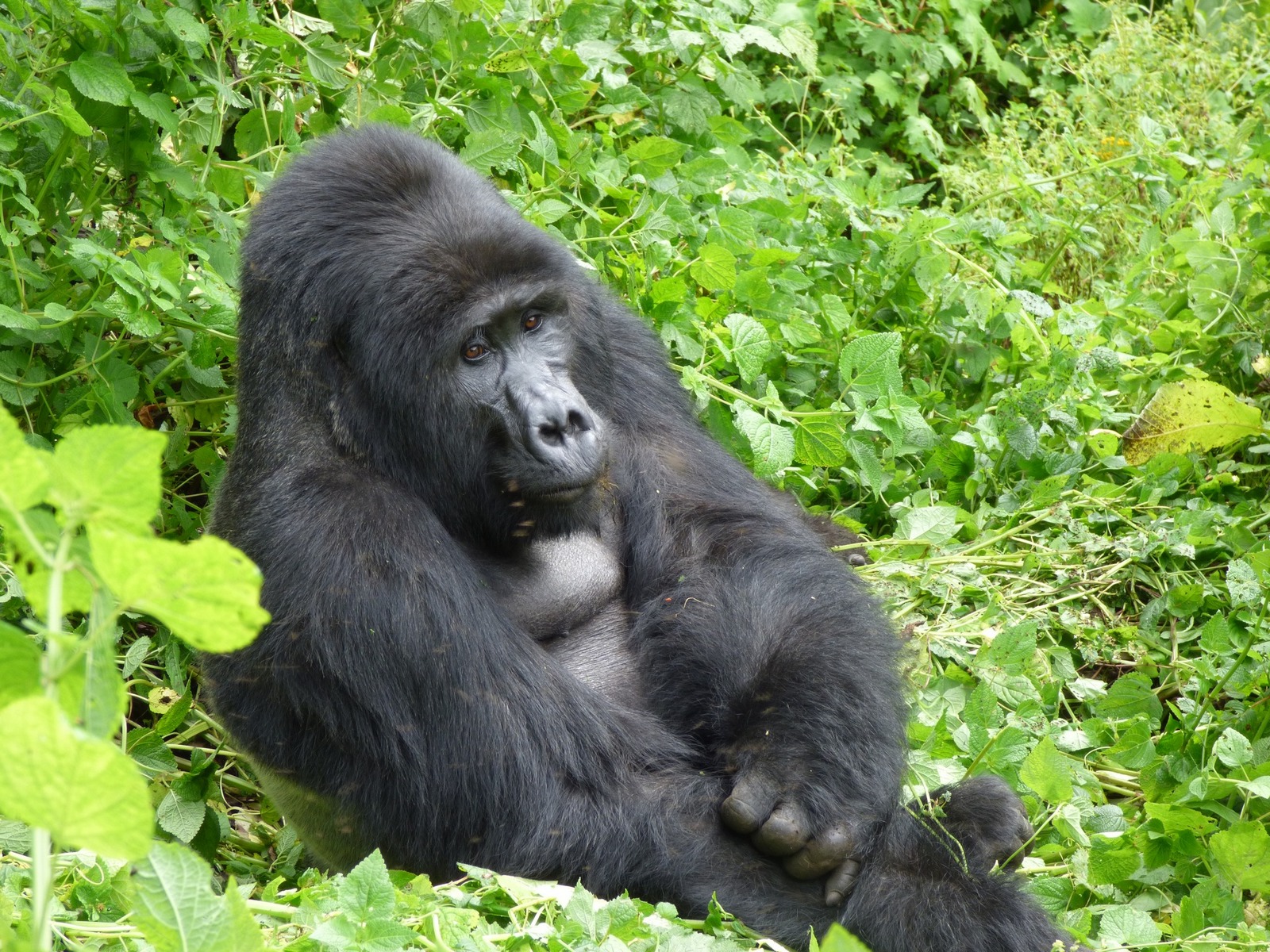
A 6-day Rwanda safari typically offers an immersive, high-end primate and wildlife experience, centered on gorilla trekking in Volcanoes National Park, chimpanzee tracking in Nyungwe Forest, and cultural tours in Kigali. You can expect to encounter endangered mountain gorillas, golden monkeys, and the "Big Five" (via Akagera National Park), often combined with a canopy walk or relaxing by Lake Kivu.
6-days-5-nights-rwanda-midrange-itinerary-nyungwe-volcanoes
6-days-rwanda-gorilla-trekking-chimpanzee-tracking-and-birdwatching
6-days-rwanda-safari-to-akagera-and-nyungwe-chimpanzee-tracking
6-days-gorillas-trekking-chimpanzee-tracking-and-golden-monkeys-safari-in-rwanda
6-days-unmatched-rwanda-honeymoon-safari-holiday
6-days-budget-gorilla-trekking-and-safari-in-rwanda
6-days-akagera-safari-and-volcanoes-gorilla-trekking-and-ibi-wacu-cultural-village
6-days-classic-uganda-rwanda-safari-tour-package-holiday
6-days-best-gorilla-and-rwanda-safari-tour-package
6-days-luxury-rwanda-gorilla-trekking-safari-tour-vacation
6 Days Rwanda safari holiday
This 6-day Rwandan safari holiday offers an unforgettable journey through the "Land of a Thousand Hills," perfectly blending thrilling primate encounters with diverse savannah wildlife. Starting in the vibrant capital of Kigali, travelers are introduced to Rwanda's history and modern resilience before embarking on a journey to its premier national parks. The itinerary features the ultimate highlight: trekking to meet the rare mountain gorillas in their natural habitat within the mist-covered Virunga Mountains at Volcanoes National Park. Additionally, the safari explores Akagera National Park, a scenic savannah landscape offering excellent opportunities for game drives to spot the Big Five, including lions, elephants, and rhinoceros, alongside boat cruises on Lake Ihema to witness hippos and crocodiles. Designed for adventure seekers and nature lovers, this compact 6-day tour provides a profound, intimate experience with Africa’s most endangered primates and diverse ecological treasures, ensuring a rewarding and comfortable African holiday in 2026.
Day 1: Arrival in Kigali and Cultural Exploration
Upon arrival at Kigali International Airport, your guide will pick you up and transfer you to a local hotel to refresh. Depending on your arrival time, you will engage in a city tour of Kigali, a clean and welcoming city. Highlights include visiting the Kigali Genocide Memorial Centre to learn about Rwanda's difficult history and its remarkable journey toward reconciliation. You may also visit the Kimironko market to explore local crafts and culture. After the tour, you will enjoy dinner in the city and prepare for the adventures ahead. The guide will provide a briefing for the upcoming, action-packed days. This city tour sets the context for your journey, allowing you to appreciate the culture and history of the Rwandan people before entering the wilderness. Overnight accommodation in Kigali.
Day 2: Transfer to Akagera National Park and Boat Trip
After breakfast, you will depart for Akagera National Park, located in eastern Rwanda, a drive of approximately 2 hours and 30 minutes. This scenic route offers a look into rural Rwanda. Arriving at the park, you will check into your lodge and have lunch. In the afternoon, you will embark on a boat safari on Lake Ihema, the second largest lake in Rwanda. This boat ride is excellent for spotting large pods of hippos and basking crocodiles. You will also view countless bird species, including the rare shoebill stork and fish eagles. The boat trip provides great photography opportunities of the water-dwelling wildlife and the park’s beautiful lush banks. Return to the lodge for dinner and a peaceful night’s rest, surrounded by the sounds of the savannah.
Day 3: Full-Day Game Drive in Akagera National Park
Arise early for a hearty breakfast and set out for a full-day game drive in the northern sector of Akagera National Park. This park is the only savannah area in Rwanda and hosts a variety of wildlife. You will search for the Big Five, including elephants, buffaloes, rhinoceros, leopards, and the reintroduced lions. Keep your eyes open for giraffes, zebras, and various antelope species like the impala, oribi, and the peculiar bushbuck. The diverse habitat of open plains, swamps, and woodlands makes for an exciting day of exploration. Pack a picnic lunch to enjoy in the bush, maximizing your time in the wild. As the sun sets, you will drive back to the lodge for dinner, reflecting on the day's wildlife encounters and the stunning scenery of eastern Rwanda.
Day 4: Transfer to Volcanoes National Park
Enjoy a relaxed breakfast and a final morning viewing in Akagera before departing for the northwestern part of Rwanda, the home of the mountain gorillas. The drive is approximately 5-6 hours but is remarkably scenic, taking you through the rolling hills and local villages of the "land of a thousand hills". You will stop in Kigali for lunch before proceeding to Kinigi, near the Volcanoes National Park. The journey showcases the lush, green landscapes of the country. Arrive in the evening at your lodge located at the foothills of the Virunga Volcanoes. Check into your accommodation, refresh, and prepare for the highlight of the trip, the gorilla trek. Dinner will be served, offering a chance to relax and enjoy the cool mountain air.
Day 5: Gorilla Trekking in Volcanoes National Park
Today is the most anticipated day of the safari. After an early breakfast, transfer to the park headquarters in Kinigi for a 7:00 AM briefing by the park rangers. You will be assigned to a specific gorilla family, then escorted by expert trackers into the dense bamboo forests of the Virunga Mountains. The hike can be challenging but is profoundly rewarding. Once you encounter the gorillas, you will spend one hour observing them in their natural habitat—watching them eat, play, and interact. After the trek, return to the lodge for a late lunch and relaxation. In the afternoon, you have the option to visit the Iby'iwacu Cultural Village to experience Rwandan traditions, including local dancing and a mock king's palace visit, before returning for dinner.
Day 6: Departure via Kigali City
After a leisurely breakfast at your lodge, you will drive back to Kigali. This final drive allows you to take in the remaining scenery of Rwanda’s northern region. Depending on your departure flight time, you can visit any missed spots in Kigali, such as souvenir shops to purchase local handicrafts to take home. Your guide will drive you to Kigali International Airport for your departure flight, bringing an end to this unforgettable 6-day Rwanda wildlife and primate safari. We hope you leave with lasting memories of the gentle mountain gorillas, the savannah wildlife, and the warmth of the Rwandan people. This concludes your 6-day adventure, designed to provide a comprehensive and memorable experience of Rwanda’s premier tourist attractions.
1. Main highlight of a 6-day Rwanda safari holiday
The main highlight of a 6-day Rwanda safari holiday is usually gorilla trekking in Volcanoes National Park, one of the world’s most extraordinary wildlife experiences. Rwanda’s gorillas are mountain gorillas, an endangered subspecies found in a small area of the Virunga Mountains. Trekking involves a guided hike through lush, hilly forest terrain to locate a gorilla group that has been recently sighted by park rangers.
Once you reach the gorillas, you’ll typically spend about one hour observing them in their natural habitat. This time is often the emotional centerpiece of the trip—watching families interact, feeding, grooming, and moving through the forest. The experience is also carefully regulated to protect the animals and ensure safety and respectful distance.
Beyond the gorillas themselves, this highlight also tends to include a strong conservation and education component. Your permits contribute directly to anti-poaching efforts, habitat protection, and community-supported conservation programs around the park. Many itineraries also pair trekking with additional primate encounters, scenic drives, or cultural activities, but gorilla trekking is what most travelers plan their Rwanda trip around.
Because gorillas are wild and sightings are never guaranteed, the trek is part adventure, part wildlife encounter, and part conservation journey—making it a unique highlight unlike typical safari activities focused on large cats or savanna herds.
2. What animals you can see on a 6-day Rwanda safari holiday
A 6-day Rwanda safari holiday usually blends exceptional primate experiences with savanna-style wildlife viewing, depending on how your itinerary is structured. The most famous—and often the most anticipated—animal is the mountain gorilla in Volcanoes National Park. Gorilla trekking can also lead to additional sightings of other primates in the same forest ecosystem, especially because the region supports diverse wildlife and birdlife.
Another primate highlight you may encounter is chimpanzees and golden monkeys, particularly around the same national park region. Chimpanzees are less frequently seen than gorillas in casual trekking contexts, but some tours include activities designed to increase your chances of observing them. Golden monkeys are also a major attraction; watching them move through the forest can be a memorable contrast to the heavier, more grounded gorilla presence.
In Akagera National Park (Rwanda’s savanna park), you can expect more classic safari animals such as lions, giraffes, elephants, zebras, and buffaloes. Akagera is also known for rich birdlife and opportunities for boat-based or game-drive sightings, depending on the schedule.
Importantly, animal sightings vary by season, weather, and where your guides take you. Still, Rwanda’s combination of forest primates and savanna wildlife makes a 6-day trip unusually diverse.
If you want maximum animal variety, choose an itinerary that includes both Volcanoes (primates) and Akagera (savanna), with enough time for game drives and at least one experience like a walk/boat segment where appropriate.
3. Is a 6-day Rwanda safari holiday physically demanding?
A 6-day Rwanda safari holiday can range from moderate to fairly active, depending mainly on whether you’re doing gorilla trekking and how your itinerary schedules hikes. The most physically demanding element for most travelers is the gorilla trek in Volcanoes National Park. Even though the trek is guided and your ranger team determines pacing based on gorilla movement, it typically involves walking on uneven volcanic terrain, sometimes with steep or slippery sections, and stretches that can require stamina.
That said, gorilla trekking is not necessarily “athletic sports-level” hard—it’s more about prepared endurance and comfort moving through forest paths. Some people find the experience intense mainly because of the altitude, vegetation, and the unpredictable length and route of the trek, which depends on where the gorillas are located.
For other activities on a typical 6-day itinerary—such as scenic drives, cultural village visits, museum or memorial stops, and easier forest walks—the physical demands are often lighter. Even in cases where you do nature walks or canopy-related experiences, the intensity is usually more manageable than gorilla trekking.
To make the trip easier, it helps to prepare with light cardio and walking before departure, pack appropriate footwear, and keep a steady pace during the trek. Many operators also brief guests on what to expect, which reduces stress and helps you plan your energy.
Overall: gorilla trekking requires a moderate fitness level, but the rest of the safari can be comfortably paced for many travelers—especially if you listen to your guides and take breaks when needed.
4. What accommodation is like on a 6-day Rwanda safari holiday?
Accommodation on a 6-day Rwanda safari holiday typically ranges from comfortable mid-range lodges to high-end luxury properties, and the biggest factor influencing the style is your budget and the lodge standards near each park. Since the trip commonly includes time near Volcanoes National Park and Akagera National Park, you’ll usually spend at least part of the journey in lodges that are strategically located for early starts and convenient transfers.
Near Volcanoes National Park, many accommodations are designed to blend with the environment while offering practical amenities like hot showers, charging facilities, and meals that accommodate safari schedules. Depending on the lodge category, you may see features such as viewing decks, themed rooms, or scenic outdoor areas where guests can relax after trekking. Some lodges also offer early-morning breakfast setups timed to trekking briefings.
In Akagera, lodging often leans toward safari-chic styles—think comfortable cottages or rooms with easy access to game-drive departure points, and sometimes areas to watch animals from a safe distance during late afternoon. Higher-end lodges may include more spacious rooms, upgraded dining experiences, and better service standards.
Budget varies significantly: some itineraries include luxury packages (often premium pricing), while others focus on excellent value without sacrificing comfort. Regardless of category, a key point is that Rwanda’s tourism standards are generally geared toward cleanliness and attentive service, even at mid-range levels.
When choosing accommodation, consider (1) proximity to the parks, (2) comfort and safety, (3) meal quality, and (4) whether you’ll have early access for morning treks or game drives.
5. How much does a 6-day Rwanda safari holiday cost?
The cost of a 6-day Rwanda safari holiday can vary widely depending on route, lodge level, guide services, vehicle type, and—most importantly—your gorilla trekking arrangements. The single biggest driver of price is usually the gorilla permit fee, which is often described as being around $1,500 per person (or equivalent pricing depending on the operator’s accounting and the current fee structure at booking time). Because this permit is required for gorilla trekking and limits participation for conservation management, it significantly increases the overall trip cost.
Beyond permits, you’ll also pay for park-related logistics: park fees, guiding, transport between regions, and the service of your safari driver/guide. Many packages bundle these into a fixed itinerary cost, while others price components separately.
Luxury itineraries typically cost more due to higher-end lodges, better room categories, more curated dining experiences, and increased service levels. Even so, costs are still influenced by the number of major “paid experiences” you include. For example, adding extra primate activities, boat cruising, or multiple park segments can increase the budget.
It’s also important to consider what’s included versus excluded. Some packages may include most meals, bottled water, and internal transfers; others may charge separately for items like travel insurance, visa support, drinks, or optional activities.
If you’re comparing quotes, ask for a clear breakdown: gorilla permits, lodging tier, transport type, park fees, and what meals/activities are included. That will help you find the best value for your travel style.
6. Do you need a visa for a 6-day Rwanda safari holiday?
In most cases, visitors do need a visa to enter Rwanda for a safari holiday, although the exact requirement depends on your nationality and current entry rules. Many travelers find it convenient that Rwanda supports online visa application processes for a range of nationalities, which can simplify planning before you depart.
Because visa policies and exemptions can change over time, the safest approach is to confirm the current entry requirements for your passport country when you’re booking. Your tour operator or travel agent may provide general guidance, but your passport holder status is what determines whether you’re visa-exempt or required to obtain a visa in advance.
When you do need a visa, planning ahead matters. You’ll typically be asked for standard information like personal details, travel dates, and passport information, and you may need supporting documents depending on your country of origin and visa type. Once approved, you’ll travel with documentation that meets border entry requirements.
If you’re not sure whether you qualify for an exemption, don’t assume based on general regional trends—always check your specific nationality’s rules.
For a safari holiday, delays at the border can disrupt the entire schedule, especially when you’re heading to national parks soon after arrival. That’s why confirming visa requirements early—ideally soon after you book and long before you fly—is one of the best ways to ensure a smooth trip.
In short: yes, most visitors need a visa, and many can apply online, but confirm the rules for your citizenship to avoid surprises.
7. Best time for a 6-day Rwanda safari holiday
The best time for a 6-day Rwanda safari holiday is usually determined by weather, trekking conditions, and wildlife viewing quality. Rwanda generally has two major rainy seasons and two drier periods, so travelers often aim for dry season months to reduce disruptions and improve comfort while hiking.
A common recommendation is that the dry seasons—typically June to September and December to February—offer better conditions for both gorilla trekking and game viewing. During these periods, trails are less muddy, skies are clearer more often, and roads can be easier for transfers between park regions. Dry weather also tends to make wildlife sightings more reliable because animals congregate around water sources and visibility improves during game drives.
That said, Rwanda’s national parks are open year-round, and many operators run trips in rainy seasons as well. The difference is that heavier rains can make trekking trails more challenging and may influence road travel times, but it doesn’t necessarily prevent you from seeing animals—it just affects the experience and comfort level.
If you want to prioritize gorilla trekking specifically, dry months are often preferred because trekking paths can be less slippery. If you want fewer crowds and potentially lower costs, some travelers choose shoulder seasons or slightly wetter months, accepting that conditions may be more variable.
For the most accurate planning, it helps to match travel dates with your personal tolerance for rain and humidity. Either way, Rwanda’s safari experiences are structured to remain feasible across seasons, with guides adapting routes and pacing to conditions.
8. What should you pack for a 6-day Rwanda safari holiday?
Packing smartly for a 6-day Rwanda safari holiday is mostly about preparing for forest trekking conditions, variable weather, and wildlife photography. Because gorilla trekking can involve hiking on uneven terrain and walking in dense vegetation, you’ll want footwear and clothing that can handle mud, damp paths, and movement through foliage.
Start with hiking boots that are broken in and offer good grip. Avoid brand-new shoes that can cause blisters. Bring long-sleeved shirts and long pants to help protect your skin from plants and insects. In many rainy or humid conditions, a rain jacket or lightweight waterproof outer layer is essential.
For gorilla trekking readiness, some travelers also pack gardening gloves (or durable lightweight gloves) to improve comfort when walking through brush and to protect hands during the trek.
For insects, use insect repellent, ideally one recommended for tropical conditions. If you’re prone to bites, consider bringing an extra small bottle so you can reapply easily.
For photography, pack your camera gear and ensure you have enough storage and battery capacity. Since trekking and early starts can use power quickly, a power bank can be useful. You may also want binoculars for safari game drives and birdwatching.
Practical items include a daypack for essentials, water bottles (some operators provide water, but carrying your own helps), and simple wet-weather protection for electronics.
Overall packing priorities: comfortable boots, protective clothing, rain protection, insect repellent, and camera-ready setup. That combination covers most scenarios you’ll encounter across Volcanoes and Akagera.
9. Is a 6-day Rwanda safari holiday safe?
Rwanda is widely regarded as a safe and stable destination for international travelers, particularly compared with regions that have recently experienced instability. Many visitors describe Rwanda as clean, well organized, and welcoming, and safari operations are generally designed with visitor safety in mind—especially since parks are managed with professional guides, regulated activities, and controlled trekking protocols.
That said, like any travel destination, safety still depends on common-sense precautions. You’ll be traveling via guided 4x4 transfers, and your itinerary typically includes planned stops rather than unsupervised travel. This structure reduces risk and helps ensure you’re in the right place at the right time.
Gorilla trekking also has strong safety management: rangers and guides enforce rules about distance, noise levels, and conduct. Those rules protect both visitors and the gorillas, and following them is essential. Your guide will provide a briefing on expectations before you begin.
As for general travel risks—such as theft or petty scams—these can exist anywhere. The best approach is to keep valuables secure, avoid displaying expensive items unnecessarily, and follow local guidance from your operator.
Road conditions and weather can affect travel comfort, especially in rainy periods, but professional drivers and safari vehicles help manage these issues. Bringing appropriate clothing and footwear also supports safety by reducing slips and falls during treks.
In summary: yes, Rwanda is considered exceptionally safe for tourists, and safari itineraries are typically well controlled and guided. Still, you should use the same basic awareness you would anywhere—secure belongings, follow guide instructions, and prepare for weather and terrain.
10. Cultural experiences included in a 6-day Rwanda safari holiday
Many 6-day Rwanda safari itineraries include meaningful cultural components that help you understand the country beyond wildlife and landscapes. Instead of treating culture as an “extra,” these experiences are often scheduled intentionally—before or after park days—so you can integrate the emotional and historical context of Rwanda into your trip.
One common highlight is a visit to the Kigali Genocide Memorial, which provides historical education and remembrance related to the 1994 genocide. This type of visit can be moving and important for travelers, offering perspective on Rwanda’s resilience and rebuilding efforts.
Another cultural experience frequently included is a community village walk or a guided visit to local community areas. These walks may include interacting with residents, learning about day-to-day life, and seeing local farming practices. Depending on the itinerary, you may also participate in hands-on activities or guided discussions that explain traditions, livelihoods, and local challenges.
Some tours include experiences that emphasize connection and sustainability—such as meeting farmers, observing how crops are grown, or learning how community projects support livelihoods. These elements can make your trip feel more grounded and personally engaging, because they show how local communities relate to the landscapes where tourism happens.
If you’re looking for a balanced itinerary, choose options that include cultural visits led by knowledgeable guides who can provide context respectfully. The best experiences are interactive but structured, ensuring you learn without disrupting community life.
Overall, cultural experiences in a 6-day trip often include remembrance, local community interaction, and meaningful insight into Rwanda’s culture and development.
11. Do you need vaccinations for a 6-day Rwanda safari holiday?
Vaccination requirements for a 6-day Rwanda safari holiday depend on your origin country, travel itinerary, and current public health recommendations. However, there are a few common items most travelers consider for Rwanda travel.
A major requirement often emphasized is the yellow fever vaccination. Many countries require proof of yellow fever vaccination for entry into Rwanda, especially if you’ve traveled from or through areas where yellow fever risk exists. Even if you’re not coming from a yellow-fever-risk country, you should still check Rwanda’s specific entry requirements at the time you travel, because the enforcement can depend on current health guidance.
In addition to required vaccinations, anti-malarial medication is strongly recommended. Rwanda is in a region where malaria risk can exist, and malaria prevention is typically advised for travelers—particularly for people who will spend time outdoors and in areas where mosquitos are present. Your doctor or travel clinic can recommend the most appropriate medication type and dosing schedule based on your health history and the time of year you’re visiting.
You may also be advised to consider other routine vaccinations or region-specific recommendations such as those covering common travel diseases, depending on your age, medical conditions, and prior immunization status.
The key is timing: vaccinations and preventive medications should ideally be planned well ahead of travel so they can be completed or started correctly. A travel health clinic is the best way to ensure you get advice tailored to your situation.
In short: yellow fever vaccination is typically required, and anti-malarial medication is strongly recommended for most travelers, but confirm details with a professional based on your exact itinerary and medical history.
12. How do you get around during a 6-day Rwanda safari holiday?
Getting around during a 6-day Rwanda safari holiday is generally structured, efficient, and handled by your tour operator. Most itineraries rely on 4x4 safari vehicles driven by professional guides. This is especially important for park travel, because routes to and within national parks may involve uneven terrain, changing road conditions, and long transfer distances.
Using a 4x4 vehicle also improves comfort and safety when traveling between major regions like Volcanoes National Park and Akagera National Park. The vehicle allows your guide to navigate more effectively, stop when wildlife appears, and adjust driving plans based on weather and visibility.
Day-to-day, you’ll typically move using scheduled transfers: departing early for guided activities, then returning to your lodge for meals and rest. Your guide is also responsible for planning the sequence of activities—such as timing gorilla trekking briefings and organizing game drive routes so you spend the best possible time in the field.
Some itineraries may include internal transfer options, depending on the tour style, travel time constraints, and how they’ve organized logistics. But for most standard safari packages, overland 4x4 travel with a guide is the norm.
To make transfers smoother, it helps to pack comfortable clothing for driving days, keep essentials easily accessible in your day bag, and be prepared for occasional roadside delays in rainy conditions.
Overall, the transportation setup is designed to be traveler-friendly: you focus on the experience while your guide handles driving, navigation, and timing across the parks.
13. Minimum age for gorilla trekking on a 6-day Rwanda safari holiday
Gorilla trekking in Rwanda has age restrictions to protect the safety of participants and to ensure adherence to park rules. The minimum age for gorilla trekking in Rwanda is often 15 years old. This means that a 6-day Rwanda safari holiday that includes gorilla trekking is typically best suited for travelers who meet or exceed that age threshold.
Age restrictions exist because gorilla trekking involves active time outdoors—walking on uneven forest terrain, following safety guidance, and maintaining appropriate behavior around wild animals. Even when the trek is not extremely long for everyone, the experience can be physically and emotionally intense, and participants need to be able to follow instructions immediately and consistently.
Before booking, it’s important to verify the age policy with your specific tour operator, because rules can occasionally be updated by park authorities. Even if the common guideline is 15, confirmation from your booking agent ensures you won’t face unexpected issues close to your departure date.
If someone in your group is under the minimum age, you can still often enjoy Rwanda with alternative activities such as cultural experiences, visits in other wildlife areas, or guided nature walks that do not involve gorilla trekking. Operators can usually tailor an itinerary so younger travelers can participate in comparable experiences.
In summary: gorilla trekking generally requires participants to be at least 15 years old, and it’s wise to confirm the exact rule and any exceptions directly with the operator when planning your dates.
14. What is a 6-day Rwanda safari holiday boat cruise like?
A boat cruise on a water body in Akagera National Park is a popular addition to some 6-day Rwanda safari holidays because it offers a different perspective on wildlife. One common option is a cruise on Lake Ihema (within Akagera), where the scenery includes open water, shoreline habitats, and areas frequented by animals that gather near lakes and wetlands.
On the cruise, you typically look out for hippos and crocodiles, which are often associated with lake environments. Seeing them in their natural habitat can be thrilling because you observe wildlife from a closer and more water-level viewpoint than you might get from a game drive alone.
You’ll also have excellent opportunities to spot various bird species, since wetlands and water edges are rich in birdlife. Depending on the season and time of day, bird activity can be especially vibrant during early mornings and late afternoons.
Boat cruising is also generally comfortable compared with hiking days. The main requirement is to remain attentive and follow the guide’s safety instructions—such as staying seated, keeping noise low, and using binoculars or cameras properly. Dress warmly can help depending on the time of day, and it’s smart to prepare for occasional mist or breezes.
This kind of experience is valuable because it adds variety to a 6-day itinerary: you get savanna and forest wildlife during game drives and treks, then switch to aquatic viewing for a different set of animals and a different atmosphere.
If your tour includes a boat cruise, it’s often considered one of the trip’s memorable highlights due to the combination of hippos, crocodiles, and birdlife.
15. How does a 6-day Rwanda safari holiday focus on conservation?
A 6-day Rwanda safari holiday supports conservation in several ways, but the most direct connection is through park permits and fees, especially those tied to endangered wildlife. Gorilla trekking is the standout example. The gorilla permit fee (often cited around $1,500 per person) helps fund the protection of mountain gorillas and the broader ecosystem in which they live. Because gorillas are endangered and their habitats are sensitive, conservation funding is essential for maintaining ranger patrols, tracking and monitoring programs, and anti-poaching activities.
These permit funds also support the logistics that make the experience possible. For example, park authorities and trained guides must manage limited group sizes, enforce rules that limit disturbance, and provide safety measures to ensure both gorillas and visitors remain protected. This controlled approach is a major part of conservation: it helps prevent habitat degradation and minimizes human pressure on gorilla families.
Conservation funding often extends beyond wildlife protection. Many programs tied to tourism also support local community initiatives, such as education, sustainable livelihoods, and community-based projects. The goal is to ensure that communities benefit from preserving wildlife rather than relying solely on activities that could harm habitats. When locals see tangible positive outcomes from conservation, long-term protection becomes more achievable.
In practice, this means your safari holiday contributes to both environmental protection and community resilience. It also encourages responsible tourism behavior: you follow park instructions, stay at safe distances, and recognize that these experiences are carefully managed to be sustainable.
In short: conservation focus is built into the trip—especially through gorilla permits—funding endangered-species protection and supporting community initiatives that help safeguard Rwanda’s natural heritage.
Booking 6 Days Rwanda safari with us Roads of Adventure safaris
Book a 6-day Rwanda safari with Roads of Adventure Safaris for a private, expertly curated itinerary featuring gorilla trekking in Volcanoes National Park, chimpanzee tracking in Nyungwe Forest, and a Kigali city tour. This package includes 4x4 transport, English-speaking guides, accommodation, and essential park permits.
