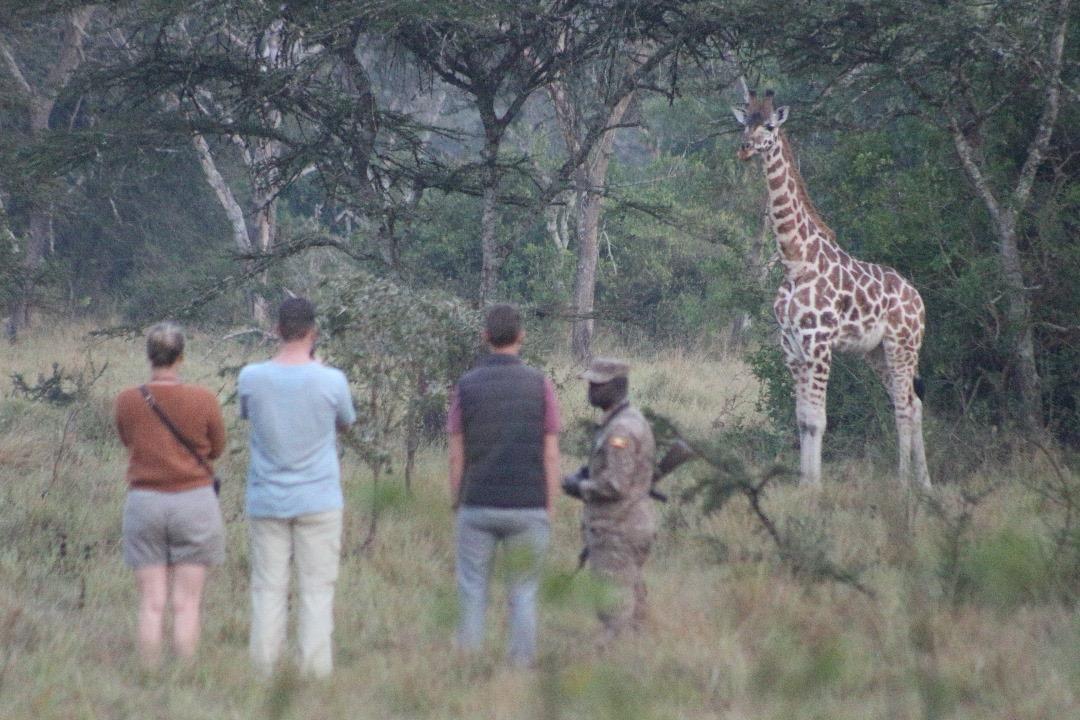
For a family safari in Uganda between 2026 and 2028, expect a shift toward "transformative exploration" featuring improved infrastructure, high-impact conservation experiences, and diverse activities tailored to different age groups. Uganda is increasingly positioned as an intimate, uncrowded alternative to more commercialized hubs, offering a unique blend of savannah wildlife and world-class primate encounters.
7-days-perfect-road-trip-uganda-safari-tour
8-days-uganda-rwanda-gorilla-trekking-big-five-safari-and-rwanda-genocide
9-days-best-uganda-wildlife-safari-chimpanzee-and-culture
9-days-africa-big-five-safari-in-uganda-safari-parks-and-gorilla-trekking
10-days-budget-uganda-safari-holiday-vacation-tour-road-trip
11-days-uganda-wildlife-safari-to-off-beaten-path-unique-tour-including-kidepo-valley
12-days-all-inclusive-uganda-wildlife-and-primate-safari
Is a Uganda family safari safe for young children?
Uganda is generally a safe and rewarding destination for family safaris when families choose reputable operators, follow park rules, and take standard travel precautions. Major national parks and tourism zones are patrolled and managed by the Uganda Wildlife Authority (UWA), with ranger presence at key trailheads, lodges, and wildlife areas. Many lodges that cater to families have invested in secure, child-friendly facilities: fenced grounds, safe dining areas, experienced staff, and optional child-minding or babysitting services so parents can join activities restricted by age. The biggest safety considerations are health-related (malaria risk, water and food hygiene, and up-to-date vaccinations), road conditions on rural stretches, and wildlife respect—always follow guide instructions during game drives and stays near animals. For younger children, choose parks and lodges that minimize long, dusty drives and offer calmer activities (boat safaris, guided walks on easy trails, cultural village visits, and pool time). Ensure vehicle restraints or child seats where possible and bring appropriate sun protection and hydration supplies. Finally, vet your tour operator’s emergency protocols: confirm medical evacuation plans, nearby clinic access, and the operator’s experience with family groups. With planning and sensible precautions, a Uganda family safari can be both safe and an unforgettable educational adventure for children.
What is the best time for a Uganda family safari from 2026 to 2028?
The optimal months for a Uganda family safari through 2026–2028 remain the established dry seasons: June to September and December to February. These windows provide drier, firmer roads and trails, which reduces travel time and makes activities like game drives, boat cruises, and easy nature walks more comfortable and safer for children. Wildlife is often easier to spot as animals concentrate near permanent water sources, enhancing viewing success for family groups with limited time. Dry weather also lowers the chance of cancelled domestic flights and helps maintain lodge services and facilities. For families seeking lower crowds and lush scenery, the shoulder periods just before and after the rainy seasons can work well, though expect muddier trails and occasional downpours. If traveling during school holidays, book earlier within the 6–10 month lead time to secure family suites and child-friendly outings. Consider regional microclimates (e.g., Bwindi’s highland rain can be wetter year-round) when planning gorilla or forest activities with older children. Ultimately, pick a dry-season window that fits school schedules and lodge availability: it yields easier logistics, safer roads, and more predictable wildlife viewing for a stress-free family safari.
Can children go gorilla trekking on a Uganda family safari?
Children under 15 are not permitted to participate in mountain gorilla trekking in Uganda; the minimum age is 15. This age restriction exists to reduce the risk of transmitting human diseases—especially respiratory infections—to endangered gorillas—and to ensure trekkers can handle the physical demands and follow strict viewing protocols. For families with children younger than 15, there are several workable approaches. Parents can arrange for one or both adults to trek while the younger children stay at a nearby family-friendly lodge, supervised by lodge staff or a trusted babysitter; many lodges offer child-minding services and tailored activities such as guided nature walks on easy trails, birdwatching, or cultural visits. Another option is to stagger your itinerary so older teens join the gorilla trek while younger children enjoy alternative activities like boat trips, visits to wildlife sanctuaries (e.g., Ziwa Rhino Sanctuary), or engaging educational programs at the lodge. Discuss options with your operator in advance to pick a lodge with safe, supervised children’s programs and to coordinate timing so the family still shares memorable moments at the start and end of the gorilla-day together. While younger children can’t join the trek itself, thoughtful planning ensures the whole family benefits from the broader safari experience.
Are there age limits for chimpanzee tracking on a Uganda family safari?
Yes — chimpanzee tracking in Uganda typically has a minimum age of around 12 years, though this can vary slightly by park and the specific rules in force at the time of travel. The age limit exists due to disease transmission risks, the need for a certain level of physical stamina on forest trails, and group-safety considerations. For families with younger children, excellent alternatives provide primate exposure without meeting the trail-age thresholds: the Uganda Wildlife Education Centre (UWEC) in Entebbe offers accessible educational encounters with rescued primates and other native species, and Ngamba Island Chimpanzee Sanctuary (on Lake Victoria) provides an immersive, supervised visit by boat to observe and learn about rehabilitated chimpanzees. Some lodges also run safe, short guided nature walks focused on wildlife spotting and primate identification suitable for younger children. If your children meet the minimum age, choose chimp-tracking options that match their fitness — some habituated chimp families are found close to trailheads and offer less strenuous treks. Always check the latest park-specific rules with your operator before booking, and plan engaging alternatives so younger family members remain involved in the safari experience.
What wildlife will we see on a Uganda family safari?
A Uganda family safari can deliver rich and varied wildlife sightings that appeal to kids and adults alike. Depending on parks visited, families may encounter the “Big Five” (lion, leopard, elephant, buffalo, and rhino), although rhino sightings require visiting specialized sanctuaries like Ziwa Rhino Sanctuary for reliable tracking. Murchison Falls and Queen Elizabeth National Parks are strong contenders for classic savannah game — elephants, lions, buffalo, leopards, hippos, crocodiles, giraffes, zebras, and several antelope species. Lake-based boat safaris reveal large hippo numbers and congregations of waterbirds, while tree-climbing lions in Ishasha (southern Queen Elizabeth) are a compelling family highlight. Uganda’s primate diversity is exceptional: chimpanzees in Kibale, colobus monkeys, vervets, and the iconic mountain gorillas in Bwindi and Mgahinga (for those 15+). Birding is superb, with over 1,000 recorded species — colorful turacos, hornbills, and rare endemics excite kids who enjoy bird identification challenges. For safer, closer encounters, Ziwa Rhino Sanctuary allows guided foot-tracking of rhinos. The diversity across habitats—savannah, wetlands, forests, and lakes—means families can combine drama (big cats) with up-close primate moments and abundant birdlife, creating an educational, visually engaging safari suited to young explorers.
Which parks are best for a Uganda family safari?
Several parks are particularly family-friendly and work well for multi-activity itineraries. Murchison Falls National Park is ideal for families: it combines game drives for large mammals with a relaxed boat cruise along the Nile to see hippos and crocodiles, and offers shorter, manageable activities for children. Queen Elizabeth National Park is versatile—game drives, boat cruises on the Kazinga Channel, and the chance to see tree-climbing lions in Ishasha make it a hit with kids. Lake Mburo National Park is compact and intimate, with easy game drives, guided walking safaris, horseback riding, and bicycle options that engage older children without long drives. For primate-focused days, Kibale Forest National Park is the chimp-tracking capital and can be paired with Bigodi Swamp walks for accessible wildlife viewing. Bwindi Impenetrable National Park is the gorilla destination for families with older children (15+), offering some child-friendly lodges and easy nature walks nearby. For rhino tracking, Ziwa Rhino Sanctuary is the safe, family-friendly site where kids can participate in guided walks to see rhinos on foot. Choose parks based on your family’s ages, activity tolerance, and interests to craft a balanced, memorable Uganda family safari.
What are the costs for a Uganda family safari in 2026?
Costs for a Uganda family safari in 2026 will vary by style, travel party size, lodges chosen, internal flights, and included activities. For a mid-range 7-day family safari that includes private 4x4 transport, park entry fees, standard lodges, and guided activities, expect per-person pricing commonly between USD 4,500 and USD 6,500 depending on whether gorilla or chimp permits are included. Budget-conscious family packages—using simpler lodges, shared group services, and road transfers—may begin around USD 3,000 to USD 4,000 per person. High-end, luxury family safaris with private guides, domestic flights, luxury lodges, and exclusive experiences (private gorilla-related arrangements if applicable) can exceed USD 7,000–10,000 per person. Permit fees significantly affect the budget: chimpanzee permits are less expensive than gorilla permits (gorilla permits are the most costly single-line item if applicable and are priced per person), and domestic flights add cost but reduce long drives. Family discounts sometimes apply for children, and many operators offer family rates or child-policy pricing, so the per-person cost declines for larger family groups. Always request a detailed, itemized quote that outlines inclusions, exclusions, tipping guidance, and cancellation terms to avoid surprises and to choose an itinerary that balances comfort, safety, and value for your family.
Are family rooms available on a Uganda family safari?
Yes — many safari lodges in Uganda now provide family-friendly accommodation options to meet increasing demand. These range from interconnected rooms and family suites to multi-bedroom cottages and private houses that let families remain together while offering separate sleeping spaces for privacy. Family rooms are common at mid-range and higher-end lodges near major parks like Murchison Falls, Queen Elizabeth, Lake Mburo, and Bwindi. Lodges often include child-friendly amenities such as family dining, children’s menus, swimming pools, and supervised activities or play areas. When booking, confirm bedding configurations (twin beds, king beds, and extra bed availability), any age-based pricing for children, and the lodge’s policy on additional rollaway beds or cribs. Some remote or smaller camps might have limited family rooms, so secure family suites well in advance for peak travel months. If privacy and extra space are top priorities, consider booking adjoining cottages or a private house through the lodge. Clear communication with your tour operator about the ages of children and any special needs ensures the property assigns the best available family accommodation for a comfortable Uganda family safari.
How do we get around during a Uganda family safari?
On most Uganda family safaris, overland travel is done in private 4x4 Toyota Land Cruisers with pop-up roofs for better wildlife viewing. These vehicles accommodate families comfortably, allow photographers unobstructed views, and enable flexible stops for bathroom breaks and snacks—important with children. Drivers are experienced on local roads and knowledgeable about wildlife behavior and logistics. For long transfers and to reduce road fatigue, families often supplement driving with domestic flights to regional airstrips (e.g., Entebbe to Murchison or Kihihi/Kisoro near Bwindi). Domestic flights save time and are a good investment for families with young children or limited vacation days. When booking, check luggage weight limits for small aircraft, and consider soft-sided bags to meet size restrictions. For shorter transfers, private car seats or booster options should be requested in advance where available. Employers and guides can arrange scheduled drives broken into shorter legs with scenic stops—useful for younger travelers. Always clarify whether the quoted price includes vehicle fuel, driver/guide allowances, park fees for vehicles, and any overnight driver costs to budget properly for your Uganda family safari.
What health precautions are needed for a Uganda family safari?
Health planning is crucial for a safe Uganda family safari. Mandatory requirements include a Yellow Fever vaccination certificate for entry; check up-to-date rules for infants and exemptions. Malaria prophylaxis is strongly recommended for all family members: consult a travel clinic or your pediatrician ahead of travel to choose an appropriate antimalarial for each child’s age and medical history. Ensure routine vaccinations are current (MMR, diphtheria-tetanus-pertussis, polio), and consider travel-related vaccines such as hepatitis A and typhoid depending on itinerary and local risks. Pack a personal first-aid kit with child-appropriate medications (paracetamol/acetaminophen, oral rehydration salts, antihistamines), anti-diarrheal remedies, wound-care supplies, and any prescribed medicines. Practice insect-bite prevention: use EPA-registered repellents (DEET or Picaridin appropriate for children), wear long sleeves and pants during dawn/dusk, and sleep under insecticide-treated nets if provided. Water safety: use bottled or treated water for drinking and brushing teeth, and verify food hygiene at lodges, especially for younger children. Finally, secure travel insurance that covers medical evacuation for remote locations, and brief your tour operator on any chronic conditions or allergies so they can manage logistics and emergencies effectively.
Is food for picky eaters available on a Uganda family safari?
Yes — lodges and camps that host families are accustomed to catering for picky eaters and commonly provide child-friendly meal options. Most safari lodges serve international cuisine staples—pasta, grilled chicken, rice, mashed potatoes, fresh fruit, and simple vegetable sides—that appeal to children. When booking, inform your tour operator and lodge of dietary preferences, allergies, and dislikes so kitchens can prepare appropriate meals. Many properties are happy to adapt menus for fussy eaters, offering plain options, familiar breakfast choices (pancakes, scrambled eggs, toast), and snack-friendly items. For very selective children, bring a few favored non-perishable snacks from home as backup (consider small, travel-safe items). If your family requires specialized diets—vegetarian, halal, gluten-free—the lodge can usually accommodate with advance notice. For bush breakfasts or packed lunches on activity days, request simple sandwich-style options that children will accept. Communication is key: share meal preferences before arrival, and the lodge’s chefs and staff will typically go out of their way to make food both appealing and nutritious so children stay energized on your Uganda family safari.
Can we see rhinos on a Uganda family safari?
Yes — families can see rhinos in Uganda at the Ziwa Rhino Sanctuary, the country’s primary protected area for southern white rhinos. Ziwa offers guided walking safaris to view rhinos on foot accompanied by experienced rangers—an engaging, close-up wildlife experience suitable for families. The sanctuary’s guided walks are controlled and educational, allowing children (often from age six, but verify the current park policy) to learn about rhino conservation, tracking methods, and anti-poaching measures in a safe environment. Ziwa’s approachable setting is ideal for families who want to see rhinos without traveling far from Kampala or combining the visit with a longer safari. It's a valuable conservation success story and gives kids a tangible connection to endangered species protection. Note that Uganda’s national parks do not yet have widespread wild rhino populations except at sanctuary sites, so Ziwa is the reliable option for rhino sightings on a family itinerary. Confirm age and participation rules with your operator and the sanctuary before booking, and consider combining Ziwa with other family activities for a full, educational day.
What should we pack for a Uganda family safari?
Smart packing makes a Uganda family safari smoother and more enjoyable. Essentials: lightweight, neutral-colored clothing (avoid bright colors), sun hats, long-sleeved shirts and long pants for sun and insect protection, and a good pair of sturdy walking shoes or trainers for each family member. Pack a rain jacket or poncho for sudden showers, and a warm fleece for cool mornings or highland areas. Bring individual binoculars and a small camera for each child if they’re interested in wildlife spotting. Health items: a family first-aid kit, prescribed medications, malaria prophylaxis, sunscreen (child-friendly), insect repellent appropriate for kids (DEET or Picaridin per pediatric guidance), oral rehydration packets, and hand sanitizer. Travel documents: copies of passports, vaccination certificates (Yellow Fever), travel insurance details, and printed confirmations. For long game drives, include reusable water bottles and motion-sickness remedies if needed. For domestic flights, use soft-sided luggage that meets small-aircraft restrictions. Entertainment for children on drives—coloring books, educational wildlife guides, snacks, and portable chargers—helps pass travel time. Finally, discuss packing lists with your operator; some lodges provide baby equipment like cots and high chairs if requested in advance for your Uganda family safari.
Are there educational activities on a Uganda family safari?
Yes — Uganda family safaris frequently include educational experiences tailored for children and families that blend cultural learning, conservation awareness, and hands-on activities. Cultural village visits allow children to learn about traditional crafts—basket weaving, beading, and local cooking techniques—while interacting respectfully with community members and local children. Conservation-focused activities at sanctuaries (e.g., Ziwa Rhino Sanctuary, Ngamba Island) and visitor centers teach youngsters about endangered species, anti-poaching efforts, and wildlife rehabilitation in accessible formats. Many lodges offer guided nature walks and junior ranger-style programs where children can learn bird identification, basic tracking skills, and ecological concepts using age-appropriate tools like binoculars and activity sheets. Educational talks by lodge naturalists, school visits, and short demonstrations about sustainable farming or coffee production are also popular. These activities are designed to be interactive and memorable, helping children link what they see on game drives to broader environmental themes. For families wanting a deeper learning focus, operators can tailor itineraries that include visits to conservation projects, community schools, and research centers to inspire young minds while supporting local initiatives.
How long should a typical Uganda family safari last?
A well-balanced Uganda family safari typically lasts between 7 and 10 days. This length provides adequate time to experience a variety of wildlife habitats and activities—game drives, boat safaris, chimp or rhino visits, and cultural interactions—without excessive transit fatigue for children. A 7-day itinerary might focus on two or three parks (for example, Queen Elizabeth, Bwindi for older kids, or Lake Mburo and Murchison Falls) with carefully paced travel days and downtime at child-friendly lodges. Extending to 10 days allows for gentler pacing: buffer days for travel delays, a mix of active and restful days, and optional side excursions such as boat trips or community visits. For families with very young children, consider shorter blocks in one region with fewer long drives to maintain comfort. If gorilla trekking is a core goal (for eligible family members aged 15+), factor in travel time to Bwindi or Mgahinga and possibly an extra night to accommodate permit scheduling and potential trekking-day changes. Ultimately, choose an itinerary length that balances children’s attention spans, school obligations, and the family’s desire to combine wildlife viewing with relaxation and cultural learning.
Are Wi-Fi and 5G available during a Uganda family safari?
Connectivity in Uganda varies by location. Major urban centers like Entebbe and Kampala have reliable 4G/5G mobile coverage and hotels with high-speed Wi-Fi. Many safari lodges provide Wi-Fi in common areas (lounge or dining rooms), but bandwidth may be limited and inconsistent in remote national parks or forest lodges, especially in Bwindi or parts of Kibale where satellite connections or slow terrestrial links are used. Some lodges charge for Wi-Fi access, while others include it in the rate. If staying connected is important for family needs—remote schooling, staying in touch for emergencies, or uploading photos—confirm each lodge’s connectivity before booking and plan expectations accordingly. Purchasing a local SIM card with data (MTN or Airtel) at arrival can provide broader mobile coverage for rural areas; ensure your phone is unlocked and compatible. For critical connectivity, consider accommodations that explicitly advertise strong internet or business facilities. That said, many families appreciate the digital break: remote lodges encourage immersive wildlife experiences and family bonding away from screens. Balance connectivity needs with the desire to enjoy the natural setting on your Uganda family safari.
Do we need a visa for a Uganda family safari?
Yes — most visitors to Uganda require a visa, which is processed electronically via Uganda’s online e-Visa system. Apply through the official government portal before travel, and aim to submit applications at least two weeks prior to arrival to allow processing time; some travelers prefer to apply earlier to avoid last-minute issues. The e-Visa process typically requires passport details, a passport-style photo, travel itinerary information, and proof of Yellow Fever vaccination. Visa durations and fees vary by nationality, and some countries may be eligible for visa-free entry or visa-on-arrival under bilateral agreements—always verify current rules for each family member’s passport. For cross-border itineraries involving Rwanda or Kenya, check separate visa requirements and whether a multiple-entry Uganda visa or East Africa tourist visa is beneficial for seamless travel. Ensure minors traveling with one parent or guardians have appropriate consent letters and supporting documents if applicable. Work with your tour operator to confirm the correct visa process and required supporting documents well before departure so your family’s Uganda safari runs smoothly.
Is a private guide better for a Uganda family safari?
Yes — hiring a private guide for a Uganda family safari offers several advantages that suit families well. A private guide can tailor the pace of activities to children’s energy levels, allow flexible start and stop times, and focus on family interests—shortening drives, taking detours for interesting roadside sightings, or spending extra time where wildlife or birdlife is most engaging. For families with young children, private guides can make game drives more child-friendly by adapting seating arrangements, providing explanations in kid-accessible language, and anticipating needs like restroom stops or snack breaks. Private guides also manage logistics more smoothly: coordinating permits, handling last-minute changes, and providing immediate local knowledge about safety, accommodation, and alternatives if weather or animal movements change plans. While private guiding is costlier than joining small-group tours, it often yields better value for families because it reduces stress, maximizes viewing opportunities, and personalizes the experience. If budget is a concern, discuss hybrid options—shared guide for some days and private guiding for key activities—to balance cost and personalized service on your Uganda family safari.
Can we do a boat safari on a Uganda family safari?
Absolutely — boat safaris are among the most family-friendly and memorable activities on a Uganda family safari. Boat cruises on the Nile (in Murchison Falls National Park) and along the Kazinga Channel in Queen Elizabeth National Park offer stable, close-up views of hippos, crocodiles, and shorelines frequented by elephants and large numbers of birds. Boat trips are excellent for younger children because they minimize long drives while delivering dramatic wildlife encounters that are safe from the water. Many lodges and parks offer both daytime and sunset cruises; sunset trips are particularly scenic and photogenic for families. For safety and comfort, choose operators that provide life jackets, informative guides who keep kids engaged with commentary, and boats with shaded seating. Some boat excursions also include picnic options or the chance to disembark at a safe site for a short guided walk. When planning, inform your operator of the ages of children so they reserve appropriate boat types and seating. Boat safaris are a highlight for families seeking relaxed, high-value wildlife viewing on a Uganda family safari.
How far in advance should we book a Uganda family safari?
For peak months (June–September and December–February) and to secure family rooms or suites, book your Uganda family safari 6 to 10 months in advance. Popular family-friendly lodges have limited family suites and fill quickly during school holidays, so early reservations ensure desired accommodations and allow time to secure permits for activities that require advance booking (chimpanzee permits and other park permissions). If your itinerary includes gorilla trekking for eligible family members (15+), consider booking 9–12 months ahead because gorilla permits are in high demand and limited in number. Booking early also gives you time to arrange vaccinations, purchase travel insurance that covers non-refundable permits, and handle visa paperwork. For lower-demand periods or flexible travel dates, you may find acceptable availability with shorter lead times, but for peace of mind—and especially when traveling with children—reserve key elements early and confirm family-specific amenities with lodges to craft a comfortable, well-timed Uganda family safari.
Booking Uganda family safari with us Roads of Adventure safaris
Book a tailored Uganda family safari with Roads of Adventure Safaris for curated wildlife experiences, including gorilla and chimpanzee trekking, designed for comfort and adventure. Safaris are best booked 6–12 months in advance, featuring options from 3-day trips to 18-day, in-depth itineraries
