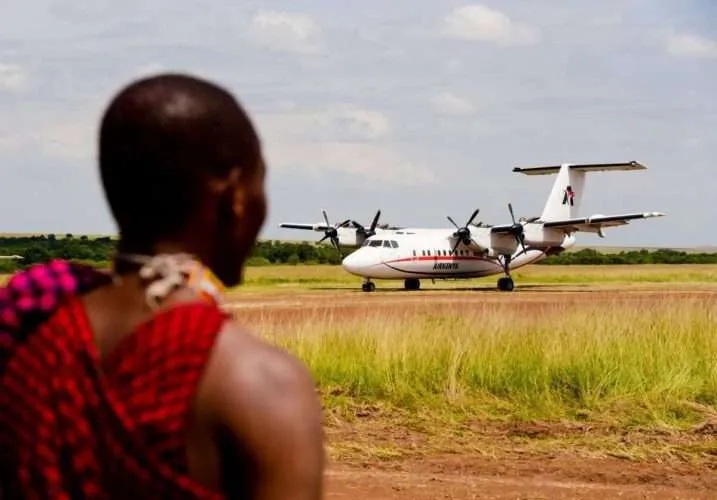
A 4-day safari to Masai Mara and Lake Nakuru offers an action-packed experience focusing on high-density wildlife viewing, including the Big Five (lion, leopard, rhino, elephant, buffalo) and flamingos. You will likely spend two days exploring the expansive savannahs of the Mara and one day witnessing rhinos and birdlife at Lake Nakuru, typically utilizing a 4x4 Land Cruiser with a pop-up roof for optimal game viewing
4-days-masai-mara-and-lake-nakuru-kenya-safari-tour-package
4-days-budget-masai-mara-safari-and-lake-nakuru-holiday-vacation
4 Days Masai mara and Lake Nakuru Kenya safari
Embark on a quintessential Kenyan adventure with this 4-day safari, meticulously designed to showcase the dramatic diversity of the Great Rift Valley. This expedition strikes a perfect balance between the vast, predator-rich savannahs of the Masai Mara and the specialized sanctuary of Lake Nakuru National Park. In the Mara, you will immerse yourself in the world’s premier wildlife theater, where lions, leopards, and cheetahs roam across golden plains. The journey then shifts to the shimmering waters of Lake Nakuru, a critical haven for endangered black and white rhinos and a vibrant kaleidoscope of birdlife. Starting and ending in the bustling capital of Nairobi, this itinerary is ideal for travelers seeking a high-impact wildlife experience within a limited timeframe. From the iconic "Big Five" to the breathtaking escarpment views, every moment offers a profound connection to the raw beauty of East Africa’s natural heritage and its most celebrated inhabitants.
Day 1: Nairobi to Masai Mara
Your journey begins with a morning departure from Nairobi, driving through the fertile highlands before descending into the Great Rift Valley. A brief stop at the escarpment viewpoint offers a stunning panoramic vista of the valley floor below. Continue through the bustling town of Narok, arriving at the Masai Mara in time for lunch at your lodge or camp. After settling in, head out for your first introductory game drive. The Mara’s rolling grasslands are immediately captivating, providing your first opportunities to spot majestic lions, grazing elephants, and perhaps a solitary cheetah. As the sun begins to set, the savannah takes on a golden hue, offering spectacular photography opportunities. You will return to your accommodation for dinner and an evening spent listening to the distant calls of the wild, fully immersed in the African bush.
Day 2: Full Day in Masai Mara
This day is dedicated to a deep exploration of the world-famous Masai Mara National Reserve. After an early breakfast, you can opt for a full-day game drive with a packed picnic lunch or split the day into morning and afternoon sessions. Your expert guide will track the "Big Five" while traversing different ecosystems, from riverine forests to the expansive plains. Keep a keen eye out for the elusive leopard draped over an acacia limb and large prides of lions. If visiting between July and October, you may witness the dramatic Great Migration, where millions of wildebeest and zebras brave the crocodile-infested Mara River. Beyond the large mammals, the Mara hosts over 450 bird species and a variety of plains game like giraffes and gazelles. This immersive day ensures a comprehensive look at Kenya’s most iconic ecosystem.
Day 3: Masai Mara to Lake Nakuru
Begin the morning with a final game drive in the Mara, catching the predators while they are still active in the cool dawn air. After breakfast, depart the reserve and head north toward Lake Nakuru National Park. The drive is a scenic transition through rural landscapes and past the volcanic Mount Longonot. Upon arrival at Lake Nakuru, you will notice a distinct change in scenery; the park is characterized by yellow-fever acacia woodlands and rocky cliffs surrounding the alkaline lake. After lunch, embark on an afternoon game drive. This park is a premier sanctuary for both black and white rhinos, which are frequently spotted grazing near the lake shore. You will also look for the rare Rothschild giraffe and the park’s famous tree-climbing lions. The day ends with dinner at your lodge overlooking the shimmering water.
Day 4: Lake Nakuru to Nairobi
Your final day focuses on the incredible avian and aquatic life of Lake Nakuru. An early morning game drive takes you to the water’s edge, where thousands of flamingos often create a brilliant pink fringe along the shoreline. The park is a birdwatcher's paradise, home to pelicans, cormorants, and African fish eagles. Explore the diverse habitats one last time, searching for leopards in the dense woodlands or buffaloes cooling off in the marshes. After a late breakfast or early lunch, begin the return journey to Nairobi. The drive back provides a final chance to admire the Rift Valley’s geological wonders. You will arrive in the capital by late afternoon, where you will be transferred to your hotel or the airport, marking the end of a whirlwind but unforgettable Kenyan safari experience.
Key Wildlife & Experiences
Big Five Focus: Predators of the Mara
The Masai Mara is widely considered one of the best places in the world to observe the "Big Five"—lion, leopard, elephant, buffalo, and rhino—in a single ecosystem. While the term originally referred to the animals most dangerous to hunt on foot, today it represents the pinnacle of wildlife photography and viewing. Lions are a near-guarantee here; the reserve is home to approximately 800 to 900 lions, including famous groups like the Marsh Pride. You are likely to see them during early morning or late afternoon game drives when they are most active.’
Leopards and cheetahs, while more elusive, thrive in the Mara's diverse habitats. Leopards are masters of disguise, often found lounging in the riverine forests along the Mara River. Cheetahs favor the open savannahs where they can utilize their incredible speed to hunt gazelles and impalas. During the dry season (June to October), the thinning vegetation and concentration of animals around water sources significantly increase your chances of witnessing a hunt.
Rhinos and Birds: Lake Nakuru’s Specialized Sanctuary
Lake Nakuru National Park is a critical conservation success story, serving as one of Kenya’s premier rhino sanctuaries. The park is fully fenced to protect its population of over 100 black and white rhinos from poaching. White rhinos are frequently encountered in family groups grazing on the open floodplains, while the more reclusive and critically endangered black rhinos tend to stick to the dense acacia woodlands.
Beyond mammals, Nakuru is a world-class birding destination with over 450 recorded bird species. It is most famous for its massive flocks of Lesser and Greater Flamingos, which can turn the lake's edge into a shimmering ribbon of pink. The park also supports a diverse array of other waterbirds, including great white pelicans, African fish eagles, and marabou storks. The combination of alkaline lake waters, marshes, and rocky cliffs like Baboon Cliff creates a unique habitat overlap that satisfies both casual observers and serious ornithologists.
Great Migration: The Mara River Crossing
Between July and October, the Masai Mara hosts the Great Wildebeest Migration, often called "The Greatest Show on Earth". Over 1.5 million wildebeest, accompanied by hundreds of thousands of zebras and gazelles, travel in a 800-kilometer clockwise circle from the Serengeti in search of fresh grass. The most dramatic phase of this journey is the Mara River crossing, where herds must brave steep banks and the world’s largest Nile crocodiles.
Witnessing a crossing requires patience; herds may gather by the thousands on the riverbank, milling nervously for hours or even days before a single "leader" takes the plunge. Once the movement begins, it is a chaotic and visceral struggle for survival. Popular crossing points include the Lookout Hill, Serena Crossing, and the Mara Triangle. August is typically the peak month for frequent crossings, though sightings continue through September as the herds disperse across the northern plains.
Cultural Experience: The Maasai Village Visit
A visit to a traditional Maasai village (or manyatta) offers a profound human connection to the landscapes you explore on safari. The Maasai are iconic semi-nomadic pastoralists who have coexisted with wildlife for centuries. Upon arrival, guests are often greeted with a traditional welcome featuring rhythmic singing and the Adumu—the famous "jumping dance" performed by young warriors (morans) to demonstrate their strength.
Inside the village, you can enter a traditional hut made of mud, sticks, and cow dung, and learn about the tribe’s age-old customs, such as fire-making without matches and intricate beadwork. Each color in their jewelry carries deep symbolism; for instance, red represents bravery and unity, while white symbolizes purity and milk. These visits are typically organized through operators like Natural World Kenya Safaris and provide direct economic support to the local community.
Optional Activity: Hot Air Balloon Safari
For a truly unforgettable perspective, an optional hot air balloon safari provides an aerial view of the Masai Mara at sunrise. Floating silently over the plains allows you to see the vast scale of the ecosystem and follow the winding paths of the Mara and Talek rivers. From above, you can spot large herds of elephants, pods of hippos in the water, and predators beginning their morning prowl without the intrusion of vehicle engines.
The experience usually begins before dawn and ends with a champagne bush breakfast served in the middle of the savannah upon landing. While it is a premium addition to any safari, it is especially popular during the migration season, as it offers the only way to fully grasp the immense density of the millions of animals blanketed across the plains. Most balloon tours are arranged by luxury camps or specialized operators like Governor’s Balloon Safaris and should be booked well in advance
1. What is the main highlight of a 4-day safari to Masai Mara and Lake Nakuru?
The definitive highlight of this 4-day itinerary is the incredible "density of experience." In just 96 hours, you traverse two of the most ecologically diverse environments in East Africa. The Masai Mara serves as the ultimate stage for "The Big Cats." Because of its vast, open savannahs, the visibility is unparalleled, making it the best place on earth to witness a lion pride on a hunt or a cheetah utilizing its speed across the plains. The Mara is not just about seeing animals; it’s about witnessing raw, unfiltered nature—the circle of life playing out in real-time.
The journey then pivots to Lake Nakuru, which provides a completely different highlight: the "Rhino and Bird Spectacle." While the Mara is about the golden plains, Nakuru is about the shimmering pink hues of the lake and the ancient, prehistoric feel of the rhino sanctuary. Seeing a white rhino grazing against the backdrop of an alkaline lake fringed by millions of flamingos is a visual contrast you won’t find anywhere else. The highlight is the balance—one day you are tracking a leopard in a riverine forest, and the next you are watching a rhinoceros family in a specialized sanctuary. This combination ensures that travelers don’t just see "African wildlife," but specifically encounter the rare and endangered species that are difficult to find in other parks. For someone with limited time in Kenya, this specific pairing offers the highest "return on investment" for wildlife sightings, ensuring that every game drive feels like a highlight reel of a much longer expedition.
2. Can I see the Big Five in 4 days at Masai Mara and Lake Nakuru?
Yes, this specific route is widely considered the most reliable "Big Five" circuit in Kenya for a short-duration trip. The term "Big Five"—lion, leopard, elephant, buffalo, and rhino—was originally coined by big-game hunters to denote the five most dangerous animals to hunt on foot. Today, it represents the "must-see" list for every safari enthusiast. On this 4-day trip, the "Big Four" (lion, leopard, elephant, and buffalo) are almost a guarantee within the Masai Mara. The Mara has one of the highest lion densities in the world, and its elephant herds are massive and frequent.
The final piece of the puzzle—the Rhino—is the specific reason Lake Nakuru is included in this itinerary. While rhinos exist in the Masai Mara, they are extremely reclusive and inhabit the dense "rhino bushes" of the Mara Triangle, making sightings rare for a two-night stay. Lake Nakuru, however, is a government-protected rhino sanctuary. It is one of the few places where seeing both the White Rhino (which prefers open grasslands) and the critically endangered Black Rhino (which stays in the thickets) is highly probable. By combining these two parks, you effectively "check off" the entire list. The buffalo are ubiquitous in both parks, often seen in large, formidable herds. Leopards remain the most elusive of the five, usually found draped over acacia branches in the Mara’s riverine forests, but your expert guide’s ability to track their territory over these four days gives you a statistically high chance of completing the full set.
3. What should I expect regarding accommodation during my Masai Mara and Lake Nakuru trip?
Accommodation on a Kenyan safari is designed to be part of the adventure, not just a place to sleep. On this 4-day trip, you can expect "full-board" service, which includes breakfast, lunch, and dinner. Even at the budget or mid-range level, the standard of hospitality is remarkably high. Most travelers stay in either a "Luxury Tented Camp" or a "Safari Lodge."
A Luxury Tented Camp is often the preferred choice for those seeking an authentic "Out of Africa" feel. These are not camping tents in the traditional sense; they are large canvas suites built on permanent raised platforms with wooden floors. They feature "proper" furniture, comfortable beds with mosquito netting, and en-suite bathrooms equipped with flushing toilets and hot showers (often heated by solar power). The canvas walls allow the sounds of the African night—the distant roar of a lion or the laugh of a hyena—to create a fully immersive atmosphere.
Safari Lodges, on the other hand, are permanent structures similar to boutique hotels. They are often built using local stone and timber to blend into the landscape. Lodges typically offer more amenities, such as swimming pools, expansive lounge areas, and large dining halls. In Lake Nakuru, many lodges are situated on hillsides, offering panoramic views of the lake. Regardless of the style, you can expect "Bush Cuisine"—a mix of international dishes and local Kenyan specialties like Nyama Choma (grilled meat). Security is a priority; most camps and lodges are patrolled by Maasai askaris (guards) at night to ensure that wildlife stays at a safe distance while you move between your room and the dining area.
4. How much travel time is expected between Nairobi, Masai Mara and Lake Nakuru?
Logistics and travel time are significant factors in any Kenyan safari, as the country’s infrastructure and terrain can make distances deceptive. On Day 1, the drive from Nairobi to the Masai Mara typically takes between 5 and 6 hours. While the distance is roughly 250 kilometers, the road conditions vary. The first half of the journey is on smooth tarmac through the highlands, including a spectacular stop at the Great Rift Valley Viewpoint. The final leg, particularly the road from Narok town to the Mara gates, can be bumpy and dusty—affectionately known by locals as the "African Massage."
On Day 3, you will travel from the Masai Mara to Lake Nakuru. This is a roughly 5-hour drive covering about 230 kilometers. This route takes you back through the town of Narok and then northwards. The scenery shifts from the open savannah of the Mara to the more mountainous and agricultural landscapes of the Rift Valley. You will pass Mount Longonot, a dormant volcano, and several smaller lakes before arriving at Nakuru.
Finally, on Day 4, the return trip from Lake Nakuru to Nairobi is much shorter, usually taking 3 to 4 hours (160 kilometers) on a well-paved highway. It is important to note that these times are estimates; heavy traffic entering Nairobi or rain-softened roads in the Mara can add time. Most safari operators use this travel time as a "scenic tour," stopping for local curios or photo opportunities. To minimize the "road fatigue," many high-end travelers choose to fly between Nairobi and the Mara (a 45-minute flight), though the drive remains the most popular way to see the "real" Kenya.
5. Is the Great Wildebeest Migration visible during a 4-day safari to Masai Mara and Lake Nakuru?
The Great Wildebeest Migration is a seasonal event, so its visibility during your 4-day safari depends entirely on when you travel. This "Eighth Wonder of the World" typically reaches the Masai Mara between July and October. During these months, over 1.5 million wildebeest, 200,000 zebras, and 300,000 gazelles cross the Mara River from the Serengeti in Tanzania in search of greener pastures. If you visit during this window, you have a high chance of seeing the massive herds blanket the plains, creating a landscape that literally moves with life.
However, the migration is a biological cycle, not a scheduled performance. The famous "river crossings," where animals brave crocodile-infested waters, require patience and a bit of luck to witness. Even if you are not there for a crossing, the sheer sheer volume of animals during these months is staggering and attracts a high concentration of predators looking for an easy meal.
If your safari falls outside of the July–October window (for example, in January or February), you will not see the migration herds, but the safari is by no means "empty." The Masai Mara has a massive population of "resident" wildlife that stays in the park year-round. In fact, many regular safari-goers prefer the "off-migration" season because the park is less crowded with other tourist vehicles, and the resident lions, leopards, and elephants are easier to track without the distraction of the migrating herds. While the migration is a spectacular bonus, the 4-day itinerary to the Mara and Nakuru remains world-class every single day of the year.
6. What makes Lake Nakuru unique compared to the Masai Mara?
While the Masai Mara is defined by its "vastness"—infinite horizons and rolling golden grasslands—Lake Nakuru National Park is defined by its "intimacy" and "scenery." It is a completely different ecological niche. First and foremost, Nakuru is centered around an alkaline lake. This creates a unique shoreline ecosystem that you won't find in the Mara. The park is famous for its "Pink Fringe," created by hundreds of thousands of Lesser and Greater Flamingos that feed on the algae in the soda lake. While the flamingo numbers fluctuate based on water levels, the sight of a pink-hued shoreline is iconic to Nakuru.
Secondly, the vegetation is vastly different. The Mara is dominated by red oat grass and scattered acacia trees. Lake Nakuru, however, features stunning "Yellow Fever" acacia woodlands and dense euphorbia (cactus) forests. These forests provide a much more enclosed, "jungle-like" safari experience, which is the preferred habitat for leopards and the Rothschild giraffe—a subspecies rarely seen in the Mara.
Lastly, Lake Nakuru is a highly controlled sanctuary. It is fully fenced, primarily to protect its rhino population. This makes it feel like a "contained paradise" where wildlife is concentrated in a smaller area (188 sq km compared to the Mara’s 1,510 sq km). The park also features dramatic geographical landmarks like Baboon Cliff, which offers a stunning bird's-eye view of the entire lake and the surrounding escarpment. While the Mara is where you go to see the "Great Migration," Nakuru is where you go for specialized conservation, incredible birdlife, and some of the most scenic landscape photography in Kenya.
7. What kind of vehicle will I be in for my Masai Mara and Lake Nakuru safari?
The vehicle is your "mobile home" for 4 days, and in Kenya, the gold standard is the 4x4 Safari Land Cruiser. While some budget group tours use customized Safari Minivans, most reputable 4-day packages utilize the Land Cruiser for its superior off-road capabilities and comfort. These vehicles are specifically modified for wildlife viewing. The most important feature is the pop-up roof. Once you enter the park, the driver raises the roof, allowing you to stand up and have an unobstructed, 360-degree view of the wildlife. This is essential for photography, as it allows you to see over tall grass and capture shots from a higher vantage point.
Inside, the Land Cruiser is typically outfitted with 6 to 8 individual window seats, ensuring that every passenger has a clear view of the outside. The vehicles are equipped with heavy-duty suspension to handle the "African Massage" (bumpy roads) and are fitted with high-frequency long-range radios. These radios are vital; guides use them to communicate with one another about wildlife sightings. If a guide finds a leopard hidden in a tree, they will alert other drivers in the area so everyone has a chance to see it.
Additionally, most modern safari vehicles come equipped with a small refrigerator or cooler box to keep your water and drinks cold, as well as charging ports (USB or 3-pin plugs) for your cameras and phones. Some high-end cruisers even offer onboard Wi-Fi. The 4x4 capability is non-negotiable for the Masai Mara, especially after a rainstorm when the black cotton soil becomes incredibly slippery. A Land Cruiser ensures that your 4-day adventure isn’t cut short by getting stuck in the mud.
8. Should I expect to go on early morning game drives in Masai Mara and Lake Nakuru?
Yes, early morning game drives are the "heartbeat" of a successful safari. A typical day begins at the crack of dawn, usually around 6:00 AM. There are two primary reasons for this. First, predator activity: Lions, leopards, and hyenas are nocturnal or crepuscular, meaning they are most active during the cool hours of dawn and dusk. By the time the sun is high in the sky (around 10:00 AM), most cats find a thicket or a shaded spot under an acacia tree to sleep for the rest of the day. If you want to see a lion pride on the move or a leopard finishing its morning meal, you must be out as the sun rises.
Second, the lighting and atmosphere: For photographers, the "Golden Hour"—the first hour of light—provides a soft, warm glow that makes the savannah look magical. It’s also when the birdlife is most vocal and active. In Lake Nakuru, the morning mist often hangs over the lake, providing a hauntingly beautiful backdrop for rhino spotting.
Usually, you will have a "pre-breakfast" game drive. You’ll have a quick cup of coffee or tea at the camp, head out for 2–3 hours, and return to the lodge for a full "bush breakfast" around 9:00 AM. Alternatively, some days involve a "full-day drive" where you leave with a packed breakfast and lunch to reach the further corners of the Mara River. While the early wake-up calls might feel daunting, the quiet stillness of the savannah at 6:30 AM, with only the sound of the wind and the distant call of a jackal, is an experience that most travelers cite as their favorite part of the trip.
9. Are meals included on a 4-day Masai Mara and Lake Nakuru safari?
On a standard 4-day safari, your package is "Full Board," meaning that all your primary meals—breakfast, lunch, and dinner—are included from the time you depart Nairobi until you return. Because you are often in remote areas where there are no "local restaurants," the lodges and camps take full responsibility for your nutrition.
Breakfast is typically a hearty affair. If you are at the lodge, you’ll find a buffet with eggs, sausages, bacon, fresh fruit, cereals, and Kenyan coffee or tea. If you are on an early game drive, the camp will provide a "Breakfast Box" containing sandwiches, boiled eggs, fruit, and juice to be enjoyed at a designated picnic site in the wild.
Lunch is either served at the lodge as a multi-course buffet or provided as a "Picnic Lunch." The picnic lunch is common on Day 2 in the Masai Mara, as it allows you to stay out in the field all day without having to drive back to camp. These boxes are surprisingly substantial, often including chicken, salad, rolls, and cake.
Dinner is the social highlight of the day. Most camps serve a formal three-course meal or a large buffet featuring both Western dishes and local flavors. You might try Sukuma Wiki (braised kale) or Githeri (maize and beans). It is important to note that while the food is included, drinks (bottled sodas, beer, wine, and spirits) are usually an extra cost to be paid at checkout. Most operators do, however, provide unlimited bottled drinking water in the safari vehicle throughout the day to keep you hydrated during the game drives.
10. What is the best time of year for a Masai Mara and Lake Nakuru safari?
Kenya is a year-round destination, but the "best" time depends on your priorities. The Dry Season (July to October) is widely considered the peak time. This coincides with the Great Migration in the Masai Mara. Because water is scarce during these months, animals congregate around the few remaining water holes and rivers, making wildlife much easier to locate. The grass is also short, which aids in spotting "cryptic" species like leopards and rhinos.
The Short Dry Season (January to February) is another excellent window. The weather is hot and dry, and the parks are generally less crowded than during the migration months. This is also a "calving season" for many herbivores; seeing thousands of wobbly-legged foals and calves is a highlight, though it also means high predator activity.
The "Green Season" (March to May and November to December) is the rainy period. While some travelers avoid this time due to the potential for rain-delayed drives, it has its own unique charm. The landscape is lush and vibrant green, which is perfect for photography. Birdwatching is at its absolute peak during these months as migratory birds from Europe and North Africa arrive. Furthermore, this is the "low season" for tourism, meaning you can often book luxury lodges at a fraction of their peak-season price and enjoy a more private experience in the parks. For Lake Nakuru specifically, the water levels are higher in the rainy season, which can affect where the flamingos gather, but the rhinos and giraffes are visible and active regardless of the rain.
11. Can I visit a Maasai village during this 4-day safari?
Yes, a cultural visit to a Maasai Manyatta (village) is one of the most popular optional additions to a 4-day safari. The Maasai are one of the few tribes in Africa that have maintained their traditional way of life despite the encroachment of modern civilization. They are semi-nomadic pastoralists who have lived alongside the wildlife of the Mara for centuries.
A typical visit lasts about 1 to 2 hours and usually takes place on Day 2 or Day 3. Upon arrival, you are greeted by the village warriors performing the Adumu (the jumping dance). You are invited to join in, though few can match the incredible heights the warriors reach. You will then be given a tour of the village, which consists of a circular arrangement of huts (majatta) made of mud, sticks, and cow dung, surrounded by a thorn-bush fence to protect cattle from lions.
Inside a hut, you’ll learn about their social structure, their diet (traditionally meat, milk, and blood), and how they make fire using only two sticks. The Maasai women will often showcase their intricate beadwork, which you can purchase as souvenirs. While these visits are "touristic" in nature, they provide essential income for the local community and offer a profound human perspective on the landscape. It’s a chance to understand that the Masai Mara isn’t just a "zoo"—it’s a living home where humans and predators have negotiated a delicate coexistence for generations. There is usually a small entry fee (approx. $20–$30 per person) which goes directly to the village elders.
12. What should I pack for a 4-day safari in Masai Mara and Lake Nakuru?
Packing for a safari requires a "layering" strategy. Many people assume Africa is always hot, but the Masai Mara and Lake Nakuru are located at high altitudes. Early morning game drives can be surprisingly cold (around 10°C/50°F), while the midday sun can reach 30°C (86°F).
Clothing: Stick to neutral colors like khaki, olive, or tan. Avoid bright whites (which get dusty), bright reds (which can startle animals), and dark blue or black (which attract tsetse flies). Pack long-sleeved shirts and trousers to protect against both the sun and evening mosquitoes. A warm fleece or light down jacket is essential for the dawn drives.
Gear: A good pair of binoculars is the most underrated safari tool. While your guide will have a pair, having your own allows you to study the details of a leopard’s spots or a bird’s plumage without waiting. Bring a camera with a good zoom lens (at least 200mm–300mm), extra memory cards, and a power bank.
Personal Care: High-SPF sunscreen, a wide-brimmed hat, and polarized sunglasses are non-negotiable. Bring insect repellent containing DEET for the evenings. Since you will be in a vehicle most of the time, comfortable sneakers or light hiking shoes are better than heavy boots. Finally, bring a small "personal pharmacy" with aspirin, antacids, and any prescribed medications, as pharmacies are non-existent once you enter the reserves. Keep your packing light; most safari vehicles have limited luggage space, so a soft-sided duffel bag is much better than a hard-shell suitcase.
13. What is the difference between a tented camp and a lodge in Masai Mara and Lake Nakuru?
The choice between a lodge and a tented camp is a choice of "vibe." A Safari Lodge is a permanent building, often designed to look like a high-end hotel with a rustic twist. They are usually larger, housing 50 to 100 guests. Lodges offer a high sense of "solid" security; the walls are stone or wood, the doors lock with a key, and the amenities are centralized. They are ideal for families with young children or travelers who prefer a more traditional hotel environment. In Lake Nakuru, lodges like Sarova Lion Hill offer spectacular views from solid balconies.
A Tented Camp (specifically a luxury or "glamping" camp) offers a much more intimate connection to the wild. These camps are usually smaller, often with only 10 to 20 tents. The "walls" are heavy-duty canvas, which means you are acoustically connected to the bush. You will hear the wind, the birds, and the nocturnal animals as if you were outside, but you are protected by mesh and canvas. These tents are surprisingly luxurious, featuring king-sized beds, rugs, and full bathrooms.
The main difference is the immersion level. In a lodge, you go "into" a building to escape the wild. In a tented camp, you are "within" the wild, separated only by a layer of canvas. Most modern travelers find the tented camp experience more memorable, as it captures the romantic essence of the old explorers. However, if you are a very light sleeper or nervous about being "outdoors," a lodge provides a more familiar comfort zone. Both options in the Mara and Nakuru are generally of high quality and provide excellent service.
14. Are there any extra costs not covered in the safari package for Masai Mara and Lake Nakuru?
While most 4-day safari packages are "all-inclusive" regarding transport, park fees, and meals, there are several "out-of-pocket" expenses you should budget for.
Tips and Gratuities: This is the most significant extra. In the Kenyan safari industry, tipping is a standard way to show appreciation for good service. It is customary to tip your Safari Guide separately (usually $10–$20 per day, per vehicle). You should also budget for "general staff" tips (usually $5–$10 per day), which are often placed in a communal tip box at the lodge reception to be shared among the chefs, cleaners, and guards.
Drinks: While water is usually provided in the vehicle, alcoholic beverages (beer, wine, spirits) and sometimes sodas at the lodges are extra. Expect to pay "hotel prices"—roughly $4–$6 for a local Tusker beer.
Optional Activities: The two main extras are the Maasai Village Visit ($20–$30) and the Hot Air Balloon Safari. The balloon safari is a premium experience costing roughly $450–$500 per person. It includes a sunrise flight and a champagne breakfast in the bush.
Personal Spending: You will likely stop at "Curio Shops" on the drive from Nairobi. These shops sell incredible hand-carved wood, beadwork, and paintings. These are purely optional, but most travelers find it hard to resist bringing home a piece of Kenyan art. Finally, ensure you have travel insurance, which is rarely included in the base price of a safari but is essential for any international trip.
15. Is a 4-day safari enough to see both Masai Mara and Lake Nakuru?
A 4-day itinerary is often described as "compact but comprehensive." It is the perfect length for travelers who are on a tight schedule or those who are combining a safari with a beach holiday in Mombasa or a trek up Mount Kenya.
The reason this 4-day split works so well is the diversity of the parks. Because you spend two nights in the Masai Mara, you have enough time to do 3 or 4 game drives. This is usually sufficient to see the Big Cats and the vast herds. By moving to Lake Nakuru for the final night, you avoid "safari fatigue"—the feeling that you are seeing the same landscape over and over. Nakuru’s completely different scenery (the lake, the fever trees, the rhinos) refreshes your excitement for the final 24 hours.
However, it is an "action-packed" schedule. You will be spending about 5 hours in the vehicle on transit days. If you prefer a slower pace with more time to relax by the pool or read a book on your balcony, you might find 4 days a bit rushed. A 5 or 6-day trip would allow for an extra night in the Mara or a stop at Lake Naivasha. But if your goal is to see the maximum amount of wildlife and two distinct ecosystems in a short window, the 4-day Masai Mara and Lake Nakuru safari is arguably the best-designed "short circuit" in the world. You leave having seen the Big Five, the Great Rift Valley, and the most iconic landscapes of East Africa.
Booking 4 Days Masai mara and lake Nakuru with us Roads of Adventure safaris
Book a 4-day Masai Mara and Lake Nakuru safari with Roads of Adventure Safaris to experience Kenya's premier wildlife, including the Big Five and flamingo-filled lakes. Typical itineraries include 2 nights in the Mara and 1 night in Nakuru, offering game drives, rhino spotting, and savanna landscapes starting around \(\$1,650-\$2,400+\) USD per person.
