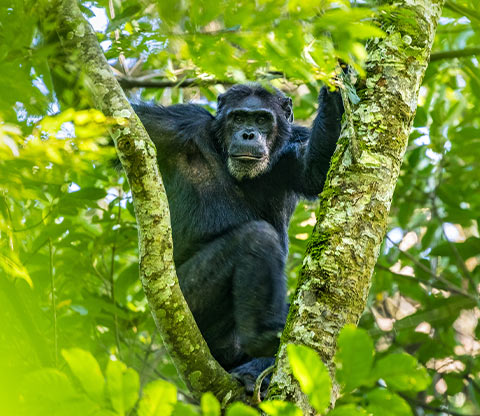
The minimum age for chimpanzee trekking in Nyungwe National Park is generally 15 years old. This strict policy is enforced by the Rwanda Development Board (RDB) to ensure the safety of participants and the conservation of the chimpanzees, which can be disturbed by younger, louder children in the challenging, dense forest terrain.
2-days-nyungwe-luxury-fly-in-to-trek-with-chimpanzee
2-days-nyungwe-chimpanzee-tracking-and-canopy-walk
3-days-luxury-honeymoon-chimpanzee-tracking-and-canopy-walk-in-nyungweb
3-days-budget-chimpanzee-tracking-in-nyungwe-forest-park
3-days-nyungwe-chimpanzee-tracking-and-lake-kivu-relaxation
3-days-best-rwanda-canopy-walk-and-nyungwe-chimpanzee-tracking-adventure
3-day-chimpanzee-trekking-tour-package-canopy-and-lake-kivu
4-days-nyungwe-chimpanzee-trekking-canopy-walk-and-lake-kivu-relaxation
What is the minimum age for trekking in Nyungwe?
The minimum age for chimpanzee trekking in Rwanda’s Nyungwe National Park is strictly set at 15 years old. This regulation is established by the Rwanda Development Board (RDB) to ensure both the safety of the visitors and the protection of the primate populations. Nyungwe is a high-altitude, dense rainforest where the terrain is notoriously steep and slippery. Chimpanzees are also highly mobile; unlike gorillas, who may stay stationary for long periods, chimps often move quickly through the canopy or across the forest floor, requiring trekkers to keep a brisk pace over challenging ground. A minimum age of 15 ensures that participants have the physical stamina and emotional maturity to handle these conditions without distress.
Is the age limit different in Uganda?
Yes, Uganda offers slightly more flexibility depending on the specific primate and location. While gorilla trekking in Bwindi and Mgahinga maintains a strict minimum age of 15, the age limit for chimpanzee trekking in places like Kibale National Park is often 12 years old. This discrepancy exists because chimpanzee habituation zones in Uganda are sometimes (though not always) located in flatter, more accessible terrain than the mountain gorilla habitats. However, it is vital to check the specific park regulations before booking, as some specialized "Habituation Experiences" (which last a full day) may still enforce a 15-year-old limit due to the grueling nature of the task.
Why is the age limit 15?
The age limit is primarily a biosecurity and safety measure. Children under 15 are more likely to carry "childhood diseases" such as mumps, measles, or common respiratory infections. Because humans and primates share nearly identical DNA, these illnesses can be catastrophic, potentially wiping out entire habituated groups that have no natural immunity. Furthermore, younger children may react unpredictably—crying, screaming, or running—if a 200kg Silverback or an aggressive alpha Chimp makes a sudden display of dominance. The age of 15 is viewed as a threshold where a person can reliably follow ranger instructions and maintain the necessary composure in a "wild" encounter.
Can I take a 14-year-old if I get a permit?
Generally, no. The permit system is digitized and linked to official identification. Even if you manage to book a permit online, the age will be verified against a passport during the pre-trek briefing at the park headquarters. If the child is found to be 14, they will be denied entry into the forest. While there are very rare instances where a parent can appeal to the wildlife authorities (usually only if the child is turning 15 within days of the trek and is exceptionally fit), these appeals are almost never granted in Rwanda. It is best to plan your trip for after their 15th birthday to avoid disappointment and financial loss.
Is there a maximum age?
There is no official maximum age for primate trekking. As long as a participant is in good health and possesses a reasonable level of physical fitness, they are welcome. Many travelers in their 70s and 80s successfully complete gorilla and chimp treks every year. For those with limited mobility, "sedan chair" services are available in Uganda and Rwanda, where a team of porters carries the guest through the forest for an additional fee (usually $300–$500). This "helicopter on the ground" service ensures that the experience is inclusive for seniors who may have the passion but lack the knee strength for the vertical climbs.
Do I need a permit for a child?
Permits are only issued to individuals who meet the age requirement. There is no such thing as a "child permit" for primate trekking because children under the age of 15 (or 12 in specific Ugandan chimp parks) are not permitted to participate. If your child is of age, they require a full-priced adult permit. There are no age-based discounts for these permits because the "cost" is not for the person’s size, but for the conservation impact and the exclusive access to the habituated group. Everyone in the trekking group, regardless of being 15 or 50, pays the same fee to ensure the park's sustainability.
What can kids under 15 do while parents trek?
While parents are in the deep forest, children can engage in various low-impact activities. Most lodges in Nyungwe, Bwindi, or Volcanoes offer child-friendly nature walks on the outskirts of the park where the terrain is level. They can visit local communities to learn about traditional pottery, basket weaving, or drumming. In Rwanda, the Canopy Walkway is a highlight for children aged 6 and up, providing a thrilling experience without the intensity of a primate search. Many high-end lodges also provide professional child-care services, ensuring the kids are entertained and safe while the adults are away.
Are children allowed in the forest during trekking?
Children are generally allowed on the main forest trails for general hiking or birding, but they are strictly barred from the specialized "tracking groups" that go off-trail to find chimps or gorillas. Primate tracking involves "bushwhacking"—leaving the established paths to follow the animals through dense thickets. This environment is too dangerous for young children due to stinging nettles, thorns, and the risk of encountering other wildlife like forest elephants or buffalo. Kids can enjoy the "forest edge" experience, but the deep-jungle tracking is reserved for those meeting the age and permit requirements.
What are the consequences of taking a younger child?
The most immediate consequence is denial of entry. If you arrive at the park gates with a child under the age limit, they will be prohibited from joining the trek, and you will not receive a refund for their permit or your own if you choose to stay behind with them. This is strictly enforced to maintain the safety of the primates and the integrity of the trekking group. Furthermore, attempting to bypass these rules puts the habituated animals at risk of disease. National parks are highly regulated zones, and park rangers have the authority to remove any individual who does not meet the legal requirements.
Do I need a passport to prove age?
Yes, a valid passport is an absolute requirement for the check-in process. At the crack of dawn, before the trek begins, all participants gather for a briefing where rangers verify permits against travel documents. This is not just to check age, but also to ensure the permit belongs to the person standing there. Digital copies or photos on a phone are sometimes accepted, but it is highly recommended to have the physical document or a high-quality color photocopy. Without proof of age, the park authorities have the right to refuse your entry, as they must maintain strict records for international conservation audits.
Are the rules different for Gisakura?
The rules are consistent across all sectors of Nyungwe National Park. Whether you are trekking in the Uwinka sector, the Cyamudongo forest, or near the Gisakura tea estates, the 15-year age limit remains the law. Cyamudongo is a smaller, isolated forest patch that often requires even steeper hiking than the main forest, making the age limit particularly relevant there. The consistency of these rules ensures that conservation standards are uniform across the country, preventing "sector-shopping" where tourists might try to find a more lenient ranger station—which does not exist.
Is it safe for young teens?
For teens who have reached the age of 15, the experience is very safe, provided they are physically active and follow the ranger's instructions. The most significant "dangers" are usually minor: scratches from thorns, insect bites, or slipping on muddy slopes. To ensure their safety, teens should be equipped with the same high-quality gear as adults—waterproof hiking boots, long trousers, and gardening gloves. Emotionally, most 15-year-olds find the experience life-changing; however, parents should ensure their teen understands the importance of staying calm and quiet when in the presence of the primates.
Do I need to be physically fit for the trek?
Yes, physical fitness is essential. Primate trekking is often described as "extreme hiking." You may be walking for anywhere from two to seven hours at altitudes between 2,000 and 3,000 meters. The air is thin, the humidity is high, and the ground is rarely flat. If you are not accustomed to hiking, it is recommended to start a walking or stair-climbing routine several months before your trip. Being fit doesn't just make the trek safer; it makes it more enjoyable, as you won't be struggling for breath when it's finally time to observe the animals.
Is it possible to take a child at 14 if they are tall?
No. Height, physical build, and "apparent maturity" are irrelevant to the park authorities. The regulation is strictly chronological and based on the date of birth listed in the visitor's passport. This "hard line" prevents subjective decision-making by rangers and ensures that the biosecurity rules (protecting primates from childhood diseases) are applied equally to everyone. Even if a 14-year-old is taller and stronger than an average adult, they will still be legally classified as a minor ineligible for a primate trekking permit in Rwanda.
What do I do if my child is under 15?
If your child is under the age limit, the best strategy is to pivot to other activities that Rwanda and Uganda offer. You can book the Canopy Walk, explore the tea plantations, or go on a boat trip on Lake Kivu. In Uganda, you might visit Queen Elizabeth National Park for a traditional savanna safari in a vehicle, which is much more suitable for younger children. Planning a "split" itinerary—where one parent treks while the other does a child-friendly activity, then swapping the next day—is a common and effective way for families to navigate the age restrictions.
Why 15 instead of 12 or 16?
The age of 15 is a globally recognized standard in primate conservation (similar to the rules in the DRC and Rwanda). Experts have determined that by age 15, the human immune system has typically moved past the stage of frequent "childhood" viral outbreaks. Additionally, 15 is considered an age where an individual has the physical height to navigate deep mud and the mental discipline to remain still for an hour in a potentially tense wildlife situation. While 12 is used in some chimp parks, 15 remains the "gold standard" for the more sensitive and endangered mountain gorilla populations.
Can I bribe officials for a child?
Absolutely not. Rwanda has a zero-tolerance policy toward corruption, and the Rwanda Development Board (RDB) is a professional, highly disciplined organization. Attempting to offer a bribe to a park official is a serious criminal offense that could lead to arrest, deportation, or a permanent ban from the country. Conservation is a point of national pride in Rwanda; the rangers are dedicated professionals who view themselves as the guardians of these endangered species. Respecting the law is the only way to gain entry, and any attempt to circumvent the rules will be met with a firm rejection.
Booking Chimpanzee tracking in Nyungwe with us Roads of Adventure safaris
Booking a chimpanzee tracking experience in Nyungwe National Park with Roads of Adventure Safaris offers a structured way to explore Rwanda’s premier primate destination. As a specialized operator, they provide customized, mid-range, and private tours that include the essential permits, transport, and guided activities
