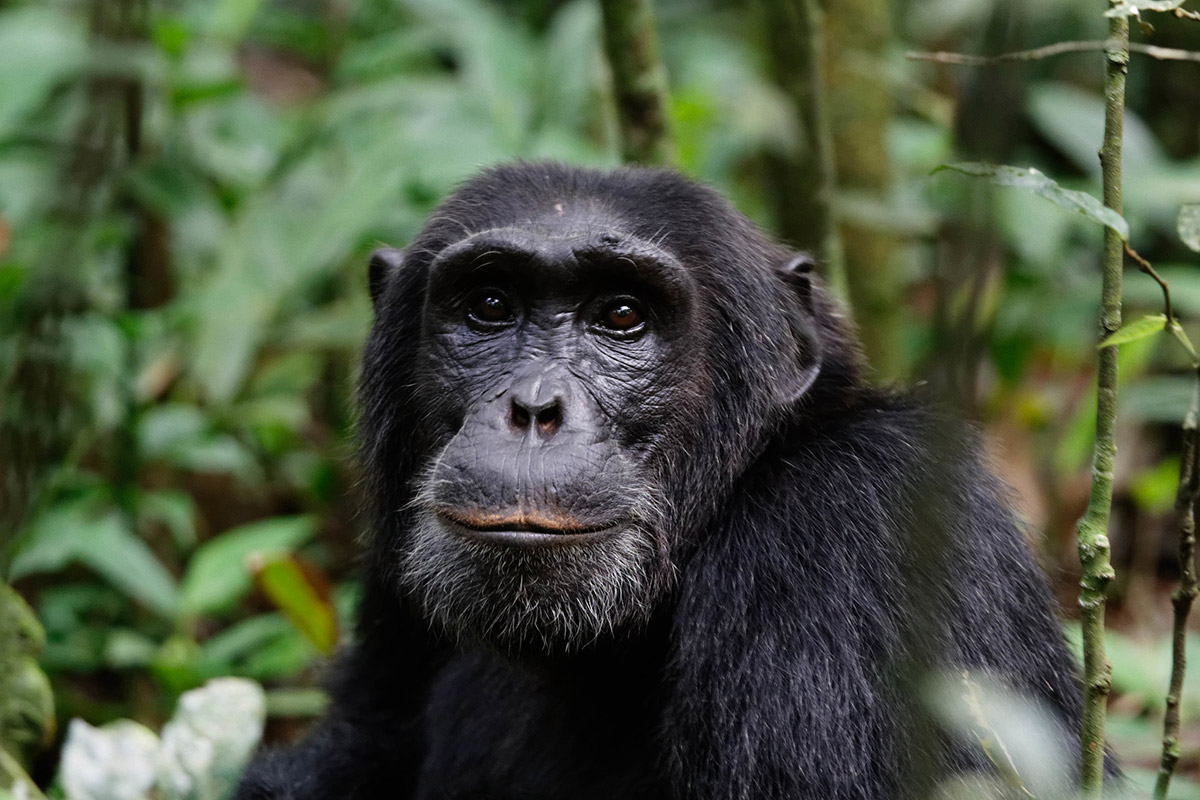
The best 10-day Uganda safari route is a "Best of Uganda Wildlife & Primate Circuit" that covers Murchison Falls (wildlife), Kibale Forest (chimps), Queen Elizabeth (boat safari/tree-climbing lions), and Bwindi Impenetrable National Park (gorillas). This route typically starts/ends in Entebbe, offering a complete mix of primates, savannah game drives, and birding.
10-days-best-photography-uganda-wildlife-safari-holiday-and-gorilla-trekking
10-days-luxury-uganda-gorilla-trekking-safari-and-big-five-safari-vacation
10-days-budget-uganda-safari-holiday-vacation-tour-road-trip
10-days-best-honeymoon-uganda-safari-tour-vacation-holiday
10-days-best-uganda-birding-safari-and-wildlife-experience
10-days-best-of-uganda-and-rwanda-all-big-five-animal-and-gorilla-trekking
10-days-uganda-gorilla-trekking-and-safari-tour-vacation-holiday
10-days-9-nights-midrange-uganda-wildlife-safari-and-cultural-experience
10-days-uganda-safari-all-big-five-gorilla-and-chimpanzee-tracking-adventure
10-days-uganda-rwanda-primate-safari-vacation-and-game-drive-safari
10-days-exclusive-family-uganda-safari-with-kids
The Ultimate Uganda: A 10-Day Odyssey
Uganda, the "Pearl of Africa," offers a sensory explosion where the savannah meets the rainforest. This 10-day "Ultimate Primates & Wildlife Route" is meticulously crafted to showcase the country’s most iconic landscapes and rare inhabitants. From the thundering Murchison Falls to the misty heights of Bwindi, this journey is a masterclass in biodiversity. You will witness the "Big Five" (including the rare white rhino), trek through ancient jungles to find our closest cousins, the chimpanzees, and stand face-to-face with the majestic mountain gorillas.
Beyond the wildlife, this itinerary immerses you in the vibrant culture and hospitality of the Ugandan people. Whether you are cruising the Nile, spotting tree-climbing lions in Ishasha, or watching the sunset over the rolling hills of Lake Mburo, every moment is designed for maximum impact. Prepare for a transformative adventure that balances adrenaline-pumping encounters with serene moments of natural wonder in Africa's most diverse emerald gem.
Day 1: Arrival at Entebbe
Your journey begins at Entebbe International Airport, perched on the lush shores of Lake Victoria. Upon arrival, the warm, tropical air welcomes you to a city known for its colonial charm and botanical beauty. A representative will transfer you to your hotel, providing a brief orientation of the adventure ahead. Depending on your arrival time, you might choose to stroll through the Entebbe Botanical Gardens, where exotic birds and monkeys provide a "preview" of the wildlife to come, or visit the Uganda Wildlife Conservation Education Centre. As evening falls, enjoy a quiet dinner overlooking the world’s largest tropical lake. It is the perfect time to shake off the jet lag, hydrate, and prepare your gear. The quiet hum of Entebbe serves as the peaceful prologue to the rugged wildness awaiting you in the north.
Day 2: The Road to Murchison Falls via Ziwa
Early morning, you head north toward Murchison Falls National Park, Uganda’s largest protected area. The drive takes you through vibrant trading centers and sprawling landscapes. The highlight of the day is a stop at the Ziwa Rhino Sanctuary, the only place in Uganda where you can track wild southern white rhinos on foot. Guided by expert rangers, you will get thrillingly close to these prehistoric giants, a vital conservation success story. After a hearty lunch, you continue the journey, crossing the Nile to enter the park. As you reach the "Top of the Falls," you are met with a breathtaking sight: the entire Victoria Nile squeezing through a narrow 7-meter cleft in the rocks. The roar is deafening, and the mist creates permanent rainbows, offering a dramatic introduction to the raw power of the Ugandan wilderness.
Day 3: Giants of the Nile and the Savanna
Your first full day of safari begins with a sunrise game drive across the Borassus palm-dotted plains. This is prime territory for lions, leopards, Rothschild’s giraffes, and massive herds of elephants. The golden light provides stunning photography opportunities as the predators retreat from their night hunts. In the afternoon, the perspective shifts as you board a boat for a three-hour launch trip up the Nile toward the base of the falls. The riverbanks are teeming with life; expect to see hundreds of hippos, massive Nile crocodiles, and thirsty buffaloes. Birdwatchers will be delighted by the colorful kingfishers and the elusive shoebill stork. The boat moors just meters away from the "Devil’s Cauldron," where the water churns in a violent, white froth—a spectacular finale to a day spent in the heart of nature’s theater.
Day 4: Journey to the Primate Capital
Today is a scenic transition day as you depart Murchison Falls and head southwest toward Kibale Forest National Park. The drive is a long but beautiful tapestry of Ugandan rural life. You will pass through the verdant countryside of Hoima and Fort Portal, where the landscape shifts from dry savanna to rolling hills carpeted in bright green tea plantations. The distant, jagged peaks of the Rwenzori Mountains—the legendary "Mountains of the Moon"—often peek through the clouds to guide your way. Fort Portal, a clean and vibrant town, serves as a great midpoint for lunch. As you approach Kibale, the air becomes cooler and the vegetation denser. By the time you reach your lodge on the edge of the rainforest, the evening chorus of cicadas and primates signals your arrival in the primate capital of the world.
Day 5: Chimpanzees and Community Conservation
The morning belongs to our closest relatives. Kibale Forest is home to the highest density of primates in Africa, and today you track the chimpanzees. Following their pant-hoots through the undergrowth, you will eventually find them swinging in the canopy or grooming on the forest floor. Observing their complex social structures and human-like expressions is a profound experience. After lunch, the adventure continues with a guided walk through the Bigodi Wetland Sanctuary. This community-led initiative is a haven for "great blue turacos" and eight other primate species, including the red colobus and grey-cheeked mangabey. The walk takes you through boardwalks and local villages, offering a chance to learn about traditional medicinal plants and support local conservation. It’s a day that perfectly balances high-energy wildlife encounters with meaningful, grassroots community engagement and education.
Day 6: The Shadows of the Rwenzoris
Leaving the forest behind, you drive south toward Queen Elizabeth National Park. This route takes you directly across the Equator, where a quick stop for photos is mandatory. As you enter the park, the landscape opens up into vast craters and golden plains. The afternoon is dedicated to an evening game drive in the North Kasenyi plains. Under the shadow of the Rwenzori Mountains, you will search for Uganda Kobs, elephants, and the elusive leopards that haunt the thickets. The park’s unique volcanic history is visible in the numerous salt lakes and ancient craters dotting the terrain. As the sun sets, the sky turns a deep purple, and the predators begin to stir. Arriving at your lodge, you’ll enjoy views of the savanna, perhaps accompanied by the distant roar of a lion claiming its territory.
Day 7: Kazinga Channel and Volcanic Vistas
Start the day with a pre-dawn game drive to catch the big cats in action. Queen Elizabeth Park is famous for its diverse ecosystems, and the morning light on the Kasenyi plains is magical for spotting hyenas and lions. After a midday rest, you head to the Kazinga Channel for a boat cruise that many consider the highlight of the park. This 40-kilometer natural channel connects Lake Edward and Lake George and boasts one of the world's highest concentrations of hippos. From the safety of the boat, you can watch elephants bathing and buffaloes wallowing just a few feet away. The birdlife here is staggering, with over 600 species recorded. Floating peacefully past these giants as the sun dips low provides a serene, front-row seat to one of Africa’s most populated wildlife corridors.
Day 8: The Tree-Climbing Lions of Ishasha
Today, you head to the southern sector of Queen Elizabeth National Park, known as Ishasha. This remote area is world-renowned for its "tree-climbing lions," a rare behavioral trait where prides spend their days draped over the sturdy branches of ancient fig trees to escape insects and enjoy the breeze. Spotting these regal predators lounging in the canopy is a surreal sight. After a picnic lunch in the wild, you continue the journey toward Bwindi Impenetrable National Park. The road winds upward, leaving the savanna behind and entering the steep, mist-covered ridges of the Kigezi Highlands, often called the "Switzerland of Africa." The change in altitude is felt in the crisp air as you arrive at the edge of the ancient jungle. The anticipation builds for tomorrow’s life-changing encounter with the mountain gorillas.
Day 9: Face to Face with the Mountain Gorillas
This is the pinnacle of the safari. After a briefing from the Uganda Wildlife Authority rangers, you head into the dense, tangled vegetation of Bwindi. The trek can be physically demanding, involving steep climbs and thick brush, but the reward is incomparable. When you finally locate the gorilla family, all fatigue vanishes. You have one hour to sit quietly and observe these gentle giants. Watching a silverback guard his family or seeing infants play in the vines is a spiritual experience that defies words. The sheer size and peaceful nature of the gorillas create a deep sense of connection to the natural world. After the trek, you return to the lodge for a well-deserved "Gorilla Ceremony," perhaps followed by a visit to the Batwa pygmy community to learn about their ancient forest-dwelling culture and traditions.
Day 10: Zebras and the Journey Home
On the final day, you head toward Lake Mburo National Park, the only place in southern Uganda where you can see zebras and impalas. The park’s rolling hills and quiet lakes provide a gentle transition back to civilization. You will enjoy a morning game drive, keeping an eye out for the majestic Eland—Africa’s largest antelope. After lunch, the journey continues back toward Entebbe. A final stop at the Equator crossing allows for souvenir shopping and a celebratory cup of Ugandan coffee. As you arrive at Entebbe International Airport for your evening flight, you carry with you the memories of the Nile's power, the chimpanzees' laughter, and the silent, soul-piercing gaze of the mountain gorillas. It is a bittersweet departure from a land that has undoubtedly left a permanent mark on your heart.
10-Day Best of Uganda Safari
The title "Best of Uganda" is reserved for an itinerary that balances the country’s diverse topographical extremes with its most celebrated wildlife encounters. This route is considered the gold standard because it hits the "Triple Crown" of African travel: the thunderous power of the Nile, the sprawling savanna of the Rift Valley, and the ancient, misty rainforests of the west. What makes this the "best" is the seamless transition between these worlds. One day you are in a wide-open jeep tracking lions under a scorching sun, and the next, you are wearing gaiters and hacking through tangled vines in search of primates.
Key Highlights & Synonyms
This version of the tour focuses heavily on the logistical "sweet spots" of the country. By starting in Murchison Falls and working southward, travelers follow the natural flow of the Nile, witnessing the landscape transform from dry acacia woodlands to the lush, emerald hills of the Kigezi Highlands. The itinerary is designed to minimize "dead travel time" while maximizing the variety of activities, including traditional game drives, motorized boat safaris, forest trekking, and community walks. It is the definitive choice for the traveler who wants to see the "greatest hits" without feeling rushed, ensuring that each of Uganda’s four premier national parks—Murchison Falls, Kibale, Queen Elizabeth, and Bwindi—is given the time and respect it deserves. It captures the essence of the "Pearl of Africa" in a single, perfectly paced ten-day window.
10-Day Uganda Big 5, Gorillas, & Chimpanzee Tour
For the wildlife purist, this synonym emphasizes the "Heavy Hitters." While many African destinations offer the Big 5 (Lion, Leopard, Elephant, Buffalo, and Rhino), Uganda adds a unique "Primate Plus" twist that is impossible to find elsewhere. This itinerary is strategically mapped to ensure that the checklist is completed with high success rates. The journey to Ziwa Rhino Sanctuary is the critical first step, ticking off the white rhino, which is absent from Uganda’s other national parks. From there, the savanna drives in Murchison and Queen Elizabeth provide ample opportunities for the remaining four, with the added bonus of the tree-climbing lions in Ishasha—a rare behavioral quirk found in only two places on Earth.
However, the real soul of this specific tour lies in the "Great Apes." By including both Kibale and Bwindi, the itinerary offers a deep dive into the lives of our closest biological relatives. Tracking chimpanzees in Kibale offers a high-energy, vocal, and social experience, while the gorilla trek in Bwindi is a more silent, intimate, and emotional encounter. Combining these two treks with a traditional Big 5 safari creates a "Wildlife Grand Slam." This version of the route is often favored by photographers and nature enthusiasts who are focused on the diversity of species, from the aquatic giants of the Kazinga Channel to the colorful endemic birds of the Albertine Rift. It is a comprehensive zoological journey through some of the most biodiverse habitats on the planet.
10-Day Complete Uganda Safari Experience
The "Complete Experience" framing of this 10 days itinerary appeals to the traveler who seeks more than just a photo of an animal; it is for those who want to understand the heartbeat of the nation. While the wildlife remains the primary draw, this version emphasizes the "texture" of Uganda. This includes the cultural immersion of the Bigodi community walk, where travelers learn about the intersection of human life and conservation, and the scenic drives through the tea plantations of Fort Portal. It treats the transit days not as chores, but as opportunities to see the "real Uganda"—the roadside markets, the terraced hillsides, and the incredible hospitality of the local people.
This itinerary is "complete" because it leaves no stone unturned in terms of geography. It touches the Victoria Nile, the Albertine Rift, the Rwenzori foothills, and the volcanic craters of the west. It also includes Lake Mburo on the final day, a park often skipped by shorter routes, which provides a necessary peaceful conclusion with its unique species like the Burchell’s zebra and impala. By the end of the ten days, the traveler hasn't just visited a few parks; they have circumnavigated the southwestern heart of the country. They have experienced the heat of the plains, the humidity of the jungle, and the chill of the highlands. It is a holistic education in African ecology and culture, providing a sense of closure and fulfillment that shorter "fly-in" safaris simply cannot replicate.
10-Day Uganda Adventure Safari
For the adrenaline seeker and the active traveler, the "Adventure Safari" synonym highlights the physical and experiential nature of the trip. This isn't a passive vacation spent entirely in the back of a luxury vehicle; it is a hands-on expedition. The "adventure" begins with the hike to the top of Murchison Falls, feeling the spray of the Nile and the vibration of the earth under your feet. It continues with the physical challenge of the Bwindi Impenetrable Forest, where "impenetrable" isn't just a name—it’s a description of the steep ridges and thick ferns you must navigate to find the gorillas.
The adventure also lies in the variety of transport. You are on foot tracking rhinos, on a boat dodging hippos, in a 4x4 navigating muddy tracks, and trekking through humid rainforests. Each day presents a new environment and a new challenge. Even the Ishasha sector adds an element of a "treasure hunt" as you scan the branches of massive fig trees for a glimpse of a tail or a paw. This itinerary is for the person who wants to come home with mud on their boots and a gallery of stories about the time they stood meters away from a silverback or watched a lioness hunt in the tall grass. It’s a fast-paced, high-reward journey that celebrates the wild, untamed spirit of the African continent, making it the ultimate choice for those who believe that the best way to see the world is to get right into the middle of it.
1. What is the typical itinerary for a 10-day Uganda Safari?
The architecture of a typical 10-day Uganda safari is designed to solve a geographical puzzle: how to link the northern savanna with the southwestern rainforests without spending the entire vacation behind a windshield. The route traditionally starts in Entebbe, serving as the gateway due to its proximity to the international airport. From there, the journey moves north to Murchison Falls, with a critical stop at Ziwa Rhino Sanctuary. This allows travelers to "complete" the Big Five early in the trip. The middle leg of the journey shifts toward the Albertine Rift, specifically Kibale Forest, to focus on primates.
Following the chimpanzee experience, the route drops south into Queen Elizabeth National Park. This segment is vital because it offers a "savanna palette cleanser" between the two major trekking experiences. After exploring the Kazinga Channel and the Ishasha plains, the itinerary climbs into the high-altitude mists of Bwindi Impenetrable Forest. The finale usually includes Lake Mburo, which is strategically placed to break up the eight-hour drive back to the airport. This loop is the most popular because it hits every major ecological zone—wetlands, savanna, tropical rainforest, and montane forest—ensuring that no two days feel identical. It is a masterclass in logistical efficiency, balancing the thrill of the hunt with the soulful connection of primate trekking.
2. Which national parks are included in the 10-day route?
A standard 10-day route is a "Greatest Hits" tour of the Uganda Wildlife Authority’s crown jewels. It almost always includes Murchison Falls National Park, Uganda’s oldest and largest protected area, famous for the Nile’s dramatic narrow gorge. Next is Kibale National Park, which boasts the highest density of primates in Africa. Then comes Queen Elizabeth National Park, a UNESCO Biosphere Reserve that provides the most diverse birdlife and classic safari scenery. Finally, Bwindi Impenetrable National Park is the non-negotiable anchor of the trip, serving as the sanctuary for the endangered mountain gorillas.
While these four are the pillars, many itineraries also include Lake Mburo National Park. Though smaller, Mburo is the only place in southern Uganda to see zebras and impalas, and its lack of elephants and lions makes it perfect for walking safaris or horseback tours. Some specialized versions of this route might swap one of these for Semuliki (for hot springs and central African bird species) or Mount Elgon, but for a first-time visitor, the "Big Four" plus Mburo remains the gold standard. This selection of parks ensures that travelers experience the full spectrum of Uganda’s biodiversity, from the thundering falls of the north to the ancient, prehistoric jungles of the southwest.
3. What is the best way to see the "Big Five" in 10 days?
Seeing the "Big Five" (Lion, Leopard, Elephant, Buffalo, and Rhino) in Uganda requires a multi-stop strategy because no single park currently hosts all five in a wild, self-sustaining setting. The Ziwa Rhino Sanctuary is the only place in the country to see rhinos. Because Ziwa is located directly on the road to Murchison Falls, it is the mechanical "must-stop" for Day 2. Here, you track southern white rhinos on foot with rangers, a thrilling experience that ticks the first box of the five.
The remaining four are sought across the sprawling plains of Murchison Falls and Queen Elizabeth National Park. Murchison is arguably the strongest location for elephants and buffaloes, which roam the Borassus palm-dotted hills in massive numbers. For the big cats, the early morning drives in the Kasenyi plains of Queen Elizabeth or the Delta tracks of Murchison are your best bets. Leopards are the most elusive and often require a "night drive" or an expert guide who knows their preferred thickets. By combining these three locations—Ziwa, Murchison, and Queen Elizabeth—this 10-day route provides a statistically high success rate for completing the Big Five, with the added "Uganda Bonus" of seeing them alongside chimpanzees and mountain gorillas.
4. Is 10 days enough time to visit both Bwindi and Murchison Falls?
Ten days is not just "enough" time; it is arguably the ideal duration for this combination. Bwindi and Murchison Falls are located at opposite ends of the western safari circuit. Attempting this in seven days often leads to "safari burnout," where the traveler spends more time on the road than with the animals. In a 10-day window, you can afford two nights at each major location. This "double-night" strategy is crucial because it gives you a "buffer day" for activities. For example, if it rains during your scheduled game drive in Murchison, you still have the next morning to try again.
The 10-day timeframe also allows for the essential "middle stops" like Kibale and Queen Elizabeth, which make the long journey feel like a continuous adventure rather than a grueling transit. Without these stops, the drive from Murchison to Bwindi would be a brutal 10-to-12-hour ordeal through mountainous terrain. Instead, the 10-day route breaks this up into manageable 5-to-6-hour segments, interspersed with crater lake hikes and boat cruises. It allows the traveler to absorb the changing scenery—from the dry, flat cattle corridors of the north to the lush, terraced "Switzerland of Africa" in the Kigezi Highlands—making the transit a highlight rather than a chore.
5. Which is the best time for a 10-day Uganda Safari?
Timing a Uganda safari is primarily about managing rainfall. While Uganda is a year-round destination due to its equatorial climate, the Dry Seasons (June to August and December to February) are widely considered the best windows. During these months, wildlife is easier to spot because animals congregate around permanent water sources like the Nile and the Kazinga Channel. Additionally, the savanna grass is shorter, which is vital for spotting predators like leopards and lions who would otherwise remain hidden in the tall, golden stalks of the wet season.
For the trekking portions of the trip—gorillas and chimpanzees—the dry season is a matter of safety and comfort. Bwindi and Kibale are rainforests, meaning it can rain at any time, but during the dry months, the trails are significantly less muddy and slippery. This makes the steep climbs in Bwindi much more manageable for the average traveler. However, the Shoulder Seasons (late September or March) offer their own rewards: the landscape is a vibrant, photogenic green, and the parks are less crowded. While you might encounter a heavy afternoon downpour, the dust of the dry season is washed away, providing crystal-clear views for photography. Ultimately, the 10-day route is viable any month, but the dry seasons offer the most predictable and "comfortable" wilderness experience.
6. Can I combine wildlife, primates, and nature on this trip?
The 10-day itinerary is explicitly designed as a "triple-threat" vacation that merges traditional big-game viewing, specialized primate trekking, and immersive nature experiences. This is the primary reason many choose Uganda over its neighbors; while Kenya and Tanzania excel at savanna wildlife, they lack the high-altitude rainforests required for gorillas. Conversely, Rwanda offers world-class gorilla trekking but lacks the expansive savanna parks for a "Big Five" experience. Uganda is the only destination where these three worlds overlap seamlessly in a single 10-day loop.
The "Nature" component of this trip extends beyond just seeing animals. It includes the sheer physical power of the Murchison Falls, where the Nile is forced through a tiny gap; the botanical wonder of Kibale, with its ancient mahogany trees; and the prehistoric atmosphere of Bwindi, an ecosystem that survived the last ice age. Travelers find themselves on boat cruises, walking safaris, forest treks, and traditional game drives. This variety ensures that the "safari fatigue" common in other countries—where every day is a 6-hour drive looking for cats—never sets in. You are constantly switching gears, from the humid jungle floor to the breezy Nile banks, creating a holistic nature experience that satisfies the soul as much as the camera lens.
7. Where can I find the Tree Climbing Lions in 10 days?
The famous tree-climbing lions are found in the Ishasha Sector, which forms the southern portion of Queen Elizabeth National Park. This area is a mandatory transit point on the 10-day route as you move from the northern part of the park toward the Bwindi gorilla forest. Unlike their cousins in other parts of Africa, the lions in Ishasha have a culturally ingrained habit of climbing high into the branches of Sycamore Fig and Acacia trees. Biologists suggest they do this to escape the heat of the ground, avoid irritating tsetse flies, or gain a better vantage point for spotting prey on the horizon.
Spotted lounging in the sprawling branches, these lions are a surreal sight and a highlight of Day 8. Because the Ishasha sector is relatively remote and less trafficked than the Mweya peninsula, it offers a "wilder" feel. The search for these lions is part of the adventure; you scan the massive, low-hanging limbs of the figs, often finding an entire pride draped over the branches like oversized house cats. While sightings are never 100% guaranteed, the 10-day route allocates specific time for a game drive through this sector, ensuring you have the best possible chance to witness this rare and iconic behavior before ascending into the mountains for the gorillas.
8. Is White Water Rafting included in this 10-day route?
In a standard, wildlife-focused 10-day itinerary, white-water rafting is usually not included because it requires a detour to Jinja, which is east of Kampala, while the national parks are all to the north and west. Including Jinja typically adds at least two days to the trip or requires sacrificing one of the national parks. For the "Ultimate Primates & Wildlife Route," the focus remains strictly on the biodiversity of the Rift Valley and the Northern savanna. However, for those who are "adrenaline junkies," the itinerary can be customized to include a "Day 0" or "Day 11" in Jinja to tackle the Grade 5 rapids of the Nile.
If you choose the standard 10-day route without Jinja, you still get your "Nile fix" in Murchison Falls. While you won't be in a raft, you will be on a boat cruise to the base of the falls, which offers a different kind of thrill as you navigate the churning waters near the "Devil's Cauldron." For the traveler whose priority is the mountain gorilla and the chimpanzee, the standard route is better served by omitting Jinja to ensure more time is spent in the actual wilderness areas. If white-water rafting is a "must-have," it is best to plan for a 12-day trip to allow for the transit to the east without rushing the western circuit.
9. How much driving is involved on the 10-day safari?
Prospective travelers should be prepared for significant time on the road. Uganda is a mountainous country with developing infrastructure, and while many main roads are now paved, the "last mile" to reach lodges and park gates is often on unpaved, bumpy "murram" roads. Over the 10 days, you will cover roughly 1,200 to 1,500 kilometers. The longest driving days occur on Day 4 (Murchison to Kibale, approx. 7 hours) and the final return to Entebbe (approx. 8–9 hours). These drives are affectionately known as the "African Massage" due to the vibration of the corrugated roads.
However, the driving is rarely boring. A 10-day safari is as much about the "transit" as the "destination." You pass through bustling colorful markets, rolling tea estates, and local villages where children wave at passing safari vehicles. The changing landscape is a geographical highlight in itself. To make the driving comfortable, safari operators use custom-built 4x4 Land Cruisers with pop-up roofs, ensuring you can stand up and take photos even while moving through the parks. The 10-day structure is specifically designed to intersperse these long drives with boat cruises and forest walks, ensuring that your legs get plenty of exercise between the long stretches in the vehicle.
10. What are the top activities in the 10-day itinerary?
The 10-day "Ultimate" itinerary is a high-octane collection of experiences that go far beyond the standard game drive. The undisputed "Top 3" are Mountain Gorilla Trekking in Bwindi, Chimpanzee Tracking in Kibale, and the Boat Cruise to the base of Murchison Falls. These activities are the "anchors" of the trip and provide the most intimate wildlife encounters. Standing meters away from a 400-pound silverback or watching a chimpanzee family hunt in the canopy are life-altering moments that define the Ugandan experience.
Other "top-tier" activities include Rhino Tracking on foot at Ziwa, which offers a rare "boots-on-the-ground" perspective of large megafauna, and the Kazinga Channel Boat Cruise in Queen Elizabeth Park, which is world-famous for its hippo and bird concentrations. For those interested in local life, the Bigodi Wetland Walk and the Iby’Iwacu Cultural Village (if crossing into Rwanda or similar local community walks in Uganda) provide a cultural dimension. Photography enthusiasts will also count the Ishasha Tree-Climbing Lion search as a top priority. Together, these activities ensure that every day provides a different "mode" of exploration—walking, boating, or driving—keeping the adventure fresh and engaging from start to finish.
11. Is accommodation comfortable on a 10-day Uganda safari?
Accommodation in Uganda has seen a massive "luxury boom" in recent years, and the 10-day route offers a spectrum of choices ranging from "glamping" to ultra-high-end boutiques. Most standard itineraries utilize Mid-Range lodges, which typically feature self-contained cottages (bandas) with en-suite bathrooms, hot water, and mosquito netting. These lodges are often built with local materials like stone and thatch, blending seamlessly into the environment. Many offer stunning views, such as lodges perched on the rim of a crater lake in Kibale or those overlooking the misty canopy of Bwindi.
For those with a higher budget, Uganda offers some of the most spectacular Luxury lodges in Africa. Examples like Bisate Lodge or One&Only Nyungwe House (in Rwanda) have counterparts in Uganda like Clouds Mountain Gorilla Lodge or Bakers Lodge in Murchison. These properties provide five-star service, gourmet dining, and private plunge pools in the middle of the wilderness. Even "Budget" options in Uganda are generally clean and safe, often consisting of permanent tents under thatched roofs. Regardless of the price point, the hospitality is a universal highlight; Ugandan lodge staff are famously warm and attentive, often going the extra mile with "hot water bottles" in your bed during the chilly nights in Bwindi or "shoeshine" services after a muddy gorilla trek.
12. What to bring for a 10-day Uganda safari?
Packing for a 10-day safari requires preparing for two entirely different climates. For the Savanna (Murchison and Queen Elizabeth), you need light, breathable clothing in neutral colors (khaki, tan, or green). Avoid bright colors that attract insects and dark blue or black, which notoriously attracts tsetse flies. A wide-brimmed hat, high-SPF sunscreen, and quality sunglasses are essential for the midday sun on the boat cruises and game drives.
For the Rainforest (Kibale and Bwindi), the requirements shift to "expedition mode." You must have sturdy, waterproof hiking boots with good ankle support and grip for the steep, often muddy slopes. Long-sleeved shirts and long trousers are mandatory to protect against "stinging nettles" and thorny bushes. Many trekkers also bring gardening gloves to help them grab onto vegetation while climbing. A lightweight, breathable rain poncho is essential, as the weather in the "Impenetrable Forest" is unpredictable. Finally, don't forget a pair of high-quality binoculars and a camera with a good "telephoto lens" (at least 200mm to 400mm) to capture primates in the canopy and predators on the plains. A "power bank" is also a wise addition, as electricity in remote lodges can sometimes be limited to certain hours.
13. Do I need a permit for the 10-day safari?
Yes, and securing these permits is the most critical step in planning the 10-day trip. The Mountain Gorilla Permit is the "Golden Ticket." Currently, these cost $800 USD for foreign non-residents in Uganda. Because only a limited number of people are allowed to visit a gorilla family each day (eight people per family), these permits sell out months in advance, especially for the peak dry seasons. You cannot simply "show up" at the park gate and trek; your permit must be secured through the Uganda Wildlife Authority (UWA) or a licensed tour operator long before you arrive in the country.
Similarly, Chimpanzee Tracking Permits are required for Kibale National Park. While slightly easier to obtain than gorilla permits, they still require advance booking. Beyond these specific primate permits, you will also need to pay Park Entrance Fees for Murchison Falls, Queen Elizabeth, and Lake Mburo. Most all-inclusive 10-day safari packages will include all these permits and fees in the total price, handling the complex bureaucracy of the UWA for you. It is also worth noting that you must be at least 15 years old to trek for gorillas or chimpanzees, a strict rule implemented to protect the primates from childhood diseases and to ensure participants can handle the physical rigor of the trek.
14. What is the best way to start the 10-day tour?
The most efficient way to start the tour is to arrive at Entebbe International Airport (EBB) and spend your first night in either Entebbe or the nearby capital, Kampala. Arriving the day before your safari officially begins is highly recommended to account for any flight delays and to ensure you are well-rested for the Day 2 drive to Murchison Falls. Entebbe is a peaceful, lakeside town that offers a much "softer" landing than the chaotic traffic of Kampala. Many travelers enjoy a "pre-safari" visit to the Botanical Gardens or a sunset boat cruise on Lake Victoria to ease into the East African pace of life.
By starting in Entebbe, you are perfectly positioned for the "Northern Hook." The drive to Ziwa Rhino Sanctuary and Murchison Falls takes you directly through the central plains, avoiding the worst of the capital’s gridlock. Starting with the savanna parks rather than the gorillas is also a strategic move; it builds the "primate anticipation" throughout the trip. It also allows your body to acclimate to the Ugandan climate and altitude gradually before you tackle the more physically demanding hikes in Bwindi toward the end of the ten days. Most operators will meet you at the airport with a sign, providing a seamless transition from the terminal to your first "safari home."
15. Is it safe to visit all these parks in 10 days?
Uganda’s national parks are widely considered safe for international travelers, and the 10-day route follows well-trodden, secure corridors. The Uganda Wildlife Authority (UWA) employs a dedicated "Tourism Police" force and armed park rangers who accompany every single trekking group and boat cruise. These rangers are highly trained not just in wildlife behavior but in security protocols, ensuring that both the humans and the animals remain protected. The parks included in this route—Murchison, Kibale, Queen Elizabeth, and Bwindi—are the most heavily monitored and stable regions in the country.
In terms of "wildlife safety," the rules are clear: you stay in the vehicle during game drives and follow the lead of your ranger during treks. Animals in these parks are generally habituated to the presence of safari vehicles and see them as neutral objects. While the "Impenetrable Forest" sounds intimidating, the trekking groups are led by experts who know the gorilla families intimately. From a health perspective, Uganda is a Yellow Fever and Malaria zone, so a vaccination certificate and a regimen of malaria prophylactics are standard requirements. As long as you follow the guidance of your professional guide and the park regulations, a 10-day Uganda safari is a safe, professionally managed, and life-affirming adventure that remains one of the most stable tourism experiences in East Africa.
Booking Uganda safari with us Roads of Adventure safaris
Booking a Uganda safari with Roads of Adventure Safaris offers a personalized, local expert-driven experience specializing in gorilla trekking, chimpanzee tracking, and wildlife adventures across the "Pearl of Africa". Based in Kampala, this operator focuses on customized itineraries, ranging from budget-friendly to luxury, designed for individuals, families, and groups.
