A 14-day safari in Rwanda offers a comprehensive immersion into the "Land of a Thousand Hills," featuring prime mountain gorilla trekking in Volcanoes National Park, chimpanzee tracking in Nyungwe Forest, and Big Five safaris in Akagera National Park. You will also experience culture in Kigali, relax by Lake Kivu, and explore tea plantations
14-days-luxury-rwanda-primate-safari-and-uganda-safari-tour-combo
14-days-magical-rwanda-photography-safari
14-days-uganda-and-rwanda-safari-tour-itinerary
14-days-of-rwanda-uganda-gorilla-safari-and-zanzibar-beach-holidays
Volcanoes National Park (Gorilla Highlands)
This is the dramatic heart of Rwanda’s conservation story. In 2026, Volcanoes National Park continues to offer the world's most intimate encounters with endangered mountain gorillas. Beyond the life-altering one-hour audience with a silverback, the park provides a multi-layered adventure:
- Primate Tracking: Track the endemic Golden Monkeys through the bamboo forests; their vibrant orange coats provide a striking contrast to the emerald greenery.
- The Legacy Hike: A pilgrimage to Dian Fossey’s grave at the Karisoke Research Center offers a somber, inspiring look at the woman who saved these "gorillas in the mist."
- Peak Adventure: For those seeking a physical challenge, climbing the 3,711m Mount Bisoke rewards you with a spectacular crater lake at the summit and panoramic views of the Virunga Massif.
Nyungwe Forest National Park
As one of Africa’s oldest Afro-montane rainforests, Nyungwe is a prehistoric cathedral of biodiversity. In 2026, it remains the top site for primate enthusiasts outside the gorilla sector:
- Chimpanzee Tracking: Wake up at dawn to track habituated chimpanzees; hearing their "pant-hoot" choruses echoing through the 13 primate-rich forest is a primal thrill.
- The Canopy Walkway: A signature 2026 experience is the 160m-long suspended bridge, hanging 70m above the forest floor. It offers a dizzying and beautiful perspective on the canopy’s birds and monkeys.
- Colobus Troops: Trek to find the Angolan Colobus monkeys, known for their striking black-and-white coats and massive troops that can number in the hundreds.
Akagera National Park
Akagera is Rwanda’s "savanna soul," a successful "Big Five" sanctuary that bridges the gap between the forest and the plains. In 2026, it is celebrated for its exclusivity and biodiversity:
- Game Drives: Navigate the northern Mutumba plains to spot lions, leopards, rhinos, elephants, and buffaloes. The park’s restoration has been so successful that predator sightings are now a regular highlight.
- Lake Ihema Boat Trips: A sunset cruise on Lake Ihema is essential for viewing massive pods of hippos, sun-bathing crocodiles, and the rare, prehistoric-looking Shoebill stork.
- Night Safaris: Using specialized spotlights, night drives reveal the park's elusive nocturnal world, including serval cats, hyenas, and wide-eyed bushbabies.
Lake Kivu & Gisenyi
Lake Kivu serves as the "great blue lung" of Rwanda, offering a necessary decompression period between high-intensity treks. In 2026, the towns of Rubavu (Gisenyi) and Karongi are centers for both relaxation and discovery:
- Island Hopping: Take a private boat to Napoleon Island to hike among fruit bat colonies or visit "Peace Island" for a secluded swim in the clear, bilharzia-free waters.
- Farm-to-Cup Tours: Tour the lush coffee and tea plantations that cling to the hillsides, learning the intricate process of Rwandan specialty production directly from local farmers.
- The Singing Fishermen: At dusk, watch the three-hulled fishing boats head out, their rhythmic chants drifting across the water as they prepare for a night of traditional "Isambaza" fishing.
Cultural & City Tours
Kigali in 2026 is a masterclass in urban resilience and "Ubumuntu" (humanity). Cultural immersion provides the necessary context for the wildlife wonders seen elsewhere:
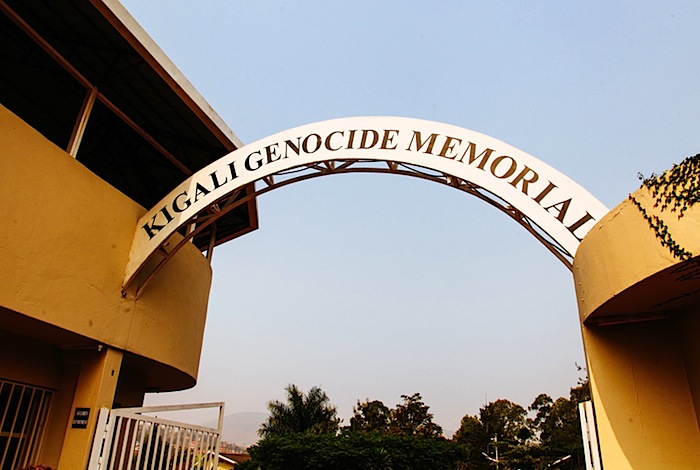
- Kigali Genocide Memorial: A visit here is a mandatory, moving experience that honors the victims of 1994 while celebrating the nation's incredible journey toward reconciliation.
- Kimironko Market: Dive into the sensory explosion of Rwanda's busiest market. It’s the best place to find vibrant Kitenges (fabrics), hand-woven Agaseke baskets, and local spices.
- Reconciliation Villages: Visiting a "Bugesera" reconciliation village allows you to hear firsthand stories of how former adversaries now live and work together, offering a profound lesson in the power of forgiveness and community.
14 Days safari in Rwanda
This 14-day Safari in Rwanda is a masterful exploration of a nation that has redefined the intersection of luxury, conservation, and resilience. In 2026, Rwanda stands as a premier "high-value, low-impact" destination, offering exclusive encounters within three distinct ecosystems. Your journey begins in the sophisticated capital of Kigali before traversing the eastern savannas of Akagera National Park, where the "Big Five" have been triumphantly restored. You will then descend into the ancient depths of Nyungwe Forest, a prehistoric sanctuary for chimpanzees and rare primates. The narrative culminates in the mist-shrouded Virunga Mountains, the hallowed ground of the mountain gorilla. Between these wild landmarks, you will find tranquility on the emerald shores of Lake Kivu, experiencing the "thousand hills" not just as a landscape, but as a living story of renewal. This two-week odyssey is designed for the discerning traveler who seeks a profound, soul-stirring connection with the natural world in its most pristine and protected form.
Day 1: Arrival in Kigali
Your Rwandan journey commences in Kigali, famously known as Africa’s cleanest and most organized city. Upon arrival at Kigali International Airport, you will be met by a private guide and transferred to your boutique hotel. The afternoon is dedicated to a guided city tour, including a visit to the Kigali Genocide Memorial. This site provides a somber but vital understanding of the nation’s history and its inspiring path toward reconciliation and unity. Later, explore the vibrant Nyamirambo neighborhood, visiting the Women’s Center for a glimpse into local life and artisanal crafts. The evening concludes with a welcome dinner at a restaurant offering panoramic views of the city’s illuminated hills, introducing you to the sophisticated culinary scene that blends traditional Rwandan ingredients with international flair. This first day sets the essential cultural and historical foundation for the adventures ahead.
Day 2: Transfer to Akagera National Park
Leaving the urban energy of Kigali behind, you head east toward the border with Tanzania. The landscape shifts from terraced highlands to the expansive, rolling savannas of Akagera National Park. As Rwanda’s only savanna park, Akagera is a testament to successful restoration, now hosting all members of the "Big Five." You will arrive at your lodge in time for a late lunch, followed by an afternoon game drive. The park’s northern sector is particularly rich in wildlife; keep your eyes peeled for lions, giraffes, and large herds of buffalo. The scenery, characterized by acacia woodlands and a chain of spectacular lakes, provides a stark and beautiful contrast to the mountainous regions you will visit later. Dinner is served under the vast African sky, surrounded by the nocturnal sounds of the savanna.
Day 3: Full Day "Big Five" Safari
Today is dedicated to exploring the diverse ecosystems of Akagera. A morning game drive focuses on the Mutumba Plains, where you have the best chance of spotting the reintroduced black and white rhinos grazing in the tall grass. The park’s predator population, including lions and leopards, is most active in the early hours. In the afternoon, you will transition to the water for a boat safari on Lake Ihema. This provides a unique vantage point to observe massive pods of hippos and some of the largest Nile crocodiles in Africa. Bird enthusiasts will be delighted by sightings of the African fish eagle and the rare, prehistoric-looking shoebill stork. This full day of savanna immersion highlights the successful return of biodiversity to this region, offering a complete African safari experience within Rwanda’s borders.
Day 4: Akagera to Nyungwe Forest
A scenic transit day takes you from the eastern plains across the southern heartland of Rwanda toward the southwestern corner. Along the way, you will visit the King’s Palace Museum in Nyanza, an architectural reconstruction of a traditional royal residence. Here, you can meet the sacred, long-horned Inyambo cattle, known for their impressive size and the rhythmic songs their keepers sing to them. The journey continues through emerald tea plantations that cling to the steep hillsides. By late afternoon, the air becomes cool and misty as you enter the fringes of Nyungwe Forest National Park. This ancient montane rainforest is one of the oldest in Africa, serving as a sanctuary for 13 primate species. You will check into your lodge, nestled within the lush greenery, as the prehistoric sounds of the forest begin their evening chorus.
Day 5: Chimpanzee Tracking
The day begins before dawn with an adrenaline-filled trek to find habituated chimpanzees. Accompanied by expert trackers, you will plunge into the thick undergrowth, listening for the thunderous "pant-hoot" calls that echo through the canopy. Finding a community of these energetic primates as they feed and socialise is a raw and thrilling experience. After the trek, return to the lodge for a well-earned lunch. The afternoon features the famous Nyungwe Canopy Walkway. This 160-meter-long suspended bridge hangs 70 meters above the forest floor, offering a dizzying and beautiful perspective on the rainforest’s upper layers. From this height, you can spot rare monkeys and endemic birds that rarely descend to the ground, all while surrounded by the vast, undulating sea of emerald green that defines the Albertine Rift.
Day 6: Colobus Monkeys and Forest Trails
Today you explore the quieter, equally fascinating side of Nyungwe’s biodiversity. You will trek to see the Angolan Colobus monkeys, which are unique for their striking black-and-white coats and their tendency to move in massive troops—sometimes numbering over 300 individuals. The sight of hundreds of monkeys leaping through the trees simultaneously is a spectacular display of forest life. In the afternoon, take a guided hike on the Isumo Waterfall Trail. This route winds through fragrant tea fields before descending into a deep rainforest ravine filled with giant ferns and orchids, culminating at a powerful 17-meter waterfall. The combination of primate encounters and the serene beauty of the forest’s interior provides a restorative experience, allowing you to fully absorb the prehistoric energy of one of Africa’s most vital watersheds.
Day 7: Transfer to Lake Kivu (Karongi)
After a final breakfast overlooking the forest, you head north along the "Kivu Belt," a scenic road that hugs the jagged, spectacular coastline of Lake Kivu. You will arrive at the lakeside town of Karongi, often considered the most picturesque point on the lake. After checking into your resort, enjoy an afternoon boat trip to Napoleon Island, named for its resemblance to the emperor's hat. The island is home to a massive colony of fruit bats, and a short hike to the summit offers a panoramic view of the lake’s emerald islands and the distant, smoking volcanoes of the Congo. As evening falls, watch the "singing fishermen" head out in their traditional three-hulled canoes; their rhythmic chants drifting across the water provide a peaceful and quintessentially Rwandan coastal soundtrack to your evening.
Day 8: Relaxation and Rubavu
Continuing north along the lake, you reach Rubavu (Gisenyi), a town with a relaxed, Mediterranean atmosphere and palm-fringed sandy beaches. This day is designed for decompression and leisure. You can explore the local markets, visit a coffee washing station to learn about the "seed-to-cup" process, or simply enjoy a swim in the clear, bilharzia-free waters of the lake. For the more active, kayaking along the shore offers a quiet way to observe lakeside life and the vibrant birdlife. Rubavu is also a hub for the Congo Nile Trail, and a short walk along the trail provides spectacular vistas of the lake and the surrounding terraced hills. The evening is spent enjoying fresh tilapia from the lake, preparing your spirit for the high-altitude volcanic adventures that begin tomorrow.
Day 10: Mountain Gorilla Trekking
This is the pinnacle of your Rwandan adventure. After a morning briefing at the park headquarters, you will be assigned to a gorilla family and head into the forest with expert rangers. The trek through the bamboo thickets can be physically demanding, but all effort is forgotten the moment you find them. Spending one hour in the presence of a silverback and his family is a silent, spiritual experience. Watching them groom, play, and forage just meters away is a rare privilege that defies description. You will return to the lodge for a celebratory lunch and a restorative "post-trek" massage. The afternoon is dedicated to reflection, allowing the magnitude of the connection you’ve just made with our closest wild relatives to truly sink in.
Day 11: Golden Monkey Tracking
Return to the forest today to track the endangered Golden Monkeys. These primates are endemic to the Virunga woods and are known for their vibrant orange-gold fur and playful, energetic nature. Unlike the stoic gorillas, golden monkeys are constantly in motion, leaping through the bamboo and foraging on the forest floor. The trek is generally shorter and stays at lower elevations, providing a lighter but equally charming wildlife experience. In the afternoon, visit the Iby’Iwacu Cultural Village (Gorilla Guardians). Here, former poachers have been transformed into conservation ambassadors. You will witness traditional dancing, learn about ancient medicine, and see how tourism revenue has revitalized the local community. It is a powerful demonstration of how people and wildlife can thrive together in modern Rwanda.
Day 12: Dian Fossey Hike or Mount Bisoke
For your final day of mountain activity, you have a choice of legendary treks. The Dian Fossey hike leads to the ruins of her Karisoke Research Center and her grave, situated in the high saddle between Mount Bisoke and Mount Karisimbi. It is a pilgrimage for any conservationist. Alternatively, for those seeking a physical challenge, the hike up Mount Bisoke leads to a stunning crater lake at the summit. Both treks offer incredible views and the chance to see forest elephants or rare birds. The high-altitude environment is exhilarating, providing a rugged and rewarding conclusion to your time in the Virungas. The evening is spent back at the lodge for a farewell "mountain dinner," celebrating the endurance and beauty of the Rwandan wilderness.
Day 13: Twin Lakes and Return to Kigali
Before heading back to the capital, take a scenic drive to the Twin Lakes, Burera and Ruhondo. These deep blue lakes are separated by a narrow strip of land and offer some of the most dramatic vistas in the country, with the volcanoes as a constant backdrop. A boat trip on the lakes reveals a quiet, pastoral side of Rwanda. After lunch overlooking the water, you begin the drive back to Kigali. The terraced hillsides provide a final, lasting image of why this is called the "Land of a Thousand Hills." Upon arrival in Kigali, you can enjoy some last-minute souvenir shopping at the Caplaki Craft Village or high-end boutiques before a final celebratory dinner at one of the city's top-rated restaurants.
Day 14: Final Souvenirs and Departure
On your final day, enjoy a leisurely breakfast before a final exploration of Kigali’s thriving art scene. Visit the Inema Arts Center or Ivuka Arts to see how contemporary Rwandan artists are interpreting their country's journey. This is also a great time to pick up world-class Rwandan coffee or hand-woven Agaseke baskets to take home. Your guide will provide a transfer to Kigali International Airport for your departure flight. You leave Rwanda not just with a collection of wildlife sightings, but with a deep respect for a nation that has mastered the art of resilience, conservation, and hospitality. The memories of the mist-covered volcanoes and the eyes of a silverback will stay with you long after you’ve left the hills behind.
What is the main highlight of a 14-day safari in Rwanda?
The definitive highlight of any Rwandan itinerary is mountain gorilla trekking in Volcanoes National Park. In 2026, this experience remains the world’s most successful model of "extreme conservation." Because Rwanda focuses on a low-volume, high-value strategy, the $1,500 permit ensures that your encounter is exclusive and impactful. You spend exactly one hour with a habituated family, often led by a massive silverback who may weigh over 200kg. Watching these gentle giants groom, forage, and play just meters away is not merely wildlife viewing; it is a profound, silent dialogue with a species that was once on the brink of extinction. The misty, bamboo-clad slopes of the Virungas provide a cinematic backdrop that makes this the emotional climax of the two-week journey.
Can I see the Big Five during a safari in Rwanda?
Yes, Akagera National Park has triumphantly reclaimed its status as a Big Five destination. Over the last decade, the successful reintroduction of lions (2015) and black and white rhinos (2017/2021) has completed the ecosystem. Spanning the border with Tanzania, Akagera’s landscape is a beautiful tapestry of open plains, acacia woodlands, and a vast network of lakes. While leopards remain elusive and require a bit of luck during night drives, elephants and buffaloes are seen in high concentrations. The park’s restoration is a source of national pride, offering a classic savanna experience that perfectly complements the primate-focused adventures of the western mountains.
Are chimpanzees included in a 14-day safari in Rwanda?
Absolutely. A 14-day circuit almost always includes chimpanzee tracking in Nyungwe Forest National Park. This ancient montane rainforest is home to two habituated communities of chimps. Unlike the relatively sedentary gorillas, chimpanzees are high-energy and highly mobile. You will often hear their thunderous "pant-hoot" vocalizations echoing through the canopy long before you see them. Tracking them requires a bit more physical stamina as they move rapidly through the thick undergrowth. Observing their complex social structures, raw intelligence, and startlingly human-like expressions provides a fascinating evolutionary contrast to the stoic nature of the gorillas.
What primate species are seen during a safari in Rwanda?
Rwanda is a primate lover’s paradise, hosting 13 distinct species. Beyond the "Big Two" (gorillas and chimps), you will track the Golden Monkeys in the bamboo forests of the Virungas; these vibrant, orange-furred primates are endemic to the Albertine Rift. In Nyungwe, you can witness the spectacular Angolan Colobus monkeys, which form some of the largest troops in Africa—sometimes numbering over 300 individuals. Throughout the parks, you are also likely to encounter L'Hoest's monkeys, silver monkeys, red-tailed monkeys, and olive baboons. The sheer diversity of primates makes every forest walk a multi-layered discovery of different behaviors and adaptations.
Is a canopy walk part of a safari in Rwanda?
Yes, the Nyungwe Canopy Walkway is a signature experience in 2026. Suspended 70 meters above the forest floor, this 160-meter-long bridge is the only one of its kind in East Africa. It offers a dizzying and beautiful perspective on the ancient rainforest, allowing you to see the "top floor" of the ecosystem where many birds and primates reside. Walking across the three sections of the bridge, you are surrounded by the mist-covered peaks of the Albertine Rift. It is an exhilarating way to appreciate the scale of Nyungwe—an emerald sea of green that has survived since the last Ice Age.
Can I visit cultural sites during a safari in Rwanda?
Cultural immersion is woven into the fabric of a 14-day trip. A key stop is the King’s Palace Museum in Nyanza, which features a reconstruction of the traditional royal residence. Here, you can see the Inyambo cattle, sacred long-horned cows that were historically part of the royal court; their keepers even sing to them to keep them calm. Additionally, many itineraries include visits to reconciliation villages, where survivors and former perpetrators of the 1994 genocide live and work together in harmony. These visits offer a profound look at the "Rwandan Spirit" and the nation's commitment to unity and progress.
What bird species can I see on a safari in Rwanda?
With over 700 species packed into a small geographical area, Rwanda is an elite birding destination. Nyungwe Forest is the jewel in the crown, hosting 27 Albertine Rift endemics. The most sought-after sighting is the Great Blue Turaco, a stunningly colorful bird that is often seen gliding between the forest giants. You might also spot the Regal Sunbird or the Rwenzori Turaco. In 2026, specialized birding guides are available to help enthusiasts navigate the dense foliage to find rare species, making Rwanda a mandatory stop for any serious "lister" visiting East Africa.
Is birdwatching good in Akagera on a safari in Rwanda?
Akagera offers a completely different but equally spectacular birding environment. With over 500 species, its wetlands and savannas are teeming with life. The ultimate prize here is the Shoebill stork, a prehistoric-looking bird often found in the papyrus swamps of Lake Ihema. You will also see African fish eagles, kingfishers, and various herons. Because Akagera is a mix of water and land, the variety is staggering; you can be watching a lion one moment and a vibrant Papyrus Gonolek the next. Boat safaris on the lake provide the best vantage point for aquatic birding.
Can I visit Lake Kivu on a 14-day safari in Rwanda?
Yes, Lake Kivu serves as the perfect "rest and recharge" station in the middle of a 14-day trip. The lakeside towns of Rubavu (Gisenyi) and Karongi offer sandy beaches, palm trees, and clear, swimmable waters. After the physical exertion of trekking through muddy rainforests, spending two days here allows you to decompress. You can take boat trips to explore the many islands, such as Napoleon Island (home to a massive fruit bat colony), or simply enjoy a sunset over the distant mountains of the Democratic Republic of Congo.
What is the Congo Nile Trail experience?
The Congo Nile Trail is a 227km adventure that hugs the jagged coastline of Lake Kivu. While you may not hike the entire length in 14 days, most itineraries include a section of it. Whether you choose to hike, bike, or kayak parts of the trail, you are treated to spectacular views of terraced hills and hidden inlets. It provides a grassroots look at Rwandan life, as you pass through coffee-growing villages and vibrant local markets. In 2026, e-biking sections of the trail has become a popular way to see the scenery without the intense physical strain of the steep hills.
What history can I learn on a safari in Rwanda?
A 14-day trip provides the space to confront and understand Rwanda’s complex history. A visit to the Kigali Genocide Memorial is a mandatory, somber experience that honors the victims of 1994 and explains the roots of the tragedy. Many travelers also visit the Nyamata and Ntarama churches, which serve as stark, preserved reminders of the events. However, the history lesson doesn't end in the past; the safari also showcases the "New Rwanda"—a story of rapid development, environmental leadership, and a visionary approach to the future that is visible in every clean street and protected forest.
Are there hiking opportunities on a safari in Rwanda?
Rwanda is a hiker's paradise. Beyond the primate treks, you can embark on a challenging two-day climb of Mount Karisimbi, the highest of the Virunga volcanoes, which occasionally sees snow at its summit. For a shorter but equally rewarding hike, the climb to the crater lake on Mount Bisoke is a favorite. Additionally, the hike to the Dian Fossey grave site is a pilgrimage for many; it leads you to the ruins of her Karisoke Research Center, situated in the beautiful, mist-shrouded saddle between two volcanoes.
Can I visit a tea plantation on a safari in Rwanda?
Yes, tea is one of Rwanda's largest exports, and the plantations are visually stunning, resembling manicured green carpets draped over the hills. Tours of plantations near Nyungwe Forest (like the Gisakura Tea Estate) are highly popular. You can participate in the "seed-to-cup" process, learning how the leaves are picked, withered, and dried. Walking through the emerald-green rows of tea provides fantastic photographic opportunities and a chance to meet the local workers who contribute to this world-class industry.
What is the best time to do a safari in Rwanda?
The dry seasons (June to September and December to February) are the optimal times for a 14-day safari. During these months, the trails for gorilla and chimp tracking are drier and less slippery, and the savanna grass in Akagera is lower, making wildlife easier to spot. However, the "short rains" in October and November have their own charm, as the air is incredibly clear—perfect for photography—and the forest is lush and filled with orchids.
What is included in a 14-day safari in Rwanda?
In 2026, a comprehensive 14-day package is designed to be "frictionless." It includes all primate permits (which are the most significant cost), park entrance fees, and the services of specialized, certified guides. You will have a private 4x4 safari vehicle for the duration of the trip, high-end or mid-range full-board accommodation, and all internal transfers. While it usually excludes international flights and personal tips, the package ensures that the logistical complexities of moving between Rwanda’s diverse parks are handled seamlessly by local experts.
Booking 14 Days safari in Rwanda with us Roads of Adventure safaris
Book a 14-day Rwanda safari with Roads of Adventure Safaris to experience gorilla trekking in Volcanoes National Park, chimpanzee tracking in Nyungwe Forest, and Big Five wildlife viewing in Akagera National Park. These tailored itineraries include expert-guided, mid-range to luxury 4x4 tours and also cover popular, immersive multi-country, 14-day, Uganda & Rwanda safari packages.
