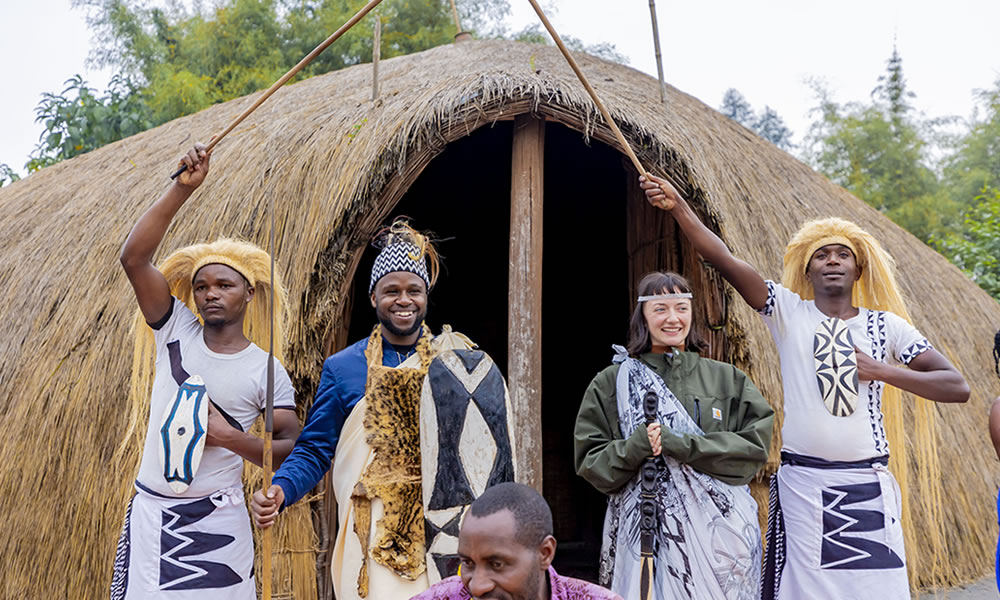
A Rwanda gorilla trekking vacation is infinitely more meaningful when you dive into the 10 immersive community experiences that funnel critical tourism revenue directly into local hands. At the Gorilla Guardians Village, you can stand alongside dozens of former poachers who now preserve heritage through the powerful Intore warrior dance, while the Batwa Trail connects you to 10,000 years of indigenous forest history through hands-on medicinal plant foraging. Art lovers can craft 18th-century geometric Imigongo paintings or join a cooperative of 20+ local women to weave traditional agaseke peace baskets using 3 distinct types of regional grasses. Flavor and farming come alive through a hands-on, 4-step banana beer brewing process, harvesting fresh cassava leaves to cook authentic isombe in Nkotsi Village, and picking coffee beans across 100-acre terraced hillsides. Ultimately, you can bond deeply with locals by joining Umuganda—the vital 3-hour monthly national community service day—or by spending 1 unforgettable night at a Nyange family homestay beneath the Virunga peaks.
2-days-volcanoes-national-park-gorilla-trekking-and-ibyiwacu-cultural-village
4-days-gorilla-trekking-in-volcanoes-park-combined-with-lake-kivu-trip
3-day-best-hiking-congo-nile-trail-along-lake-kivu-rwanda-tour-package
4-days-best-rwanda-gorilla-trekking-and-bisoke-hike
5-days-rwanda-primate-safari-dian-fossey-hike-and-ibyiwachu-cultural-centre-visit
4-days-best-rwanda-gorilla-trekking-golden-monkey-and-lake-kivu-beach-relaxation
6-days-gorillas-trekking-chimpanzee-tracking-and-golden-monkeys-safari-in-rwanda
7-days-rwanda-birding-safari-chimps-and-gorilla-trekking
Gorilla Guardians Village (Iby'Iwacu)
A Rwanda gorilla trekking vacation is profoundly enriched by visiting the Gorilla Guardians Village in Kinigi, located just outside Volcanoes National Park. Formerly known as Iby’Iwacu Cultural Village, this pioneering initiative has successfully transformed the local conservation landscape. Over the past 15 years, it has incentivized close to 100% of its members—many of whom are former wildlife poachers—to become active guardians of the forest. By reshaping local livelihoods, the village ensures that tourism revenue directly replaces the economic drivers of illegal hunting.
When you step into this vibrant cultural hub, you are immediately immersed in the living history of the region. The experience is highly interactive: visitors are invited to try their hand at grinding sorghum grain on traditional grinding stones, a daily chore that local women have perfected over generations. You will also have the unique opportunity to step inside a replica of a traditional Rwandan royal palace, where you can dress in regal robes, hold a ceremonial spear, and be playfully crowned as a king or queen for the day by the village elders.
The undisputed highlight of the visit is the performance of the Intore warrior dance. Rooted in centuries of battlefield victory traditions, the dance features performers wearing long, flowing grass wigs that mimic a lion’s mane. They leap to the powerful rhythms of large wooden drums, filling the air with vibrant energy. Beyond the spectacle, the village operates as a true community cooperative, supporting over 500 local families through ticket sales and handicraft marketing. This immersive stop vividly demonstrates how cultural preservation and wildlife conservation can work hand-in-hand to build a sustainable future.
Batwa Trail Experience
The Batwa Trail Experience offers a deeply moving encounter with the first inhabitants of the Virunga forest. For thousands of years, the marginalized Batwa pygmies lived as hunter-gatherers inside the dense woodlands of what is now Volcanoes National Park. Following the gazetting of the park in the late 20th century to protect endangered mountain gorillas, the Batwa were displaced. This community-led tourism trail provides an essential platform for over 50 Batwa households to preserve their ancient heritage, share their distinct narrative, and earn a dignified living.
Led by an indigenous Batwa guide, you will walk a specialized trail that recreates their historical relationship with the forest. The guides demonstrate incredible survival skills that kept their ancestors alive for over 10,000 years. You will watch a live demonstration of traditional fire-making, where friction between two pieces of wood produces a flame in under 60 seconds. The guides also showcase their master marksmanship, teaching visitors how to aim a traditional bow and arrow at targets, a skill once vital for hunting small game.
As you walk, your guide will point out the diverse forest pharmacy, identifying at least 12 specific medicinal plants used to treat everything from malaria to common stomach ailments. The journey culminates in a powerful session of traditional storytelling and hauntingly beautiful polyphonic singing. By participating in this experience during your Rwanda gorilla trekking vacation, you contribute directly to an emergency social fund that pays for school fees and medical insurance for the local Batwa community, ensuring their ancient culture is never forgotten.
Imigongo Art Craft Center
Adding a creative and tactile dimension to your Rwanda gorilla trekking vacation, the Imigongo Art Craft Center offers a hands-on look at one of East Africa's most distinctive art forms. Originating in the 18th century in the Eastern Province of Rwanda under the reign of Prince Kakira of Gisaka, Imigongo is a historic, geometric painting technique. What makes this art form globally unique is its primary medium: a careful mixture of fresh cow dung, ash, and organic soil. Local cooperatives have preserved this ancient tradition, passing the meticulous methodology down through generations of artisans.
During your visit, a master artisan will guide you through the 3-step creation process. First, you will learn to knead the fresh cow dung with ash to create a smooth, malleable clay-like paste. Next, using your fingers, you will apply this mixture onto a wooden canvas, building up thick, relief ridges to form striking, geometric patterns—traditionally featuring sharp zig-zags, diamonds, and spirals. Once the dung dries and hardens over a few hours, it becomes entirely odorless and durable.
The final step involves painting the canvas using purely natural pigments. You will mix white clay, deep red soil, and black ash from burned banana leaves to create a striking, minimalist color palette. The center supports a cooperative of over 30 local women artists, providing them with a steady income that supplements their farming households. Crafting your own Imigongo piece allows you to take home a tangible, geometric fragment of Rwandan history while injecting financial support directly into an artistic rural economy.
Nkotsi Village Cultural Walk
To experience the true rhythm of rural life outside Musanze, the Nkotsi Village Cultural Walk is an essential addition to a Rwanda gorilla trekking vacation. Organized by local community cooperatives, this walking tour guides visitors through a vibrant agricultural landscape where more than 70% of the population relies on small-scale farming. The walk breaks down the barriers between tourists and locals, transforming observers into active participants in daily village life while funding local education and water infrastructure.
The journey begins in the fields, where you will join local farmers to learn about sustainable crop rotation. Armed with a traditional hoe, you will help harvest seasonal staples like sweet potatoes, beans, or cassava roots. The experience then transitions into a hands-on culinary workshop in a family kitchen. Here, you will learn the meticulous art of traditional gastronomy by helping prepare isombe—a beloved Rwandan dish made from pounded cassava leaves.
Under the guidance of a local matriarch, you will spend roughly 45 minutes pounding the leaves in a large wooden mortar and pestle before simmering them with local eggplants, onions, and a rich peanut paste. While the pot bubbles over a firewood stove, your hosts will share stories of village life, marriage customs, and local folklore. Sitting down to share this meal with three generations of a Rwandan family offers an authentic taste of local life, ensuring your tourism spend rewards the hospitality of the rural families hosting you.
Local Banana Beer Brewing
Banana beer, locally known as Urwagwa, holds a revered place in Rwandan culture, serving as a staple at weddings, births, and community celebrations for centuries. Participating in a banana beer-making workshop offers a spirited look into rural chemistry and socialization. This experience connects travelers with smallholder farmers who manage small banana groves, known as shambas. In these rural sectors, selling Urwagwa provides a vital cash flow that accounts for up to 40% of a family's weekly household income.
The brewing experience is highly collaborative and divided into 4 distinct traditional steps. First, you will help unearth green Ibitekere bananas that have been buried underground for 4 to 5 days wrapped in banana leaves to accelerate ripening. Next, you will join the locals in a large wooden trough, using fresh, coarse mountain grass to vigorously mash the ripened bananas by hand (or feet) to extract the thick, sweet juice.
Once the juice is separated, the third step involves mixing it with ground, roasted sorghum flour, which acts as a natural wild yeast agent. Finally, the mixture is left to ferment in a sealed container for 48 to 72 hours. While you wait for the final product, you will taste Umutobe, the incredibly sweet, unfermented banana juice. The session wraps up with a sampling of a pre-prepared, fully fermented batch of beer. Drinking Urwagwa out of a shared calabash gourd offers a fun, sensory window into local camaraderie and agricultural ingenuity.
Coffee or Tea Plantation Tours
The high-altitude, volcanic soils and abundant rainfall surrounding Volcanoes National Park provide the absolute perfect microclimate for producing some of the world's finest specialty coffees and teas. Integrating a plantation tour into your Rwanda gorilla trekking vacation takes you along stunning, emerald-green terraced hillsides that rise between 1,800 and 2,200 meters above sea level. These tours showcase the rigorous labor behind Rwanda's top agricultural exports, which sustain thousands of rural smallholder farmers.
Whether you choose a coffee or tea tour, the experience is entirely hands-on. Walking through the neat rows of crops alongside local pickers, you will learn the precise art of harvesting. For tea, you will learn to pluck only the "two leaves and a bud" to ensure maximum quality. For coffee, you will selectively pick only the deep-red, perfectly ripe cherries. A single picker can harvest up to 25 kilograms of cherries in a single day, a feat that requires incredible speed and precision.
Following the harvest, you will tour the local washing station or processing factory to see the transformation of the raw crop. You will witness the depulping, sorting, and sun-drying phases on raised African drying beds. The tour culminates in a professional cupping session. For coffee lovers, watching beans roast at 200°C before tasting a freshly brewed cup reveals a complex flavor profile featuring bright, citrusy acidity and sweet chocolate notes. This tour connects you directly with the farmers, ensuring fair-trade tourism dollars directly boost their agricultural cooperatives.
Agaseke Basket Weaving
The Agaseke—a distinctively pointed, zig-zag patterned peace basket—is an internationally recognized icon of Rwandan resilience and reconciliation. Following the tragic events of 1994, women's weaving cooperatives emerged across the country as a way for widows from both sides of the conflict to find common ground and rebuild their financial independence. Visiting a cooperative near Musanze introduces you to over 40 master weavers who utilize their craft to fund healthcare and education for their families.
Sitting in a circle on woven mats with these artisans, you will learn the incredibly patient craft of basketry. The process begins with preparing raw materials. You will learn how local sisal plants, sweet potato stalks, and wild raffia grasses are harvested, dried, and split into fine fibers. The women then use natural dyes derived from local roots and leaves to create a vibrant palette of black, red, yellow, and green threads.
Using a specialized bone needle, you will attempt the "coiling" technique, wrapping dyed raffia fibers tightly around a core of local grass. It takes a master weaver between 3 to 5 days of dedicated labor to complete a single, medium-sized Agaseke basket. As you weave together, the women share songs and personal stories of how their craft fostered community healing. Buying a basket directly from the hands that created it provides a vital source of independent income for rural women, making it a meaningful addition to your Rwanda gorilla trekking vacation.
Umuganda Community Work
If your Rwanda gorilla trekking vacation lands on the last Saturday of any given month, you have the unique privilege of participating in Umuganda. Translating to "coming together in common purpose to achieve a outcome" in Kinyarwanda, Umuganda is a mandatory national community service day. From 8:00 AM to 11:00 AM, all businesses close across the nation, and citizens aged 18 to 65 gather in their local neighborhoods to complete public infrastructure and environmental projects.
As an international visitor, joining the locals for these 3 hours of collective labor is a powerful way to immerse yourself in the country's civic heartbeat. You will find yourself working side-by-side with local villagers, park rangers, and local officials. Depending on the immediate needs of the specific village you visit outside Volcanoes National Park, your tasks might include digging drainage ditches to prevent seasonal flooding, clearing brush from rural dirt roads, or planting indigenous trees along hillsides to combat soil erosion.
The physical labor is only half of the experience. At 11:00 AM, the community drops their tools and gathers under a large tree for a town-hall meeting. Here, the village chief discusses local security, health initiatives, and financial targets, allowing community members to voice their opinions openly. Participating in Umuganda offers travelers an unfiltered look at the deep-seated unity and collective responsibility that drives modern Rwanda forward, offering an unforgettable connection to the local community.
Nyange Community Homestay
To truly understand the heartbeat of rural Kinyarwanda life, swapping a luxury safari lodge for 1 unforgettable night at a Nyange Community Homestay is an incredibly rewarding choice. Situated in the immediate shadow of the dramatic Virunga Volcanoes, the Nyange sector is a peaceful farming community. This homestay initiative allows local families to open their homes to travelers, distributing tourism revenue away from large corporations and putting it directly into the domestic micro-economy.
Upon arriving at your host family's modest, mud-brick or concrete home, you are welcomed with the traditional greeting, "Mwiriwe." The experience is unscripted and centers around shared daily routines. You might help the family fetch clean water from the community tap, collect firewood, or tend to the family’s livestock, which often includes a few goats or a milk cow. These intimate chores create natural, heartwarming spaces for laughter and cross-cultural connection.
As night falls, the household gathers around the kitchen fire. You will assist in preparing a large family dinner, typically consisting of fresh beans, matooke (steamed green bananas), posho, and avocado. Eating together by the gentle glow of a solar lantern allows you to chat about everything from school systems to local marriage traditions. Falling asleep under a mosquito net to the quiet sounds of the rural night, and waking up to the mist rolling off the volcanic peaks, gives you a profound appreciation for the warmth of Rwandan hospitality.
Traditional Honey Harvesting
High up on the forested ridges bordering Volcanoes National Park, traditional beekeeping has been practiced for generations. Joining a local beekeeping cooperative for a honey harvesting tour gives you an inside look at sustainable apiculture. This experience highlights how local communities protect the park's peripheral ecosystem. By maintaining healthy bee populations, these cooperatives provide essential pollination services for local farms while generating a sweet, profitable harvest that deters community members from illegal forest exploitation.
Your adventure begins at a community workshop, where you will gear up in full protective canvas suits and mesh veils. You will then hike out to an apiary tucked into a valley, home to up to 30 traditional beehives constructed from hollowed-out logs and woven banana bark. Your guide, a master apiculturist, will demonstrate how to safely calm the African honeybees using a traditional smoker filled with burning, dried elephant grass and wild herbs.
You will watch closely as the beekeeper carefully opens the hive to extract a golden, honey-laden comb. If you are feeling brave, you can help slice the comb away from the hive structure. The experience wraps up back at the cooperative's processing station, where you will learn how the honey is pressed and filtered. The best part, of course, is tasting the raw, organic mountain honey straight from the comb. Its unique, slightly smoky flavor profile is shaped by the wild eucalyptus and volcanic flora of the region, offering a delicious end to your Rwanda gorilla trekking vacation.
Can we visit the local cultural village near Volcanoes Park?
You absolutely can, and it is honestly one of the most rewarding additions you can make to your trek! Located in Kinigi, just a few minutes from the park headquarters, the Gorilla Guardians Village (historically known as Iby’Iwacu Cultural Village) warmly welcomes travelers every day. This vibrant, interactive replica of a traditional Rwandan village was explicitly created to offer an authentic glimpse into the country's rich heritage while actively protecting local wildlife.
What makes a visit here so special is its heart: the village is proudly run and staffed by close to 100 former poachers who once relied on the forest for survival. Today, they have completely traded their hunting snares for cultural guiding, sharing their history with pride. Your visit helps sustain an ecosystem where conservation directly fuels community welfare. A standard tour runs daily between 8:00 AM and 5:30 PM, making it incredibly easy to pair with your morning gorilla trek.
How do community visits support local Rwandan families directly?
Community visits operate on a direct-benefit tourism model, ensuring that 100% of your cultural excursion fees bypass large international corporations and flow straight into rural pockets. When you pay for a tour, a meal, or a workshop, that money goes directly to local cooperatives, family-owned homestays, and independent guides. For instance, the Gorilla Guardians Village supports over 500 local families by funding community healthcare, school fees, and clean water infrastructure.
Furthermore, initiatives like the Batwa Trail and agricultural tours provide sustainable, dignified employment that acts as an economic alternative to poaching and illegal forest harvesting. By turning cultural preservation into a viable livelihood, your tourism dollars empower local matriarchs, youth, and marginalized groups. This direct financial injection builds a resilient local economy, transforming neighboring communities into active stakeholders who are deeply invested in protecting the surrounding Volcanoes National Park ecosystem.
What traditional Rwandan dances can visitors watch there?
The centerpiece of any cultural visit is the captivating performance of the Intore dance, a centuries-old traditional warrior dance. Historically performed for Rwandan kings (Mwami) returning from successful battlefields or to celebrate grand harvest festivals, the Intore is a high-energy spectacle of strength and agility. Dancers wear long, flowing wigs made of sisal grass that mimic a lion’s majestic mane, which they whip through the air as they leap to the booming rhythms of massive wooden drums.
In addition to the fierce warrior dances, visitors will experience the graceful Umushayayo, or the "crane dance." Performed by local women, this dance features fluid, sweeping arm movements that beautifully mimic the elegant courtship rituals of Rwanda's endangered grey crowned cranes. These performances are deeply interactive, and guests are frequently invited to step onto the dirt stage, don a traditional wrap, and try to match the vibrant, rhythmic footwork of the local community dancers.
Are there handicraft workshops with local basket weavers?
Yes, you can sit down face-to-face with local women’s cooperatives near Musanze for an intimate, hands-on basket-weaving workshop. These sessions focus on crafting the iconic Agaseke, Rwanda's famous "peace basket," which features a distinctively pointed lid and sharp geometric patterns. These baskets carry deep historical weight, as weaving cooperatives famously brought together women from opposing sides of the 1994 conflict, serving as a powerful space for national reconciliation and healing.
During a 2-hour workshop, a master weaver will guide you through the intricate process of splitting, dying, and coiling local sisal fibers and wild raffia grass around a sturdy core of dried mountain reeds. While your hands learn the patient rhythm of the bone needle, the women share traditional songs and personal stories of resilience. Every cooperative supports 30 to 50 local artisans, meaning the beautiful basket you buy or help make directly funds the weaver’s household healthcare and education.
Can we join locals for a coffee picking session?
You can absolutely immerse yourself in Rwanda's thriving agritourism by joining local smallholders on a coffee-picking excursion. These tours take place across stunning, emerald-green terraced hillsides situated between 1,800 and 2,200 meters above sea level. This high altitude and volcanic soil create the ideal microclimate for producing world-class Arabica coffee, a vital industry that sustains thousands of rural families surrounding the park.
Walking alongside local farmers, you will learn the meticulous "selective picking" method, where you harvest only the deep-crimson, perfectly ripe coffee cherries while leaving the green ones to mature. A seasoned picker can harvest up to 25 kilograms of cherries in a day. After filling your basket, you will follow the harvest to a local washing station to see the depulping, sorting, and sun-drying process. The experience wraps up with a roasting session, where you can watch the beans turn chocolate-brown before enjoying a fresh cup brewed by the farmers.
Which traditional meals can guests prepare with locals?
Guests can participate in hands-on culinary workshops to prepare isombe, an absolute staple of traditional Rwandan gastronomy. This rich, nutritious dish is made from fresh cassava leaves harvested straight from the village fields. Under the patient guidance of a local family matriarch, you will use a large wooden mortar and pestle to pound the leaves into a fine paste, a traditional cooking technique passed down through generations.
The pounded leaves are then simmered for about 45 minutes over an open firewood stove, combined with local eggplants, onions, and a generous dollop of rich, unrefined peanut paste. Alongside isombe, you will help prepare matooke (steamed, mashed green bananas), slow-cooked beans, and roasted sweet potatoes. Preparing this meal over a crackling fire provides an authentic window into daily rural life. Afterward, your group will sit down together to share the feast, enjoying a cross-cultural dinner filled with stories, laughter, and local hospitality.
Is there a guided tour of local tea plantations?
Yes, guided tours of the expansive tea plantations blanket the misty, high-altitude ridges outside Volcanoes National Park. Rwanda’s tea is globally renowned for its bold flavor, and these tours offer a fascinating look at the intensive labor that drives one of the nation's top agricultural exports. Walking through the perfectly manicured, emerald-green tea waves, you will be accompanied by an expert local agricultural guide.
During the tour, you will learn the precise art of harvesting, known as "fine plucking," where workers selectively pick only the top two leaves and a bud from each bush to ensure premium quality. You will have the chance to chat with the pickers, try on their traditional harvest baskets, and observe their incredible speed and precision. Afterward, the tour moves indoors to a local processing factory to witness the classic 5-step tea production method: withering, rolling, fermentation, drying, and meticulous sorting, culminating in a fresh, aromatic tasting session.
How long does the cultural village tour usually take?
A comprehensive tour of the Gorilla Guardians Cultural Village typically takes between 2 to 3 hours. This timeframe is perfectly designed to be thorough yet leisurely, allowing you to fully engage with each interactive station without feeling rushed. Because of its convenient location near the park gates, the tour seamlessly slots into your itinerary as a relaxed afternoon activity right after an early-morning gorilla trek.
Within those couple of hours, the experience moves at an engaging pace. You will spend about 45 minutes exploring the replica King's palace, trying your hand at grinding sorghum grain, and learning about traditional medicine from a resident healer. Another 30 minutes is dedicated to watching the vibrant Intore warrior and Umushayayo crane dances. The remaining time allows you to chat casually with the resident artisans, browse the authentic handicraft stalls, and take photos with your incredibly welcoming hosts, making it a highly fulfilling half-day excursion.
Do guides share fascinating stories about Rwandan village life?
Sharing stories is the absolute heartbeat of these community experiences. The local guides do not just recite dry historical facts; instead, they share deeply personal narratives, folklore, and oral histories that bring Kinyarwanda culture to life. For example, along the Batwa Trail, indigenous elders share captivating creation myths and ancestral legends passed down through 10,000 years of living in harmony with the Virunga forest.
At the cultural village, former poachers speak openly and vulnerably about their past lives, sharing emotional stories of how the community transformed from illegal hunters into proud conservation champions. During village walks and family homestays, your conversations over the kitchen fire will naturally touch upon the intricacies of modern village life, traditional marriage customs, the symbolism of naming ceremonies, and the community-led initiatives that drove the country's historic reconciliation, offering you a profound, authentic understanding of modern Rwanda.
Can tourists buy authentic crafts directly from community artisans?
Yes, purchasing crafts directly from the artisans is highly encouraged and serves as a vital pillar of local economic empowerment. At the end of village walks, weaving workshops, and cultural tours, you will find small, community-run handicraft markets. Here, you can buy authentic, completely handmade items like geometric Imigongo paintings, vibrant Agaseke peace baskets, hand-carved wooden gorillas, and traditional musical instruments.
Every single item is crafted using local, sustainably sourced materials like volcanic clay, wild raffia, and organic pigments. Because you are buying directly from the makers, there are no middleman fees, meaning your purchase functions as a direct economic boost. The income generated from these crafts goes straight toward funding essential household needs, such as health insurance, clean drinking water, and school supplies for the artisans' children, allowing you to take home a beautiful piece of Rwanda while leaving behind a lasting, positive footprint.
Booking Rwanda gorilla trekking with us Roads of Adventure safaris
Booking your Rwanda gorilla trekking vacation is seamless with Roads of Adventure Safaris. They sweat the logistics so you don't have to, from locking down your official $1,500 permit to mapping out a perfect 3 to 7-day journey from Kigali. A typical hassle-free package hooks you up with a custom 4x4 ride for the quick two-hour drive to Volcanoes National Park, along with awesome full-board lodging that matches your style.
