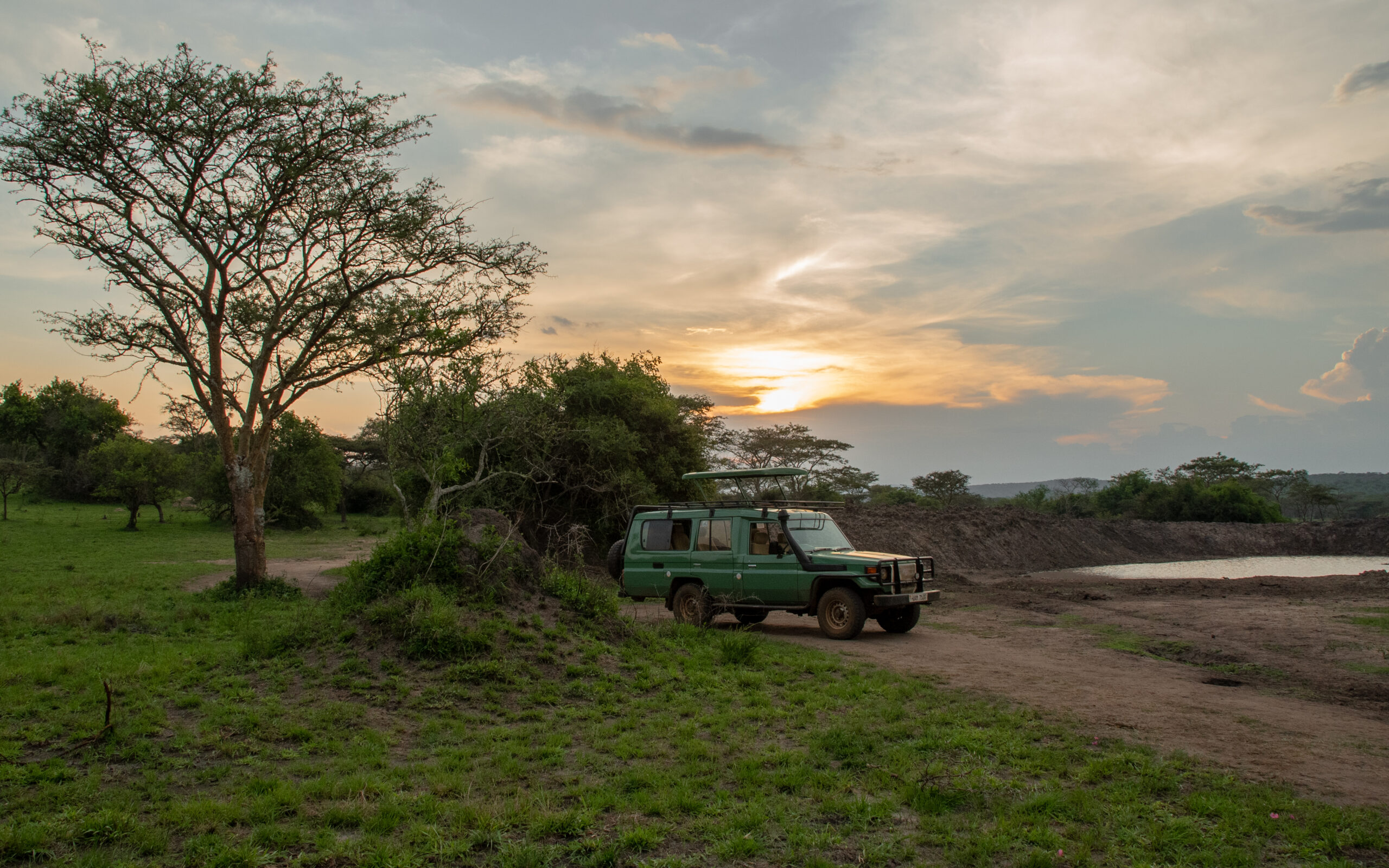
A walking safari in Lake Mburo National Park is an exceptional opportunity to explore the wilderness on foot, offering a more intimate connection with nature than traditional game drives. The activity is unique because the park has no lions and few dangerous predators, making it safe for guided walks with an armed ranger.
2-days-lake-mburo-national-park-uganda-safari-holiday
3-days-best-of-lake-mburo-national-park-uganda-safari-tour-package
4-days-queen-elizabeth-park-and-lake-mburo-uganda-safari-tour
4-days-perfect-honeymoon-uganda-safari-to-lake-mburo-national-park-and-lake-bunyonyi
10-days-best-photography-uganda-wildlife-safari-holiday-and-gorilla-trekking
7-days-safari-to-uganda-queen-elizabeth-park-gorillas-trekking-and-lake-mburo
1. Are walking safaris allowed in Lake Mburo National Park?
Yes, walking safaris in Lake Mburo National Park are not only allowed but are also a popular activity among visitors. One of the unique aspects of Lake Mburo is its lack of large dangerous predators, such as lions and elephants, which makes the park one of the few places in Uganda where travelers can safely explore on foot. The park's diverse ecosystems, including acacia woodlands, open grasslands, and wetlands, enrich the walking safari experience by providing an opportunity to engage closely with the environment. Guided walking safaris offer a unique perspective, allowing participants to appreciate the smaller details of the landscape, such as plant life, tracks, and bird species, that might be missed while driving. These guided explorations are led by trained naturalists who provide valuable insights into the park's ecology, ensuring that visitors leave with a deeper understanding of the wildlife and conservation efforts in the area. Walking safaris can typically accommodate various fitness levels, making them accessible to a broad audience, and they often culminate in memorable wildlife sightings, making for an enriching adventure.
2. Is it safe to go on a walking safari in Lake Mburo National Park?
Absolutely, going on a walking safari in Lake Mburo National Park is considered safe. Every walking safari is conducted under the guidance of an armed and highly trained ranger from the Uganda Wildlife Authority (UWA). These rangers are experts not only in wildlife but also in safety protocols, providing an added layer of security for participants. They understand animal behavior, terrain, and emergency procedures, allowing for safe navigation through the diverse ecosystems of the park. Visitors are briefed on safety measures before the safari, including how to respond to potential wildlife encounters and the importance of following the ranger's instructions. This preparation helps travelers feel at ease while exploring the natural beauty of Lake Mburo on foot. The thrill of encountering wildlife up close, while under professional supervision, enriches the experience. Overall, the combination of a knowledgeable guide and a lack of significant predators makes walking safaris in this park a unique and secure way to appreciate Uganda's wilderness.
3. How much does a walking safari in Lake Mburo National Park cost?
The fee for a walking safari in Lake Mburo National Park varies depending on residency status. For foreign residents and non-residents, the cost typically ranges between USD $15 to $30 per person, whereas East African citizens enjoy a reduced fee of UGX 10,000. It is important to note that these fees do not include separate park entrance fees, which are required for all visitors. Booking a walking safari can also incur additional costs depending on the tour operator and the services included, such as the ranger fee, transportation, or refreshments. Given this price point, walking safaris present an economical option for experiencing Uganda's wildlife intimately. It’s advisable to budget accordingly for both the walking safari fees and any associated park fees, ensuring a hassle-free adventure. As the experience is highly sought after, especially during peak seasons, securing your spot in advance not only guarantees your participation but also allows for better planning of your itinerary, enhancing the overall enjoyment of your visit to Lake Mburo National Park.
4. What is the best time for a walking safari in Lake Mburo National Park?
The best time for a walking safari in Lake Mburo National Park is during the dry seasons, which typically run from June to August and December to February. During these months, the trails are generally dry and accessible, and the shorter grass improves visibility for seeing wildlife, contributing to a richer safari experience. Dry conditions also mean that animals are more likely to congregate around water sources, providing opportunities to observe them in their natural habitats. Early morning and late afternoon are particularly favorable for walking safaris as wildlife is more active during these cooler parts of the day, allowing for exciting encounters. Conversely, during the rainy season, trails can become muddy, and wildlife movements may vary. Despite this, the wet season has its own allure, with lush landscapes and vibrant birdlife. Understanding these seasonal variations can help visitors maximize their walking safari experience. Preparing for the right conditions and choosing the timing of visits based on wildlife behavior and environmental factors enhances the chances of making unforgettable memories during the trek.
5. How long does a typical walking safari in Lake Mburo National Park last?
A standard walking safari in Lake Mburo National Park typically lasts about 2 to 3 hours. The exact duration can vary based on the pace and interests of the group, as well as wildlife encounters along the way. This timeframe is ideal for allowing participants to absorb their surroundings without feeling rushed. The safari is designed to incorporate periods for observation and discussion, offering participants the chance to engage deeply with the environment. During the walk, participants can expect to spot various wildlife, including zebras, impalas, and buffaloes, and have opportunities for photography and learning about the local flora and fauna. The experience is adaptable, with guides adjusting the route and duration based on the group's preferences, fitness levels, and the day’s wildlife activity. This flexibility allows flexibility in learning about distinct natural aspects of the park while enjoying a captivating outdoor adventure. Overall, the combination of duration and engagement makes walking safaris a highly rewarding experience for nature lovers and casual visitors alike.
6. What animals can I see during a walking safari in Lake Mburo National Park?
During a walking safari in Lake Mburo National Park, visitors have the opportunity to encounter a diverse range of wildlife that includes iconic African species. Common sightings include zebras, impalas, giraffes, buffaloes, elands, and warthogs roaming the grassy plains and woodlands. The park is also home to numerous bird species, making it an excellent destination for birdwatchers. The open landscapes afford a unique perspective, allowing visitors to get remarkably close to these animals without the constraints of a vehicle. The excitement of seeing such wildlife in their natural habitat enhances the immersive experience of a walking safari. Although lions and elephants are notably absent from Lake Mburo, the park hosts an abundance of smaller animals and rich biodiversity, showcasing the beauty of Uganda's ecosystems. Guides can provide valuable insights regarding animal behavior and ecology, enriching the encounters. Walking safaris allow for a learner's approach, enabling participants to engage with the environment and understand the significance of conservation efforts directed at preserving these species.
7. What should I wear for a walking safari in Lake Mburo National Park?
When planning attire for a walking safari in Lake Mburo National Park, it is advisable to wear clothing that blends well with the natural surroundings. Neutral colors such as khaki, green, or brown are ideal to minimize disturbance to wildlife and ensure that you remain inconspicuous. Comfortable, breathable fabrics are recommended to accommodate the varying temperatures throughout the day. Sturdy walking shoes or hiking boots are essential for providing support and traction on potentially uneven and rugged terrain. Additionally, a wide-brimmed hat can offer protection from the sun, while sunglasses can shield your eyes from glare. Insect repellent is also crucial, as it helps guard against mosquitoes and other pests during your safari. Furthermore, bringing a light jacket or a waterproof layer is advisable, as weather conditions can change unexpectedly. Overall, dressing appropriately enhances comfort and prepares you for a fulfilling experience while exploring the beauty of Lake Mburo National Park on foot.
8. What are the age limits for a walking safari in Lake Mburo National Park?
While Lake Mburo National Park is family-friendly, many operators recommend setting a minimum age limit of 10 to 12 years for participants in walking safaris. This age requirement ensures that children are physically able to keep up with the pace of the tour and follow safety instructions provided by the guides. Safety is a paramount concern during walking safaris, and younger children may find it challenging to navigate the terrain or remain quiet during wildlife sightings. Designating an appropriate age limit helps protect both the children and the wildlife, allowing for a more enjoyable experience for all participants. Families traveling with younger children might still enjoy other activities in the park, such as game drives or boat rides, which can be more accommodating for visitors of all ages. By understanding these recommendations, families can strategically plan their activities and ensure everyone has a meaningful experience in the park.
9. Can I see leopards on a walking safari in Lake Mburo National Park?
While leopards are elusive and not commonly spotted during walking safaris in Lake Mburo National Park, it is possible to see them, especially during early morning or late evening walks. Leopards are primarily solitary and nocturnal animals, which means they are more active at night, making daytime sightings rare. However, the park's diverse habitats provide some opportunities for lucky travelers who are vigilant and patient. Guides are knowledgeable about animal behaviors and may be able to help visitors identify signs of leopards, such as tracks, scratches on trees, or other indications of their presence. Despite their rarity, the thrill of potentially encountering a leopard adds excitement to the walking safari experience. Overall, while one shouldn't expect guaranteed leopard sightings, the possibility of encountering these enigmatic cats contributes to the overall allure of Lake Mburo National Park for wildlife enthusiasts.
10. Do I need to book a walking safari in Lake Mburo National Park in advance?
While it is possible to book a walking safari upon arrival at the Rwonyo Rest Camp, it is highly recommended to book in advance through a tour operator. Advanced booking is essential during peak travel seasons, as these safaris can fill up quickly, especially with the limited capacity of rangers available to guide groups. Securing a spot beforehand also ensures that visitors have the flexibility to choose their preferred dates and times, optimizing their overall experience in the park. Additionally, booking in advance allows operators to organize necessary logistics, such as ranger assignments and safety protocols. Travelers can benefit from comprehensive packages that include transportation, meals, and additional guided activities tailored to their interests. By planning ahead, visitors can enhance their walking safari experience and ensure that they do not miss out on this unique opportunity to explore Lake Mburo National Park on foot.
11. What time of day do walking safaris in Lake Mburo National Park start?
Walking safaris in Lake Mburo National Park typically start in the early morning at around 7:00 AM or in the late afternoon at 4:00 PM. Early morning departures are favored as temperatures are cooler, and wildlife is more active during these hours, offering better opportunities for sightings. Additionally, mornings are often less crowded, allowing for a more intimate experience with nature. Similarly, afternoon safaris coincide with cooler temperatures as well, particularly appealing during the hot midday hours. Conducting safaris during these optimal times maximizes chances to see various animals while minimizing exposure to harsh sunlight. Starting at these times ensures a comfortable and enriching experience while exploring the stunning landscapes and biodiversity that Lake Mburo National Park offers. Planning your schedule around these recommended times enhances your overall walking safari experience, making the most of your time in this beautiful park.
12 Are there different trails for a walking safari in Lake Mburo National Park?
Yes, Lake Mburo National Park offers several trails for walking safaris, each providing unique experiences and opportunities to explore various landscapes. Among the notable trails, visitors can walk to the salt lick, where many animals converge to consume essential minerals, providing excellent wildlife viewing opportunities. In addition, walks along the banks of Lake Mburo reward participants with stunning views of the water, the chance to observe hippos basking in the shallows, and a variety of birds that inhabit the lakeshore. The Rubanga Forest trail is particularly enchanting, as it takes you through a lush forest with dense canopy cover, presenting chances to spot unique bird species and other wildlife. Each trail is designed to showcase different ecological zones within the park, allowing for diverse wildlife experiences. Guided walks are essential for navigating these trails safely, as the experienced rangers provide insights into the flora and fauna encountered along the way. This variety in trails allows visitors to tailor their walking safari according to their interests, whether they are keen on birdwatching, wildlife observation, or simply enjoying the scenic beauty of the park.
13. What is the maximum group size for a walking safari in Lake Mburo National Park?
To maintain safety and ensure a tranquil, immersive experience during walking safaris in Lake Mburo National Park, group sizes are typically limited to a maximum of 6 to 8 people per ranger. This smaller group dynamic allows for more personalized attention from the guide and enhances the overall experience, as it minimizes noise and disturbance in the natural environment. A smaller group size ensures that everyone can hear the guide's instructions, engage in discussions about wildlife, and share observations without overwhelming the fauna. It also increases safety, as the ranger can manage the group's movements more effectively and respond quickly to any potential wildlife encounters. Furthermore, this arrangement enhances the experience by fostering a sense of camaraderie among participants who are equally passionate about nature and wildlife. Being part of a small group also allows for a more in-depth exploration of the park, giving individuals the opportunity to ask questions and learn more about the specific interests they have during the safari.
14. Can I go on a walking safari in Lake Mburo National Park during the rainy season?
Yes, you can go on a walking safari in Lake Mburo National Park during the rainy season, although it requires some preparation. While the wet season can result in muddy trails and slippery conditions, it also offers a unique experience characterized by lush, green landscapes and vibrant wildlife activities. The rains rejuvenate the park, leading to abundant plant growth and attracting various animals and birds seeking food and water. Additionally, this season is an excellent time for birdwatching, as many migratory species visit the park during these months. Walking safaris during the rainy season can reveal a different side of the park’s ecology, with quieter trails and fewer visitors, allowing for a more intimate connection with nature. Participants should come prepared with appropriate footwear for muddy conditions, rain gear, and an adventurous spirit to enjoy the rich biodiversity present during this time. Engaging with knowledgeable guides can enhance the experience, as they can provide insights into the changes in animal behavior and plant life during the rainy season, making the walk both educational and enjoyable.
15. What are the key safety rules for a walking safari in Lake Mburo National Park?
When participating in a walking safari in Lake Mburo National Park, several key safety rules are in place to ensure both visitor and wildlife safety. Firstly, it is crucial to remain in a single-file line during the safari, which helps minimize disturbance to the surroundings and allows the ranger to manage the group's movements effectively. Participants should maintain quietness and not engage in loud conversations or sudden movements, as this could startle wildlife and provoke dangerous situations. Following the instructions given by the ranger is essential; these trained professionals are well-versed in animal behavior and safety protocols, enabling a safe exploration of the park. Additionally, visitors must observe a safe distance from wildlife—typically advised to be at least 15 meters away from larger animals. Avoiding flash photography and not making attempts to feed or touch animals are equally important rules, designed to protect both the animals and the visitors. Adhering to these safety guidelines not only ensures a safe experience but also fosters a respectful environment that enhances the overall enjoyment of the safari.
16. Is a walking safari in Lake Mburo National Park physically demanding?
Most routes for walking safaris in Lake Mburo National Park are over gentle, flat terrain, making the activity suitable for anyone with a moderate level of fitness. The trails are designed to accommodate a range of abilities, and the pace is generally adjusted to reflect the fitness levels and comfort of all participants. While some trails may involve slight inclines, they are manageable for most walkers. Unlike more challenging hiking environments, the gentle nature of the landscape allows for an immersive experience without excessive exertion. The relaxed pace of walking safaris also allows participants to focus on their surroundings, enhancing the educational aspects of the trek as guides point out various plants, animals, and tracks. Families and individuals of all ages can enjoy the adventure, making it accessible for beginners and seasoned walkers alike. Overall, while some physical readiness is necessary, the majority of participants find that walking safaris are an enjoyable way to connect with nature without the demands of more strenuous hiking.
17. Can I take photos during a walking safari in Lake Mburo National Park?
Yes, photography is encouraged during a walking safari in Lake Mburo National Park! Capturing the beauty of the landscapes and wildlife adds another dimension to the experience. Guests are advised to follow a few essential guidelines to ensure both their safety and the well-being of the animals. Flash photography is strictly prohibited, as it can startle animals and disturb their natural behaviors. Visitors should also maintain the advised safe distances from wildlife while taking photos, respecting both the animals and the environment. Additionally, turning off noise from cameras and being quiet while observing wildlife can enhance opportunities for observation. Guides often provide knowledge about the best angles and moments for capturing the scenery and wildlife, making photography a collaborative element of the safari experience. This blend of nature observation and photography creates lasting memories and allows participants to document their adventures in this stunning park.
18. Is there a night walking safari in Lake Mburo National Park?
Yes, some specialized operators and lodges, such as Mihingo Lodge, offer night walking safaris in Lake Mburo National Park. These nocturnal excursions focus on observing wildlife that is most active during the dark hours, allowing visitors to experience a different aspect of the park’s biodiversity. Night safaris are particularly exciting for spotting nocturnal creatures like bushbabies, owls, and other wildlife that are seldom seen during daytime. Conducted by knowledgeable guides equipped with torches, these safaris create a unique and thrilling experience as they reveal the sounds and sights of the park after sunset. Night walks typically emphasize safety and are designed to maximize wildlife encounters while minimizing disturbances. Participants can expect to engage in discussions about the ecology of nocturnal animals and hear fascinating tales about their behaviors. Overall, the night walking safari offers a truly immersive experience in Lake Mburo National Park, showcasing the hidden wonders of nocturnal wildlife.
19. What makes a walking safari in Lake Mburo National Park different from a game drive?
A walking safari in Lake Mburo National Park offers several unique advantages that differentiate it from a traditional game drive. Firstly, walking safaris allow participants to appreciate the intricate details of the environment—such as animal tracks, insects, and medicinal plants—that can easily be overlooked while traveling in a vehicle. This immersive experience fosters a deeper connection with nature, as walkers can engage all their senses during the trek. The slower pace allows for intimate observations of wildlife, enabling participants to witness animal behaviors up close without the noise and movement of a vehicle. Additionally, a walking safari encourages visitors to hear the sounds of the bush, enhancing the sensory experience of being in the wild. Guided by expert rangers, these walks provide educational opportunities that traditional game drives may not offer, as guides delve into ecological education and conservation efforts. Ultimately, walking safaris emphasize exploration and discovery, making them a compelling option for those looking to engage deeply with the natural wonders of Lake Mburo National Park.
20. Where can I find more information about a walking safari in Lake Mburo National Park?
For further information about walking safaris in Lake Mburo National Park, the official Uganda Wildlife Authority (UWA) website is a reliable resource. The site provides up-to-date details on park regulations, safety guidelines, and pricing structures, making it a valuable starting point for planning your adventure. Additionally, you can contact local tour providers and lodges that specialize in guiding safaris, as they often have comprehensive knowledge about specific trails, group arrangements, and conservation efforts within the park. Many operators offer package deals that incorporate walking safaris along with accommodation and additional activities, providing a rounded experience tailored to your preferences. Engaging with travel agents who specialize in East African safaris can also yield personalized insights and recommendations. Whether through official resources or local operators, gathering information allows you to fully prepare for a memorable walking safari experience in beautiful Lake Mburo National Park.
Booking walking safari in lake Mburo national park with us Roads of Adventure safaris
To book a walking safari in Lake Mburo National Park with Roads of Adventure Safaris, simply contact them directly via email at info@roadsofadventuresafaris.com or by phone at +256 773 796644. The company will use their local expertise to create a tailored itinerary, handling all necessary logistics, including park entry fees and accommodation, to ensure a seamless and personalized experience in the park. Booking in advance is recommended, though arrangements can sometimes be made upon arrival
