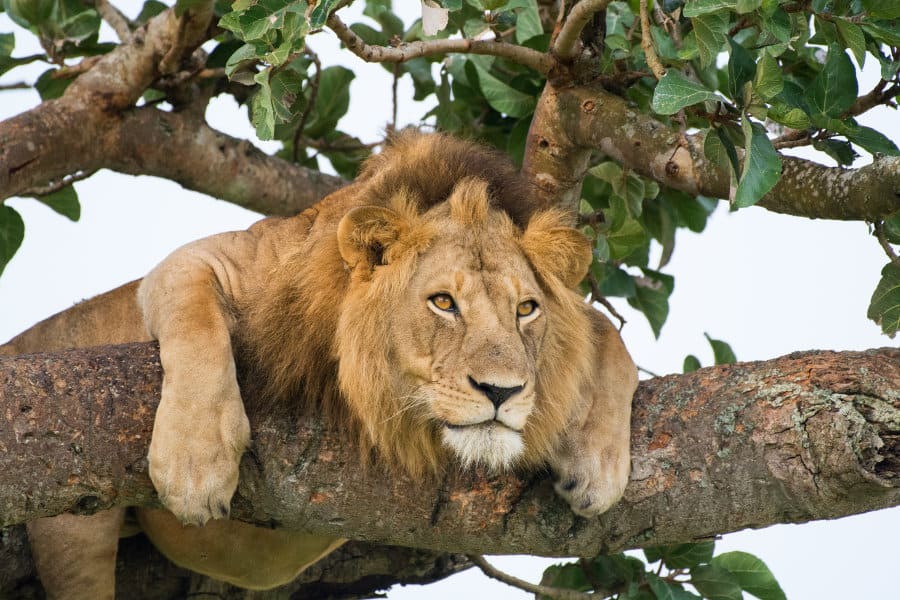
Nestled in the heart of the Albertine Rift Valley, Queen Elizabeth National Park is Uganda’s premier destination for wildlife photography. This biodiverse haven offers a breathtaking medley of landscapes, from vast golden savannahs and lush tropical forests to shimmering crater lakes and the dramatic backdrop of the Rwenzori Mountains. Photographers are drawn to its unique spectacles, most notably the rare tree-climbing lions of the Ishasha sector, which provide one-of-a-kind shots against ancient fig trees. Along the Kazinga Channel, boat safaris offer intimate, close-up encounters with dense concentrations of hippos, crocodiles, and over 600 bird species. Whether capturing the soft "golden hour" light over the Kasenyi Plains or the prehistoric silhouette of a Shoebill Story, a photography safari here promises an extraordinary visual narrative of Africa’s untamed beauty
30-days-uganda-rwanda-photography-safari-adventure
38-days-unmatched-uganda-primate-safari-tour-and-uganda-wildlife-safari-with-culture
30-days-best-uganda-birding-safari-extravaganza-and-wildlife-safari
10-days-best-photography-uganda-wildlife-safari-holiday-and-gorilla-trekking
8-day-africa-big-five-safari-in-uganda-and-mabamba-swamp-shoebill
What is the Best Time to Book a Uganda Photography Safari Guide in Queen Elizabeth Park?
The best time to book a Uganda photography safari guide in Queen Elizabeth National Park aligns with the dry seasons, particularly from June to September and December to February. During these months, the wildlife tends to converge around limited water sources, making them easier to spot and photograph. The thinning foliage in the park also contributes to clearer shots, as animals are more visible amidst sparser vegetation.
In addition to enhanced visibility, dry seasons offer favorable weather conditions for photography. The lower humidity levels result in clearer skies, providing optimal lighting for capturing stunning landscape images. The early mornings and late afternoons during this period, known as the "golden hours," are particularly beneficial, as they produce soft, warm light that beautifully illuminates both wildlife and the stunning landscapes of Queen Elizabeth Park.
This optimal timing not only enhances the chances of witnessing diverse animal behavior but also allows photographers to document unique interactions and activities. Additionally, the dry season reduces the likelihood of rain disrupting your plans, offering reliability when scheduling your safari.
Booking your photography safari guide during these ideal months maximizes your chances of capturing breathtaking images while enjoying an immersive experience in one of Uganda's most scenic national parks. Whether you're an amateur photographer looking to improve your skills or a seasoned pro on the hunt for extraordinary shots, planning your safari in alignment with the dry seasons ensures that you can capture the essence of Uganda's vibrant wildlife.
How Do I Hire a Professional Uganda Photography Safari Guide in Queen Elizabeth Park?
Hiring a professional Uganda photography safari guide in Queen Elizabeth National Park is a vital step toward ensuring a successful and enriching wildlife photography experience. Most reputable tour operators offer specialized Photography Safaris that feature expert guides familiar with the park's diverse ecosystems, wildlife behaviors, and optimal lighting conditions for photography.
When selecting a guide, look for operators with a strong track record and positive reviews from previous clients. Many guides possess specialized training in wildlife tracking, photography techniques, and conservation principles, which can significantly enhance your experience. They can help you spot animals, recommend the best photographic compositions, and position the vehicle for optimal angles and lighting.
Booking your safari through these operators often includes arrangement details such as transportation, accommodation, and meals, creating a comprehensive package tailored to photography enthusiasts. Make sure to communicate your specific interests and photography goals when booking, as this will enable the guide to tailor the experience to your needs.
Researching and contacting various tour operators in advance can help you to compare services and prices, ensuring that you choose a guide who aligns with your photography objectives. Some guides may even offer customized itineraries aimed specifically at photographers, ensuring that you maximize your time in the park while capturing the stunning wildlife and landscapes that Queen Elizabeth National Park has to offer.
Are There Extra Fees for a Uganda Photography Safari Guide in Queen Elizabeth Park?
Yes, when participating in a Uganda photography safari in Queen Elizabeth National Park, certain fees apply, particularly for commercial photographers. Standard entry fees are required for personal use activities; however, individuals intending to use their photographs commercially will incur an additional fee of 40% of the park entrance fee.
This extra charge is in place to regulate activities within the park and contribute to conservation efforts. As a result, it's crucial to be aware of these fees when budgeting your safari. The funds collected through these fees often support essential park management, wildlife research, and community conservation initiatives, ensuring that the natural beauty and biodiversity of Queen Elizabeth National Park are preserved for future generations.
For personal photography endeavors—where there is no intention of selling images or using them for commercial purposes—the standard entrance fee typically suffices. However, it is recommended that photographers clarify their intent ahead of time, as park rangers are vigilant about enforcing these rules.
Understanding these additional fees early in the planning process helps prevent surprises during your safari, allowing you to focus on capturing the incredible wildlife of Queen Elizabeth National Park, proficiently navigating the unique aspects of photography in such a remarkable landscape.
Is It Safe to Use a Uganda Photography Safari Guide in Queen Elizabeth Park?
Yes, employing a Uganda photography safari guide in Queen Elizabeth National Park is a safe option for photographers seeking a rewarding wildlife experience. Professional guides are trained in essential safety protocols to maintain a safe distance from wildlife while ensuring optimal positioning for the best photographic angles.
Guides possess extensive knowledge about animal behavior, which allows them to anticipate actions and movements, enabling photographers to capture compelling imagery without endangering themselves or the wildlife. By following established guidelines regarding wildlife interactions, guides ensure that your photography experience remains safe and respectful of the park's natural inhabitants.
Furthermore, traveling with a knowledgeable guide provides peace of mind, as they are trained to handle various situations that may arise during a safari, from unpredictable animal encounters to navigating challenging terrain. This professional oversight allows photographers to focus on capturing stunning images without worrying about potential risks.
It's also worth noting that vehicles used during the safari are equipped for safety, providing a sturdy environment from which photographers can shoot. The combination of expert guidance and proper vehicle safety features creates an environment that meets both the thrill of wildlife photography and the essential requirement for safety in the wild.
Overall, hiring a professional guide fosters a secure and enjoyable atmosphere, ultimately contributing to the success of your photography endeavor in Queen Elizabeth National Park.
How Long Should I Spend with a Uganda Photography Safari Guide in Queen Elizabeth Park?
For the best wildlife photography experience in Queen Elizabeth National Park, it is generally recommended to spend between three to five days with a Uganda photography safari guide. This duration allows adequate coverage of major sectors within the park, such as the Kasenyi Plains, Ishasha, and the Kazinga Channel, providing diverse settings for different photographic opportunities.
Spending multiple days in the park enables you to fully immerse yourself in the ecosystem, helping you capture a variety of wildlife behaviors and landscapes. Each location has its unique attributes; for example, the Kasenyi Plains are famous for prides of lions and their active hunting behaviors, while Ishasha is renowned for its tree-climbing lions, and the Kazinga Channel is home to a wealth of hippos and birdlife.
Longer stays also provide more flexibility in your schedule, allowing you to take advantage of favorable lighting conditions during the golden hours at sunrise and sunset. This kind of extended access can be invaluable for photographers, offering a greater chance to experiment with compositions and settings tailored to the unique wildlife of each area.
Moreover, having a few days allows for adjustments to your plans if certain wildlife encounters do not occur as expected. Wildlife can be unpredictable, and a flexible itinerary ensures you have more chances to capture that perfect shot.
In summary, allocating sufficient time with your guide enriches your photography experience and helps you make the most out of your Uganda safari in Queen Elizabeth National Park.
Can a Uganda Photography Safari Guide in Queen Elizabeth Park Help with Drone Permits?
While drones are generally prohibited in Queen Elizabeth National Park, a Uganda photography safari guide can provide valuable advice regarding the strict permit process required for those seeking to use drones for research or conservation filming purposes. The use of drones poses potential risks to wildlife and the natural environment, so regulations are in place to minimize disturbances.
If you are involved in a project that requires aerial footage, your guide can assist in understanding the permit application process and the necessary documentation required by local authorities. This guidance can be crucial in navigating the regulatory landscape efficiently, ensuring compliance with all legal requirements.
However, it is important to note that permits for drone use are typically reserved for specific research or conservation initiatives rather than for casual or commercial photography. If you plan to document wildlife or landscapes from the air, thorough planning and early application for permits are essential, as the process may take time to receive approval.
Lastly, it is advisable to engage with local wildlife researchers or conservation organizations, as they often have established protocols for the use of drones in sensitive areas. Collaborating with your safari guide can lead to productive discussions about the implications of drone use and how best to comply with all park regulations.
In summary, while a guide may not facilitate drone use directly, they can provide assistance and insight into the necessary steps involved in obtaining the appropriate permits for specialized aerial photography in Queen Elizabeth National Park.
What Type of Vehicle Does a Uganda Photography Safari Guide in Queen Elizabeth Park Use?
During a wildlife photography safari in Queen Elizabeth National Park, guides typically utilize 4x4 Land Cruisers or similar vehicles equipped for optimal visibility and stability. These vehicles often feature pop-up roofs or open sides, allowing photographers to have a 360-degree view while maintaining a safe distance from wildlife.
The use of a 4x4 vehicle is essential for navigating the park's varied terrain, which includes rugged paths and wetland areas. Equipped with ample space and comfortable seating, these vehicles make it easier for photographers to maneuver their gear while ensuring a smooth ride, even over uneven surfaces.
Pop-up roofs are particularly advantageous, as they allow photographers to shoot from a higher perspective without compromising safety. This elevated viewpoint can be instrumental in capturing dynamic shots of wildlife, especially when animals are close to the vehicle.
Moreover, the open structure helps to maximize airflow and minimize noise, creating a less intrusive environment for wildlife encounters. This balance encourages more natural behaviors from the animals, enhancing your photography opportunities.
In conclusion, traveling in a 4x4 Land Cruiser with features tailored for photographers significantly enhances the overall safari experience in Queen Elizabeth National Park. It allows for optimal composing and framing of wildlife images, ensuring that photographers can capture the stunning biodiversity that the park has to offer.
What Camera Gear Does a Uganda Photography Safari Guide in Queen Elizabeth Park Recommend?
When planning a photography safari in Queen Elizabeth National Park, guides typically recommend using a DSLR or mirrorless camera body paired with a telephoto lens within the 200mm to 600mm range for wildlife photography. This focal length is crucial for capturing animals at a safe distance, ensuring that your images are sharp and detailed while preserving the wildlife's natural behavior.
In addition to a telephoto lens, guides suggest bringing a wide-angle lens in the 16mm to 35mm range for landscape shots. This combination allows photographers to capture expansive scenes of the stunning Savannah and the park's diverse ecosystems, providing context to the wildlife images.
It's essential to pay attention to camera settings as well. Guides often advise using fast shutter speeds during wildlife action shots and adjusting the aperture accordingly to ensure optimal exposure. Weather-sealing capabilities on camera bodies and lenses can also be beneficial, especially in the various climatic conditions you may encounter in Uganda.
Having a sturdy tripod or shooting support is also advantageous for ensuring stability, particularly when capturing landscape shots or low-light conditions during dawn and dusk. However, many guides provide bean bags that can be used on the vehicle’s window frame, offering an alternative stabilizing option when shooting from a moving vehicle.
Ultimately, being equipped with the right camera gear tailored to wildlife and landscape photography ensures that photographers can effectively document the breathtaking sights of Queen Elizabeth National Park while taking full advantage of the diverse photographic possibilities available.
How Does a Uganda Photography Safari Guide in Queen Elizabeth Park Handle Low-Light Shots?
When it comes to handling low-light photography during a safari in Queen Elizabeth National Park, your guide will prioritize "golden hour" sessions at sunrise and sunset. These times of day offer the best ambient lighting, producing warm tones and softer contrasts that enhance the overall aesthetic of wildlife images and landscapes.
Guides typically recommend raising ISO settings to maintain fast shutter speeds, which is crucial for capturing images in lower light conditions. With modern cameras, higher ISO values can be used with minimal noise, allowing you to achieve sharp images even as the sun sets or rises. This is particularly important for photographing active wildlife during these golden hours, as animals are often more visible and engaged in dynamic behaviors.
In addition to adjusting ISO settings, a photography guide may advise you to utilize wide apertures (such as f/2.8 or f/4) to allow more light to reach the sensor. This technique is particularly useful for wildlife close-ups, creating a pleasing depth of field that isolates subjects against beautifully blurred backgrounds.
Furthermore, your guide may encourage you to experiment with different angles and compositions to maximize the limited light available. The expertise of a professional guide can be invaluable during these moments, as they are familiar with the behaviors of wildlife at dawn or dusk and can help position you to capture the best possible shots.
By focusing on these techniques, a Uganda photography safari guide ensures that you are well-prepared to make the most of low-light opportunities, enabling you to document the enchanting beauty of Queen Elizabeth National Park in its most magical moments.
Does a Uganda Photography Safari Guide in Queen Elizabeth Park Provide Bean Bags for Stability?
Yes, many specialized Uganda photography safari guides provide bean bags as an essential tool for stabilizing your camera while shooting from the vehicle during your safari in Queen Elizabeth National Park. A bean bag can be easily placed on the window frame or other stable surfaces, offering maximum stability without requiring the bulkiness of a tripod.
This added support is invaluable for wildlife photography, allowing you to capture sharp and clear images, particularly when using telephoto lenses, which can be more susceptible to vibrations and camera shake. The versatility of bean bags enables you to make quick adjustments and reposition your camera easily, enhancing your ability to respond to sudden wildlife movements.
In addition to providing stability, bean bags are lightweight and easy to transport, making them a practical choice for photographers on the go. Many guides also understand the specific shooting conditions of the park and can advise on the best ways to use the bean bag to maximize your photographic potential.
Furthermore, this arrangement allows for a more comfortable shooting experience, as the bean bag offers support to your arms and reduces fatigue during long photography sessions. The convenience and effectiveness of bean bags make them a staple tool for photographers looking to capture the stunning wildlife and landscapes of Queen Elizabeth National Park.
What Are the Rules for Flash According to a Uganda Photography Safari Guide in Queen Elizabeth Park?
Flash photography is strictly prohibited in Queen Elizabeth National Park, and local guides adhere to this rule to ensure the safety and well-being of the wildlife. Flash can startle animals, potentially leading to stress or erratic behaviors, which could pose risks to both the animals and the photographers attempting to capture their images.
As a result, photography guides emphasize the use of natural light for capturing images, encouraging photographers to plan their shoots around the golden hours of sunrise and sunset when the ambient light is most favorable. During these times, the soft, warm light enhances the beauty of both landscapes and wildlife, allowing photographers to produce stunning results without resorting to flash.
Guides may also teach strategies for adapting to low-light conditions, such as adjusting ISO settings, using wide apertures, or employing stabilization techniques like bean bags to maintain sharpness while shooting in twilight conditions. By focusing on these techniques, photographers can achieve impressive images while respecting the welfare of the wildlife in the park.
Ultimately, adhering to this rule not only promotes ethical photography practices but also supports the overarching conservation goals within Queen Elizabeth National Park. It fosters a more authentic and natural experience for both photographers and wildlife, leading to enriched interactions that highlight the beauty of Uganda's rich biodiversity without harm or disturbance.
How Can a Uganda Photography Safari Guide in Queen Elizabeth Park Improve My Compositions?
A Uganda photography safari guide in Queen Elizabeth National Park can significantly enhance your photographic compositions through their extensive knowledge of animal behavior and the environment. Experienced guides have a keen understanding of when and where animals are likely to behave in captivating ways, such as lions yawning, birds taking flight, or elephants interacting with their environment. By anticipating these behaviors, they can position you in the best possible locations, giving you ample opportunity to capture those perfect shots.
Guides often leverage their familiarity with the park's various ecosystems and timelines for wildlife activity. They can suggest the best times to be in specific areas, whether it's early mornings for hunting predators or late afternoons for capturing vibrant colors against a sunset backdrop. Their insights into light conditions and angles can elevate your composition, transforming ordinary shots into visually stunning images.
Furthermore, a guide can teach you about composition techniques, such as the rule of thirds, leading lines, or framing elements within the landscape. By demonstrating how to capture dynamic scenes in a way that draws the viewer's eye, they enhance not only the technical quality of your photos but also the storytelling aspect.
Ultimately, a guide’s ability to connect you with both the wildlife and the environment creates unique opportunities for capturing striking images. Their expertise can allow you to focus entirely on your photography while they manage the logistics, enabling you to improve your compositions significantly during your safari.
Where Will a Uganda Photography Safari Guide in Queen Elizabeth Park Take Me for Tree-Climbing Lions?
If you’re interested in capturing images of the elusive tree-climbing lions, your Uganda photography safari guide will take you to the Ishasha sector, located in the southern part of Queen Elizabeth National Park. This area is renowned for its unique population of lions that have developed the fascinating behavior of climbing fig trees to seek shade and rest during the hot day.
Your guide will know the best times to visit Ishasha, maximizing your chances of witnessing and photographing these magnificent animals. Early mornings or late afternoons are typically ideal, as lions are more active during these cooler periods. The flat terrain and open savannahs in this sector also facilitate easy visibility, allowing you to position yourself for the best photographic angles.
Not only will your guide navigate the best paths to locate these remarkable lions, but they can also educate you on the behaviors associated with this unique trait. Understanding why these lions climb trees—such as for comfort or to avoid insects—can enrich your photography experience and help you tell compelling stories through your images.
The combination of expert guidance and knowledge of the lions’ habitats makes Ishasha a prime location for serious wildlife photographers. Your guide will optimize your visit by ensuring you are in the right place at the right time, increasing the likelihood of capturing stunning, once-in-a-lifetime shots of these captivating creatures.
What Birding Opportunities Will a Uganda Photography Safari Guide in Queen Elizabeth Park Show Me?
A Uganda photography safari guide in Queen Elizabeth National Park can expose you to exceptional birding opportunities, particularly focusing on the Kazinga Channel. This vibrant waterway is home to over 600 bird species, making it one of the premier birdwatching locations in East Africa. The rich biodiversity of the area attracts a plethora of birds, including the majestic African Fish Eagle, numerous species of Pelicans, and colorful Kingfishers, all of which provide fantastic photographic subjects.
Your guide will be well-acquainted with the best spots along the Kazinga Channel for birdwatching and photography. They can help you identify various species, providing insights into their behaviors, habitats, and the best times for spotting them. Early morning or late afternoon is often ideal for bird photography, as the lighting is softer and the birds are more active during these hours.
In addition to guiding you to prime locations, your guide can offer helpful tips on how to approach bird photography, like using appropriate settings on your camera for fast-moving subjects and considering composition to highlight the beauty of each bird. They may also arrange boat trips along the channel, allowing for closer, unobtrusive access to bird habitats and the opportunity to capture images from unique perspectives.
Overall, with a knowledgeable guide specializing in birding, you’ll have the chance to deepen your understanding of avian species while capturing remarkable photographs against the stunning backdrop of Queen Elizabeth National Park's diverse landscapes.
Can a Uganda Photography Safari Guide in Queen Elizabeth Park Assist with Chimpanzee Photography?
Yes, a Uganda photography safari guide can assist you with chimpanzee photography by taking you to Kyambura Gorge, often referred to as the "Valley of Apes." This area is famous for its population of chimpanzees and offers incredible opportunities for photographing these dynamic primates in their natural habitat.
However, it’s important to note that chimpanzee trekking requires a separate permit, which your guide can help you arrange ahead of time. These permits are limited in number to reduce human impact on the chimpanzee population, so early booking is essential.
Guides specializing in chimpanzee trekking are usually well-trained in tracking and observing these intelligent animals, understanding their behaviors, and knowing the best times to find them. By accompanying you on the trek, they can effectively lead you through the gorge, increasing your chances of locating the chimpanzees while also ensuring your safety.
While observing chimps, your guide will provide valuable insights regarding photo composition, helping you capture candid moments of interaction or behavior as the chimps engage with one another. They'll often suggest techniques for photographing in low-light conditions since treks may delve into shaded areas of the gorge.
Through your guide's expertise and knowledge of chimpanzee behavior, you will have a more fulfilling photographic experience, gaining not only beautiful images but also deeper insights into these fascinating creatures and their habitats in Queen Elizabeth National Park.
What Landscapes Are Featured by a Uganda Photography Safari Guide in Queen Elizabeth Park?
A Uganda photography safari guide can take you to several breathtaking landscapes within Queen Elizabeth National Park, including the stunning Katwe Explosion Craters and the picturesque Mweya Peninsula.
The Katwe Explosion Craters represent a geological marvel, offering photographers sweeping panoramic views of the park, Lake Edward, and the Rwenzori Mountains in the distance. This area features lush vegetation and unique landscapes formed by volcanic activity, providing diverse opportunities for both landscape and wildlife photography. The varying topography allows for different compositional styles, whether you wish to capture expansive vistas or intimate landscape details.
The Mweya Peninsula is another highlight, jutting into the Kazinga Channel and offering exceptional views of water bodies that attract an array of wildlife. The picturesque sunsets and sunrises from this location create a magical ambiance, perfect for capturing striking imagery that highlights the natural beauty of the region. The convergence of the channel with Lake Edward offers rich opportunities for photographing hippos, birds, and other wildlife against the breathtaking background.
Your guide will be adept at identifying the best viewpoints and times to capture these landscapes, taking into consideration the changing light throughout the day. They can also provide insights into composition techniques, helping you create impactful images that tell the story of the park's beauty.
In summary, with the guidance of a knowledgeable photographer, you’ll have unparalleled access to some of the most stunning landscapes in Queen Elizabeth National Park while capturing the essence of Uganda's diverse ecosystems.
How Does a Uganda Photography Safari Guide in Queen Elizabeth Park Manage Boat-Based Photography?
A Uganda photography safari guide can expertly manage boat-based photography, particularly along the Kazinga Channel, which serves as a conduit for wildlife observation and breathtaking photographic opportunities. Your guide will typically arrange private boat trips, which allow for more controlled and focused photography experiences on the water.
These private outings provide advantages, such as a smaller group for personalized attention and the ability to maneuver the boat closer to wildlife without disturbing them. A knowledgeable guide will position the boat strategically, allowing you to capture images of hippos, crocodiles, and various bird species in their natural environment.
The light conditions on the water can differ from dry land, particularly during the golden hours of sunrise and sunset. Your guide will advise you on the best angles to capture reflections and different colors in the sky that enhance your photographs. Using steady boat positioning allows you to use longer shutter speeds effectively, capturing beautiful details of wildlife behaviors, such as hippos surfacing or birds catching fish.
In addition to managing boat logistics, your guide will provide vital safety instructions and ensure that all local regulations are adhered to, creating a responsible and enriching photographic experience.
Ultimately, engaging in boat-based photography under the guidance of an experienced safari photographer allows you to capture unique aspects of wildlife behavior and landscape beauty, enriching your photography journey in Queen Elizabeth National Park.
What Should I Wear According to a Uganda Photography Safari Guide in Queen Elizabeth Park?
When embarking on a photography safari in Queen Elizabeth National Park, it is crucial to dress appropriately for both comfort and effectiveness. A Uganda photography safari guide typically recommends wearing neutral-colored clothing, such as khaki, green, or beige. These colors help you blend into the environment, minimizing disturbances to wildlife and improving your chances of capturing candid shots.
Opt for lightweight, breathable fabrics that wick moisture away, especially if you're planning to spend long hours in the field. Layering is also advisable, as the weather can change quickly—early mornings and late evenings may be cool, while mid-day can become quite warm. Consider wearing a light, long-sleeved shirt and khaki trousers, and keep a warmer layer like a fleece or sweater handy.
Footwear is another crucial aspect; sturdy, comfortable walking shoes or boots are essential for traversing uneven terrain. Ensure that they provide good support and grip, as you'll likely be walking through grasslands, forests, and muddy paths. Additionally, a wide-brimmed hat or cap and sunglasses will protect you from the sun, while insect repellent can guard against bites.
Finally, consider carrying a lightweight rain jacket, as sudden showers can occur, especially during the rainy season. Being prepared with the right apparel will allow you to focus on photography without being hindered by discomfort from heat or weather. Overall, dressing appropriately for your photography safari enhances both your experience and your ability to capture stunning images in the remarkable setting of Queen Elizabeth National Park.
How Do I Protect My Gear as Advised by a Uganda Photography Safari Guide in Queen Elizabeth Park?
Protecting your photography gear during a safari in Queen Elizabeth National Park is essential to ensuring your equipment stays in good working order and captures high-quality images. A Uganda photography safari guide typically provides several recommendations to help safeguard your gear from environmental challenges.
First and foremost, consider investing in waterproof covers for your camera and lens, particularly as sudden rain can occur. These covers can provide protection from moisture and dust, particularly when you're out in the field or during game drives. Moreover, using padded camera bags or cases offers an additional layer of protection during travel between locations.
Cleaning your gear regularly is also important due to the park's dusty environment, especially in the dry season. A lightweight cleaning kit with a blower, microfiber cloths, and lens cleaning solution can help you manage dust on your camera sensor and lenses effectively. Regularly wiping the gear down after excursions will maintain optimum performance.
Your guide may also suggest that you keep your equipment secure when not in use, especially while on the vehicle. Consider storing your camera and lenses in a secure place to protect them from sudden movements or exposure to soil.
Lastly, be cautious about where you set your gear down while photographing. Avoid placing your camera in sandy or muddy areas, as this increases the risk of damaging sensitive components. By following these guidelines and keeping your equipment protected, you'll ensure that your photography experience in Queen Elizabeth National Park is seamless and enjoyable.
What Cultural Shots Can a Uganda Photography Safari Guide in Queen Elizabeth Park Facilitate?
A Uganda photography safari guide can facilitate unique cultural photography experiences in and around Queen Elizabeth National Park. One of the highlights is the opportunity to respectfully visit local communities, where you can capture portraits and daily life scenes that reflect the rich cultural tapestry of Uganda.
Guides can arrange visits to local villages or markets, offering insight into traditional practices, crafts, and daily activities. This cultural immersion provides an authentic backdrop for photography, allowing you to capture meaningful interactions and expressions that tell powerful stories.
Additionally, the Katwe salt pans, known for their unique salt extraction methods, offer a fascinating subject for environmental and cultural portraits. This area showcases the traditional practices of salt harvesting, providing photographers the chance to capture both the landscape and the hardworking artisans.
Your guide will emphasize the importance of respectful engagement with the local communities—seeking permission before taking photographs and being mindful of cultural sensitivities. They may also facilitate conversations and introductions with community members, enriching your experience and enabling you to capture candid moments and stories.
Cultural photography adds depth to your safari experience by showcasing the lives intertwined with the natural beauty of Queen Elizabeth National Park. Through the guidance of a knowledgeable photographer, you'll leave with remarkable images that celebrate the rich heritage, resilience, and warmth of the Ugandan people.
Booking Uganda photography safari with us Roads of Adventure safaris
Book your unforgettable Uganda photography safari with Roads of Adventure Safaris, specialists in capturing the Pearl of Africa’s stunning biodiversity. We offer tailored 14–16-day itineraries, featuring mountain gorilla tracking, chimpanzee trekking, and savannah game drives in Murchison Falls and Queen Elizabeth National Parks. Our expert-guided tours ensure perfect lighting for wildlife photography, using customized 4x4 vehicles and handpicked lodges for a seamless, comfortable experience. From lush rainforests to scenic savannahs, our itineraries are crafted to maximize your photographic opportunities, capturing rare birds and iconic wildlife. Contact us today to personalize your journey!
.
