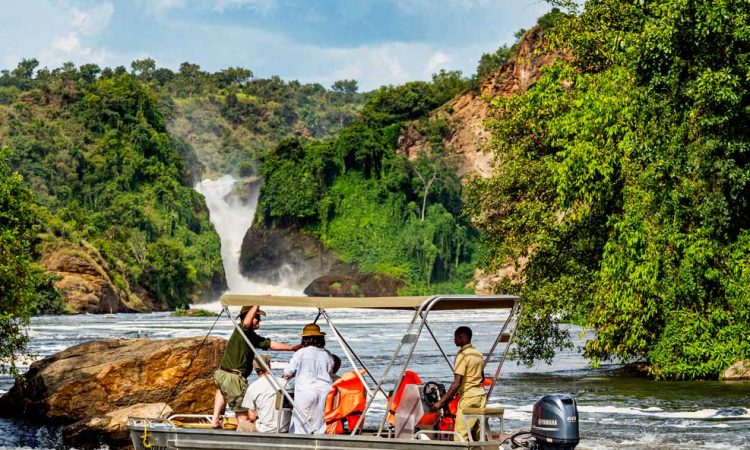
Experience the ultimate Uganda photography safari in Murchison Falls National Park, where the Nile River violently compresses through a narrow 7-meter gorge before plunging 43 meters into the "Devil’s Cauldron". This explosive energy creates a thunderous spectacle and a permanent rainbow mist, offering one of the most photogenic sights in Africa. Your lens will capture a cinematic landscape of golden savannahs dotted with borassus palms and rich riverine woodlands. During early morning game drives and sunset boat cruises, you can photograph majestic lions, leopards, and massive herds of elephants and Rothschild giraffes bathing along the Nile. For bird enthusiasts, the Albert Nile Delta provides a rare opportunity to frame the prehistoric-looking shoebill stork. From the raw power of the world’s strongest waterfall to intimate wildlife portraits, this park delivers an unmatched visual feast for every photographer.
30-days-uganda-rwanda-photography-safari-adventure
38-days-unmatched-uganda-primate-safari-tour-and-uganda-wildlife-safari-with-culture
30-days-best-uganda-birding-safari-extravaganza-and-wildlife-safari
10-days-best-photography-uganda-wildlife-safari-holiday-and-gorilla-trekking
8-day-africa-big-five-safari-in-uganda-and-mabamba-swamp-shoebill
What is the best time of year for a Uganda photography safari in Murchison Falls?
The ideal times for a Uganda photography safari in Murchison Falls National Park are during the dry seasons, specifically from December to February and June to September. During these months, the vegetation is thinner, improving visibility and making wildlife easier to spot. Animals congregate around predictable water sources, allowing photographers to capture dynamic images of various species.
Not only does the dry season provide better access to wildlife, but it also enhances overall photographic opportunities as you can work with clearer skies and more stable lighting conditions. Additionally, the dry weather allows for easier navigation on safari tracks, reducing the likelihood of roadblocks caused by mud and difficult terrain.
While the dry season is excellent for visibility, it's essential to consider the wet season as well. From March to May and October to November, the landscape bursts into vibrant color with lush greenery and dramatic skies, offering different photographic aesthetics. The wet season, although it may complicate transportation, showcases many bird species in their breeding plumage and provides opportunities for unique landscape shots.
Ultimately, the best time for your Uganda photography safari will depend on your photographic goals. If you prioritize wildlife visibility and action, the dry season would be ideal; for rich landscapes and bird photography, the wet months may be more rewarding. Each period presents distinctive photographic opportunities, ensuring an enriching experience in Murchison Falls National Park.
Is the wet season suitable for a Uganda photography safari?
Yes, the wet season, extending from March to May and October to November, is indeed suitable for a Uganda photography safari in Murchison Falls National Park. During these months, the park transforms into a lush, green paradise, providing captivating scenery and a wealth of photographic opportunities. The rain fosters vibrant plant life and creates dramatic skies, which can enhance your landscape shots and bring depth to your wildlife photography.
One of the major highlights of the wet season is the abundance of bird life. With over 450 species in the park, photographers have the chance to capture avian subjects in their breeding plumage, offering a spectrum of colors and unique behaviors. Migratory birds also return during this time, giving you an even wider variety of subjects.
However, it’s important to be prepared for some challenges during the wet season. Heavy rains can make certain roads difficult to navigate, potentially limiting access to some areas of the park. Waterproof gear for both you and your camera is essential to protect against sudden downpours.
Despite these challenges, the wet season can yield stunning photographs of both landscapes and wildlife. The rain often brings out greater animal activity, as they relish the fresh vegetation available. A Uganda photography safari during this time lets you capture the exceptional beauty and biodiversity of Murchison Falls, providing an unforgettable experience for any wildlife enthusiast.
When are the best daily "golden hours" on a Uganda photography safari?
The best daily "golden hours" for a Uganda photography safari in Murchison Falls National Park occur shortly after sunrise and just before sunset. Specifically, the hours between 6:30 and 7:30 AM and then from 5:30 to 6:30 PM provide the most favorable lighting conditions for capturing wildlife and landscapes.
During these times, the light is soft and warm, which significantly enhances the quality of your photographs. The golden hues of sunrise and sunset create a beautiful atmospheric effect, allowing for rich colors and soft shadows. This is particularly beneficial for wildlife photography, as the warm light adds depth and dimension to your images and makes animals appear more vibrant.
Moreover, animals tend to be more active during these periods, as they often venture out for foraging as the sun rises and returns to their resting places as the temperature drops in the evening. This increased activity provides prime opportunities for capturing dynamic shots of wildlife in action, enhanced by the stunning lighting.
Planning your daily schedule around these golden hours can be the difference between ordinary and exceptional photographs. Whether you’re shooting amidst the mist of Murchison Falls or observing wildlife on the savannah, making the most of these golden hours will amplify the visual impact of your photographs during your Uganda photography safari.
How many days should I book for a comprehensive Uganda photography safari in Murchison Falls?
For a comprehensive Uganda photography safari in Murchison Falls, a 3 to 4-day itinerary is highly recommended. This duration allows you to engage in a variety of activities, maximizing your chances to capture stunning images. A well-planned schedule should include sunrise game drives, a boat cruise to the base of the falls, and a hike to the top for diverse perspectives.
Starting your days with early morning game drives ensures that you explore the park during the golden hours of light when animals are most active. These drives can reveal captivating scenes of wildlife, from elephants and lions to Rothschild's giraffes, all thriving in their natural habitats.
The boat cruise on the Nile is another highlight of any photography safari, offering unique low-angle opportunities to capture photographs of hippos and crocodiles in their habitat. This perspective often results in dynamic images, particularly at sunset when the lighting transforms the landscape.
Hiking to the top of the falls allows you to capture wide-angle shots of the powerful Nile cascading through the gorge, showcasing the incredible scenery of Murchison Falls. Spending 3 to 4 days in the park allows you to thoroughly explore its diverse features while giving ample opportunity for both wildlife and landscape photography, ensuring that your Uganda photography safari is both engaging and fulfilling.
What lenses are essential for a Uganda photography safari?
Choosing the right lenses is crucial for a successful Uganda photography safari in Murchison Falls National Park. A versatile kit typically includes a telephoto lens (at least 300mm–400mm) for capturing wildlife from a distance, as many animals may not readily approach. A longer lens helps you achieve stunning, detailed shots of animals while allowing you to maintain a safe distance.
For landscapes, particularly when photographing the expansive Murchison Falls and surrounding savannah, a wide-angle lens (around 16–35mm) is essential. This lens captures the grandeur of the scenery and provides the necessary width to frame the impressive waterfall and the scenic vistas effectively.
Having both types of lenses in your kit enables photographers to capture a wide range of subjects, from close-up animals in their environment to sweeping landscapes that showcase the beauty of the park. Additionally, using a lens with a wide aperture (such as f/2.8) can be beneficial for shooting in low-light conditions, especially during the early morning and late afternoon golden hours.
Ultimately, investing in the right lenses for your Uganda photography safari will drastically enhance your ability to capture breathtaking images and cover a variety of photographic opportunities, ensuring your adventure is both enjoyable and rewarding.
Should I bring a tripod or a monopod on a Uganda photography safari?
When preparing for a Uganda photography safari, the decision between bringing a tripod or a monopod largely depends on your photographic goals and the practicality of your gear. A sturdy tripod is essential for long-exposure shots, particularly when capturing the dynamic flow of Murchison Falls. The stability provided by a tripod allows you to experiment with slow shutter speeds, creating visually stunning images of the cascading water.
However, given the nature of safari environments where you may be moving frequently and navigating uneven terrain, a monopod or a bean bag can often be more practical. A monopod provides stability while being lightweight and easy to carry, making it suitable for use within the confined space of a safari vehicle. It allows for easier maneuverability without compromising too much on stability.
Many photographers find that using a bean bag—especially for wildlife shots from a vehicle—can provide excellent support while enabling quick adjustments for composition and framing.
Ultimately, both options can serve you well during a Uganda photography safari. If your focus is on capturing the falls, a tripod is invaluable; if you plan to photograph wildlife predominantly from a vehicle or while on the move, a monopod is likely the better choice. Balancing your equipment needs with the dynamic environment of the safari will enhance your overall photography experience.
How do I protect my gear from dust and moisture on a Uganda photography safari?
Protecting your gear from dust and moisture is crucial during a Uganda photography safari, especially given the diverse weather conditions and environments you may encounter. Use weather-sealed bags to shield your camera equipment from sand, dust, and unexpected rain. These bags help keep your gear secure, allowing for easier transportation while ensuring that it remains dry and clean.
Investing in rain covers is also beneficial, particularly for your camera body and lenses. Sudden tropical downpours can occur at any time in Uganda, even in the dry season, and these covers mitigate the risk of damage to your equipment. Lightweight, portable rain covers can be easily stored in your bag and quickly deployed when needed.
Additionally, a blower kit can come in handy for removing dust from your lenses and camera sensors without risking scratches. Use it regularly, particularly after a day of photographing in dusty conditions.
In summary, taking proactive steps to protect your gear from dust and moisture enhances your peace of mind during your Uganda photography safari, allowing you to focus on capturing breathtaking wildlife and landscapes without worrying about equipment failure.
Can I use a smartphone for a Uganda photography safari?
While smartphones can serve a purpose during a Uganda photography safari, especially for capturing wide-angle shots of the spectacular falls, a DSLR or mirrorless camera is highly recommended for serious wildlife photography. These professional cameras provide superior zoom capabilities and manual controls that are essential for capturing detailed images of animals in varied lighting conditions.
Smartphones are convenient for quick snaps and can produce decent images in good lighting. However, they often lack the optical zoom and low-light performance offered by dedicated camera equipment, which can impede your ability to capture high-quality wildlife photographs.
Moreover, a DSLR or mirrorless camera allows for greater creative control over exposure, aperture, and shutter speed—critical elements for achieving stunning imagery. The enhanced image quality, particularly when using telephoto lenses to photograph distant wildlife, significantly outweighs what a smartphone can typically achieve.
In conclusion, while you can use a smartphone for casual photography during your Uganda photography safari, investing in a dedicated camera setup will enable you to capture the true beauty and detail of Uganda’s wildlife, ensuring your photographic adventure is both fulfilling and memorable.
Where are the best spots for wildlife shots on a Uganda photography safari?
During a Uganda photography safari in Murchison Falls National Park, some of the premier locations for wildlife photography include the Buligi game tracks and the Delta area. The Buligi tracks are well-known for offering excellent views of various wildlife, including lions, leopards, Rothschild’s giraffes, and elephants. The expansive savannah combined with water sources nearby increases the chances of encountering these magnificent creatures while also providing scenic backdrops for your photographs.
The Delta area, which is where the Nile River meets the park, is another rich wildlife hotspot. This location is ideal for spotting a plethora of waterbirds and offers opportunities to capture hippos and Nile crocodiles basking in the sun or swimming in the river.
Strategically planning your time in these areas can significantly enhance your chances of capturing remarkable images. Morning and late afternoon are particularly effective times for wildlife activity, coinciding perfectly with the golden hours for photography.
Ultimately, taking advantage of these optimal locations in Murchison Falls will allow you to create a diverse portfolio of stunning wildlife shots during your Uganda photography safari, showcasing the incredible biodiversity present in this breathtaking national park.
How do I photograph the waterfall effectively on a Uganda photography safari?
Capturing Murchison Falls effectively during a Uganda photography safari involves several techniques that can elevate your images of this majestic natural phenomenon. One of the most effective approaches is to experiment with long exposure photography, which requires a sturdy tripod. This setup allows you to create silky water effects that emphasize the dynamic flow of the Nile as it cascades over the rocks.
Setting a longer exposure time can create a stunning contrast between the smooth surface of the water and the rugged terrain surrounding the falls. For these shots, using an ND (neutral density) filter can help manage the amount of light that enters your lens, making it easier to achieve longer exposure times during the day.
Visiting the "Top of the Falls" provides a unique high-angle perspective, which is invaluable for capturing dramatic shots of the Nile surging through the gorge. Experiment with different angles and compositions—incorporating foreground elements like rocks or lush vegetation can add depth and interest.
Additionally, be mindful of the changing light conditions, especially during sunrise and sunset. This time will provide a stunning array of colors and shadows, creating a more visually striking image.
In summary, using long exposures, varied perspectives, and paying attention to light will enhance your ability to photograph Murchison Falls beautifully. This focused approach ensures you’ll leave with stunning images that truly reflect the wonder of this remarkable landscape during your Uganda photography safari.
Is bird photography a highlight of a Uganda photography safari in Murchison?
Absolutely! Bird photography is a standout feature of a Uganda photography safari in Murchison Falls National Park. With over 450 species recorded, including several rare and endemic birds, the park is a paradise for avian photographers. One of the most sought-after species is the Shoebill stork, often found near the Nile delta. Its unique appearance and fascinating behavior create amazing photographic opportunities.
The diverse range of habitats within the park supports various bird species, from vibrant kingfishers and majestic fish eagles to colorful whydahs and glossy starlings. These birds thrive in the lush wetlands, grasslands, and woodland areas, showcasing their stunning plumage and engaging behaviors.
Photographing birds during their breeding season can yield breath-taking images, as many species display brilliant colors and unique mating displays. The wet season (March to May and October to November) is particularly favorable, as migratory birds return, enriching the variety of species you might encounter.
To succeed in capturing compelling bird photographs, patience and stealth are vital. Utilizing a longer telephoto lens (300mm or more) can greatly improve your ability to get close-ups without disturbing them.
In summary, bird photography is indeed a highlight of a Uganda photography safari in Murchison Falls, offering a rich tapestry of avian life that enhances the overall experience while providing ample opportunity for striking imagery in this diverse ecological treasure.
Can I capture aquatic life on a Uganda photography safari?
Yes, capturing aquatic life during your Uganda photography safari is definitely possible and presents fantastic opportunities for engaging wildlife photography. A boat cruise to the base of Murchison Falls offers a unique perspective for photographing aquatic life, particularly hippos and Nile crocodiles. These creatures often bask along the riverbanks or swim lazily in the waters, providing fantastic low-angle opportunities for stunning photographic angles and shots.
From the boat, you can achieve eye-level perspectives that are typically inaccessible from land, allowing for dynamic compositions that highlight the animals in their natural habitat. Pay close attention to the unique behaviors of these aquatic species, such as hippos surfacing for air or crocodiles sunning themselves, as these actions can dramatically enhance your imagery.
Additionally, the boat cruise often attracts various waterbirds, such as kingfishers and egrets, which can also be photographed against the striking backdrops of the Nile. The unique interplay of light on the water can add a magical quality to your photographs, making the aquatic environments not only a focal point but also a vital part of the overall Uganda photography safari experience.
Ultimately, including aquatic life photography in your safari not only enriches your collection but also provides an opportunity to showcase the incredible biodiversity present in Murchison Falls National Park, capturing memorable images that tell the story of this unique ecosystem.
Are drones allowed on a Uganda photography safari?
Drone use is generally prohibited in national parks during a Uganda photography safari, including Murchison Falls National Park. This restriction arises from the need to protect wildlife and maintain the natural environment. Unmanned aerial vehicles can cause stress to animals, disturb breeding grounds, and detract from the tranquil wilderness experience that many visitors seek.
If you are considering using a drone for photography, special authorization from the Uganda Wildlife Authority (UWA) is required, and the approval process can be complex. Given the potential harm to wildlife and the intricacies involved in securing these permits, many photographers find it more practical to focus on capturing wildlife and landscapes through traditional methods.
In lieu of drones, working with telephoto lenses allows you to capture stunning aerial-like perspectives without causing disturbances to the animals. By emphasizing natural light and widely available photographic angles, you can still achieve remarkable images without the challenges and concerns involved with drone use.
Overall, understanding and adhering to regulations regarding drone usage during your Uganda photography safari not only enriches your experience but supports conservation efforts aimed at safeguarding the pristine environments and precious wildlife of Uganda.
Are there restrictions on flash photography during a Uganda photography safari?
Yes, there are restrictions on flash photography during a Uganda photography safari. Particularly when photographing wildlife, the use of flash is prohibited as it can startle or stress animals, disrupting their natural behaviors and potentially endangering both the wildlife and the people present.
This rule is especially important in a setting like Murchison Falls National Park, where the well-being of the animals must be prioritized to maintain a harmonious balance between tourism and conservation. Sudden bursts of artificial light can be jarring to wildlife, causing unnecessary disturbances that can affect their comfort and activities.
Instead of relying on flash for low-light situations, photographers are encouraged to utilize natural light or adjust their camera settings accordingly. Utilizing a higher ISO allows you to capture images in lower light conditions without compromising the well-being of the wildlife.
Experimenting with wider apertures (such as f/2.8) can also enhance your ability to shoot in dimmer environments, allowing for clearer, more dynamic shots.
Understanding and respecting these restrictions during your Uganda photography safari not only aligns with ethical wildlife photography practices but also enhances your overall experience as you work to capture amazing images while prioritizing the welfare of the incredible creatures you aim to photograph.
Do I need a special permit for a Uganda photography safari?
For most activities associated with a Uganda photography safari, standard entry fees (approximately $40–$45) generally cover most necessities, including access to national parks like Murchison Falls. However, if you plan to engage in commercial filming or professional documentary work, obtaining a special permit from the Uganda Wildlife Authority (UWA) is necessary.
This specific permit is essential for anyone intending to use their photography or videography for commercial purposes. Applying for this permit should be done well in advance of your safari, as it typically requires processing time and approval from the authorities.
If your goal is simply to capture memorable images for personal use or non-commercial purposes, the standard entry fee will suffice, allowing you to enjoy the full experience of wildlife photography without additional bureaucracy.
Understanding the requirements and ensuring compliance with regulations will enhance your Uganda photography safari, making it smoother and more enjoyable while allowing you to focus on capturing the incredible wildlife and landscapes that Uganda has to offer.
Booking Uganda photography safari with us Roads of Adventure safaris
Booking a Uganda photography safari with Roads of Adventure Safaris offers tailored, expert-guided journeys to prime locations like Bwindi and Queen Elizabeth National Park for capturing gorillas, chimpanzees, and the Big Five. They provide customized, safe, and memorable experiences for wildlife enthusiasts.
