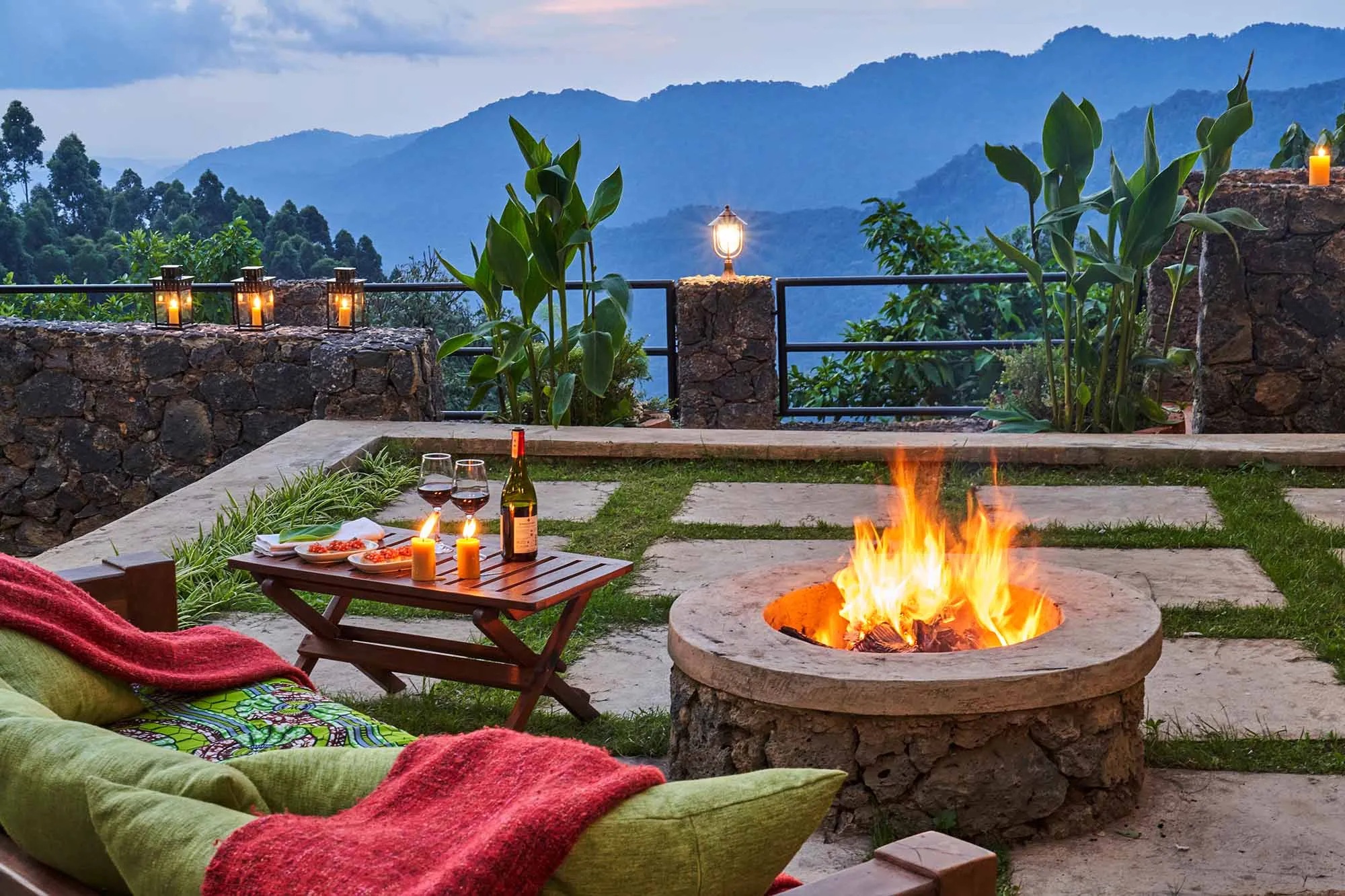
A Uganda honeymoon safari offers an intimate blend of thrilling wildlife adventure and romantic relaxation, typically spanning 7–14 days. Key experiences include gorilla trekking in Bwindi Impenetrable National Park, boat cruises in Queen Elizabeth National Park, and scenic stays at Lake Bunyonyi or the Nile River in Jinja. June–August and December–February are ideal for dry, sunny weather
17-days-uganda-honeymoon-safari-holiday-tour
10-days-best-honeymoon-uganda-safari-tour-vacation-holiday
7-days-honeymoon-uganda-safari-and-primate-tour-vacation-holiday
Gorilla Trekking (Bwindi): A breathtaking once-in-a-lifetime experience.
Gorilla trekking in Bwindi is the kind of shared adventure that forges unforgettable bonds—an intense mix of physical challenge, deep emotion and quiet intimacy that makes it especially romantic for couples. The trek begins before dawn with a briefing and then a climb into Bwindi’s ancient, mist-wreathed forest where paths thread through mossy trunks, lianas and a chorus of birds. Together you hike through terrain that can be steep and slippery, relying on one another and on porters or guides for support, so the sense of teamwork builds quickly. When a gorilla family is located, the hour you spend nearby becomes profoundly moving: watching silverbacks groom infants, hearing soft chest-beats and sensing the family’s calm curiosity creates moments of shared wonder and humbling perspective. The enforced quietness—no shouting, no flashes, and strict rules about illness exposure—adds to the intimacy, encouraging presence and mindful appreciation rather than distraction.
Beyond the encounter itself, gorilla trekking lodges around Bwindi specialize in romantic hospitality: cozy cottages with fireplaces, private decks looking onto forested slopes, and candlelit dinners that let you relive the day’s emotions. Early-morning coffee together on a veranda, or a post-trek massage, extends the intimacy of the experience. Conservation and community engagement also lend meaning: knowing your permit directly funds protection for these endangered apes and local livelihoods adds ethical depth to the trip. Practicalities—permits booked well in advance, sturdy footwear and a willingness to embrace muddy conditions—are part of the shared preparation that heightens anticipation. For couples seeking a mix of emotional intensity, physical adventure and quiet reflection in an extraordinary natural setting, Bwindi gorilla trekking stands among the most romantic wildlife experiences in the world.
Tree-Climbing Lions (Ishasha): Spot lions lounging in trees in the southern sector of Queen Elizabeth National Park.
There’s a special romance to watching big cats laze in treetops at Ishasha, where the golden light of late afternoon filters through fig and acacia branches and paints a cinematic scene. A private game drive through Ishasha’s floodplain at the right hour can feel like a secluded safari for two: the road winds past grassy channels and lone trees, and then, unexpectedly, a lioness or male lounges on a broad limb, tail flicking lazily. This unusual behavior makes every sighting feel novel and intimate—less the hard-charging adrenaline of a chase, and more the languid pleasure of witnessing animals at ease.
Many lodges and camps in and around Queen Elizabeth offer private afternoon drives timed to maximize chances of tree-lion sightings, often paired with sundowner picnics beneath open skies. These moments—sharing a glass of wine while the savanna glows orange and a pride settles into the branches—are cinematic and quietly romantic. Photographers appreciate that the elevated vantage of lions in trees reduces distances and creates elegant portrait opportunities without disturbing the animals. Cultural encounters with nearby communities can be arranged as gentle daytime activities, while evenings bring the intimate atmosphere of open-air dining near your lodge.
Logistically, sightings are never guaranteed, so couples often combine Ishasha drives with boat cruises on the Kazinga Channel to ensure a varied and rewarding wildlife itinerary. For those who value intimacy, soft lighting, and the wonder of an uncommon animal behavior set against a vast landscape, Ishasha’s tree-climbing lions provide a memorable and romantic safari highlight.
Boat Cruises: Romantic sundowner cruises on the Kazinga Channel or a boat trip to the base of Murchison Falls.
Boat cruises on Uganda’s waterways offer quintessential romantic moments—gentle motion, the glow of sunset, and wildlife clustered at the water’s edge. On the Kazinga Channel, a late-afternoon sundowner cruise is a favorite for couples: hippos and crocodiles line the banks, buffalo and elephants come to drink, and flocks of waterbirds swirl in the cooling air as the sun dyes the sky. Small, private launches can be arranged for a more intimate experience, allowing you to toast the day as the channel’s reflections shimmer and distant hills soften into silhouette.
A boat trip to the base of Murchison Falls presents a different, more elemental romance: the Nile’s thunderous descent is a dramatic backdrop to a shared sense of awe. The spray and distant roar provide a sensory rush, followed by quieter stretches of river where you can watch hippos slide beneath the surface and kingfishers flash along the banks. Many operators offer picnic options, private guides and flexible itineraries that let couples linger at particularly photogenic spots.
Boat cruises are accessible to most travelers, require little exertion, and are ideal for combining wildlife viewing with relaxed conversation and private moments—sunset glasses of wine, shared binoculars, or a quiet photo session. Comfortable seating, canopy shade and knowledgeable guides help create a safe and romantic atmosphere. For couples seeking both wildlife spectacle and intimate time together, Uganda’s boat cruises deliver unforgettable sundowners and sensory-rich river experiences that pair the thrill of safari with relaxed, private pleasure.
Chimpanzee Trekking (Kibale): Kibale National Park offers intimate primate viewing.
Kibale’s chimpanzee treks provide a lively and affectionate counterpoint to the solemn intensity of gorilla trekking—here the mood is playful, energetic and often hilariously human. Trekking through the moist, verdant rainforest together, couples share the thrill of tracking noisy chimpanzee parties as they move through the canopy, calling, grooming and sometimes breaking into spirited displays. These encounters, regulated to minimize disturbance, give visitors a chance to watch intimate social behaviors—mothers carrying infants, juveniles wrestling, and adults using tools—unfold at relatively close range in a dynamic, interactive setting.
The social, often cheeky nature of chimpanzees makes the experience feel personal and animated, perfect for couples who enjoy wildlife that expresses curiosity and personality. After a successful trek, community-run lodges and nearby Bigodi Wetland Sanctuary offer quiet spots for reflection: boardwalk walks among papyrus and reedbeds, birdwatching from hides, or shared lunches at a lodge veranda. Kibale’s trekking is generally less physically demanding than highland gorilla treks, making it accessible to a broader range of travelers who still want a deep, wildlife-rich experience.
For romantic itineraries, chimp trekking pairs well with nearby gorilla treks or a stay at Lake Bunyonyi for post-trek relaxation. The exhilaration of locating a lively chimp party, combined with the warmth of discovering chimp social bonds, creates joyful memories that translate easily into shared stories between partners. With thoughtful guiding and a pace that allows quiet observation, Kibale’s chimp trekking is both emotionally rewarding and convivial—ideal for couples who relish playful wildlife encounters and lush forest atmospheres.
Relaxation: Canoe trekking on Lake Bunyonyi or staying in luxury lodges with private balconies and spectacular views.
After high-adrenaline wildlife encounters, couples often crave relaxed, restorative time—and Lake Bunyonyi and several luxury lodges across Uganda deliver precisely that kind of romantic calm. Canoe (dugout) trips on Bunyonyi are slow, meditative affairs: paddlers guide slim wooden canoes between tranquil islands, revealing hidden coves, tiny bird-rich islets and simple local life on the shore. Shared silence, gentle paddling, and occasional stops to explore a small island or enjoy a picnic make canoe treks ideal for meaningful conversation, quiet reflection and private celebration.
Luxury lodges in various parks—Bwindi, Queen Elizabeth, Lake Mburo and the Murchison Falls region—offer complementary experiences: private cottages with thatched roofs and panoramic balconies, plunge pools overlooking the floodplain, or exclusive-use tents where couples can dine privately under the stars. Many lodges tailor romantic packages that include candlelit dinners, couples’ massages, guided sunrise walks, and bespoke excursions such as private boat cruises or breakfast served on a scenic ridge. The combination of natural beauty, attentive service and private spaces creates a cocooned atmosphere where couples can process shared adventures and deepen connection.
Practical tips: book private activities and dining in advance, request rooms with unobstructed views, and consider sunset or sunrise excursions for the most romantic light. Whether gliding across Bunyonyi’s glassy water in a dugout or sipping sundowners on a lodge balcony watching elephants at a distant waterhole, Uganda’s relaxation options provide the restorative, intimate endnote to a romantic safari itinerary.
What is the best time of year to book a Uganda honeymoon safari?
Timing a Uganda honeymoon safari well can make the difference between slogging through mud and enjoying scenic drives, easier trekking and more reliable wildlife viewing. The widely recommended windows are the two drier seasons: June–August and December–February. During these months, trails in Bwindi and Mgahinga are firmer and less slippery, making gorilla trekkking more comfortable and reducing the physical strain that can detract from a romantic trip. Dry-season conditions also improve game-drive visibility across savanna parks such as Queen Elizabeth, Kidepo and Murchison Falls; with foliage lower and animals congregating near water, photographic opportunities and close encounters become more likely. For chimpanzee trekking in Kibale, dry months ease tracking and mud-related delays, although chimps are active year-round.
That said, each season has trade-offs. The wet seasons (March–May and September–November) bring lush, emerald landscapes, dramatic skies, fewer tourists and lower rates at lodges. If you and your partner prefer atmospheric mist, solitary forest walks and quieter lodges, the shoulder wet months can be enchantingly romantic—expect misty gorilla encounters, fewer crowds on trails and soft, cinematic light for photography. Birders may prefer times linked to migratory movements, while some intimate activities—private boat cruises or canoe trips—can be delightful year-round if waters are navigable.
Practical considerations: domestic charter flights are less predictable in heavy rains, and some remote roads may become difficult in peak downpours. If you have limited days, the dry seasons maximize reliable access and minimize logistical risk. Ultimately, pick the season that matches your priorities: guaranteed trail access and peak wildlife visibility (dry seasons) or solitude, dramatic scenery and off-peak advantages (wet/shoulder seasons). Whatever you choose, pack flexible clothing and waterproof layers—Uganda’s equatorial climate can surprise even in the dry months.
How far in advance should we book permits for a Uganda honeymoon safari?
For a honeymoon safari centered on signature experiences—especially gorilla trekking—advance planning is essential. Gorilla permits are scarce and in high demand: the general recommendation is to secure permits at least 6 to 12 months before your intended travel dates, and during peak holiday windows or immediately after holiday seasons you may want to book earlier. Each day a limited number of permits are issued for Bwindi Impenetrable and Mgahinga, and couples traveling for honeymoons often target specific trekking sectors or lodge combinations that require synchronized availability. Booking early also gives you leverage to assemble the ideal itinerary—private guides, domestic flights, luxury lodge suites and special romantic add-ons (private dinners, couples’ spa treatments, sunrise treks).
Other elements to reserve well in advance include domestic charter flights between parks, private vehicles and guides, and top-tier lodge suites. During high season (June–August, December–February) the best lodges and private experiences fill quickly, and scheduling multiple activities—boat cruises, private game drives, night drives—may require a firm itinerary weeks or months ahead. For non-gorilla components, such as chimp permits in Kibale or specific boat or canoe trips, a shorter lead time (2–4 months) can be acceptable, but early booking still reduces stress and improves flexibility.
If you prefer to travel during a less busy month, you may find better last-minute availability and occasional value deals, though gorilla permits should still be secured months in advance. Working with a reputable local operator or travel advisor simplifies logistics: they can secure permits, coordinate internal flights, and arrange romantic extras on your behalf. In short: book gorilla permits and lodge accommodations as early as possible—ideally 6–12 months—to ensure your honeymoon safari unfolds smoothly and memorably.
What are the most romantic destinations to include in a Uganda honeymoon safari?
For an unforgettable honeymoon, choose a mix of awe-inspiring wildlife experiences and tranquil, intimate settings. Bwindi Impenetrable National Park is top of the list: the shared emotion of gorilla trekking—deep in an ancient, misty forest—creates a profoundly moving and bonding moment. Follow a successful trek with a stay at a private, romantic lodge featuring fireplaces, candlelit dinners and decks overlooking the forest. Lake Bunyonyi offers a serene contrast: a terraced, island-dotted lake perfect for canoe trips, private picnics on small islands, quiet boat rides at sunset and cozy lakeside cottages—ideal for decompressing after active days.
Murchison Falls brings scale and spectacle; a private sundowner cruise to the base of the falls or an exclusive river excursion offers cinematic backdrops and sensory drama that many couples find intoxicating. Queen Elizabeth National Park’s Kazinga Channel provides wildlife-rich boat safaris where hippos and elephants gather at dusk—setting the stage for romantic sunset drinks. The Ssese Islands (Lake Victoria) present an unexpected beach alternative: white-sand coves, palm-fringed shorelines and simple island lodges where you can relax with snorkels, beach walks and lazy afternoons.
For a scenic mountain interlude, Mgahinga or the Rwenzori foothills offer volcanic peaks, lush valleys and boutique lodges that combine privacy with dramatic views. Combine these destinations into a 7–14 day itinerary to balance high-energy trekking (gorillas, chimps) with restful beach- or lake-side days. Prioritize private transfers, exclusive lodge experiences and early bookings for the most romantic results. Each location delivers a different kind of intimacy—shared adventure, quiet reflection, dramatic spectacle—so mixing types will create a layered, deeply personal honeymoon.
How much does a gorilla trekking permit cost for a Uganda honeymoon safari?
As of the 2024–2026 period, the listed cost for a gorilla trekking permit in Uganda is USD 800 per person. This fee grants a single, regulated one-hour visit with a habituated mountain gorilla family and represents a major portion of the direct conservation funding that protects the gorillas and supports local communities. For a honeymoon, this fee is an investment in both a unique wildlife encounter and the preservation of an endangered species; many couples consider the permit cost well worth the emotional and ethical value it provides.
Be aware that permit pricing is subject to change and may differ slightly by sector (Bwindi has multiple sectors with varying permit availability) or if you opt for alternative gorilla experiences such as gorilla habituation experiences (which can be more expensive and involve longer time with gorillas). Additionally, permit fees usually do not include park entrance fees, tracker/guide fees, porter fees, lodge accommodation, transport, or optional extras like private guides or pre-trek breakfasts—so budget for the whole package. If you’re planning a honeymoon during peak season, book permits well in advance to secure specific trekking dates and coordinate lodge availability; last-minute permits are rare and often unavailable.
For couples seeking to make the most of the moment, many lodges will help with permit procurement and can add romantic touches around the trek—private meals, post-trek spa treatments, or commemorative photography. To ensure accuracy, always confirm permit costs and booking procedures through an official source (Uganda Wildlife Authority or a trusted operator) when you finalize your plans.
Is it better to choose luxury lodges or large hotels for a Uganda honeymoon safari?
For a honeymoon, most couples prefer boutique luxury lodges over large hotels—especially when romance, privacy and immersive nature experiences are priorities. Uganda’s top lodges are typically small, intimate properties set within or adjacent to protected areas. They specialize in personalized service, private suites or cottages often with private decks or plunge pools, and bespoke experiences such as private game drives, candlelit dinners under the stars, and couples’ spa treatments. These lodges curate ambiance—soft lighting, thoughtful touches, and quiet common areas—that enhances intimacy and allows travelers to decompress in privacy after active daytime excursions like gorilla trekking or game drives.
Large hotels can be convenient in towns or cities (Kampala, Entebbe) and sometimes offer lower rates and more facilities, but they often lack the seclusion and wilderness integration that define romantic safari stays. Boutique lodges focus on small-group experiences, flexible meal arrangements and the ability to tailor activities to a couple’s pace—ideal for honeymooners who want both adventure and downtime. Many lodges also incorporate local materials, elevated architecture and private viewpoints into room design, creating memorable settings for special moments.
Budget and logistics may influence the decision—if your itinerary includes city-based nights or you need conference-style amenities, larger hotels may be practical. But for the core safari and wildlife components of a honeymoon, exclusive lodges are generally recommended: they maximize privacy, provide highly personalized service and allow romantic storytelling around shared wildlife encounters. If you want help, I can recommend specific lodges by park and style.
What wildlife can we expect to see on a Uganda honeymoon safari?
Uganda delivers an impressive and surprisingly diverse wildlife roster for a honeymoon safari. At the top of most couples’ lists are mountain gorillas (Bwindi, Mgahinga) and chimpanzees (Kibale), which provide intimate, emotionally resonant encounters. On the savanna and floodplain side, parks such as Queen Elizabeth and Murchison Falls host elephants, buffalo, Uganda kob, warthogs, hippos and a healthy predator guild including lions and leopards. While Uganda doesn’t match some larger African savannas in sheer herd numbers, it still offers excellent game viewing and the chance to see the “Big Five” components—lions, leopards, elephants, buffalo and (via Ziwa Rhino Sanctuary) white rhinos—although rhino viewing is currently limited to the sanctuary.
Birding is a major highlight: with over 1,000 recorded species, Uganda’s avian variety includes showstoppers like the Shoebill Stork, numerous raptors, turacos, hornbills and Albertine Rift endemics that thrive in montane forests. Water-based excursions on the Kazinga Channel, Lake Mburo and the Nile concentrate hippos, crocodiles and large waterbird flocks and create cinematic sunset experiences. In more remote wildernesses like Kidepo, rarer predators such as cheetah and expansive vistas increase the sense of wildness and discovery.
For honeymooners seeking both spectacle and intimacy, pairing primate treks with a few days of savanna game drives and boat cruises offers the best of Uganda’s wildlife diversity. Photographers and nature lovers should bring binoculars and a good telephoto lens to capture both close-up primate behavior and distance-dwelling savanna species.
How long should a typical Uganda honeymoon safari last?
A well-paced Uganda honeymoon usually runs between 7 and 14 days, depending on priorities, travel pace and the number of parks you wish to include. A compact but fulfilling 7-day itinerary could focus on a gorilla trek in Bwindi (2–3 nights), a chimp trek in Kibale (1–2 nights), and a final restful stay at Lake Bunyonyi (1–2 nights). This balances the emotional highlight of gorilla trekking, a lively chimp experience, and relaxation time by the lake—all with manageable transfers or a short domestic flight to save time.
For a more leisurely 10–14 day honeymoon, add Murchison Falls or Queen Elizabeth for varied game drives and boat safaris, or include Kidepo for remote wilderness if you have more time and want to visit Uganda’s northeast. A longer itinerary allows for domestic flights between distant parks, more private activities (sundowner cruises, guided walks, cultural visits), and spare days to recover from travel or to enjoy lodge amenities and romantic extras.
Consider travel logistics: international flights often arrive in Entebbe and require internal transfers to reach parks; travel time between attractions may be significant overland, so factor in buffer days. If you prefer a relaxed pace with private experiences and minimal rush, aim for 10–12 days. If time is limited but you still want a meaningful honeymoon, 7–8 days focused on a couple of signature experiences will still deliver unforgettable memories.
What are the essential packing items for a Uganda honeymoon safari?
Packing smart ensures comfort and enjoyment on a Uganda honeymoon safari. Essential items include sturdy waterproof hiking boots with ankle support (for gorilla and chimp trekking), comfortable lightweight trekking socks, and a good-quality rain jacket—rain can be sudden even in the dry season. Neutral-colored, long-sleeved shirts and convertible trousers help protect against sun, thorns and insects while remaining discreet for wildlife viewing. For evenings and lodge time, smart-casual outfits work well; many lodges have laundry services but pack a couple of dressier pieces for romantic dinners.
Sun protection is critical: high-SPF sunscreen, a wide-brim hat and UV sunglasses. Insect repellent containing DEET is important—malaria prophylaxis should be discussed with your travel clinic well before departure. Bring a compact first-aid kit, any prescription medications, and altitude-appropriate remedies if you plan to trek in higher zones. For photography and comfort, pack binoculars, a good telephoto lens, extra camera batteries and weatherproof camera protection. Lightweight dry sacks or zip-lock bags help keep electronics and documents safe from humidity and rain.
Other helpful items: a headlamp for early starts, a reusable water bottle, quick-dry towel, and comfortable sandals for lodge relaxation. If planning romantic extras, bring a small travel game or a portable speaker (check lodge policies) and consider gifts or tokens for lodge staff if you want to recognize exceptional service. Finally, secure travel insurance that covers medical evacuation and trek-related activities—peace of mind is a key part of a relaxed honeymoon.
Can we include water-based activities in a Uganda honeymoon safari?
Absolutely—water-based activities are among the most romantic elements of a Uganda honeymoon safari. The Kazinga Channel in Queen Elizabeth National Park is famous for its sundowner boat cruises, where hippos, elephants and myriad waterbirds cluster at the banks and the sunset paints the horizon—a perfect setting for intimate conversation and shared photography. In Murchison Falls, boat trips to the base of the falls deliver dramatic sensory experiences: the thunderous roar of the Nile, spray on your face and close views of hippos and crocodiles provide awe-inspiring moments to share.
Lake Bunyonyi’s tranquil water and island-dotted landscape are tailor-made for canoe (dugout) excursions: slow paddles between tiny islets, private island picnics and early-morning mist create meditative, private time for couples. Lake Mburo offers boat safaris for hippo viewing and birdwatching as well. Many lodges can arrange private launches, catered picnics, or bespoke sunset cruises—request a private boat for the most romantic ambiance. Safety-wise, operators supply life jackets and experienced skippers; for canoe trips, guides often handle navigation while you relax.
If you love water-based experiences, add at least one dedicated boat or canoe excursion to your itinerary. These activities are low-effort, high-reward—combining wildlife viewing with relaxed togetherness—and are ideal as post-trek wind-downs or highlight evenings during your honeymoon.
Is a private vehicle and guide necessary for a Uganda honeymoon safari?
A private vehicle and guide are not strictly necessary, but they significantly enhance privacy, flexibility and the romantic quality of your honeymoon safari. With a private vehicle, you determine your pace: early departures for sunrise photography, spontaneous stops for scenic views, and tailored routes that avoid crowded times at popular viewing points. A private guide offers personalized interpretation—highlighting animal behavior, customizing cultural interactions, and recommending intimate moments like secluded picnic spots or the best sundowner locations.
For couples, private transport reduces waiting, queuing and group-driven schedules common on shared safaris. It allows for bespoke experiences—private game drives, singular morning walks, or time to linger at viewpoints—and simplifies coordination with lodge pick-ups and domestic flights. Additionally, private guides often have deep local knowledge and networks that can arrange off-menu extras: surprise romantic dinners, private boat charters, or early-access bird hides.
If budget is a constraint, selective private services (e.g., private transfers on key days, private game drive or sundowner cruise) can be combined with shared activities elsewhere to create a balance between cost and intimacy. For first-time visitors desiring seamless logistics and maximum romantic privacy, a private vehicle and guide are well worth the investment. For adventurous couples comfortable with a bit more spontaneity and group travel, shared options can still deliver excellent wildlife experiences at lower cost.
Any final romantic planning tips for a Uganda honeymoon safari?
Plan to balance high-energy days (gorilla and chimp trekking) with restorative, low-key interludes (lake stays, private lodge time). Book gorilla permits and top lodge suites early, and communicate honeymoon requests to lodges when you reserve—many will create special touches (room decorations, private dinners, couples’ spa packages). Prioritize private or semi-private activities: exclusive sundowner cruises, private game drives and bespoke canoe trips create intimate memories. Request early-morning departures for soft light, fewer tourists and cooler trekking conditions; consider booking porters for gorilla treks so partners can support each other without extra fatigue.
Are there any specific health requirements for a Uganda honeymoon safari?
Travel health preparation is an important part of planning a Uganda honeymoon safari. The most widely enforced public‑health requirement is a valid Yellow Fever vaccination certificate: many countries, including Uganda, require arriving travelers to show proof of vaccination if they come from, or have transited through, Yellow Fever risk areas. Even if you’re not strictly mandated to present the certificate on arrival, carrying documentation (an International Certificate of Vaccination or Prophylaxis) avoids potential delays and is a standard travel health precaution.
Malaria is endemic throughout much of Uganda, including lowland safari areas and lakeshores. Couples should consult a travel clinic or their physician well before departure to get an individualized prescription for malaria chemoprophylaxis and guidance on mosquito‑bite prevention—long‑sleeved clothing, topical repellents with DEET or picaridin, and well‑sealed bed nets where appropriate. Vaccinations commonly recommended (depending on your history and itinerary) include routine immunizations, hepatitis A, typhoid, and in some cases hepatitis B and rabies; your clinician will tailor recommendations based on where you’ll travel (forested parks, rural communities) and planned activities (animal handling, remote hiking).
Travel insurance that covers medical evacuation and emergency care is essential—remote parks can require air evacuation to Kampala or across borders for specialist care. Bring a basic first‑aid kit, any prescription medications in original packaging, and a supply of motion‑sickness tablets if you’re prone to motion sensitivity on winding park roads or small aircraft. If either partner is pregnant or has chronic health concerns, discuss risks with a medical professional, as gorilla and chimp trekking involve steep, muddy trails and potential zoonotic disease exposure; some providers advise against close primate contact for pregnant travelers.
Finally, practice good hygiene while trekking—frequent handwashing, avoiding close contact with primates when ill, and following guides’ rules on distance and mask use (if required). Proper pre‑trip medical planning reduces risk and helps you focus on the romance and adventure of your honeymoon.
Can we combine a Uganda honeymoon safari with a visit to Rwanda?
Yes—combining Uganda and Rwanda is a popular, logistically viable option for honeymooners who want to broaden their experience, especially around mountain gorilla trekking. Rwanda’s Volcanoes National Park and Uganda’s Bwindi or Mgahinga both host mountain gorilla populations, and many couples choose to split their gorilla permits between the two countries for the novelty of visiting different parks, lodge styles and cultural settings. Rwanda also offers refined hospitality options and Kigali’s cosmopolitan charm, which couples often pair with Uganda’s varied wildlife and lakeside retreats.
Crossing between Uganda and Rwanda is straightforward by road at several official border posts (e.g., Katuna/Gatuna, Cyanika/Kyanika), with journey times that vary by route and traffic. If you prefer speed and comfort, short regional flights connect Kigali with Entebbe, Bwindi (Kisoro/Kihihi via charter), and other hubs. Note visa requirements—citizens of many countries can obtain East African tourist visas that cover Kenya, Rwanda and Uganda (or separate visas may be required), so check the latest entry rules well before travel.
From a planning perspective, coordinate gorilla permits, domestic flights and lodge reservations across both countries early: Rwanda’s gorilla permits and premium lodges are in high demand and may have different pricing and booking windows. Consider cultural contrasts—Kigali’s museum scene and memorials offer reflective, urban experiences, while Rwanda’s lodges and gorilla treks present a compact, polished tourism model. Combining Uganda and Rwanda offers variety: Uganda’s larger, diverse parks and lakes complement Rwanda’s mountain vistas and boutique hospitality, creating a rich, multi‑layered honeymoon that balances outdoor adventure with elegant relaxation.
What unique "extra" activities can make a Uganda honeymoon safari more special?
Adding bespoke, surprise or once‑in‑a‑lifetime extras elevates a honeymoon from memorable to extraordinary. Consider booking a private sunrise hot‑air balloon ride over a wildlife area—while Uganda’s balloon options are less widespread than in some countries, operators occasionally offer scenic flights near Murchison Falls or in savanna regions; floating above the landscape at dawn creates an unforgettable shared moment. Private sundowner boat cruises on the Kazinga Channel or a chartered launch to the base of Murchison Falls with a catered picnic and champagne add cinematic romance and great photographic light.
For intimacy and atmosphere, arrange a private bush dinner or a candlelit meal on a secluded deck or island—many lodges will set up exclusive dining with a personal chef, local wines and ambient lighting. Scenic helicopter or fixed‑wing flights over the Nile, the Murchison Falls escarpment, or to remote lodges combine convenience with dramatic vistas; scenic flights are a fast, photogenic way to transition between parks while creating a special memory. Private guided cultural experiences—an exclusive Batwa storytelling evening, a private music and dance performance, or a guided village walk with a picnic—create meaningful human connections that complement wildlife highlights.
For wildlife‑centric extras, book private game drives or full‑day bespoke excursions, a private guide/camera‑crew for a commemorative photo shoot after a gorilla trek, or a couples’ spa treatment using local botanicals. Consider ordering small in‑room surprises (flowers, local chocolates, a handwritten note from your travel planner) and arranging a post‑trek champagne toast or commemorative certificate. Many lodges will tailor packages when informed of a honeymoon—ask in advance and budget a little extra; these curated touches often become the most‑treasured memories of your trip.
Is chimpanzee tracking a good addition to a Uganda honeymoon safari?
Yes—chimpanzee tracking in Kibale National Park (or Budongo and Kyambura Gorge in Queen Elizabeth) is a lively and complementary addition to a honeymoon that features gorilla trekking. Where gorilla encounters tend to be solemn, intimate and slow‑paced, chimp treks are dynamic, social and often playful. Chimpanzees move through the forest in parties, calling, grooming, using tools and engaging in spectacular leaps—interactions that can be delightfully expressive and entertaining for couples who enjoy observing social behavior.
Kibale’s rainforest offers guided chimp tracking that requires moderate hiking but is generally less strenuous than high‑altitude gorilla treks, making it accessible to a broader range of fitness levels. The experience is often more interactive—chimps may vocalize nearby or cross forest trails—providing energetic moments to share. Bigodi Wetland Sanctuary adjacent to Kibale offers tranquil walks, boardwalks and birdsong‑filled hides that make ideal post‑trek wind‑downs for couples.
From a logistical standpoint, chimp tracking permits are easier to secure than gorilla permits and are typically valid with shorter lead times, but booking in advance during peak seasons is still recommended. Combining chimps and gorillas in a honeymoon itinerary creates variation—playful primate encounters followed by solemn gorilla moments—adding texture to the trip and ensuring a range of emotions and settings. For couples who want both the thrill of active wildlife pursuit and intimate forest encounters, chimpanzee tracking is a smart, rewarding inclusion.
How difficult is the trekking on a Uganda honeymoon safari?
The difficulty of trekking on a Uganda honeymoon safari varies by activity and location, but overall a moderate level of fitness is recommended. Gorilla trekking—often the centerpiece of honeymoon safaris—can be physically demanding. Treks take place in montane forests with steep, muddy, and sometimes slippery slopes; you may spend several hours negotiating roots, thick undergrowth and occasionally dense bamboo. The distance covered is unpredictable and depends on gorilla movements—some groups are found within an hour, others may require a half‑day trek. Porters are commonly available to carry luggage or assist hikers, and many lodges will arrange porter services if you request them.
Chimpanzee trekking in Kibale is generally less strenuous but still involves forest hiking on uneven terrain, occasional uphill sections and muddy tracks—expect several hours of tracking, though habituated groups are often located relatively quickly. Walks in wetland sanctuaries and lower‑elevation park trails are gentler alternatives for couples seeking lighter activity.
For honeymooners, it’s wise to plan a mix of active days and restful interludes: pair strenuous treks with downstream relaxation at Lake Bunyonyi or restful lodge days with spa treatments and private dinners. Prepare physically by incorporating cardiovascular and leg‑strength conditioning in the weeks before travel, and bring appropriate trekking gear—sturdy waterproof boots, gaiters, gloves and a walking pole if you favor extra stability. If mobility limitations or health concerns are present, discuss alternatives with your operator—some parks have less rigorous wildlife experiences (short forest walks, boat safaris, or vehicle‑based game drives) that still deliver memorable encounters without heavy trekking.
Are there cultural experiences available on a Uganda honeymoon safari?
Absolutely. Integrating cultural experiences into your Uganda honeymoon safari enriches the trip with human stories, local arts and intimate encounters that provide depth beyond wildlife viewing. Many parks and lodges facilitate respectful visits to neighboring communities where couples can learn about traditional livelihoods, crafts and music. In the southwestern gorilla region, Batwa pygmy cultural encounters are especially popular: the Batwa were formerly forest hunter‑gatherers and now participate in community tourism programs where visitors can learn about traditional songs, dances, tracking skills and forest folklore. Choose ethical, community‑run programs that return revenue directly to the community and avoid exploitative displays.
Village walks, guided by local interpreters, reveal agrarian life, coffee‑ or tea‑processing demonstrations, and craft markets where you can buy handmade beads, woven goods or carved souvenirs—meaningful tokens of your trip that also support households. In some regions, lodges arrange private storytelling evenings, cultural performances or cooking demonstrations that let couples enjoy intimate, curated cultural encounters. Market visits in larger towns like Jinja or Kampala provide urban cultural layers—artisanal galleries, live music and contemporary crafts.
When planning, ask your operator about how revenues are shared, whether performances are voluntary and fairly compensated, and the sustainability of the programs. For honeymooners seeking connection, combining wildlife highlights with carefully chosen cultural visits creates a balanced, humanized travel narrative and often yields warm, personal memories of shared learning and cross‑cultural exchange.
What is the best way to handle transfers during a Uganda honeymoon safari?
For a seamless, romantic experience, many honeymooners choose a mix of domestic charter flights and private road transfers. Uganda’s distances between major attractions can be significant and road quality variable; domestic flights (scheduled or charter) dramatically reduce travel time and fatigue, letting you maximize time at lodges and for activities. Charter flights link Entebbe/Kampala to airstrips near Bwindi (Kisoro or Kihihi), Murchison Falls (Pakuba, Bugungu), Queen Elizabeth (Mweya), and Kidepo—often cutting multi‑hour drives to short flights. Coordinate early to reserve preferred time slots and confirm baggage allowances.
Private 4x4 vehicles with experienced drivers are ideal for on‑the‑ground transfers: they provide flexibility (stop for photo opportunities, scenic viewpoints or local cafés), privacy and the ability to customize pacing. For honeymooners, private transfers avoid the constraints of group itineraries, allow surprise detours (a scenic picnic, a village visit), and make it easy to request romantic touches like a roadside sundowner. Drivers often double as knowledgeable local guides who can highlight roadside flora, local life and birdwatching opportunities.
If budget is a concern, shared road transfers or scheduled shuttles reduce cost but sacrifice privacy and timing control. Factor in weather—some roads become slow or impassable during heavy rains—and allow buffer days to accommodate delays. Ultimately, match transfer choices to your priorities: maximize romance and time with private charters and vehicles, or economize selectively while keeping key legs private (e.g., the day of the gorilla trek).
Can we find reliable WiFi during a Uganda honeymoon safari?
Connectivity on a Uganda honeymoon safari varies widely by location and accommodation tier. Luxury lodges near major parks (Bwindi, Queen Elizabeth, Murchison Falls and Lake Bunyonyi) typically offer WiFi in communal areas and sometimes in private suites, but speeds can be modest—suitable for messaging, email and light browsing rather than high‑definition streaming or large uploads. In remote wilderness camps and midrange properties, WiFi may be limited to reception areas, available only during certain hours, or absent altogether. Some lodges intentionally limit connectivity to encourage disconnection and immersion in nature—an appealing feature for many honeymooners seeking privacy and presence.
If uninterrupted access is important (to share photos, keep in touch, or for work), consider these options: purchase a local SIM card with mobile internet (MTN or Airtel), as 3G/4G coverage exists around many parks but can be spotty; rent a portable satellite hotspot for guaranteed but costly connectivity in truly remote areas; or plan to upload critical content when in towns or at lodges with stronger internet. Domestic flights and transfers often have no connectivity, so factor this into expectations.
Many couples prefer to use intermittent connectivity as an intentional boundary—allocate specific times to check messages and otherwise savor offline moments together. Communicate with your chosen lodges in advance about WiFi availability and, if important, request a room with the best signal or inquire about paid internet bundles. With realistic expectations and a few contingency options, you can balance staying connected and enjoying an unplugged honeymoon.
What electrical adapters are needed for a Uganda honeymoon safari?
Uganda uses the British‑style Type G three‑pin rectangular plug with a standard voltage of 230–240V and frequency of 50Hz. If your devices use different plug types, bring a quality universal travel adapter that covers Type G. Many lodges provide adapters on request, but having your own avoids last‑minute scrambling, especially in remote properties where supplies may be limited.
Because lodges and airstrips sometimes have variable power supplies, consider packing a compact surge protector and a portable power bank for charging phones and cameras between lodge recharges. Solar chargers can be useful for locations with reliable daylight but intermittent mains power. For photography gear or larger electronics, check lodge battery charging policies—some charge a small fee, restrict charging to certain hours, or offer centralized charging points.
If you have high‑power items (hairdryers, straighteners), confirm voltage compatibility and consider bringing a low‑wattage travel dryer; many eco‑minded lodges discourage heavy electrical usage to conserve energy. Finally, label chargers and cables to avoid mix‑ups and pack adapters in an accessible part of your carry‑on for immediate use on arrival. Being prepared keeps the focus on romance and exploration rather than hunting for plugs.
It is strongly advised that honeymooners—and all travelers—avoid drinking tap water in Uganda unless you are certain it has been treated and certified by the property. In many lodges and hotels, drinking water for guests is supplied as bottled or purified (filtered/UV) water; reputable accommodations typically provide complimentary bottled water in rooms or collect used bottles for recycling. Carry a reusable water bottle and refill it only from vetted purified water stations to reduce plastic waste and ensure safety.
For day trips and treks, lodges often provide bottled water or will supply treated water for your flask. If you prefer to avoid single‑use plastics, bring a high‑quality portable filter or UV water purifier that can reliably treat local water—ensure the device is rated for microbiological contaminants commonly found in tropical regions. Boiling water is also effective if you have the means and time, but it’s not practical during most game drives or treks.
Be cautious with ice—ask lodges whether ice is made from purified water—and with raw fruits and salads washed in untreated water. Simple hygiene practices like frequent handwashing and using sanitizer before meals reduce risk. If either partner has a sensitive stomach or specific dietary concerns, plan meals with lodge staff and carry any necessary medications. Staying hydrated is essential in Uganda’s climate, so plan safe water access into your itinerary for a healthy, comfortable honeymoon.
Any final health and safety reminders specific to honeymooners?
In addition to vaccinations, malaria prophylaxis and Yellow Fever proof, honeymooners should prioritize travel insurance that explicitly covers medical evacuation and emergency care, particularly if you’ll trek in remote mountain forests. Carry copies of prescriptions and doctors’ contact details, and store emergency contacts and insurance policy numbers on your phone and in printed form. If you plan to consume alcohol during safaris (sundowners, private dinners), moderate consumption is wise—roads and small aircraft transfers require alertness and coordinated timing.
Booking Uganda honeymoon safari with us Roads of Adventure safaris
Book an unforgettable Uganda honeymoon safari with Roads of Adventure Safaris, crafting romantic, tailored adventures in the "Pearl of Africa". Experience luxury, intimate moments, and thrilling wildlife encounters—including gorilla trekking and chimpanzee tracking—in Bwindi, Queen Elizabeth, and Murchison Falls national parks. Enjoy scenic, private 4x4 transport, secluded lodges, and relaxing romantic boat rides, such as on serene Lake Bunyonyi. Our expert team ensures a seamless experience with customized itineraries, handling all logistics from permits to private guides. Choose us for a safe, unforgettable, and romantic getaway, with 30% deposit to secure your booking.
