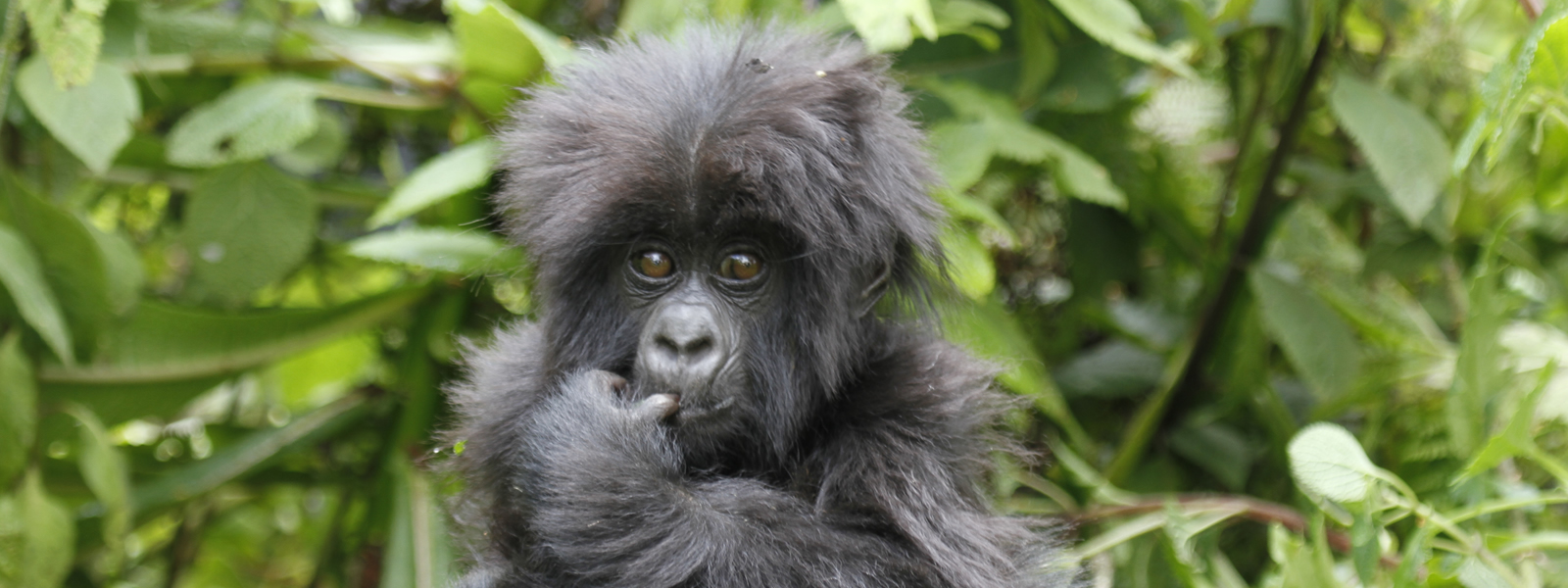
When trekking in Uganda, ensure you carry your permits and receipts, and do not visit if you are ill. The minimum age for tracking is 15, and human waste must be buried 30 cm deep. A maximum of eight visitors are allowed per gorilla group, maintaining a 10-meter distance from the gorillas. Eating, drinking, and smoking are prohibited, and you should cover any coughs or sneezes. Visits are limited to one hour, and flash photography and littering are not allowed
Popular gorilla trekking tour packages
2-days-best-gorilla-trekking-safari-tour-via-kigali-to-bwindi-impenetrable-forest-park
3-days-fly-in-uganda-gorilla-habituation-africa-safari-tour-package
5-days-of-gorilla-trekking-and-chimpanzee-tracking-in-rwanda
3-days-chimpanzee-tracking-to-kibale-forest-national-park
5-days-best-gorilla-habituation-and-chimp-trekking-safari-tour-package
7-days-best-uganda-safari-tour-to-popular-safari-parks
Gorilla Tracking Rules before You Set Out
Before embarking on your gorilla tracking adventure in Uganda, ensure you have your payment receipts and permits readily available. These documents are essential for park entry and tracking. If you are experiencing any cold or infectious illness, it is crucial to refrain from visiting the gorillas to protect their health; they are susceptible to human diseases. The minimum age for tracking is set at 15 years, ensuring that visitors are mature enough to follow guidelines. Additionally, if you need to relieve yourself in the forest, human waste should be buried at least 30 cm (12 inches) deep to maintain hygiene. Finally, visits are limited to a maximum of eight persons per gorilla group to minimize disturbance.
Permits
Before embarking on your gorilla trekking adventure in Uganda, it is crucial to carry your payment receipts and permits. These documents are essential for entry into the protected areas where gorillas reside. They not only confirm your booking but also help park authorities manage visitor numbers effectively, ensuring the safety and conservation of the gorillas. Always keep these documents accessible, as rangers will check them before you begin your trek. Additionally, having your permits organized and ready demonstrates respect for the rules and regulations set by the Uganda Wildlife Authority. This adherence contributes to the overall success of the eco-tourism initiative, supporting conservation efforts and local communities.
Health
Your health is paramount when participating in gorilla trekking in Uganda. Visitors are strictly advised not to approach the gorillas if they exhibit any symptoms of a cold or infectious illness. This precaution is vital, as gorillas are susceptible to human diseases, which can have devastating effects on their populations. If you're feeling unwell, it's best to postpone your trek to ensure you do not put these endangered animals at risk. Always consider the well-being of the gorillas and your fellow trekkers. Maintaining good health not only enhances your experience but also demonstrates responsible tourism, contributing positively to wildlife conservation efforts.
Age Requirement
For safety and ethical considerations, the minimum age for tracking gorillas in Uganda is 15 years. This age limit helps ensure that younger visitors have the maturity required to follow guidelines and understand the importance of respecting wildlife. Trekking can involve challenging terrain and unpredictable weather, which may be difficult for younger children to navigate. By setting this age requirement, authorities aim to protect both the gorillas and the trekking experience. If you’re planning to travel with younger family members, consider alternative activities that are suitable for their age. This policy reflects the commitment to responsible and sustainable tourism.
Waste Disposal
Proper waste disposal is essential during gorilla trekking to maintain the cleanliness of the environment and protect the health of the gorillas. Visitors are required to bury any human waste at least 30 cm (12 inches) deep, ensuring that it does not contaminate the surrounding area. This practice helps preserve the natural habitat and minimizes the risk of disease transmission. Carrying a small trowel or spade can facilitate this process. Additionally, always pack out any non-biodegradable waste, such as wrappers or bottles. Responsible waste management is a critical aspect of eco-tourism, contributing to the conservation of Uganda’s unique ecosystems and wildlife.
Group Size
To ensure a respectful and sustainable wildlife experience, the maximum number of visitors allowed per gorilla group is eight. This limit helps minimize human impact on the gorillas and their habitat, allowing for a more intimate and less stressful interaction. Smaller groups can navigate the terrain more easily and create less noise, which is vital for the well-being of these sensitive animals. This policy also enhances the experience for visitors, as it allows for better viewing opportunities and more personal engagement with the guides. Adhering to this group size is crucial for the ongoing conservation efforts and the protection of Uganda’s gorilla populations.
When You Are with the Gorillas
While observing the gorillas, maintain a respectful distance of at least 10 meters (32.8 feet) to safeguard both their wellbeing and yours. This distance helps protect the animals from human-borne diseases. Smoking, eating, and drinking are strictly prohibited during the tracking to prevent litter and disturbances in their habitat. If you feel the need to cough or sneeze, cover your face and turn away from the gorillas, as they can easily contract illnesses from humans. Visits to each gorilla group are limited to one hour per day, allowing for minimal stress on the animals. Flash photography is not allowed, and it is essential to avoid leaving any litter behind in the forest, preserving the environment for future visitors.
Distance
Maintaining a distance of 10 meters (32.8 feet) from the gorillas is a fundamental rule during tracking. This distance is crucial for both the safety of the animals and the visitors. Gorillas are susceptible to human diseases, and close proximity can increase the risk of disease transmission. Keeping this distance allows the gorillas to behave naturally without feeling threatened. It also provides visitors with a respectful view of these magnificent creatures in their natural habitat. Guides will ensure that everyone adheres to this rule, reinforcing the importance of wildlife conservation. By respecting this boundary, you contribute to the protection of the gorillas and enhance the overall trekking experience for everyone involved.
Prohibited Activities
To ensure the well-being of gorillas and the integrity of their habitat, certain activities are strictly prohibited during gorilla trekking. Smoking, eating, and drinking are not allowed near the gorillas. These restrictions are in place to minimize human impact on the environment and to avoid introducing foreign substances that could harm the gorillas. Additionally, the presence of food and drinks can attract unwanted wildlife, disrupting the natural ecosystem. Visitors must respect these rules to foster a safe and respectful environment for both themselves and the gorillas. By adhering to these guidelines, you contribute to a more sustainable and meaningful wildlife experience.
Coughing/Sneezing
If you feel the need to cough or sneeze while observing gorillas, it is essential to cover your face and turn away from the animals. This precaution is vital as gorillas are highly susceptible to human illnesses, and even a simple cough can pose a health risk. By taking these actions, you help protect the gorillas from potential infections, ensuring their safety and well-being. Guides will remind trekkers of this protocol, emphasizing the importance of minimizing any disturbance to the gorillas. Demonstrating this level of care not only shows respect for wildlife but also enhances your experience by fostering a responsible and ethical approach to wildlife observation.
Visit Duration
The time allowed for each visit with a gorilla group is limited to one hour per day. This restriction is in place to minimize stress on the animals and ensure that they can return to their natural behaviors without prolonged human interference. During this hour, visitors have the [E1] unique opportunity to observe and appreciate the gorillas in their natural habitat, creating unforgettable memories. Guides will manage the time effectively, allowing everyone to enjoy the experience while adhering to conservation goals. This time limit also helps regulate the number of visitors to each group, promoting sustainable tourism practices that benefit both the gorillas and their environment.
Photography
Photography is a cherished part of the gorilla trekking experience, but it comes with specific guidelines to protect the animals and their habitat. Flash photography is strictly prohibited, as the sudden light can startle the gorillas and disrupt their natural behavior. Visitors are encouraged to take photos without flash, capturing the beauty of these magnificent creatures in a respectful manner. Many guides will provide tips on the best ways to photograph gorillas while maintaining a safe distance. By following these rules, you not only ensure a better experience for yourself but also contribute to the ongoing conservation efforts aimed at protecting these endangered species.
Littering
Littering is strictly forbidden during gorilla trekking, as it poses significant risks to both the environment and the wildlife. Leaving trash in the forest can lead to pollution and can harm the gorillas and other animals that might ingest or become entangled in waste. Visitors are expected to carry out all their trash, including biodegradable items, to maintain the cleanliness of the habitat. This practice reflects responsible tourism and demonstrates respect for the natural environment. Guides will remind trekkers of the importance of leaving no trace. By adhering to this rule, you play a vital role in the conservation of Uganda's stunning landscapes and its wildlife.
Where to Sleep on Uganda Gorilla Trekking
Accommodations for Uganda gorilla trekking vary from luxury lodges to budget-friendly options near Bwindi Impenetrable National Park and Mgahinga Gorilla National Park. Notable choices include Buhoma Lodge, Gorilla Mist Camp, and affordable guesthouses. Staying close to the trekking sites enhances your experience, allowing easy access to the trails. Enjoy the tranquil surroundings and local hospitality, making your Uganda gorilla trekking adventure both comfortable and memorable after a day in the wild.
When is the Best Time for Uganda Gorilla Trekking
The best time for Uganda gorilla trekking is during the dry seasons, typically from June to September and December to February. These months provide favorable weather conditions, making the treks more enjoyable and accessible. However, trekking is possible year-round, as the rainforest remains lush and vibrant in the wet months. Regardless of the season you choose, each trek offers unique opportunities to connect with the majestic mountain gorillas in their natural habitat.
Booking Uganda Gorilla Trekking with Roads of Adventure Safaris
Booking Uganda gorilla trekking with Roads of Adventure Safaris ensures a smooth and enriching experience. They provide personalized itineraries, expert guides, and comprehensive packages that include permits and accommodations. With their local knowledge, you can navigate popular trekking destinations effectively, maximizing your chances of encountering gorillas. Their commitment to sustainable tourism allows you to focus on the unforgettable experience of observing these incredible creatures while supporting conservation efforts in Uganda.
