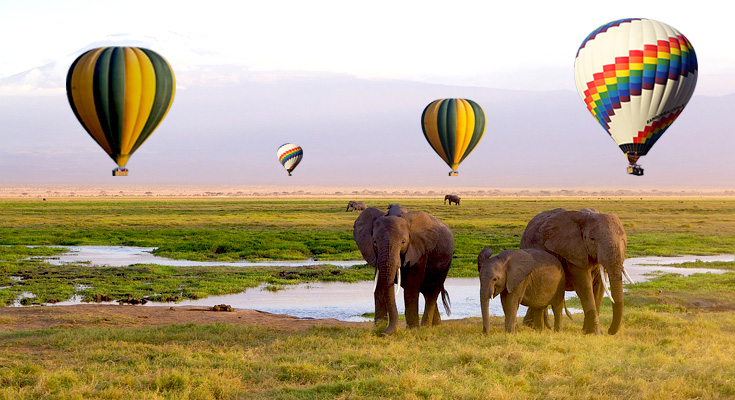
Top Tanzania photographic safari locations include the Serengeti for the Great Migration and big cats, Ngorongoro Crater for dense wildlife, and Tarangire for iconic baobabs and elephants. Other prime spots include Lake Manyara's tree-climbing lions, Selous/Nyerere for river scenes, and Mafia Island for marine life, ensuring diverse photographic opportunities.
25-days-east-africa-safari-to-uganda-rwanda-kenya-tanzania-safari-and-zanzibar-beach-holidays
21-days-ultimate-tanzania-safari-kilimanjaro-summit-trek-and-zanzibar-beach-holidays
18-days-kenya-wildlife-safari-and-tanzania-safari-and-zanzibar-beach-holiday-gateway
15-days-africa-big-cats-safari-kenya-tanzania-safari-and-zanzibar-beach-holidays
10-days-tanzania-safari-to-all-northern-circuit-safari-parks-expedition
10-days-best-kilimanjaro-hike-serengeti-safari-tour-and-ngorongoro-tour-combo
12-days-tanzania-safari-and-culture-experience
1. Serengeti National Park (Central/Seronera)
Serengeti National Park, often hailed as the crown jewel of Tanzania, is renowned for its vibrant ecosystems and year-round big cat sightings. The Central and Seronera regions are particularly famous for their diverse wildlife, including lions, leopards, and cheetahs that frequently grace the vast savannah landscapes. Its expansive plains are dotted with acacia trees and interrupted by rocky outcrops, providing stunning backdrops for wildlife photography.
The best time for capturing memorable images in the Serengeti is during the Great Migration, when millions of wildebeests, zebras, and antelopes traverse the landscape in search of greener pastures. Photographers can set up along migration routes, capturing the dramatic moments of animals in motion against striking sunrises or sunsets.
Moreover, the Seronera region offers excellent opportunities for close encounters with predators, as they hunt and interact within the dense vegetation. Photographers are encouraged to invest in a quality zoom lens to capture intimate wildlife behaviors while maintaining a respectful distance. Early mornings and late afternoons provide the best lighting conditions, enhancing the golden tones of the savannah.
In summary, Serengeti National Park is a must-visit for wildlife photographers seeking iconic African landscapes and unrivaled animal encounters. The chance to observe predators and prey in their natural habitat creates a compelling narrative that makes every photograph a storytelling masterpiece.
2. Ngorongoro Crater
The Ngorongoro Crater, often referred to as the "Garden of Eden," is a UNESCO World Heritage site that boasts a unique geological formation and an astounding concentration of wildlife. This collapsed caldera offers a diverse range of habitats within its 260 square kilometers, making it a top destination for wildlife photography, particularly for those looking to capture the Big Five—lion, elephant, buffalo, leopard, and rhinoceros—within one locale.
The crater's floor is teeming with life year-round, featuring lush grasslands, swamps, and woodlands that provide sustenance for a variety of species. Photographers can witness the dramatic interactions between these majestic animals, creating opportunities for capturing compelling behavioral shots. The presence of black rhinos, which are critically endangered, adds an element of significance to photographs taken here, showcasing both beauty and conservation challenges.
Visiting the crater is best done in the early morning when wildlife is most active, and the soft light filters through the mist. The landscape varies dramatically throughout the day, providing unique photographic opportunities in changing light conditions. The vast, open space allows for wide-angle shots that highlight the crater's grandeur against the vibrant wildlife, while telephoto lenses can be employed for intimate portraits.
In conclusion, the Ngorongoro Crater is a premier location for photographers seeking to capture a wealth of wildlife amid stunning geological features. Its rich biodiversity and dramatic scenery make it an essential stop on any Tanzanian photography safari.
3. Tarangire National Park
Tarangire National Park is celebrated for its massive elephant herds, scenic baobab trees, and diverse wildlife. Located near Lake Manyara, Tarangire offers a unique safari experience that distinguishes it from other parks in Tanzania. The park's sprawling savannah, punctuated by the iconic silhouettes of baobab trees, creates striking photographic compositions that are both classic and evocative.
The park is home to one of the highest concentrations of elephants in Africa, making it an ideal destination for capturing their majestic presence. Photographers can observe these gentle giants as they forage, play in the mud, and engage with their herd, providing numerous opportunities for up-close encounters. The elephants are often found near the Tarangire River, especially during the dry season, where water sources draw in a plethora of wildlife, including giraffes, zebras, and various antelope species.
Due to its relatively less crowded nature compared to other national parks, Tarangire allows for a more intimate experience with wildlife. Early morning or late afternoon hours provide the best light for photography, resulting in captivating images filled with warm tones. The varied landscapes, from rolling hills to woodlands, offer diverse settings for creative storytelling.
In summary, Tarangire National Park presents an exceptional opportunity for wildlife photographers to capture elephants and other wildlife against a stunning backdrop of diverse landscapes. The combination of abundant wildlife and iconic scenery ensures that every photography safari in Tarangire is both rewarding and memorable.
4. Ndutu Area (Southern Serengeti)
The Ndutu Area, situated in the southern part of the Serengeti, is a prime destination for wildlife photography, particularly during the wildebeest calving season from January to March. This period sees thousands of wildebeests giving birth in the open plains, creating incredible opportunities for capturing not only the newborn calves but also the dramatic predator-prey interactions that ensue.
Photographers can observe lions, cheetahs, and hyenas taking advantage of the vulnerable calves, creating intense moments that make for powerful imagery. The landscape of Ndutu is characterized by open grasslands, acacia woodlands, and seasonal wetlands, offering a variety of settings for diverse photographic compositions.
The richness of the light during this season, combined with the dramatic skies of the wet season, allows for captivating photography. The contrast of vibrant green grass with the earthy tones of the animals adds depth to images, making each shot visually striking. Early mornings are particularly effective for photographing the active wildlife, while sunsets can be enchanted with silhouettes of grazing herds against colorful skies.
In conclusion, the Ndutu Area is a must-visit for photographers aiming to capture the extraordinary sights of the Great Migration's calving season. The abundance of wildlife and the stunning landscapes create a unique environment for both dramatic and intimate wildlife photography.
5. Mara River (Northern Serengeti)
The Mara River, located in the northern part of the Serengeti, is a dramatic focal point during the Great Migration, particularly from July to October. This river becomes the stage for one of nature's most breathtaking spectacles: the wildebeest migration river crossings. Photographers flock to this region to witness and capture the moment when thousands of wildebeests brave the perilous waters, attempting to cross while facing threats from crocodiles and swift currents.
Setting up along the river's banks provides photographers with excellent vantage points to capture the thrumming energy of the migration. The intensity of the moments—the anxious expressions on the wildebeests' faces before they leap into the water, the chaos of the crossing itself, and the lurking dangers—creates opportunities for powerful storytelling through imagery.
Timing is crucial; late afternoon light offers dramatic contrasts, highlighting the animals' features against the river's reflection. Various photography techniques can be employed—long exposures can capture the motion of the herd, while high-speed settings can freeze intense momentary actions, like the splashes of water as animals jump in.
The Mara River is not only renowned for its wildlife moments but also for the stunning landscapes surrounding it. Photographers can capture panoramic views that blend wildlife and natural beauty, making this location a key highlight of any Tanzania photography safari.
6. Ruaha National Park
Ruaha National Park is one of Tanzania's largest and most remote parks, known for its rugged beauty and diverse wildlife. This hidden gem is an outstanding destination for wildlife photographers, offering a less crowded experience compared to more popular parks. The park's landscapes range from rolling hills to dry riverbeds, with a variety of ecosystems accommodating an impressive array of wildlife, including large lion prides and rare species such as the African wild dog.
Photographers can capture stunning images of Ruaha's dramatic terrain, featuring baobab trees and iconic kopjes (rock outcrops) that serve as perfect vantage points for observing wildlife. The park is also rich in birdlife, offering chances to photograph various avian species against the backdrop of its diverse habitats.
The best time to visit Ruaha is during the dry season (June to October), when animals gather around the dwindling water sources, providing excellent opportunities for wildlife interactions and dramatic imagery. As the sun sets over the park, the warm golden hours lend a magical quality to photographs, illuminating scenes of grazing animals and their behaviors.
In summary, Ruaha National Park is an excellent choice for photographers seeking an off-the-beaten-path experience filled with varied landscapes and abundant wildlife. Its remote location fosters a sense of adventure, allowing photographers to create powerful imagery that showcases Tanzania's wild charm.
7. Nyerere National Park (formerly Selous Game Reserve)
Nyerere National Park, formerly known as Selous Game Reserve, is one of Africa's largest protected areas and a UNESCO World Heritage site, celebrated for its stunning landscapes and diverse biodiversity. Photographers are particularly drawn to the park's thrilling boat safaris along the Rufiji River, which offer a unique perspective for capturing water-based wildlife.
This waterway is teeming with life, providing opportunities to photograph hippos lounging in the river, crocodiles basking on the banks, and a variety of bird species that make the area a paradise for ornithologists. The peacefulness of cruising along the river, paired with the low angle for capturing wildlife, creates striking images that showcase the unique dynamics of this ecosystem.
In addition to boat safaris, traditional game drives also offer fruitful photography opportunities. The varied habitats within the park—from open grasslands to dense forests—accommodate diverse wildlife, including elephants, lions, and rare species like the African wild dog.
Golden hours, sunrise and sunset, provide the perfect lighting for capturing landscapes and wildlife interactions. The silhouettes of animals against a vibrant sky can create breathtaking images that enhance the storytelling aspect of the photographs.
Overall, Nyerere National Park is a top destination for photographers seeking an immersive experience in one of Tanzania’s most scenic and wildlife-rich areas. The combination of riverine ecosystems and diverse wildlife will lead to stunning photographic outcomes.
8. Lake Manyara National Park
Lake Manyara National Park is well-known for its breathtaking landscapes, diverse ecosystems, and unique wildlife, making it an excellent location for photography. The park is particularly famous for its tree-climbing lions, which present an unusual and captivating sight for wildlife enthusiasts. These lions are often spotted lounging on branches, creating a photographic opportunity that is both intriguing and visually striking.
The park features a variety of habitats, including wetlands, forests, and grasslands, fostering rich biodiversity. Photographers can capture a wide range of wildlife, including large herds of elephants, buffaloes, and numerous bird species, such as flamingos that flock to the lake’s shallow waters.
Visiting during the early morning or late afternoon provides optimal lighting for photographing the vibrant colors of the landscape and the animals. The rich greens of the forest contrasting with the silver waters of Lake Manyara offer striking compositions, especially as the sun sets over the horizon.
Additionally, the park is relatively accessible from Arusha and often less crowded than other popular destinations, allowing for a more intimate photography experience. Since the park’s wildlife is varied, ranging from the iconic to the extraordinary, photographers have the chance to build a diverse portfolio.
In conclusion, Lake Manyara National Park is a fantastic setting for capturing stunning images of unique wildlife in a variety of captivating landscapes. The combination of tree-climbing lions and abundant birdlife promises a rewarding experience for any wildlife photographer.
9. Katavi National Park
Katavi National Park is one of Tanzania’s most remote and least explored parks, offering untouched wilderness that makes it a true paradise for wildlife photographers. This hidden gem is known for its large hippo pods and enormous crocodile populations, providing compelling subjects for capturing extraordinary wildlife moments.
The park's landscape is characterized by vast floodplains, dense wetlands, and scattered woodlands, creating diverse habitats that attract a variety of wildlife. Photographers can capture dramatic scenes of hippos lounging in the water, crocodiles basking on banks, and elephants trudging through the thick vegetation. The minimal tourist traffic ensures that photographers can observe and document these animals without crowded distractions, adding intimacy to the photography experience.
Visiting during the dry season (June to October) is optimal, as water sources become limited, and animals congregate around the remaining waterholes, creating compelling visual storytelling opportunities. The golden hour light enhances the park's beauty, casting warm tones that breathe life into images.
Katavi is a destination that rewards photographers with the excitement of exploring uncharted territory and the chance to document wildlife interactions in a rare and undisturbed setting. As one of Tanzania's hidden treasures, it promises unique and powerful imagery that captures the majesty of the African wilderness.
10. Mahale Mountains National Park
Mahale Mountains National Park is a stunning and remote destination on the shores of Lake Tanganyika, famed for its wild chimpanzee populations. This park offers perfect opportunities for photographers interested in primate photography, providing intimate encounters with one of humanity’s closest relatives in their natural habitat. The dense forests of the Mahale Mountains serve as both a stunning backdrop and a challenge for capturing these elusive creatures.
Hiking through the lush terrain often leads to thrilling moments as you observe chimpanzees swinging through the trees, grooming one another, or playing in sunlit clearings. Photographers can capture heartfelt interactions and expressive behaviors that reveal the complex social dynamics of these primates.
The park's dramatic landscapes, including the steep slopes of the Mahale Mountains and the sparkling blue waters of Lake Tanganyika, create stunning visuals that are perfect for landscape photography, complementing the primate action shots. The best times for photography are typically early morning or late afternoon, when light filters through the trees, casting ethereal glows on the surrounding scenery.
Overall, Mahale Mountains National Park is an essential location for photographers seeking to document the beauty of wild chimpanzees amidst spectacular landscapes. The combination of rich biodiversity and tranquil settings makes this park a unique and captivating destination for any photography safari.
11. Gombe Stream National Park
Gombe Stream National Park is known globally for its significance in chimpanzee research, thanks in large part to the groundbreaking work of primatologist Jane Goodall. This small but biodiverse park, located on the shores of Lake Tanganyika, offers a unique opportunity for intimate primate photography, allowing photographers to capture the fascinating behaviors of these highly intelligent and social animals.
The dense forest environment creates challenges, but also unique opportunities for photographers. Observing chimps in their natural habitat as they interact, forage, and groom each other results in compelling narratives that highlight their social structure. The chance to document such intimate moments can lead to exceptionally moving and impactful photographs.
Photographers will appreciate the stunning landscapes surrounding Gombe, as the park features steep hills, dense vegetation, and breathtaking views of the lake. While the best time for capturing photography is during the early morning and late afternoon when the light is softer, this enhances both the natural beauty of the landscape and the complexity of the chimpanzee behaviors.
In summary, Gombe Stream National Park represents a crucial opportunity for photographers eager to document chimpanzees within an environment rich in wildlife and natural beauty. The park's combination of research significance and stunning landscapes makes it an essential location on any photography safari in Tanzania.
12. Kilimanjaro National Park
Kilimanjaro National Park is a breathtaking destination for photographers seeking to capture the majestic beauty of Africa’s highest peak, Mount Kilimanjaro. The park features diverse ecosystems that range from lush rainforest to alpine desert, making it a stunning backdrop for landscape photography as well as wildlife shots.
Photographers can capture breathtaking vistas of Kilimanjaro, particularly at sunrise or sunset when the mountain is illuminated in warm hues against the vibrant sky. The contrast of the towering peak with the diverse flora and fauna at lower elevations provides numerous opportunities for stunning compositions.
While wildlife may take a backseat compared to the mountain, the park is home to several unique species, including the Kilimanjaro blue monkey and various bird species, which can be captured against the stunning mountain backdrop.
Climbing routes often provide photographers with additional perspectives of Kilimanjaro, allowing for unique angles and stunning views. The varying altitudes also create different environments and dramatically changing landscapes, making the photographic possibilities virtually endless.
In summary, Kilimanjaro National Park is a mesmerizing destination that offers wildlife photographers the chance to capture the striking beauty of Africa's highest peak amid rich natural diversity. Its breathtaking landscapes and unique wildlife opportunities ensure a rewarding experience for those seeking breathtaking imagery.
13. Serengeti North
Serengeti North, particularly around the Mara River area, is an essential destination for photographers during the Great Migration. This region of the Serengeti becomes the epicenter of dramatic wildlife action between July and October as thousands of wildebeests and zebras make river crossings in search of greener pastures.
Photographers can capture high-stakes moments as herds navigate the perilous waters, facing threats from crocodiles waiting in ambush. These dramatic scenes of survival present extraordinary opportunities for wildlife photography, showcasing the raw and exhilarating moments that define the migration.
The landscape surrounding the Mara River is stunning, with a mix of rolling plains and verdant hills, providing a visually captivating backdrop for the incredible wildlife action. The best time for photography is during the golden hours, when the lighting softens, enhancing the colors of both the wildlife and the environment.
Beyond the crossings, Serengeti North also features an abundance of predators, such as lions and leopards, taking advantage of the migratory herds. This creates an intricate dynamic of predator and prey interactions, offering countless storytelling opportunities for photographers.
In conclusion, Serengeti North is a must-visit for photographers aiming to capture the breathtaking spectacles of the Great Migration. The combination of pulsating wildlife activity and stunning landscapes offers a rewarding and unforgettable experience on any Tanzania photography safari.
14. Ruinsori Mountains National Park
Ruwenzori Mountains National Park, also known as the "Mountains of the Moon," is a UNESCO World Heritage site that offers extraordinary opportunities for landscape and wildlife photography. Nestled between Uganda and the Democratic Republic of the Congo, this park is characterized by its stunning glacial peaks, lush valleys, and diverse ecosystems.
Photographers can capture stunning images of the unique landscape, which includes a mix of tropical rainforest, bamboo forests, and alpine meadows. The dramatic contrast between the towering peaks and the vibrant greenery creates visually striking photographs that showcase both the rugged beauty of the mountains and the rich biodiversity of the area.
Wildlife photography is also rewarding in Ruwenzori, as the park is home to unique species such as the Ruwenzori colobus monkey and various endemic birds. The chance to observe these rare animals in their natural habitat, particularly at lower elevations, adds a special element to photography outings.
Hiking through the mountainous terrain provides ample opportunities for landscape photography, especially in the early morning or late afternoon when the light casts a golden glow over the mountains. The unique geography of the park offers dramatic views that can transform simple landscapes into breathtaking compositions.
In summary, Ruwenzori Mountains National Park is a captivating destination for photographers interested in capturing majestic landscapes, unique wildlife, and the intricate beauty of an extraordinary ecosystem. Its combination of stunning vistas and rich biodiversity makes it an essential stop on any photography safari in Tanzania.
15. Lake Natron
Lake Natron, situated at the northern edge of Tanzania, is an extraordinary location for photographers seeking to capture unique landscapes and vibrant wildlife. Known for its high alkaline waters, the lake often showcases bright shades of red and orange, particularly under the sun's glare and during dry seasons, creating a striking visual panorama.
The lake is a crucial breeding ground for flamingos, which flock to its shores in large numbers. The contrast of their vibrant pink plumage against the striking, colorful waters provides exceptional photography opportunities, especially during sunrise or sunset when the light casts a soft glow on the scenery.
Photographers can also explore the surrounding landscapes, which include jagged cliffs, volcanic formations, and the stunning backdrop of Mount Oldonyo L'engai. This unique topography creates numerous avenues for creative compositions, whether capturing the flamingos in flight
16. Mount Kilimanjaro
Mount Kilimanjaro, Africa’s highest peak, stands majestically above Tanzania’s rolling plains, offering iconic photography opportunities that draw photographers from around the globe. The snow-capped summit, known as Kibo, provides a stunning backdrop against the vibrant green landscape and the vibrant hues of African sunrises and sunsets.
Photographers can explore various vantage points around the base of Kilimanjaro, capturing breathtaking panoramas that highlight the mountain's grandeur. The contrast of its glaciers against the rich greens of the surrounding rainforest creates endless possibilities for striking compositions. The "golden hour" just after sunrise or before sunset is particularly magical, as the light casts warm tones over the landscape, accentuating the mountain's features.
A variety of landscapes can be found in the area, including lush forests, savannahs, and alpine deserts, each offering different photographic opportunities. Wildlife, such as elephants and various antelope species, often roam in the shadows of the mountain, providing a chance to capture the harmonious relationship between Kilimanjaro and its surrounding fauna.
In addition, climbers embarking on their journey to the summit offer unique storytelling opportunities for photographers, showcasing their determination against the majestic backdrop. Overall, Mount Kilimanjaro is not just a striking subject, but a symbol of adventure, resilience, and the beauty of nature, making it an essential stop for anyone seeking captivating imagery of Tanzania.
17. Arusha National Park
Arusha National Park, nestled near the base of Mount Meru, is a treasure trove for photographers seeking diverse landscapes and wildlife encounters. The park features a stunning variety of environments, from lush montane forests to open grasslands, providing photographers with a rich tapestry of subjects to capture.
One of the park's highlights is Momella Lakes, known for its picturesque scenery and vibrant birdlife, including flocks of flamingos that paint the shores with their striking pink hues. Photographers can capture stunning reflections of the surrounding landscape in the calm waters, especially during the early morning light.
The dramatic backdrop of Mount Meru adds to the park's charm, and there are ample opportunities to photograph both wildlife and landscapes in one frame. Besides the flamingos, visitors may encounter giraffes, zebras, and various antelope species, allowing for compelling wildlife compositions that showcase both the animals and their habitats.
Arusha National Park is less crowded than other major parks, granting photographers the chance for intimate wildlife encounters. Additionally, guided hikes through the forest can reveal endemic species and hidden waterfalls, offering unique perspectives for nature photography.
In summary, Arusha National Park is an ideal location for photographers wishing to capture Tanzania’s diverse ecosystems and wildlife. The picturesque landscapes and abundant birdlife, set against the majestic backdrop of Mount Meru, create a vibrant canvas for stunning photographs.
18. Western Corridor (Serengeti)
The Western Corridor of Serengeti National Park is a hidden gem renowned for its dynamic landscapes and unforgettable wildlife sightings. This less frequented area is particularly famous for the Grumeti River, where thrilling predator-prey interactions unfold during the Great Migration.
From about June to July, photographers can witness wildebeests and zebras attempting to cross the Grumeti River, often pursued by crocodiles waiting in ambush. These moments create captivating photographic opportunities, filled with excitement and raw emotion. The area's varied terrain—from rolling hills to expansive plains—allows for diverse compositions, whether capturing wildlife in action or the picturesque scenery surrounding them.
In addition to river crossings, the Western Corridor is home to a range of predators, including lions, leopards, and hyenas, offering ample opportunities for close-ups and dramatic action shots. The less crowded environment allows for a more intimate experience with wildlife, enhancing the chance to observe and document their natural behaviors without distractions.
Photographers will appreciate the changing light conditions throughout the day, which can dramatically alter the mood of their images. Golden hours, in particular, can illuminate the landscapes and wildlife in breathtaking ways.
In conclusion, the Western Corridor of Serengeti National Park is a must-visit for photographers eager to capture thrilling wildlife moments amid stunning landscapes. Its unique characteristics and lesser crowds ensure a fulfilling experience for anyone on a photography safari.
19. Saadani National Park
Saadani National Park stands out as the only national park in East Africa where wildlife can be photographed on beautiful white sand beaches along the Indian Ocean. This unique combination of coastal and savannah ecosystems creates stunning opportunities for photographers to document both wildlife and breathtaking landscapes.
The park features a diverse array of wildlife, including elephants, giraffes, and various antelope species. These animals can often be spotted wandering the sandy shores, providing a striking contrast against the azure ocean. Photographers can capture mesmerizing scenes of herds against stunning backdrops—where wildlife meets the tranquil waters of the Indian Ocean.
Additionally, Saadani's proximity to the ocean allows for unique marine photography opportunities, including dolphins and vibrant coral reefs. The rich coastal environment supports numerous bird species, which can be photographed amid the lush vegetation or perched against the turquoise waters.
Light conditions in Saadani are particularly favorable during sunrise and sunset, when the sun casts warm hues across the beach and ocean. Such lighting enhances both wildlife and landscape photography, providing a dynamic range of colors and moods.
Overall, Saadani National Park offers a rare and captivating experience for photographers. The opportunity to observe wildlife on pristine beaches, along with the chance to capture both terrestrial and marine life, makes it a unique destination for anyone seeking incredible imagery.
20. Rubondo Island National Park
Rubondo Island National Park, situated in Lake Victoria, is a tranquil and serene destination ideal for wildlife photographers. Known for its rich biodiversity and stunning landscapes, the park offers unique opportunities for capturing both birdlife and primates in a peaceful, nature-centric environment.
Birdwatchers will find Rubondo a paradise, as the island is home to over 200 species of birds, including the rare African fish eagle and stunning white-headed barbets. The opportunity to photograph birds against the backdrop of lush forests or pristine lake views provides unique creative possibilities. The tranquil waters also allow for captivating reflections and dynamic compositions.
In addition to bird photography, Rubondo is home to a thriving colony of wild chimpanzees, providing rare opportunities for intimate primate photography. Capturing these intriguing animals as they interact in their natural habitat creates beautiful storytelling images that can highlight their behaviors.
Boat safaris offer a unique perspective of the island and its wildlife, allowing photographers to capture stunning scenes from the water. Additionally, the island's stunning sunsets over Lake Victoria promise breathtaking landscape photographs, as the shimmering waters reflect vibrant hues.
In summary, Rubondo Island National Park is an exquisite destination for wildlife photographers seeking an off-the-beaten-path experience. Its unique combination of rich birdlife, primates, and stunning landscapes provide a serene yet vibrant canvas for breathtaking imagery.
21. Lake Natron
Lake Natron is a captivating landscape photography destination in northern Tanzania, known for its surreal beauty and unique ecological characteristics. The lake’s alkaline waters create dramatic shades of red and orange, especially under the harsh African sun, creating a visually striking landscape that is unlike any other.
Photographers are drawn to the thousands of lesser flamingos that gather on its shores to breed. The contrast of their vibrant pink feathers against the vivid colors of the lake creates stunning visual opportunities, especially during the golden hours of dawn and dusk. Capturing shots of the flamingos, flocks taking flight or standing gracefully along the shores, results in compelling and dynamic imagery.
Aside from the unique flora and fauna, the towering backdrop of the Oldonyo L'engai volcano adds a dramatic element to photographs. The stark contrast between the harsh environment and the delicate beauty of the wildlife allows photographers to tell intricate stories through their images.
Exploring the surrounding landscapes, photographers can capture fascinating geological formations and the otherworldly scenery that define the region. As the light changes throughout the day, the lake's colors shift, revealing new compositions and moods.
In conclusion, Lake Natron is a phenomenal choice for photographers seeking to capture surreal landscapes and the striking beauty of lesser flamingos. The unique characteristics of this location promise compelling visuals that inspire awe and admiration.
22. Mikumi National Park
Mikumi National Park is one of Tanzania’s most accessible parks, offering fantastic opportunities for wildlife photography in a setting reminiscent of the Serengeti. The park is characterized by open grasslands, acacia woodlands, and sprawling wetlands, attracting large herds of animals that provide incredible photographic subjects.
Buffalo, elephants, and giraffes can often be seen wandering through the park, creating dynamic scenes that photographers will relish capturing. The proximity of wildlife to the park’s main road makes for convenient access, allowing photographers to document animals in action without lengthy treks.
Mikumi also boasts plenty of predators—lions, leopards, and hyenas—providing thrilling opportunities for capturing dramatic moments during hunts or social interactions. The varied landscapes enhance each shot, whether capturing a solitary lion on a tree branch or elephants at sunset against the vibrant skies.
The best times for photography are early morning and late afternoon when the soft light enhances colors and textures in the landscape. Combining wildlife observations with stunning sunset backdrops creates unique and captivating images.
In summary, Mikumi National Park presents a rewarding experience for wildlife photographers. Its accessibility, diverse wildlife, and beautiful landscapes create the perfect conditions for capturing a broad range of stunning images that reflect the essence of Tanzania’s natural beauty.
23. Udzungwa Mountains National Park
Udzungwa Mountains National Park is a photographer's dream, renowned for its breathtaking landscapes, rich biodiversity, and incredible hiking opportunities. This park, part of the Eastern Arc Mountains, is a biodiversity hotspot with numerous endemic species, including rare primates and unique plants.
The park's stunning waterfalls, lush forests, and diverse ecosystems create a visually captivating environment for photography. Photographers can capture dramatic shots of cascading water amidst vibrant greenery, especially after rains when the waterfalls are at their most spectacular.
Wildlife photographers will find opportunities to capture unique species, such as the endemic Udzungwa red colobus monkey and the Iringa red colobus. Observing these primates in their natural habitat offers an intimate glimpse into their behaviors, resulting in poignant wildlife photographs.
Hiking trails throughout the park lead to breathtaking viewpoints, offering panoramic shots of the surrounding landscapes. The combination of varied elevations and microclimates creates diverse habitats, enhancing opportunities for photographing an array of wildlife and landscapes.
The best times for photography are early mornings or late afternoons when natural light softens the scenery and highlights the vibrant colors of the flora.
In conclusion, Udzungwa Mountains National Park is a remarkable destination for photographers seeking to capture stunning landscapes, unique wildlife, and rich biodiversity. Its combination of natural beauty and unique subject matter ensures a fulfilling experience for any photography enthusiast.
24. Zanzibar Archipelago (Stone Town & Coast)
The Zanzibar Archipelago, particularly Stone Town and its coastal landscapes, offers photographers an exciting blend of cultural heritage and natural beauty. The archipelago is renowned for its historical significance, stunning architecture, and vibrant local life, making it a prime location for cultural photography.
Stone Town, a UNESCO World Heritage site, boasts intricately carved wooden doors, narrow alleyways, and bustling markets. Photographers can capture the lively interactions of locals and the colorful fabrics of the bazaars, showcasing the vibrant culture of this island paradise. The architecture, a mix of Arab, Persian, Indian, and European influences, provides unique compositions and rich historical context for each photograph.
Along the shoreline, turquoise waters and white sandy beaches offer picturesque landscapes. The coast is dotted with palm trees and traditional fishing boats, providing stunning visual contrasts against the vibrant ocean. During sunrise and sunset, this landscape transforms into a breathtaking spectacle, allowing for striking coastal photography.
Photographers can also explore the surrounding islands, like Prison Island and Changuu Island, which offer additional opportunities to capture natural beauty and marine life, including snorkeling and underwater photography.
When is the Best Time for a Tanzania Photography Safari?
Choosing the best time for a photography safari in Tanzania hinges on the unique wildlife events and seasonal changes within the country's parks and reserves. Generally, the dry season, which spans from late June to October, is considered the prime time for wildlife viewing and photography. During these months, animals congregate around limited water sources, enhancing visibility and making it easier to capture thrilling wildlife moments.
Particularly for photographers, the early mornings and late afternoons during this period provide the best light for impactful images. The soft, golden light enhances colors and details in the landscape and subjects, allowing for stunning compositions.
Another key period is the Great Migration, usually between July and October when millions of wildebeests and zebras traverse the Serengeti in search of greener pastures. The dramatic river crossings of the Grumeti River and Mara River offer incredible photogenic opportunities, as predators such as crocodiles take advantage of this vulnerable moment.
Moreover, the wet season from November to April also holds its charm for photographers. While wildlife spotting might be more challenging due to thicker vegetation, the lush landscapes and vibrant colors are ideal for capturing the beauty of Tanzania's diverse ecosystems. Additionally, this season attracts migratory birds, providing superb opportunities for bird photography.
In essence, the best time for a Tanzania photography safari ultimately depends on your photographic goals—whether you're interested in capturing large animal interactions during the dry season or lush landscapes and birdlife during the wet season.
Where to Stay on a Tanzania Photography Safari
When planning a photography safari in Tanzania, choosing the right accommodations can greatly enhance your overall experience. Options range from luxury lodges to budget-friendly tented camps, offering unique perspectives on the stunning landscapes and wildlife of the region.
In the Serengeti, many lodges and camps offer all-inclusive packages with experienced guides who understand the best times and locations for photography. Luxury lodges typically provide panoramic views and exceptional service, allowing you to relax in comfort after a day of shooting. Tented camps, on the other hand, immerse you in nature, letting you feel closer to the wild as you listen to animal sounds at night.
For those interested in bird photography, staying near Lake Manyara National Park or Arusha National Park is ideal. These locations offer facilities that focus on nature enthusiasts and provide access to diverse ecosystems, enhancing your photographic opportunities.
In contrast, a stay on the shores of Lake Victoria at Rubondo Island National Park provides a unique experience for bird and primate photography, as the remote setting offers a peaceful environment.
Many accommodations also offer guided sunrise or sunset safaris designed specifically for photographers, maximizing your chances of capturing stunning images in the best light. Additionally, it’s worth considering lodges that provide dedicated photography workshops or amenities, such as charging stations for camera equipment.
In conclusion, when choosing where to stay during your Tanzania photography safari, consider your specific photography interests, the accessibility of wildlife, and the overall experience you seek to enhance your adventure.
Booking Tanzania Photography Safari with Roads of Adventure Safaris
Booking a Tanzania photography safari with Roads of Adventure Safaris ensures a tailored and enriching experience catered to your specific photographic needs and interests. With their expertise in organizing customized safari itineraries, you can explore some of the most breathtaking landscapes and wildlife hotspots in Tanzania.
Roads of Adventure Safaris offers a variety of options, from guided group tours to private safaris, allowing photographers the flexibility to choose an experience that best fits their preferences. Each safari itinerary is designed to maximize wildlife sightings and photographic opportunities, taking into account seasonal migrations, peak animal activity, and optimal lighting conditions for photography.
Expert local guides with in-depth knowledge of wildlife behavior and photography techniques accompany you on your journey. They not only enhance your understanding of the region but also assist you in finding the best spots for capturing stunning images, be it of iconic animals or sweeping landscapes.
Booking with Roads of Adventure Safaris also provides you with access to carefully selected accommodations that prioritize comfort and accessibility to prime wildlife viewing areas. These lodges and camps often offer specialized photography services, such as early morning drives and sunset shoots, ensuring you make the most of your photographic opportunities.
Furthermore, their dedication to responsible tourism means that you’ll be supporting sustainable practices as you explore some of the world's most treasured environments. With Roads of Adventure Safaris, your photography safari becomes more than just an adventure; it transforms into a memorable journey filled with inspiring sights and the joy of capturing the beauty of Tanzania.
