For an unforgettable Tanzania birding safari this year, prioritize Tarangire National Park, Lake Manyara, and the Ngorongoro Crater, which offer unparalleled sightings of 500+ species, including flamingos, raptors, and endemics. November to April is ideal for seeing migratory birds in breeding plumage.
25-days-east-africa-safari-to-uganda-rwanda-kenya-tanzania-safari-and-zanzibar-beach-holidays
21-days-ultimate-tanzania-safari-kilimanjaro-summit-trek-and-zanzibar-beach-holidays
18-days-kenya-wildlife-safari-and-tanzania-safari-and-zanzibar-beach-holiday-gateway
15-days-africa-big-cats-safari-kenya-tanzania-safari-and-zanzibar-beach-holidays
10-days-tanzania-safari-to-all-northern-circuit-safari-parks-expedition
10-days-best-kilimanjaro-hike-serengeti-safari-tour-and-ngorongoro-tour-combo
12-days-tanzania-safari-and-culture-experience
Tarangire National Park: A Must Visit for Tanzania Birding Safari
Tarangire National Park is renowned for its stunning birdlife, boasting over 500 recorded species. For avid birdwatchers on a Tanzania birding safari, this park presents a magnificent opportunity to observe a diverse array of avian life, particularly around its swamps and wetlands. Among the park's most celebrated species is the Yellow-Collared Lovebird, known for its vibrant colors and social behavior. This charming bird often flocks in large numbers, making it a delightful sight for visitors.
The diverse habitats within Tarangire, including acacia woodlands, river valleys, and marshes, create ideal conditions for various bird species. Notable sightings often include a mix of raptors, such as the Bateleur and African Fish Eagles, providing exciting moments for birdwatchers. The park’s woodlands also host a plethora of colorful species like the Violet-Cheeked Waxbill and the Crimson-Rumped Tanager.
A unique aspect of birdwatching in Tarangire is the park’s seasonal nature, where migratory birds join the resident species during specific times of the year. The wet season, in particular, transforms the landscape into a vibrant natural palette teeming with life. Guided birding tours allow enthusiasts to delve deeper into the intricacies of the avian ecosystem, with expert guides enhancing the experience by pointing out unique behaviors and habitats.
Whether you are a seasoned birder or a casual nature lover, Tarangire National Park is a must-visit destination for anyone on a Tanzania birding safari. With its stunning landscapes and rich bird life, the park promises an unforgettable adventure filled with lifelong memories and unique sightings.
Lake Manyara National Park: A Birding Paradise on Tanzania Birding Safari
Lake Manyara National Park is a jewel of Tanzania, famed for its picturesque landscapes and abundant birdlife. For those on a Tanzania birding safari, this park offers an exceptional opportunity to observe a myriad of bird species, including massive flocks of flamingos that grace the alkaline lake habitat during certain seasons. The sight of these vibrant pink birds coexisting with the park’s natural beauty is truly breathtaking and makes for stunning photography.
In addition to flamingos, Lake Manyara is home to pelicans, storks, and a variety of waterfowl that thrive along the shoreline. Birdwatchers can expect to see species such as the Great White Pelican and African Spoonbill. The park's diverse ecosystems, which include lush forests and open grasslands, create habitats conducive to a wide range of bird species.
Notably, the park is known for its impressive variety of woodland birds, often seen flitting about the trees. Species like the African Blue Flycatcher and the Eastern Paradise Whydah are commonly observed, delighting bird enthusiasts with their vibrant colors and melodious songs. The presence of raptors such as the African Fish Eagle enhances the experience further, allowing birdwatchers to enjoy great moments of aerial displays.
A Tanzania birding safari in Lake Manyara is not only rewarding for bird enthusiasts but also offers breathtaking views of the surrounding landscapes, creating an unforgettable experience. Whether observing birds from a safari vehicle or on foot, Lake Manyara National Park promises an enchanting journey for all nature lovers.
Ngorongoro Conservation Area: Birdwatching in a UNESCO World Heritage Site
The Ngorongoro Conservation Area offers a unique experience for birders on a Tanzania birding safari, combining stunning landscapes with rich biodiversity. This UNESCO World Heritage Site is famous for its geological beauty, characterized by the Ngorongoro Crater, a massive volcanic caldera teeming with wildlife. Over 400 bird species have been recorded in this high-density area, making it a hotspot for birdwatching.
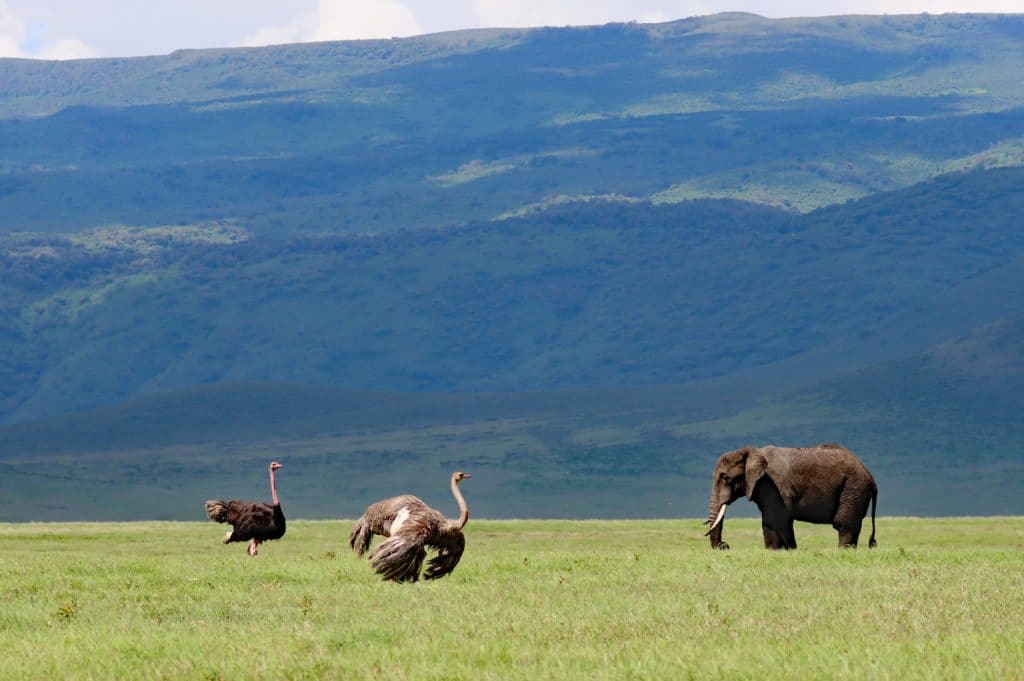
Among the unique birds you can expect to encounter are the Secretary Bird, known for its striking appearance and hunting prowess, and ostriches, which roam the grassy plains of the crater. These species are just the tip of the iceberg; the conservation area's diverse habitats support a wide range of avian life, from raptors to vibrant songbirds.
The best times for birdwatching in Ngorongoro are during the wet seasons, when migratory birds join the resident species, enriching the avian population. Guided birding tours in the area provide opportunities to explore various habitats and learn about the intricate relationships between birds and their ecosystems. Additionally, the presence of other wildlife, including the Big Five, enhances the overall experience, allowing birders to witness diverse interactions in a rich and dynamic environment.
Overall, a Tanzania birding safari in Ngorongoro not only offers spectacular birdwatching opportunities but also immerses visitors in the stunning landscapes and wildlife of one of Africa's most iconic conservation areas.
Serengeti National Park: A Premier Birding Destination
Serengeti National Park is an iconic destination for any traveler and a must-visit for birders on a Tanzania birding safari. Known primarily for its vast savannahs and the Great Migration, this park is home to an impressive variety of bird species, with extensive avian life flourishing throughout the year. Birdwatchers can delight in observing both resident and migratory birds, with the wet season particularly enhancing the diversity of sightings.
Among the many birds found in the Serengeti, raptors abound, including species like the African Eagle Owl and various buzzards. The park’s extensive savannahs also support a variety of colorful songbirds and fascinating ground-nesting species. Birders can look for the strikingly beautiful Lilac-breasted Roller and the lively Hornbill, both of which add vibrancy to the ecosystem.
The Serengeti is not just about the mammals; its rich birding opportunities are often overlooked. Guided safari tours focus on birdwatching can lead to remarkable experiences as expert guides share insights about bird behaviors and ecology. The park's dynamic environment offers a chance for unique encounters with migratory species, as well as resident birds during different seasons.
In summary, a Tanzania birding safari in Serengeti National Park promises an exhilarating adventure filled with opportunities to observe an incredible range of birdlife. The combination of breathtaking landscapes and diverse species ensures that birdwatchers will leave with unforgettable memories.
Why is Tanzania considered a top birding safari destination?
Tanzania is widely regarded as a premier birding safari destination due to its remarkable biodiversity, hosting over 1,100 confirmed bird species. This impressive number includes a variety of rare and endemic species, making it a haven for avid birdwatchers. Birders from around the world flock to Tanzania to experience its rich avifauna, which spans across various ecosystems.
The country features unique habitats ranging from lush montane forests in the Usambara Mountains to the arid savannahs of the Serengeti. Each ecosystem supports its own array of bird species, allowing for a diverse observational experience. For instance, the wetlands of Lake Manyara attract huge flocks of migratory birds during specific seasons, while the Ngorongoro Crater offers a closed environment rich in various high-altitude species.
Additionally, Tanzania’s commitment to wildlife conservation is evident in its well-managed national parks and reserves. The infrastructure for birding tours is robust, with knowledgeable local guides who can significantly enhance the birdwatching experience. With their expertise, birders can quickly learn how to identify different species and understand their habitats and behaviors.
From the striking colors of the Lilac-breasted Roller to the majestic flight of the Bateleur Eagle, every moment spent in Tanzania promises fantastic birdwatching opportunities. Overall, Tanzania’s combination of diverse ecosystems, rich biodiversity, and conservation efforts positions it as one of the world’s top birding safari destinations.
What is the best time for a Tanzania birding safari destination trip?
The best time for a Tanzania birding safari destination trip typically falls during the “green season,” which spans from November to May. This period coincides with the arrival of migratory birds from Europe and North Africa, transforming the landscapes into a vibrant tableau of avian life.
During the short rains in November and December, many migratory species make their way to Tanzania, providing birders with opportunities to observe an immense variety of these colorful visitors. The resident bird species also become more active, engaging in breeding activities, leading to increased visibility and vocalizations.
As the long rains occur from March to May, conditions remain favorable for birdwatching. The lush vegetation makes it easier for birders to spot vibrant species, such as the Superb Starling and various sunbirds. Additionally, the high humidity during this period promotes bird activity, making it an excellent time for observational excursions.
Traveling during the green season also allows birders to enjoy fewer crowds in the national parks, leading to a more intimate experience with nature. However, it’s worth noting that while rain may occur, many birders find that the benefits of enhanced bird visibility significantly outweigh any minor inconveniences posed by occasional weather changes.
Overall, planning your Tanzania birding safari during the green season maximizes the chances of spotting diverse species and experiencing abundant wildlife interactions.
Which are the best national parks in Tanzania for birding?
When it comes to birding opportunities, several national parks in Tanzania stand out for their exceptional avian diversity. Serengeti National Park is a top destination, famous not just for its iconic wildlife but also for its rich array of bird species. With over 500 types of birds reported, the Serengeti offers an ideal environment to observe both resident and migratory species against its picturesque savannah backdrop.
Another great choice is the Ngorongoro Crater, which provides a unique ecosystem in its enclosed area. This UNESCO World Heritage Site boasts numerous bird species, including the endangered Black Rhino and many raptors, all accessible within a relatively compact area.
Lake Manyara National Park is also renowned for birdwatching, especially during migratory seasons when flamingos gather in droves. Over 400 bird species have been recorded here, including pelicans and various shorebirds, making it a must-visit for any birdwatcher.
Tarangire National Park is noteworthy for its large raptors and a diverse set of savannah-dwelling species. Its acacia woodlands and seasonal wetlands attract many birds, providing excellent viewing options.
Lastly, Arusha National Park is an underrated gem, home to a wealth of bird species, particularly around its wetlands and forested areas. Its proximity to Mount Meru offers an additional layer of scenic beauty.
In summary, these national parks not only boast incredible biodiversity but also provide diverse habitats that enhance the birding experience, making Tanzania a magical destination for bird enthusiasts.
Are there many endemic birds in Tanzania?
Yes, Tanzania is an outstanding destination for birders, featuring a wealth of endemic and near-endemic species, particularly in the northern highland forests. The country's diverse ecosystems provide habitats that are conducive to a variety of unique avifauna, many of which are not found anywhere else in the world.
One of the most sought-after endemic species is the Rufous-tailed Weaver, which inhabits the montane grasslands of the northern highlands. Another notable endemic is the Pemba Green Pigeon, found primarily on Pemba Island. Close to the mainland, birders can also spot Fischer’s Lovebird, which is restricted to the northern regions and is often seen in flocks.
The Usambara Mountains are a hotspot for endemic species, harboring a range of specialized birds such as the Usambara Weaver and the Usambara Thrush. This high-alpine environment offers birders the chance to encounter unique species alongside breathtaking natural landscapes.
In addition to the numerous endemic species, Tanzania is also home to many near-endemics that can only be spotted in the region, such as the Tanzanian Red-billed Quelea among others. This rich diversity makes Tanzania a prime location for birdwatchers seeking to expand their life lists.
Ultimately, Tanzania’s exceptional endemism adds a valuable dimension to birding adventures, allowing enthusiasts to appreciate the country’s rich natural heritage and its role in global avian diversity.
Can I combine a birding safari with a big-game safari?
Absolutely! A Tanzania birding safari offers a unique opportunity to combine the thrill of birdwatching with the exhilarating experience of observing the Big Five—lion, leopard, elephant, buffalo, and rhinoceros—within the same trip. This diversity is one of the key advantages of a safari in Tanzania, allowing for a multifaceted engagement with both avifauna and wildlife.
Many of the premier national parks in Tanzania—such as Serengeti National Park and the Ngorongoro Crater—offer excellent environments where both birds and traditional game can be observed. For instance, while you are on a game drive in the Serengeti, you may spot iconic birds like the Secretary Bird or the Bateleur Eagle soaring overhead, all while being surrounded by majestic wildlife.
Combining birding with big-game viewing not only enriches the safari experience but also allows for greater exploration of different habitats. The wetlands of Lake Manyara, for instance, are great for spotting both aquatic birds and large mammals that frequent the area.
Guided tours can be tailored to emphasize both birdwatching and wildlife observation, optimizing your chances of spotting a diversity of species. Experienced guides will be able to point out species, discuss conservation issues, and share insights about the ecosystem dynamics, making the entire experience more rewarding.
In summary, a Tanzania birding safari provides the rare chance to enjoy both specialized forest species and iconic wildlife in one seamless, exciting adventure.
What is the best time to see migratory birds in Tanzania?
The best times to observe migratory birds in Tanzania occur during the short rains (November to December) and the long rains (March to May). During these months, migratory species from Europe and North Africa flock to the region, taking advantage of the favorable weather conditions and abundant food resources.
In November and December, the onset of rains signals the arrival of numerous migratory birds seeking warmer climates. Many birders love this period as the arrival of these species coincides with the breeding season for resident birds, leading to vibrant displays of color and activity across various habitats.
The long rains from March to May also provide heightened opportunities for birdwatching. During this period, lush vegetation and increased water sources create a rich tapestry conducive to birds’ nesting and feeding activities. The diversity of sightings is enhanced as many migratory species take advantage of this abundance.
Lakes and wetlands, particularly Lake Manyara, offer a front-row seat to witness the arrival of vast flocks of birds, including flamingos, pelicans, and various shorebirds. Observing these species is often accompanied by the exciting backdrop of interacting with resident wildlife.
Overall, planning your Tanzania birding safari during these key migratory periods not only increases your chances of spotting diverse species but also provides a dynamic birdwatching experience set against the backdrop of stunning landscapes.
What kind of waterbirds can I see in Tanzania?
Tanzania is renowned for its stunning variety of waterbirds, making it a must-visit destination for birdwatchers interested in observing aquatic avifauna. The country's diverse wetland ecosystems, lakes, and rivers create ideal habitats for a multitude of species.
One of the most iconic sights is the huge flocks of flamingos that gather at lakes like Lake Manyara and Lake Natron during certain seasons. These stunning pink birds create a breathtaking spectacle against the vivid blue waters.
In addition to flamingos, birders can observe a variety of pelicans, especially the Great White Pelican, which can often be seen fishing in the lakes or flying gracefully overhead. Storks, such as the Saddle-billed Stork and the African Woolly-necked Stork, are also prominent features of Tanzania's wetland environments.
Kingfishers are another highlight, with species like the Pied Kingfisher and the Malachite Kingfisher adding vibrant colors to the aquatic landscape. These agile hunters can often be seen diving into the water to catch fish.
Wetland areas also serve as crucial stopover points for numerous migratory species. As seasons change, lakes and rivers become bustling hubs teeming with various waterbirds. Guided tours during the wet season allow for unique opportunities to spot both resident and migratory species as they gather along these vital ecosystems.
Overall, Tanzania’s rich diversity of waterbirds significantly enhances the birdwatching experience, providing unforgettable encounters that highlight the importance of these unique habitats.
Is Tanzania birding safari destination suitable for beginner birders?
Yes, a Tanzania birding safari destination is very suitable for beginner birders. The diverse ecosystems and wide variety of bird species provide an excellent platform for newcomers to the birdwatching experience. With the assistance of local expert guides, beginners can learn how to identify birds and appreciate the ecological complexities of Tanzania’s avifauna.
Local guides are typically knowledgeable about both common and elusive species, making it easier for beginners to spot and identify various birds. They can offer insights about bird behavior, habitat preferences, and even the different vocalizations associated with each species. This guidance is invaluable for those just starting out in the world of birdwatching.
Beginners can expect to easily observe colorful and charismatic resident birds, such as the Lilac-breasted Roller or the Superb Starling, which are not only stunning to look at but also relatively common and approachable in their habitats.
Moreover, birding tours can be tailored to the preferences and skill levels of the participants, ensuring a comfortable and enjoyable experience. Whether you are embarking on leisurely drives through national parks or walking along scenic trails, opportunities to see and learn about birds abound.
Overall, a Tanzania birding safari offers an excellent entry point for novice birders, providing a rich learning experience amid stunning landscapes and diverse wildlife.
What are the most famous raptors to see in Tanzania?
Tanzania is regarded as a premier destination for viewing raptors, offering an impressive variety of species that captivate both amateur and seasoned birders. Among the most famous raptors that birdwatchers seek out are the Bateleur Eagle and the Martial Eagle.
The Bateleur Eagle is well-known for its distinctive appearance and striking aerial displays. Easily recognizable by its short tail and long wings, this eagle often glides gracefully over the savannah in search of prey, making it a remarkable sight for birders.
The Martial Eagle is another sought-after species, particularly noted for its impressive size and powerful build. Often found in arid and open habitats, it preys on a variety of small mammals, showcasing its skills as an apex predator when soaring high above the plains.
Additionally, the Augur Buzzard is commonly found in the highlands and mountainous regions of Tanzania, presenting birders with opportunities to observe its characteristic coloration and behaviors. Various species of vultures, including the African White-Backed Vulture and the Lappet-Faced Vulture, are also predominant in many national parks, often seen circling overhead or scavenging near kills.
The raptor diversity is particularly rich in areas like the Serengeti and Ngorongoro Crater, where open landscapes provide ample opportunities for these birds to hunt and nest. Guided birdwatching tours can enhance the experience by offering insights into raptor ecology and behavior, ultimately providing birders with enriching encounters.
In summary, the availability of diverse and engaging raptor species in Tanzania underscores the country's reputation as an exceptional destination for avian enthusiasts, all while enhancing the overall safari experience.
How does the climate affect birding?
The climate in Tanzania plays a significant role in determining bird activity and behavior, impacting the overall birdwatching experience. With distinct wet and dry seasons, understanding these climatic variations is crucial for planning a successful birding safari.
During the rainy season, particularly the short rains (November to December) and long rains (March to May), humidity rises significantly. This spike in rainfall creates lush landscapes that attract various bird species. Many birds become more active during these moist months as food resources are plentiful, and breeding behavior intensifies among resident bird populations.
The wet season is also optimal for observing migratory species that flock to Tanzania during this time. The abundance of insects and vegetation provides essential resources for both resident and migratory birds, resulting in vibrant and dynamic ecosystems.
In contrast, the dry season—typically spanning from June to October—presents different challenges. During this time, water sources dwindle, causing birds to congregate around remaining waterholes and lakes. Birdwatchers often find that while fewer species may be visible across vast landscapes, the opportunity to concentrate on specific areas rich in avian life can lead to memorable sightings.
Overall, both seasons have their unique advantages and charm. Careful planning according to the seasonal climate allows birders to tailor their experiences and maximize their encounters with Tanzania's diverse birdlife, enriching their overall safari adventure.
Do I need special equipment for birding in Tanzania?
Yes, having the right equipment is essential for a successful birding safari in Tanzania. Key items to bring include high-quality binoculars, which are crucial for observing distant birds with clarity. An 8x42 or 10x42 model is commonly recommended for versatility and comfort, allowing for easy identification of various bird species from a distance.
A camera with a good zoom lens is also highly recommended for capturing your birding experiences. The ability to photograph birds in their natural habitats provides lasting memories and can enhance your understanding of bird behavior and biodiversity.
Additionally, packing a field guide to East African birds is invaluable. This guide will assist you in identifying the myriad species you encounter, providing insights into their behaviors and preferred habitats. Specific field guides tailored to Tanzania can offer detailed illustrations and descriptions useful for beginners and experienced birders alike.
Comfortable clothing is also important. Light, breathable fabrics in neutral or muted colors will help keep you comfortable and less conspicuous to wildlife. If you're planning on walking or hiking, invest in sturdy walking shoes suitable for various terrains.
Lastly, consider including accessories like a wide-brimmed hat for sun protection, sunscreen, and insect repellent to protect against potential bites during outdoor excursions. Having the right equipment ensures that you can engage fully with Tanzania’s rich avifaunal offerings, leading to a more enjoyable and insightful safari experience.
Is it safe to go birding in Tanzania national parks?
Yes, birding safaris in Tanzania national parks are generally safe, provided that visitors follow basic safety precautions and guidelines. Tanzania is well-known for its tourist-friendly infrastructure and well-managed parks, making it a popular destination for nature enthusiasts and bird watchers alike.
When participating in guided tours, travelers are typically accompanied by experienced, knowledgeable guides who understand local wildlife behaviors and park regulations. These guides ensure a safe and enriching experience, allowing birders to focus on enjoying their surroundings while remaining at a safe distance from any potential hazards.
Safety measures are especially important in areas where both large animals and birds can coexist. Guides will often brief participants on the dos and don’ts of wildlife interactions, helping to ensure the wellbeing of both visitors and native wildlife.
In recent years, Tanzania has made significant investments in wildlife conservation and park management, fostering a secure environment for tourists. While precautions should always be taken, concerns over safety in national parks are fairly minimal.
In summary, birding safaris in Tanzania national parks offer a secure and enjoyable experience. By participating in guided tours and adhering to safety recommendations, birdwatchers can immerse themselves in the country’s incredible avifauna and natural beauty while enjoying peace of mind.
What is special about the Ngorongoro Crater for birding?
The Ngorongoro Crater is a unique birding destination due to its exceptional geological features and rich biodiversity. This UNESCO World Heritage Site is essentially a massive volcanic caldera that serves as a natural sanctuary for a variety of wildlife, including an impressive array of bird species.
One of the most remarkable aspects of the crater is its enclosed ecosystem. The floor of the crater hosts diverse habitats, ranging from grasslands and woodlands to lakes and swamps, enabling birdwatchers to encounter a broad range of species within a relatively small area. This unique setting allows for concentrated sightings, making it easier for birders to observe different species without the need for extensive travel.
The Ngorongoro Crater is home to over 400 bird species, including many resident and migratory birds. Among the highlights are large raptors such as the Bateleur Eagle and the African Fish Eagle, which thrive in the open skies above. The crater also attracts flamingos and various waterbirds, providing stunning photographic opportunities against the backdrop of breathtaking vistas.
Furthermore, the combination of rich biodiversity, stunning landscapes, and well-managed conservation efforts makes the Ngorongoro Crater a premier destination for birding. Birdwatchers can witness incredible interactions between wildlife in a seamless ecosystem, culminating in a rewarding experience in one of Tanzania’s most iconic locations.
What is the Rufous-tailed Weaver?
The Rufous-tailed Weaver is a rare bird endemic to the northern highlands of Tanzania, making it a significant target for avid birders visiting the region. This small, colorful bird can be found in montane grasslands and shrublands, often seen foraging near water sources.
Characterized by its rufous-colored tail and distinct black-and-white speckled crown, the Rufous-tailed Weaver is not only visually striking but also adds to the richness of avifauna in Tanzania. Its elusive nature adds an element of challenge for birdwatchers, making sightings especially rewarding for those who manage to locate it.
Booking Tanzania birding safari with us Roads of Adventure safaris
Book a Tanzania birding safari with Roads of Adventure Safaris to explore top spots like Serengeti, Ngorongoro, and Lake Manyara, featuring expert-guided tours for over 1,100 species. We offer custom, luxury, or budget packages including 4x4 vehicles, specializing in endemic sightings, photographic opportunities, and unforgettable wildlife experiences across East Africa’s premier birding habitats
